






Powered Ride Ons




































About Powered Ride Ons - Walmart.com
With 6v powered ride ons, you can choose beginner-friendly vehicles that match toddler play, gentle speeds, and easy first-driving fun. You’ll notice this category fits early riders who want simple controls, smaller frames, and motion that feels manageable on driveways or smooth patios.
Choosing 6v powered ride ons by vehicle type
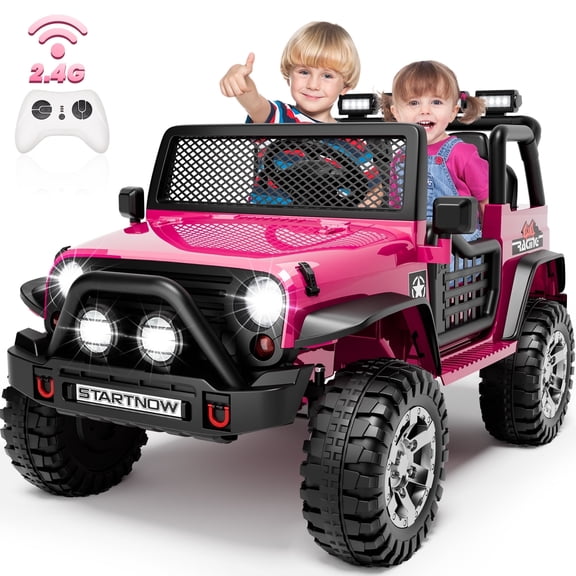
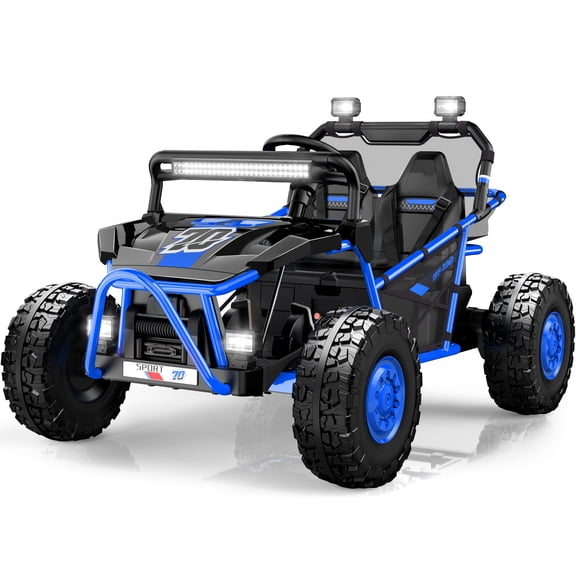
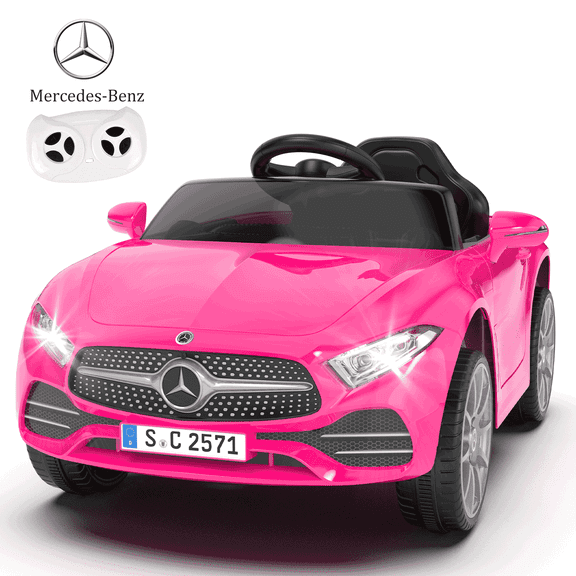
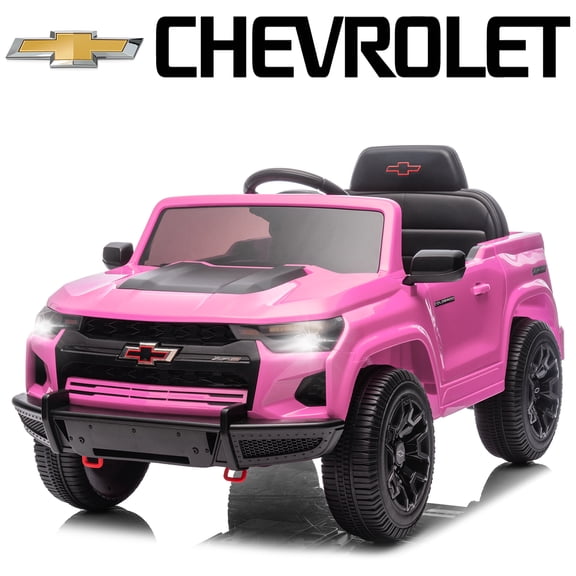
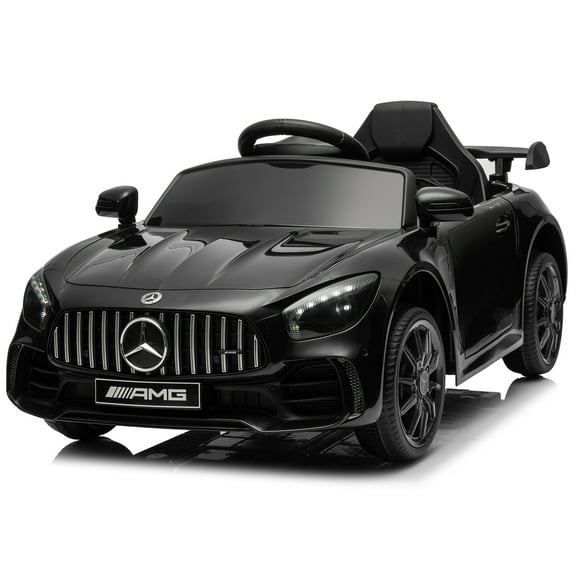
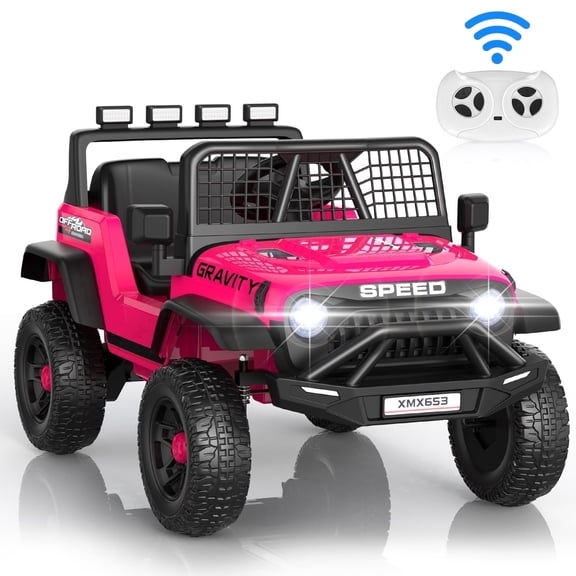
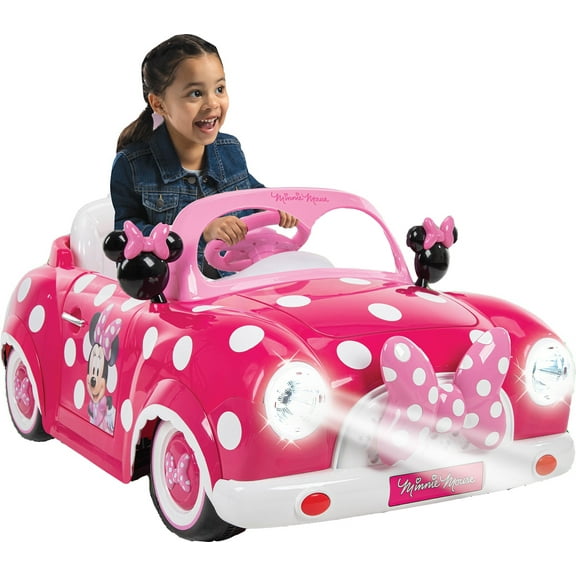
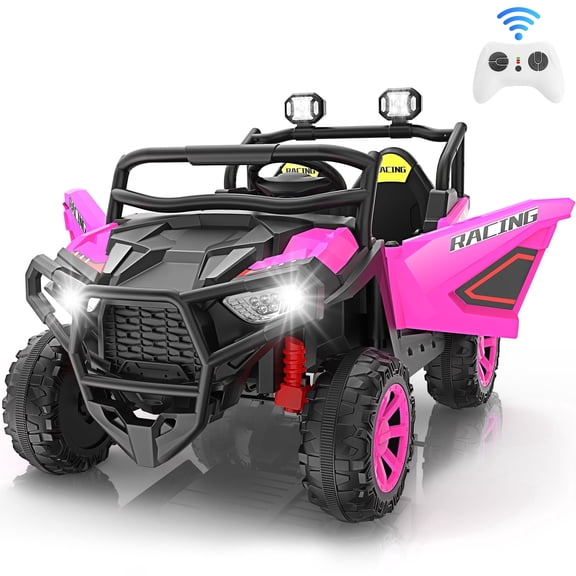
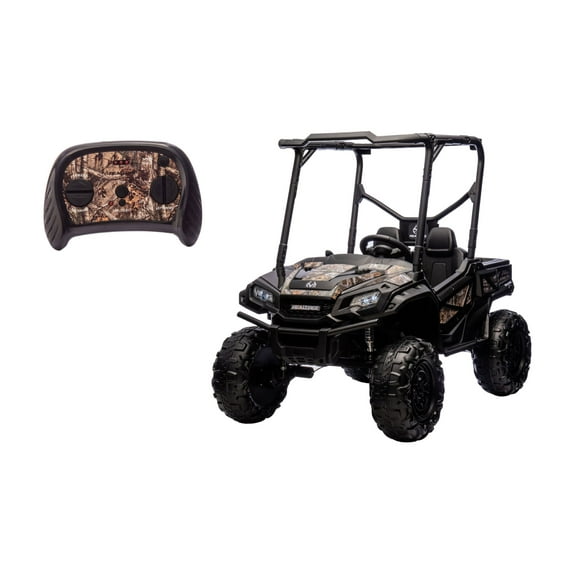
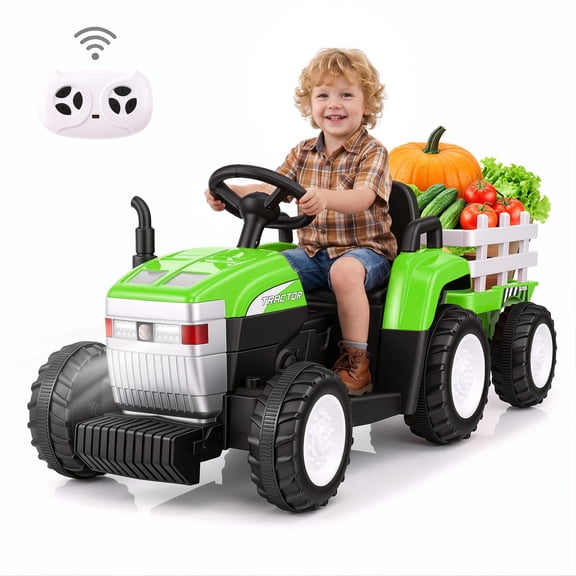
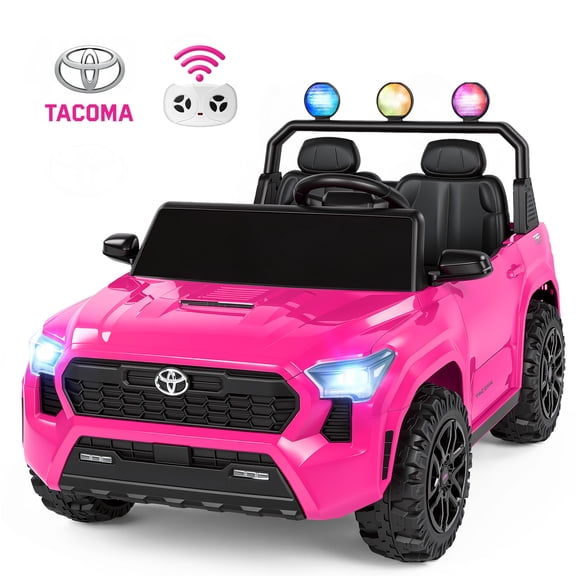
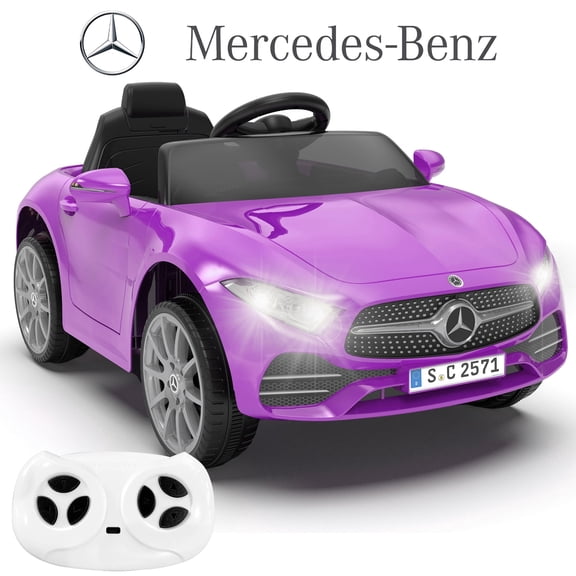
When you compare vehicle type, you can match the look and ride style to your child’s favorite way to play. You may prefer a 6v ride on car for familiar steering, or you may choose a truck for a bolder look.
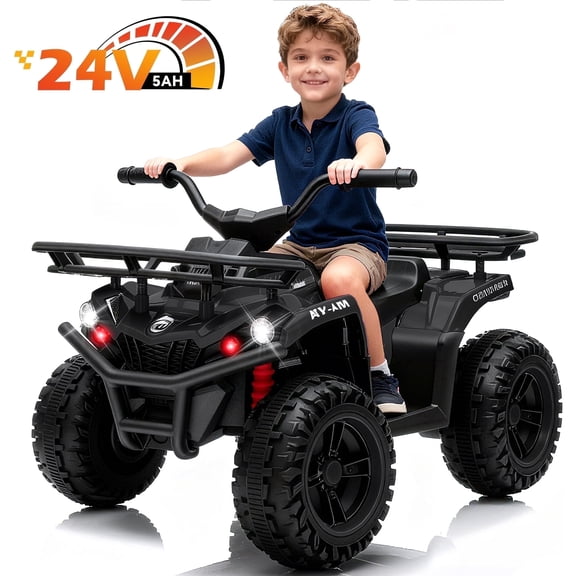
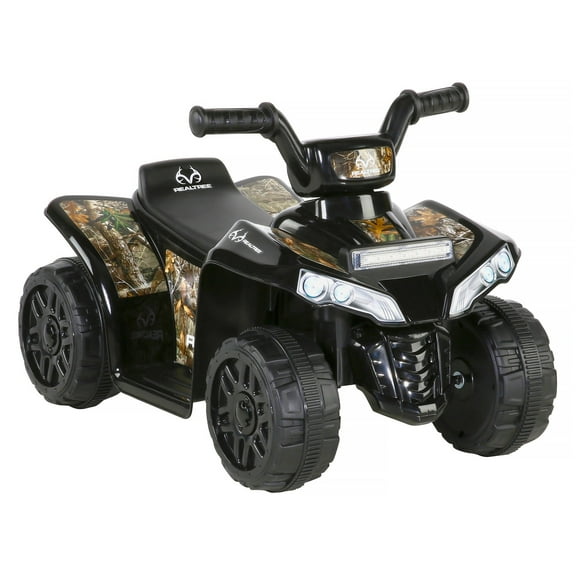
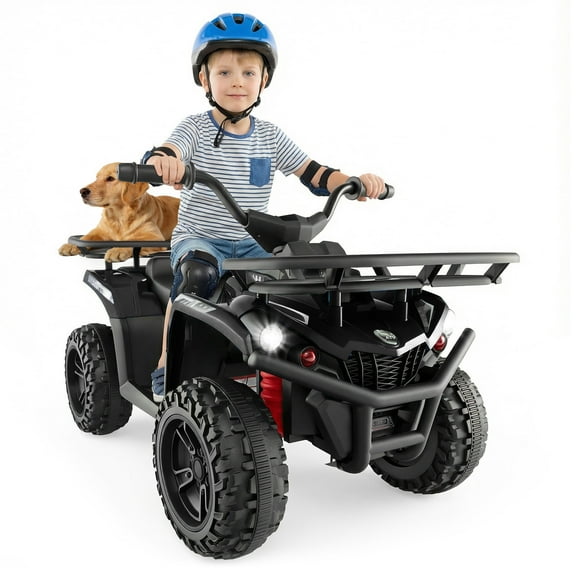
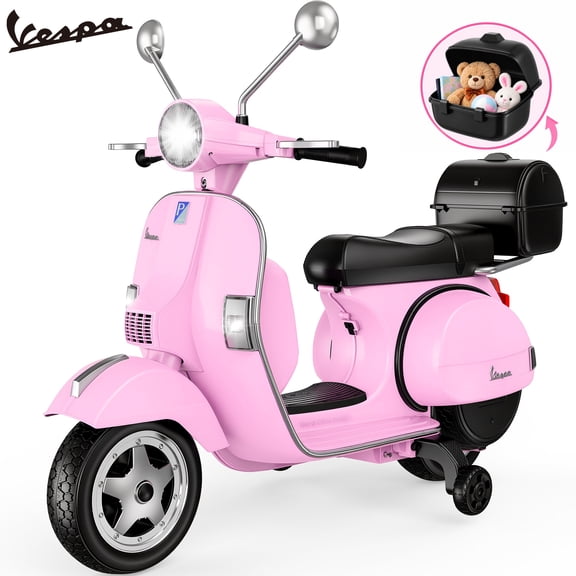
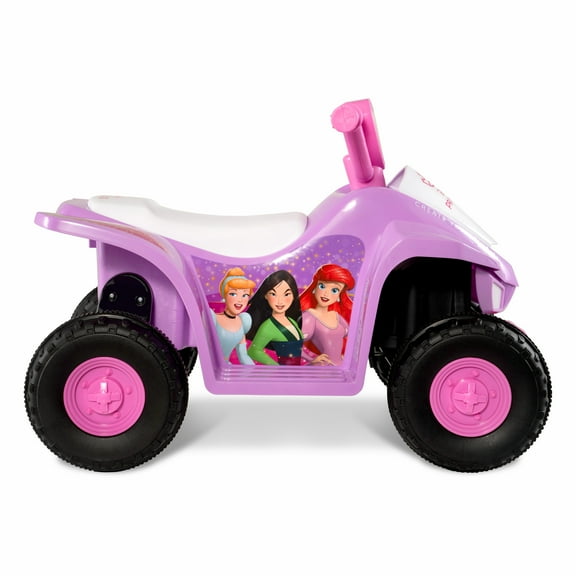
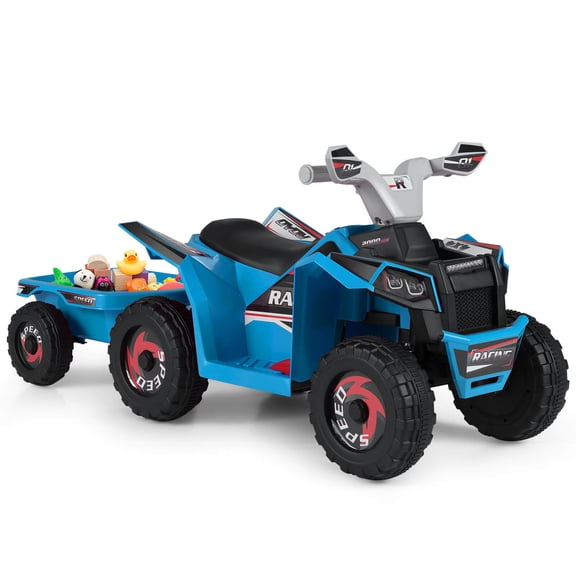
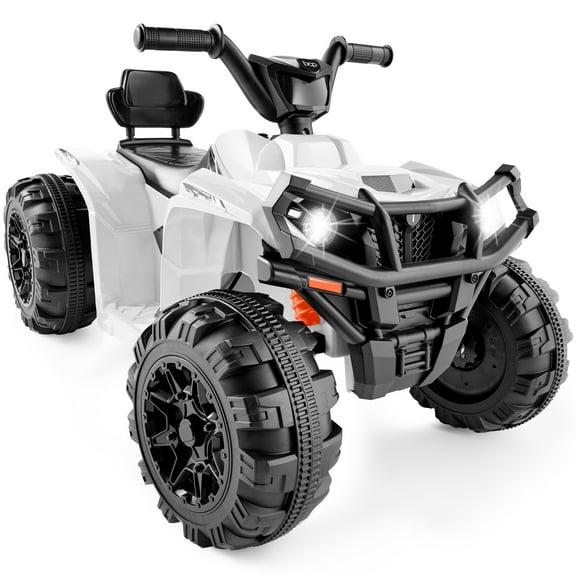
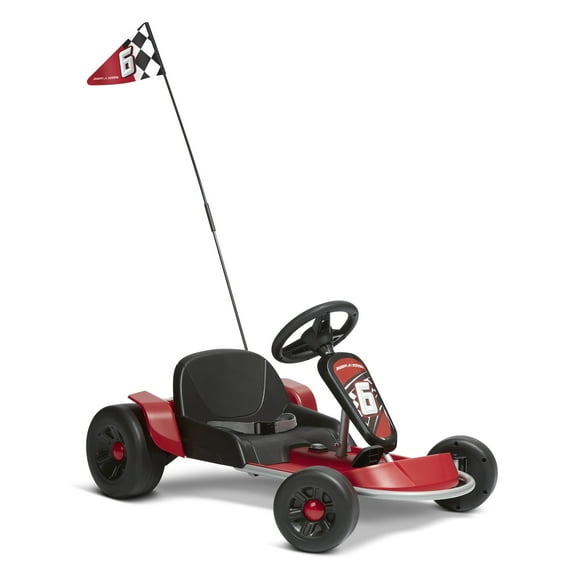
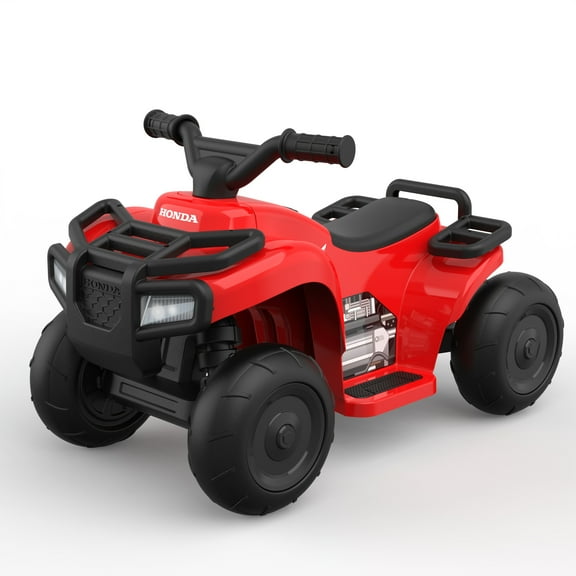
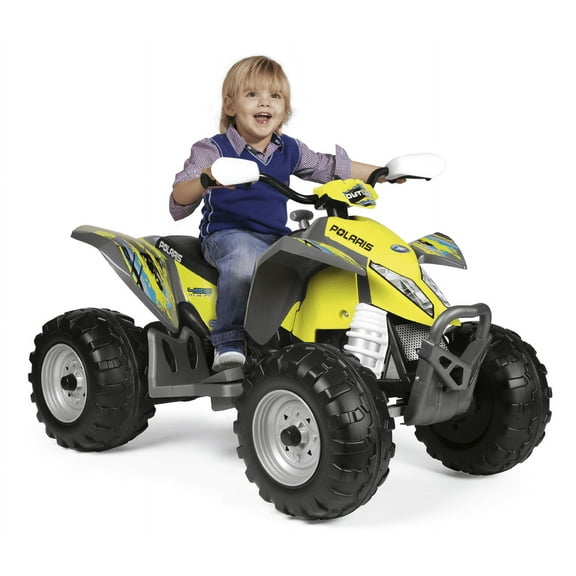
If you want tighter turns and playful spinning, you can consider a bumper car for indoor rooms or smooth outdoor areas. If you want a different riding position, you can look at motorcycles or quads with simple handlebar control.
Theme also shapes your choice, because you may want favorite characters or a classic vehicle design. You can compare Disney, PAW Patrol, Spider-Man, and generic styles to match everyday playrooms or gift occasions.
- You can choose cars and trucks for classic pretend driving.
- You can pick bumper cars when you want playful movement in compact spaces.
- You can compare motorcycles and quads for a different seat and handlebar feel.
- You can match character themes to birthdays, holidays, or favorite shows.
Choosing the right 6 volt ride on toys for age and size
When you shop 6 volt ride on toys, you should start with age range and rider size. You’ll usually see options built for 18-36 months or for three to five years.
You can check the listed weight capacity in pounds before you choose, because that number helps you match the ride to everyday use. You’ll want enough room for comfortable seating, easy foot placement, and simple steering control.
Smaller riders often do well with compact bodies and low step-in heights that make getting on feel easier. If your child is closer to age five, you may want a larger seat and a roomier wheelbase.
You can also compare the seat design, steering layout, and pedal placement before you decide. Those details help you choose a toddler electric ride on 6v model that feels natural during short practice sessions.
Understanding 6v battery ride on toys, speed, and charging
With 6v battery ride on toys, you’re usually choosing a gentle entry point for first-time riders. You can expect speeds around 1.5 to 2.5 mph, which feels close to a calm walking pace.
If you see a 6V dual motor option, you can expect added traction feel without jumping to a faster class. You should still compare the listed speed, because power setup and surface type can affect how the ride feels.
Battery run time matters when you plan play sessions, and you’ll often see about 45 to 60 minutes per charge. You can use that range to plan backyard laps, driveway cruising, or short after-nap outings.
Charging time can vary by model, so you should check the product details before you choose. You’ll want a routine that fits your schedule, especially if you expect frequent weekend use.
What to look for in toddler-focused controls and features
You can narrow your options by focusing on features that support early riders and simple operation. You may look for push-button driving, easy steering response, and seats that help little riders stay positioned.
Some models include parent-focused controls, while others keep the experience more basic for independent pretend play. You should compare seat belts, startup buttons, lights, sounds, and storage details based on how your child likes to play.
You’ll also want to check wheel design and overall frame shape for everyday handling on flat surfaces. A lower profile can help you feel confident about entry, parking, and short stop-and-start practice.
If you’re comparing themed models, you should look beyond graphics and check dimensions, controls, and age guidance. That way, you can choose a favorite character style without giving up practical fit.
Matching 6v powered ride ons to surfaces and play routines
You can maximize your experience with 6v powered ride ons when you match them to the right surface. You’ll find these beginner vehicles usually work well on flat, hard surfaces like driveways, sidewalks, patios, and finished indoor floors.
If you expect thick grass, loose gravel, or uneven ground, you should read the terrain notes closely before choosing. You’ll often find that smaller 6V models are meant for smoother paths and shorter routes.
For apartment patios or smaller yards, you can consider compact cars or bumper cars that suit tighter turning areas. For neighborhood driveways, you may prefer a truck or quad with a slightly bigger stance.
You can also match use cases to daily routines, which makes comparison easier and more practical. If you want quick weekday rides, a lighter beginner model can suit your routine more easily than a larger themed vehicle.
For birthdays or holiday gifts, you may choose character styles that feel instantly familiar and exciting. For year-round everyday play, you might prefer a generic look that stays versatile as interests change.
If siblings share toys across age ranges, you should check both the age guidance and weight limit before deciding. Those details help you choose a ride that fits regular use with fewer surprises later.
Why this category works for first-time riders
You can use this category as a practical starting point when your child is ready for powered movement and simple pretend driving. You’ll find gentle speeds, toddler-focused sizing, and vehicle choices that make early riding feel approachable and fun.
When you compare age range, weight limit, battery expectations, and surface fit, you can choose a ride that supports smoother first adventures. You’ll end up with a vehicle that matches toddler-sized play and everyday routines.