








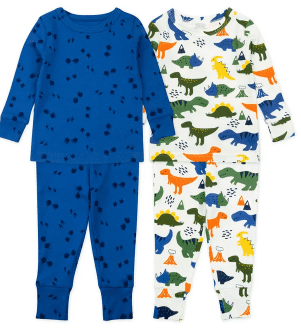
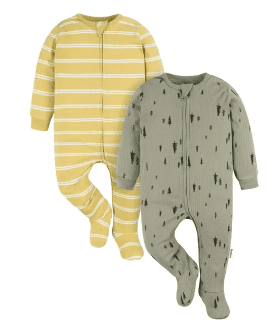
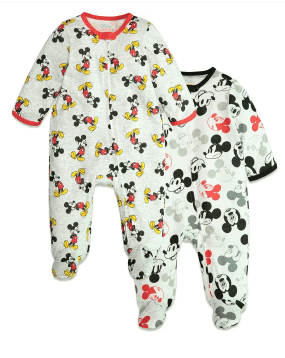
Baby Boys Pajamas in Baby Boys Pajamas

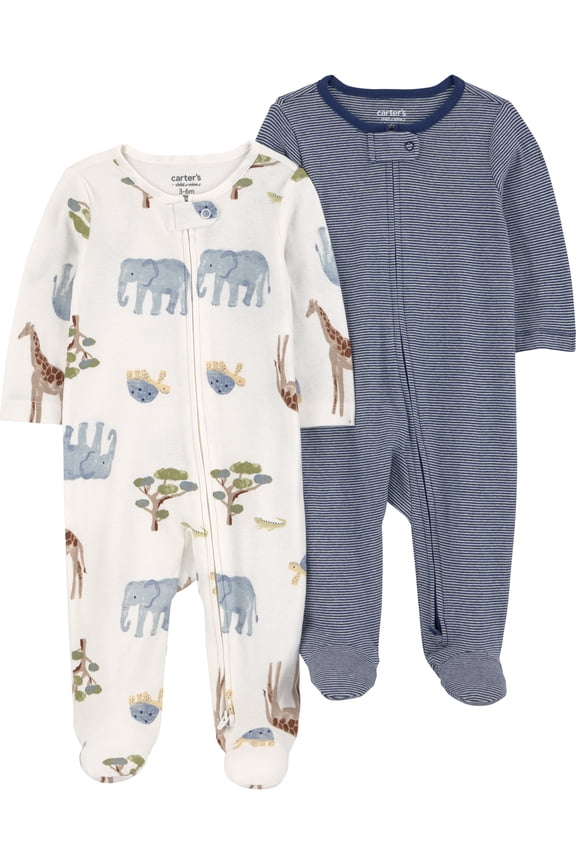


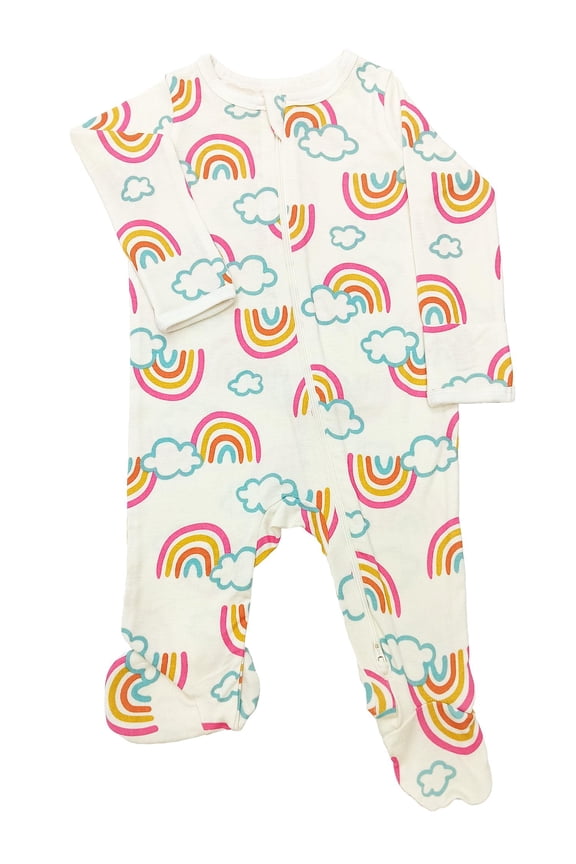


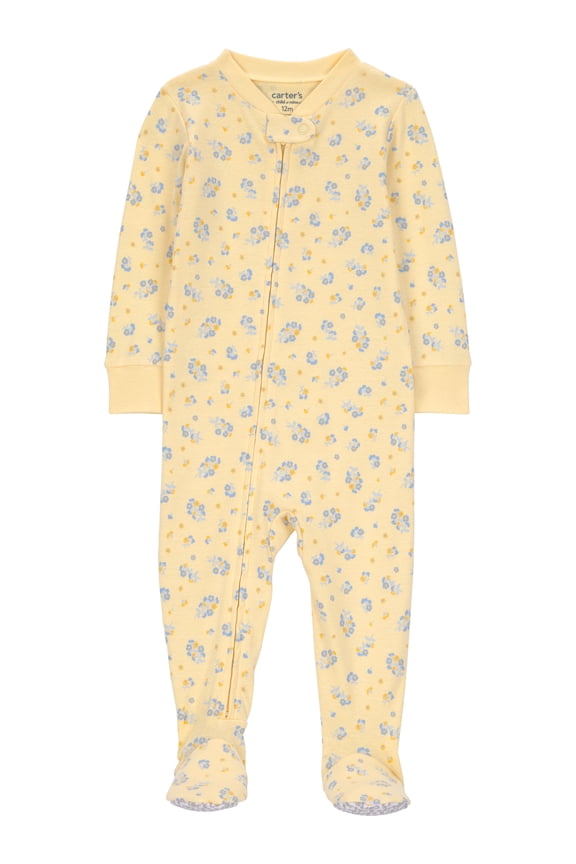


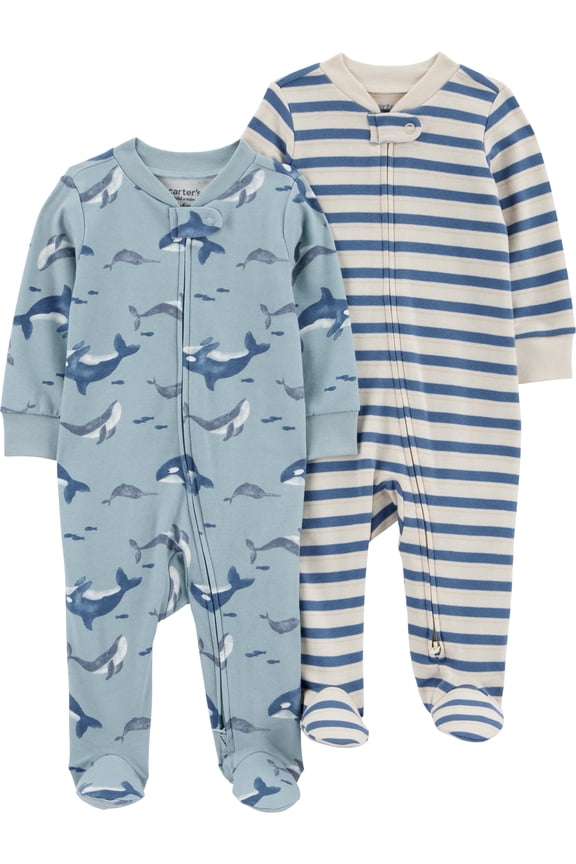


















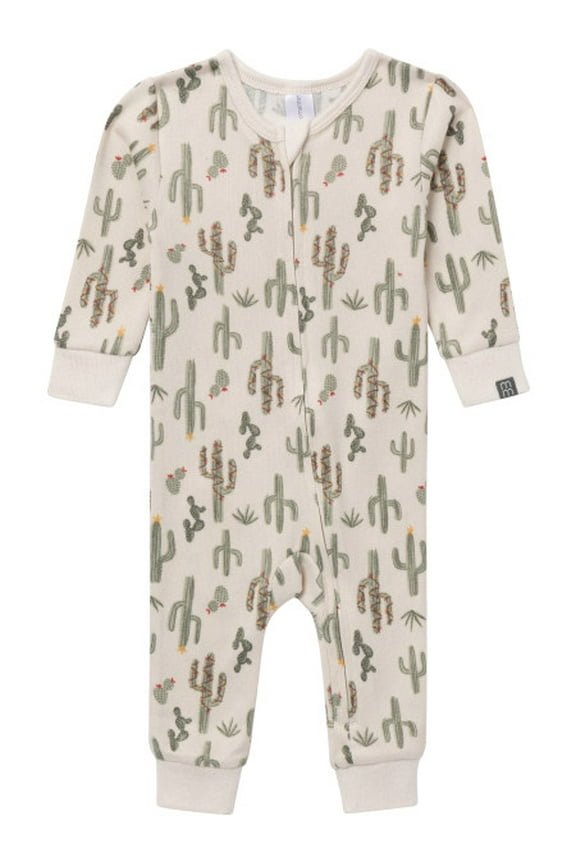


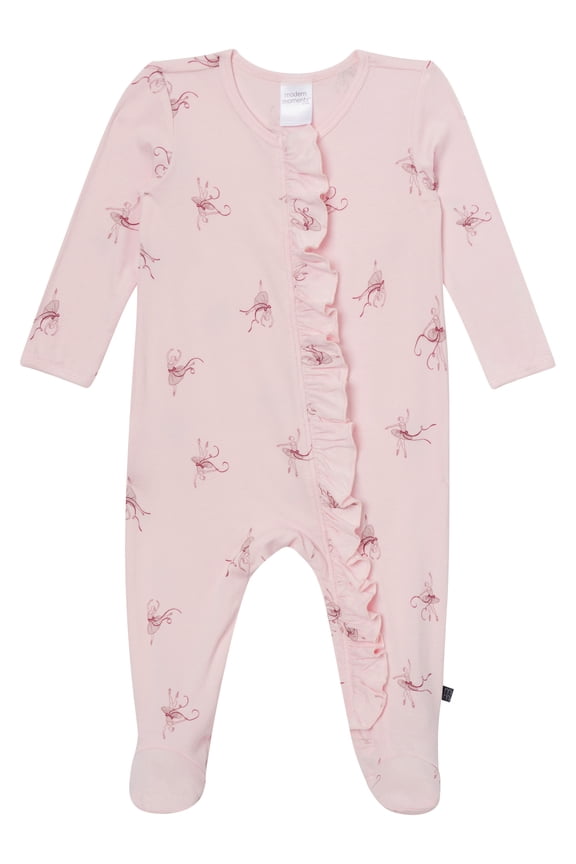

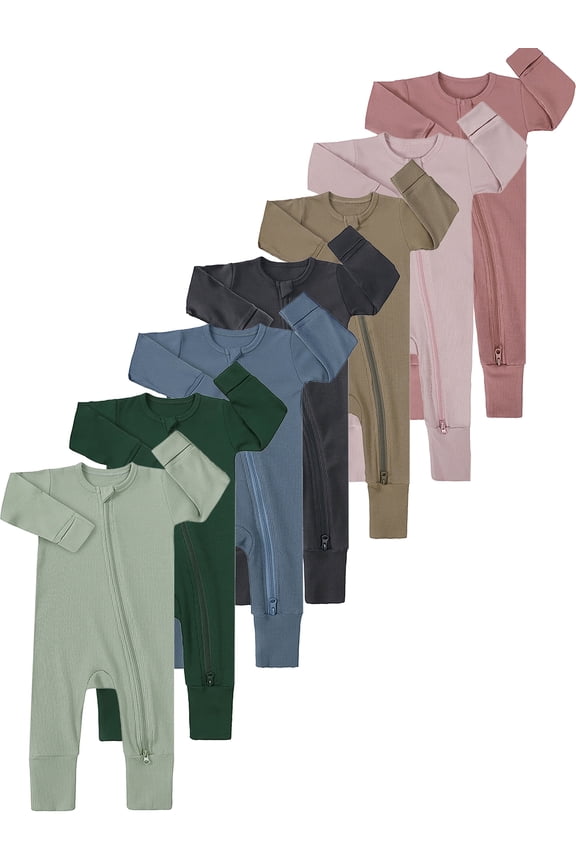


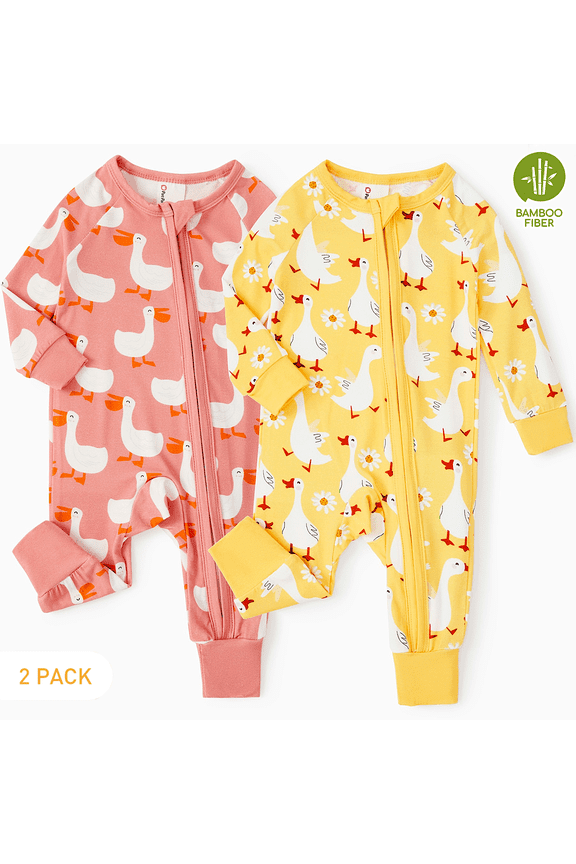


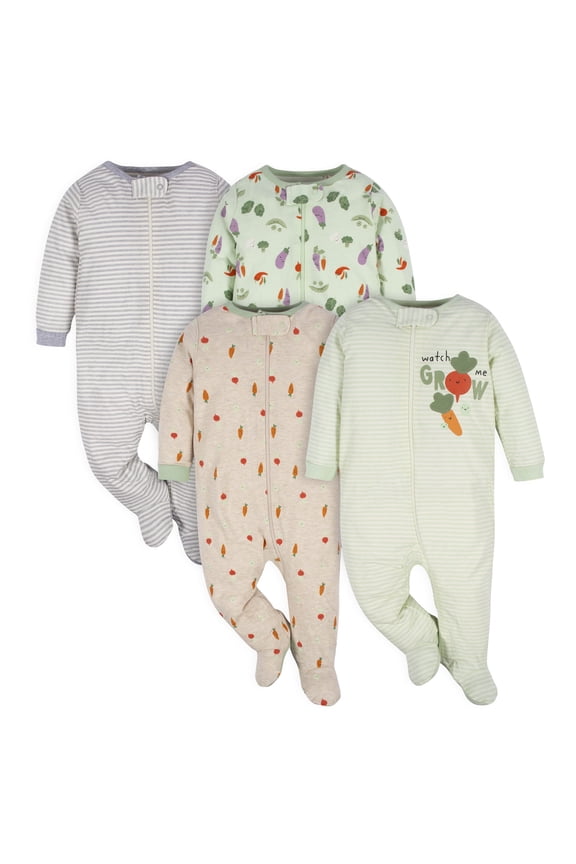


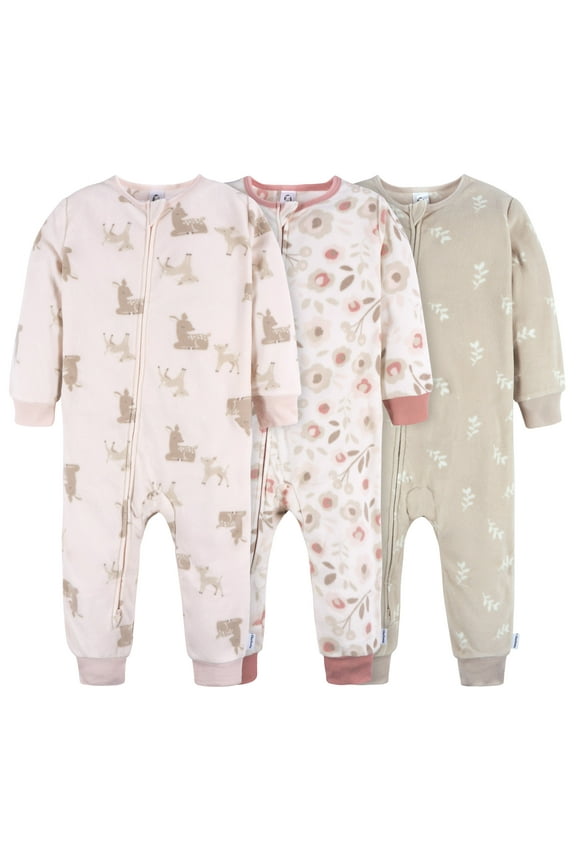


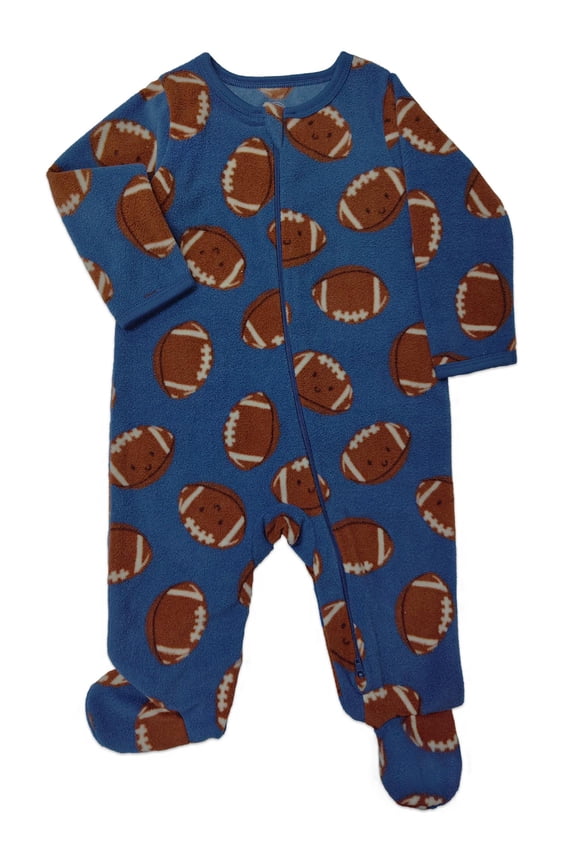


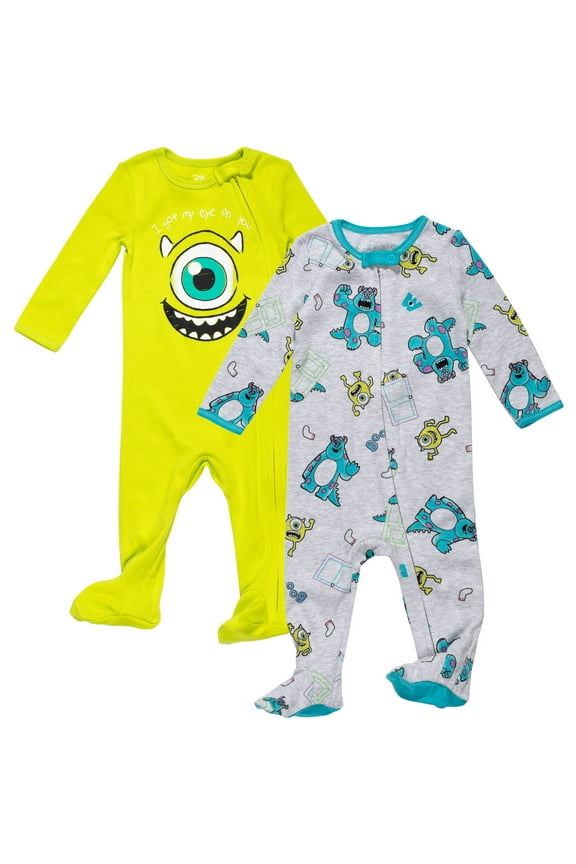


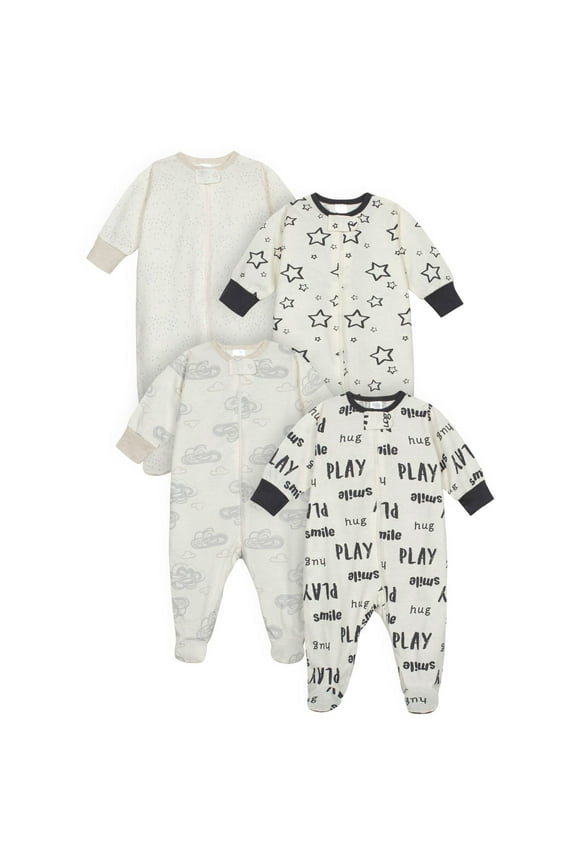


About Baby Boys Pajamas in Baby Boys Pajamas - Walmart.com
Baby boy summer pajamas help you dress your little one for warm nights, quick changes, and lighter layering through naps, bedtime, and early mornings. You can compare fabric weight, size ranges, and closure types so your choice fits your routine and the season.
If you're choosing for a fast-growing baby, you'll want details that make sizing and nighttime changes simpler. You can use this guide to compare newborn sleepers, summer sets, and roomier options for changing temperatures.
How to choose baby boy summer pajamas
When you shop baby boy summer pajamas, you'll usually start with fabric weight because warm-weather sleep calls for lighter materials. You may prefer breathable cotton or soft blends that feel less bulky during humid nights.
For summer use, you'll often notice short-sleeve sets, footless one-pieces, and lighter sleepers that layer easily. You can also compare all-season cotton options if your nursery stays cooler overnight.
If you want a quick snapshot, you can focus on a few decision points before you compare prints or colors. You'll usually narrow your choice faster when you check these details first.
- You can look for lightweight fabrics that feel less heavy on warm nights.
- You can compare one-piece and two-piece styles based on diaper-change speed.
- You can check zipper, snap-button, or elastic-waist closures for your routine.
- You can match size charts to age, weight, and height ranges for a steadier fit.
You'll also want to consider how manufacturers make and label baby sleepwear. You may see snug-fit designs or flame-resistant designs, and each label helps you compare intended sleepwear construction.
Finding the right fit from newborn to 18 months
Before relying on age alone, you should check the size chart to compare newborn baby boy pajamas and baby boy pajamas 12 months. You can get a clearer fit when you compare your baby's weight and height with the listed range.
For baby boy newborn sleepers and 0-3 month boy sleepers, you'll often want enough room for movement without extra bulk. You may find that zipper placement and footed or footless designs also affect how the fit feels.
When you compare 6 9 month pajamas boy, 9 month sleepers boy, and 9-12 month pajamas boy options, you'll notice overlap between stages. You can choose with more confidence when you measure length and check whether your baby sits between sizes.
When shopping 12 month pajamas boy, 12 month pjs boys, or 18 month boys pajamas, you should compare rise, torso length, and leg room. You may also see infant size 80, which usually helps you match some international sizing references.
Because babies grow quickly, you'll benefit from checking fit notes before you settle on one style type. You can often avoid returns when you compare the chart, closure design, and the amount of stretch.
Comparing styles, fabrics, and closures
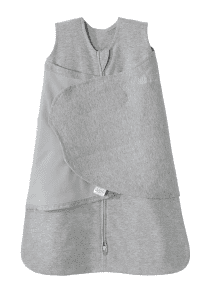
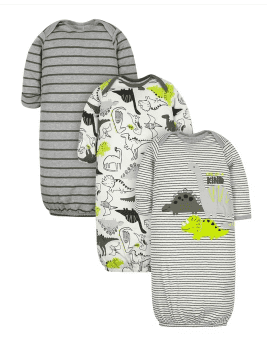
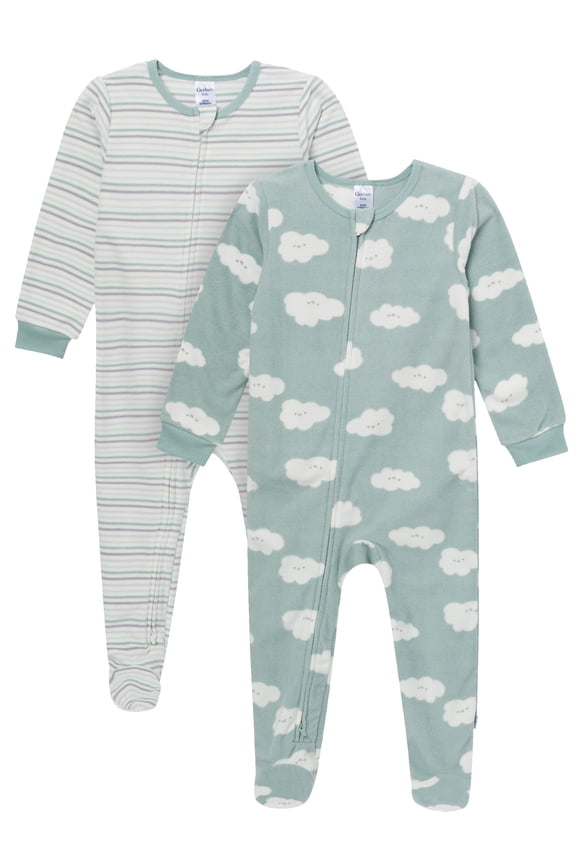
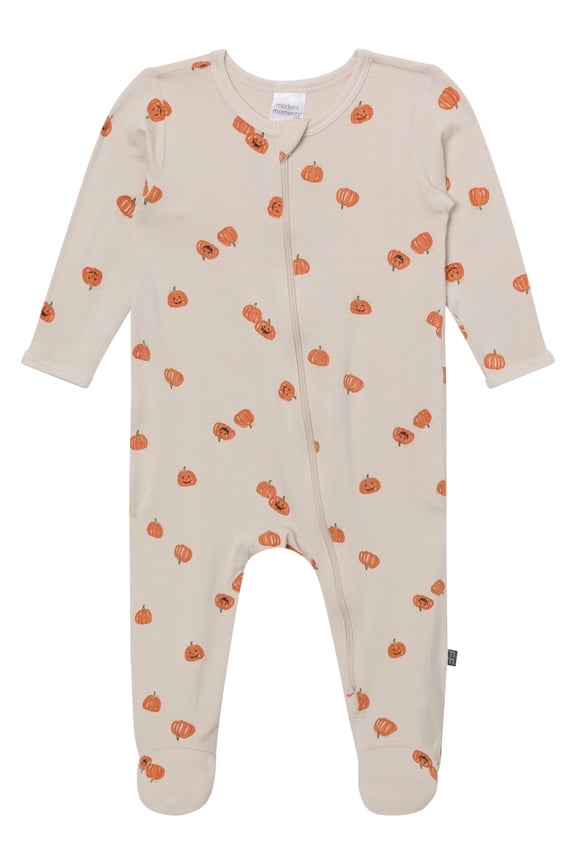
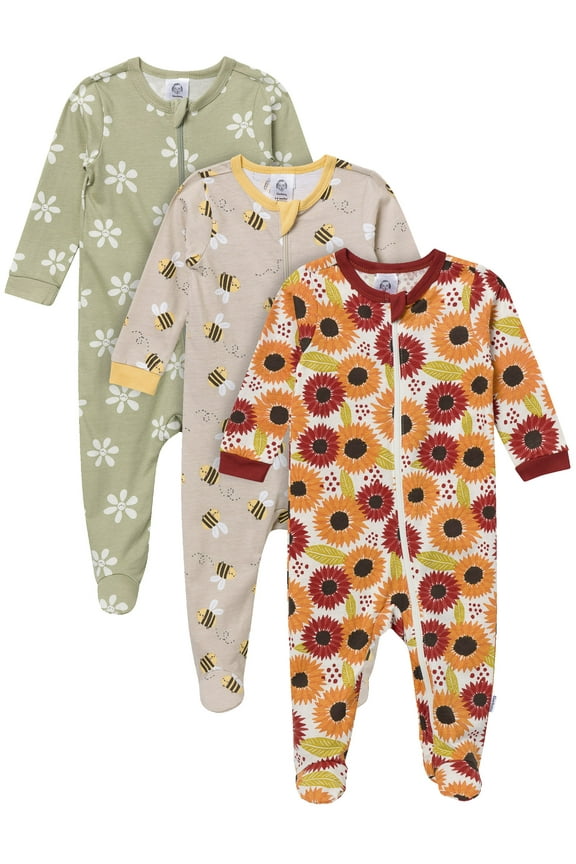
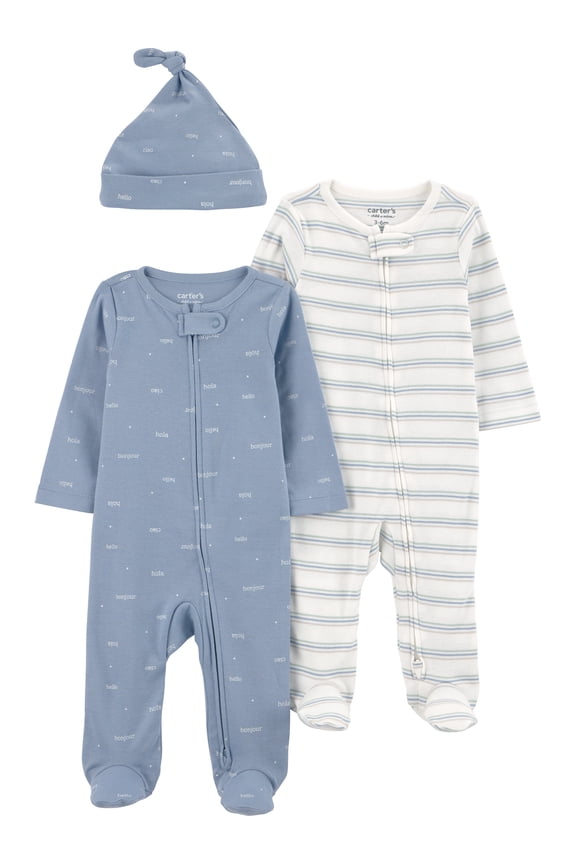
If you're choosing between baby sleepers boy styles, you'll usually compare one-piece footies, two-piece sets, sleep sacks, and rompers. You can pick the format that matches your bedtime routine, room temperature, and diaper-change habits.
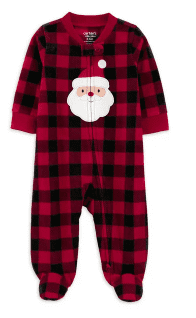
One-piece footies can give you fuller coverage when your rooms run cool from air conditioning. Two-piece baby pjs boy styles can make quick changes easier when you prefer an elastic waist and separate top.
For hot nights, you'll often want summer lightweight fabric that feels breathable and less dense. If you're planning ahead, you can also compare winter fleece and all-season cotton for changing temperatures across the year.
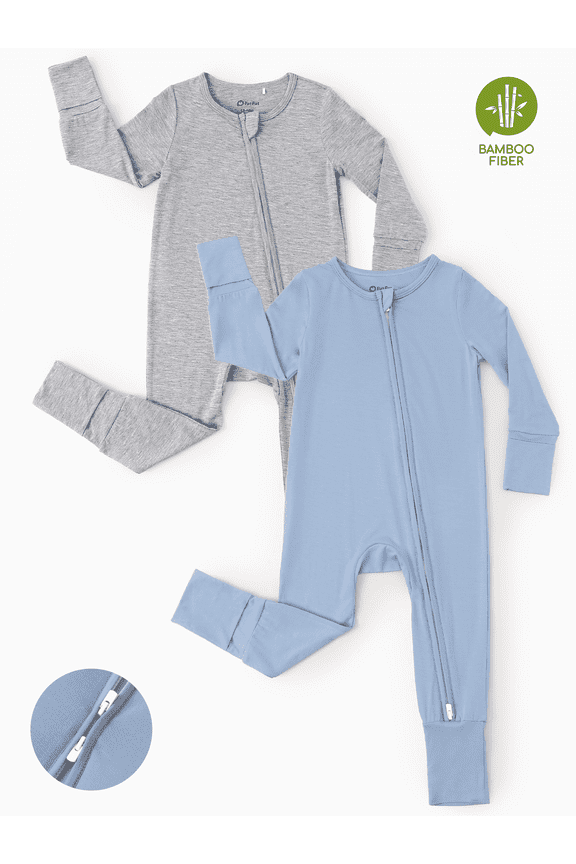
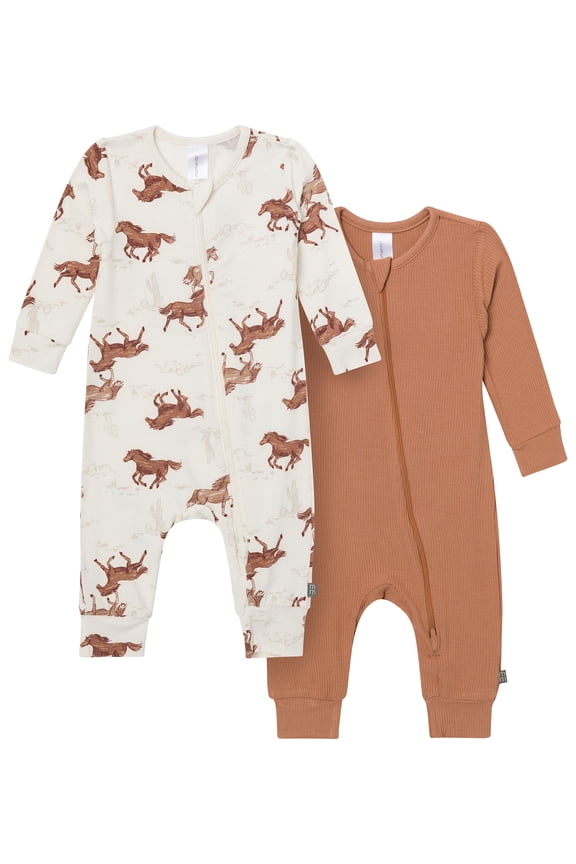
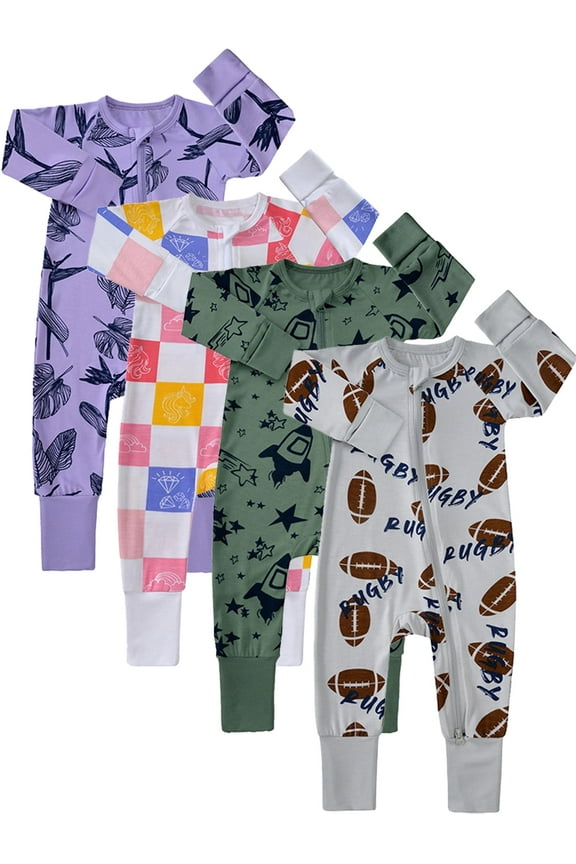
Closure type can shape your whole nighttime routine, especially during late diaper changes and early wakeups. You may prefer a zipper for quick access, snaps for targeted opening, or an elastic waist for simple pull-on dressing.
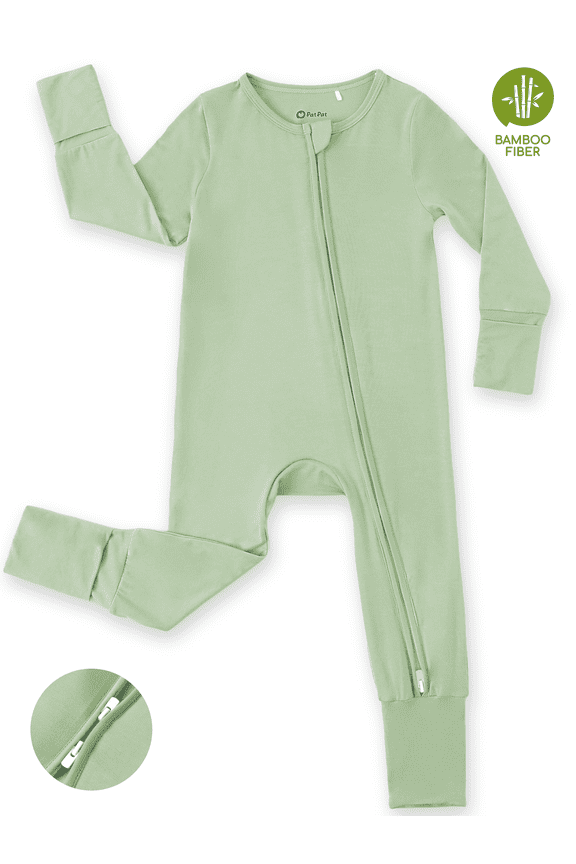
If you're comparing zipper designs, you'll want to look for two-way zipper access because it can simplify overnight changes. When you compare snap-button options, you can check alignment and spacing for smoother fastening.
You should also read sleepwear labels closely, since fit guidance matters in this category. You'll often see snug-fit language on lighter cotton sleepwear, while some styles use flame-resistant construction with a different feel.
Matching pajamas to your daily routine
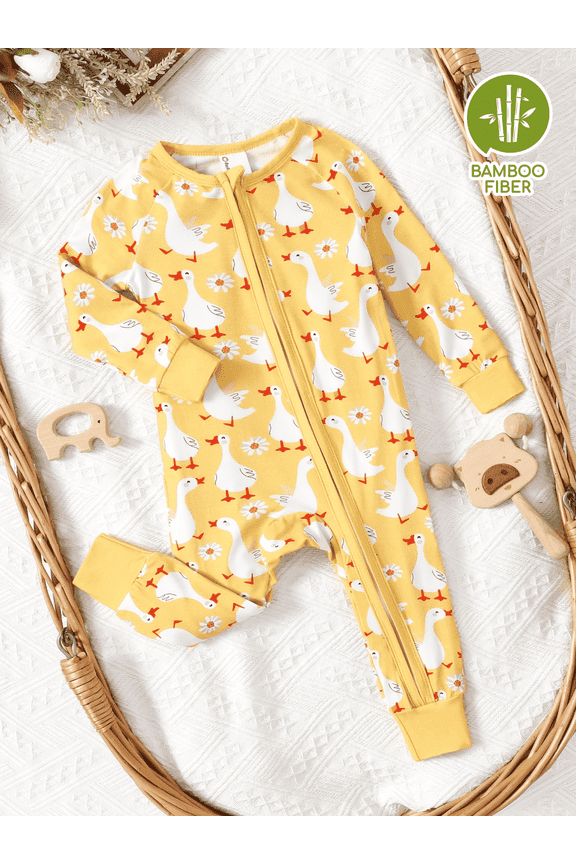
If you're building a warm-weather drawer, you can start with baby boy summer pajamas that work for naps, bedtime, and stroller rides after sunset. You may prefer footless rompers or short-sleeve sets when your home stays warm into the evening.
For a younger baby, you might choose newborn baby boy pajamas or baby boy newborn sleepers with a zipper for quicker nighttime access. You can make middle-of-the-night changes simpler when the closure opens fast and lays flat.
If your baby is moving into longer sizes, you may compare 12 month pajamas boy or 18 month pjs boys for extra reach and movement. You can pair all-season cotton with layering pieces when your day starts warm and ends cooler.
When you travel or pack for daycare, you'll want styles that fold small and sort easily by size stage. You can keep extras ready when you separate 0-3 month boy sleepers from 6-9 month and 9-12 month options.
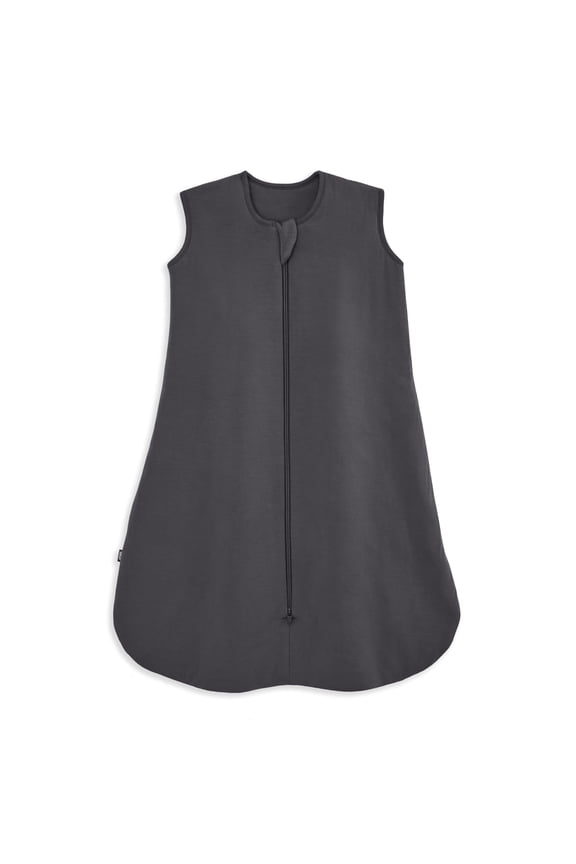
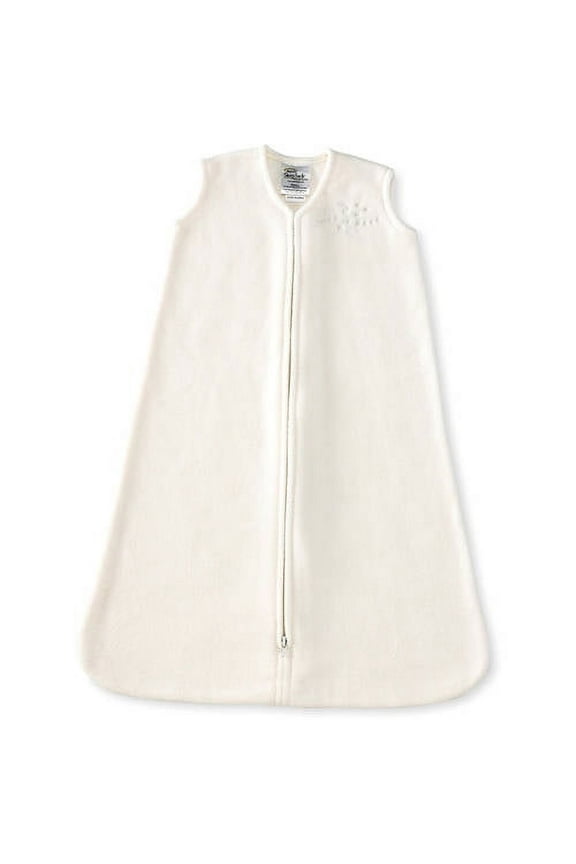
If you're choosing sleep sacks, you'll want to confirm how they layer over a diaper and bodysuit in your usual room conditions. You can use them when you want wearable coverage without picking a legged sleeper.
With the right mix of size guidance, seasonal fabric, and practical closures, you can narrow choices without guesswork. You'll end up with sleepwear that fits your baby's stage and makes bedtime changes more manageable.