



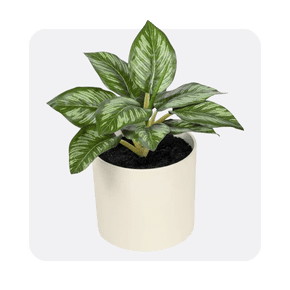


Artificial Plants and Flowers
Shop by category
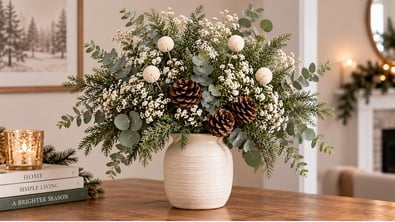

Arranging essentials







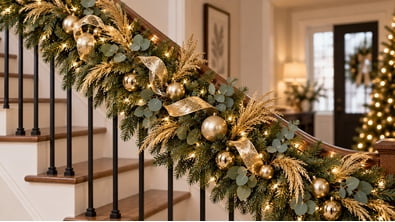
Fall for these seasonal finds













Shop by occasion


FAQ
About Artificial Plants and Flowers - Walmart.com
When you’re deciding where to get artificial flowers, you’ll want realistic color, flexible styling, and easy care in one place. You can compare flowers, plants, wreaths, and garlands that fit tabletops, shelves, entryways, and front doors without the upkeep of live greenery.
How to choose where to get artificial flowers
You’ll get the clearest starting point by choosing product type first. You can narrow your look with stems for vases, potted plants for corners, wreaths for doors, or garlands for mantels.
Your room also shapes the right choice. You may prefer artificial flowering plants for color, while foliage and succulents help you keep a calmer, greener look.
- You can use flower stems to build centerpieces, bouquets, and seasonal arrangements.
- You can place potted greenery on desks, shelves, and entry tables for year-round color.
- You can hang wreaths on front doors, walls, and covered porches for a finished look.
- You can drape garlands across mantels, stair rails, and dining tables for layered texture.
You’ll also notice how faux décor helps you style spaces that need a polished look every day. You can keep color in dim rooms, busy households, and guest spaces without watering schedules.
Choosing product type and placement
You should compare flowers, plants, wreaths, and garlands by where you’ll display them. You can use tabletop stems for dining areas, fuller plants for empty corners, and front door wreaths for a welcoming entry.
If you’re decorating inside, faux flowers indoor styles help you add color without dropping petals on furniture. You can also move indoor pieces between rooms when you refresh a table, bookshelf, or mantel.
For outdoor or covered entry placement, you should check whether the item notes weather-ready construction. You’ll want that detail when your porch, doorway, or patio gets regular sun exposure.
Comparing materials for realistic texture
You can often judge realism by material and finish before anything else. You may like silk and polyester petals for soft drape, while plastic artificial plants can work well in busy spaces.
Real-touch materials can give your arrangement a lifelike feel in leaves and petals. You’ll also want to compare color variation, veining, and stem shape because those details help your display look more natural.
If you’re styling a kitchen, playroom, or covered porch, you may prefer surfaces that wipe clean easily. You can usually maintain plastic leaves and sturdy stems with a soft cloth or light dusting.
What to look for in artificial flowering plants
You should look at bloom shape, leaf fullness, and pot style when you compare artificial flowering plants. You can create a softer look with hydrangea heads, or use foliage and succulents for cleaner lines.
If you’re choosing a faux hydrangea wreath, you’ll want balanced blooms and a shape that looks full from the doorway. You can also check for layered petals and mixed greenery for added depth.
Your display may look more polished when flower color matches the room’s accents. You can coordinate whites, greens, blush tones, or deeper shades with your pillows, table linens, or wall art.
Checking outdoor suitability and UV details
You should compare outdoor options by placement and sun exposure, not color alone. You’ll want to check whether the item includes UV-inhibitor details when you’re decorating a porch or front door.
A UV-inhibitor rating matters because you’re choosing décor that may sit in bright light for long periods. You can use that detail to compare options for covered patios, sunny entries, and outdoor wreath displays.
If your space is mostly indoors, you may not need the same weather-focused construction. You can focus instead on realism, fullness, and the right scale for shelves, mantels, and tabletops.
Cleaning and maintaining your faux arrangement
You won’t need soil, trimming, or regular watering with faux arrangements. You can keep them looking fresh with light dusting, a soft brush, or a damp cloth on leaves and petals.
If you rotate seasonal décor, you should store stems and wreaths where their shape stays protected. You can fluff petals, adjust branches, and reshape garlands when you set them out again.
Your maintenance routine stays simple when you choose materials that match your space. You may prefer wipe-clean leaves for busy rooms and delicate petal textures for formal tables or guest areas.
Matching artificial flowers to real rooms
You can use tall greenery to frame a fireplace, while shorter blooms brighten a nightstand or bathroom shelf. You’ll often get the cleanest result by matching the arrangement’s height to the surface below it.
For gatherings, you can place garlands across a dining table and add loose stems to small vases. You may also use a wreath on a front door, then repeat similar blooms inside for a connected look.
When you’re still deciding where to get artificial flowers, it helps to compare type, placement, material, and variety together. You can create lasting color and realistic texture that fits your home with less day-to-day upkeep.