











Results for "fishing accessories"







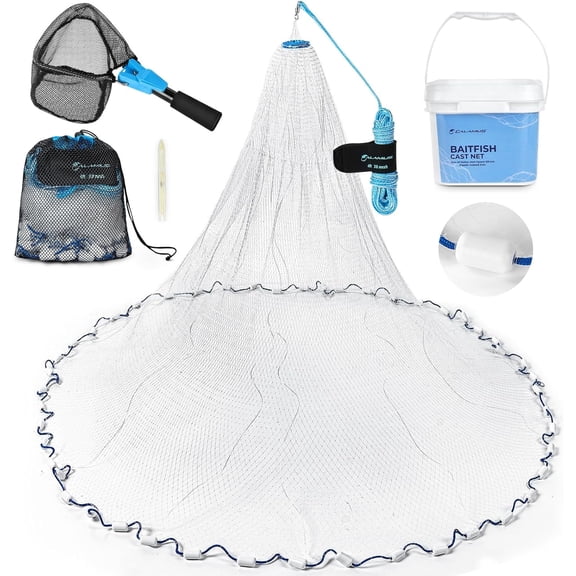


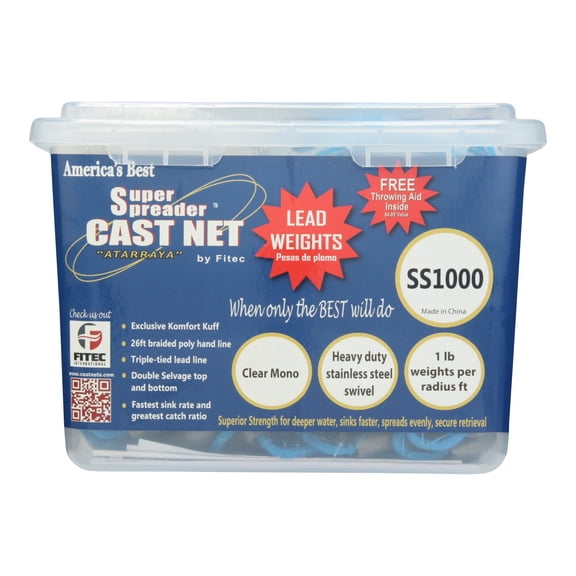
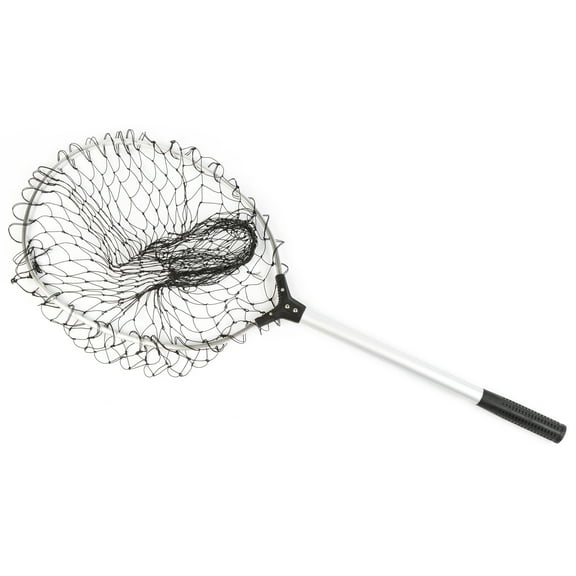
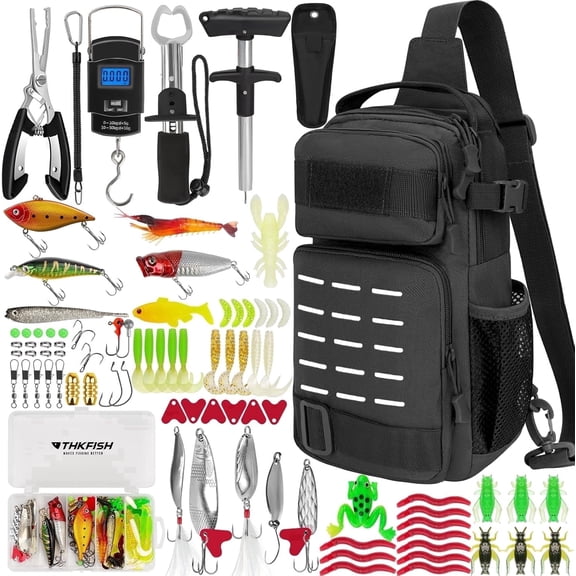


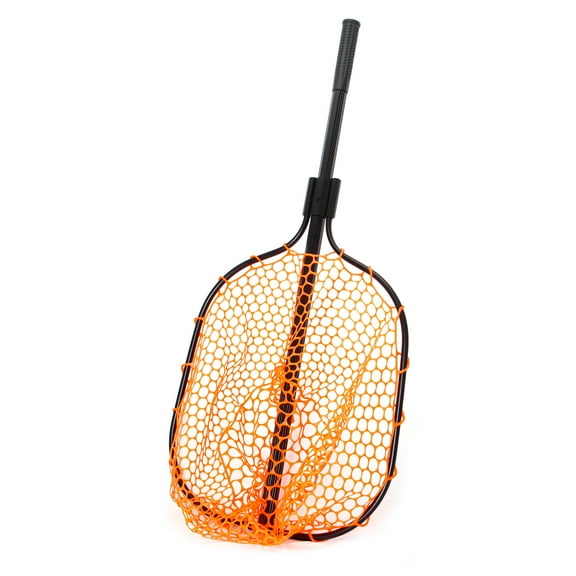

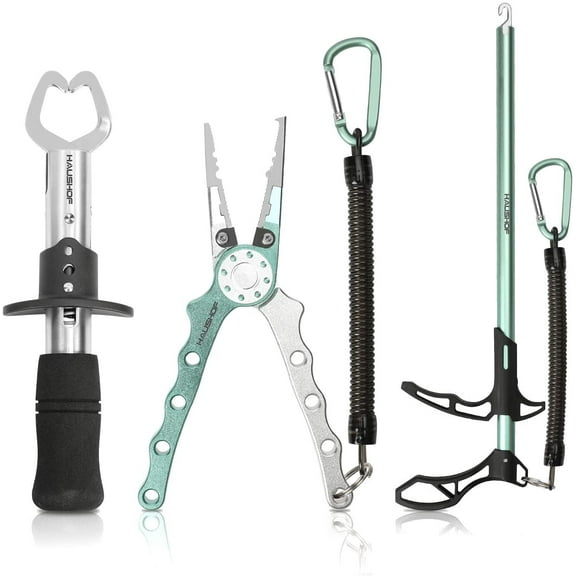
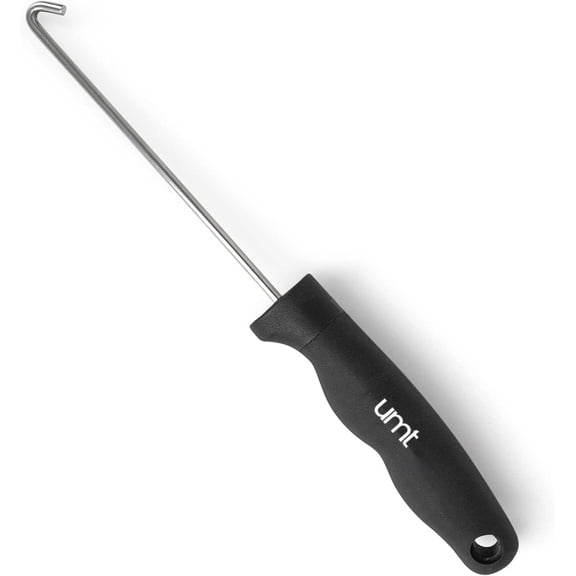


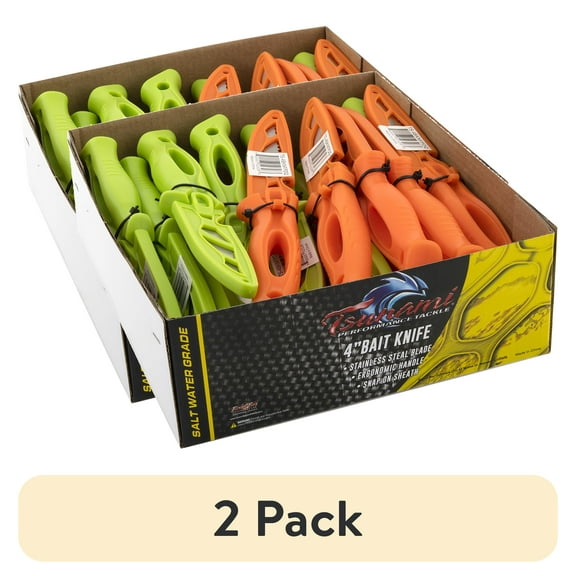










About Fishing Gear & Accessories - Walmart.com
Fishing gear accessories help you build a setup that matches your water, target species, and storage needs. You can compare tackle, tools, rigs, and organizers in one place, so your next trip feels more prepared.
If you fish often, you know small add-ons can shape how your day goes. You may need corrosion-ready pieces for saltwater, species-specific rigs for freshwater, or compact storage for quick access.
How to choose fishing gear accessories
You can get more from fishing gear accessories when you match each item to your water type and routine. You can narrow choices efficiently by comparing tackle, tools, storage, and rig components before checkout.
When you sort by water type first, you avoid mixing parts that suit different conditions. You can then compare sizes, materials, and storage formats with a clearer goal in mind.
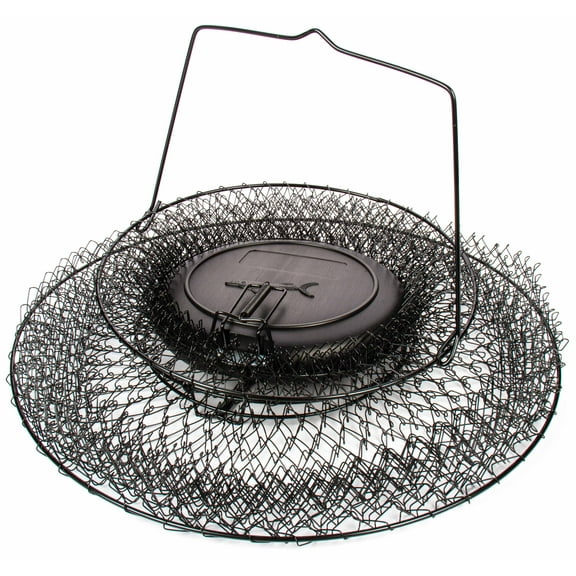
- You can keep lures, hooks, sinkers, and swivels organized with tackle storage that fits your trip length.
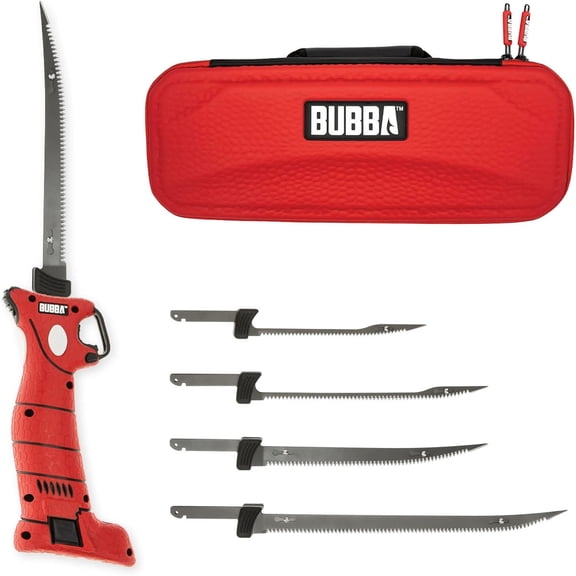
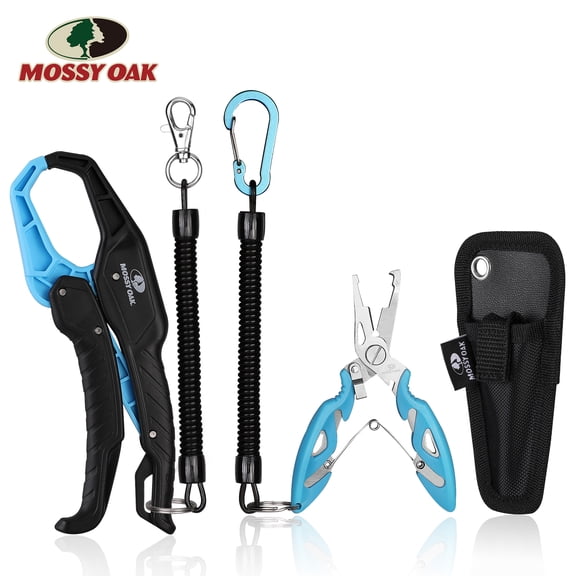
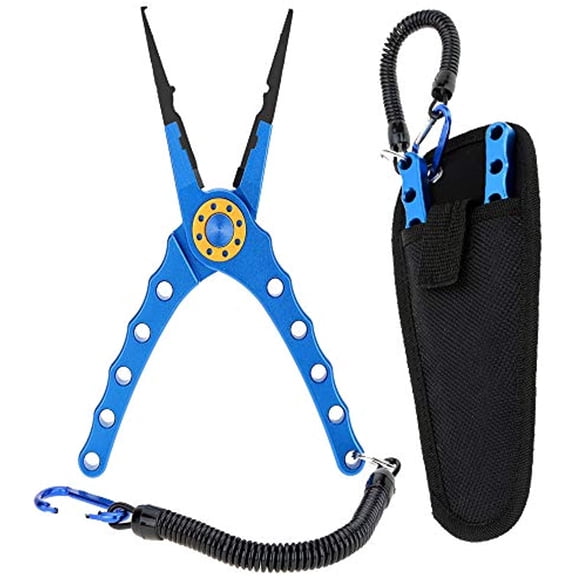
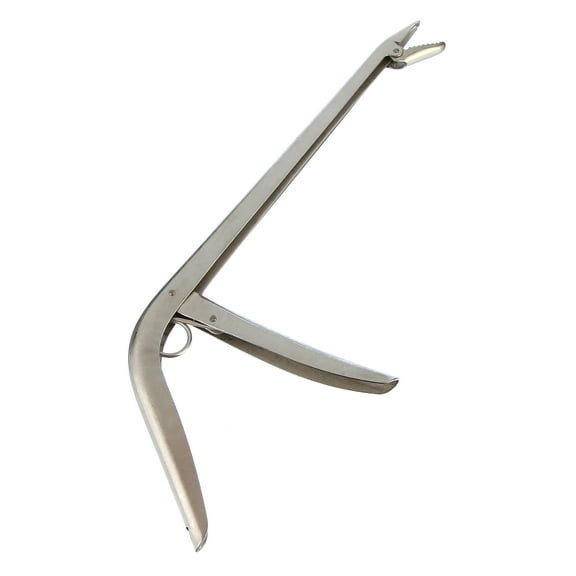
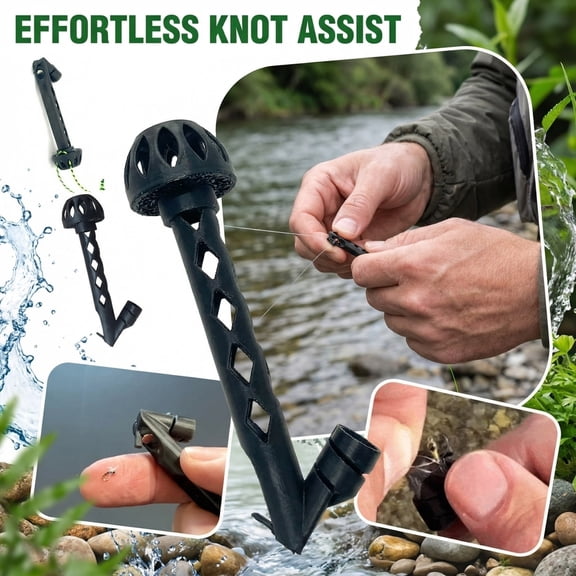
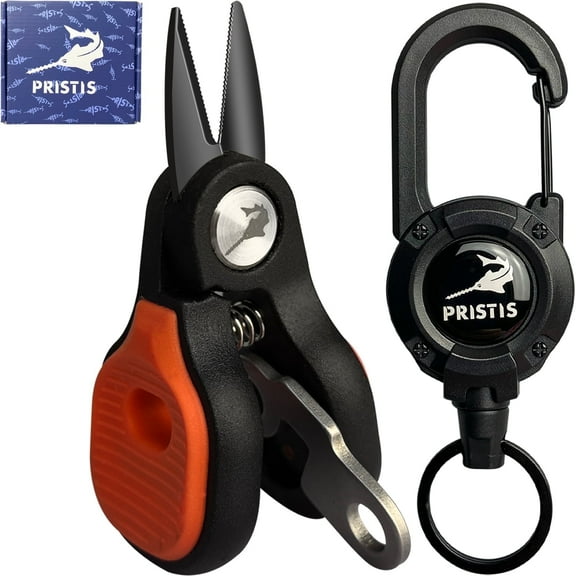
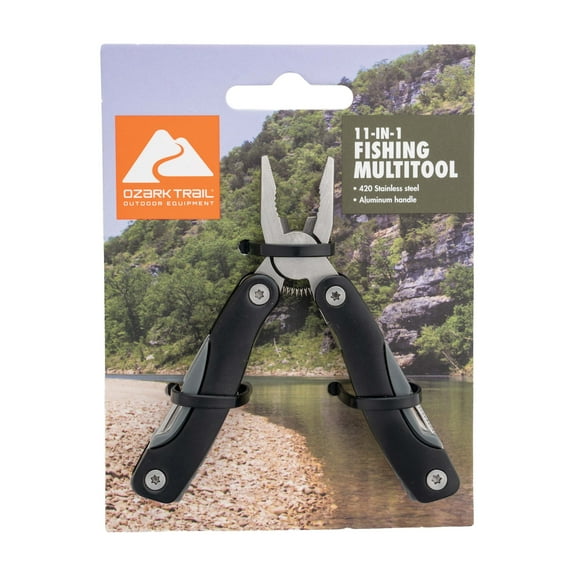
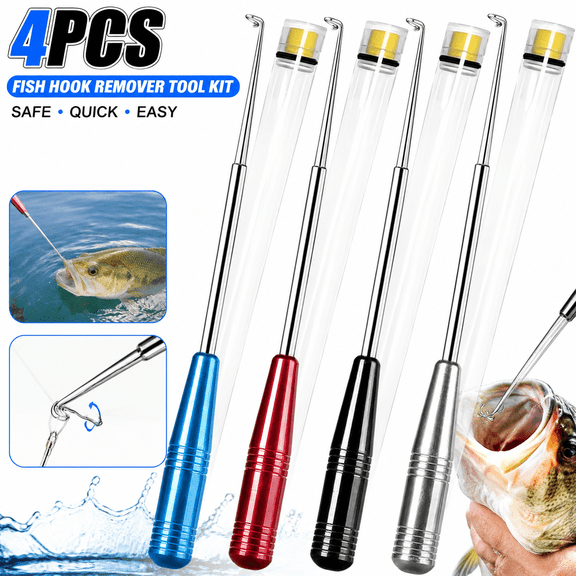
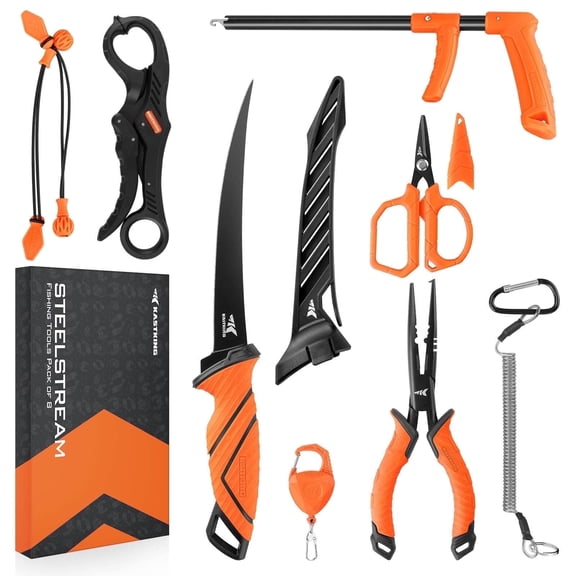
- You can choose fishing tools like pliers, line cutters, and hook removers for efficient rig changes on the water.
- You can match rigs and terminal tackle to bass, trout, catfish, or walleye with less guesswork.
- You can compare compact utility trays, tackle boxes, and gear bags based on how you carry your setup.
You may also notice that a focused setup helps you pack with less clutter. Your gear stays accessible when each tray, box, or bag serves a clear purpose.
Choosing between freshwater fishing gear and saltwater fishing accessories
You should start with water environment compatibility because it affects how your accessories perform over time. You may want freshwater fishing gear for lakes, rivers, and ponds, where conditions differ from coastal use.
If you fish saltwater, you should look for saltwater fishing accessories built for harsher exposure and repeated rinsing. You can compare finishes, hardware, and materials that hold up well in marine settings.
For freshwater trips, you may focus more on lure styles, hook sizes, and species-specific terminal tackle. You can often build lighter setups for trout, bass, walleye, and panfish conditions.
Ice fishing adds another decision point because you need accessories that work in tight spaces and cold-weather organization. You may prefer compact trays, smaller rigs, and gloves-friendly tools for quick handling.
Comparing fishing tackle and gear by species and rig setup
You can make informed choices when your fishing tackle and gear match the fish you plan to target. You should compare lure size, line weight range, and terminal tackle style before picking rigs.
For bass, you may want worm hooks, jig heads, and storage that separates soft baits from hard lures. You can keep larger profiles organized when your trays include divided compartments.
If trout is your focus, you may prefer smaller hooks, spinners, and lighter rig components. You may usually want compact organization that keeps delicate tackle easy to sort and retrieve.
For catfish, you might look for stronger swivels, weights, and rigging parts that support heavier bait presentations. You can reduce re-rigging time when your tools and tackle stay grouped by setup type.
Walleye anglers often compare live bait rigs, jig assortments, and storage that keeps finesse tackle untangled. You may appreciate clear utility trays when you need to switch presentations during changing conditions.
What to look for in fishing tools and tackle storage
You should compare storage type based on how you travel, launch, and fish through the day. Your choice may come down to tackle boxes, utility trays, or gear bags with room for tools.
Tackle boxes work well when you want a structured home base for assorted tackle and small accessories. You can keep hooks, bobbers, sinkers, and line in dedicated sections for quick access.
Utility trays make sense when you like to sort by lure category, species, or water type. You can slide labeled trays into a larger bag and swap them between short trips.
Gear bags fit anglers who carry extra layers, line spools, pliers, and packaged rigs alongside tackle storage. You can get flexibility when you need one grab-and-go option for boat, bank, or dock use.
You should also compare closure style, handle design, and tray layout before choosing storage. Your setup feels simple to manage when the container matches your pack style and trip length.
Using fishing gear accessories for different trips
You may pack differently for a neighborhood pond than for a full day on coastal water. Your trip length, target species, and access point all influence which accessories make sense.
For quick freshwater outings, you might carry a few utility trays, line tools, and species-specific rigs. You can stay mobile while keeping trout, bass, or walleye tackle sorted by technique.
If you’re heading to saltwater, you may want dedicated saltwater fishing accessories and separate storage from your lake gear. You can keep marine-ready tackle together and simplify cleanup after the trip.
When you fish from shore, you may prefer lighter gear bags with room for tools and extra rigs. You can move freely between spots when your setup stays compact and organized.
Boat days often call for larger tackle storage and backups for changing water conditions. You can carry more rig options, leader materials, and fishing tools without losing track of small parts.
Ice fishing trips usually favor compact boxes, small jigs, and easy-access tools that work with layered clothing. You can appreciate storage layouts that let you grab essentials without digging around.
You can shop with more confidence when your accessories match your water, species, and storage habits. Your setup feels more dependable when each piece supports a productive day on the water.