





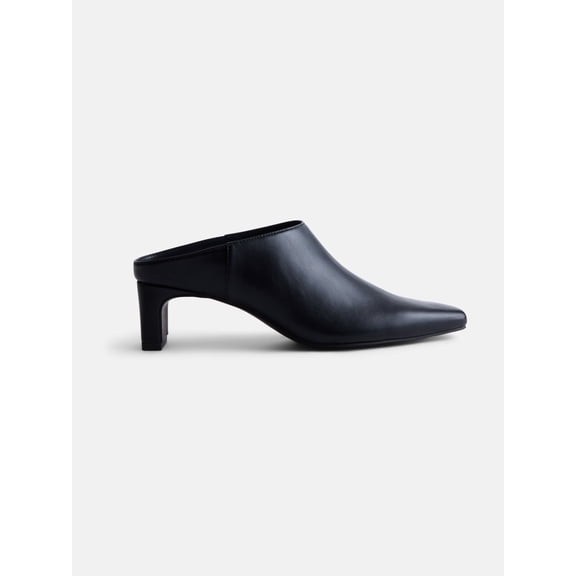
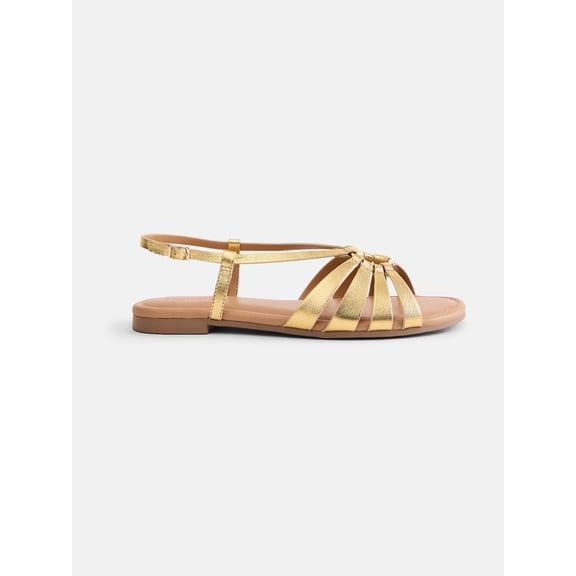
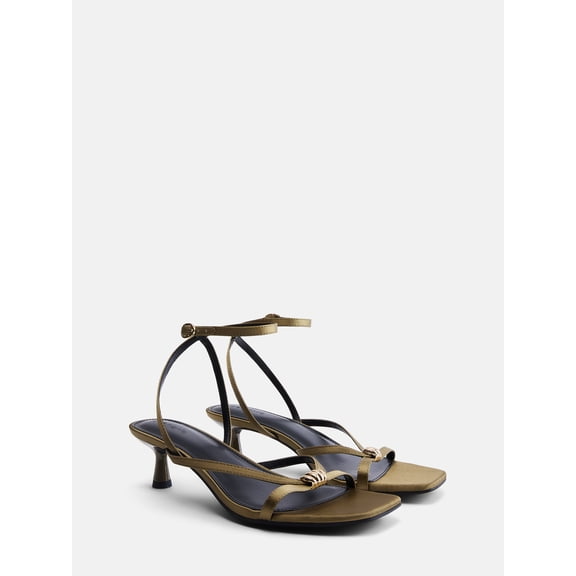
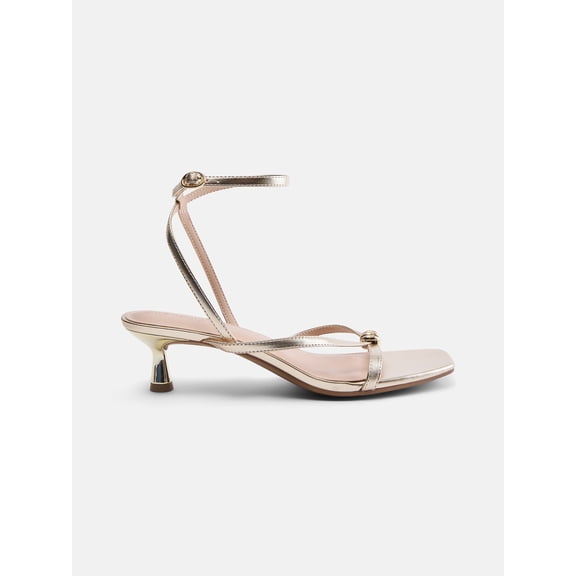

Shoes

Shop by style


Go-to sneakers for all
Shop nowHot brands, we have them
Brands we love
FAQ
About Shoes - Walmart.com
Clothing helps you dress your household for work, weekends, school, and special events in one place. You can compare departments, fits, materials, and occasions more quickly when you start with a clear category guide.
How to choose clothing by department
When you shop women’s clothing, men’s clothing, kids’ clothing, and baby essentials together, you can plan outfits for real routines. You can match school days, office schedules, playtime, and seasonal changes without jumping between separate categories.
For women’s clothing, you may compare dresses, tops, bottoms, and outerwear by fit and fabric before you choose. For men’s clothing, you can look for casual wear, workwear pieces, and activewear that suit your daily schedule.
With kids’ clothing and baby styles, you can focus on easy outfit changes, soft materials, and room to move. You can also look for seasonal clothing like summer clothes and winter coats when weather shifts.
- You can shop by department to keep family wardrobes organized.
- You can compare outfit types for school, work, play, and events.
- You can narrow choices by fit, fabric, and occasion more quickly.
- You can coordinate basics, layers, and accessories in one visit.
Choosing clothing by apparel type and occasion
As you compare apparel types, you should start with how and where you’ll wear each piece. You can sort tops, bottoms, dresses, outerwear, and activewear by daily use instead of color alone.
If your week includes commutes and meetings, you may want polished separates and formal options that layer easily. If your plans stay casual, you can focus on denim apparel, soft tees, and relaxed bottoms.
For athletic routines, you can compare activewear that supports movement, layering, and quick outfit changes. For colder months, you should check outerwear weight, coverage, and how easily it fits over sweaters.
When you need one wardrobe to do more, you can mix casual wear with workwear staples. You can also use simple dresses or clean-cut shirts to move from daytime plans to evening events.
What to look for in fit, size charts, and guides
Fit can shape how often you wear an item, so you should compare regular, slim, relaxed, plus size clothing, and petite options carefully. You can use size charts and fit guides to match measurements before you place an order.
When you check chest, waist, hip, inseam, or length details, you can narrow choices with more confidence. You can also compare silhouettes that suit layering, movement, or a more tailored look.
If you prefer structure, you may choose slim fits for shirts, pants, or jackets with a closer shape. If comfort is your priority, you can look for relaxed cuts or plus size clothing with added range through the body.
Petite sizing can help you avoid extra hemming, while regular sizing can offer familiar proportions across basics. You should also review product notes when you want room for sweaters, uniforms, or base layers.
Comparing materials and care needs in clothing
Fabric affects feel, drape, and care, so you should compare cotton, denim, polyester, linen, and wool before choosing. You can use material details to match your comfort preferences and laundry routine.
Cotton can give you a soft everyday feel, while polyester can help you choose easy-care pieces for busy weeks. Denim apparel can bring structure for jeans, jackets, and skirts that work across many casual outfits.
Linen can suit warm weather wardrobes when you want a lighter feel and breathable texture. Wool can give you added warmth for winter coats, sweaters, and layers during cooler months.
You should also check whether items are machine washable and how care instructions fit your routine. When you compare shrink-resistant fabrics and easy-care blends, you can plan wardrobes that stay practical.
Using clothing for real routines and seasonal needs
Your wardrobe needs can change across the day, so you should match clothing to school runs, office hours, workouts, and events. You can build outfits around how much movement, layering, and polish your schedule requires.
For everyday wear, you may choose casual wear in cotton tops, denim bottoms, and lightweight layers. For formal plans, you can look for dresses, tailored shirts, and outerwear that finish the outfit cleanly.
During warmer months, you can focus on summer clothes like shorts, tanks, and breezy dresses with lighter fabrics. During colder months, you should shift toward winter coats, knit layers, and lined pants for added coverage.
If you’re shopping for clothing online, you can use fit guides, material details, and care notes to narrow options before checkout. You can also feel more prepared when return and exchange information supports size changes or fit updates.
With clothing organized by department, fit, fabric, and occasion, you can make clearer choices for every member of your household. You can build outfits that match real life and keep daily dressing simple.