





Furniture

Our summer home catalog
Trending decor, sunny updates & more. Shop now

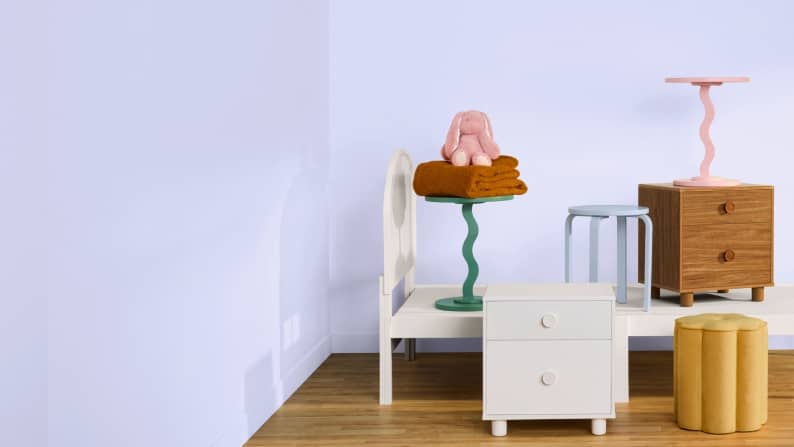
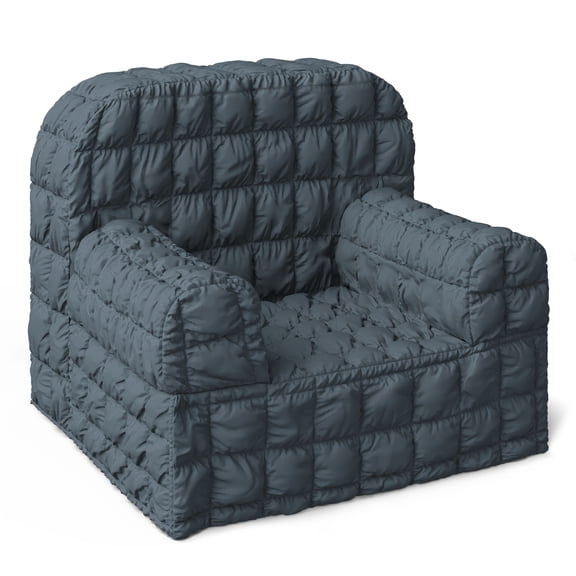
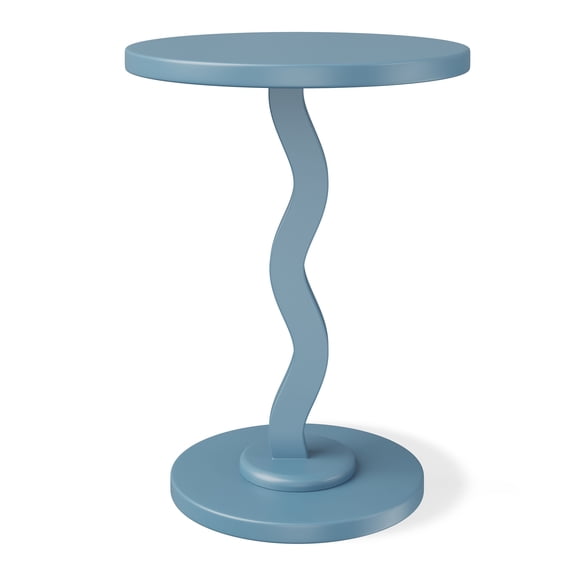
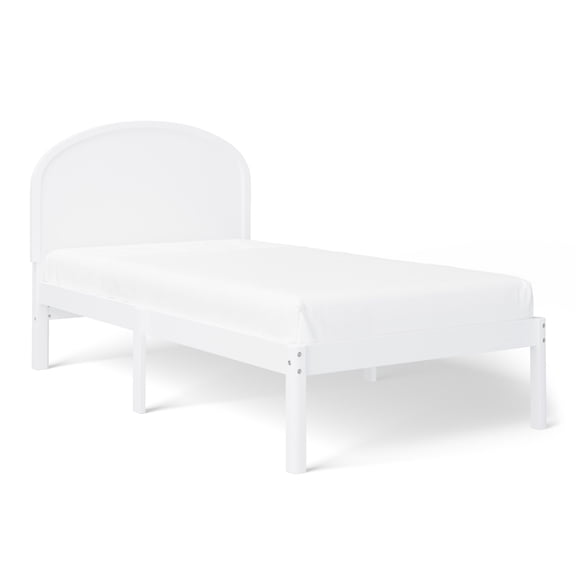
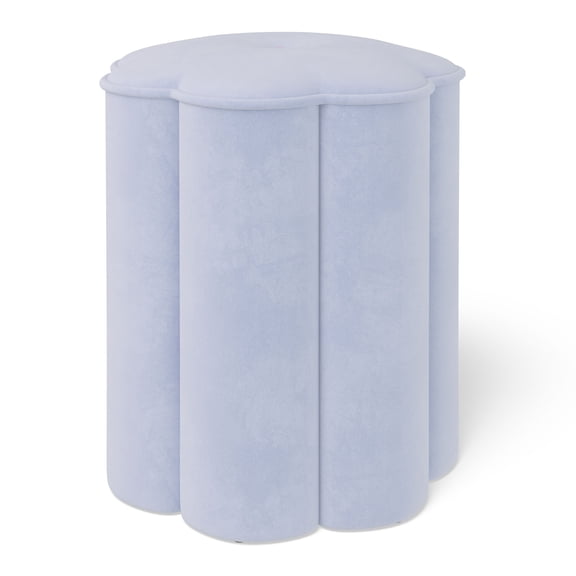
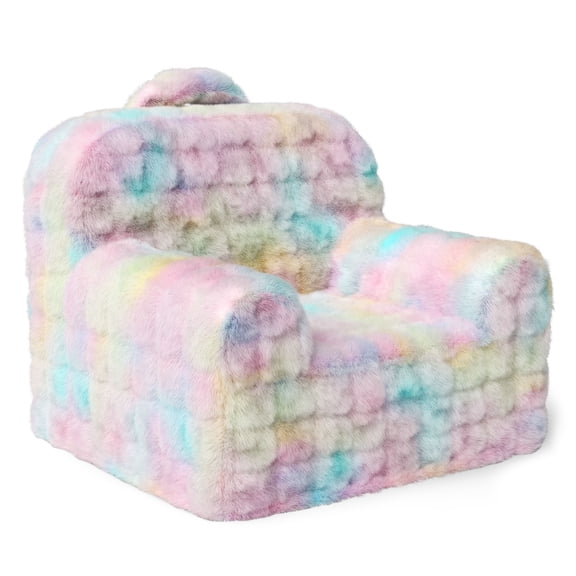
Kid-approved furniture

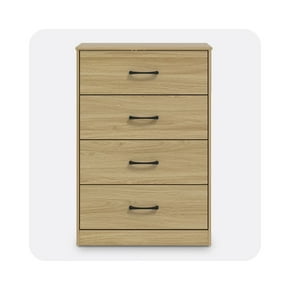
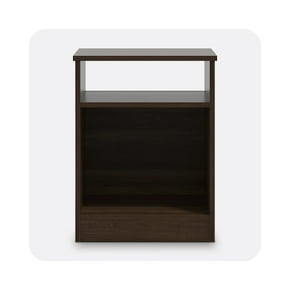
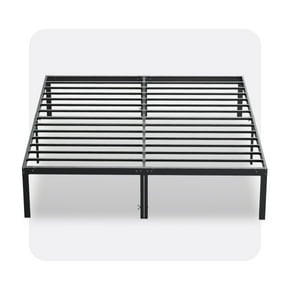
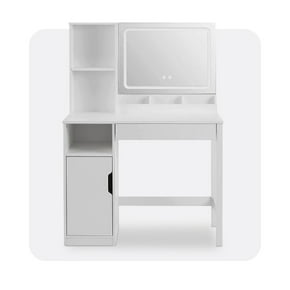
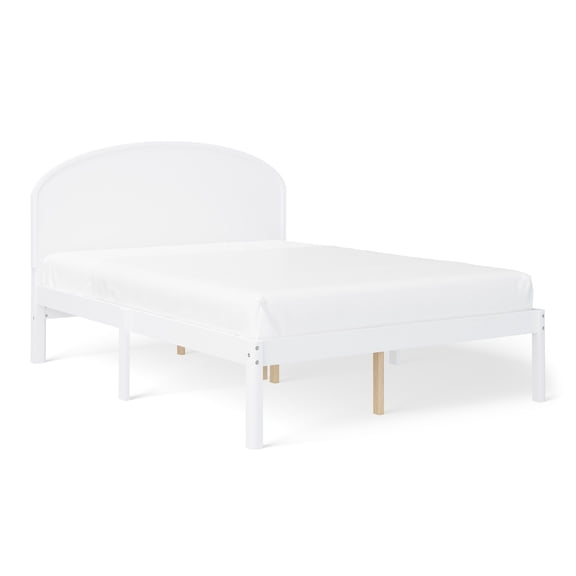
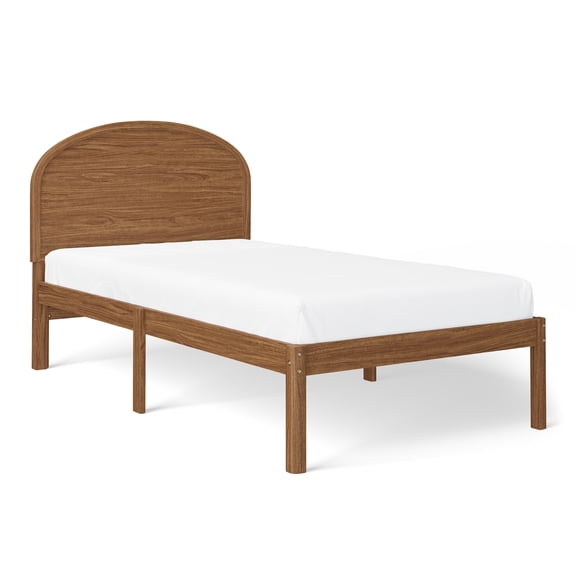
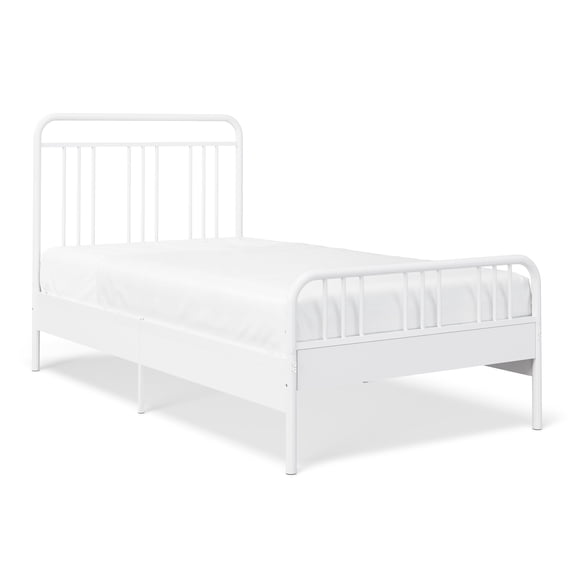
Dressers, beds & moreShop now

Living room, bedroom & more

Small-space furniture

Shop now
Up to
40
%
off

Big style, compact design

Maximize savings & square footage.

View all
Game time ready
Get setup for every World Cup moment.Shop now

FAQ

How do I pick the right sofa size for my room?

Start with measurements: measure room width, sightlines and the wall where the sofa will sit. Leave at least 30–36 inches for walkways and door clearance.

  • Use painter’s tape or cardboard cutouts on the floor to visualize scale.
  • Check product pages for exact dimensions and seat depth.
  • If you need flexible seating, consider a loveseat plus an accent chair instead of a very large sofa.
  • Don’t forget delivery access—measure doorways, hallways and stair turns.

These steps can help you choose a sofa that fits both the room and your daily use, though final fit depends on your layout and style preferences.

What furniture should I include in a small living room?

Prioritize multipurpose and scaled pieces: focus on essentials that don’t overwhelm the space.

  1. Sofa or compact loveseat with clean lines.
  2. Small coffee table or nesting tables that tuck away.
  3. One slim media console or wall-mounted shelving for storage.
  4. A single accent chair that’s lightweight and easy to move.
  5. Accent rugs to define zones and a floor lamp for vertical balance.

Choose items with built-in storage or a small footprint to maximize function. For budget-friendly options, check the "Furniture under $200" section to mix and match pieces without crowding your room.

How do I protect upholstered furniture from stains?

Use preventive care and gentle cleaning: regular upkeep makes stains easier to handle.

  • Check the care tag for manufacturer cleaning codes before using products.
  • Place washable slipcovers or throws on high-traffic areas and pets’ spots.
  • Blot spills immediately with a clean cloth—don’t rub—then follow the recommended cleaner for the fabric.
  • Vacuum regularly to remove dust and crumbs that can wear fibers.
  • Test any stain remover on a hidden area first to avoid discoloration.

Following fabric-care guidance can help maintain appearance, but results may vary by material and stain type.

How can I get rid of old furniture responsibly?

Consider donation, resale, or proper municipal disposal: choose the option that fits the item’s condition and your timeline.

  • Donate usable pieces to local charities or shelters—check for pickup options.
  • Sell or give away through local marketplaces if items are in good shape.
  • Contact your city for bulky-item pickup or drop-off at a recycling center for materials like metal or wood.
  • Some retailers and delivery services offer haul-away for a fee in certain areas—check product pages or your local store for availability.

Always confirm rules and schedules with local services to avoid improper disposal.

Where can I find the latest living room trends?

Look for curated collections and new arrivals: trend direction often shows up in new product assortments and category pages.

  • Browse the "New Arrivals" section to see current styles and fresh color palettes.
  • Search for pieces with mixed textures, curved silhouettes, and multifunctional designs to capture current looks.
  • Read product descriptions and customer photos to get a sense of scale and styling ideas.
  • Use quick-ship or "Get it fast" filters when you want trending items sooner.

Checking category highlights and product galleries can give practical inspiration for updating a living room while matching your budget and space.

About Furniture - Walmart.com

Your storage organization choices can help you clear crowded rooms, use vertical space, and keep daily essentials easier to reach. You can compare bins, shelving, drawers, and baskets by room, material, and size so your setup fits the way you live.

How to choose storage organization for each room

When you plan home storage solutions by room, you can match each setup to the items you use frequently. You can keep visible spaces tidy while giving bulky items a more practical home.

In a closet, you may want stackable drawers, shelf dividers, and closet organization systems that use height efficiently. In a kitchen or pantry, you can favor clear containers and baskets that keep staples easy to spot.

For a bedroom, you can look for under-bed totes, fabric bins, and slim towers that fit tighter footprints. In a garage, you may need garage storage shelves with stronger frames and deeper shelves for larger gear.

  • You can reduce visual clutter with matching storage bins and baskets in open spaces.
  • You can keep daily items easier to sort when you group by room and use.
  • You can make small areas feel more usable when you choose vertical or stackable pieces.
  • You can separate visible storage from utility storage based on your room’s style and purpose.

Choosing materials and storage bins and baskets

When you compare materials, you can balance appearance, durability, and cleaning needs. You can also match finishes to whether your storage stays on display or stays tucked away.

Plastic storage containers can work well when you want lighter options that wipe clean quickly. Wire shelves can help you see contents more easily, while wood can give living spaces a warmer look.

Fabric bins can soften shelves in bedrooms and closets, and metal frames can support heavier loads in utility spaces. If you expect frequent lifting or stacking, you should check handles, frame strength, and overall structure.

For heavy duty storage shelves, you should compare load capacity per shelf and overall unit design. If you plan to store tools or bulk supplies, you can look for sturdier wire gauge and reinforced supports.

What to look for in size, capacity, and modular storage

Before you choose any piece, you should measure your floor space, shelf depth, and clearance around doors or beds. You can avoid awkward gaps when your storage matches the footprint you actually have.

Small bins can help you sort accessories, office supplies, or pantry packets without wasting shelf space. Medium options can handle folded clothing, cleaning tools, or toys, while large totes can hold seasonal décor or spare bedding.

If you need flexibility, you can compare stackable designs and modular sets that grow with your space. You can start with a few drawers or bins, then add matching pieces as your storage needs change.

Heavy items need more than extra room, so you should match capacity to what you plan to store. For shelving, you can check shelf dimensions and stated load limits before organizing larger containers or equipment.

How to match storage organization to real-life use

If you’re setting up a closet, you can combine baskets for accessories, drawers for folded items, and shelves for shoes. That mix can help you separate categories without turning one shelf into a catchall.

For kitchen organization, you can use clear containers for dry goods and smaller bins for snacks or packets. In a pantry, you can group similar items together so your shelves stay easier to scan.

In a garage, you may want shelving units, larger totes, and labeled containers for sports gear, tools, or cleaning supplies. If you need quick access, you can keep frequently used items at eye level.

During spring cleaning organization, you can reset crowded corners with stackable bins and room-specific sorting. For back to college storage, you can focus on compact drawers, under-bed containers, and flexible shelving for shared spaces.

You may also want to balance style and utility based on where your storage sits. In visible rooms, you can lean toward coordinated baskets and wood tones, while hidden zones can prioritize capacity and strength.

Why the right setup matters

When you choose storage organization with the right room, material, type, and size in mind, you can create a setup that feels easier to maintain. This helps you spend less time searching and more time using every shelf, bin, and corner well.

Related Links