




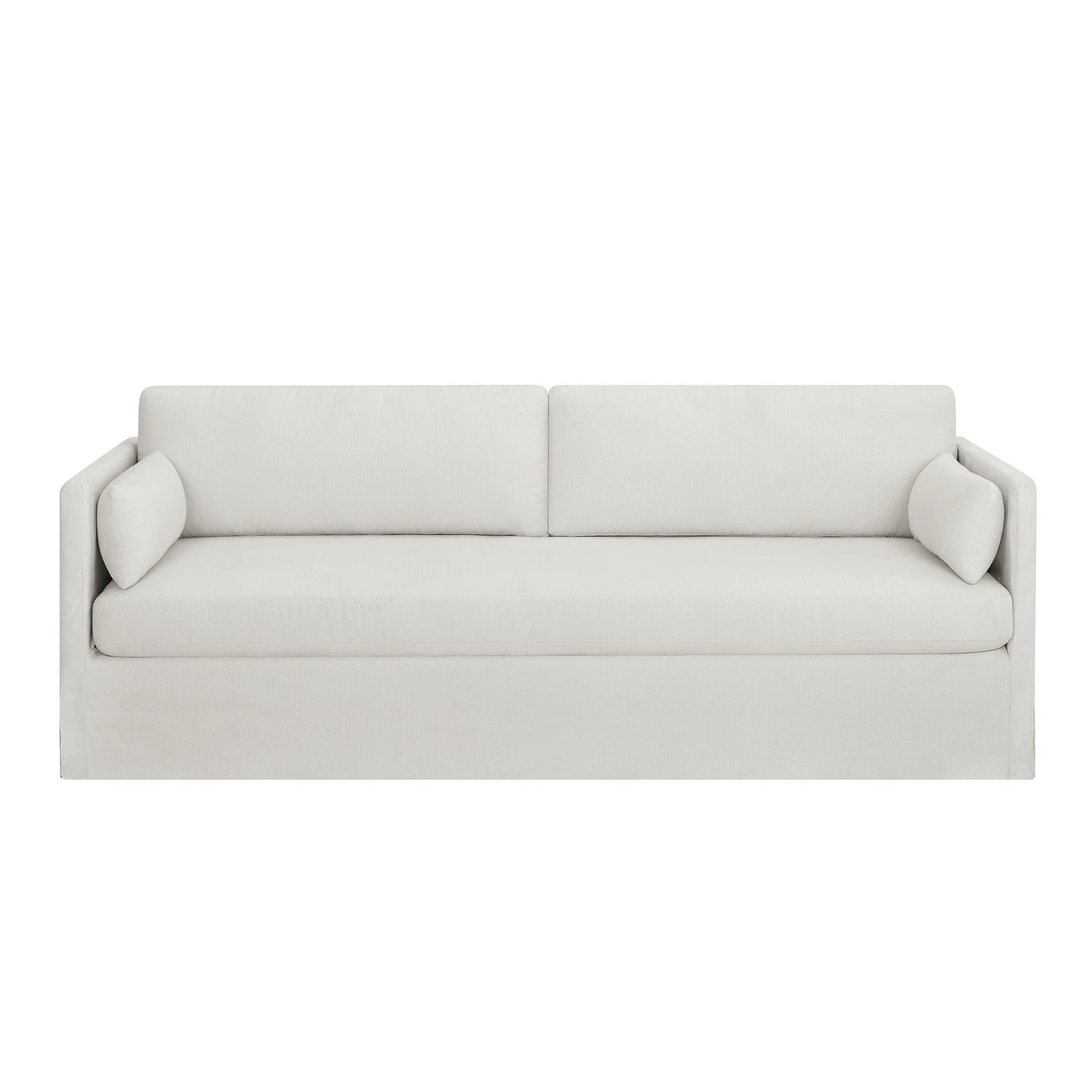
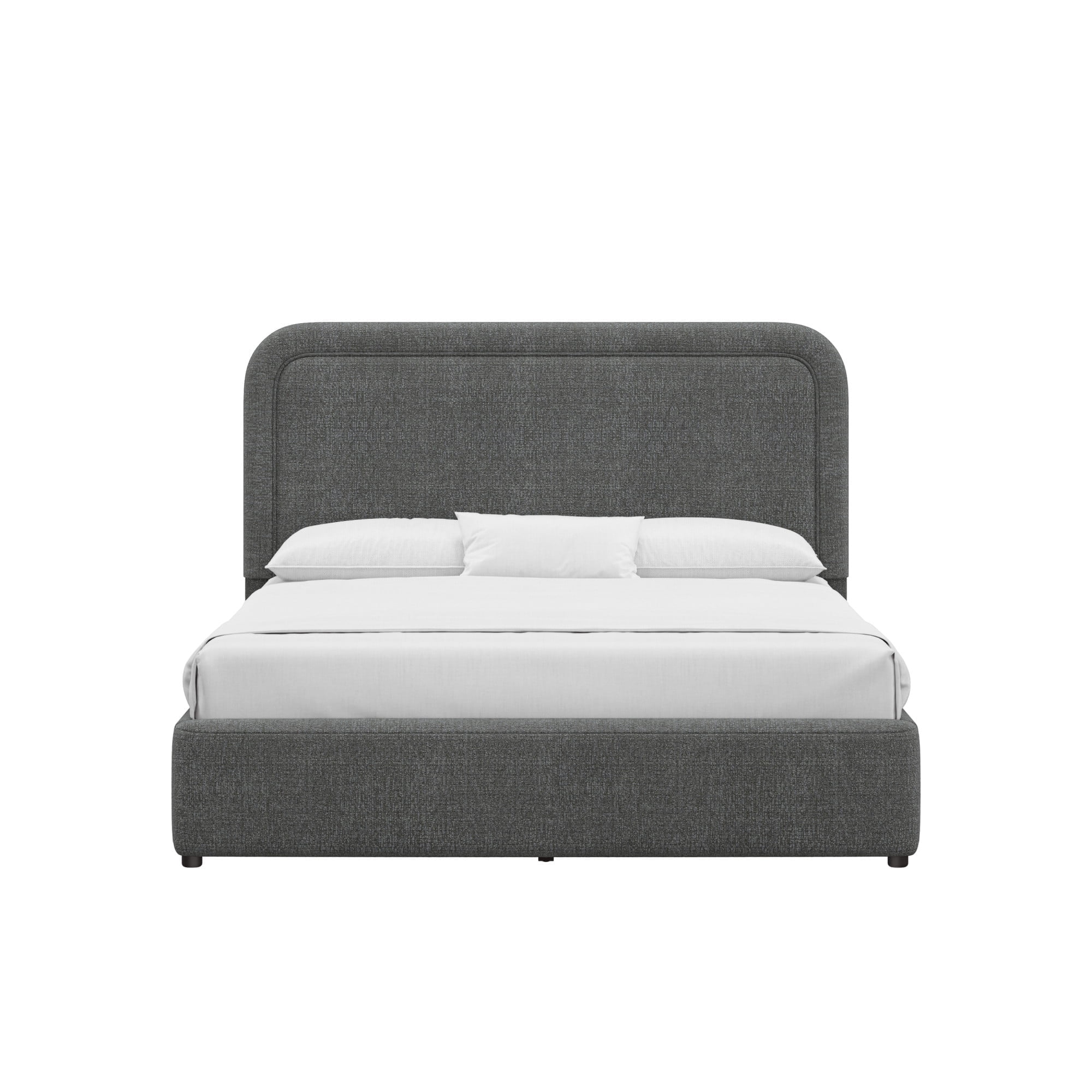
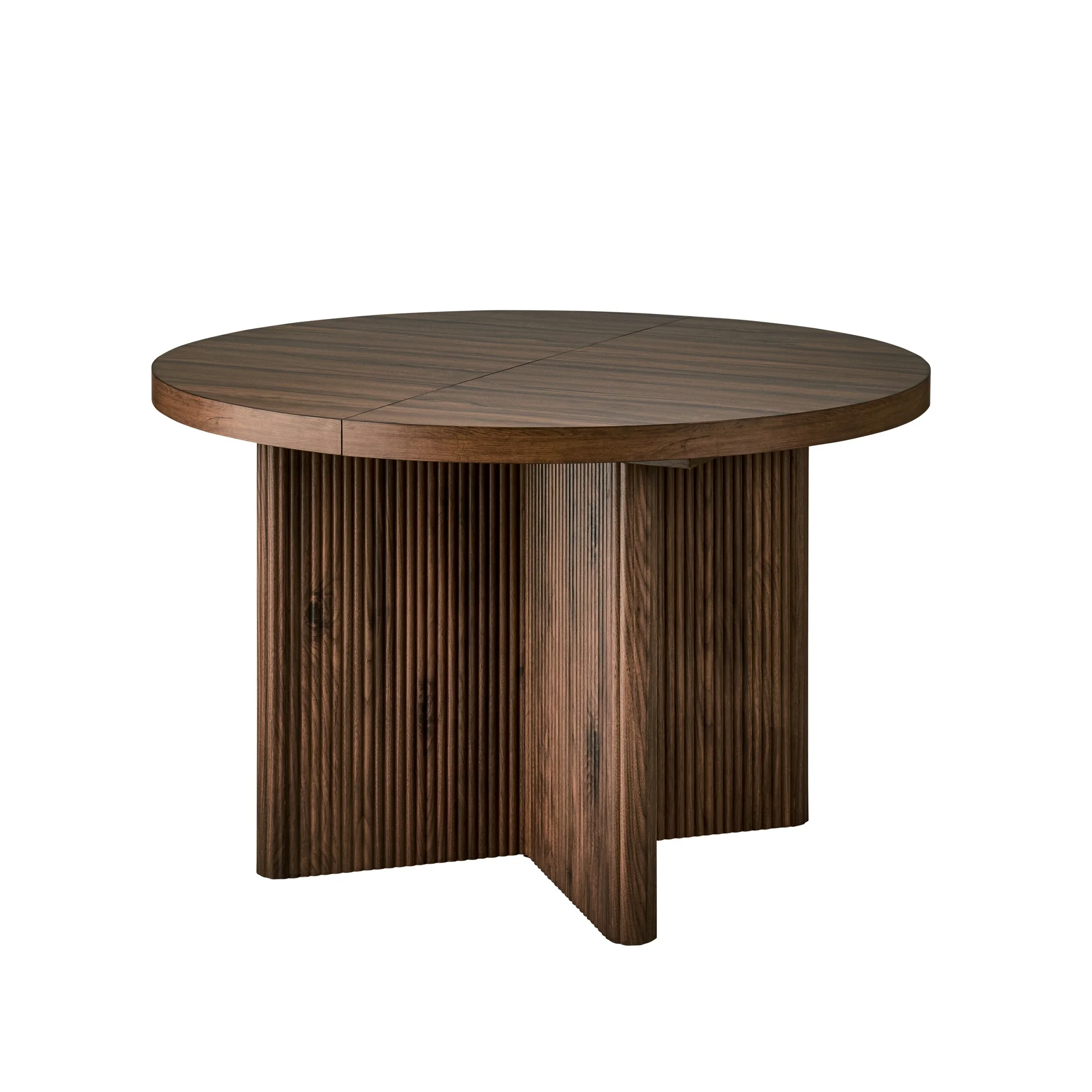






Furniture in Home




















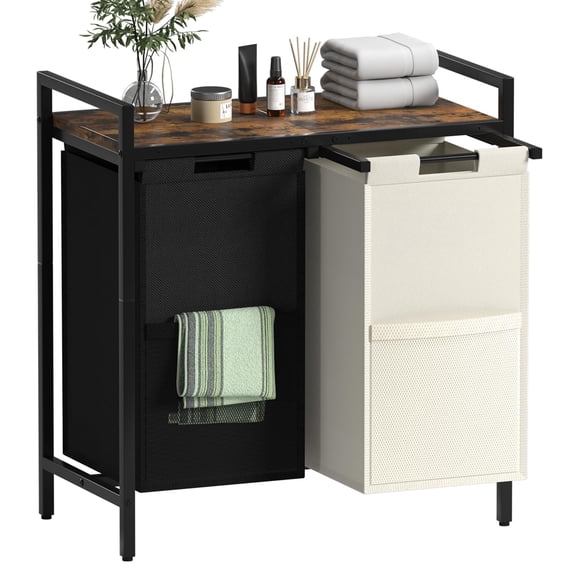


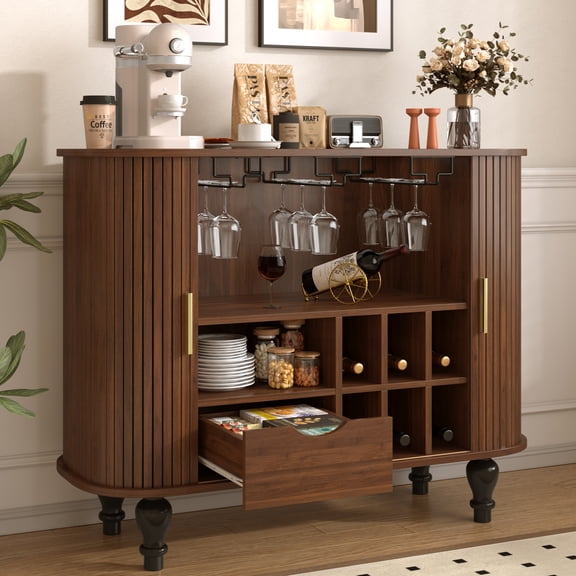


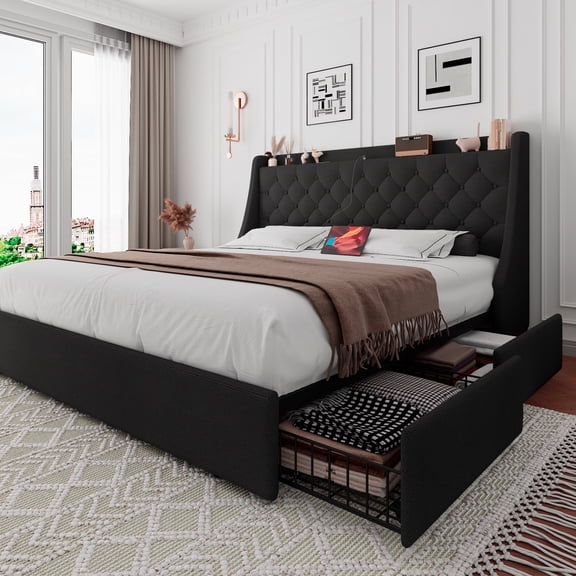


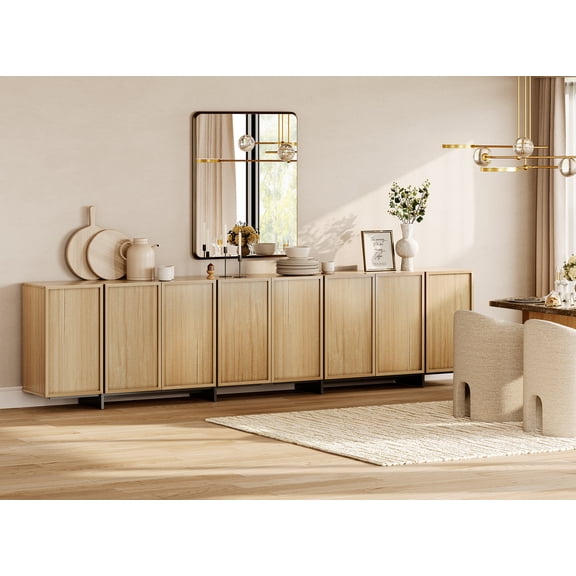


About Furniture in Home - Walmart.com
You can compare chairs and seats by room, height, and material, so your home feels coordinated and your seating fits daily routines. You’ll notice this category covers dining nooks, living spaces, work setups, and patios with designs built for very different uses.
How to choose chairs and seats for your space
When you choose chairs and seats, you should start with where your seating will live and how often you’ll use it. You’ll make faster decisions when your room, table height, and style are clear first.
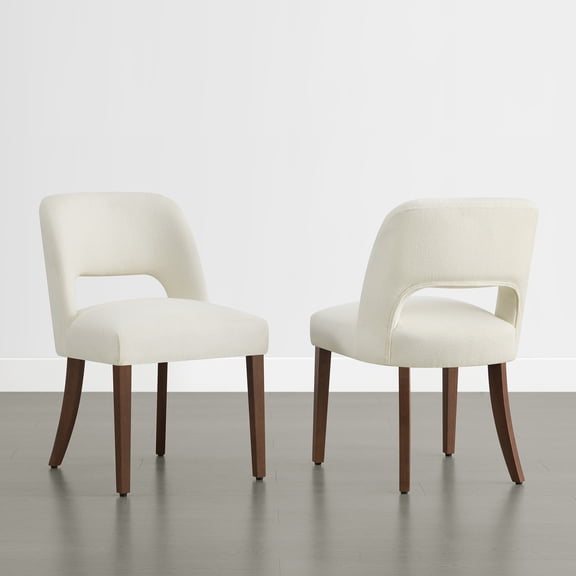
For dining room layouts, you’ll want kitchen chairs or side chairs that slide in easily and line up with your table apron. For living areas, you may prefer accent chairs or living room chairs that anchor a corner without crowding your walkways.
At a desk, you should check how your seat height matches your work surface and arm movement. On a patio, you’ll want outdoor seating that handles open-air use and supports easy rearranging.
What benefits matter in dining chairs, accent chairs, and desk chairs
You’ll get more useful comfortable seating when you match the chair type to the task instead of choosing by appearance alone. Your dining seat, reading chair, and desk chair each support different posture and movement.
- You can keep meals comfortable by choosing dining chairs with seat heights that fit your table.
- You can shape your room’s look by comparing modern, mid-century, traditional, and industrial silhouettes.
- You can support daily routines by choosing materials that suit kids, pets, spills, and frequent cleaning.
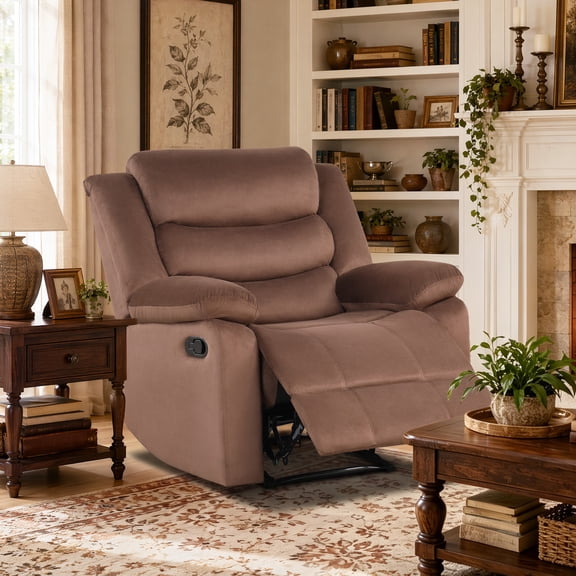
- You can handle changing spaces by mixing armchairs, side chairs, barstools, and recliners by function.
Wood frames can give your room a warm furniture look, while metal frames can suit streamlined spaces and busy use. Upholstered chairs can add a softer sit, and plastic options can simplify wipe-clean routines.
If your home includes pets or frequent snacks, you may want fabrics and finishes that clean with less effort. If your room changes often, you may prefer lighter chairs that you can move between spaces.
Choosing material, frame strength, and easy-care details
You should compare frame material because your chair’s structure affects durability, feel, and everyday confidence. Wood, metal, and mixed-material frames can each support different style goals and traffic levels.
When you review weight capacity, you’re checking how the frame and seat perform over time. You should look for the listed weight limit in pounds, because that number helps you compare options clearly.
For homes with kids or pets, you may want upholstered chairs with surfaces that wipe down easily after everyday messes. Leather-look and tightly woven fabrics can help your seating stay neat with less fuss.
You should also check whether the chair requires assembly and whether the box includes tools. That detail helps you plan setup time, especially when you’re furnishing a full dining set or office corner.
Checking size, seat height, and arm clearance before you choose
You can avoid fit issues by measuring your table, counter, or desk before you choose seating. Your seat height affects how comfortably your knees, elbows, and feet align during meals or work.
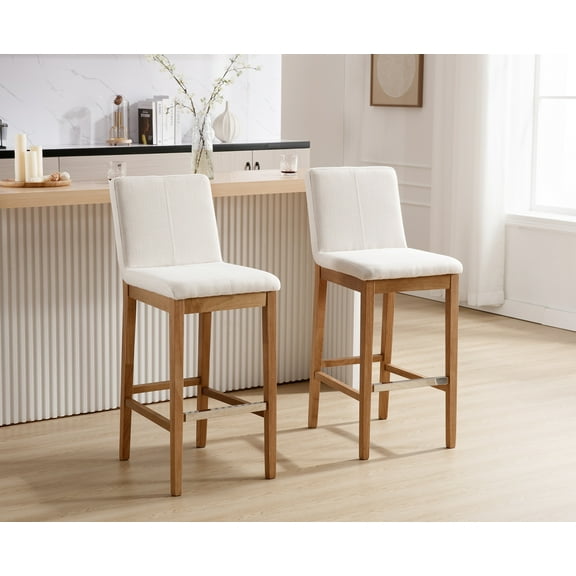
For dining chairs, you’ll usually want enough space between the seat and tabletop for a natural sitting position. For barstools, you should compare stool height with your counter or bar measurement before ordering.
At a desk, you may need armrest height that slides under your surface without bumping the edge. If you use a keyboard often, you’ll want a seat that lets your shoulders stay relaxed.
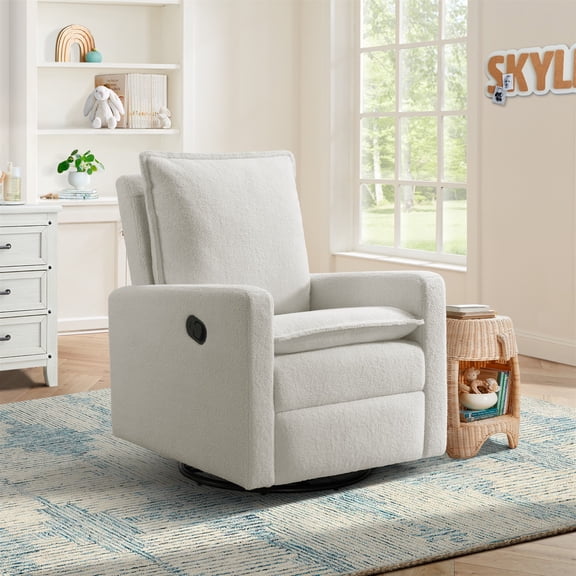
In smaller rooms, armless side chairs can keep your layout lighter and easier to navigate. In larger spaces, armchairs or recliners can define a reading zone and give your seating plan more presence.
Matching style and room use with living room chairs and patio chairs
You can create a more finished room when your seating style supports your table, rug, and storage pieces. Modern lines feel clean, mid-century shapes feel tailored, traditional forms feel familiar, and industrial frames feel more architectural.
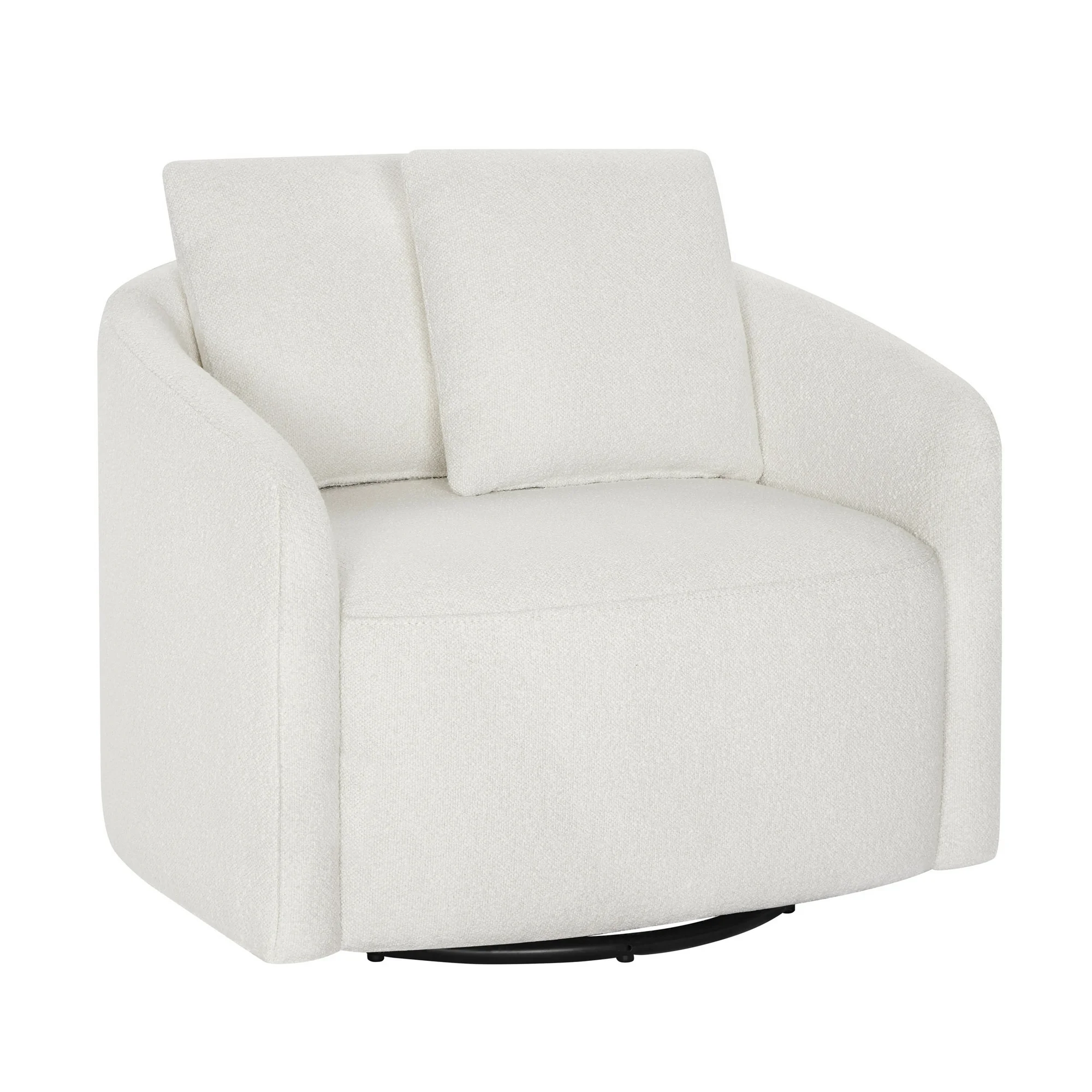
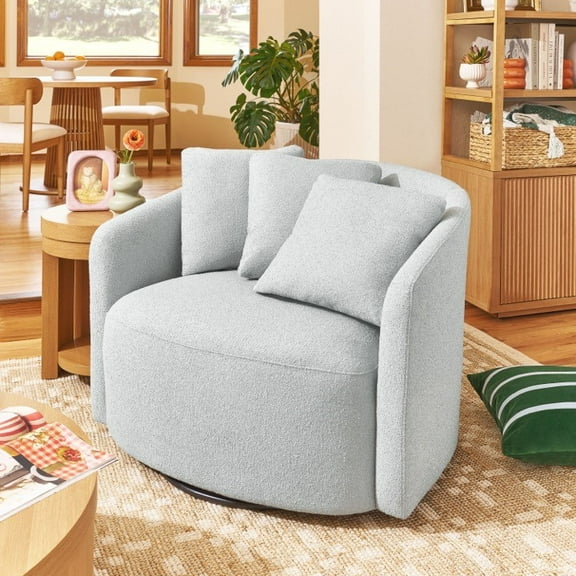
Accent chairs work well when you want one standout seat that changes the tone of a room quickly. Living room chairs can frame a sofa, fill an empty corner, or add extra seating for conversation.
For shared eating spaces, you may prefer matching dining chairs for a uniform look around the table. If you like a collected style, you can mix end chairs, side chairs, and upholstery textures with intention.
As warmer months approach, you may also compare patio chairs and other outdoor seating for porches, decks, and backyards. You should look for shapes that stack, fold, or move easily when your layout changes.
How chair types fit real routines
You might choose upholstered chairs in a dining room when you want longer, more relaxed meals and a softer appearance. You might choose metal or plastic seating in busy zones when you want easy cleanup.
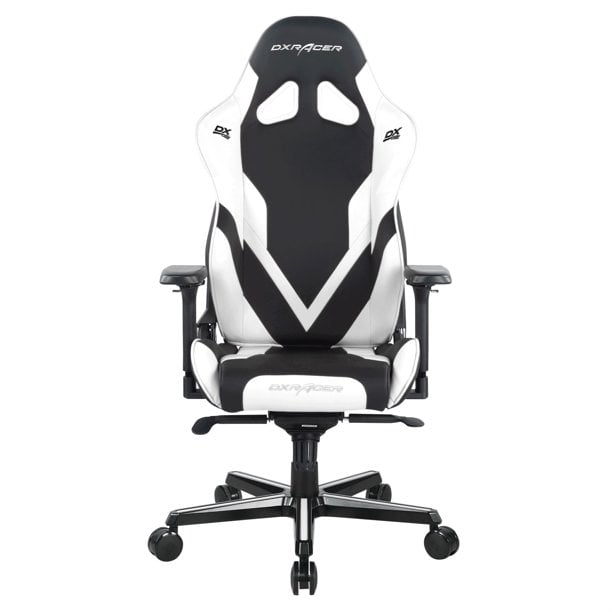
If you’re furnishing a home office, desk chairs should support your work height and your daily movement pattern. If you’re filling a reading corner, an armchair or recliner can make that space feel more defined.
For open layouts, you can repeat wood tones across kitchen chairs, barstools, and living room chairs for visual continuity. For compact apartments, you may prefer slim side chairs that tuck away neatly.
You’ll shop with more clarity when you compare chairs and seats by dimensions, materials, and room use before focusing on color. That approach helps your seating look right, fit correctly, and feel practical every day.