


Find auto parts that fit
Let’s search for parts that fit your vehicle.
Vacuum Hoses in Car Hoses


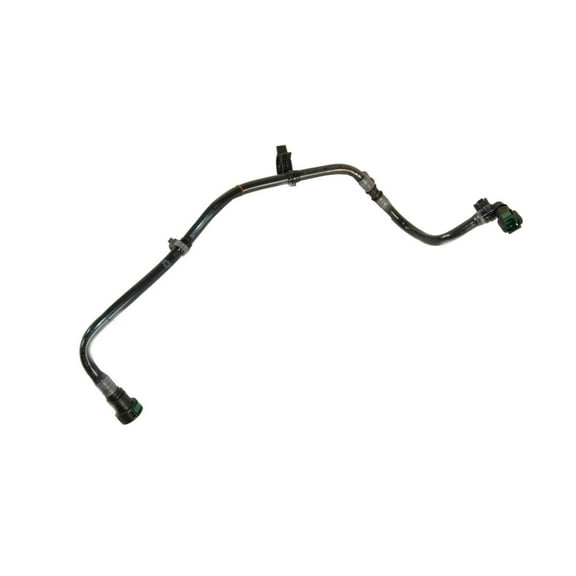


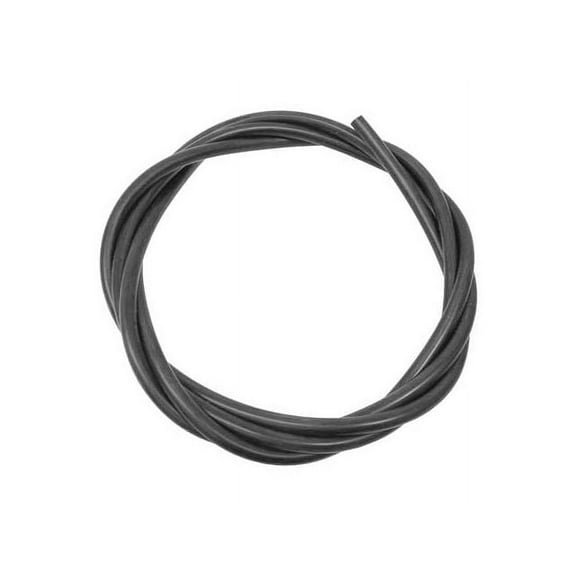

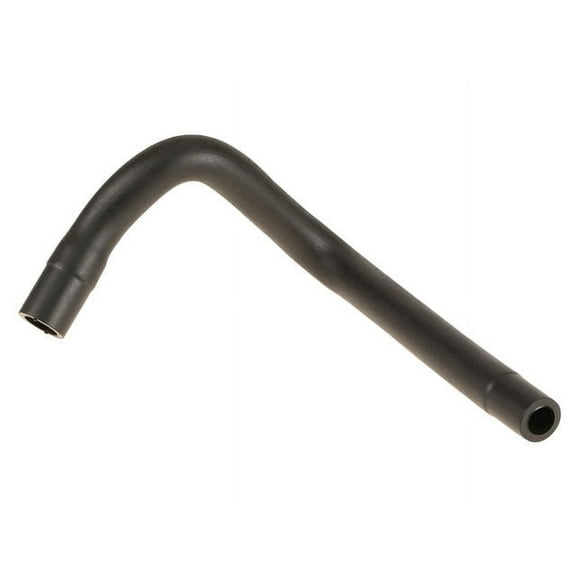

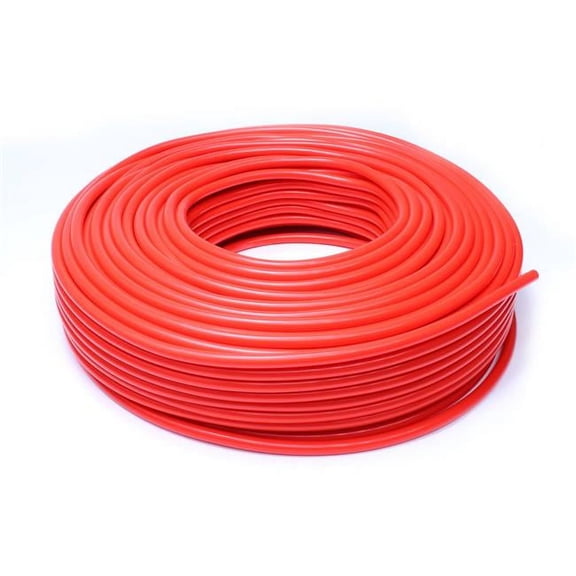



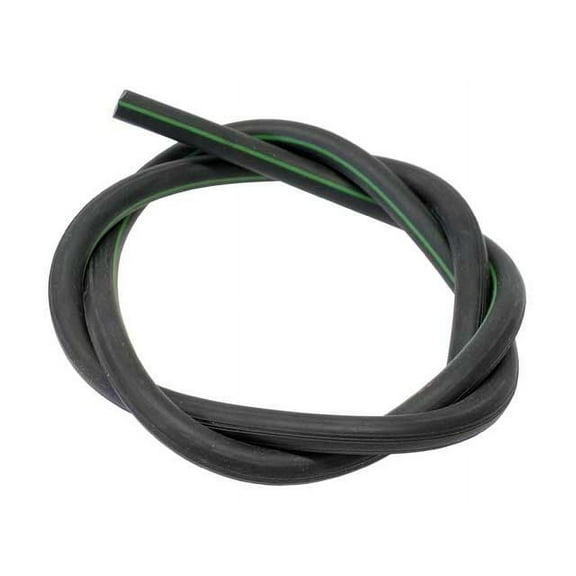

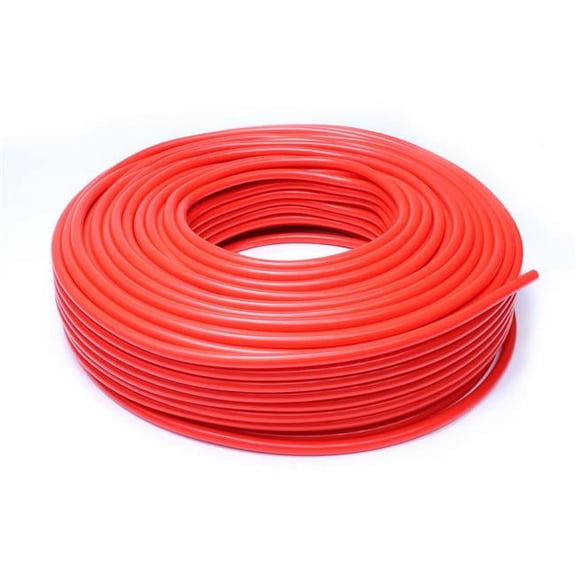


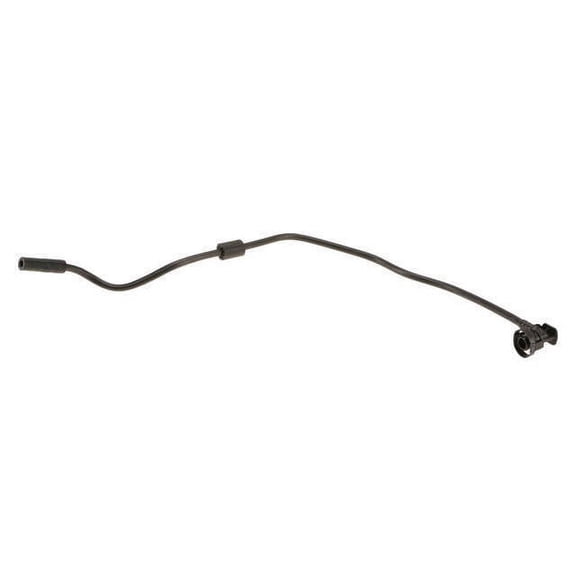


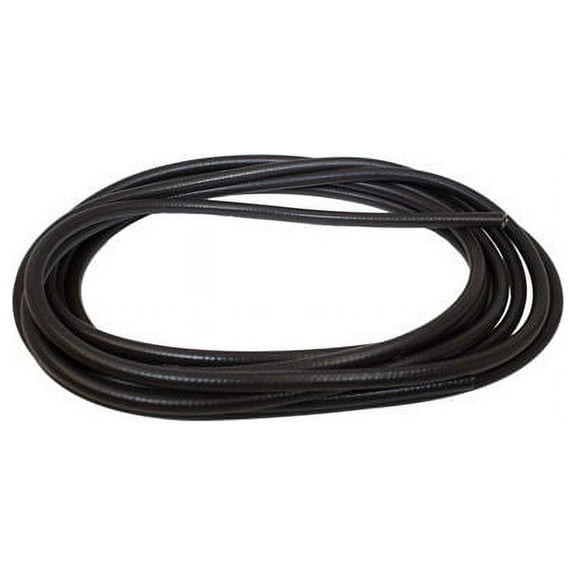


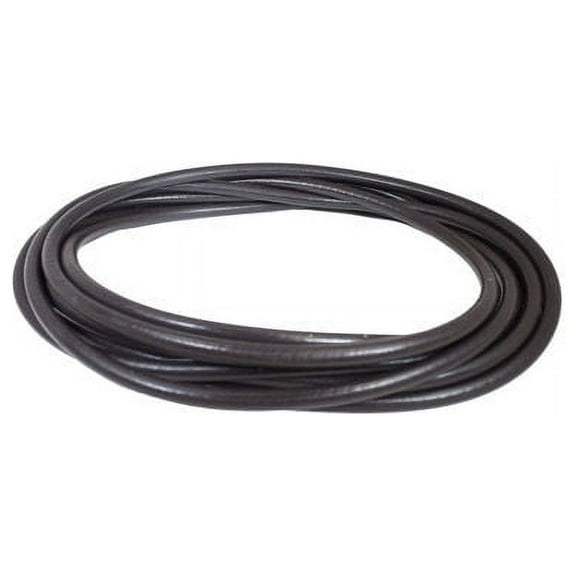
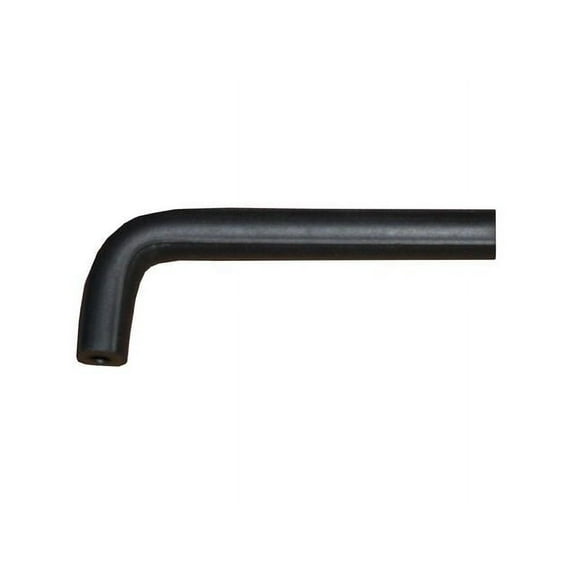
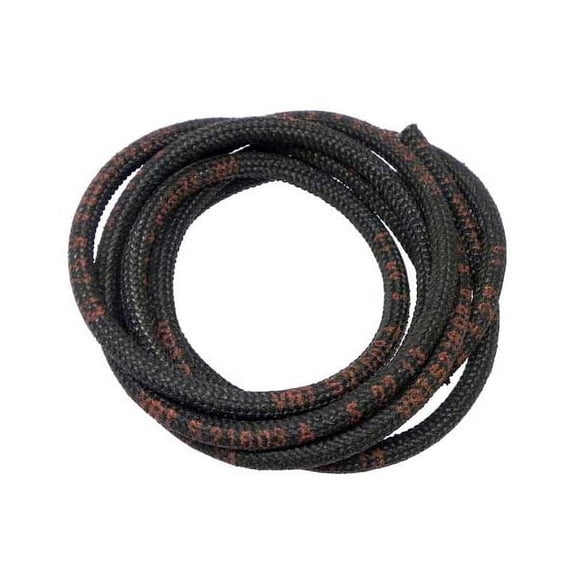

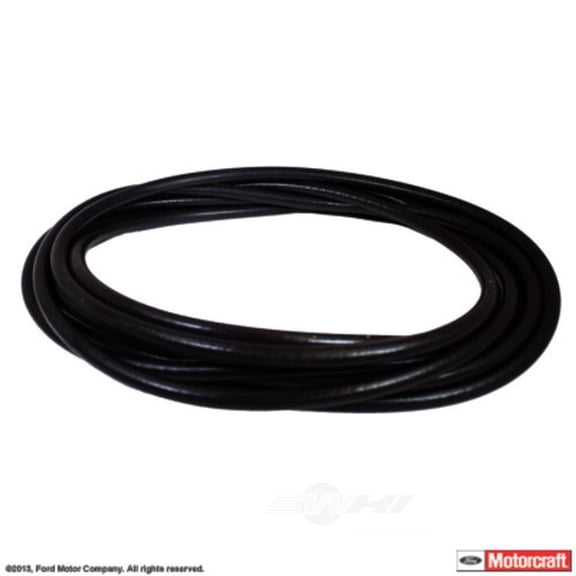




About Vacuum Hoses in Car Hoses - Walmart.com
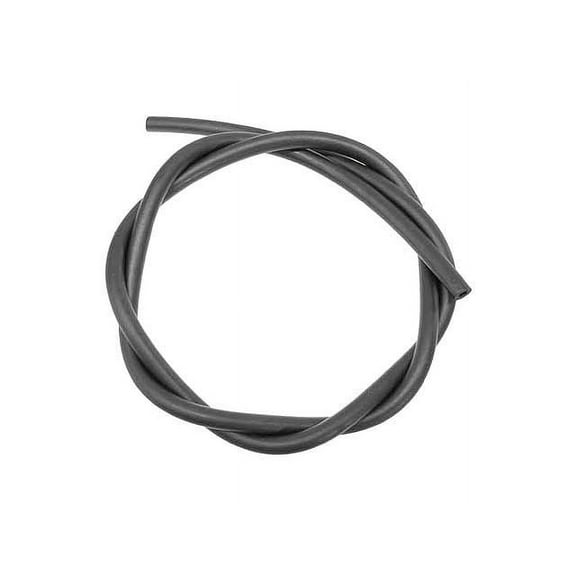
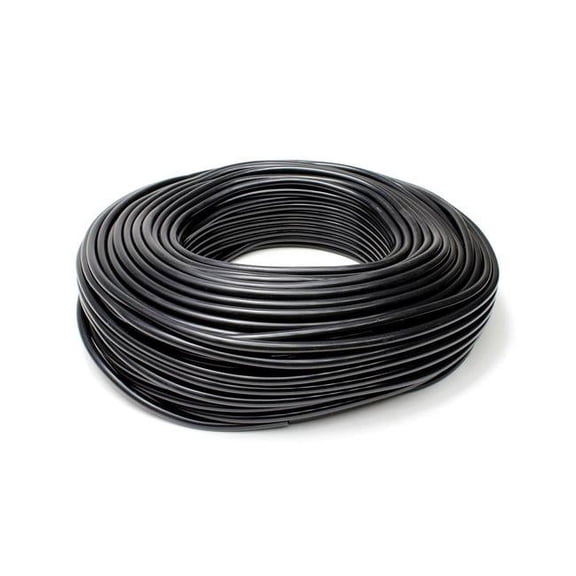
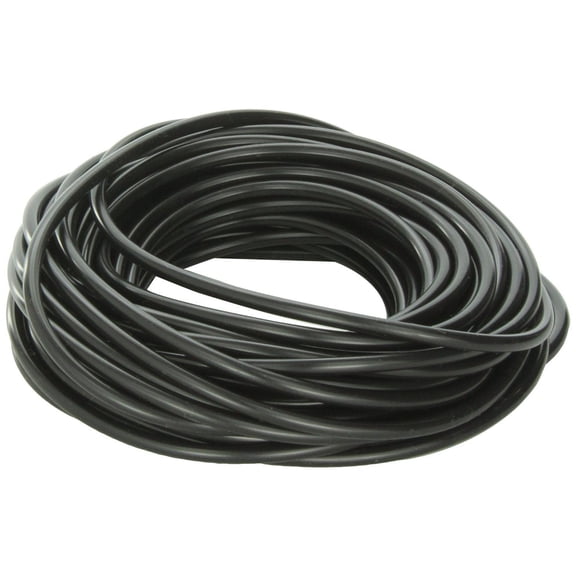
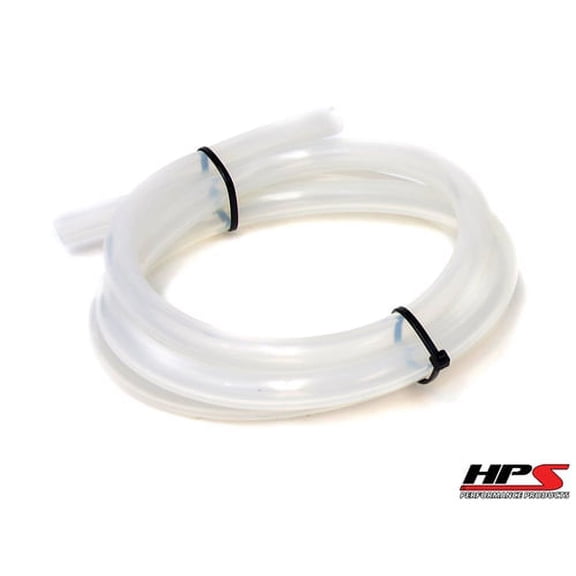
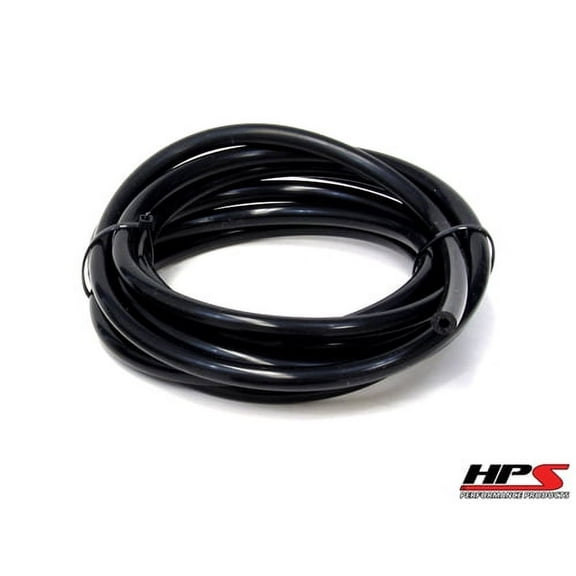
Vacuum hoses help you restore clean engine routing and dependable fitment in your vehicle. You can compare material, inner diameter, length, and application to match your exact underhood setup.
How to choose vacuum hoses for your vehicle
When you shop vacuum hoses, you should start with the line’s job in your engine bay. You may need engine vacuum line routing, emission control tubing, turbo boost support, or windshield washer tubing.
Your material choice shapes how your hose bends, handles heat, and fits tight spaces. You can compare silicone, EPDM rubber, PVC, and neoprene based on your routing path and system use.
- You can compare silicone and rubber options based on heat exposure and routing space.
- You can measure inner diameter first, so your hose seats correctly on fittings.
- You can choose spool length based on one repair, several lines, or garage stock.
- You can match your hose to engine vacuum lines, washer tubing, boost routing, or emission control.
If you want easier line tracing, you can also compare black, blue, red, and clear tubing. Your color choice can help you identify separate runs during installation and later service.
Choosing between silicone vacuum hoses and other materials
Material is a crucial decision when you compare silicone vacuum hoses with other automotive vacuum tubing. You should match your hose material to your engine heat, bend radius, and planned routing length.
If you route lines near hotter components, you may prefer silicone for added heat tolerance. You can look for temperature guidance up to 500 degrees Fahrenheit when your application calls for it.
If you want an OEM-style replacement feel, you may lean toward EPDM rubber. You can use a rubber vacuum hose for many standard underhood routing jobs and factory-style service work.
If you need visual checks during setup, you may consider clear PVC tubing for select uses. You can also choose neoprene when your routing needs a balance of flexibility and structure.
You should always check whether the manufacturer lists your hose for fuel or oil contact before installation. If your line carries those fluids, you need product details that clearly confirm that compatibility.
How to measure automotive vacuum tubing correctly
Size is a crucial decision when you replace automotive vacuum tubing. You should measure inner diameter, or ID, because your hose opening matches your fittings.
Common sizes include 3mm, 4mm, 6mm, and 8mm for many car vacuum lines. You may also see those sizes labeled as 1/8 inch, 5/32 inch, 1/4 inch, and 5/16 inch.
You shouldn’t choose by outer diameter alone because wall thickness can change your outside measurement. When you compare ID and OD together, you get a clearer picture of fit and routing space.
If you use a turbo boost line, you may also check wall thickness and psi guidance. Thicker walls can help you maintain hose shape where tighter bends and pressure changes happen.
If you replace one section, you can measure your fitting and your old line first. If you reroute several car vacuum lines, you may want extra length for cleaner runs and custom cuts.
Choosing length, color, and vacuum hose connectors
Length affects how much tubing you keep on hand and how much trimming you need. You can choose five-foot or 10-foot lengths for smaller repairs, or you can compare longer rolls.
If you service several lines, you may prefer a 25-foot roll for flexibility. If you maintain multiple vehicles, you may keep a 50-foot spool ready for repeated repairs.
Color can make your engine bay easier to read when several lines run close together. You may choose black for a subtle look, blue or red for tracing, or clear for visibility.
You should also think about vacuum hose connectors before you begin your repair. Elbows, unions, and tees can help you follow your existing layout without forcing sharp bends.
If your setup needs secure attachment points, you may also compare related hose clamps. You can pair your tubing with compatible connectors and basic hand tools for a cleaner install.
Matching car vacuum lines to common applications
You can use car vacuum lines across several systems, but each job needs the right size and material. Engine vacuum line repairs usually call for careful ID matching and tidy routing around heat.
For windshield washer tubing, you may want flexible tubing that moves neatly through clips and corners. You can choose clear or black options when you want either visibility or a more subtle appearance.
For turbo boost routing, you should pay close attention to wall thickness and temperature guidance. You can consider silicone options when your line runs near hotter components or tighter bends.
For emission control routing, you should compare bend radius, connector fit, and line length. You can make later service easier when your tubing follows the original path cleanly.
If you maintain older vehicles, you may need extra hose length for custom cuts and aging line replacement. If you work on newer vehicles, you may focus on exact size matching and organized routing.
With vacuum hoses, you can make a more accurate choice when you compare material, ID, length, and application together. That approach helps you get tubing that fits your connectors, routing path, and engine layout with less guesswork.
Popular in Vacuum Hoses in Car Hoses - Walmart.com
- Mercedes-benz E Vacuum Hose
- Best Sellers In Automotive Replacement Vacuum Hoses
- Mercedes-benz S Vacuum Hose
- Mercedes-benz Ml Vacuum Hose
- Best Sellers In Automotive Vacuum Hoses
- Dodge Dakota Vacuum Hose
- Vacuum Truck Hose
- 12mm Id Vacuum Hose
- 3 5mm Vacuum Hose
- 2.5-inch Vacuum Hose Coupler
- Vacuum Tube Image
- Vacuum Modulator Th400