


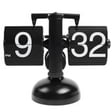


Tabletop Clocks in Clocks

















![Anniversary Clock Glass Dome,European Retro Style Living Room Clock Antique Silent Table Clock Home Decor[Gold]](https://i5.walmartimages.com/seo/Anniversary-Clock-Glass-Dome-European-Retro-Style-Living-Room-Clock-Antique-Silent-Table-Clock-Home-Decor-Gold_5ca604a5-7bf6-4600-b347-696e60d3d679.945fde2466459bda9bc9a4273f35c736.jpeg?odnHeight=576&odnWidth=576&odnBg=FFFFFF)










About Tabletop Clocks in Clocks - Walmart.com
You can use tabletop clocks to add timekeeping and style to desks, mantels, shelves, and nightstands. You’ll find choices that match your decor while fitting small surfaces and everyday routines.
How to choose tabletop clocks for your space
When you compare tabletop clocks, you should start with placement, visibility, and room style. You’ll want a clock that fits your surface without crowding lamps, books, or framed photos.
If you’re decorating a home office, you may prefer small tabletop clocks that sit neatly beside monitors or organizers. If you’re styling a mantel, you might choose a wider shape that anchors candles or seasonal accents.
You should also think about how often you check the time from across the room. You’ll notice that larger numerals and clear contrast can make quick glances easier.
Choosing between digital tabletop clocks and analog displays
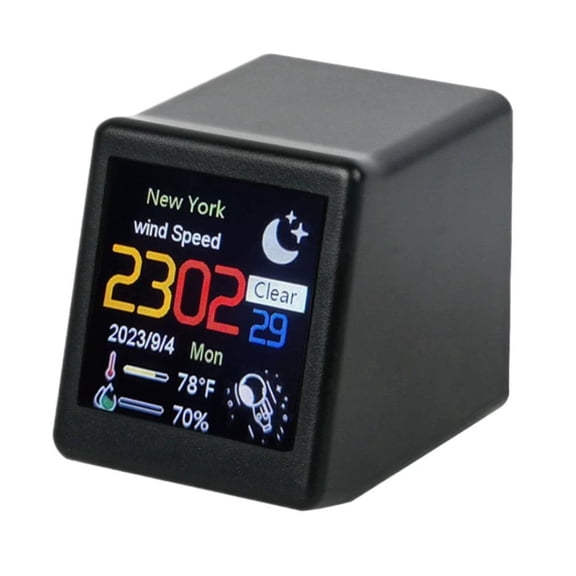
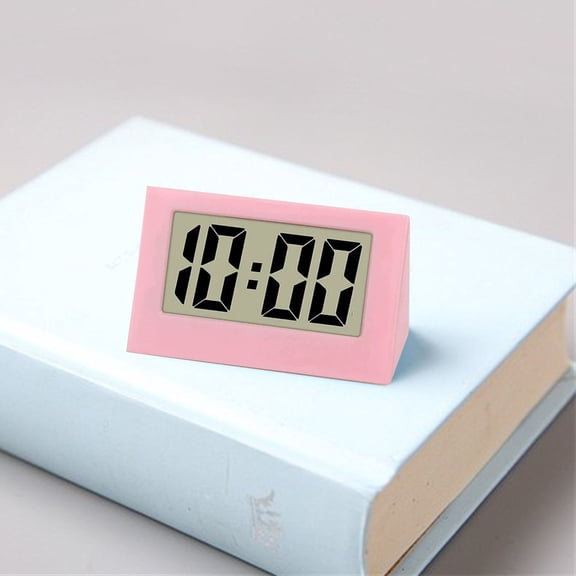
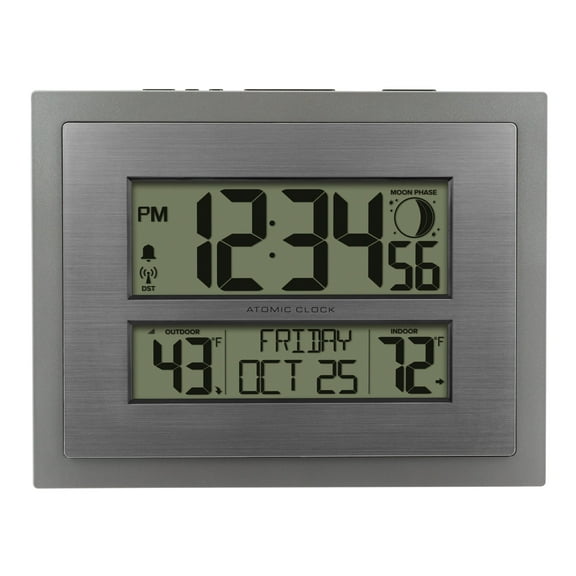
You can narrow your options by deciding whether you want a digital or analog display. You’ll usually get faster at-a-glance reading with digital tabletop clocks, especially in dim bedrooms or busy offices.
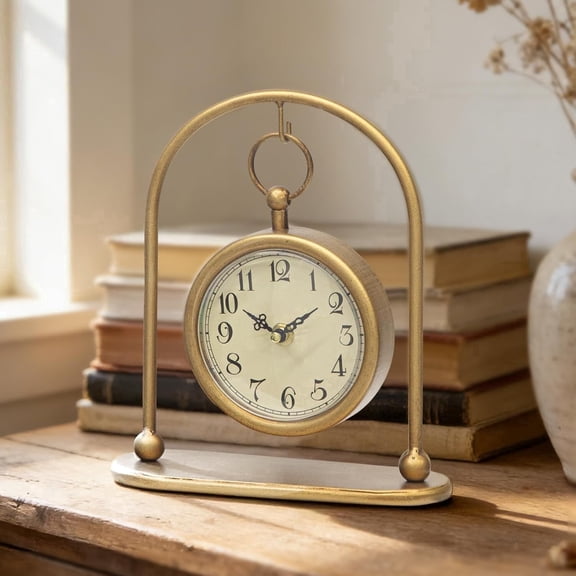
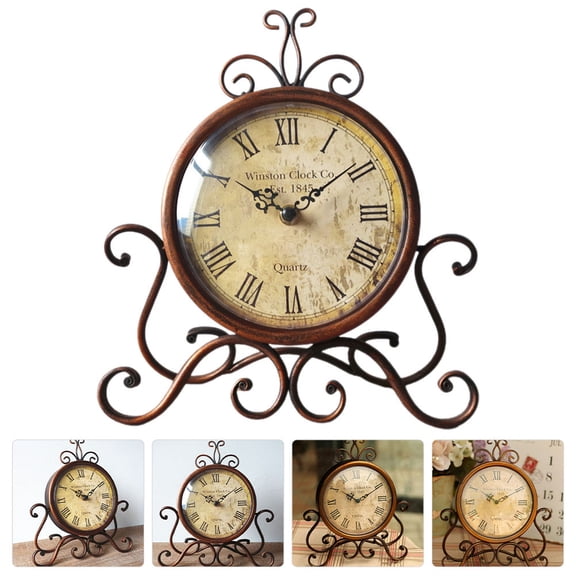
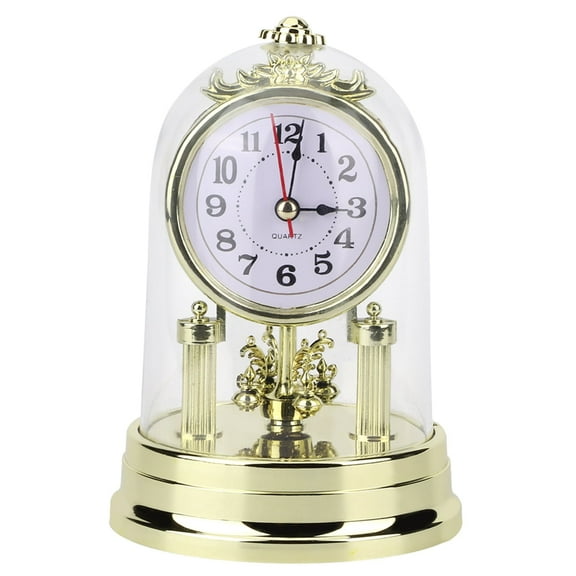
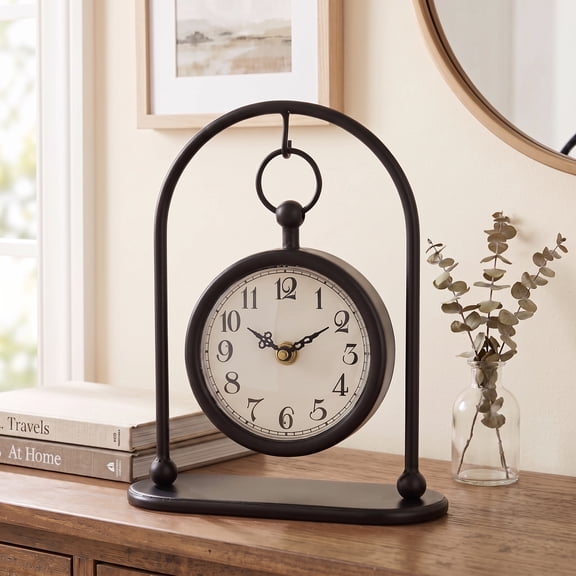
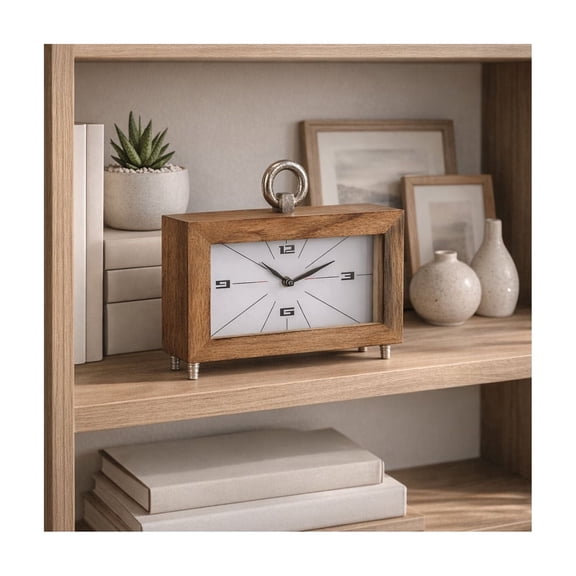
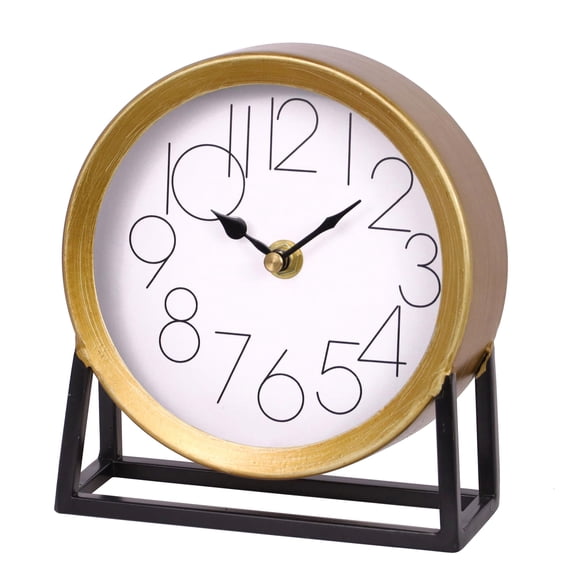
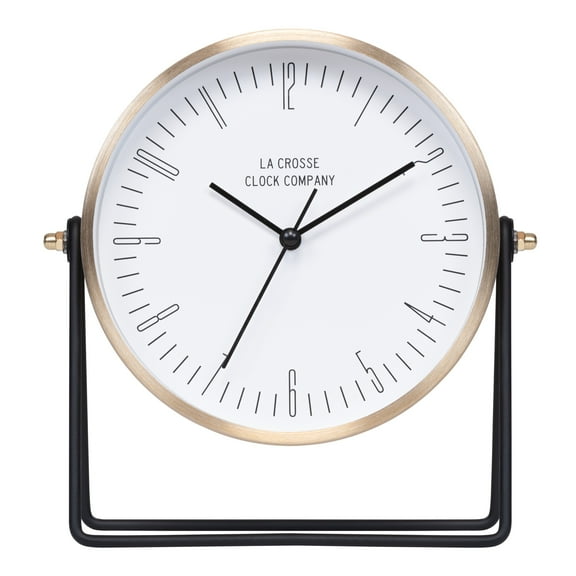
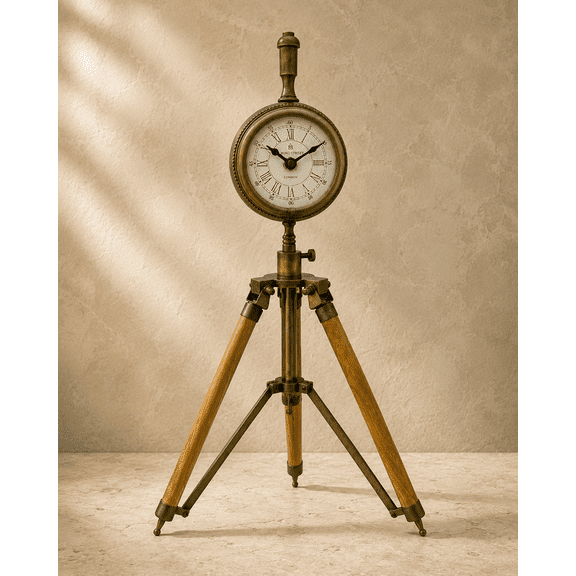
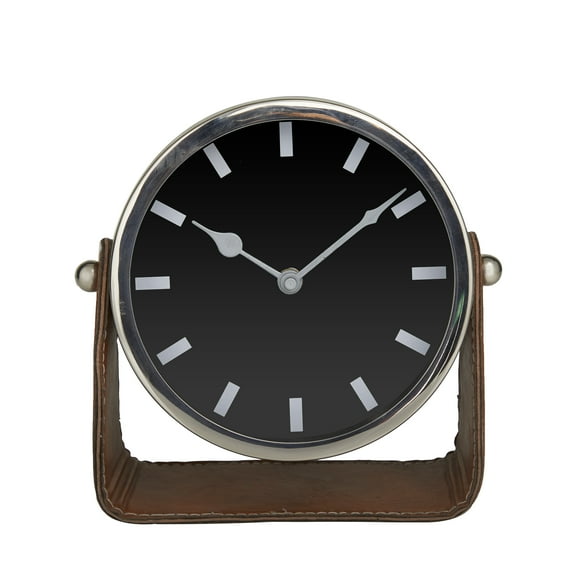
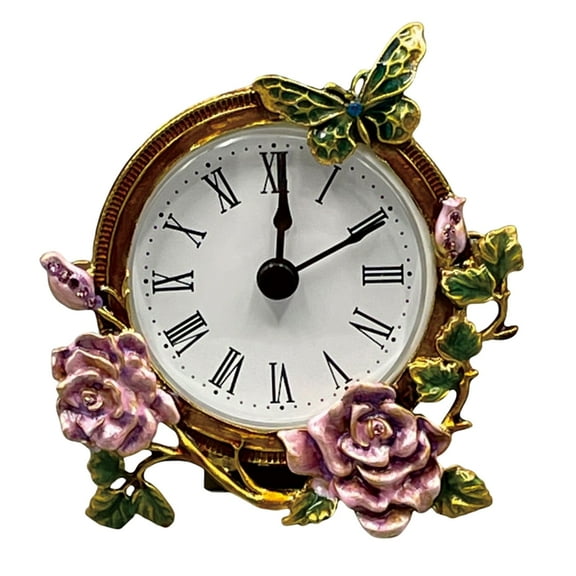
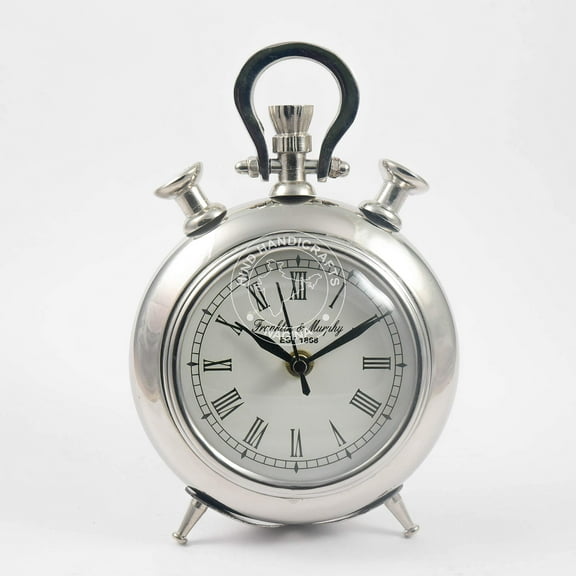
If you prefer a classic look, you may lean toward analog faces with hands and hour markers. You’ll often see these styles on vintage tabletop clocks, rustic designs, and retro-inspired pieces.
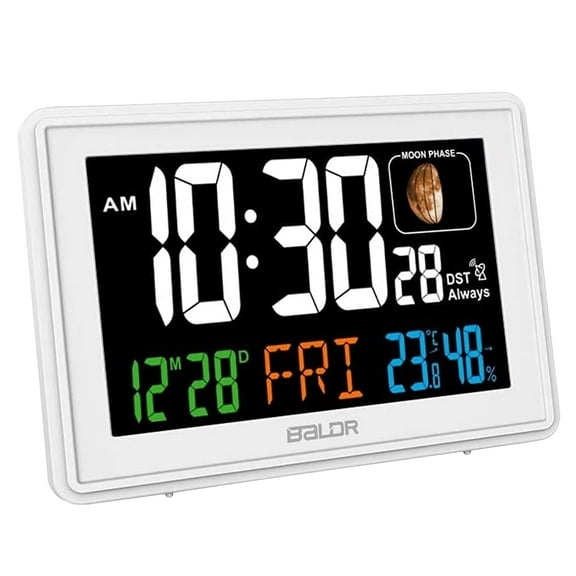
LED displays can suit modern setups where you want bold numbers and a clean profile. You should compare brightness controls if you plan to place a clock near your bed.
- You can read digital numbers quickly from across the room.
- You can use analog designs to complement traditional or decorative spaces.
- You can choose LED styles for a sleek look on desks and nightstands.
- You can check numeral size and contrast for easier daily use.
What to look for in sound level and movement
You should consider sound level before choosing a clock for a bedroom, study, or reading nook. You may prefer a non ticking tabletop clock when you want a quieter background.
When you compare movements, you’ll often see sweep movement and step movement. You’ll notice sweep movement glides more smoothly, while step movement marks each second with a more traditional tick.
If you’re sensitive to sound, you should look for silent sweep or non-ticking wording in product details. You can keep your bedside or workspace feeling calmer with that design choice.
Standard ticking styles may still suit living rooms, entry tables, or den shelves. You might choose them when you like a classic clock feel and don’t need extra quiet.
Comparing battery operated tabletop clocks and corded options
You can also choose based on how you want your clock powered each day. You’ll often find battery operated tabletop clocks useful when you want flexible placement without visible cords.
Battery power can work well on mantels, floating shelves, and accent tables. You won’t need to place the clock near an outlet, which can help your surface look cleaner.
If you want steady illumination or extra display features, you may prefer an electric corded model. You should measure your setup first so the cord reaches comfortably without stretching across furniture.
You can also compare battery access and controls before you decide. You’ll appreciate simple back panels and easy-to-read settings when you adjust time or alarms.
Matching style with your room
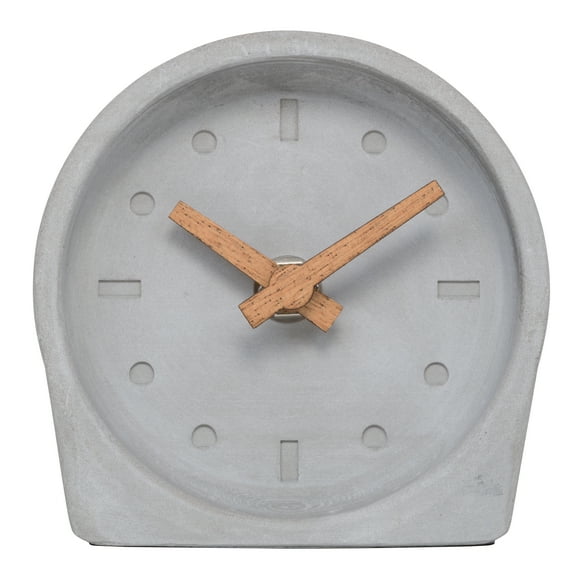
You should treat style as a major decision, not just a finishing touch. You can use modern table clocks to reinforce clean lines, simple palettes, and minimal decor.
If your room has warm woods or antique-inspired accents, you may prefer vintage tabletop clocks or rustic finishes. You’ll often see details like distressed textures, metal frames, or traditional numerals in those looks.
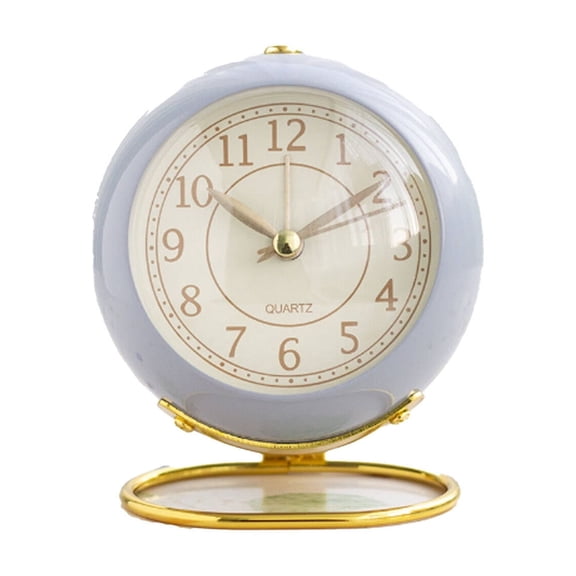
Retro designs can bring playful character to desks, media rooms, or colorful bedrooms. You can pair rounded cases, bold colors, and familiar shapes with mid-century or nostalgic decor themes.
Before you choose a finish, you should look at nearby hardware, frames, and lamp bases. You’ll create a more pulled-together surface when tones and materials work together.
Using tabletop clocks in everyday rooms
You can place tabletop clocks in more rooms than you might expect. You’ll find them useful on bedside tables, office desks, fireplace mantels, bookshelves, and kitchen counters.
In a bedroom, you may want quiet movement, easy nighttime visibility, and compact sizing. You should compare digital displays, silent sweep options, and footprint before choosing one.
On a desk, you might want clear numerals and a shape that fits between speakers, notebooks, and chargers. You can keep your work area functional without giving up decorative detail.
For a living room or entry table, you may focus more on finish, shape, and overall presence. You’ll often use the clock as part of a styled vignette with books, trays, or candles.
You should measure your surface and check proportions before you commit to a look. You’ll get a clock that feels intentional, readable, and easy to live with every day.
You can feel confident choosing a clock when you compare display type, movement, power source, and style together. You’ll end up with a tabletop clock that fits your room and reads clearly whenever you need it.