

Snoring in Sleep & Snoring Aids



















About Snoring in Sleep & Snoring Aids - Walmart.com
Anti snoring devices help reduce noisy breathing, so you and your partner can settle into calmer sleep. At Walmart, you’ll find options for nose, mouth, and position support in one place. Many snore stopper styles focus on airflow, comfort, and a secure fit. That makes it easier to test what works for your routine. Choose designs that match how you sleep, and how often snoring shows up. Clear product details help you compare materials, sizing, and adjustability before you decide.
Benefits you’ll notice with anti snoring devices
Less nighttime noise can make mornings feel easier, especially when you share a room. The right anti snore device can also support steadier breathing by keeping airways more open. Comfort matters because you’ll only keep using what feels manageable through the night.
Different snoring aids target different triggers, like nasal congestion, relaxed throat tissue, or back sleeping. That variety lets you start with the least intrusive option, then adjust if needed. Many designs also travel well, so routines stay consistent on work trips.
- Reduce disruptive snoring sounds, which can help everyone rest with fewer wake-ups.
- Support airflow through the nose with strips or dilators that hold shape overnight.
- Encourage side sleeping with positional supports that discourage rolling onto your back.
- Improve comfort with softer edges, adjustable parts, and low-profile designs.
- Simplify nightly habits with easy cleaning steps and quick storage cases.
Key features to compare before you pick
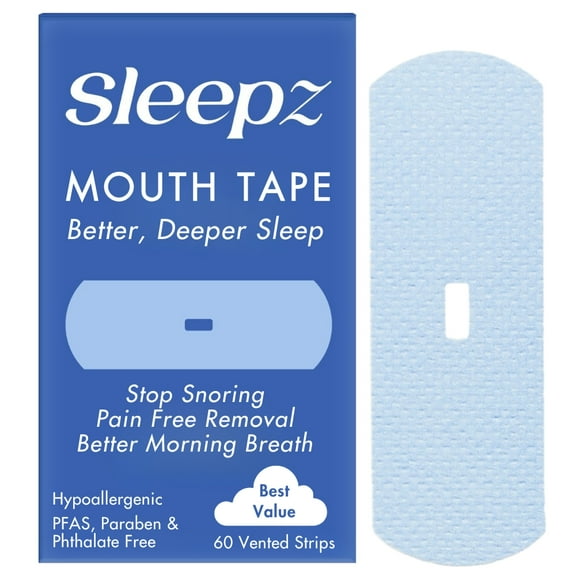
Start by matching the device type to your likely snoring source. Nasal strips and nasal dilators focus on the nose and outer nasal valve. Mouthpieces focus on jaw or tongue positioning, depending on the design.
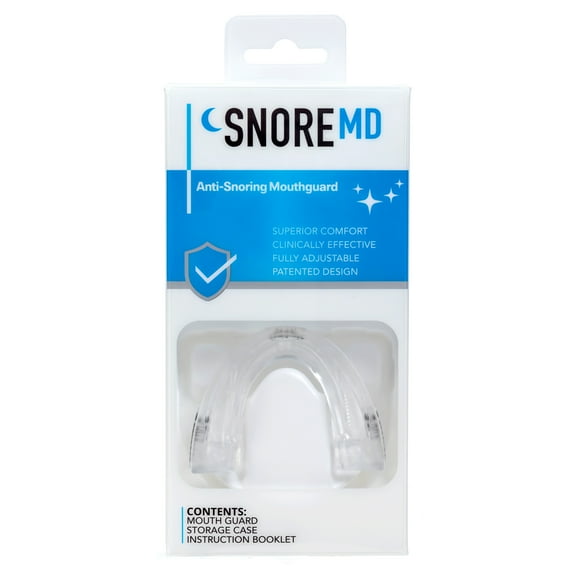
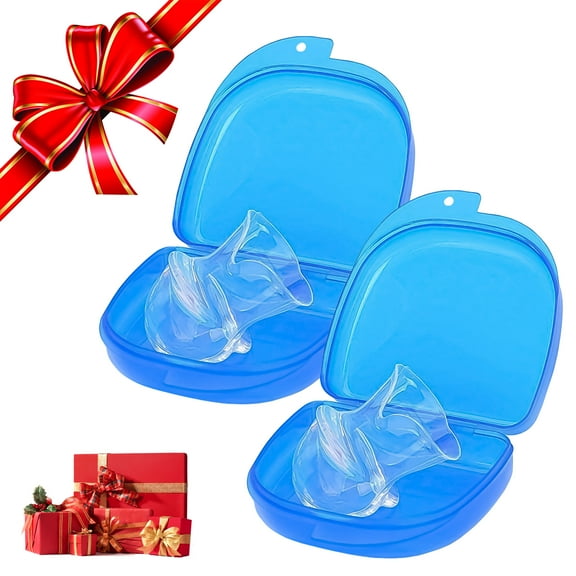
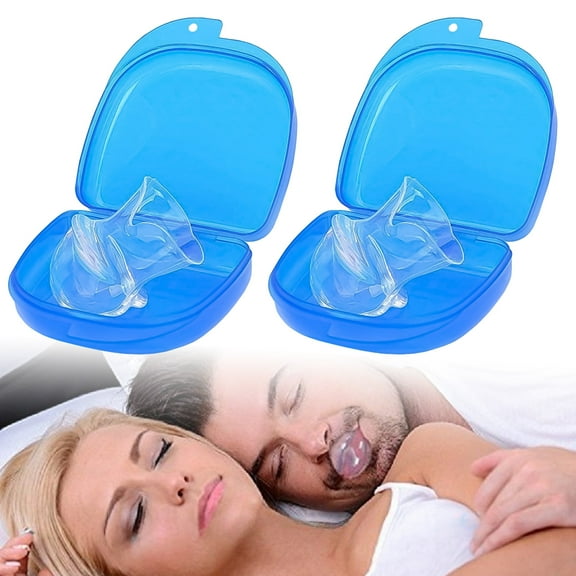
Fit and sizing are decisive for mouthguards and mandibular advancement styles. Look for boil-and-bite molding, multiple sizes, or adjustable settings when offered. A stable fit can reduce slipping and reduce pressure points.
Materials affect feel, durability, and cleanup. Silicone and soft polymers can feel gentler, while firmer plastics can hold structure. Check whether parts are removable, and whether the product includes a storage case.
Consider maintenance and replacement timing. Some nasal options are single-use, while others are reusable for weeks. If you prefer minimal fuss, prioritize simple rinse-and-dry care.
If you sleep with a partner, noise and bulk matter. Low-profile designs can feel less intrusive and easier to tolerate. Reading dimensions and user guidance can prevent avoidable returns.
Common types of snore stopper solutions
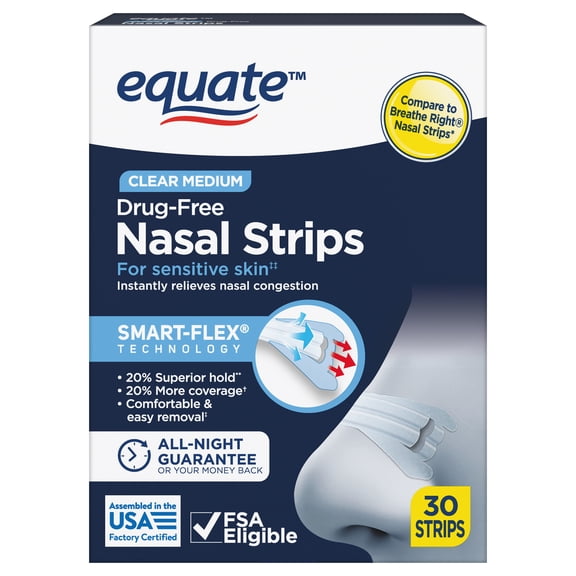
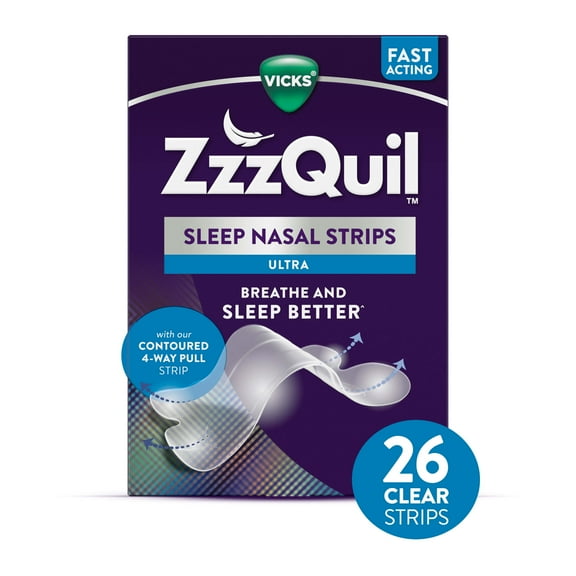
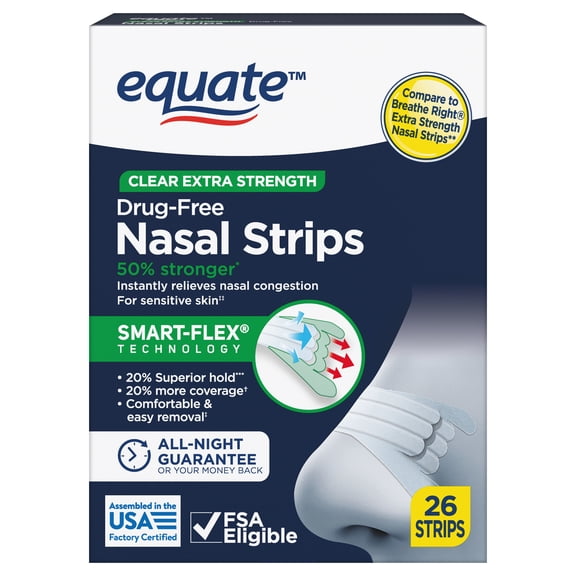
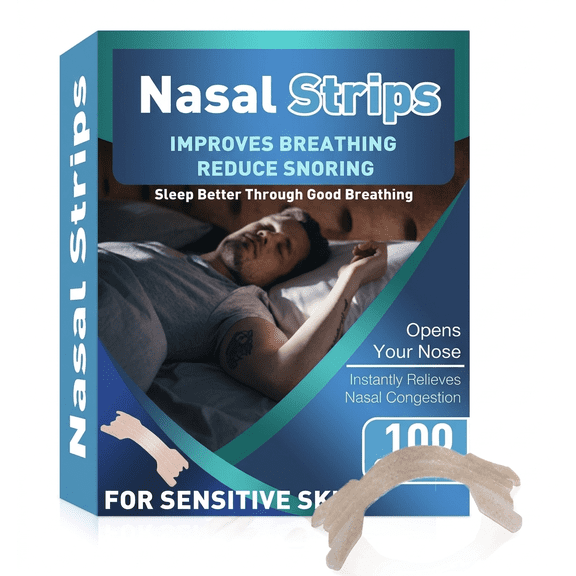
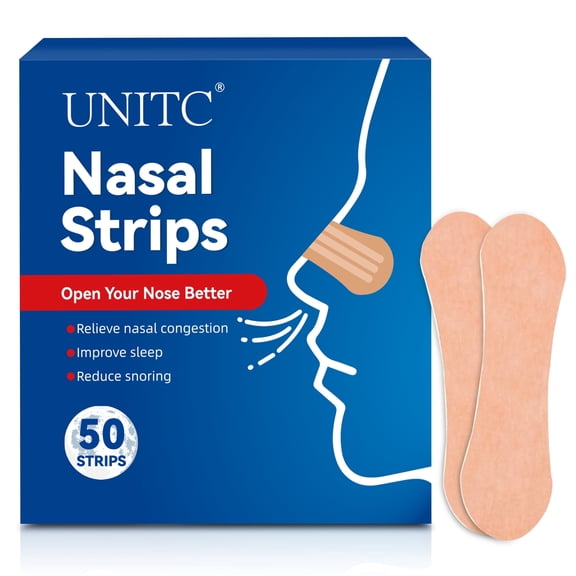
Nasal strips sit on the outside of your nose and gently lift the nasal passages. They’re a simple first step when snoring is tied to restricted nasal airflow. Many people like them for travel and quick nightly setup.
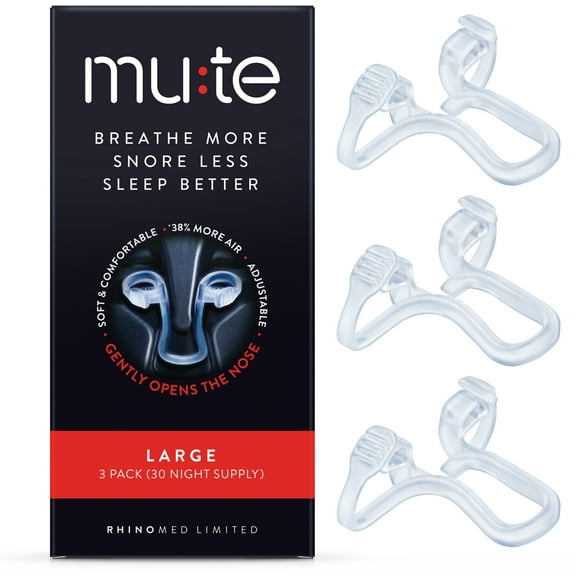
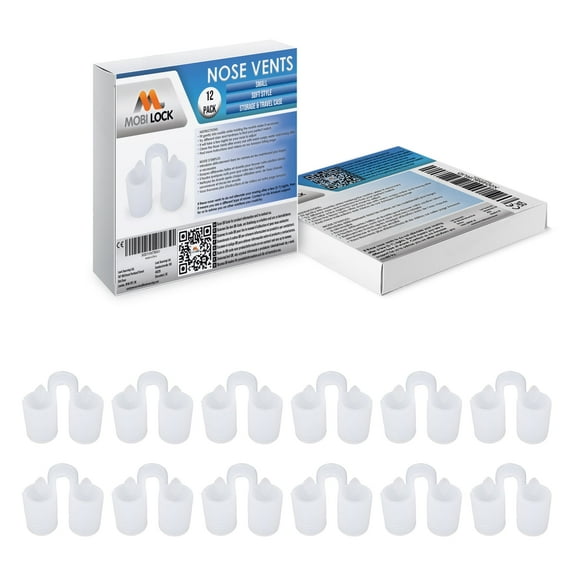
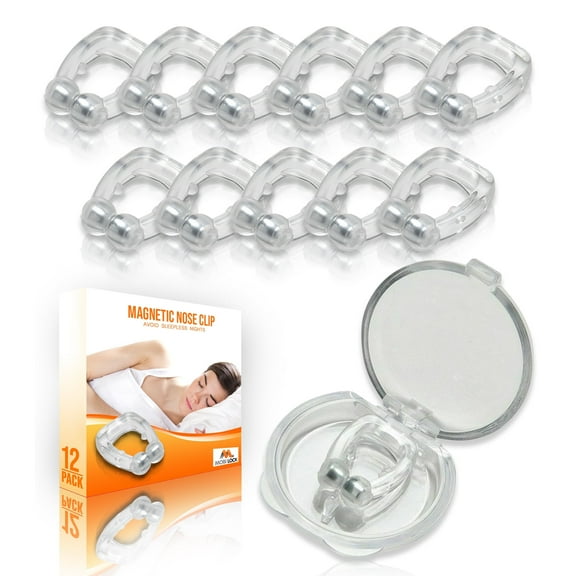
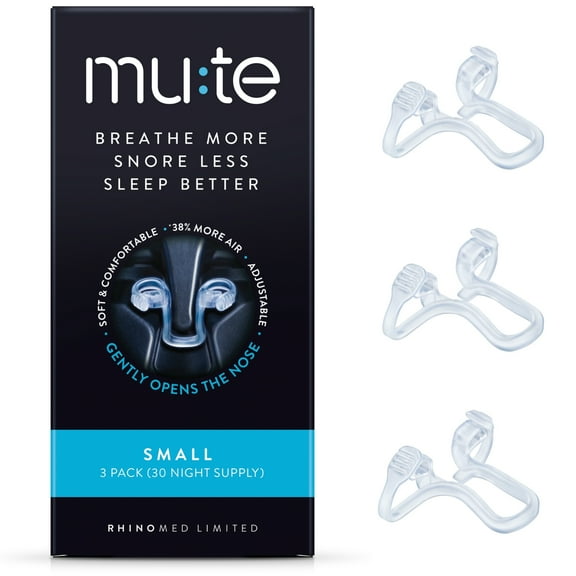
Nasal dilators sit just inside the nostrils to hold the airway open. They’re reusable in many cases and can feel lighter than a strip. Choosing the right size helps avoid pressure or slipping.
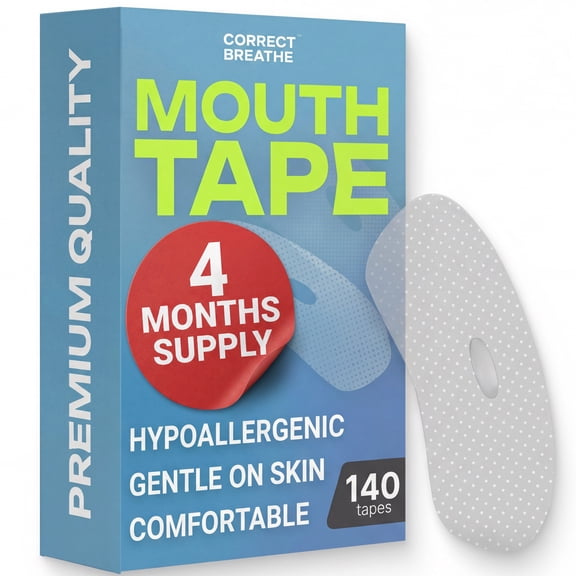
Mouthpieces and mouthguards can reposition the jaw or help manage tongue placement. They’re often used when snoring relates to relaxed soft tissue in the throat. A custom-like fit usually takes a few nights to dial in.
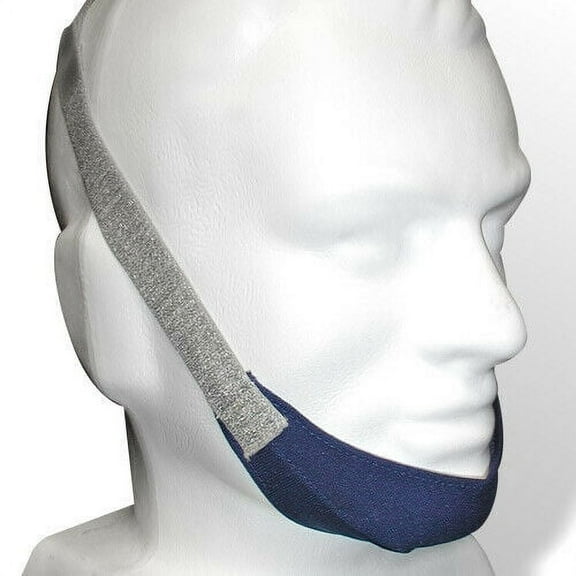
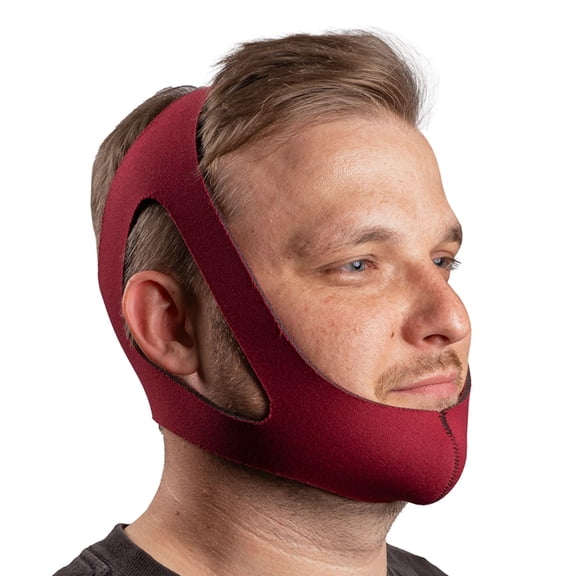
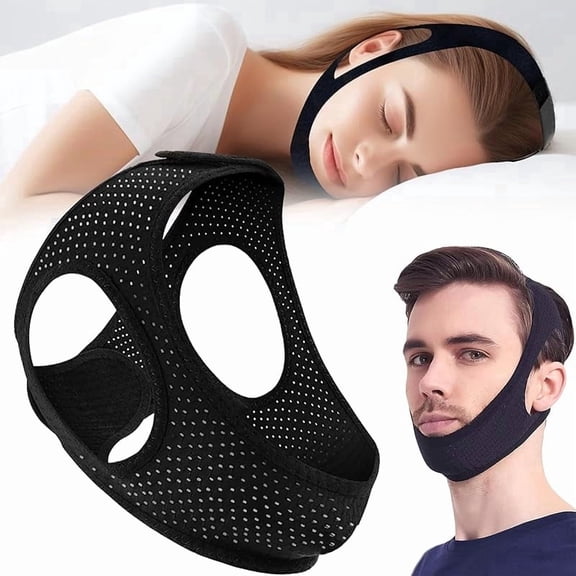
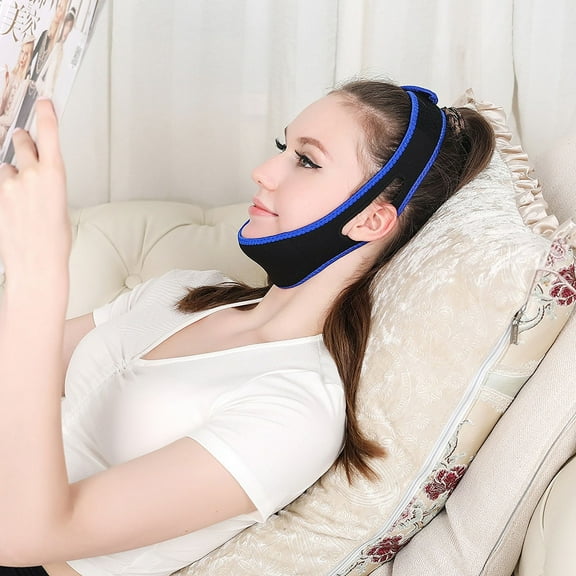
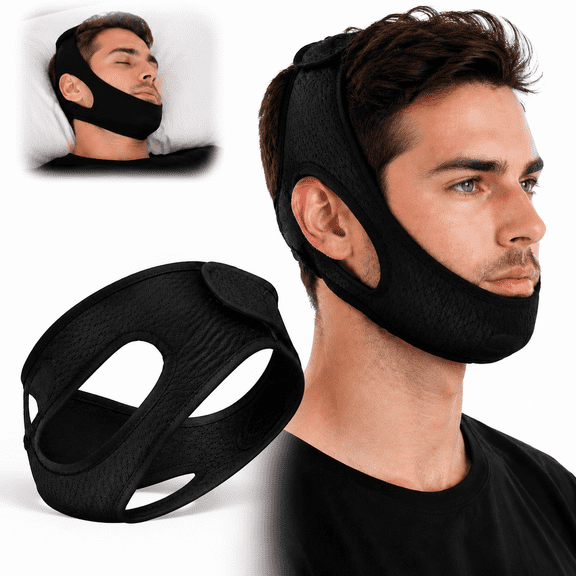
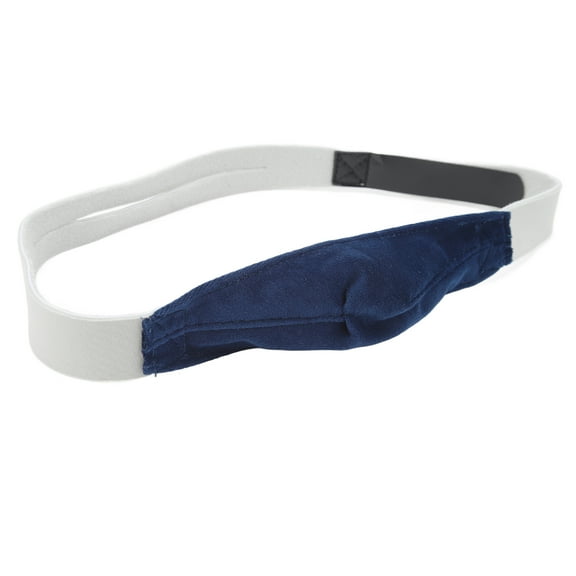
Chin straps support keeping the mouth closed during sleep. They can be useful when mouth breathing is part of the pattern. Soft, adjustable straps can improve comfort around the ears and crown.
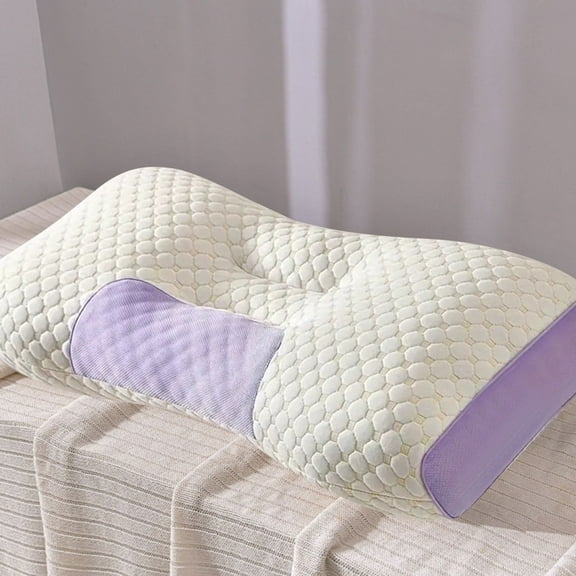
Positional supports help you stay on your side. Back sleeping can worsen snoring for some people due to airway alignment. These supports range from wearable belts to pillow-style aids.
Use cases and how shoppers choose snoring aids
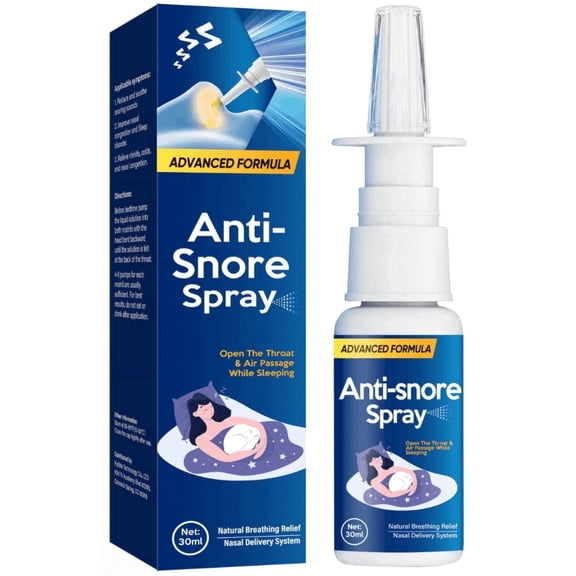
If you mostly snore during allergy season, start with nasal-focused options. A nasal dilator or strip can be a low-commitment test. Keep a few on hand for nights when congestion flares.
If snoring ramps up after a long day or after sleeping on your back, positional aids can help. Side-sleep support can reduce the chance you’ll roll over. Pairing this with a supportive pillow can improve comfort.
If your partner notices snoring even when you breathe through your nose, consider an anti snore device for the mouth. Give yourself an adjustment period for mouthpieces. Focus on fit, jaw comfort, and cleaning ease.
For frequent travelers, compact snoring aids can keep routines consistent. Look for small cases and simple cleaning steps. Disposable nasal strips can be convenient for short trips.
If you’re already using sleep gear, consider compatibility. Some mouthpieces can pair with certain sleep masks, depending on strap placement. Checking photos and measurements can reduce surprises.
You can also build a more complete sleep setup with related categories. Ear plugs can help with residual noise in shared spaces. Sleep Aids and CPAP Accessories can support broader comfort needs.
Feel more confident about your nightly setup
Anti snoring devices work best when they match your snoring pattern and feel comfortable for consistent use. Compare type, fit, and care needs before you commit. With the right snore stopper style, nights can feel quieter and mornings can feel steadier.