







Shoulder Braces in Arm support






















About Shoulder Braces in Arm support - Walmart.com
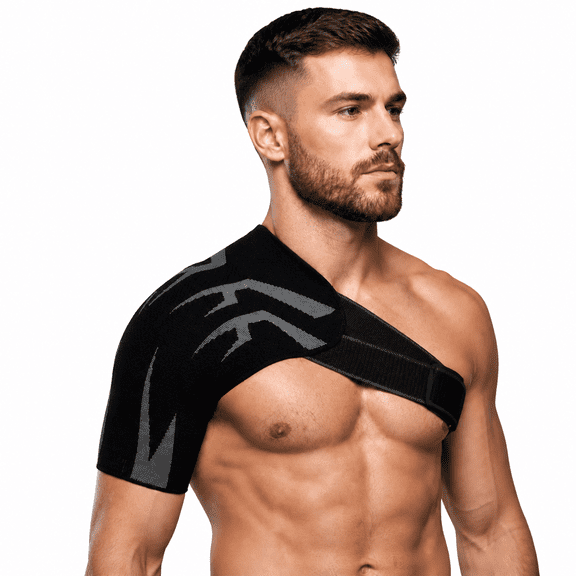
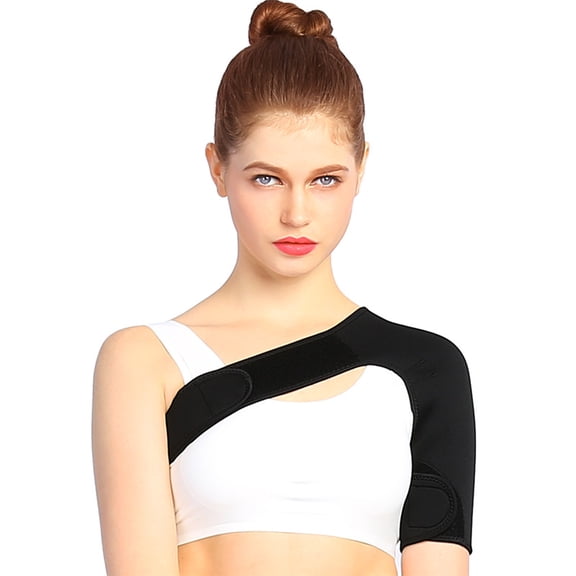
A rotator cuff brace can steady your shoulder when daily motion feels strained, weak, or unpredictable. At Walmart, you’ll find wraps, slings, and shoulder supports designed for adjustable compression and secure fit. Many styles layer under shirts, so you can keep moving through work, training, and recovery routines. Size range and strap layout matter here, because the wrong fit can tug your neck or slide during motion. This hub helps you compare brace shapes, closures, and support levels for your shoulder’s pattern of use.
Benefits that matter for shoulder recovery and sport
Shoulder braces are built to guide motion, not lock you in place. The right setup can help you feel steadier during reaching, lifting, or overhead work. Many shoppers choose a rotator cuff brace to reduce uncomfortable shifting during sleep and early rehab days. Some designs also help you keep posture cues, which can limit shrugging and neck tension.
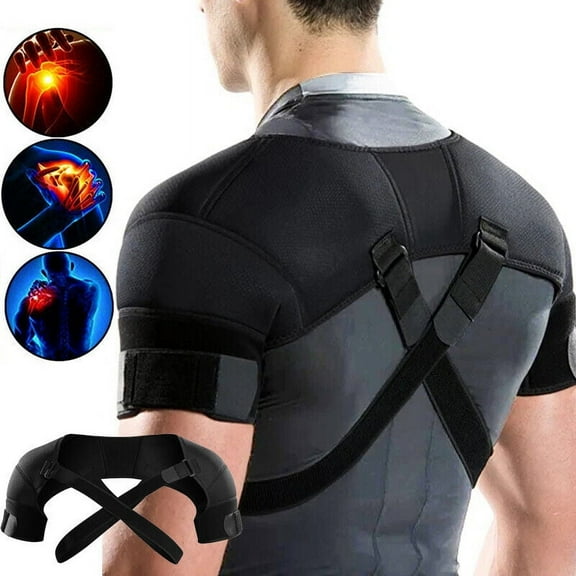
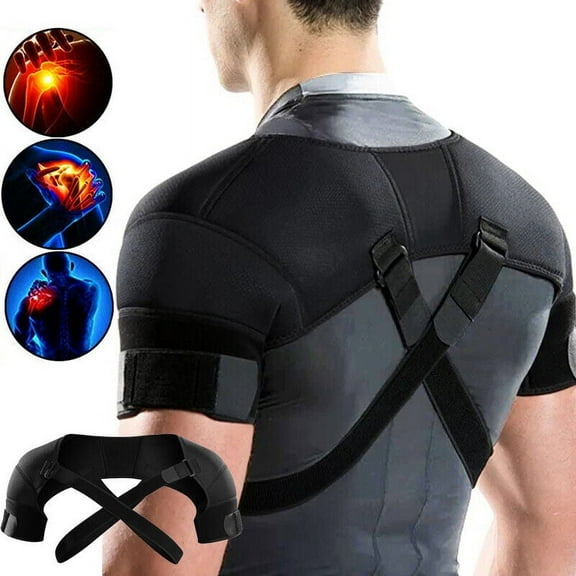
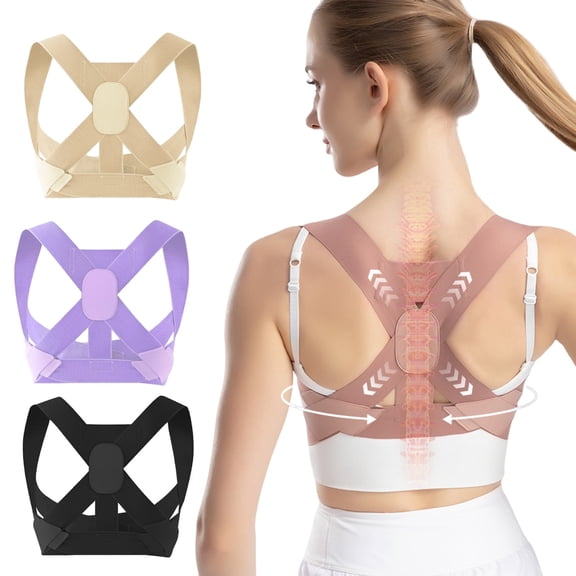
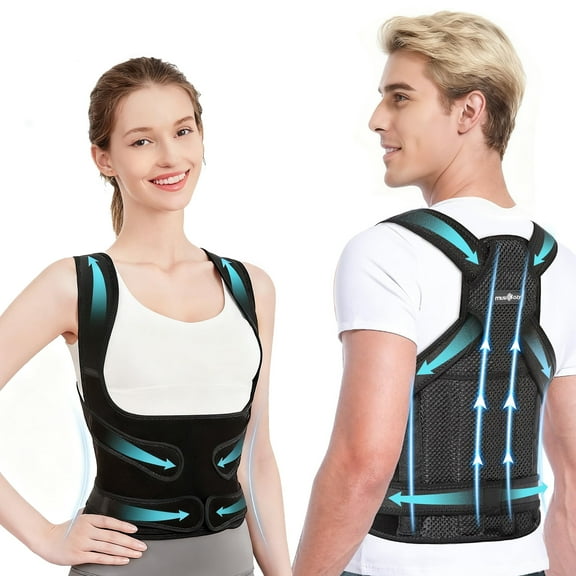
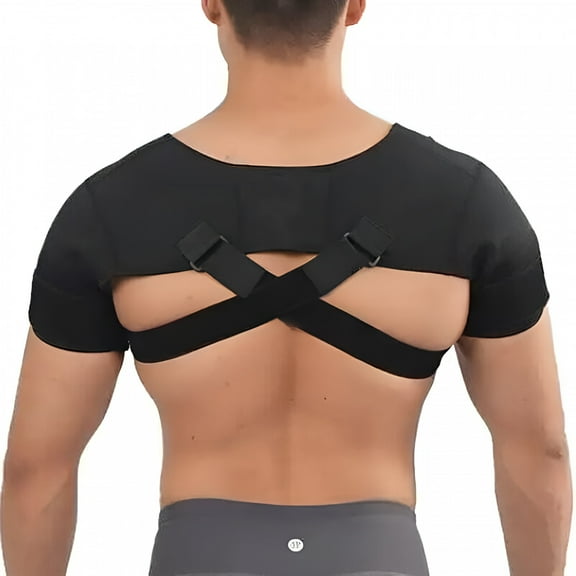
Different support levels match different goals, from light compression to more structured stabilization. A shoulder harness for pain can feel more secure than a simple wrap for active days. You’ll also see options that cross the back, which can help keep straps from sliding forward.
- Helps limit awkward shoulder movement during reaching, throwing, or lifting.
- Adds compression that can feel supportive during daily activity and workouts.
- Can improve comfort during rest by reducing unwanted rolling and shifting.
- Supports return-to-play routines, including shoulder braces for football positions.
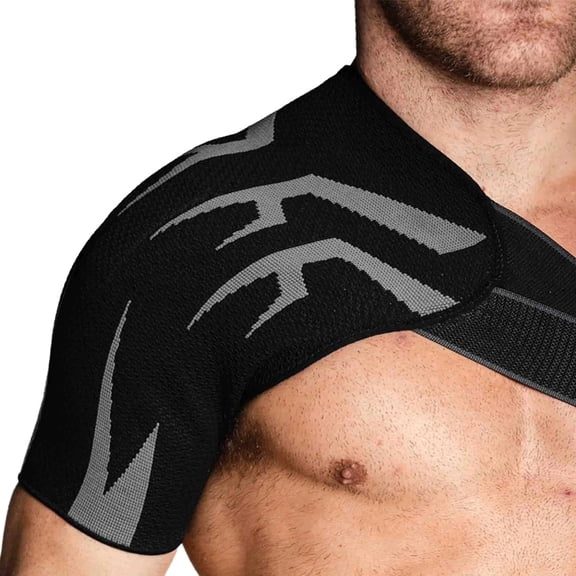
Fit and comfort drive consistency, and consistency drives results. Look for smooth edges, breathable panels, and straps that don’t dig in. If you’re shopping a shoulder brace for men, check chest range and strap length before you choose.
Rotator cuff brace features to compare before you choose
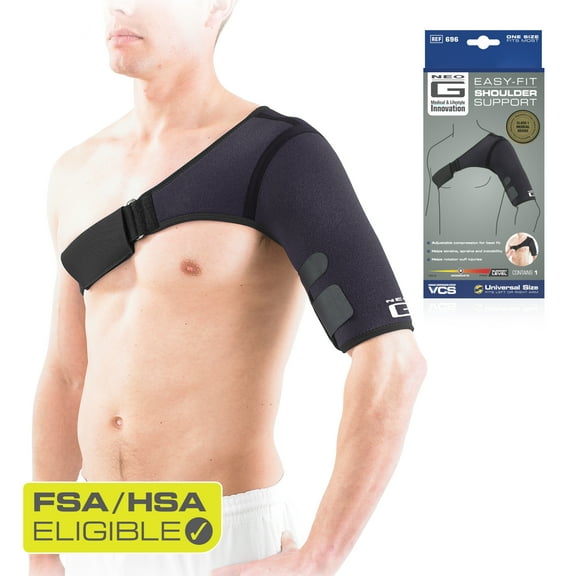
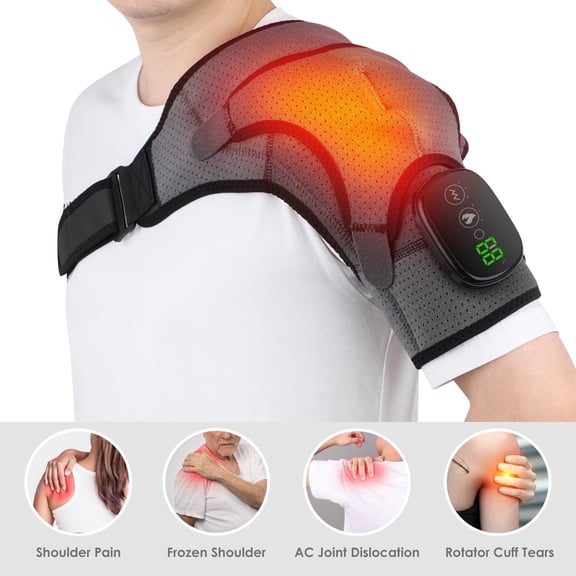
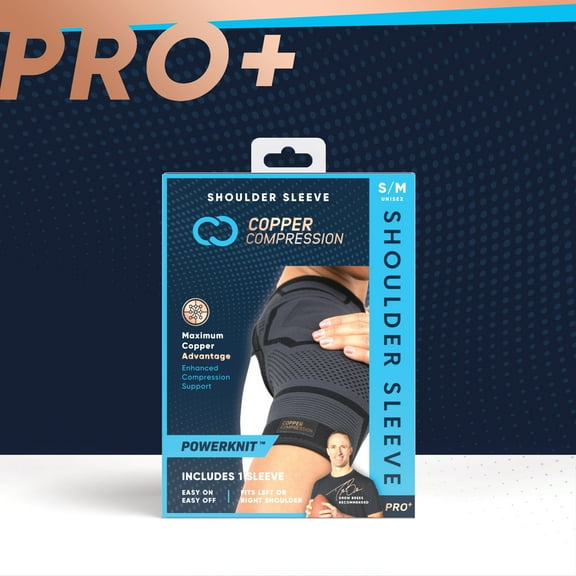
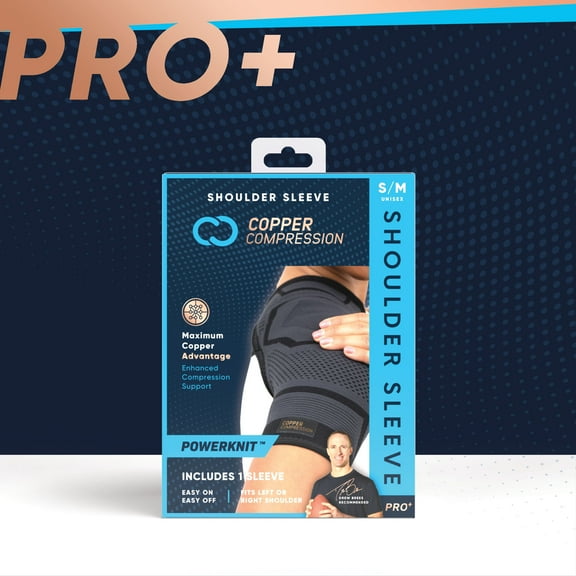
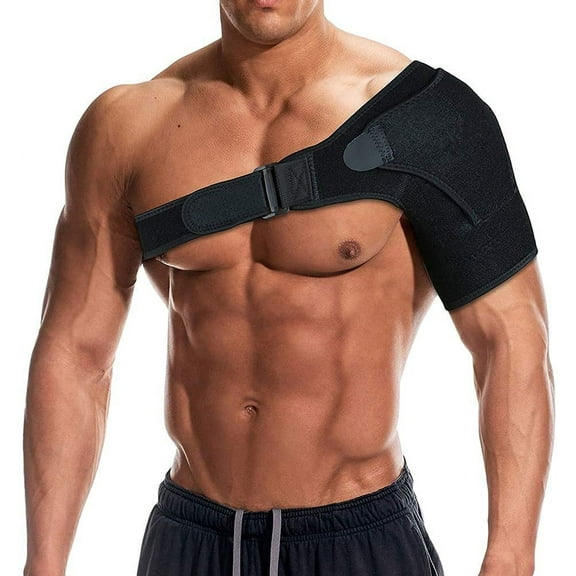
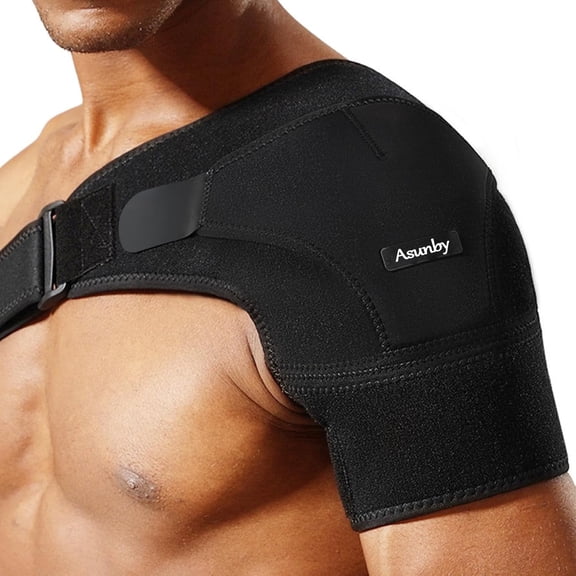
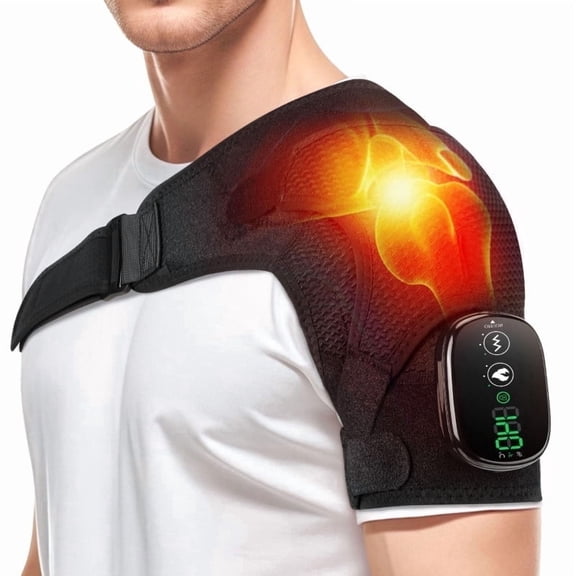
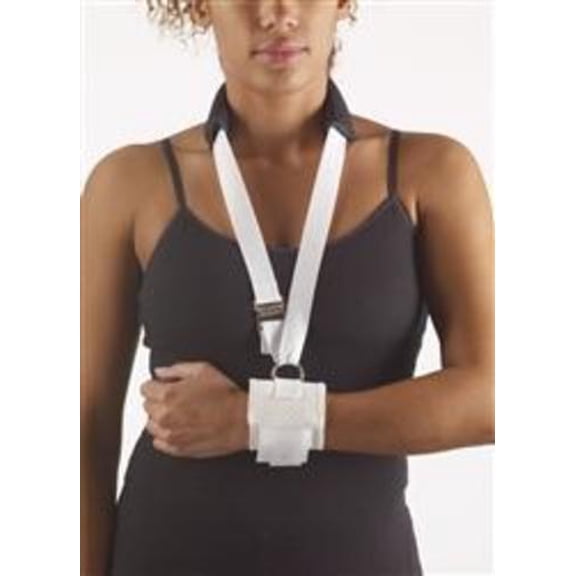
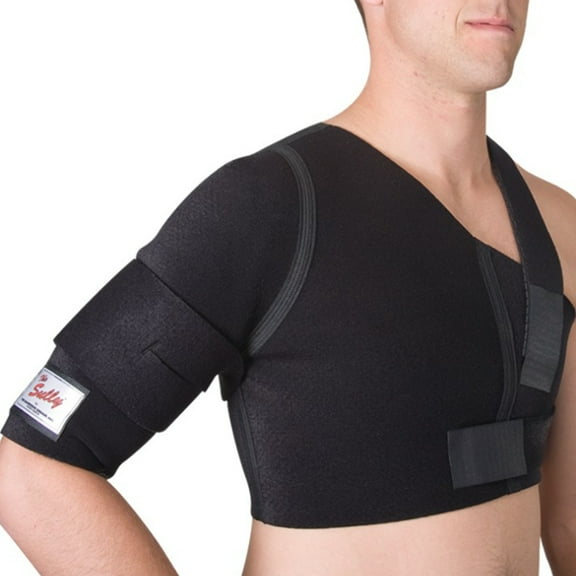
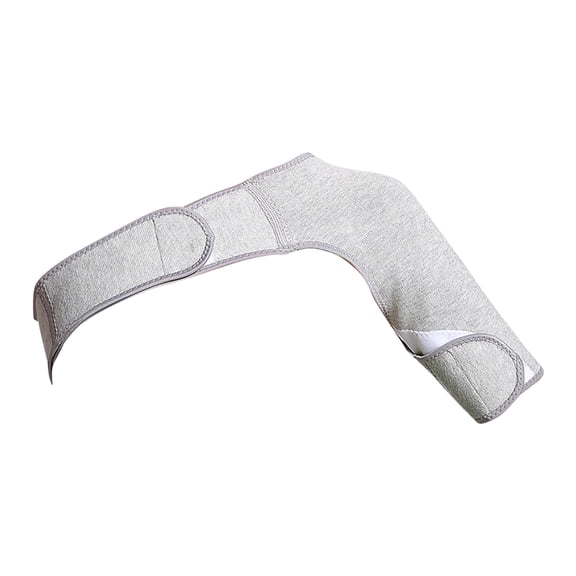
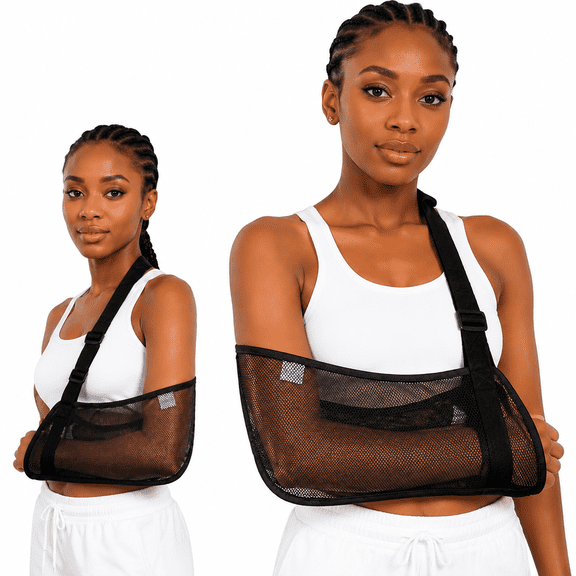
Support starts with brace style, because each design controls motion differently. Wrap-style braces focus on compression and warmth around the joint. Sling-style supports focus on holding the arm position for rest periods. Harness styles add cross-body tension that can reduce sudden shoulder opening.
Closure systems affect how easy it is to put on solo. Hook-and-loop straps allow quick micro-adjustments throughout the day. Buckles can feel more locked in, especially during activity. If you expect frequent adjustments, prioritize straps you can reach with one hand.
Material choices change how the brace feels under clothing. Neoprene-like blends can feel cushioned, but they may run warmer. Mesh zones improve airflow and reduce sweat buildup. Seams and edge binding matter, because rough edges can rub near the armpit.
Sizing is critical for stability and comfort. Measure chest circumference and confirm whether the brace is left, right, or universal. Some braces include an upper-arm strap to reduce slipping. Others use a back panel to spread pressure across your shoulder blades.
Use cases shoppers solve with shoulder supports
Overuse and repetitive motion are common reasons people add shoulder support. Warehouse shifts, construction tasks, and caregiving often involve reaching and lifting. A rotator cuff brace can feel helpful when your shoulder gets tired late in the day. Many also wear a brace under a hoodie for discreet support.
Gym and training routines bring a different need, because dynamic motion can pull braces out of place. Look for wide straps and anti-slip layouts if you lift or do circuits. A shoulder brace for men often needs extra strap length for secure crossover fit. For smaller frames, slimmer profiles can reduce bunching at the chest.
Sleep discomfort is another frequent concern. Some people prefer lighter wraps for bedtime, because bulkier braces can press into the neck. If you wake up with sharp tension along the shoulder blade, you may search for a brace for shoulder blade pain. In that case, focus on braces with a back panel that distributes pull evenly.
Sports use is more specific, especially for contact and tackling positions. Shoulder braces for football may pair a stabilizing strap layout with lower-profile padding. They’re often used for practice sessions, warmups, or controlled drills. Always confirm league equipment rules before game-day wear.
Injury education can also guide your choice. A dislocation history may call for more motion control than a light compression wrap. Many shoppers searching brace for rotator cuff injury want a balance of support and mobility. If you’re unsure, compare structured harness styles versus simple sleeves.
Confidence checklist for a brace you’ll actually wear
Choose a rotator cuff brace that matches your activity, clothing needs, and how much motion you want to limit. Prioritize correct sizing, reachable straps, and breathable fabrics for longer wear. When the fit stays put, your shoulder can feel steadier through the movements you do every day.
Popular in Shoulder Braces in Arm support - Walmart.com
- Jaeco Mobile Arm Support
- Best Sellers In Arm Sling For Shoulder
- Figure 8 Shoulder Strap
- Arm Resale Arm And Shoulder Support
- Arm Slings Shoulder Immobilizer
- Failed Shoulder Replacement
- Repetitive Strain Injury Support
- Rotator Cuff Training
- Ps90 Sling Arm And Shoulder Support
- Figure Sling Clavicle Fracture
- Shoulder Arm Slings
- Runnur Sling