



Hummingbird Nectar in Bird Feed









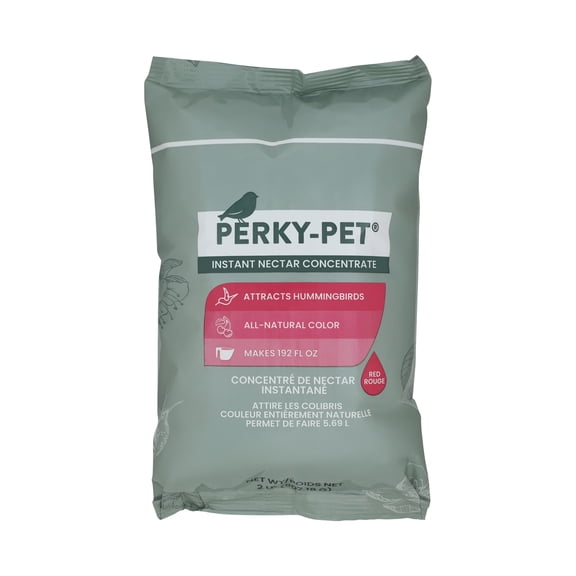
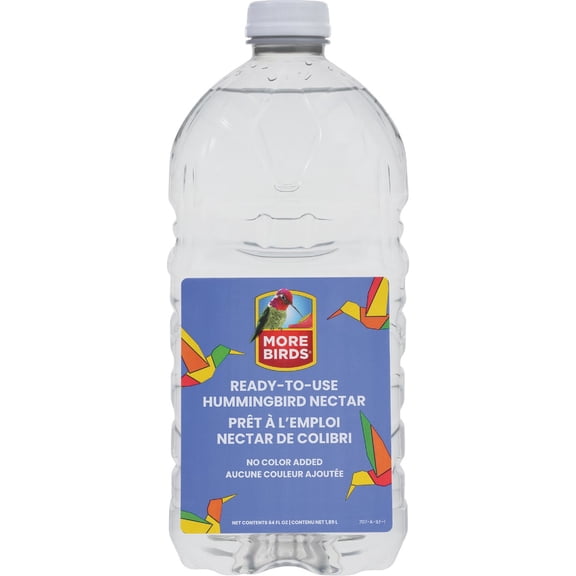

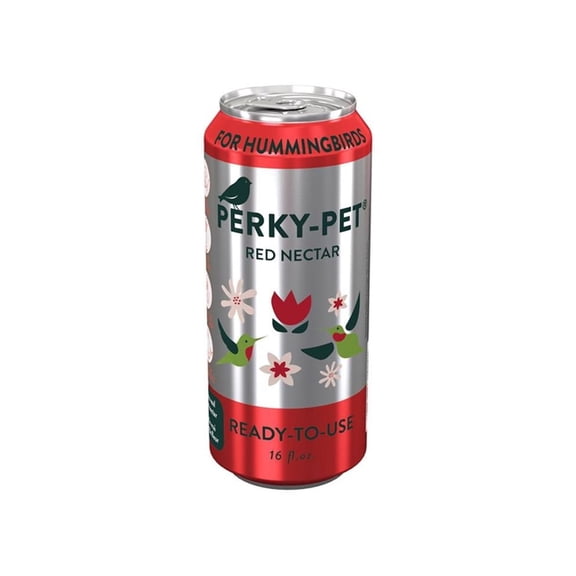
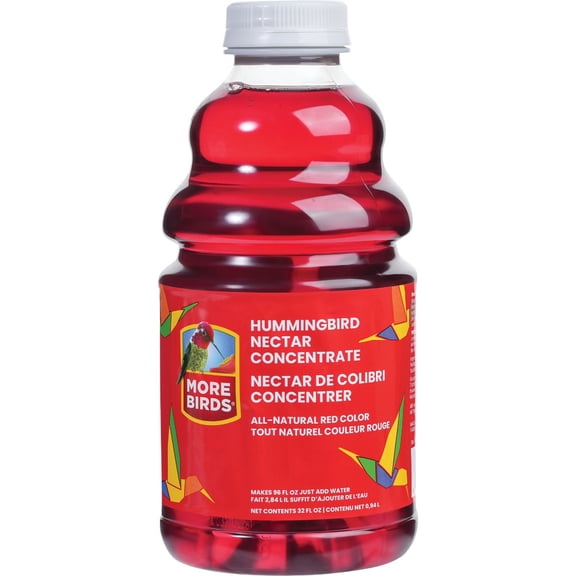


About Hummingbird Nectar in Bird Feed - Walmart.com
Hummingbird nectar helps you keep feeders filled with the formula type, color, ingredient base, and package size that fit your routine. You can compare ready-to-use liquid, concentrates, and powdered mixes, so your feeder setup feels straightforward.
If you refill often, you may want larger sizes that reduce repeat purchases and lower mixing time. If you feed a few visitors each day, you may prefer smaller bottles that fit your storage space.
How to choose hummingbird nectar
You can start by comparing formula type, color, ingredient base, and package size. You can use those four decisions to narrow your options quickly.
When you choose the right match, you can refill feeders with less mess and less guesswork. You’ll also have an easier time matching nectar to your feeding frequency and outdoor setup.
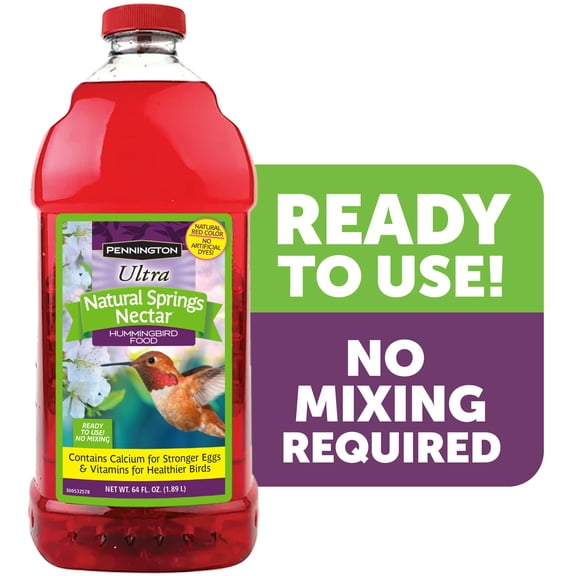
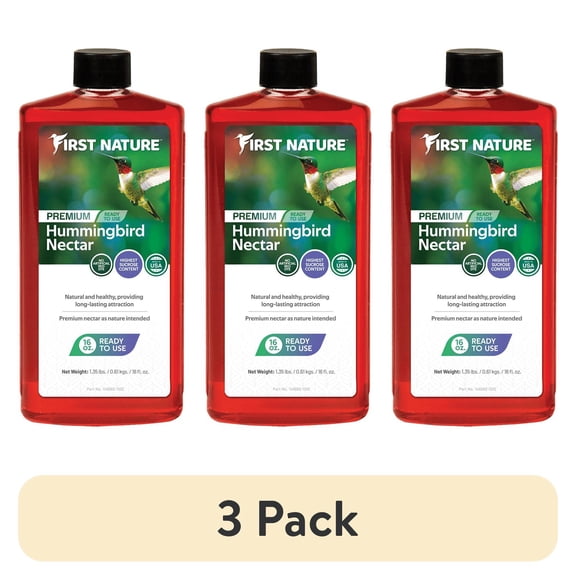
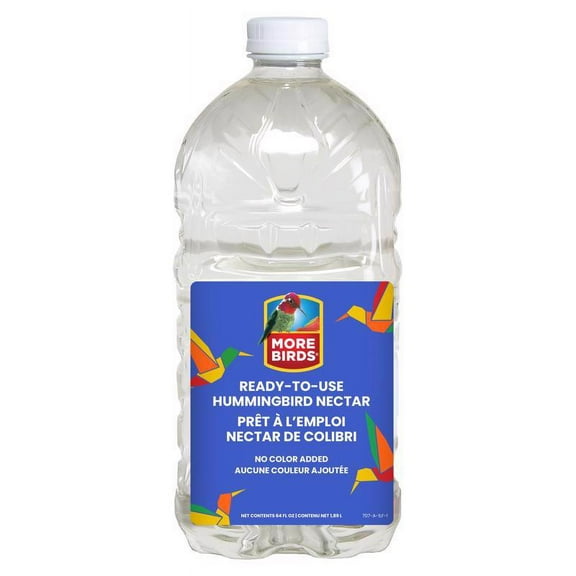
- You can pick ready to use hummingbird nectar when you want fast refills without measuring.
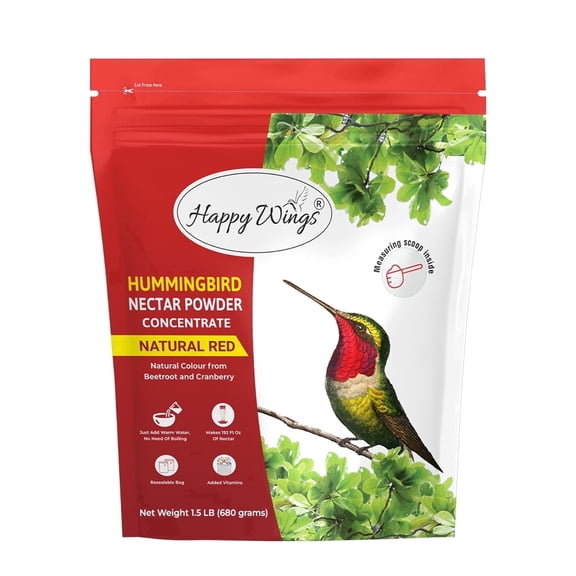
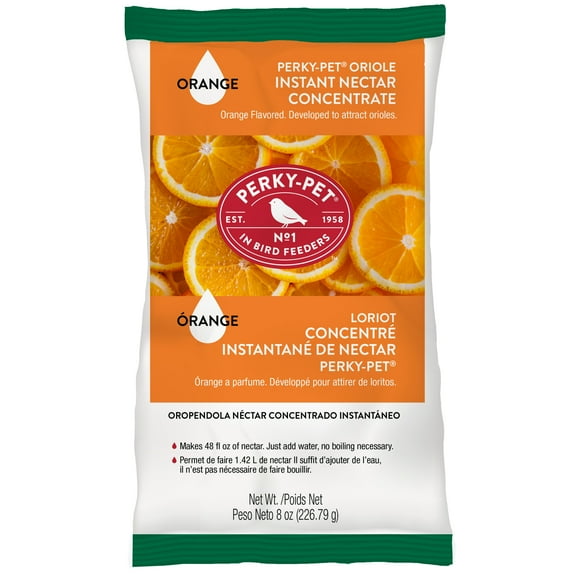
- You can choose powdered hummingbird nectar when you want to mix only what your feeder needs.
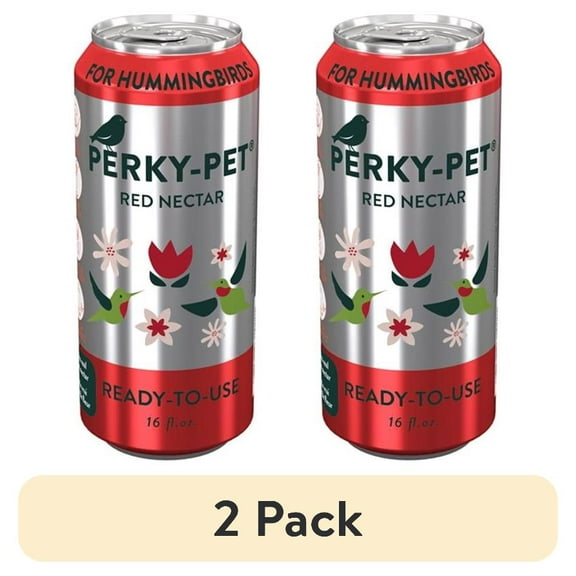
- You can compare clear hummingbird nectar and red options based on your feeding preferences.
- You can check ingredient labels when you want pure cane sugar or other formula details.
- You can select 32 oz, 64 oz, or one gallon sizes based on how often you refill.
Choosing between ready to use hummingbird nectar and concentrate
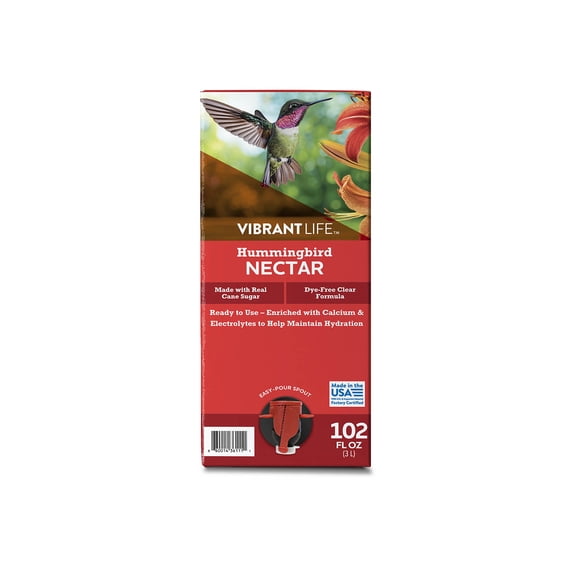
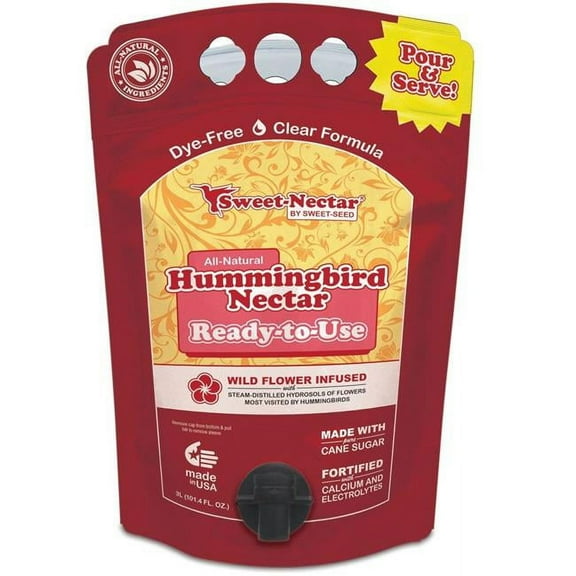
You may want ready-to-use liquid when you need a simple pour-and-fill option for busy mornings. You won’t need to measure water, count scoops, or store extra mixing tools.
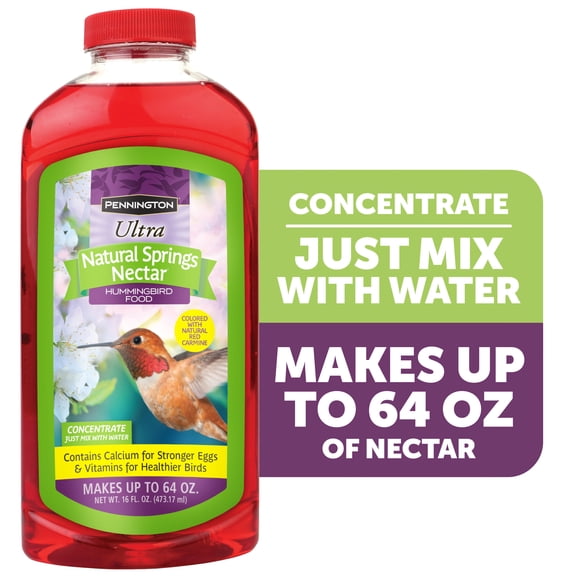
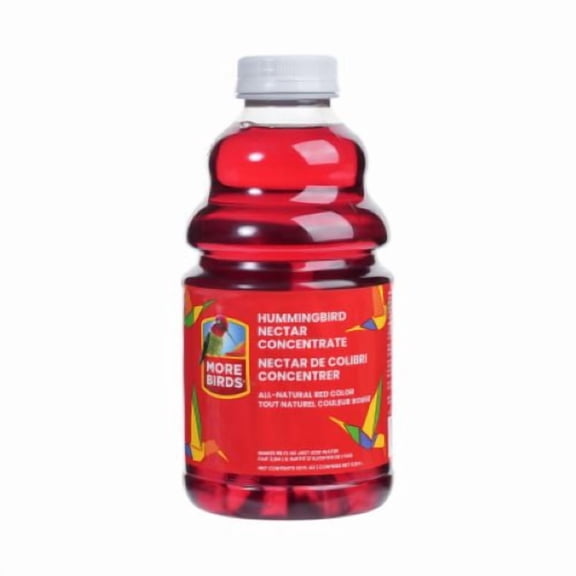
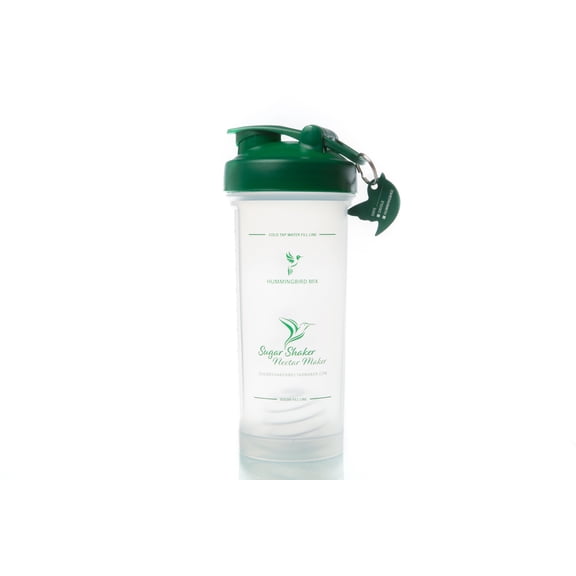
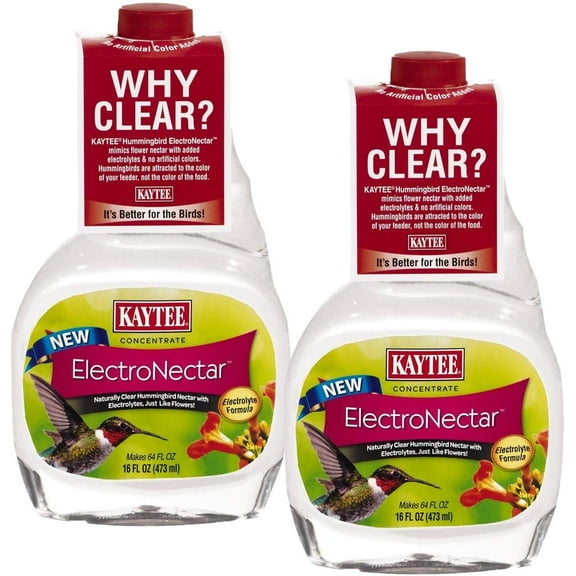
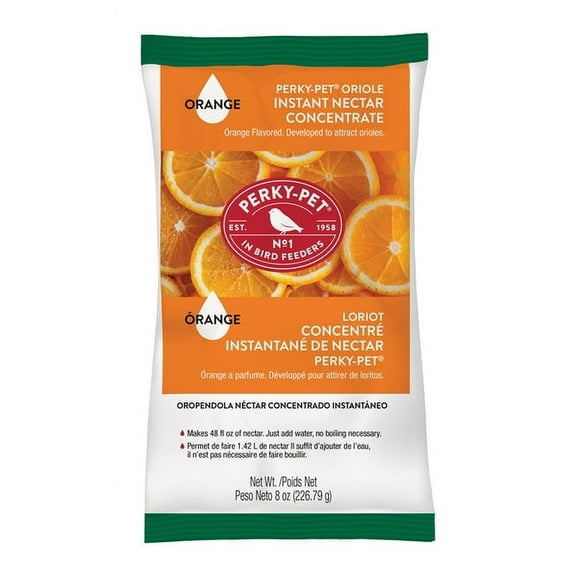
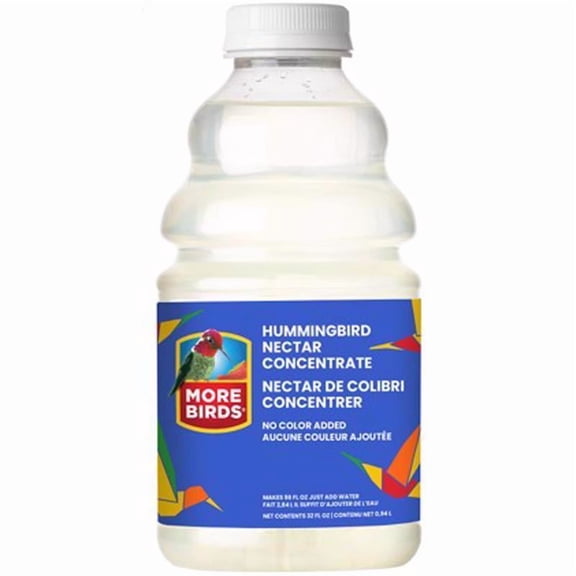
If you prefer flexibility, you can choose liquid hummingbird nectar concentrate or powder concentrate. You can mix smaller batches for one feeder or larger batches for several stations.
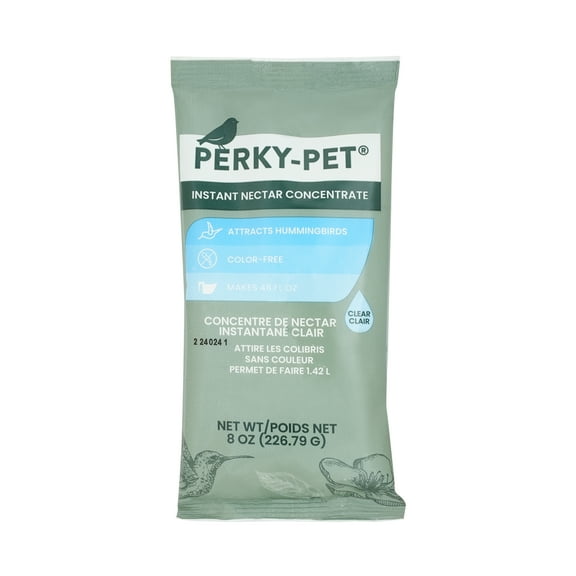
Powdered hummingbird nectar can work well when you like compact storage in a shed or pantry. You can often keep more servings on hand without storing several large bottles.
Liquid concentrate can give you a middle ground between convenience and control. You can measure the amount you need while still skipping loose powder.
Comparing clear hummingbird nectar and hummingbird food colors
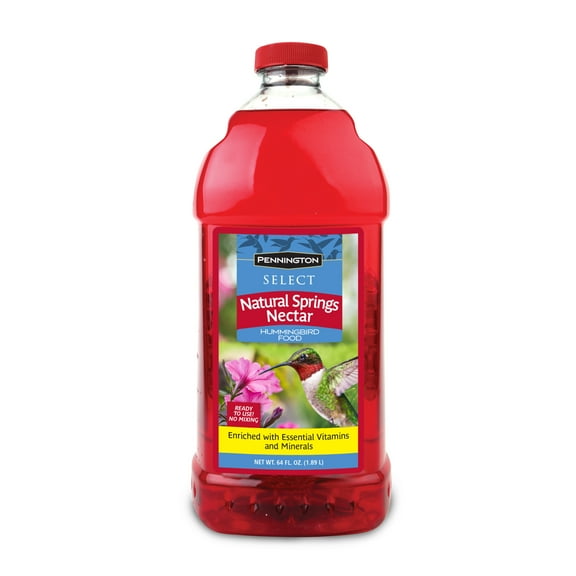
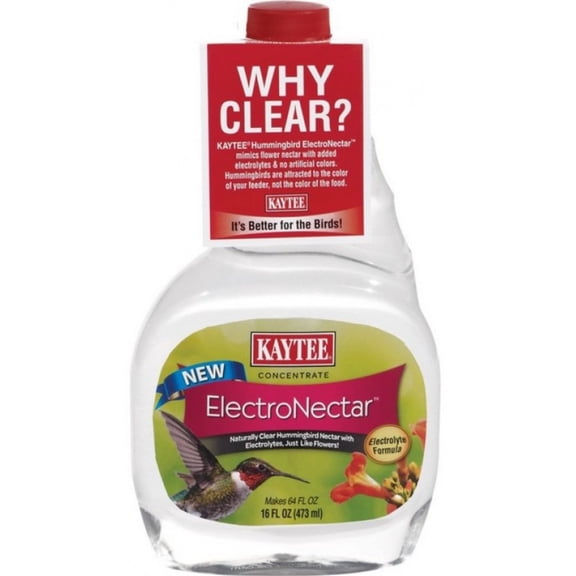
You may notice clear hummingbird nectar, red dye-free options, and red formulas across this category. You should compare color choices alongside your feeder design and your ingredient preferences.
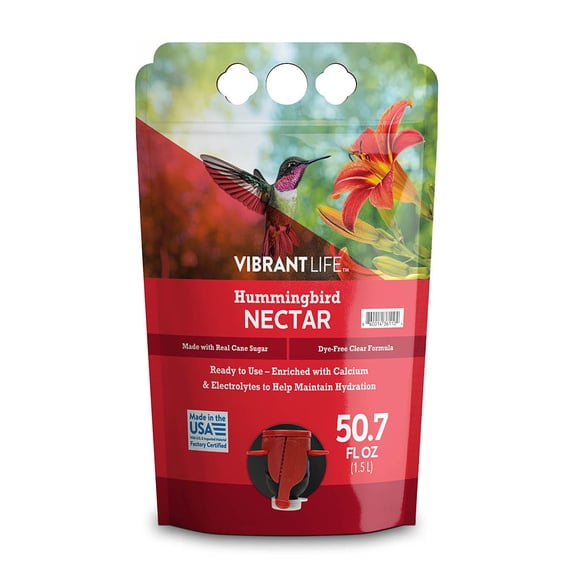
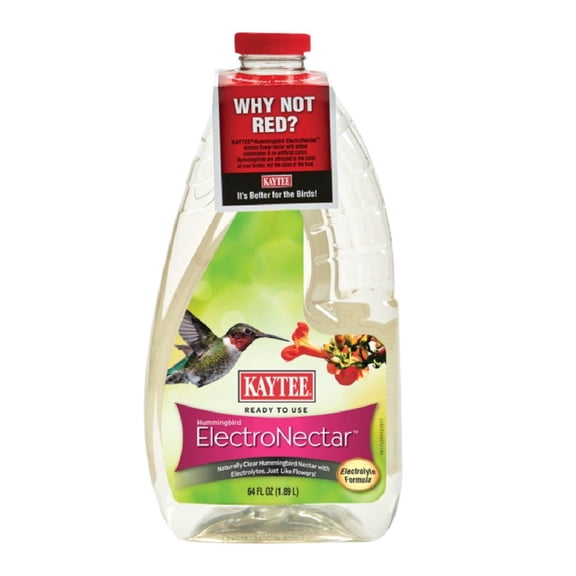
If your feeder already has bright red ports or accents, you may prefer clear hummingbird food. You can keep the visual attraction in the feeder while choosing a clear liquid.
You may also look for natural hummingbird nectar options with straightforward ingredient lists. You can read labels closely when color and sugar source matter in your decision.
When you compare products, you should check whether the formula is ready mixed or requires water before use. You should also confirm storage directions after opening, since that affects daily convenience.
Checking ingredient base and package size
You can use the ingredient panel to compare pure cane sugar, organic options, or formulas with electrolytes. You should pick the label details that match your feeding habits and your preferences.
Pure cane sugar formulas appeal to shoppers who want a familiar nectar base for backyard feeders. Organic options may suit you if you prefer that sourcing style for outdoor supplies.
Some formulas include electrolytes, and you should review those details before you choose. You can decide whether you want a simple ingredient profile or added components.
Package size matters when you refill often during warm months and migration periods. You may choose 32 oz for occasional use, 64 oz for steady traffic, or one gallon for multiple feeders.
Matching hummingbird nectar to your setup
You can match ready-to-use bottles to a patio feeder that needs quick topping off before work. You can pour, close the cap, and return the bottle to storage with little cleanup.
If you manage several feeders around trees, porches, or garden beds, concentrate can make sense for larger batches. You can mix enough nectar for each feeder without opening multiple bottles.
You may prefer powdered hummingbird nectar for seasonal feeding setups with limited shelf space. You can keep packets or tubs tucked away until migration picks up in your area.
For decorative red feeders, you may lean toward clear nectar so the feeder provides the visible color cue. You can create a neat look in glass reservoirs while keeping your routine simple.
If you rotate between one feeder in spring and several feeders in summer, size variety becomes useful. You can start with smaller containers, then move to one gallon options when traffic increases.
You should also consider where you’ll store opened nectar between refills. You can check each label for refrigeration guidance and handling directions after opening.
With hummingbird nectar, you can choose a formula, color, and size that fit your feeder routine without extra hassle. You’ll feel more prepared for steady refills, neat pours, and a consistent backyard feeding setup.