




Flip Clocks in Clocks
















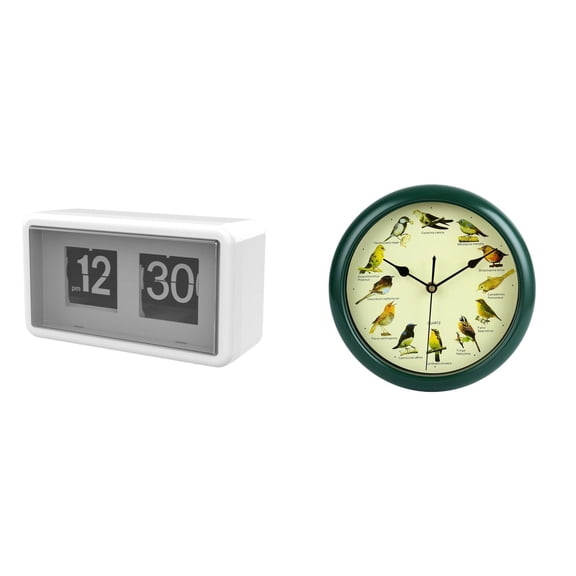
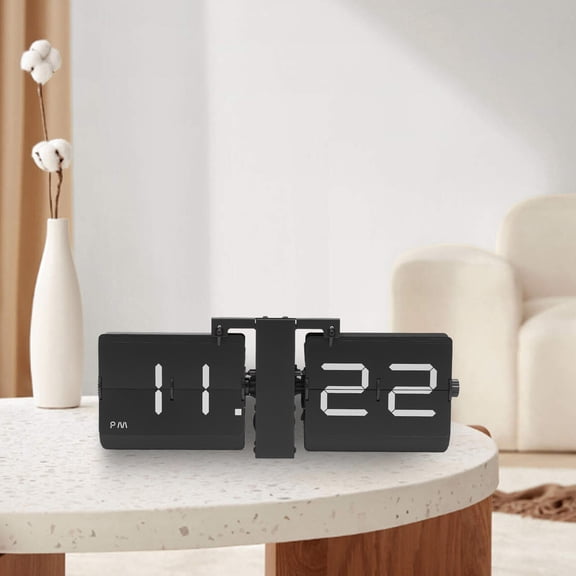
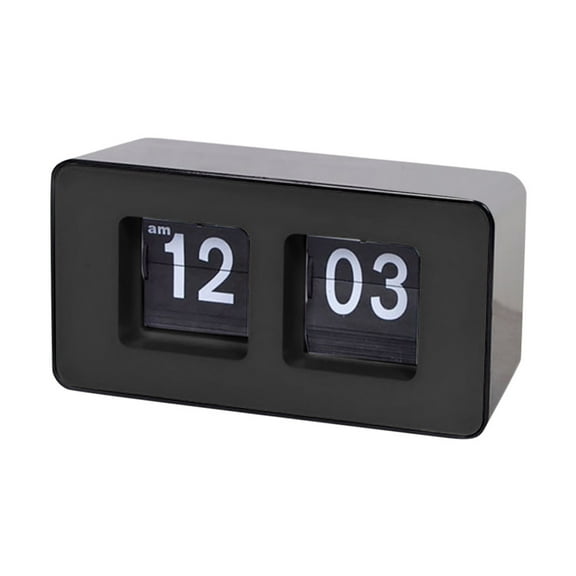
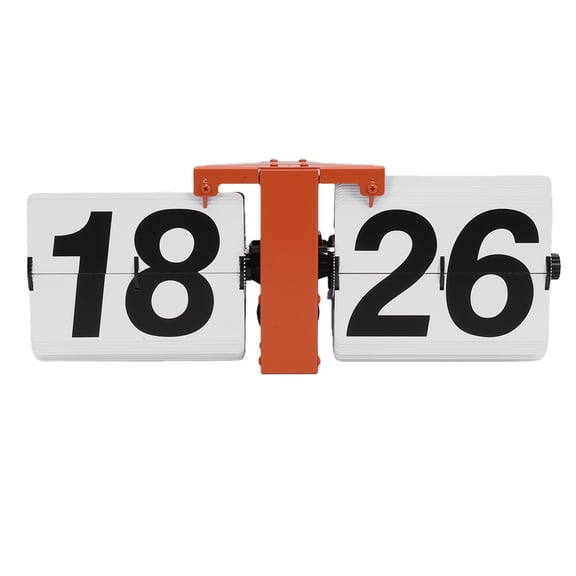


About Flip Clocks in Clocks - Walmart.com
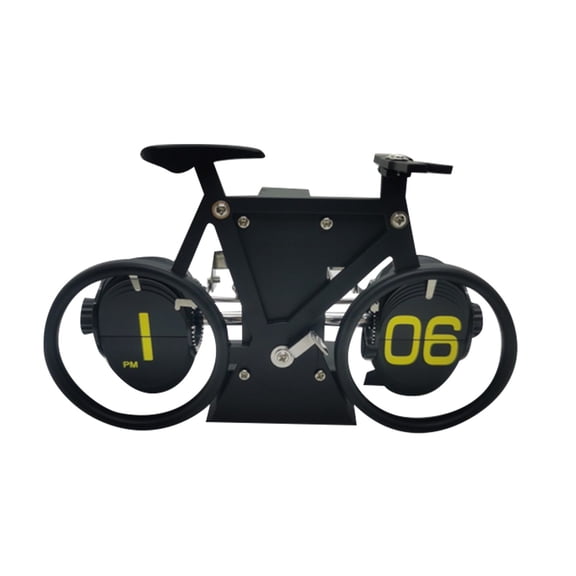
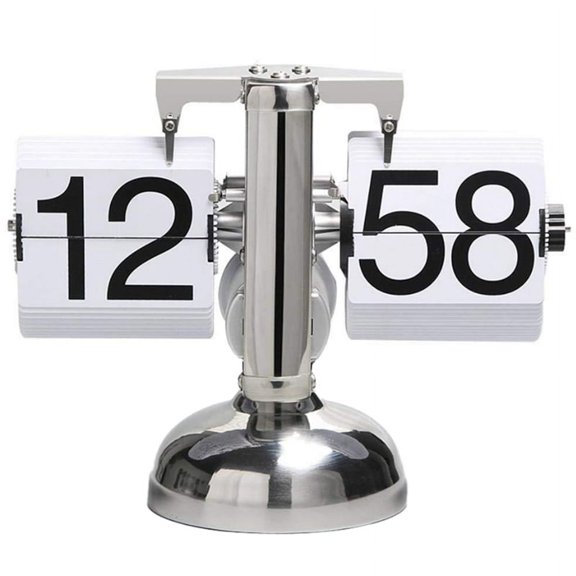
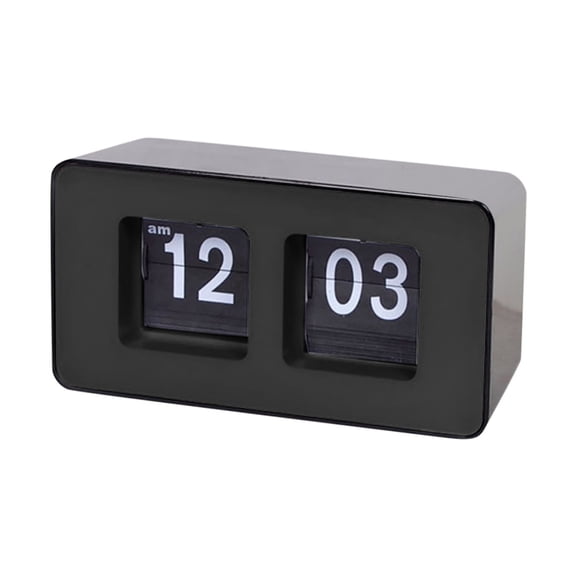
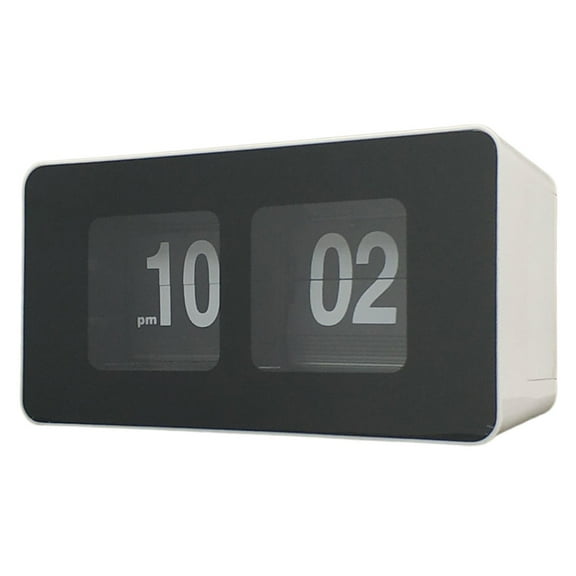
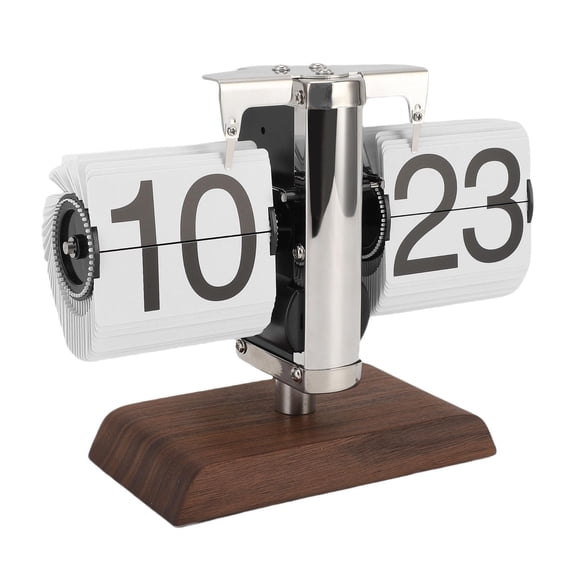
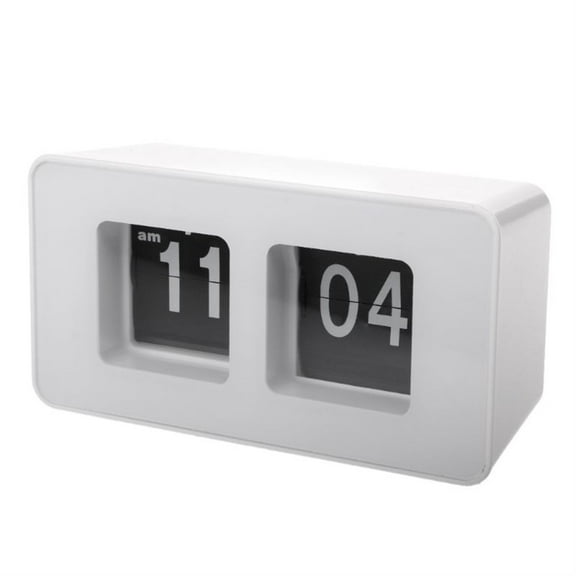
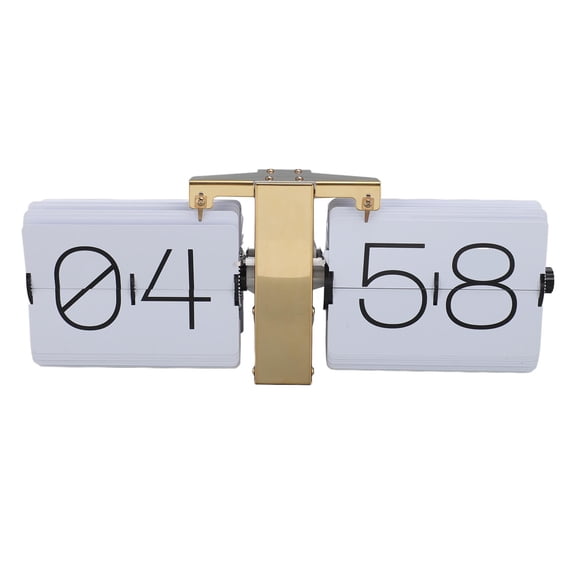
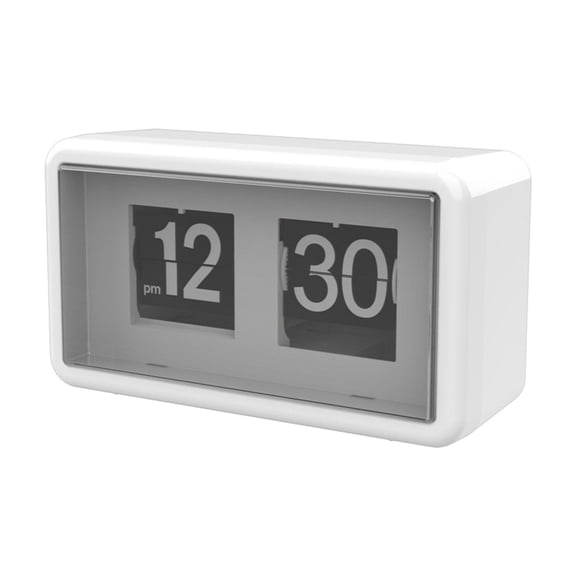
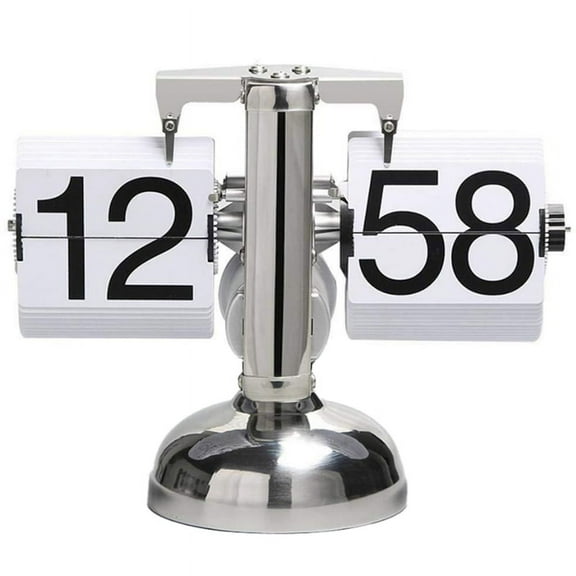
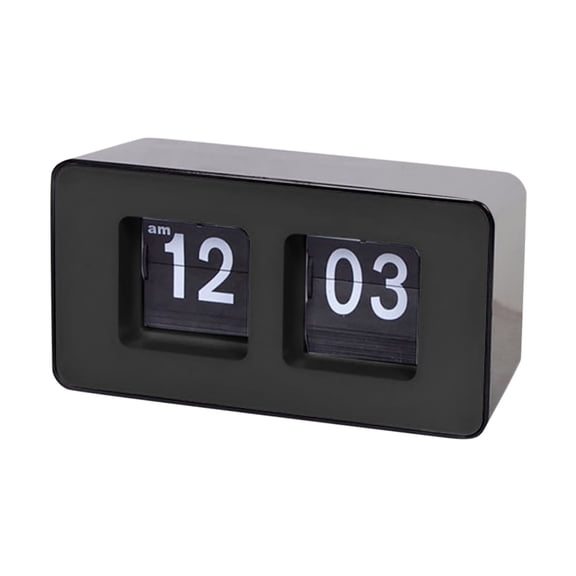
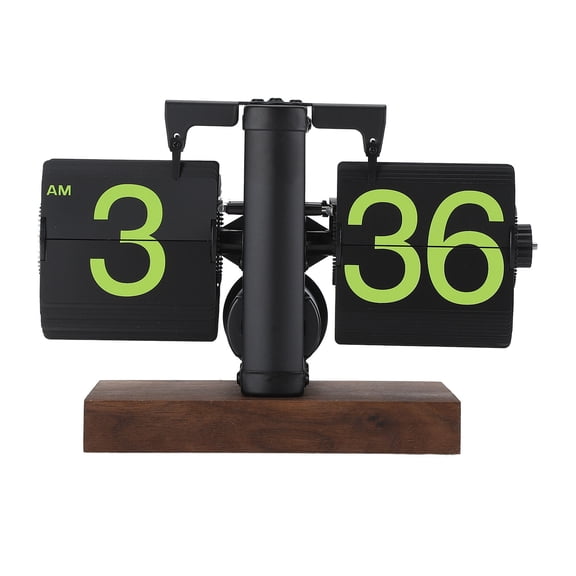
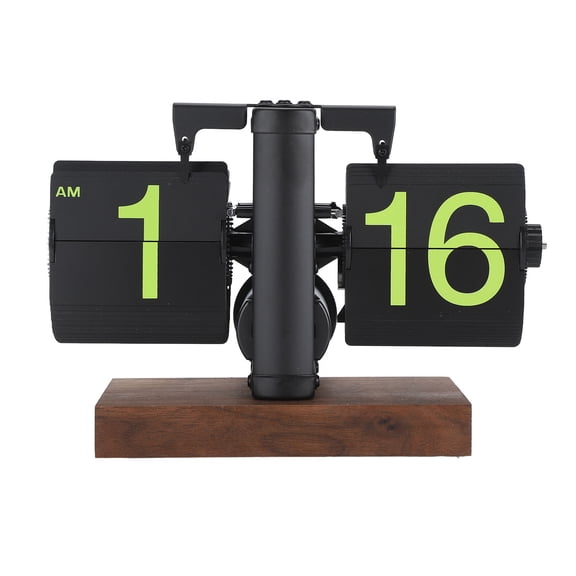
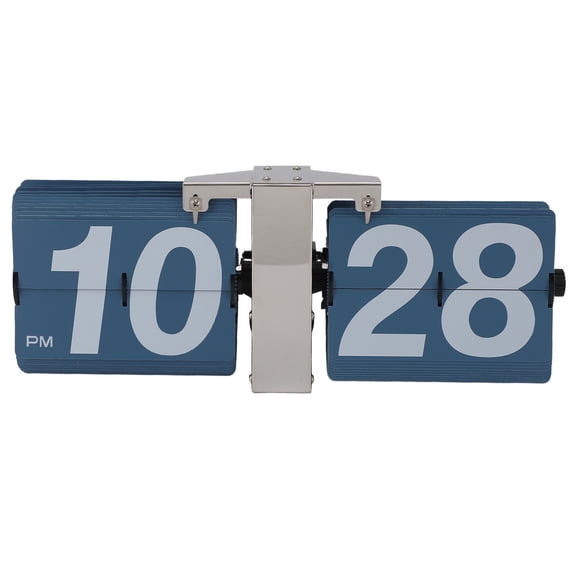
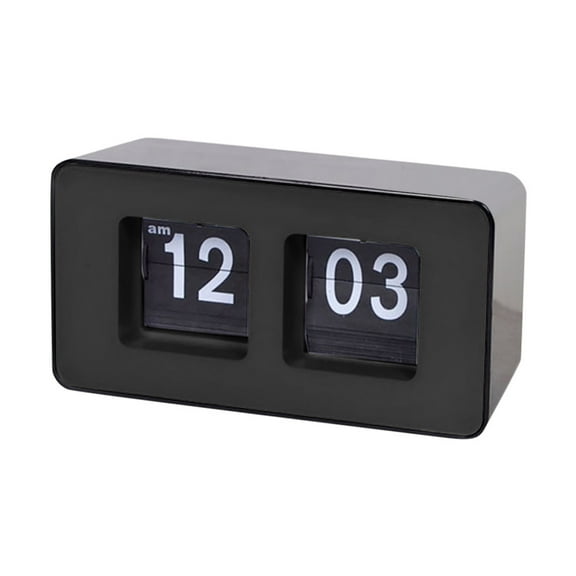
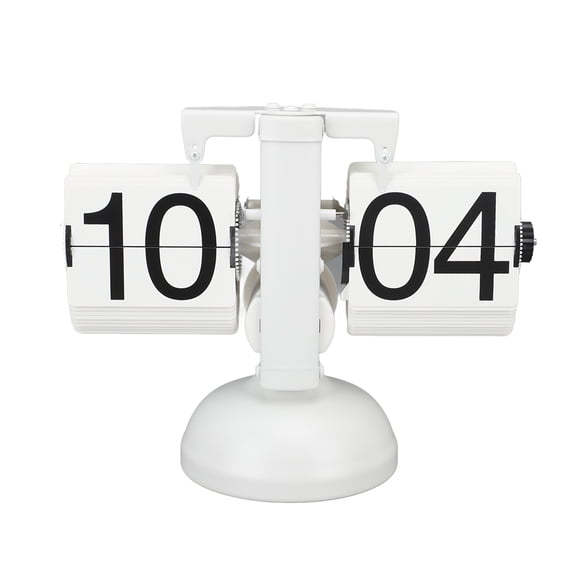
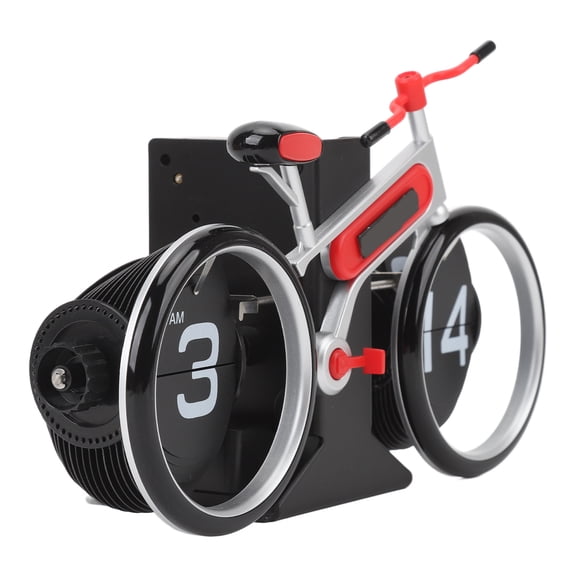
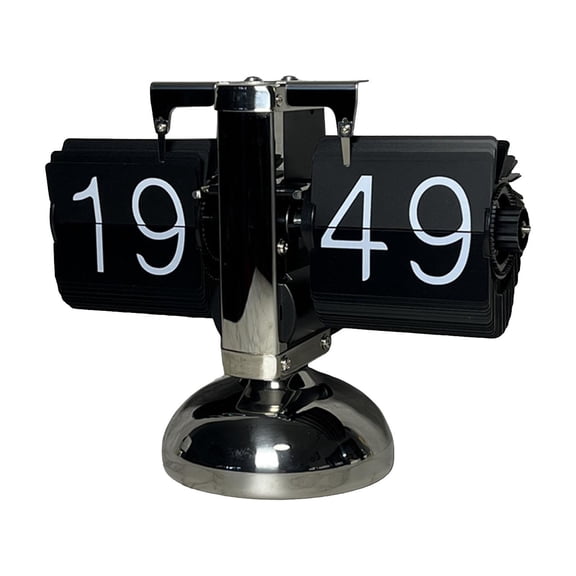
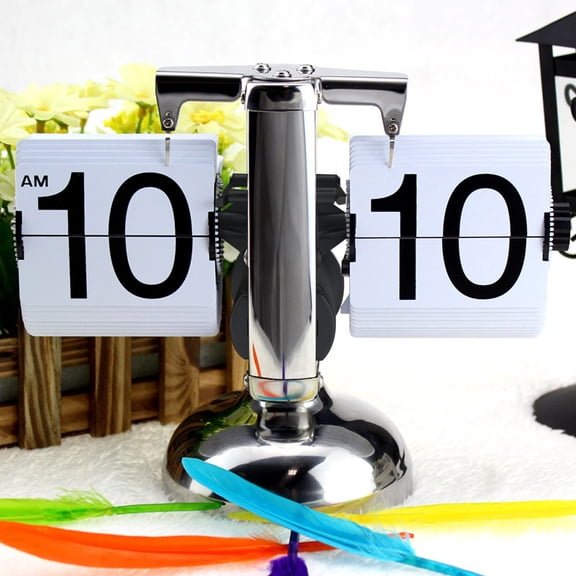
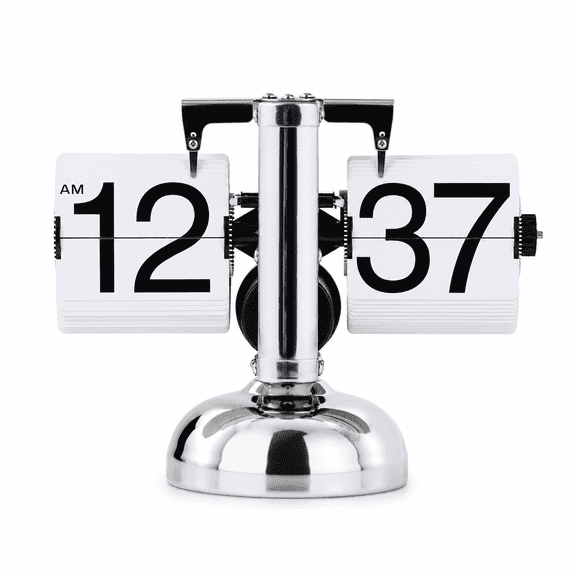
You can add vintage character and easy time reading with a retro flip clock that fits your desk, shelf, or wall. You’ll notice the flipping number display brings motion, contrast, and a classic look that standard digital faces don’t match.
When you compare flip clocks, you’ll usually focus on placement, display style, feature set, and mechanism type. You’ll also want clear guidance on noise level, power needs, and viewing distance before you choose one.
How to choose a retro flip clock
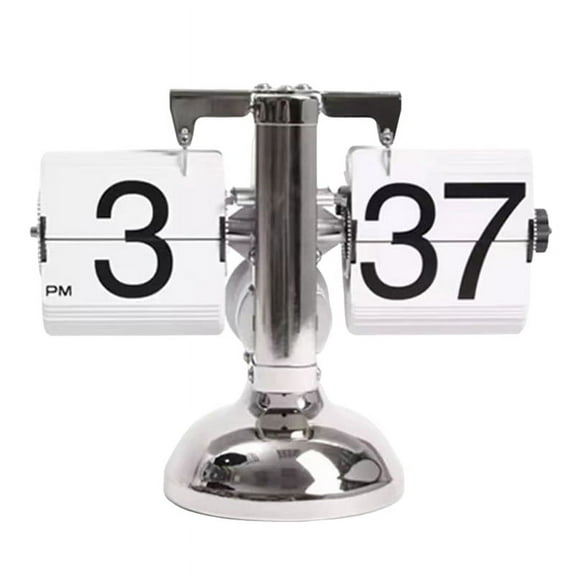
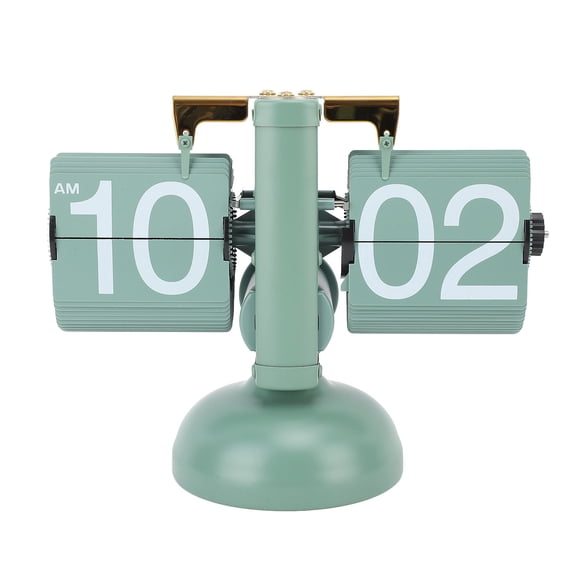
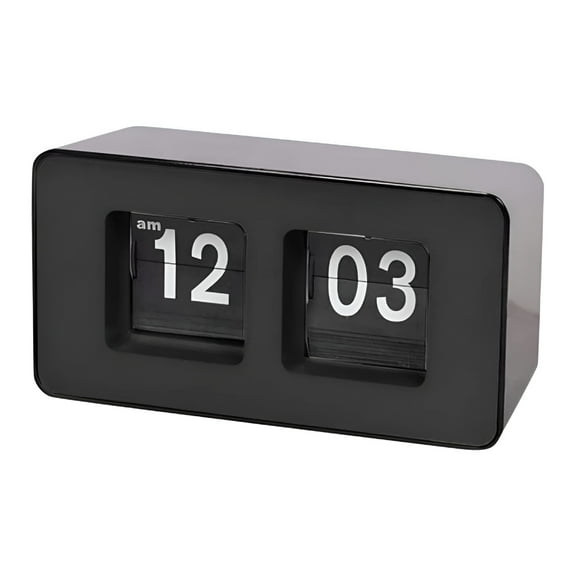
You can start with placement because size and position affect how the clock looks and reads in your room. You’ll often prefer a desk model for home offices, while a wall style helps you read time across a larger space.
If you style open shelving, you may prefer a shelf-friendly design with a stable base and balanced proportions. You’ll get a decorative accent that still keeps the time visible beside books, frames, or lamps.
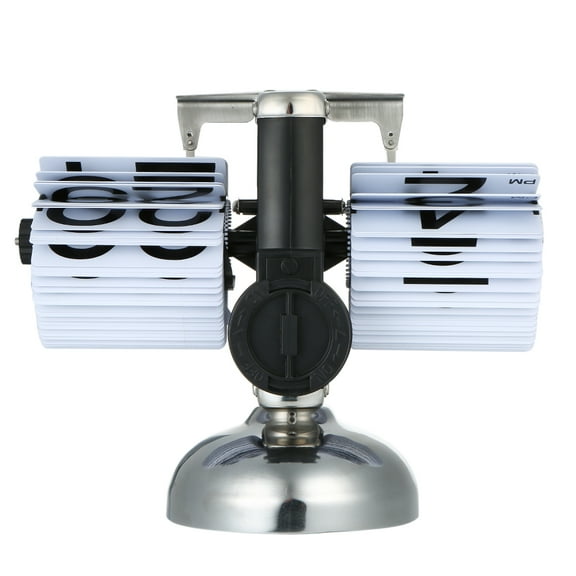
You should also compare display styles before you narrow your options. You’ll usually see retro mechanical looks, digital simulation designs, and auto flip clock styles that turn numbers automatically.
- You can use a desk flip clock to add vintage office style without crowding your workspace.
- You can choose a wall or shelf format when you need longer viewing distance and stronger room presence.
- You can pick an auto flip clock when you want the signature flipping action with simple daily use.
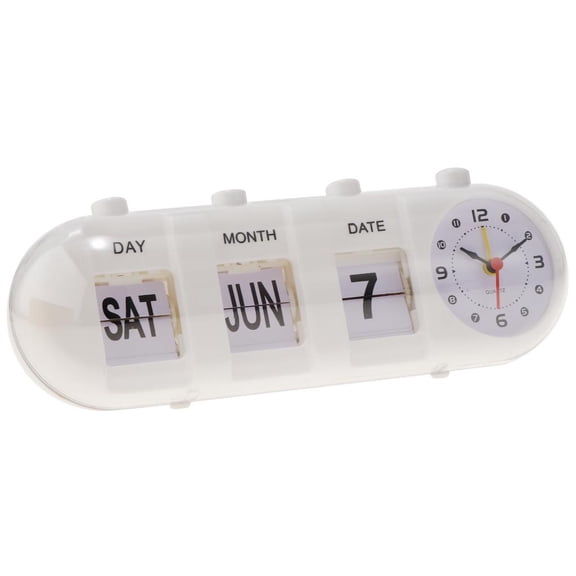
- You can look for alarm, calendar, or backlight functions when you want more than basic time display.
Choosing placement and viewing distance
You should measure where the clock will sit before you compare shapes and finishes. You’ll want enough width for the base on a desk, or enough wall space for the display to stand out.
For a bedside table, you may prefer a smaller face that stays readable from a short distance. For a living room shelf or office credenza, you’ll usually want larger number cards and stronger black-and-white contrast.
You can also match the placement type to your routine. You’ll likely choose a flip clock for desk use when you check time during work, calls, or study sessions.
If you need room-wide visibility, you should check whether the model supports wall placement or a larger display window. You’ll find that legibility matters as much as the retro style.
Comparing auto flip clock and display styles
You can compare retro mechanical styling with digital simulation if you want a specific visual feel. You’ll often see digital clock flipping numbers that mimic classic split-flap motion without a fully mechanical presentation.
An auto flip clock can suit you when you want the number change to happen automatically and stay easy to follow. You’ll get the signature flip effect that makes each minute feel more visual.
You should also check how the number cards or display panels are arranged. You’ll see flip down clock, flip over clock, and flip page clock designs that create slightly different movement and styling.
A flip down clock usually shows a downward card change that feels close to classic station-board motion. A flip page clock may give you a page-turn look that works well with mid-century decor.
What to look for in features and mechanism type
You can narrow your choice by deciding whether you need time only or extra functions. You may prefer a retro flip alarm clock if you want bedside use, while a calendar display can help on a work desk.
If you read the clock in dim rooms, you should check for a backlight feature and simple controls. You’ll want the display to stay easy to see without overpowering the vintage look.
You should also compare mechanism noise in plain terms before you buy. You may want a silent style for quiet rooms, or you may enjoy a soft mechanical click that adds old-school character.
With mechanism type, you can focus on the movement you like and the maintenance you expect. You’ll often find that flip page, flip down, and flip over formats differ mainly in visual action and housing design.
Power source matters too, especially if you plan to place the clock away from an outlet. You should check whether your model uses standard batteries, how many it needs, and how easy replacement will be.
If you want a cleaner setup, you may prefer a battery-powered design that keeps cords off your desk or shelf. You’ll also want to confirm battery compartment access before everyday use.
Matching flip clocks to your room and routine
You can use a retro flip clock in a home office when you want quick time checks and a decorative focal point. You’ll appreciate the large cards and moving display during work without relying on a phone screen.
For bedside use, you may prefer a retro flip alarm clock with a compact footprint and readable face. You’ll want alarm controls that feel simple and a display that stays clear when you wake up.
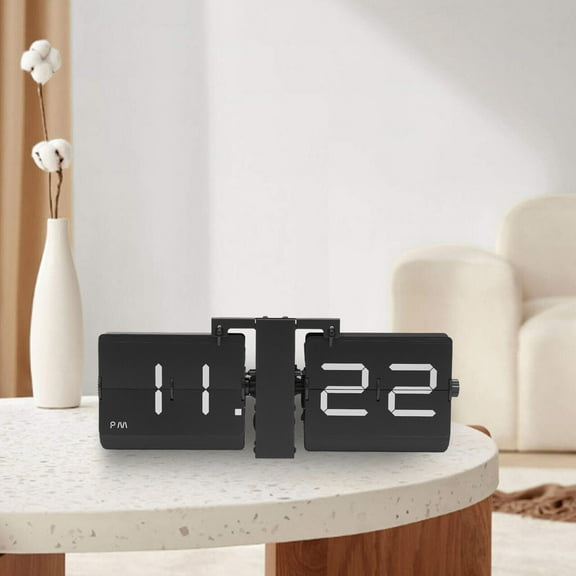
In a living room, you can place a shelf or wall design where the flipping numbers become part of the decor. You’ll get a conversation-starting accent that pairs naturally with wood, metal, and vintage-inspired furniture.
If you furnish a studio, dorm, or apartment, you may want a compact desk flip clock that adds style without taking much room. You’ll still get the visual rhythm of changing number cards in a smaller footprint.
You can also choose by combining attributes for specific needs. You might pair desk placement with auto flip motion and backlight, or wall placement with a larger flip page display.
When you compare these details carefully, you’ll pick a clock that fits your space and your habits. You’ll end up with clear time visibility and the distinctive motion that makes this category stand out.
You can feel confident choosing from flip clocks when you focus on placement, motion style, visibility, and feature needs first. You’ll bring home a retro-inspired timepiece that adds character every time the numbers change.