

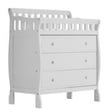
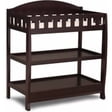


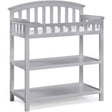




Shop Baby Changing Tables and Nursery Decor











































About Shop Baby Changing Tables and Nursery Decor - Walmart.com
Changing tables help you create an organized diapering station with storage, safety details, and nursery-friendly sizing. You can compare drawer space, guardrails, and portability to choose a setup that fits your room.
If you're planning daily diaper changes, you may want a nursery changing table that keeps wipes, creams, and outfits within reach. You can also compare ASTM standards, JPMA certification, and storage layouts before you choose.
How to choose changing tables for your nursery
When you compare baby changing tables, you should start with safety features that support steady daily routines. You'll want four-sided guardrails, a safety strap, and assembly details you can review easily.
You should also check whether your preferred model meets ASTM standards or carries JPMA certification. You'll find those details useful when you want recognized nursery criteria in your furniture search.
- You can keep diapers, wipes, and spare clothes close when you choose the right storage type for your routine.
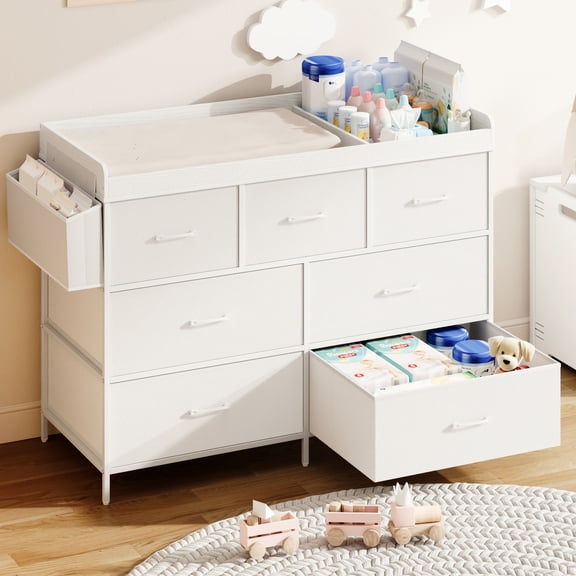
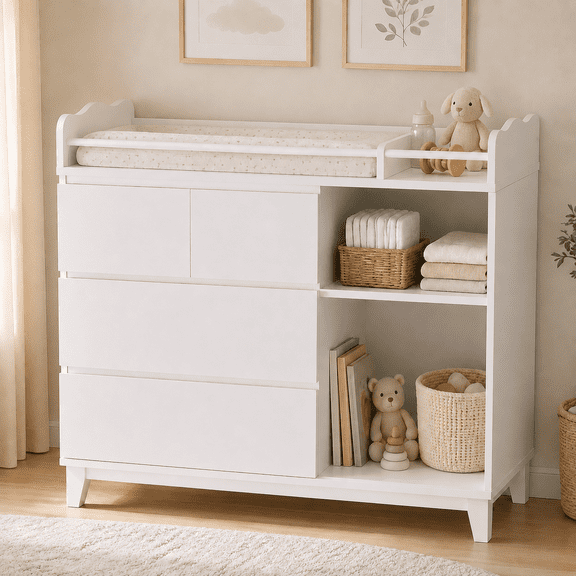
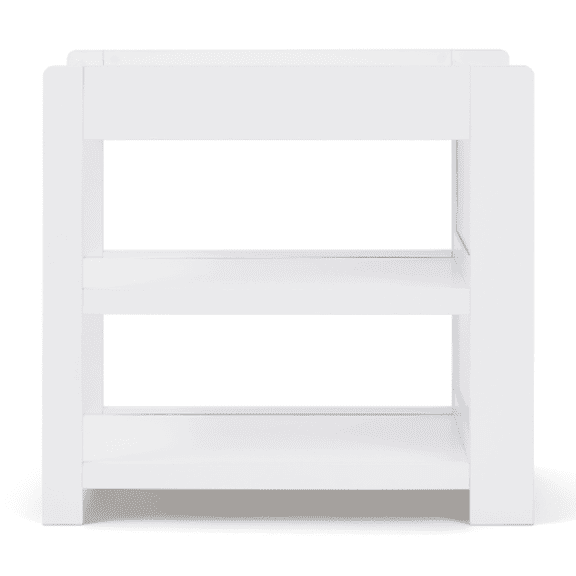
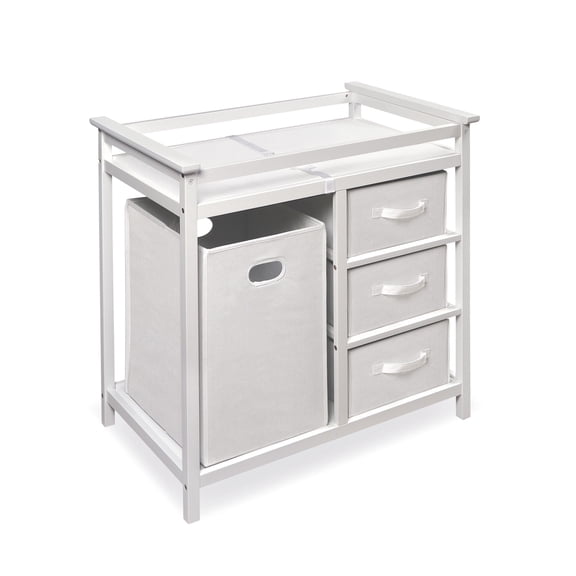
- You can support a tidy nursery when you compare drawers, open shelves, baskets, and combo dresser layouts.
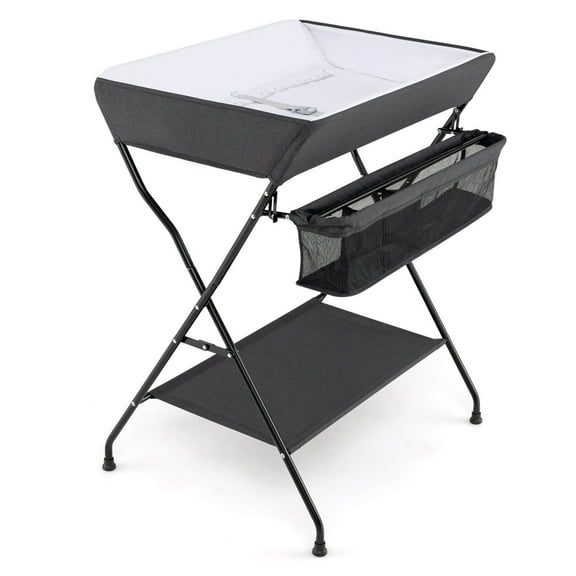
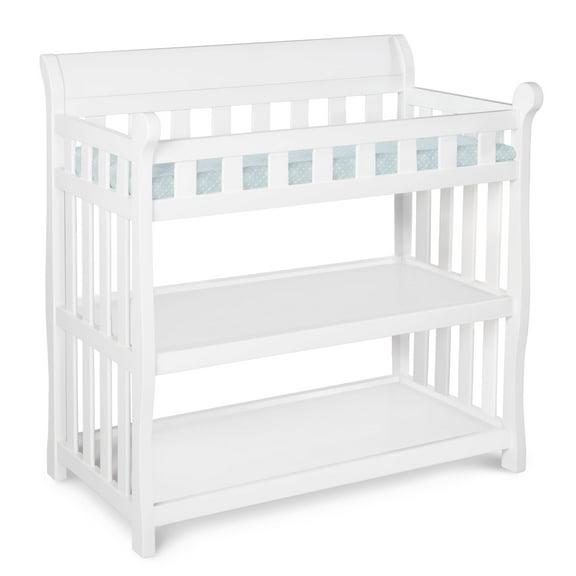
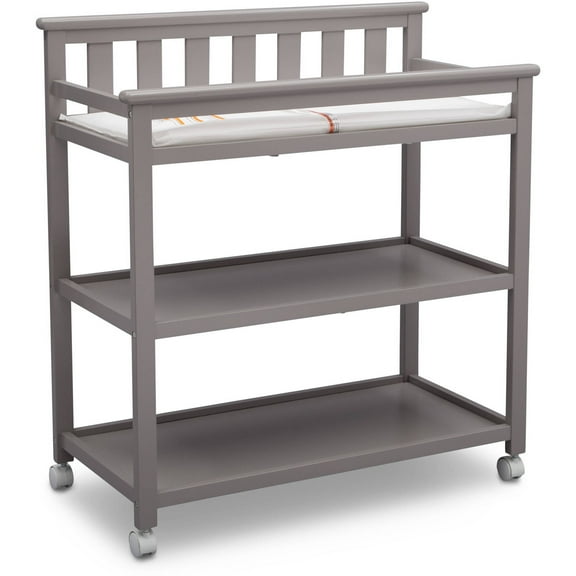
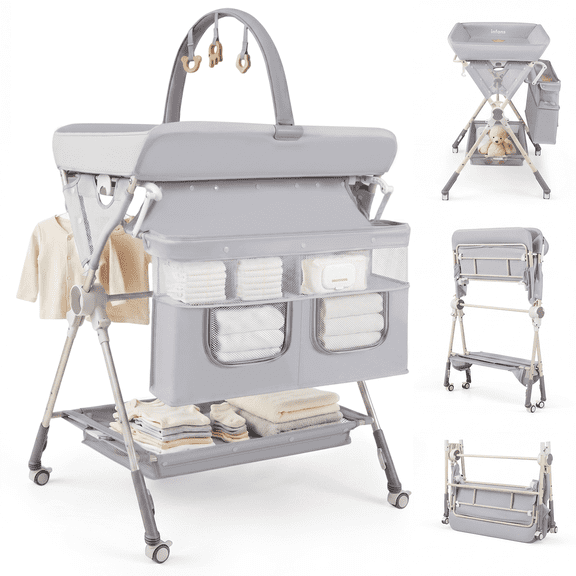
- You can match your floor plan when you compare stationary, folding, and portable changing table designs.
- You can plan for later use when you choose styles that work like dressers or toy storage afterward.
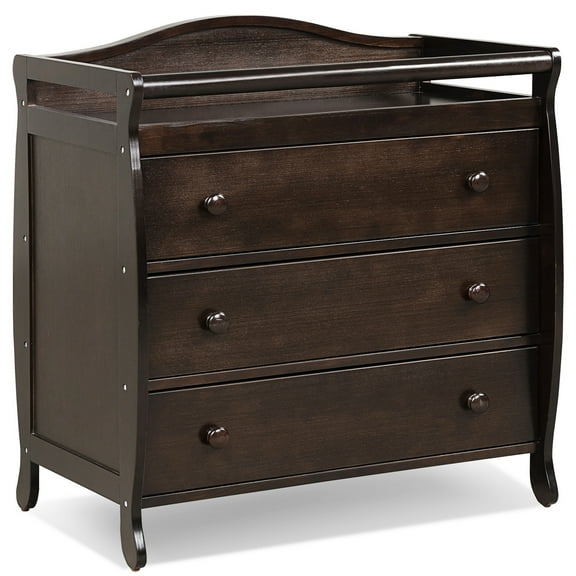
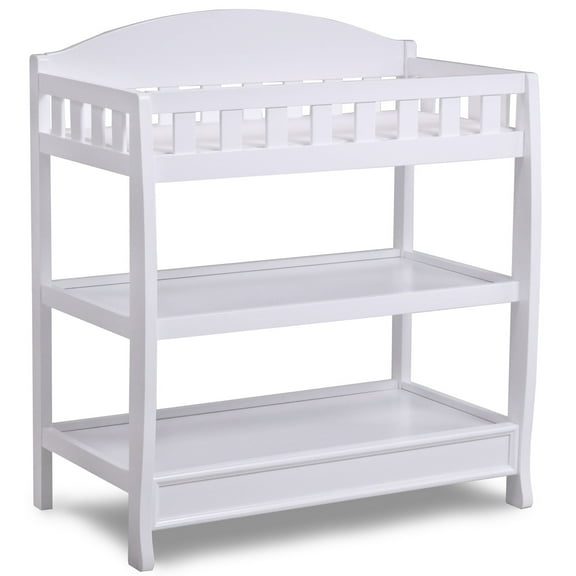
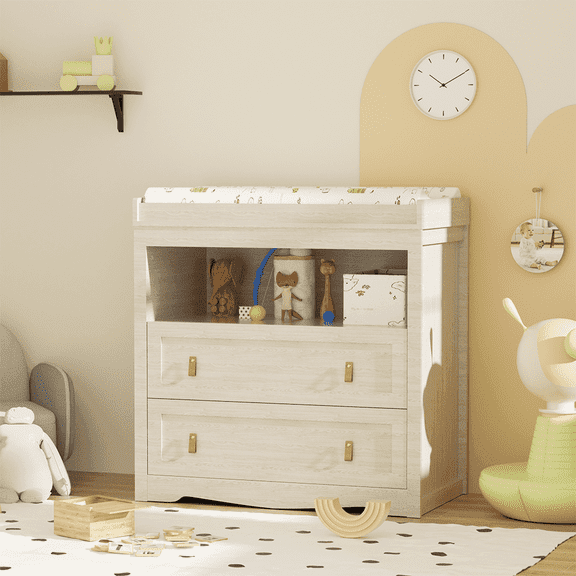
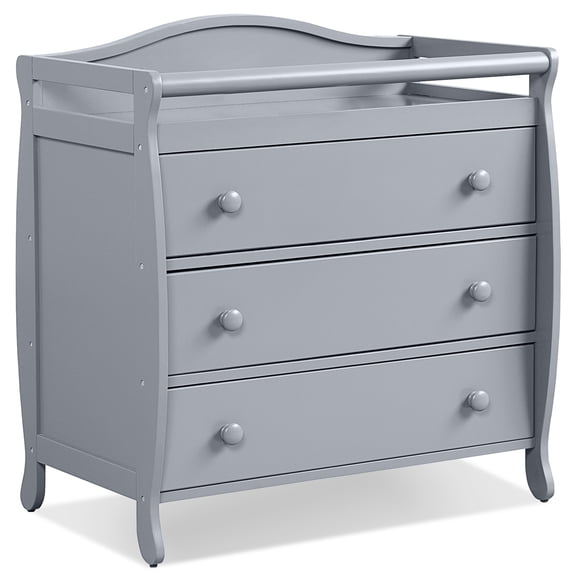
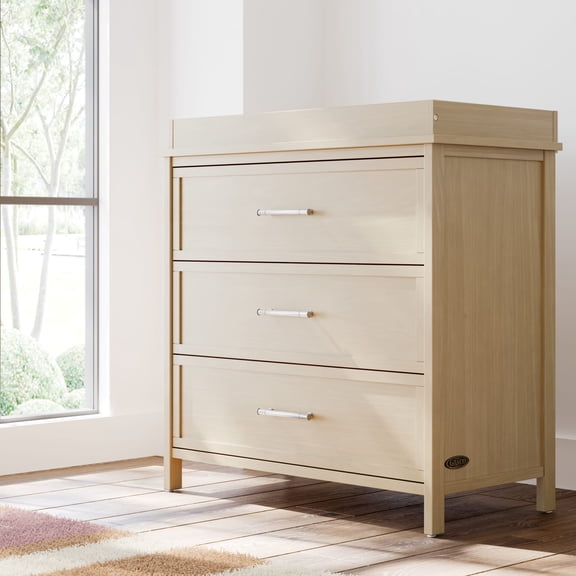
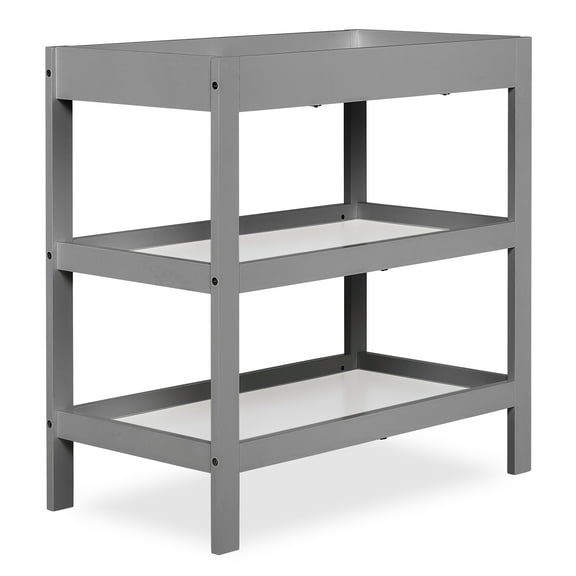
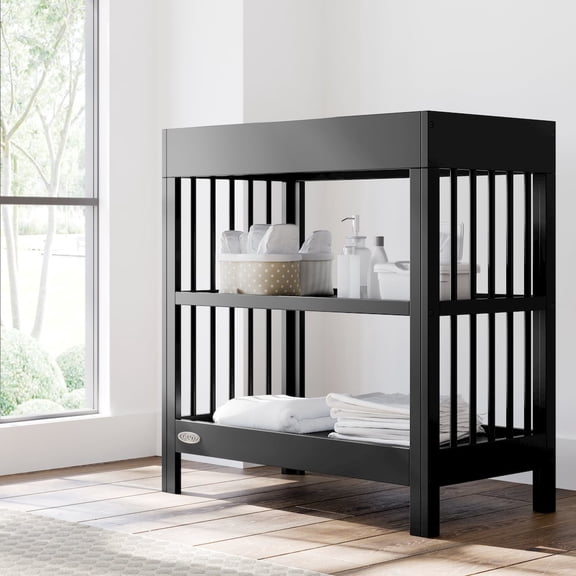
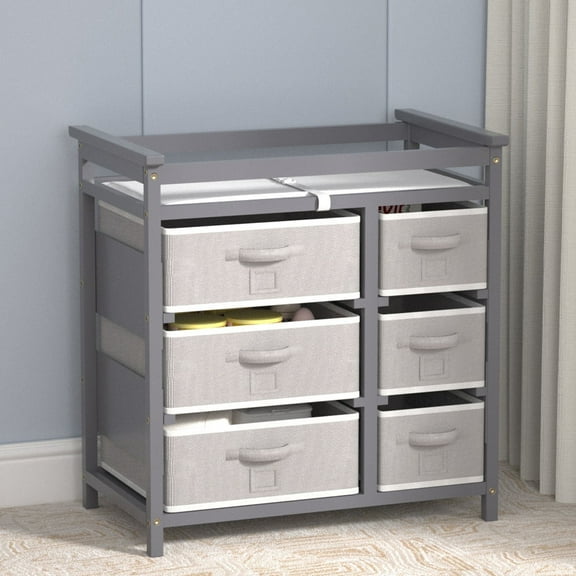
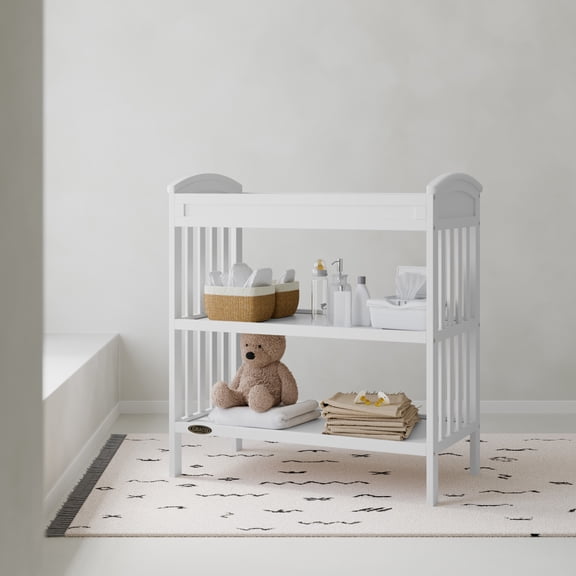
For smaller rooms, you may prefer a changing table with drawers that keeps extra supplies tucked away. If you want quick access, you might choose open shelves or baskets instead.
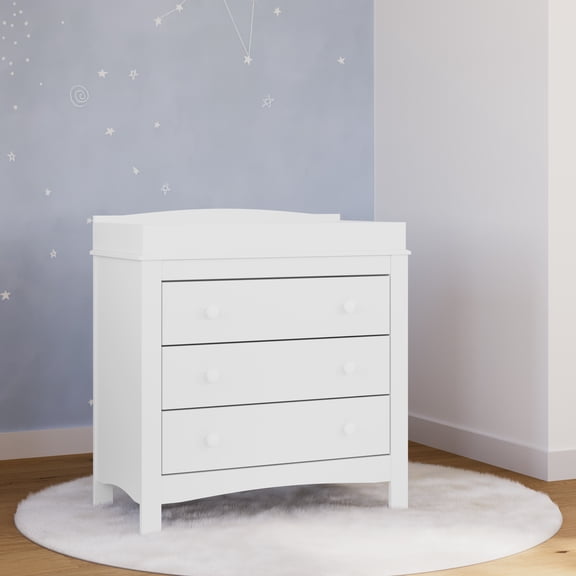
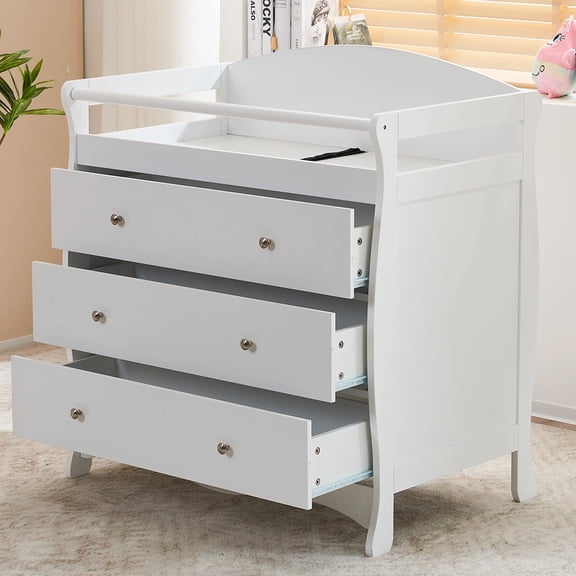
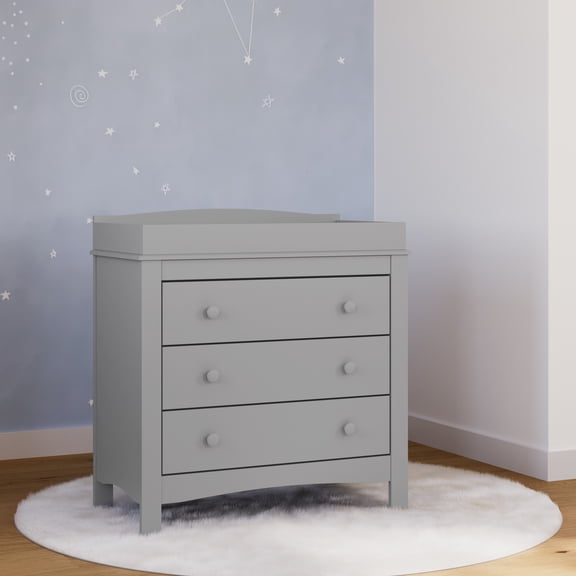
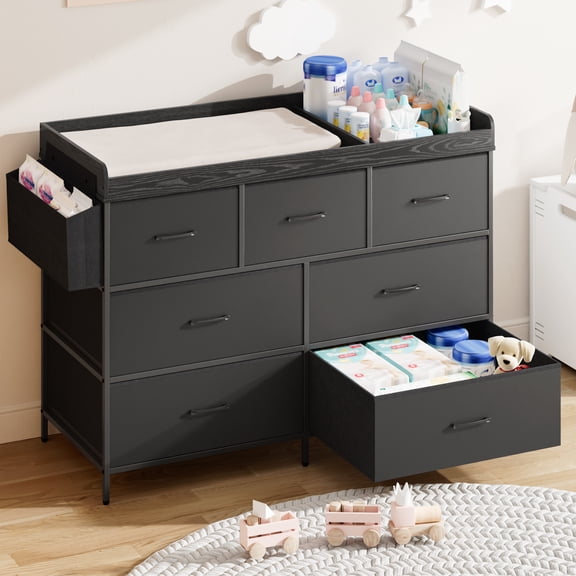
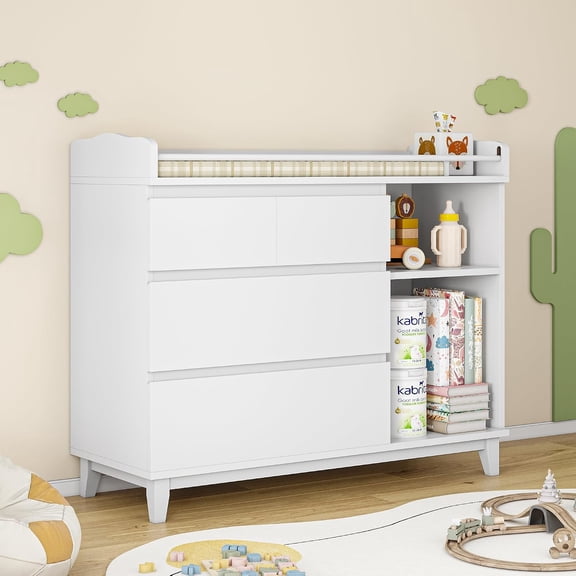
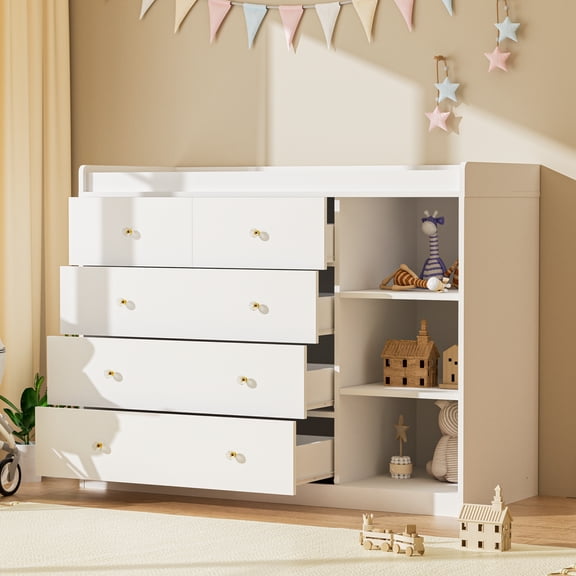
Combo dresser styles can give you room for clothes, swaddles, and nursery supplies in one footprint. You'll appreciate that layout when you want fewer separate furniture pieces in the room.
Choosing storage and safety details in changing tables
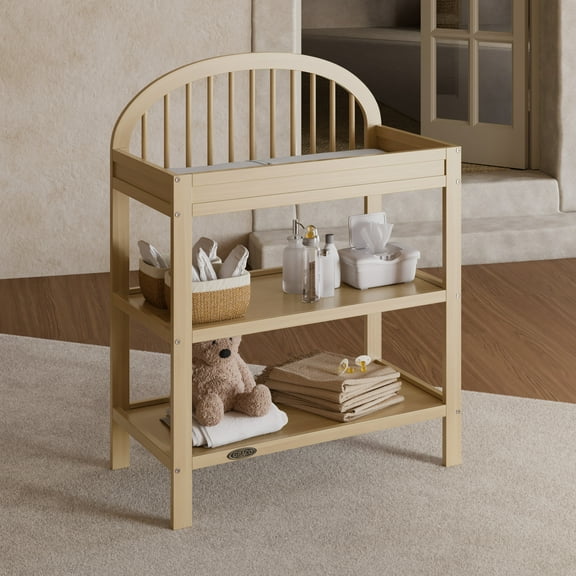
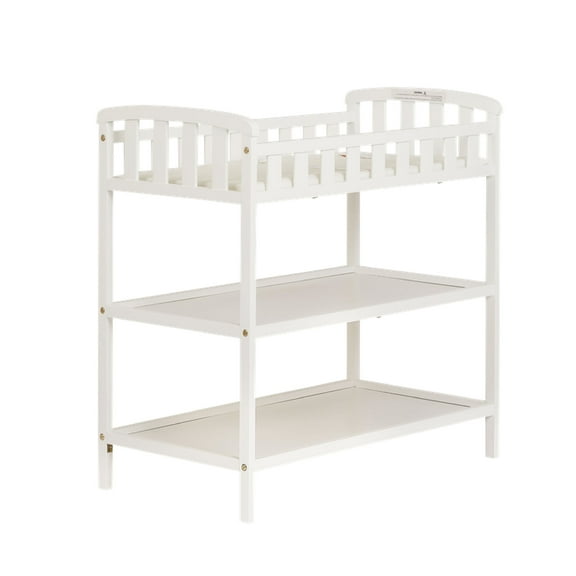
Storage type shapes how easily you can reach daily essentials during each diaper change. You may prefer drawers for folded clothes, while open shelves can keep wipes and diapers visible.
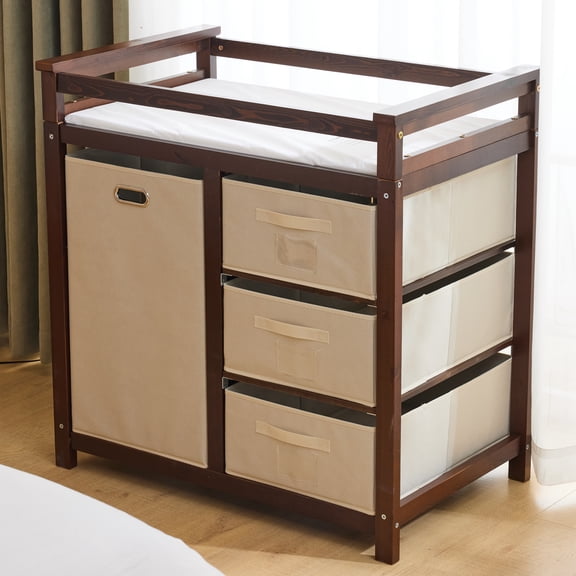
If you like a neat look, a changing table with drawers can help you separate creams, burp cloths, and sleepers. If you want faster access, baskets and shelves can simplify your setup.
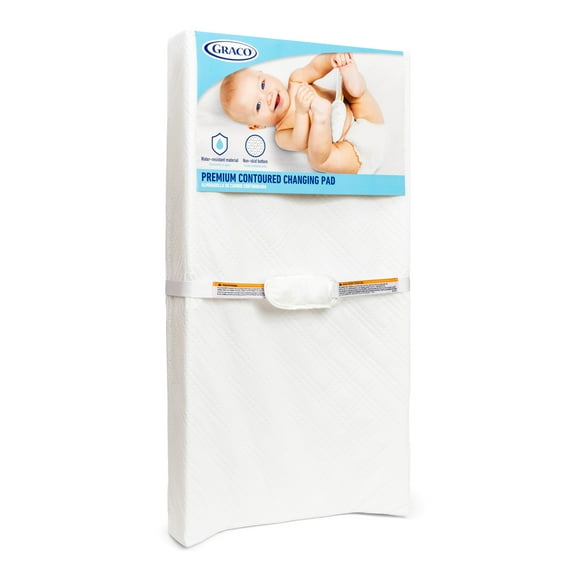
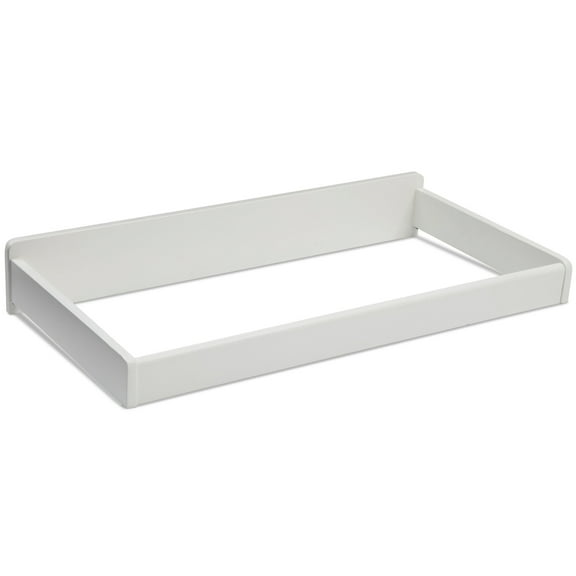
Safety details deserve equal attention when you compare options for your nursery. You'll want to check for safety straps, four-sided guardrails, and top dimensions that fit your changing pad.
You should also look for finish information when product specs include it. You'll find finish details useful when you're comparing furniture materials for a baby's room.
A tip-over restraint can matter when you choose a taller combo unit or changing table dresser. You'll also want clear measurements so your pad fits the listed surface correctly.
Comparing materials in baby changing tables
Material affects the look, weight, and feel of your nursery furniture. You might compare solid wood, engineered wood, metal, or pine based on style and upkeep preferences.
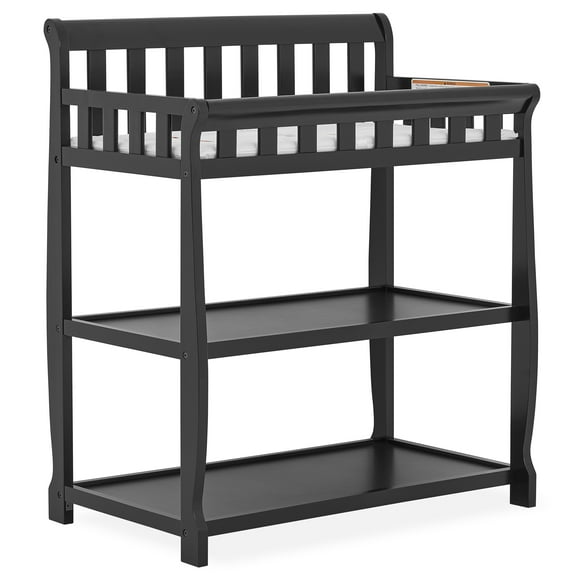
Wooden changing tables can give your room a classic furniture look that pairs well with cribs and dressers. Metal frames can suit a modern nursery when you want a lighter visual profile.
Engineered wood can work well when you want a painted finish or a coordinated nursery set. Pine can appeal to you when you prefer visible wood grain and a simple look.
You should check the product details for construction notes and finish information before you choose. You can make a clear decision when you compare appearance, weight, and care needs together.
Choosing portability and long-term utility
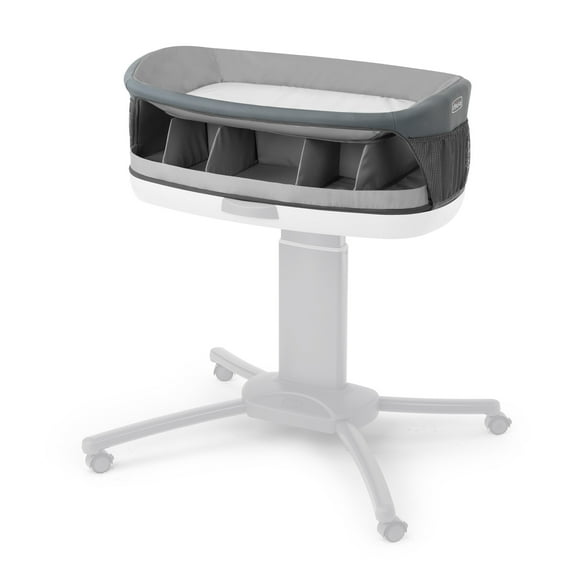
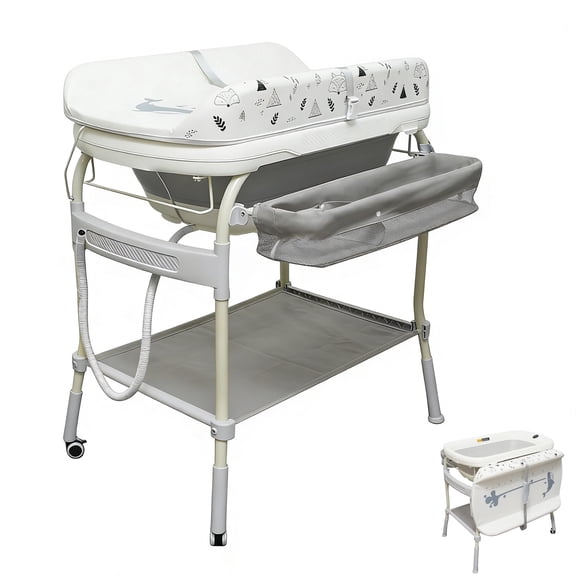
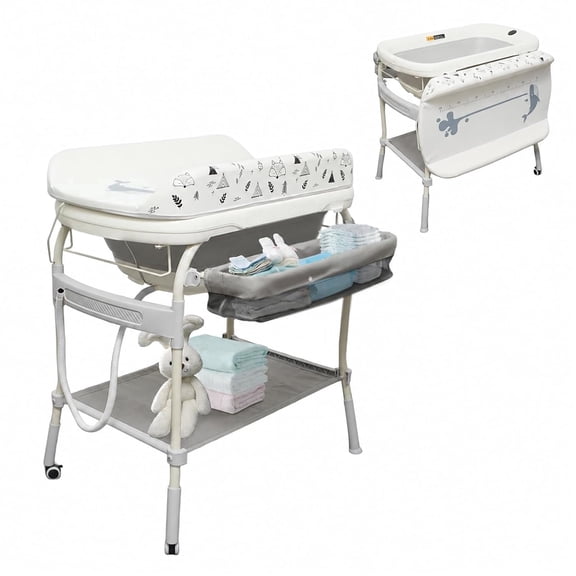
Portability becomes important when you need flexibility across rooms or a compact layout. You can compare stationary frames, wheels, folding designs, and portable changing table options.
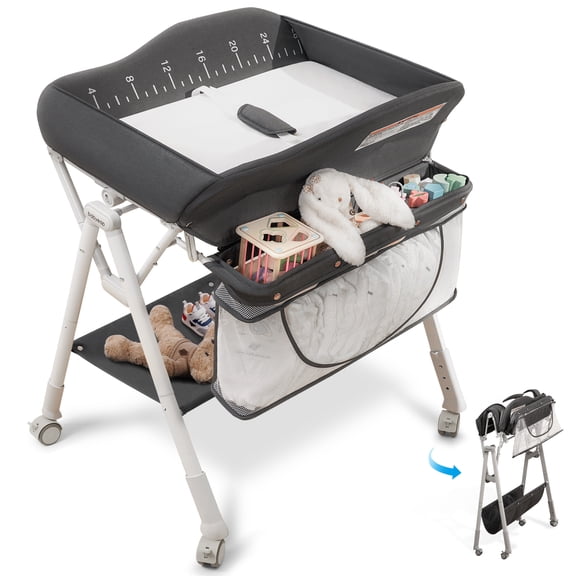
A stationary unit may suit you if you want a dedicated diapering zone beside your crib or glider. A portable changing table may fit your routine when you need easier movement between spaces.
Folding styles can help you use tighter floor plans, shared rooms, or guest spaces. You'll want to check folded dimensions and shelf access before you choose one.
If your storage needs may grow, you may want a changing table dresser or combo dresser design. You can use that style for baby supplies now and everyday storage later.
Some families prefer furniture that still serves a purpose after diapering ends. You'll find useful long-term function in units that work as dressers or toy shelves afterward.
Matching your setup to daily nursery routines
Your routine can help you decide which setup fits your daily routine and your available space. If you change diapers in one room, you may want deep drawers and a wide top.
If you move between rooms, you might lean toward a portable changing table with wheels or a lighter frame. You can benefit from easier repositioning during naps, laundry, or bedtime routines.
For a compact nursery, you may want vertical storage that uses less floor space. A combo dresser can help you combine clothing storage and diaper supplies in one spot.
If your style leans classic, wooden changing tables in pine or other wood looks may coordinate with nursery furniture. If your room feels modern, you may prefer cleaner lines and mixed materials.
You should also think about what you reach for during each change. You'll likely want diapers, wipes, creams, and a spare outfit arranged by how often you use them.
That planning can help you choose between baskets, shelves, or enclosed drawers with fewer guesses. This helps you build a nursery station that keeps essentials close and daily care organized.
When you compare changing tables by safety, storage, material, and portability, you can choose with confidence. You can create a diapering station that keeps daily essentials close and your nursery more organized.