

Sciatica Pillow for Driving & Car Seat Cushions
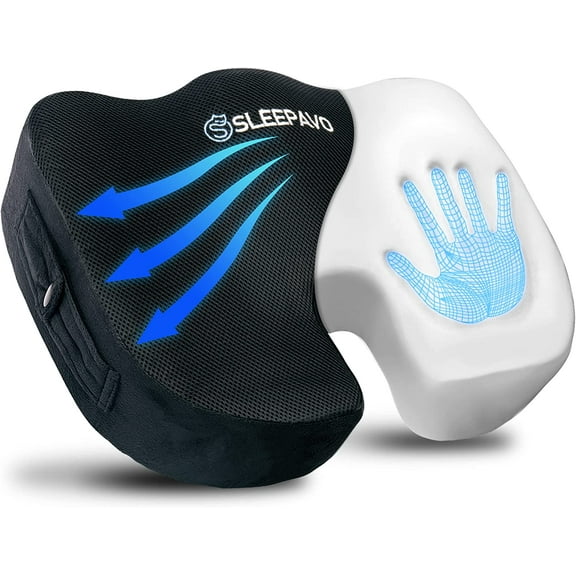

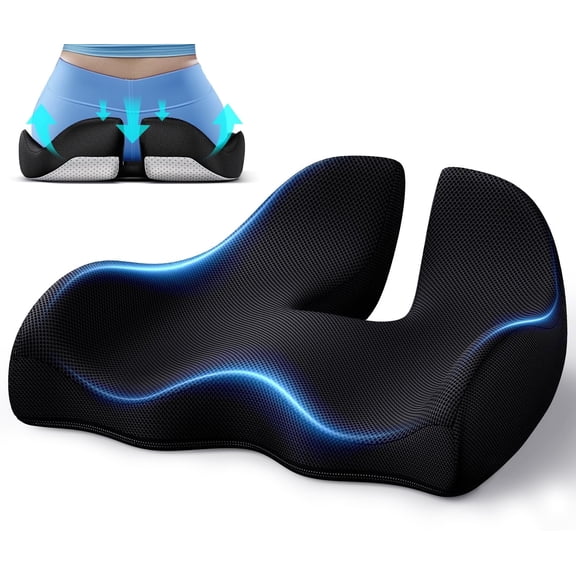
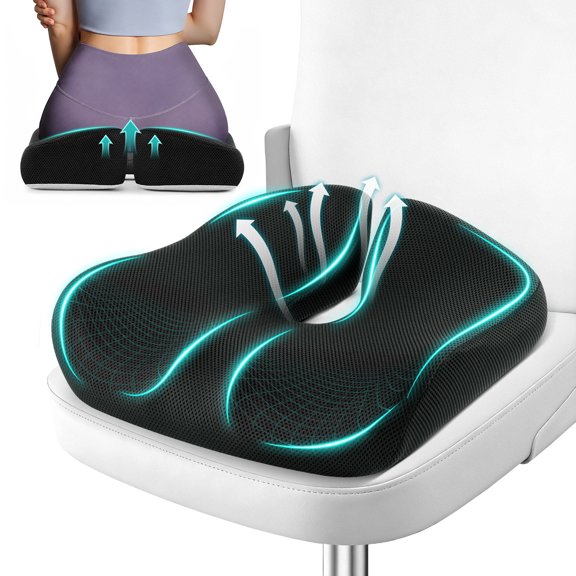
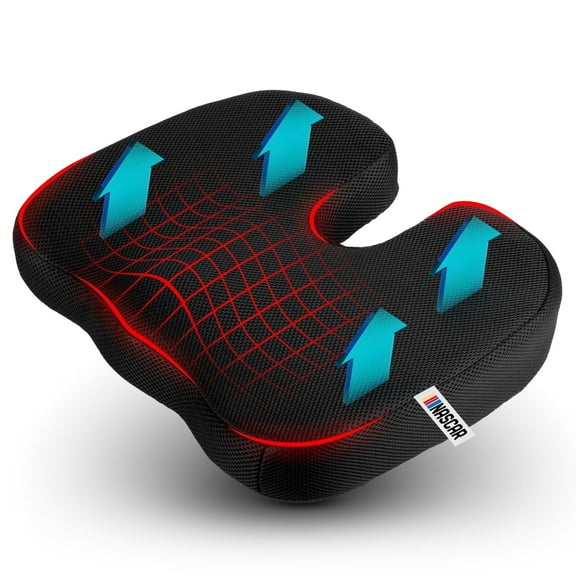




















About Sciatica Pillow for Driving & Car Seat Cushions - Walmart.com
Your sciatica pillow for driving should help you stay aligned, steady, and comfortable through commutes, errands, and long highway stretches. You can compare shapes, materials, and seat-friendly features here, so your cushion feels right in your car and stays put.
How to choose a sciatica pillow for driving
When you compare cushion designs, you’ll want support that matches how you sit behind the wheel. You should look for shape, density, and cover details that fit your seat and your daily drive.
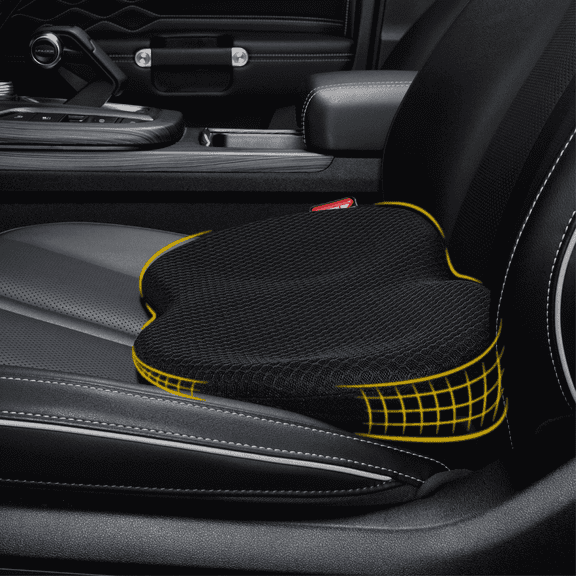
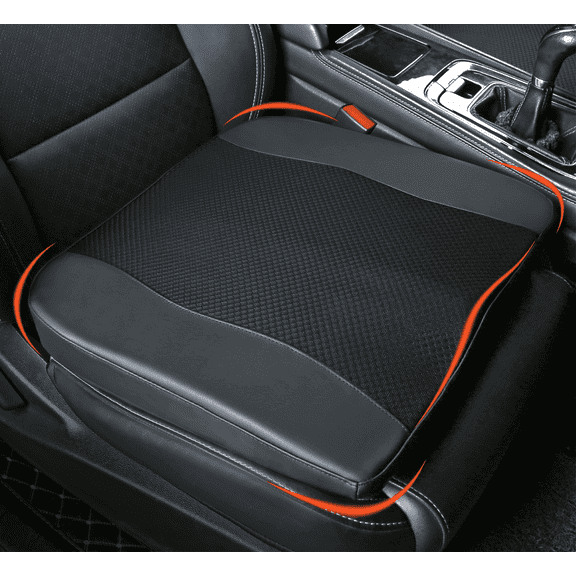
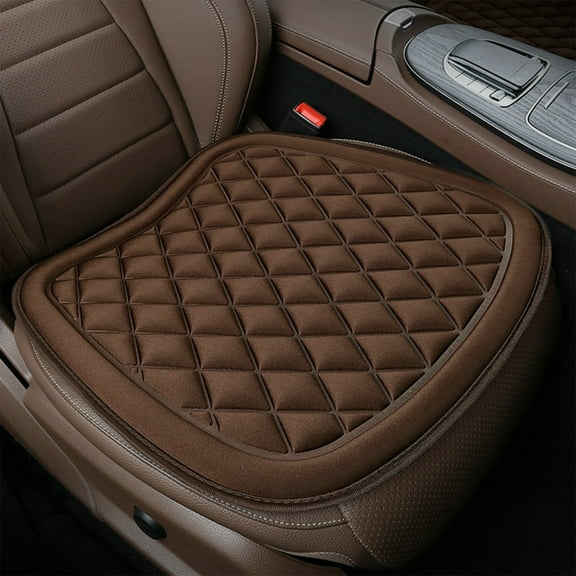
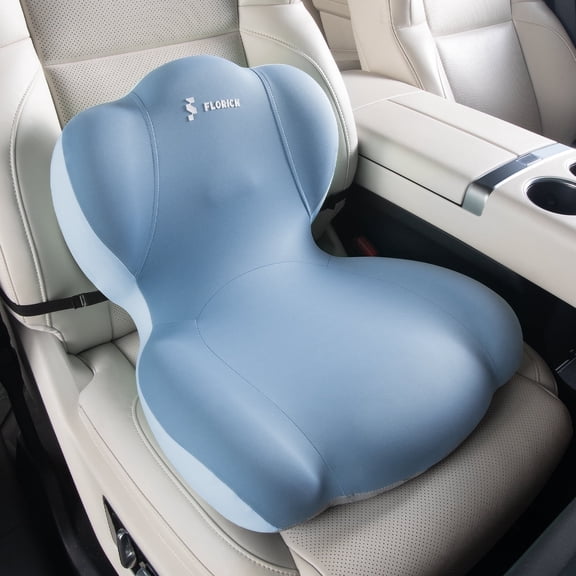
A car seat cushion for sciatica often adds lift where your seat feels flat or unsupportive. You can use that extra structure to create a steadier sitting position during stop-and-go traffic.
If your drives feel long even on short routes, you may prefer a design that spreads your weight more evenly. You’ll notice that thoughtful seat contours can feel different from a basic flat pad.
Choosing shape for tailbone clearance and driving posture
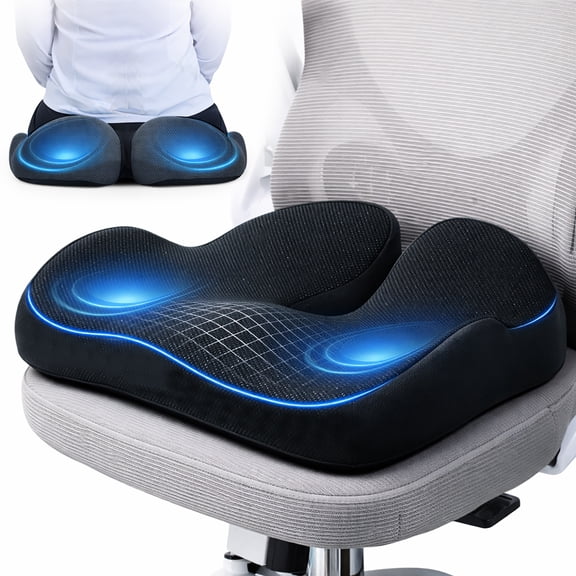
You should start with shape because it changes how your weight rests on the seat. You can compare U-shape coccyx cut-out, wedge shape, and flat ergonomic designs for different seating needs.
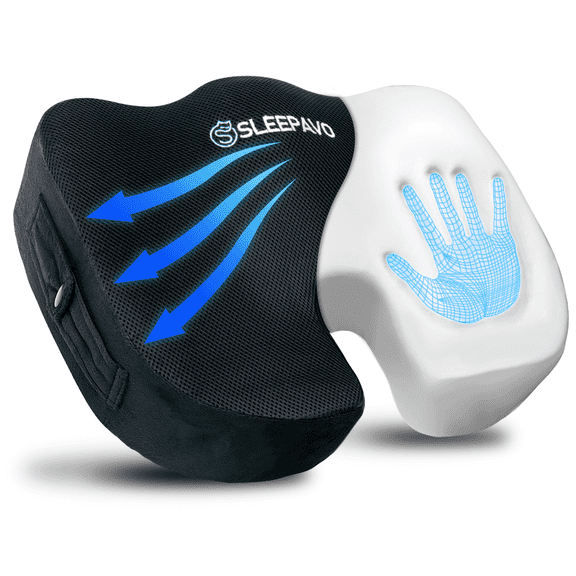
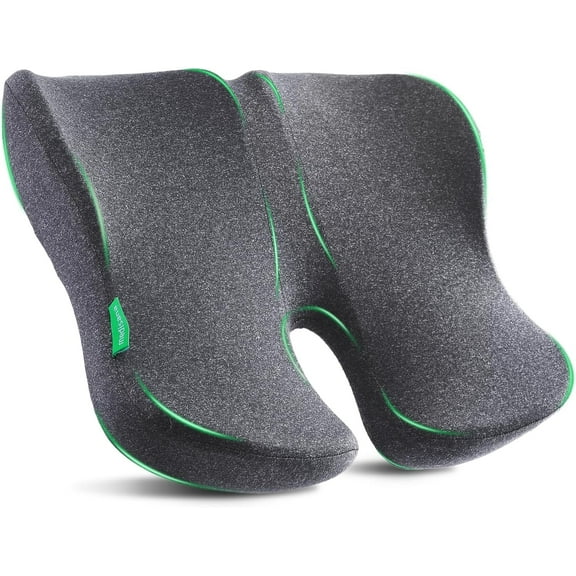
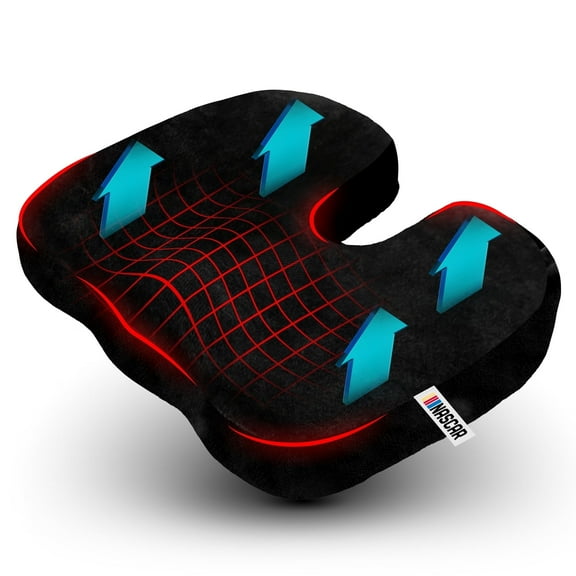
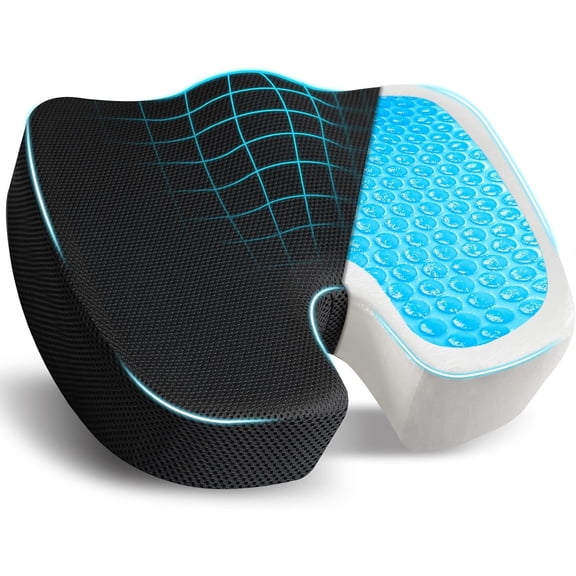
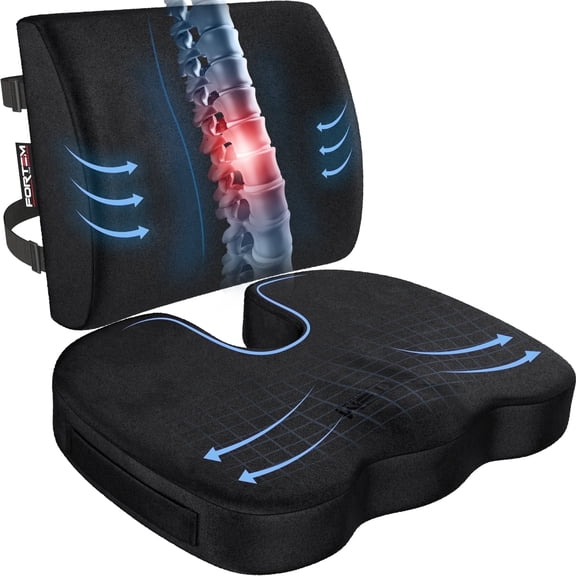
If you want more space at the rear of the cushion, you may consider a U-shape coccyx cut-out. You can use that opening to reduce direct contact at the tailbone area.
If your seat tilts backward, you may prefer a wedge shape that changes your sitting angle slightly. You can use that slope to support a more upright posture in bucket seats.
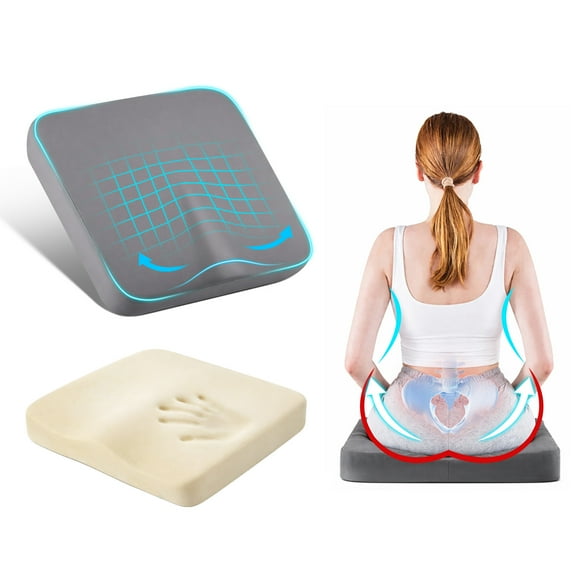
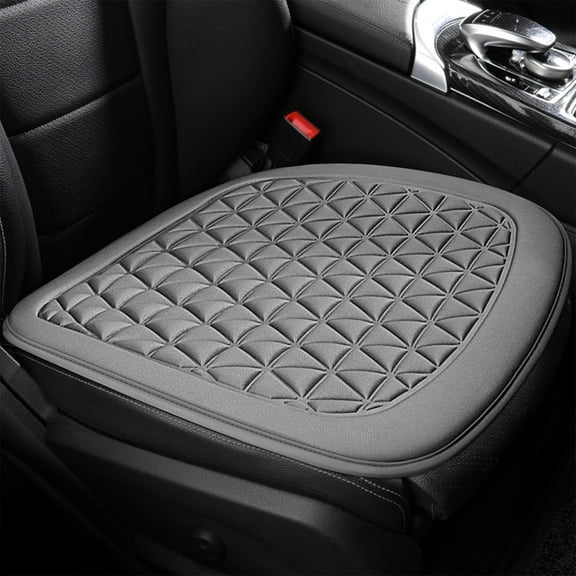
A flat ergonomic style can work well when you want gentle lift without a dramatic contour. You may like that simpler profile if your car seat already has built-in side bolsters.
- You can choose a U-shape design when you want visible tailbone clearance.
- You may prefer a wedge when you want a subtle seat-angle change.
- You can pick a flat ergonomic style when you want a smoother, lower-profile fit.
Comparing materials in a car seat cushion for sciatica
You’ll want material that matches your drive length, seat feel, and climate. You can compare memory foam, gel-infused fills, orthopedic foam, and honeycomb polymer before you decide.
Memory foam can feel contouring when you want a seat that responds to your shape. You may like that close-fitting feel during daily commutes and longer drives.
Gel-infused options can feel less stuffy when your car warms up quickly. You can look for that choice if your seat tends to hold heat in summer weather.
Orthopedic foam often gives you a more structured feel across the full cushion surface. You may prefer that steadier support when your factory seat feels too soft.
Honeycomb polymer designs can feel springy and open, especially when airflow matters to you. You can consider that material if you want a lighter, flexible cushion profile.
Checking density, thickness, and seat height
You should check thickness and density because both affect steering position and headroom. You can compare high-density, medium-firm, and ultra-thick styles based on your vehicle seat.
High-density cushions usually feel more supportive over repeated use in the car. You may choose that build when you want less flattening during frequent driving.
Medium-firm options can give you a balanced feel between softness and structure. You can start there if you’re unsure how much lift your seat needs.
Ultra-thick cushions can add noticeable height, which may help on deep or low car seats. You should measure your seating position if you want extra lift without crowding the wheel.
Looking for breathable covers and easy care
You’ll want a cover that feels comfortable across seasons and cleans up easily after daily use. You can compare breathable mesh, velour, and washable zippered cover styles with that in mind.
Breathable mesh can help your seat feel less closed-in on warm days. You may prefer that texture if airflow matters during long drives or parked-car heat.
Velour can feel softer against clothing when you want a cozier seat surface. You can choose that finish if you like a smoother touch during cooler weather.
A washable zippered cover makes routine upkeep simpler when your cushion sees regular use. You can remove the cover more easily after spills, dust, or everyday car messes.
Why security features matter in a sciatica seat cushion for car use
You should check how the cushion stays in place before you focus on any other detail. You can get a more dependable fit from a non-slip rubber bottom or adjustable straps.
A non-slip rubber bottom helps the cushion grip the seat when you enter and exit the vehicle. You may notice less shifting on smooth upholstery or angled seat bases.
Adjustable straps can add another layer of stability on active daily drives. You can use them when you want the cushion anchored to the backrest or seat base.
If you’re choosing a sciatica seat cushion for car use, you should match the base design to your upholstery. You can also check whether a universal fit works with your seat contours.
Matching cushion styles to your driving routine
You may need different support depending on how long you drive and what your seat feels like. You can narrow your options faster when you match cushion style to your routine.
If you drive long highway stretches, you may want memory foam or orthopedic foam with a U-shape cut-out. You can use that combination for steadier support across extended seat time.
If you commute in heavy traffic, you may like a medium-firm wedge with a non-slip base. You can keep a more consistent seating position through frequent stops and starts.
If your car runs warm, you may prefer a car cushion for sciatica with breathable mesh or honeycomb polymer. You can make hot-weather driving feel less stuffy with those materials.
If your seat feels deep or overly soft, you may want a car seat cushion for sciatica nerve pain with denser foam. You can add structure that feels more stable on cushioned factory seats.
When you want a cushion for sciatica pain while driving, you should compare shape, density, breathability, and grip together. You can land on a seat setup that feels more settled from the first mile to the last.
With the right sciatica cushion for car seating, you can create a more stable, breathable, and secure driving position. You’ll feel more confident choosing a cushion that fits your seat, your posture, and your daily miles.