



Ammunition in Firearm Components



About Ammunition in Firearm Components - Walmart.com
You can compare ammunition more clearly when you shop by caliber, bullet type, firearm fit, and pack size. You’ll also find options for range sessions, hunting trips, and home use in one category.
When you review ammunition this way, you can narrow choices faster and avoid mismatched chambering details. You’ll want exact fit, because 9mm Luger and 9mm Makarov aren’t interchangeable.
Choosing ammunition by caliber and firearm type
Start with your firearm’s exact chamber marking, then compare listings that match it word for word. You’ll see common choices like 9mm ammo, .223 ammo, 12 Gauge loads, and .22 LR rimfire rounds.
Handgun ammo works for pistols and revolvers with caliber-specific fit, while rifle ammunition supports centerfire long guns with cartridge-based chambering. Shotgun shells use gauge and shell length, so you should check both before you choose.
Rimfire ammo, including .22 LR, suits plinking, small-game outings, and general range practice with rimfire firearms. You’ll usually notice light recoil and compact box sizes that are easy to store.
What to look for in handgun ammo, rifle ammunition, and shotgun shells
You should compare bullet type first, because that choice changes how your ammunition fits your intended use. FMJ loads usually support target shooting ammunition needs, while JHP and soft point loads fit other common purposes.
When you compare Full Metal Jacket rounds, you’ll often get smooth feeding and straightforward range use. If you’re reviewing Jacketed Hollow Point options, you should confirm they match your firearm and intended application.
Soft Point bullets matter when you want hunting ammo for many rifle setups. You’ll also want to compare bullet construction with local rules and your specific firearm platform.
- You can use FMJ options for training sessions and regular target shooting.
- You can compare JHP loads when you want a different bullet profile for select handgun uses.
- You can review Soft Point choices for many common rifle hunting setups.
- You can choose handgun, rifle, or shotgun-specific loads based on your firearm type.
- You can pick individual boxes or bulk ammo packs based on how often you shoot.
Comparing technical details before you choose
You should check grain weight, because bullet weight affects feel, trajectory, and intended use. Lighter bullets often feel faster, while heavier bullets may suit different shooting preferences.
Velocity also matters when you compare subsonic and supersonic loads for your setup. You’ll want to read the listing details, because barrel length can affect real-world performance.
Casing material gives you another decision point that experienced shooters often compare. Experienced shooters often choose brass cases for broad compatibility, while steel or aluminum cases may suit different range habits.
You should also look at pack size before you commit to a specific listing. Individual boxes help you test function first, while bulk ammo options support frequent practice and higher round counts.
Matching ammunition to how you shoot
If you spend weekends at the range, you may want target shooting ammunition in larger pack counts. You’ll often find FMJ handgun ammo and rifle ammunition practical for repeat practice sessions.
For hunting trips, you should compare caliber, bullet type, and local game requirements together. Soft Point rifle loads and selected shotgun shells can align with common field needs.
If you’re buying for a pistol, you may start with 9mm ammo because it’s a common handgun chambering. You should still verify the exact chamber marking, magazine fit, and bullet style before choosing.
If you’re buying for an AR-style platform, you may compare .223 Remington listings with your rifle’s marked chamber. You’ll want to review whether your setup is marked for .223 Remington, 5.56 NATO, or both.
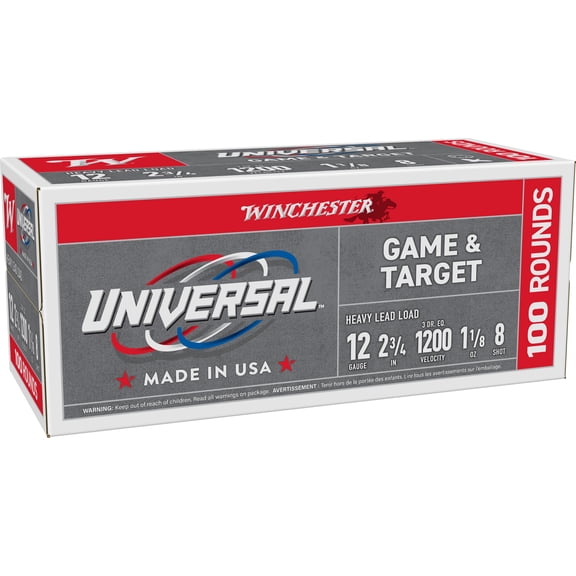
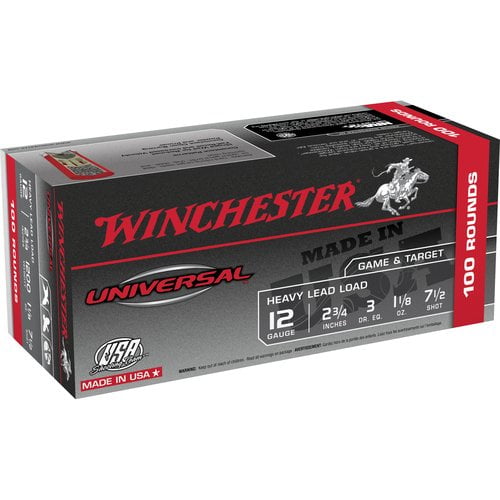
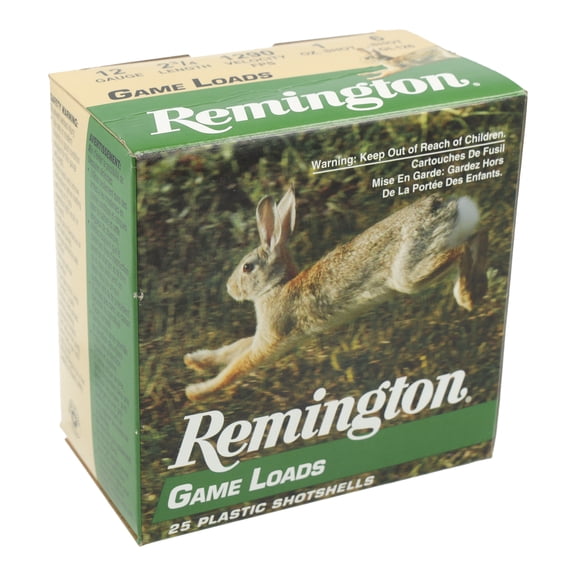
For clay targets, bird hunting, or general shotgun use, you should compare 12 Gauge loads by shot size and shell length. You’ll also want to match the load to your shotgun’s chamber and intended activity.
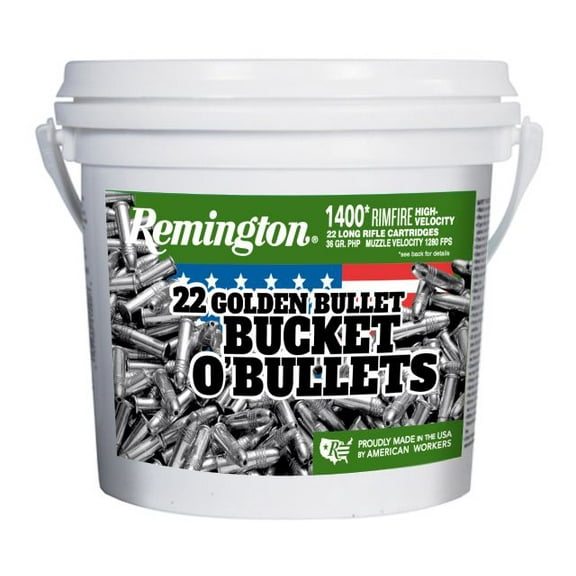
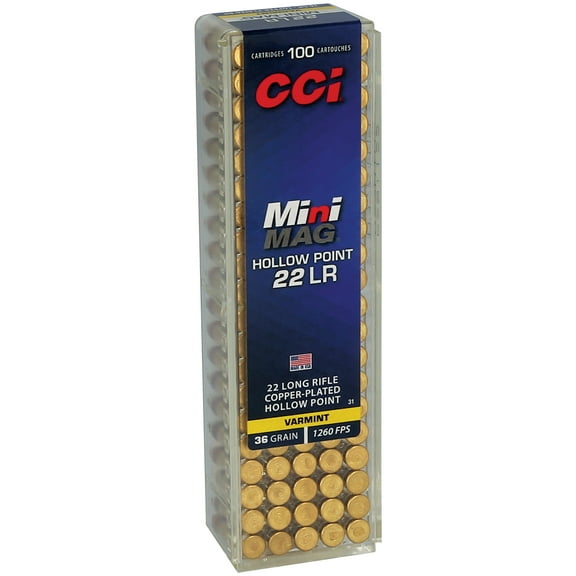
For small-game outings or casual plinking, .22 LR rimfire ammo can be a practical place to start. You’ll usually find compact cartons, lighter projectiles, and broad use across rimfire platforms.
How pack size and category depth help you shop ammunition
You can simplify your search when you filter ammunition by caliber, firearm type, and intended use. That approach helps you compare handgun ammo, shotgun shells, rimfire ammo, and rifle ammunition without extra guesswork.
You may also prefer to test a smaller box before moving to bulk ammo for regular use. Once you confirm fit and function in your setup, you can reorder with more confidence and less trial.
With clear caliber matching, bullet-type guidance, and pack-size options, you can choose ammunition that fits your firearm and your routine. You’ll shop with a sharper checklist and a clearer path to the right load.