

Buffing Pads 3M & 3M Polishing Pads | Walmart

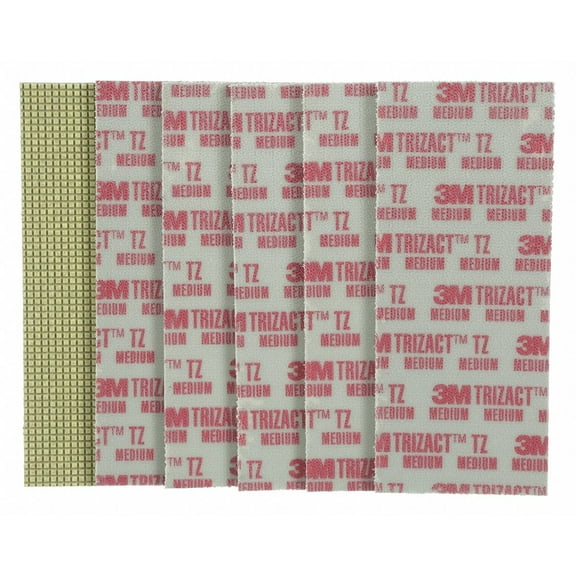
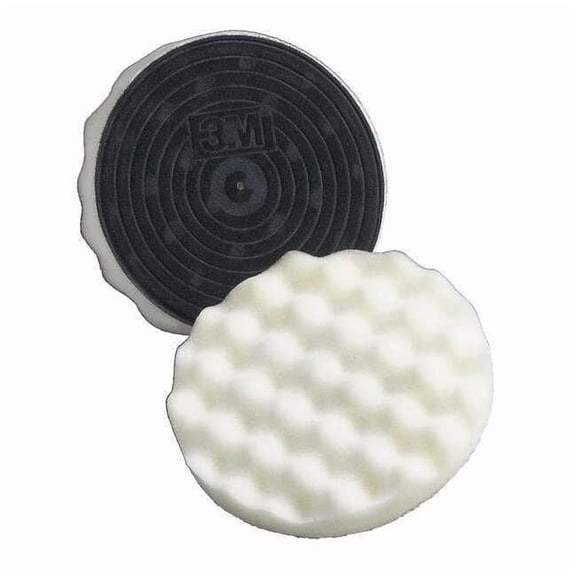
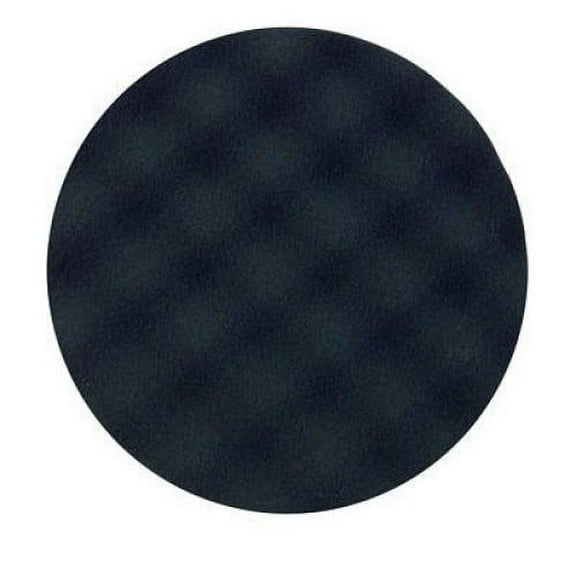
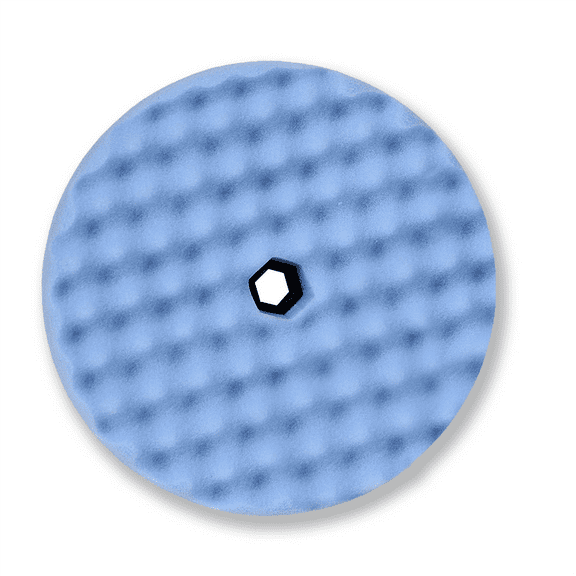







About Buffing Pads 3M & 3M Polishing Pads | Walmart - Walmart.com
3m polishing pads help you refine paint correction with the right cut, size, and tool match. You can compare foam, wool, and microfiber options for consistent polishing on cars, trucks, and SUVs.
If you're restoring gloss or clearing light haze, you need pads that match your machine and paint condition. You can use this guide to compare material type, pad diameter, cut level, and polisher compatibility.
How to choose 3m polishing pads
When you compare 3m polishing pads, you should start with the job you need to finish. You can match heavy cut pads to stronger correction, then move to polishing or finishing pads for a smoother look.
You should also check your backing plate diameter before choosing a pad size. Your pad needs the right hook-and-loop fit, so your machine holds securely during each pass.
- You can use foam pads for controlled polishing and finishing on many paint correction steps.
- You can choose wool pads when your surface needs faster cutting on oxidation or stronger defects.
- You can reach for microfiber pads when you want added cutting power with a dual action polisher.
- You can match three inch, five inch, six inch, or eight inch pads to your backing plate and panel size.
- You can pair heavy cut, medium polish, and finishing pads to the amount of correction your paint needs.
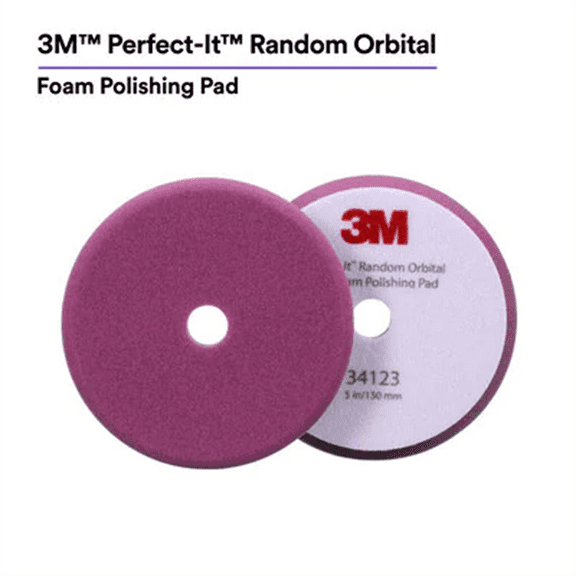
You may also benefit from color-coded pad systems when you want a simpler way to track cut levels. Your workflow stays more organized when each polishing step has a clear pad role.
Choosing material type in 3m car polishing pads
You should compare foam, wool, and microfiber by how each material contacts the paint. Your choice affects how quickly you cut, how evenly you polish, and how refined the final surface looks.
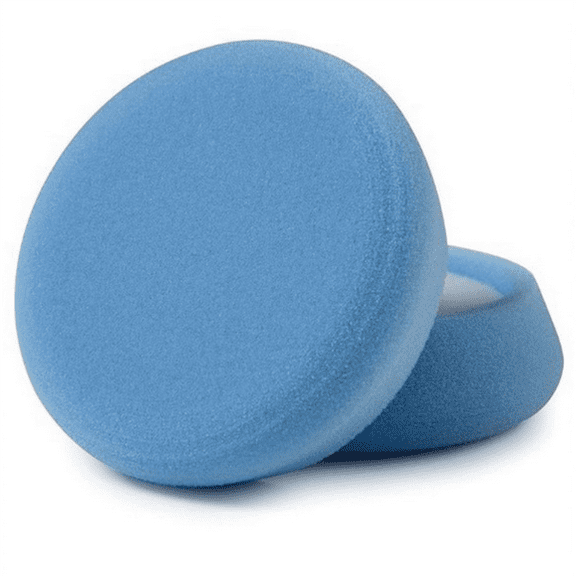
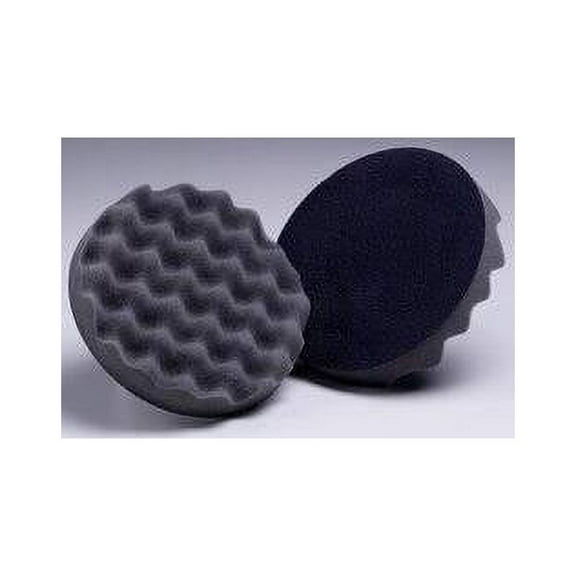
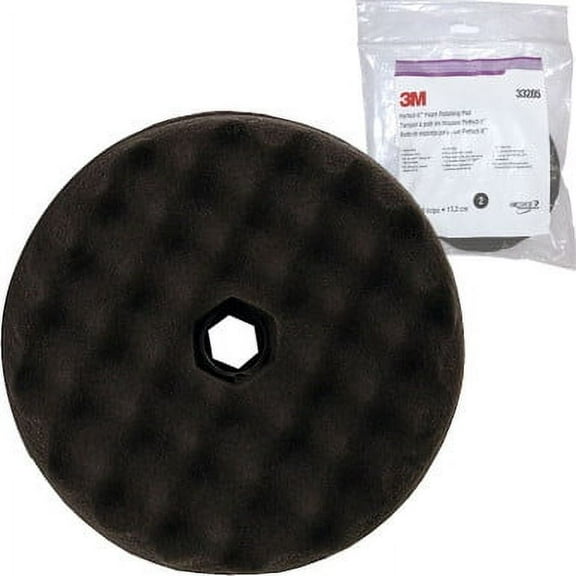
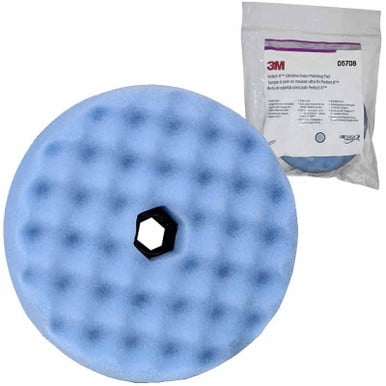
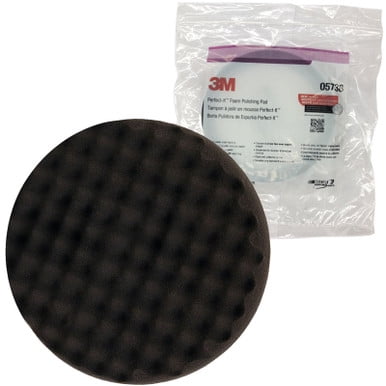
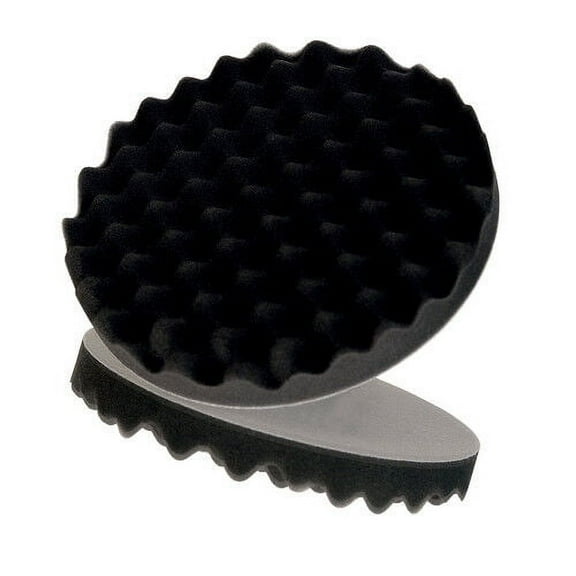
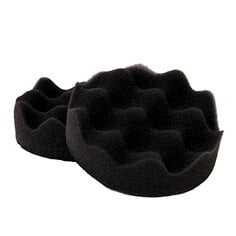
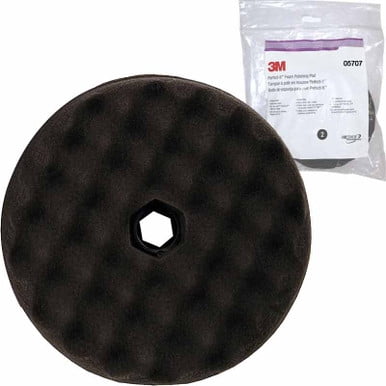
If you want controlled correction, you may prefer 3m foam polishing pads for polishing and finishing stages. You can keep better contact across curved panels, door sections, and broad hood areas.
If your paint has stronger defects, you may consider 3m wool polishing pads for faster material removal. You can often use wool during compounding steps before switching to a softer pad.
You can also look at microfiber when you want extra cut on a dual action machine. Your results may feel more balanced when you need correction without moving to a rotary setup.
Choosing pad size and backing plate fit
You should measure your backing plate before you choose a polishing pad diameter. Your pad size affects control, edge access, and how easily you work around mirrors, pillars, and bumpers.
If you detail smaller sections, you may prefer three inch pads for tighter areas and spot correction. You can use five inch or six inch pads for many doors, hoods, and roof panels.
If you cover larger surfaces, you may compare six inch and eight inch pads for broad polishing passes. Your larger pad can increase coverage, but you should confirm your polisher supports that diameter.
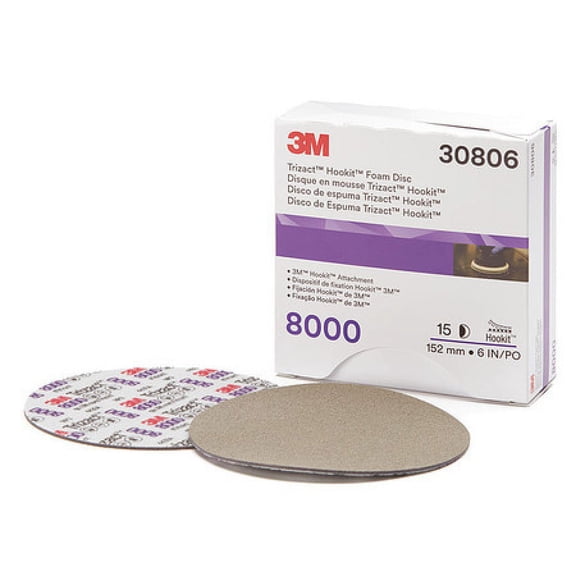
You should also confirm hook-and-loop backing before you buy, since that connection affects fit and pad changes. Your machine works more smoothly when the pad and backing plate align correctly.
Choosing cut level with 3m compounding pads
You should match cut level to the paint condition, not just the machine in your garage. Your heavy cut pad works for stronger correction, while your finishing pad refines gloss after earlier steps.
If your vehicle shows heavier marks or oxidation, you may start with 3m compounding pads. You can remove more surface defects first, then follow with a medium polish pad for refinement.
If your paint only has light swirls or haze, you may skip aggressive correction. You can use a medium polish or finishing pad to improve clarity without adding unnecessary cutting action.
You should think of cut level as a sequence, not a single purchase decision. Your result often looks clearer when you step down from compounding to polishing to finishing.
Choosing tool compatibility with 3m buffer pads
You should check whether your pad matches a rotary polisher or a dual action polisher. Your machine style changes how the pad behaves on the paint and how much correction you can expect.
If you use a rotary polisher, you may look for pads built for steady, direct rotation. You can get strong correction, but you should pair that power with the right cut level.
If you use a dual action machine, you may prefer dual action polishing pads for smoother, more controlled movement. You can handle polishing, finishing, and some correcting steps with the right pad material.
You should also compare 3m buffer pads by the task, not just by the label. Your rotary setup may pair well with wool for compounding, while your dual action setup may suit foam or microfiber.
How to match pad choices to real detailing jobs
If you refresh daily drivers, you may want foam pads in medium polish and finishing levels. You can restore gloss on clear coat surfaces while keeping your process easier to manage.
If you correct older paint with heavier wear, you may combine wool or microfiber with a stronger cut level. You can then switch to foam for the polishing and finishing stages.
When you work on narrow pillars or bumper contours, you should consider three inch pads for tighter control. Your smaller pad helps you reach detailed sections without overextending onto nearby trim.
If you handle larger hoods, roofs, or truck panels, you may choose five inch, six inch, or eight inch pads. Your coverage improves when the pad size matches the panel and tool capacity.
You can shop with more confidence when you compare material, size, cut level, and machine fit together. Your polishing setup works more smoothly when each pad matches your paint correction goal.