

Menopause supplements in Women's Health
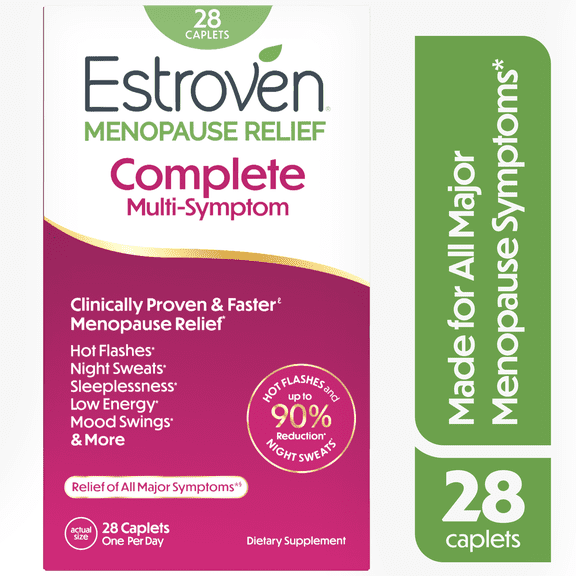

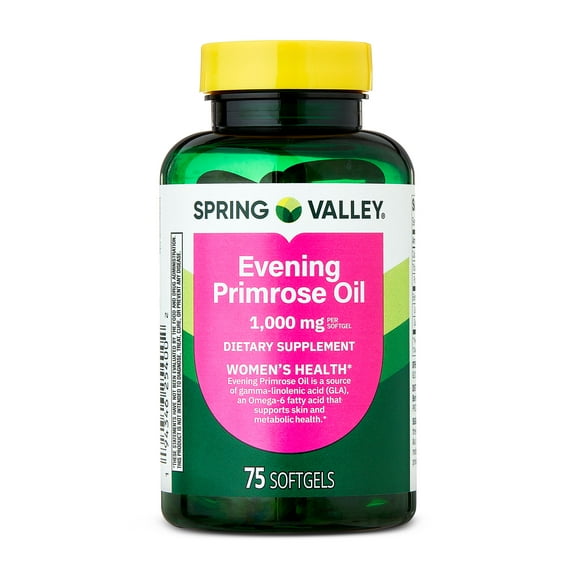
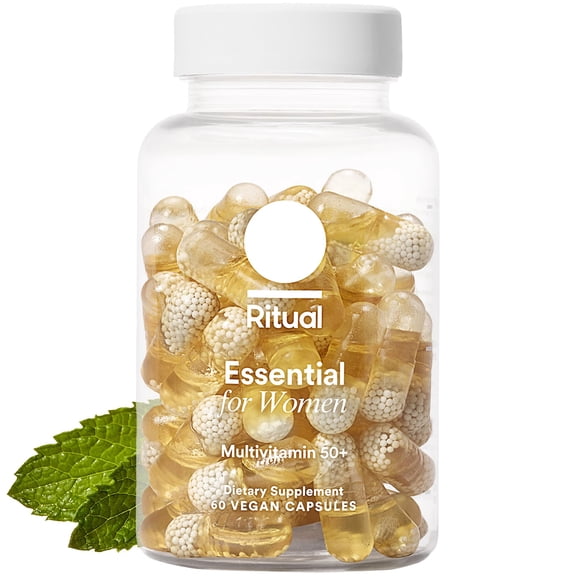


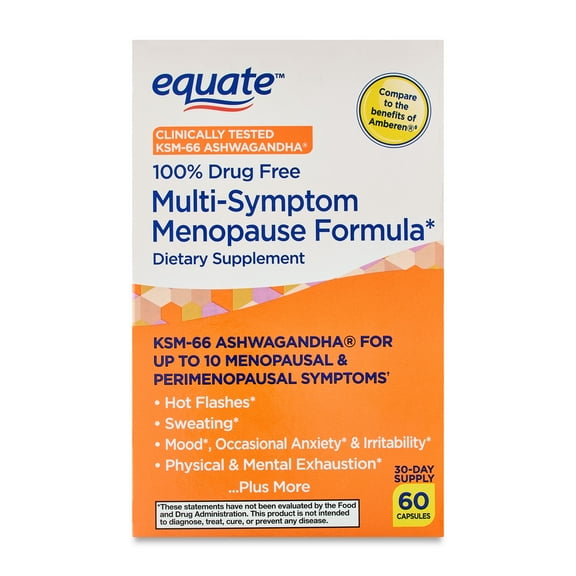

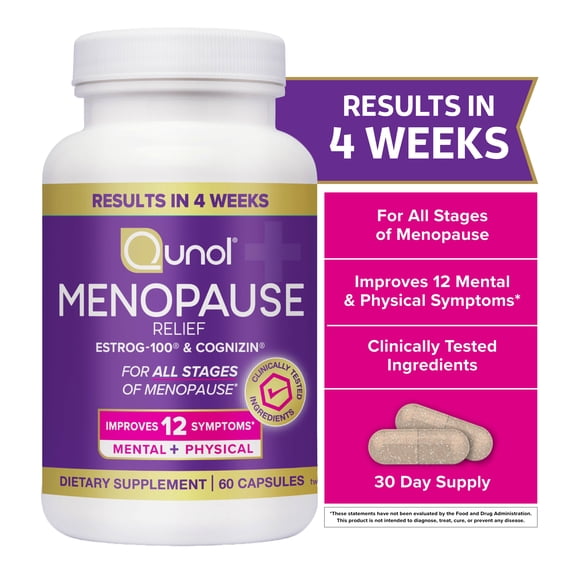
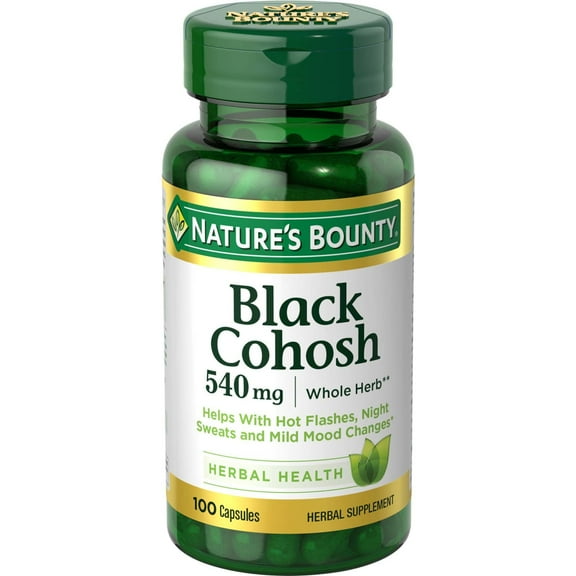
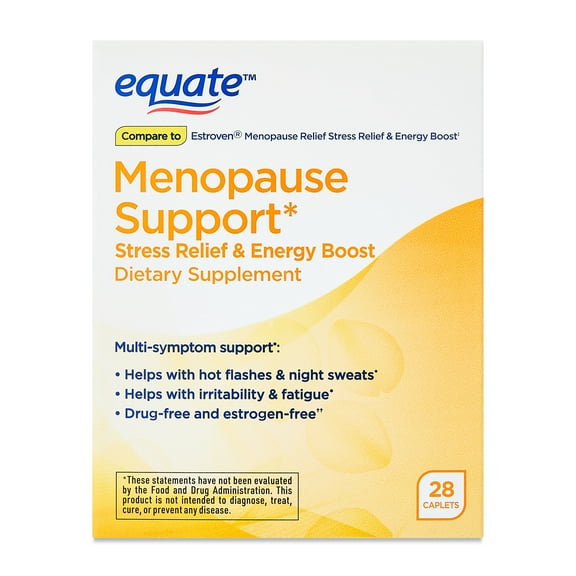
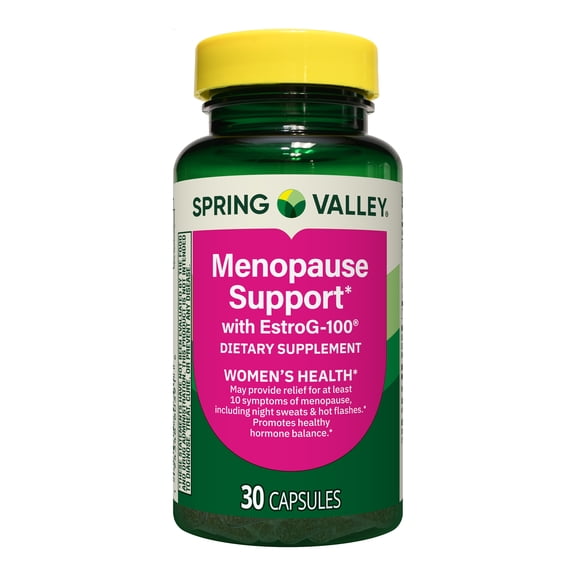


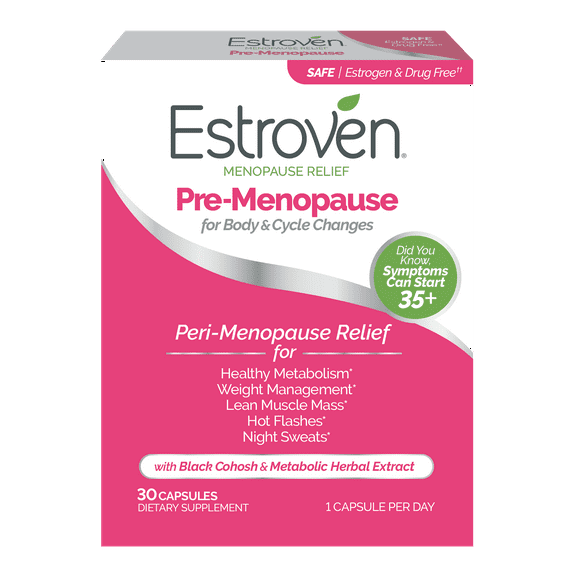
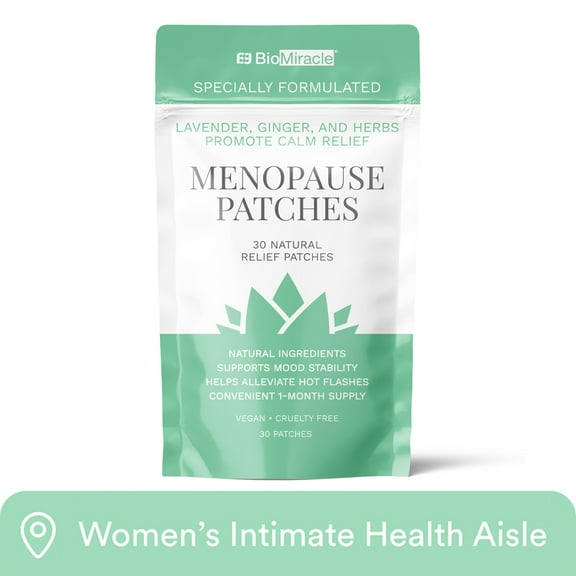
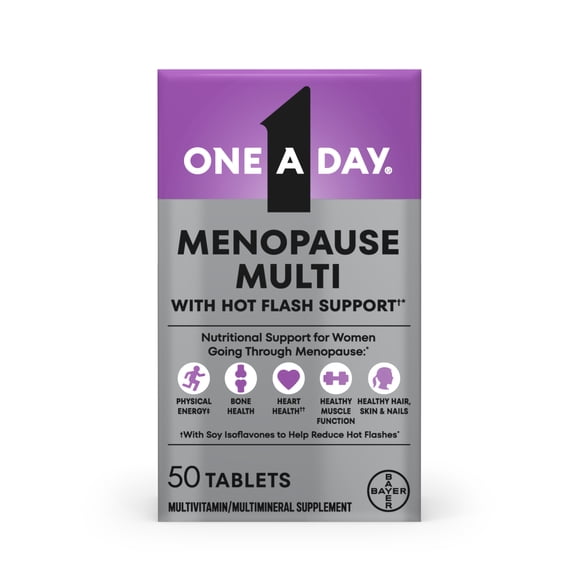


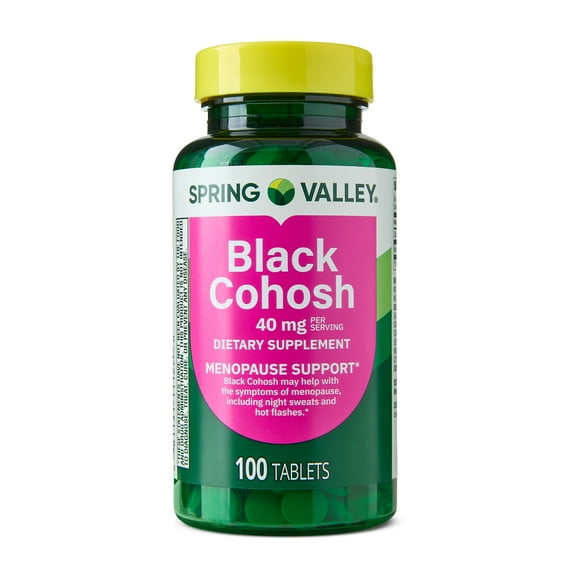


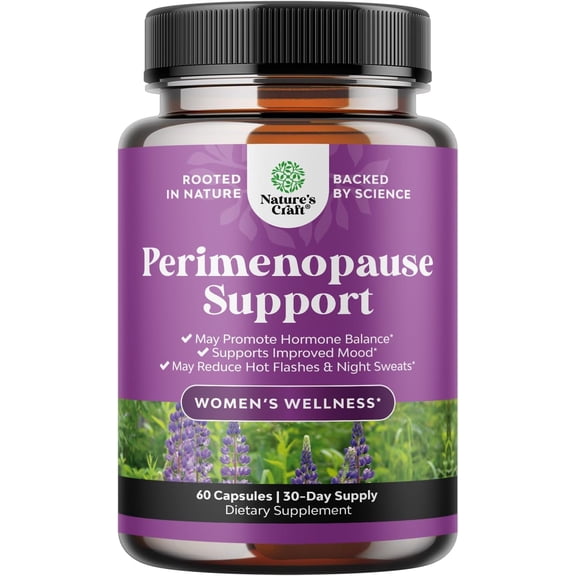
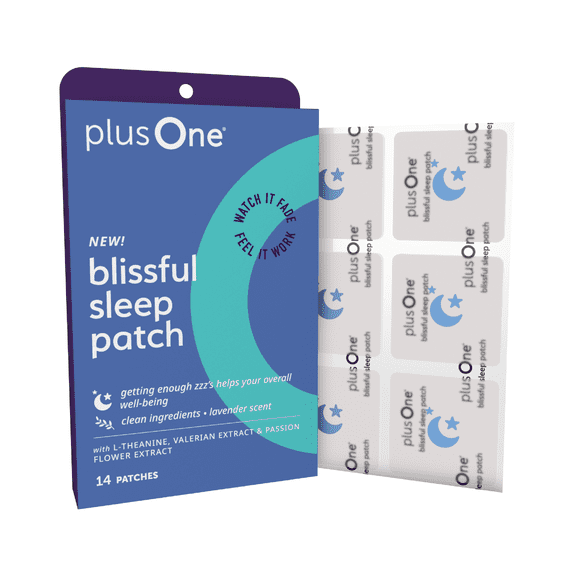


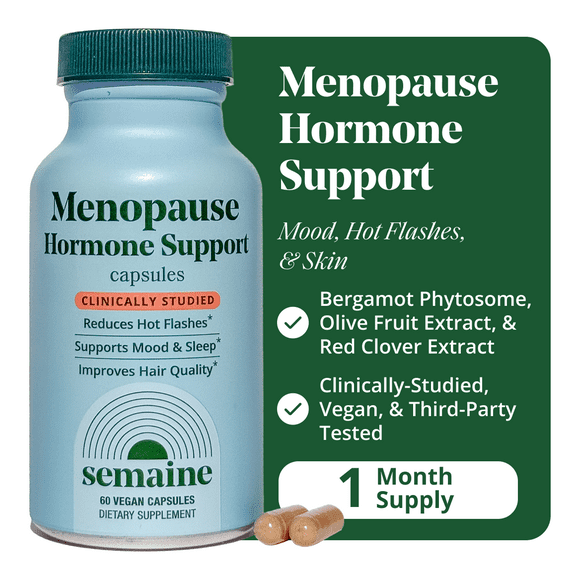

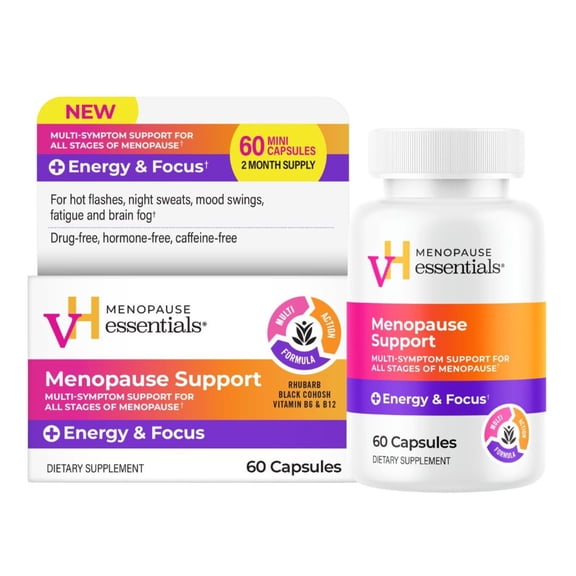
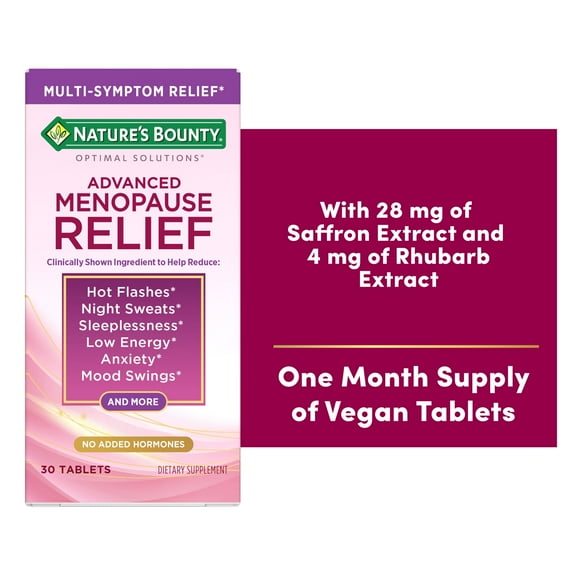
About Menopause supplements in Women's Health - Walmart.com
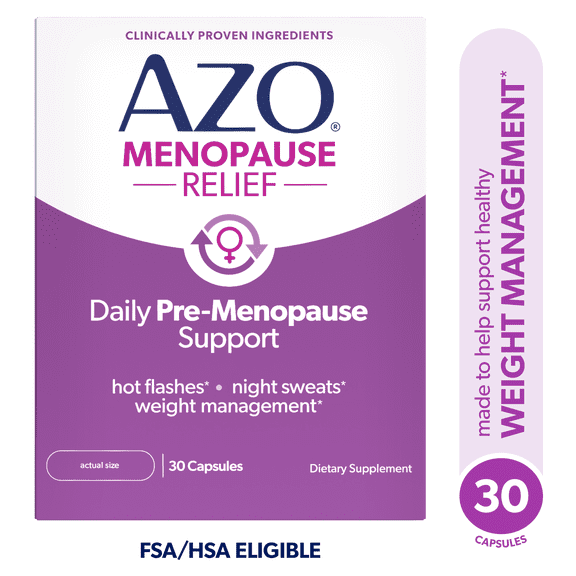
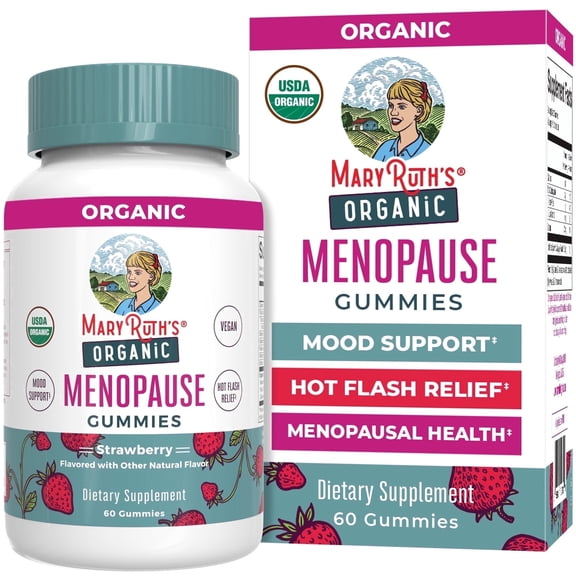
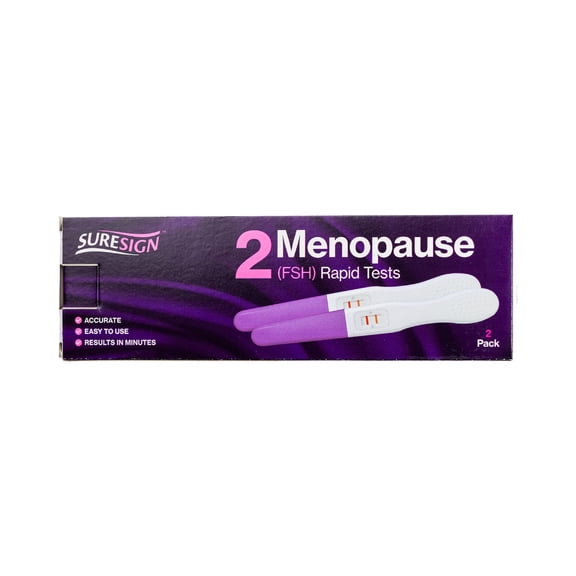
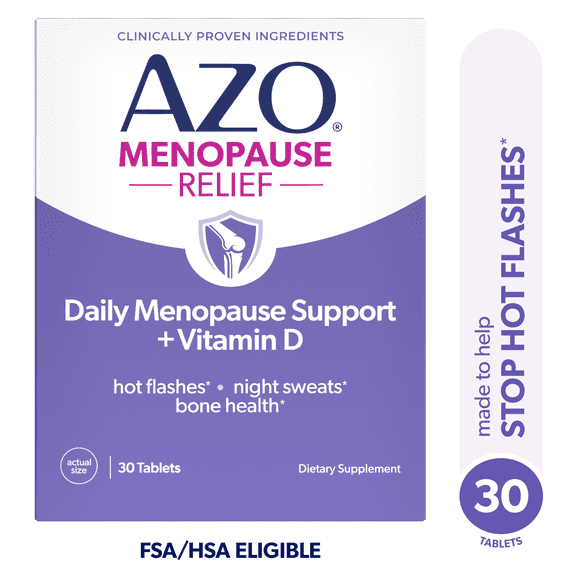
Menopause supplements help you compare symptom-based options, ingredient types, and daily formats in one place. You can narrow choices by hot flashes, sleep support, weight management, and routine fit.
You may also want guidance that reflects how this category is actually shopped. Unlike general vitamins, you’ll compare herbal extracts, hormone-focused formulas, topical creams, and swallowable formats side by side.
How to choose menopause supplements by symptom focus
You will find clear direction when you start with the symptom focus that matters to your daily routine. Your comparison may center on hot flashes, night sweats, mood swings, sleep support, or weight management.
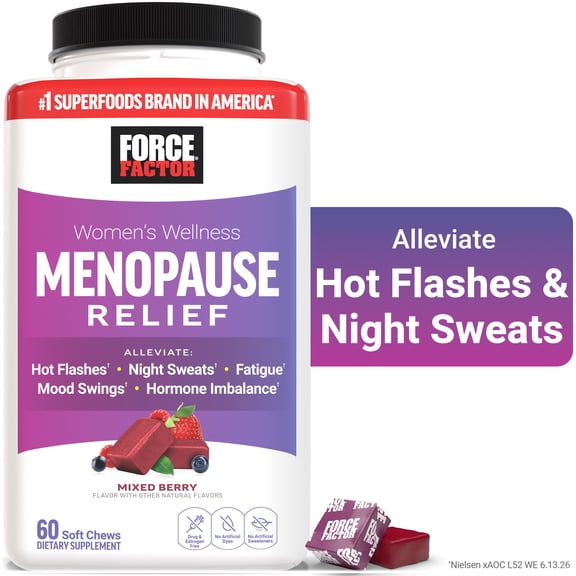
If supplements for hot flashes are your priority, you may look for formulas built around cooling-support ingredients. Some options also pair that focus with support for night sweats during the same routine.
When your evenings need more structure, you may prefer blends aimed at bedtime routines. Those options can give you menopause symptom relief choices that align sleep support with mood-focused ingredients.
- You can match formulas to hot flashes and night sweats when temperature changes shape your routine.
- You can compare mood and sleep support when your evening schedule needs a more targeted format.
- You can review weight management support when your goals connect with nutrition and activity habits.
- You can choose single-focus formulas or broader blends based on how specific your routine feels.
Choosing ingredient types for natural menopause relief
You’ll want to compare ingredient types before settling on a daily plan. Your options may include herbal extracts, plant-based compounds, vitamin blends, and hormone-focused formulas.
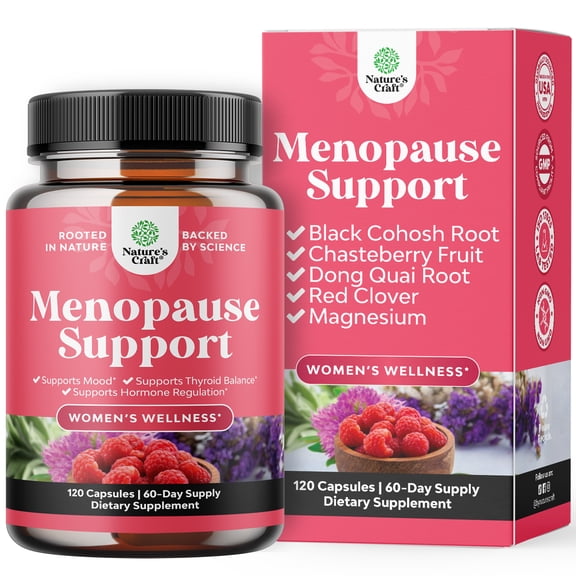
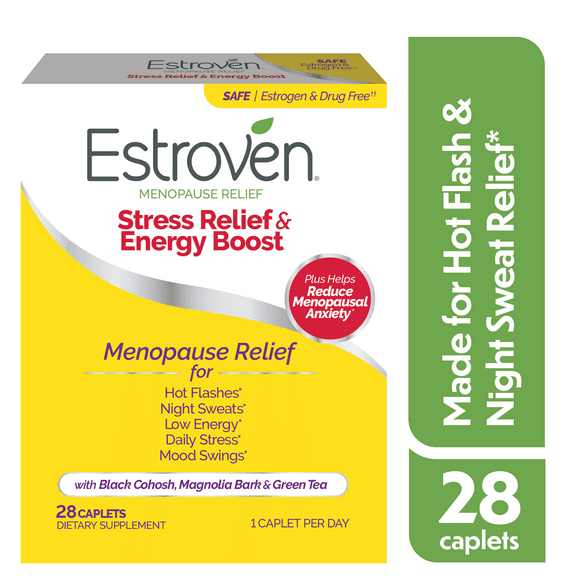
If natural menopause relief matters to your search, you may look for black cohosh, red clover, soy isoflavones, or dong quai. Those ingredient names can help you sort labels with more confidence.
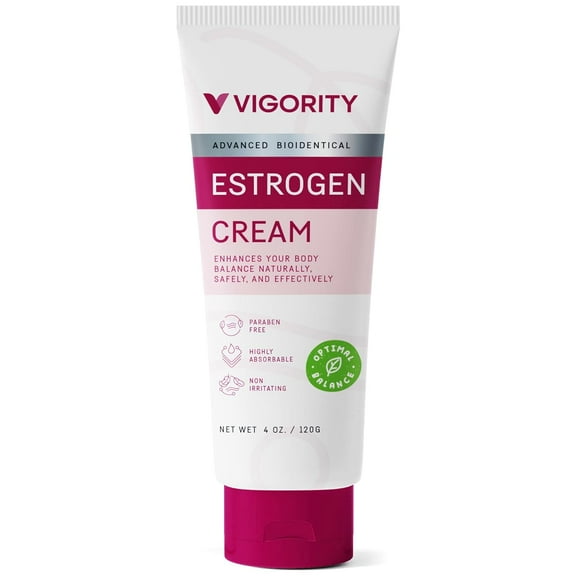
For symptom matching, you may also compare estrogen support and progesterone support wording on product labels. That language can help you connect a formula’s stated focus with your shopping goal.
Rather than treating every formula the same, you should check whether you prefer botanical ingredients or hormone-focused support. A simpler vitamin-based blend may also fit your label preferences and routine.
What to look for in forms and daily routines for menopause supplements
You’ll notice that form can shape how easily a supplement fits into your day. Your choices may include capsules, tablets, gummies, liquids, and creams.
For a quick morning routine, you may prefer capsules or tablets with clear serving directions. Gummies can also fit your plan when you want a chewable option.
Liquids may work for you when flexible measuring matters in your schedule. Creams may suit your preferences when you want a topical format instead of a swallowable one.
You should also compare dosage directions before making a final choice. Your routine may work better with once-daily options or with formulas taken in multiple doses.
When labels list serving size, days per bottle, and timing guidance, you can judge day-to-day fit more clearly. A simpler routine may help you stay consistent with the format you choose.
Checking dietary preferences and label details
You may want menopause supplements that align with your dietary preferences as well as your ingredient goals. Your filters may include gluten-free, vegan, non-GMO, and organic options.
Label details can help you compare sourcing, ingredient lists, and blend style with more clarity. You should check whether a formula uses one featured ingredient or several ingredients together.
If straightforward labels matter to you, you may lean toward formulas with fewer active ingredients. Broader blends may appeal to you when you want several support angles in one product.
You may also notice hormone balance for women wording on some labels, especially in multi-ingredient formulas. Reading those details closely can help your choice reflect your preferred ingredient approach.
Using buyer decisions to narrow your selection
You can make this category easier to shop when you compare one decision at a time. Your first step may be symptom matching, followed by ingredient type, form, and dosage schedule.
Next, you can check whether herbal extracts or synthetic hormone options fit your preferences. That comparison gives you a practical way to sort labels without relying on vague claims.
After that, you can choose a form that matches how you already take daily products. Your routine may feel easier with capsules, or it may feel simpler with gummies, liquids, or creams.
Finally, you can compare once-daily directions with multiple-dose schedules before deciding. That last step helps your selection align with the time and consistency your day allows.
With menopause supplements, you can shop more confidently when your symptom focus, ingredient type, form, and dosage all work together. Your final choice can feel clearer when the label fits your routine instead of complicating it.