


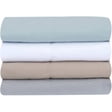
Linen Sheets Bed Sheets Pillowcases Collection


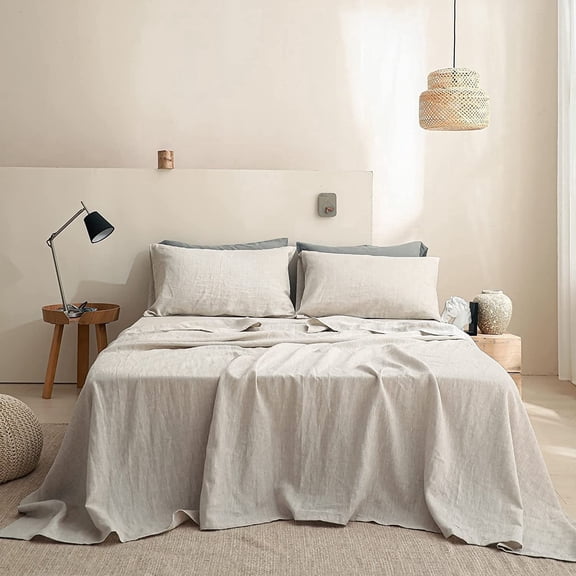


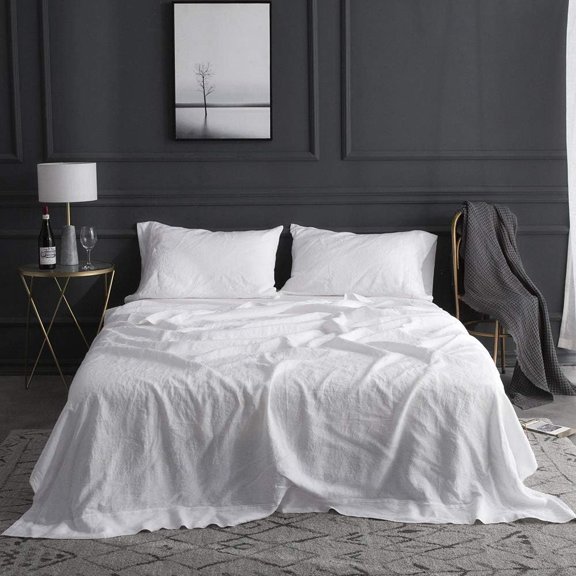


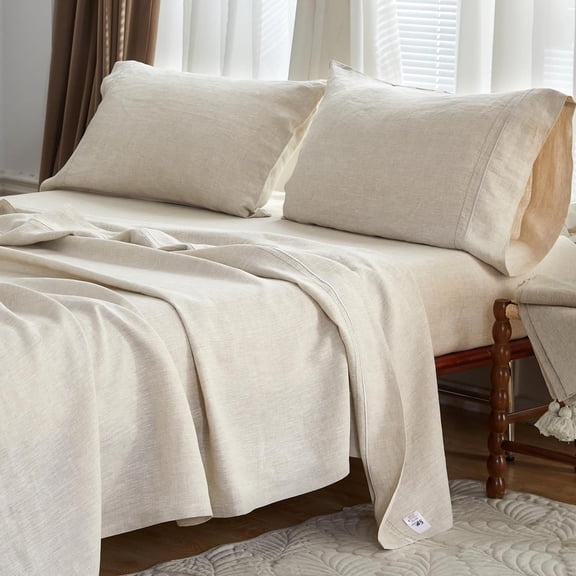






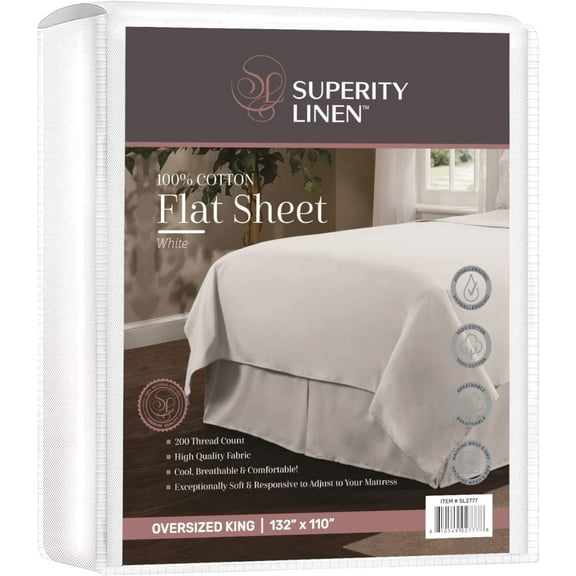


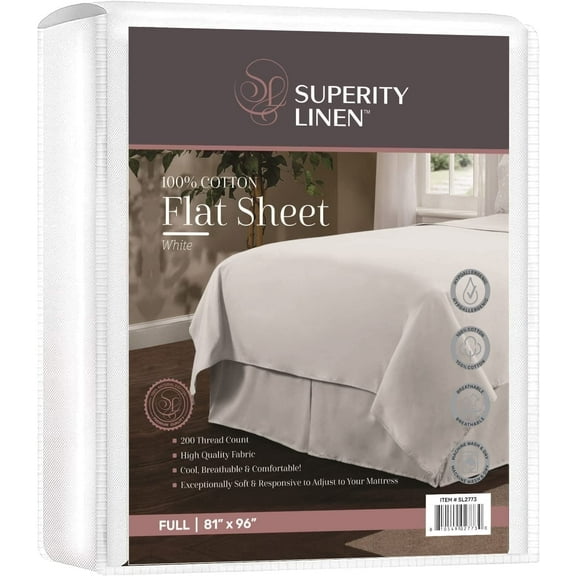


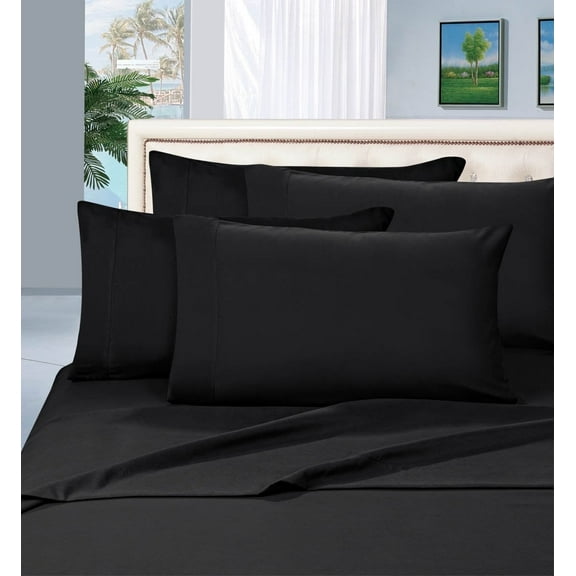


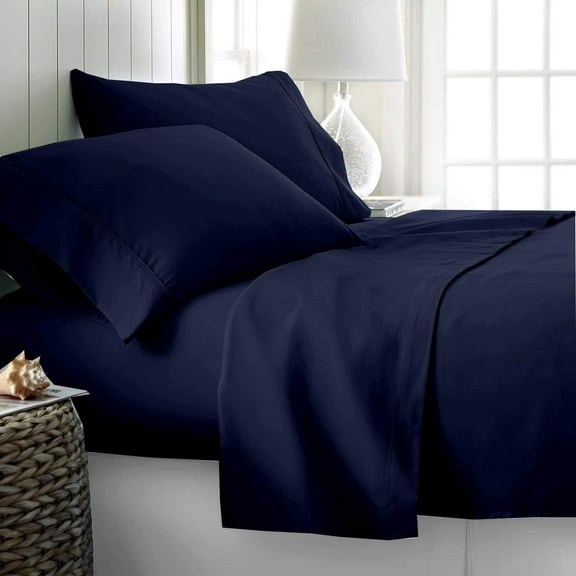



















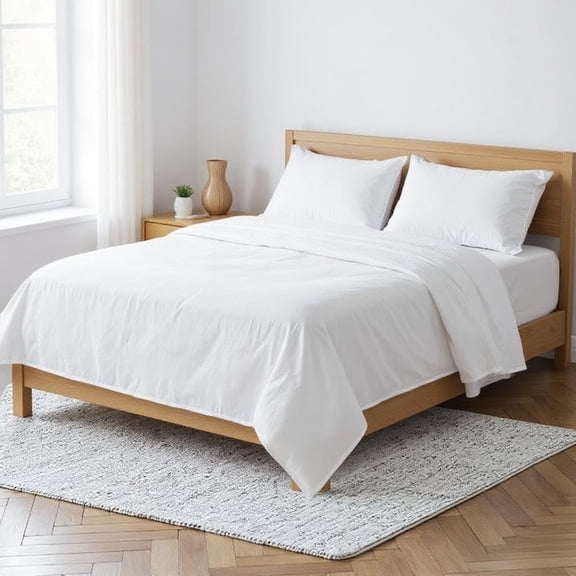


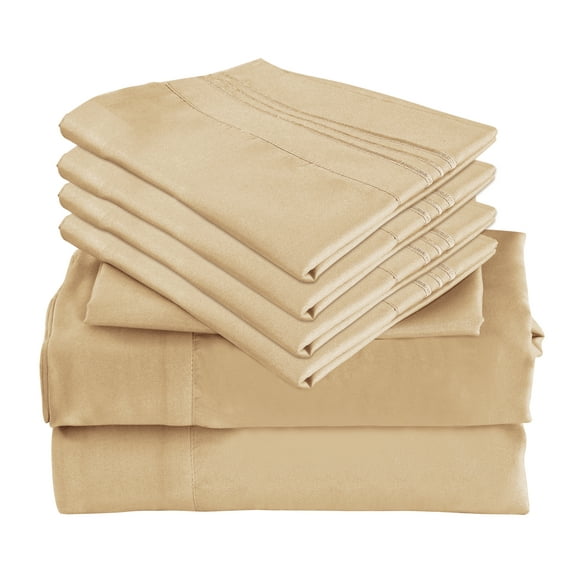


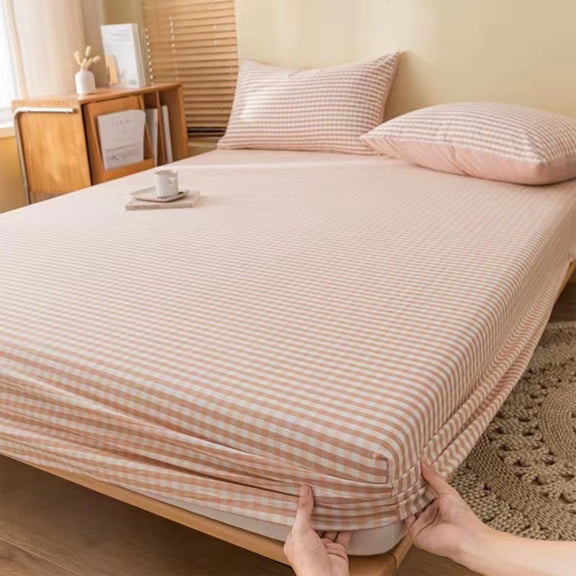


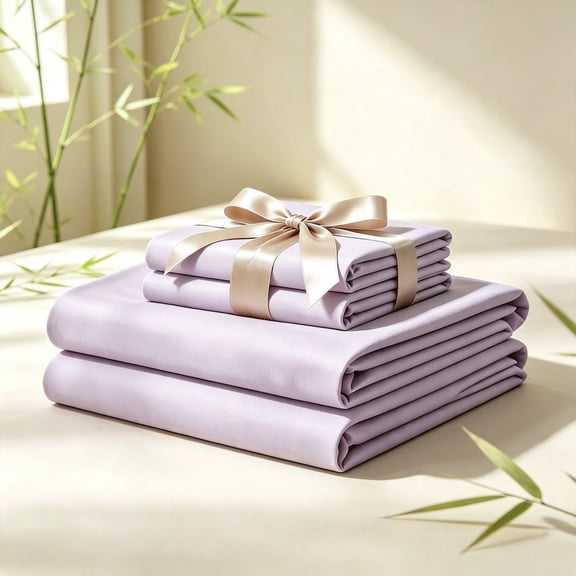
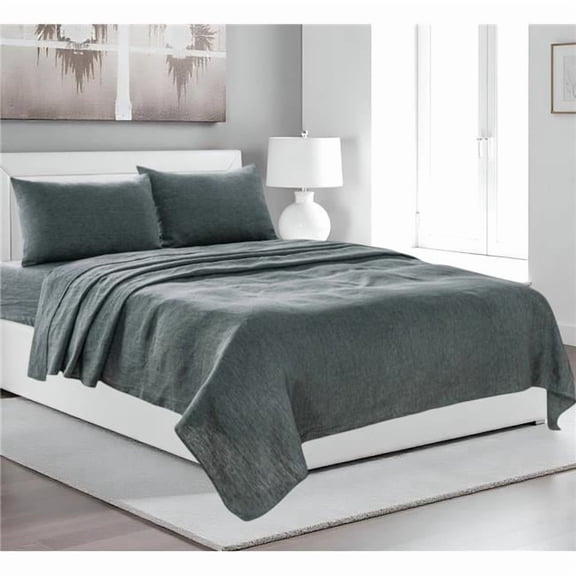
About Linen Sheets Bed Sheets Pillowcases Collection - Walmart.com
Linen sheets give your bed a breathable, textured layer that feels airy in warm weather and inviting year round. You can compare fabric origin, finish, GSM, and set pieces to choose bedding that fits your room and sleep style.
How linen sheets support everyday comfort
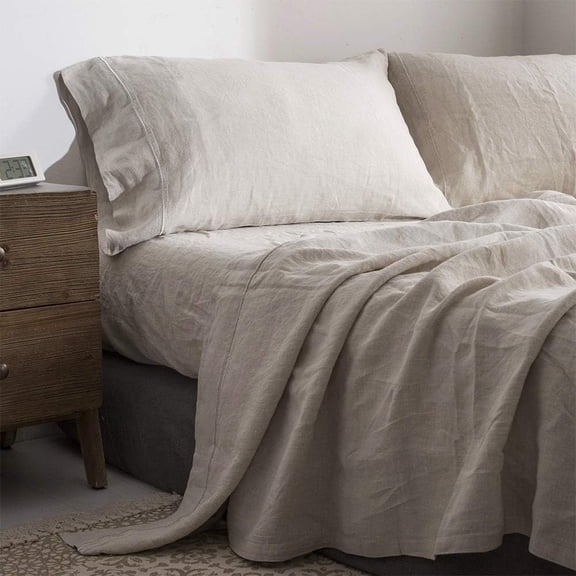
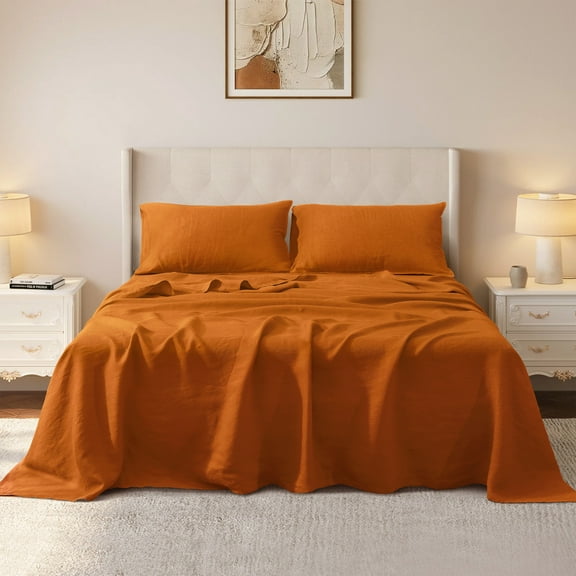
When you choose linen bed sheets, you get a fabric made from flax fibers with a relaxed look and an easy drape. You’ll notice the weave feels distinct from cotton, with more texture and a casual finish.
As you compare options, consider the benefits that matter most for your bed setup and daily routine. You can use these points to narrow down pure linen sheets and washed linen sheets faster.
- You’ll get breathable fabric that feels light and open, which makes cooling linen sheets popular for warmer nights.
- You can enjoy a lived-in look that works with minimalist, coastal, farmhouse, and modern bedrooms.
- You’ll find linen gets softer with use, so your bedding can feel more relaxed over time.
- You can choose a linen sheet set or separate pieces when your bed needs a specific refresh.
If you like bedding with visible texture, you may prefer linen over smoother sateen or crisp percale. You’ll also appreciate how linen pillowcases can coordinate with sheets for a complete, layered bed.
Choosing material origin, finish, and weight
As you shop, you’ll often see french linen sheets, Belgian linen sheets, or labels that mention European flax. You can use origin details as a quality cue for fiber sourcing and a guide to the look you want.
If you want a softer hand right away, look for stone-washed or pre-washed finishes. If you prefer a crisper feel at first, you can choose rawer linen that softens gradually with regular use.
You should also compare GSM, which means grams per square meter. A higher GSM usually gives you a denser feel, while a lighter GSM can feel airier and easier for warm seasons.
When you review product details, check whether the GSM aligns with your comfort goals and layering habits. You can use lighter weights for breezy summer bedding and heavier weights for a more substantial feel.
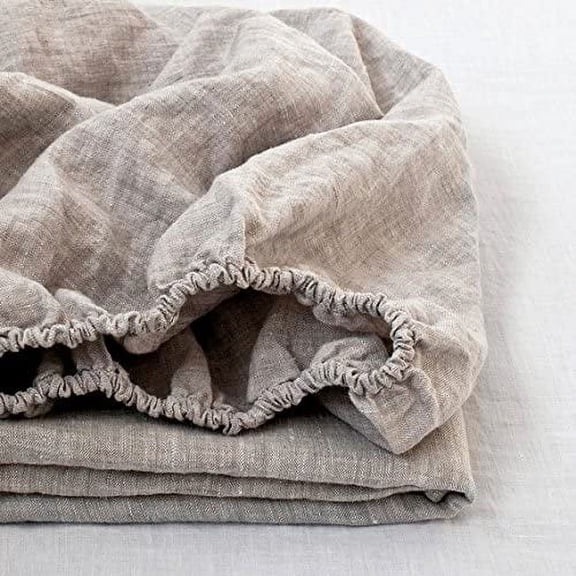
Fit matters just as much as fabric weight, especially if you use a taller mattress. You should measure pocket depth in inches, so your fitted sheet can cover deep mattresses without constant readjusting.
How to choose the right linen sheet set
You’ll want to compare set composition before you commit to a linen sheet set. Some options include a flat sheet, fitted sheet, and pillowcases, while others focus on one piece only.
If your fitted sheet wears out first, you may prefer a fitted sheet only option. If you’re styling a guest room, you might choose a full sheet set for a more coordinated finish.
You can also shop flat sheet only pieces when you like to mix colors or replace one layer. If you want matching accents, you may choose a pillowcase set to pair with your existing bedding.
Size is another key decision, and you should match it carefully to your mattress dimensions. You can find twin, full, queen, king, and California king options for different room setups.
If you’re furnishing a primary bedroom, queen linen sheets and king sizes often give you the widest range of colors and finishes. If you’re outfitting a dorm, kid’s room, or guest space, twin and full sizes can simplify the search.
Using linen sheets in different bedroom setups
You can use washed linen sheets when you want a softer feel from the first night. You may prefer that finish in busy households where easy comfort and a relaxed look matter right away.
For warm months, you might pair lighter GSM bedding with a lightweight blanket or linen duvet cover. You can create an airy bed that looks layered without feeling overly heavy.
If you want more structure, you can choose denser linen with a crisper finish and tailored edges. You’ll get a neater appearance that still keeps linen’s signature texture visible.
French linen sheets often appeal to shoppers who want classic, natural-looking bedding with a refined, casual style. Belgian linen sheets can also suit you if you’re comparing fiber origin and looking for a heritage-inspired feel.
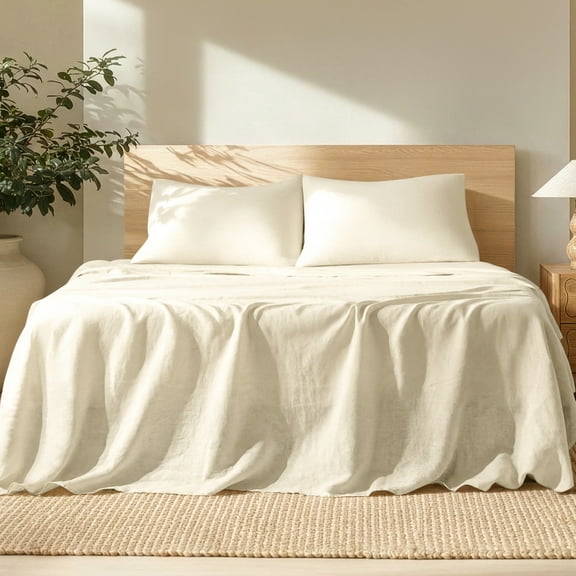
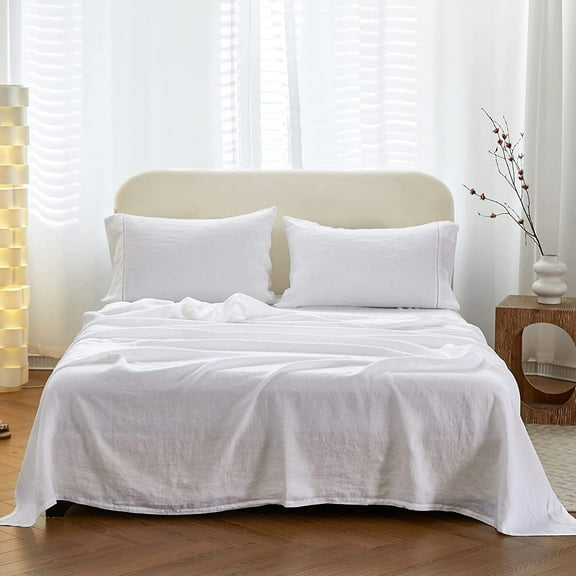
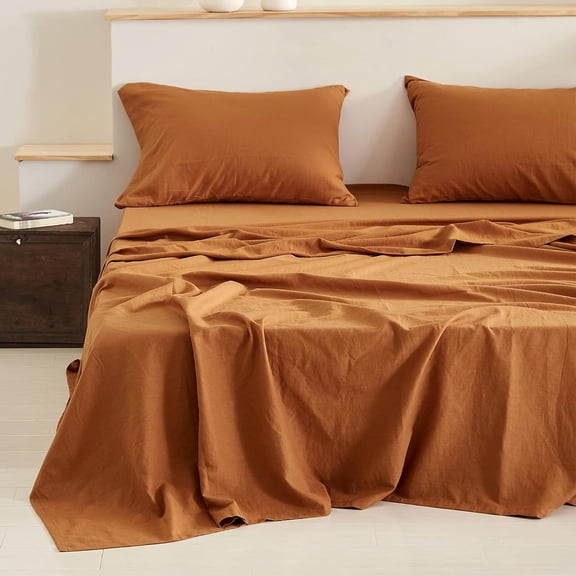
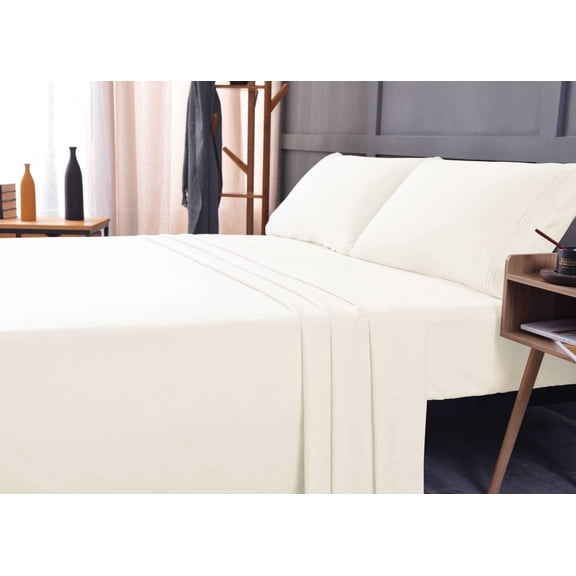
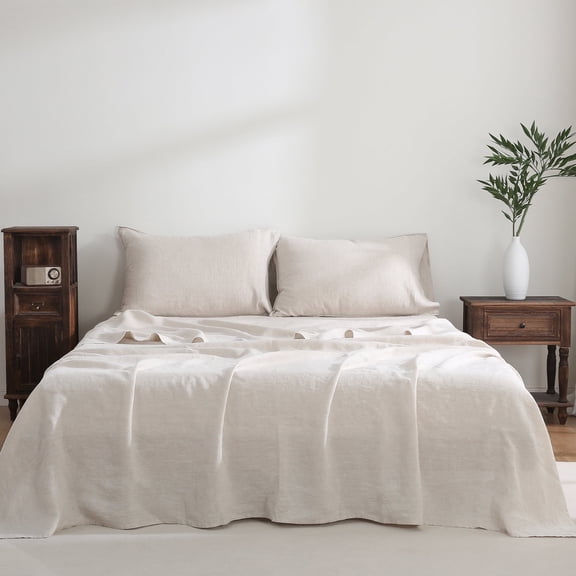
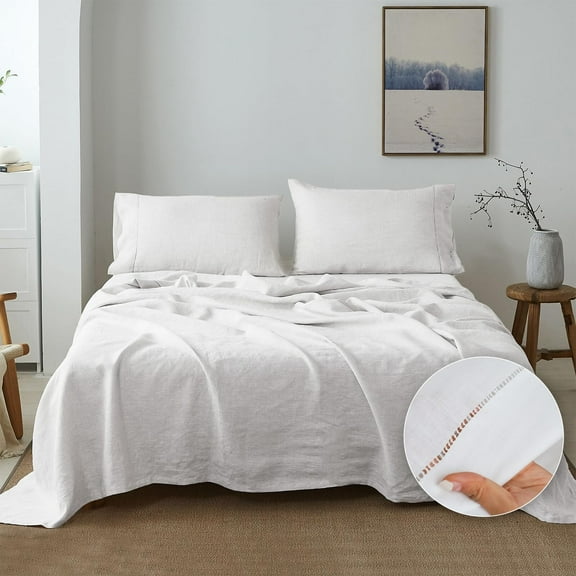
When your room mixes neutral colors, linen’s subtle texture can add depth without loud patterns. You can use white, ivory, gray, or earthy tones to build a calm bed that looks finished.
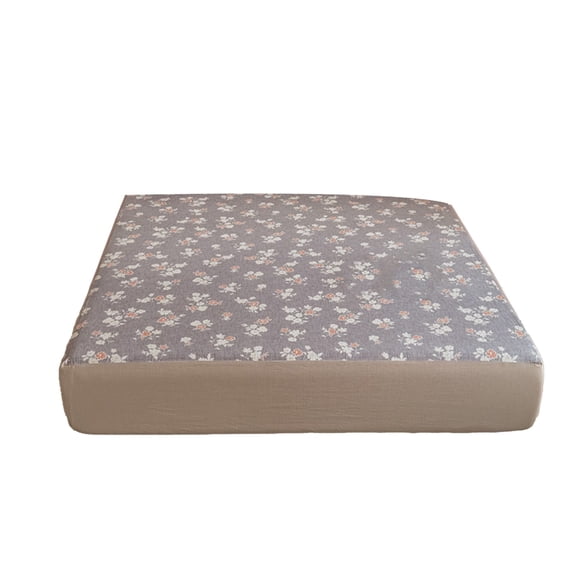
If you’re refreshing one layer at a time, separate linen pillowcases or a single fitted sheet can help you update your bed gradually. You’ll keep your setup cohesive while replacing only the pieces you need.
What to look for before you choose linen sheets
Before you decide, compare material origin, finish type, GSM, set composition, size, and pocket depth together. You’ll make a more accurate choice when you match those details to your mattress and preferred hand feel.
Linen sheets work especially well when you want breathable texture, flexible layering, and a relaxed bed that softens with use. You can feel confident choosing a set that fits your mattress, your styling goals, and your everyday routine.