

Flexible Rulers in Rulers, Compasses & Protractors





























About Flexible Rulers in Rulers, Compasses & Protractors - Walmart.com
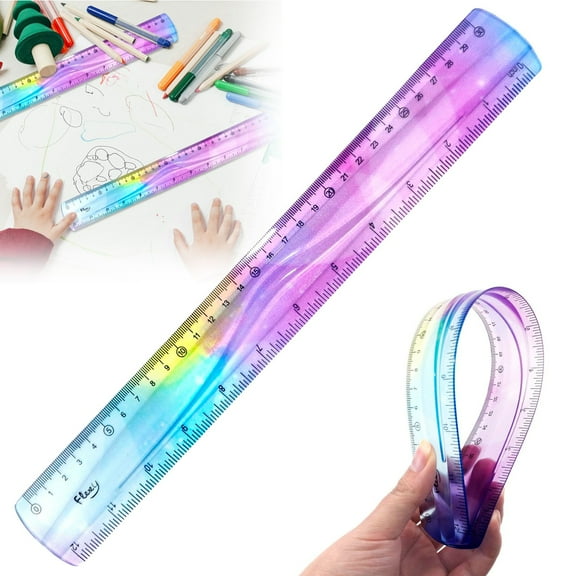
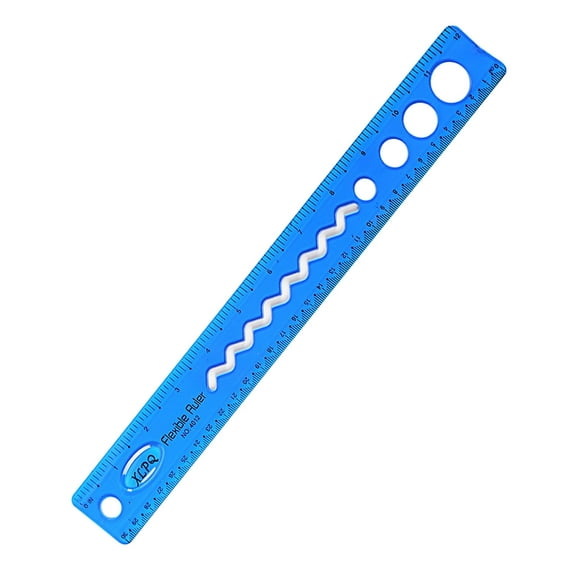
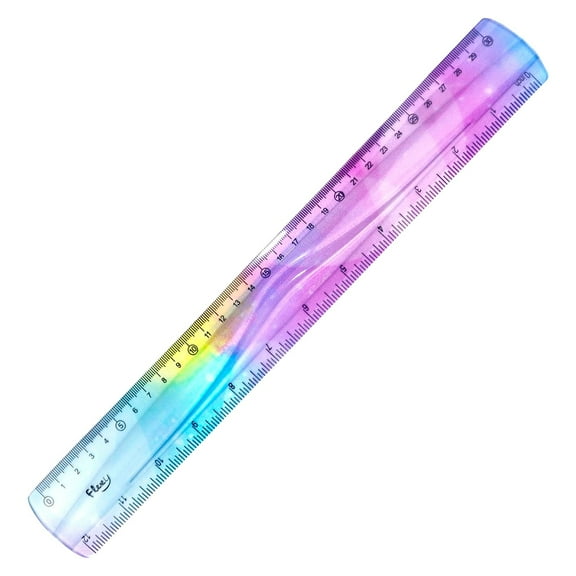
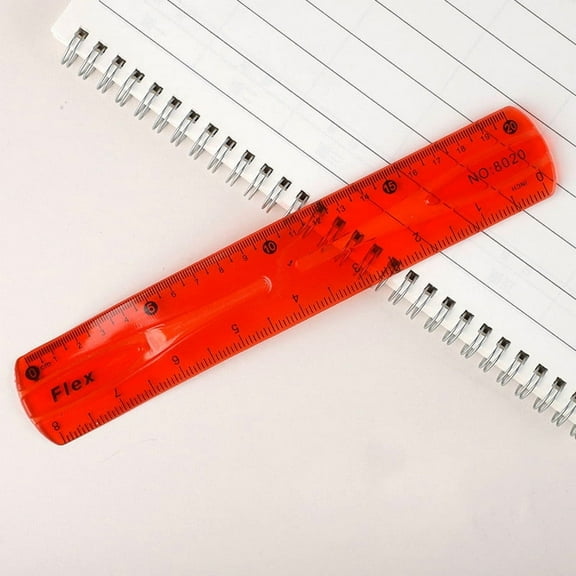
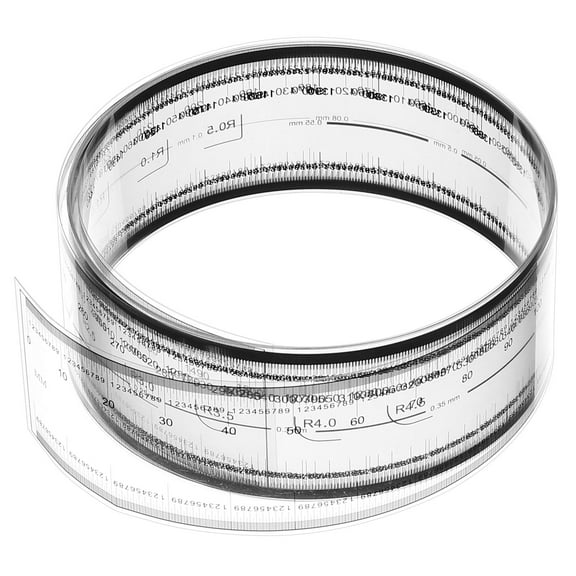
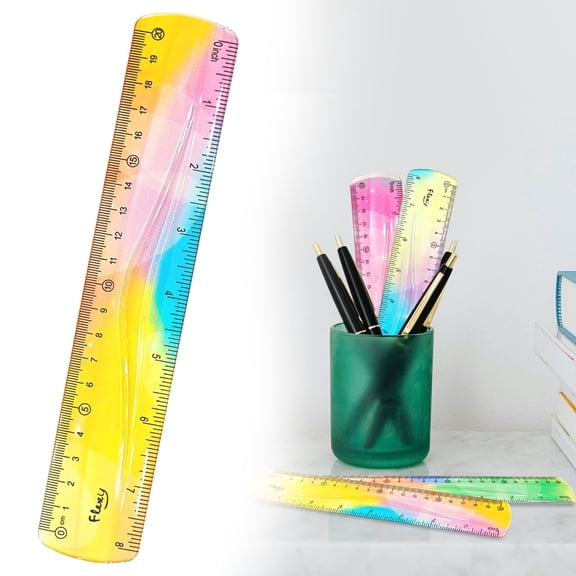
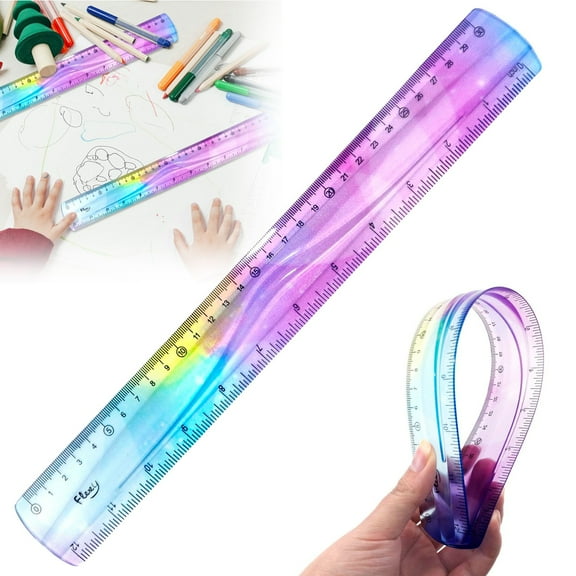
Flexible rulers help you measure straight lines and curved surfaces with less cracking, making them useful for school, office, and creative tasks. You can compare materials, lengths, markings, and flexibility levels to match the way you work or learn.
When you need a ruler that bends instead of snapping, you can focus on durability and control during daily use. You’ll also find options that support tracing, drafting, and backpack carry without the rigid feel of standard rulers.
How to choose flexible rulers by material
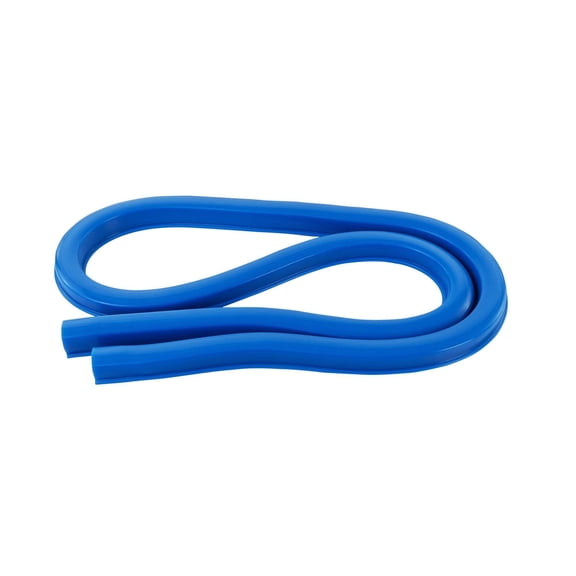
You should start with material because it affects bend, grip, and how the ruler handles repeated use. You can compare plastic, silicone, vinyl, and rubber based on stiffness, transparency, and classroom needs.
If you want plastic flexible rulers, you’ll often notice clear bodies and crisp printed lines for easy alignment. If you want more twist and grip, you may prefer silicone, vinyl, or rubber styles.
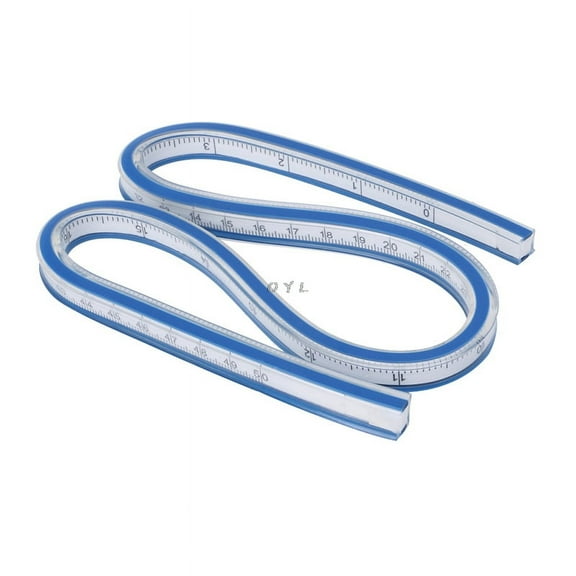
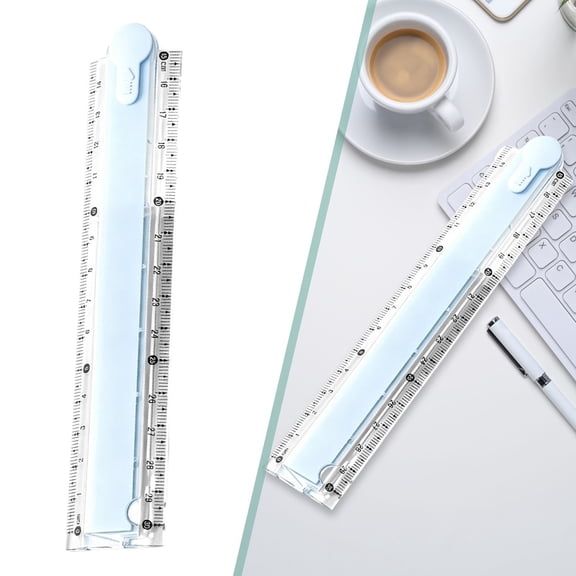
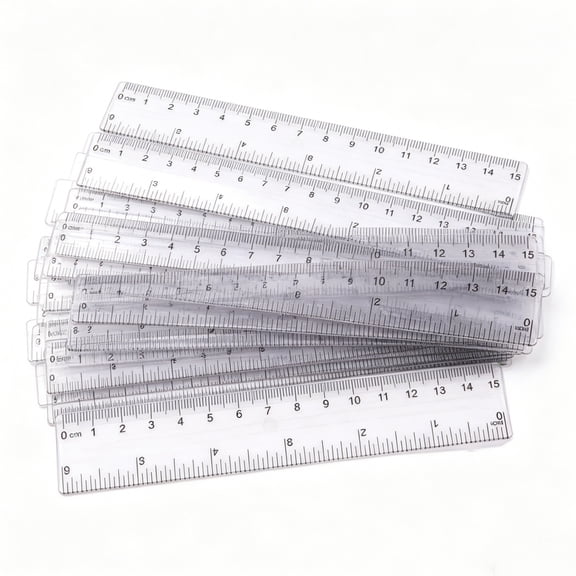
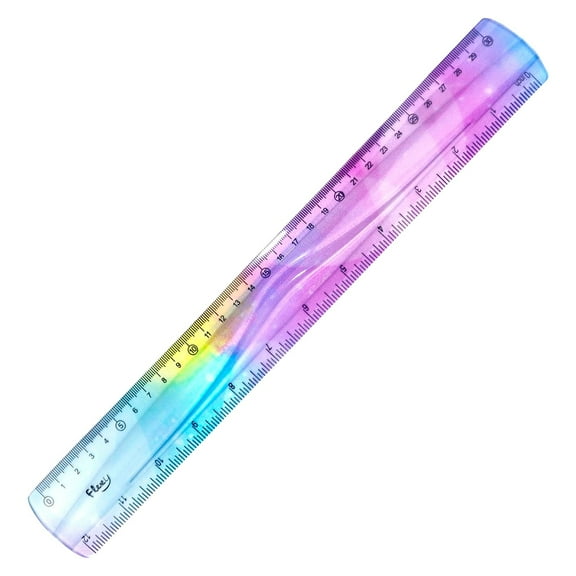
You can use clear flexible ruler options when you need to see text, paper edges, or curves underneath. You can choose opaque styles when you want stronger contrast against light work surfaces.
- You can pick plastic for familiar straight-edge measuring and easy marking visibility.
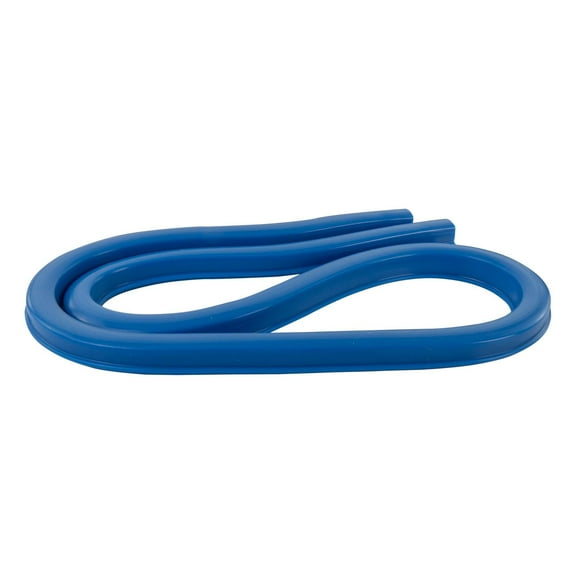
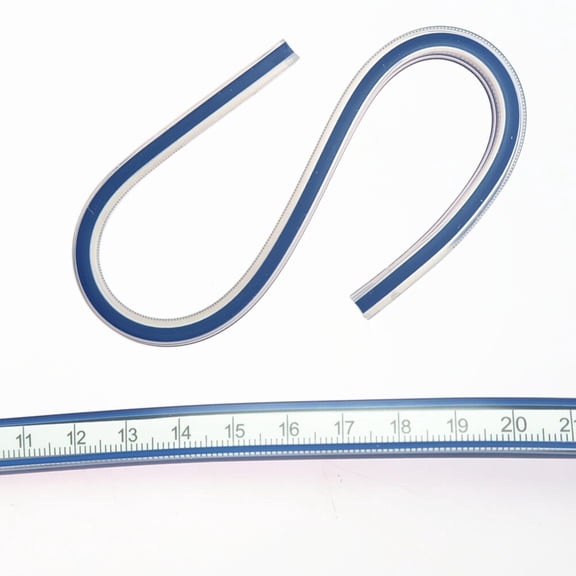
- You can choose silicone, vinyl, or rubber when you want extra bend for curved objects.
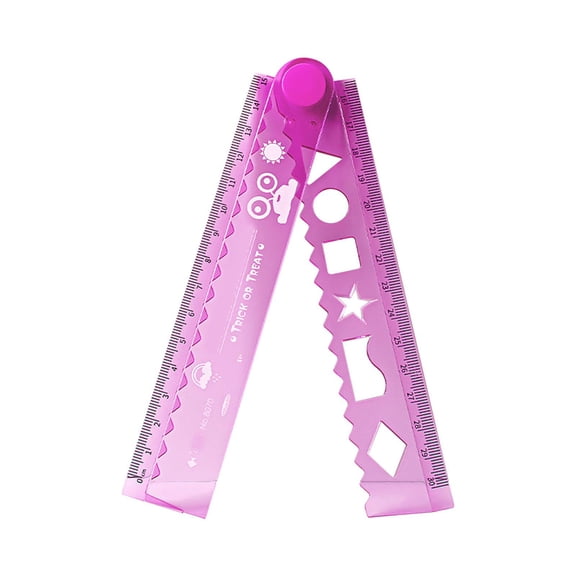
- You can look for smooth edges when you want a ruler designed for younger students.
- You can compare clear and opaque finishes based on tracing and line placement.
Choosing length and units for a 12 inch flexible ruler
You should match ruler length to your desk, pencil case, and common assignments. You can choose a 12 inch flexible ruler for full-page schoolwork, or pick shorter sizes for compact storage.
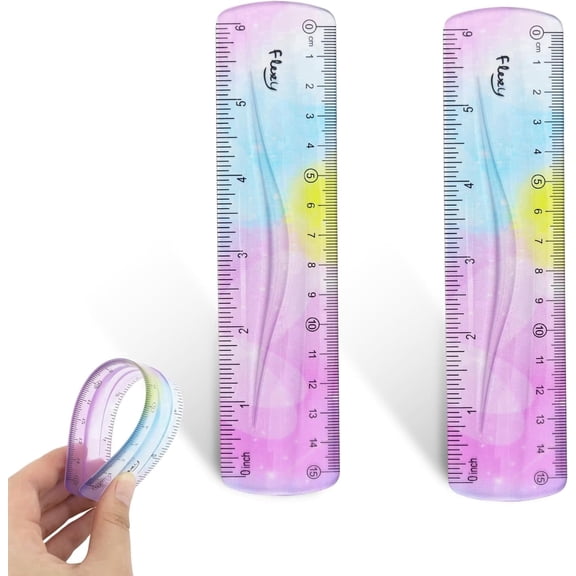
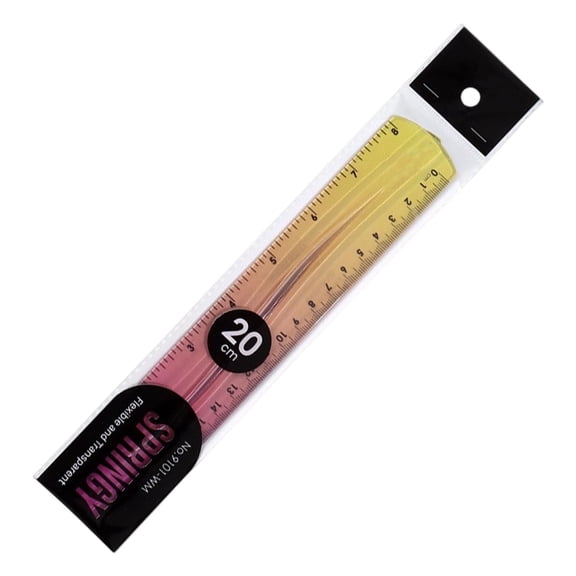
If you handle notebooks, planners, or small craft pieces, you may like six-inch or 15 cm sizes. If you measure worksheets, folders, or larger layouts, you may prefer 12-inch or 30 cm lengths.
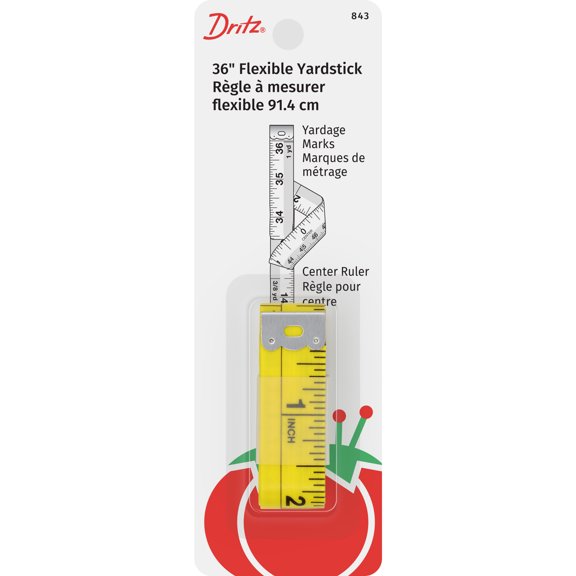
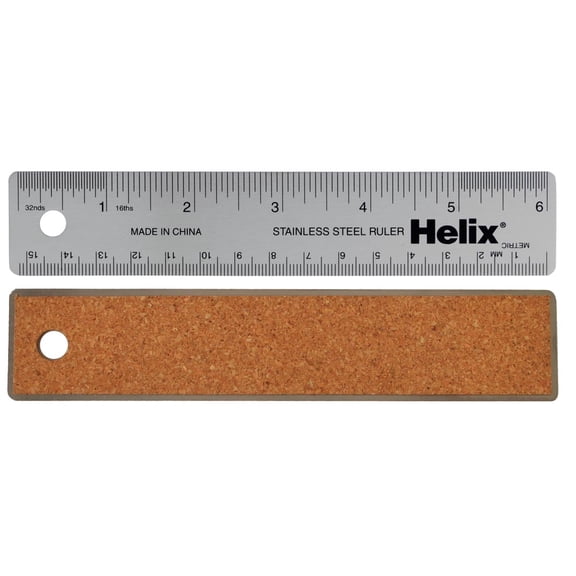
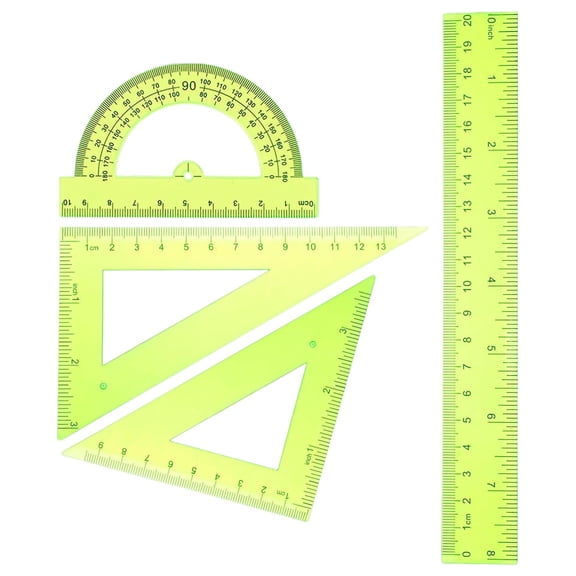
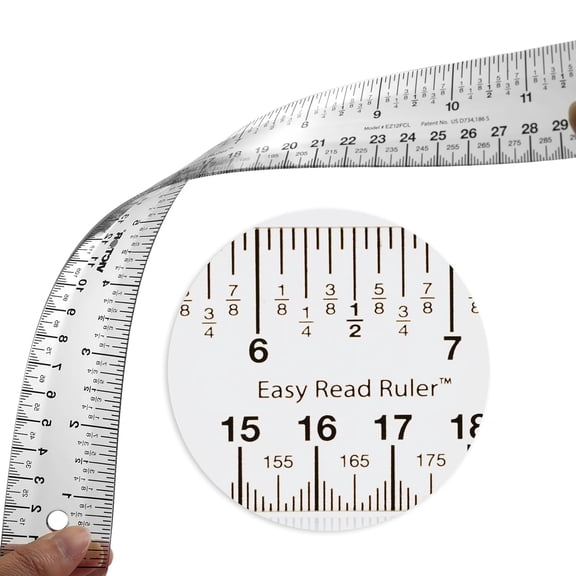
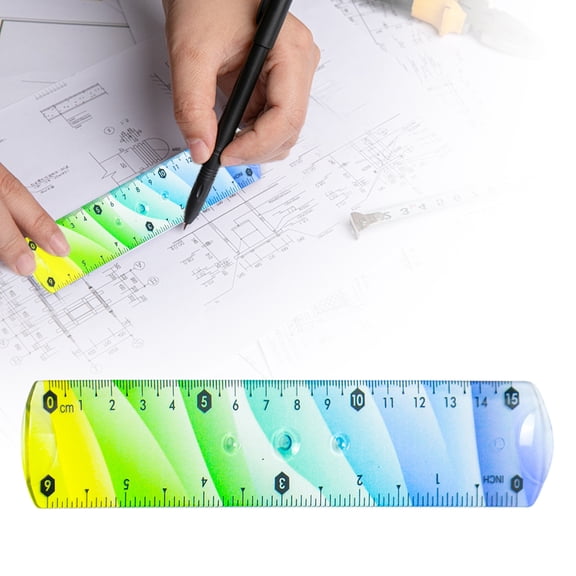
You’ll want to check whether your ruler shows imperial and metric markings, especially for mixed classroom or office tasks. You can also choose inches only or metric only when your work follows one system.
When you compare measurement readability, you should look for dark markings, evenly spaced ticks, and easy-to-follow numbering. You’ll notice dual scales help when you switch between inches and centimeters on the same project.
What to look for in bendable rulers and shatterproof rulers
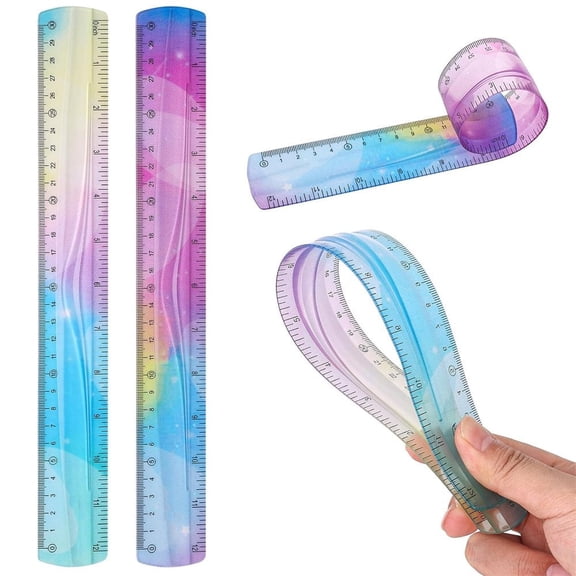
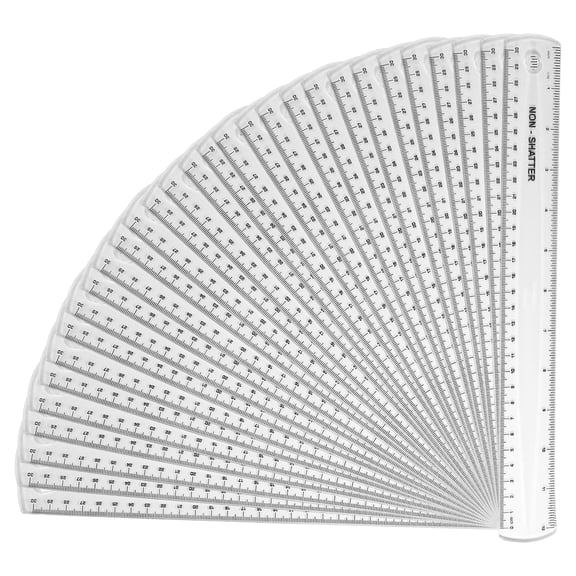
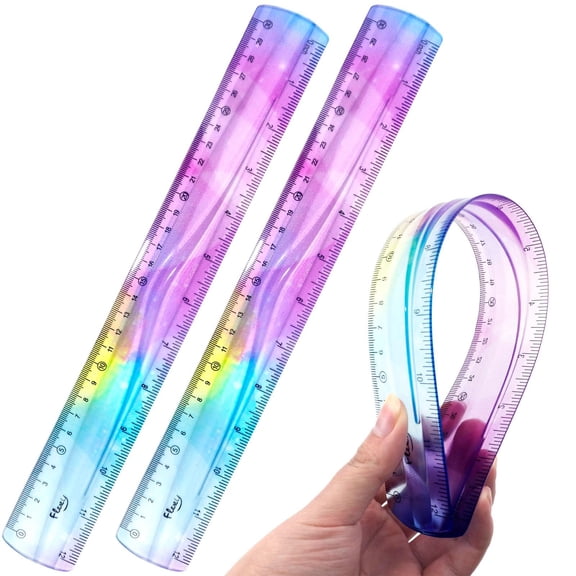
You should compare durability terms carefully because bendable rulers and shatterproof rulers can feel different in your hand. You can use bendable styles for curved measuring, while twistable designs may offer more flex during transport.
If your ruler moves between desks, lockers, and backpacks, you may want a heavy-duty body that resists daily wear. You can look for material composition details that explain how the ruler bends without feeling flimsy.
You’ll also want smooth edges and easy handling when you’re choosing for students. You can focus on child-friendly design details that support comfortable grip and routine classroom use.
For drafting or tracing, you should check whether the edge stays steady while the body flexes. You can get cleaner placement when the markings remain readable even after repeated bending.
Matching flexible rulers to school, office, and creative use
You can use flexible rulers for back to school lists, especially when you need supplies that fit active classroom routines. You’ll appreciate a ruler that slips into binders or pencil pouches without the rigid bulk.
If you work in an office, you may use flexible rulers for forms, filing labels, and quick desk measurements. You can keep one nearby when you need inches and centimeters without switching tools.
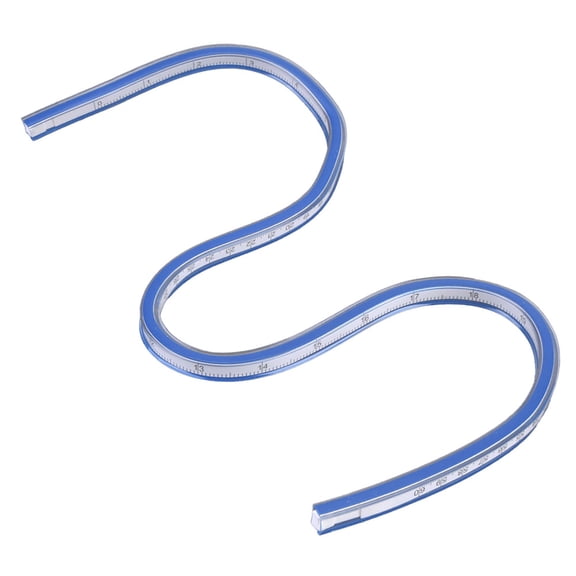
For art and crafts, you can use a clear flexible ruler to trace curves, border shapes, or layered paper designs. You’ll find flexible edges helpful when you measure around jars, fabric pieces, or rounded surfaces.
If you compare use cases by age and task, you should measure how much bend you actually need. You can choose lighter flexibility for standard writing work or more twist for travel and creative projects.
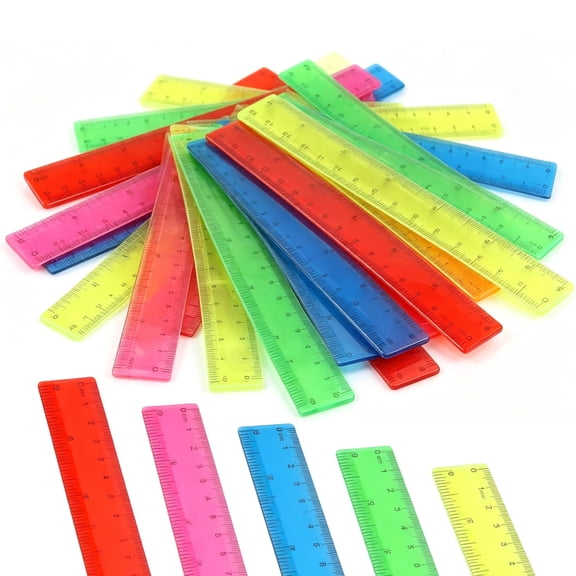
When you’re buying for classrooms, you may want matching lengths and dual-unit scales for easier instruction. You can simplify supply lists when students use the same format across math, art, and science activities.
How flexible rulers support everyday measuring
You can narrow your choice faster when you compare material, length, durability, and units together. You’ll get more useful everyday measuring when your ruler bends comfortably, reads clearly, and fits your routine.
Whether you need bendable rulers for schoolwork or a clear ruler for tracing, you can choose with more confidence by focusing on those decision points. You’ll end up with a tool that handles curves, storage, and repeated use with less hassle.