




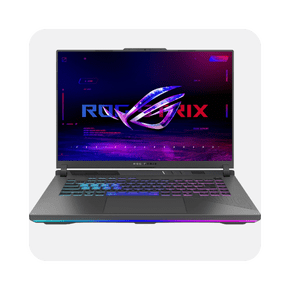

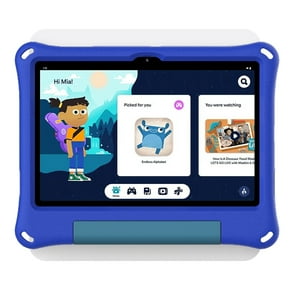
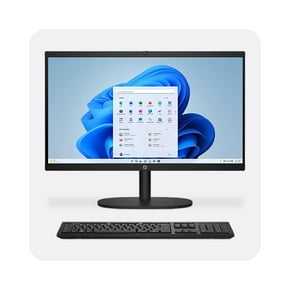


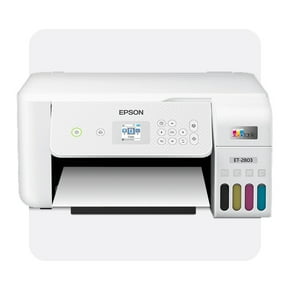




































Computers Laptops Tablets Accessories Selection
Headphones by Brand
- Apple Airpods
- Beats by Dr. Dre
- Sony Headphones
- JLab Headphones
- onn. Headphones
- JBL Headphones
- Skullcandy Headphones
- JVC Headphones
- Samsung Headphones
- Senheiser Headphones
- Soundcore by Anker Headphones
- LG Headphones
- Panasonic Headphones
- Jabra Headphones
- Shokz Headphones
- Bose Headphones
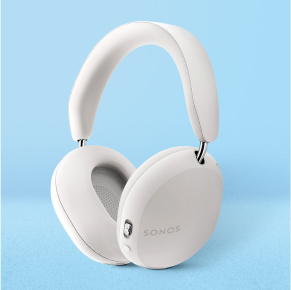
- Sonos Headphones
Shop by category

Delivery in as fast as 1 hour*
New MacBook Neo
Shop nowFrom
$
699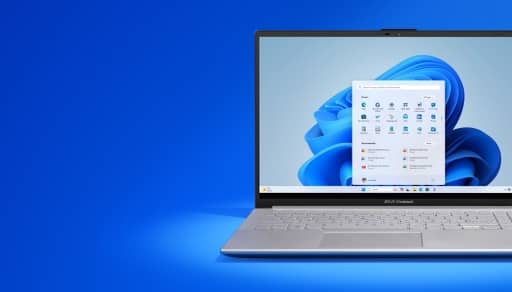
Genius-level computer Deals
Shop Deals
Tech accessory Deals
Shop Deals
Restored computers
Shop now
The latest from Apple
New iPad Air with M4 chip
Shop nowFrom
$
722Power up your Deals
Laptops, desktops & more.
Don't miss these





HPHillside PlanterLenovoDellASUSMSISamsungGJXAppleNOBRANDAcerCengQingHonghongMicrosoftSkytech GamingHoengagerYajisiSuodokaUnbrandedHoxiplZMNGDOQDczpwoermaEmpowered PCGuangLvvHannLkKUIULSTWRVIFLARNRIANKIBkgifegrColorfireSatechiSUKVPSIxuanqing storeDEEPCRAFFENDALDMVonnRiouseryAXTQHCyberPowerPCe10EvounicHYongzengLIEFDELYNLiteVisXiaomiNFTIGBNobandTimoomWEUVEBAestriCOLORROOMLogitechNimoOunonaSihohantwocowerVowenWTUERNEAmketimafvbhtyGO360BOOTHJNPOGKENIIQPYJDMAStaples TECHSTGAubronUxcellVORALYNAjazzATTACK SHARKBelkinCallskyCiwanningCOMPUKASGenericiBUYPOWERKumeeLGLumavelynM BuderMoxalcOralikeSanDiskSOPOTUTUThundeRobotTITAN ARMYUODEGAWASRUYIXUBIYMAlvorynAsterOutdoorBESTYASHDJiEXDorleekEhui GlobalemdiqzsEverRootFUEENIRVAHAMPPLIESHBMYNHONMEETJWEIBKKinuputeKoolsooLiquipelLOLIPPYYLSIRCMFIGIGKMINISFORUMMntpdpMWENexvoroiNovadealOmnihilOnikuma GamingPTOOTPRazerRedragonSeaYhStarforgeSWETRACET-WOLFUWNRBGVerbatimXIBUFEACASISAddOnAIGAMEPCAileztAlienwareAnkerAURARMLETAvdolwbeibeiBenQBrikzdvBULANUOcanlarrizCasavoDataLockerELAYARDElecElite Custom PCEverGrowEYOOSOEYYFENGGUIQUFOMIYESGeneralGMKtecGreatvoellHealiftyHEANUJJHEATSHAKINGHelioBloomHgubdvhvfxhzvHytroveINGNOKiWindlakeLogitech GMloongMobutofuMOSISOMotoCypherMoveutiaMSLSTMNextCheerNUOLUXOuliiPerixxPyimgusQehiQENASHAINGREIXCARENACLIPYReturvaRUQLKFSHIMELESOTSUStaplesStaplesTECHSzoryTCLTECKNET BASICSUMUTOOViewSonicWarmFuPalaceYUYUETIMEZ-EDGEzihaoZilka POD360 SPB360SPB4XEMAbbracciaacdancACEMAGICAconicADEYZAdifare
New arrivals
Uses external data. Price when purchased online














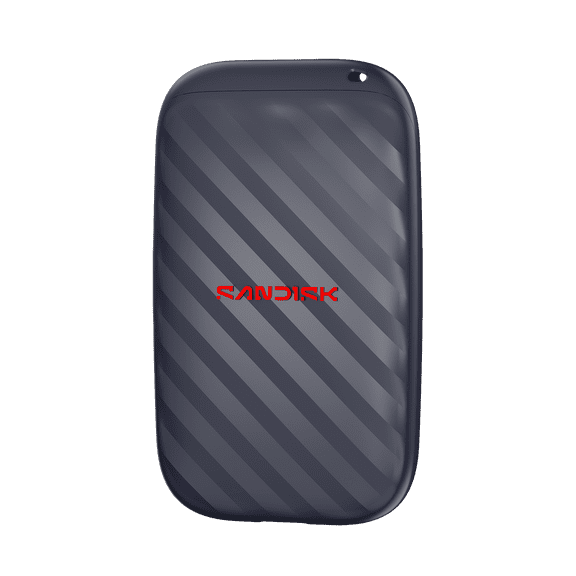
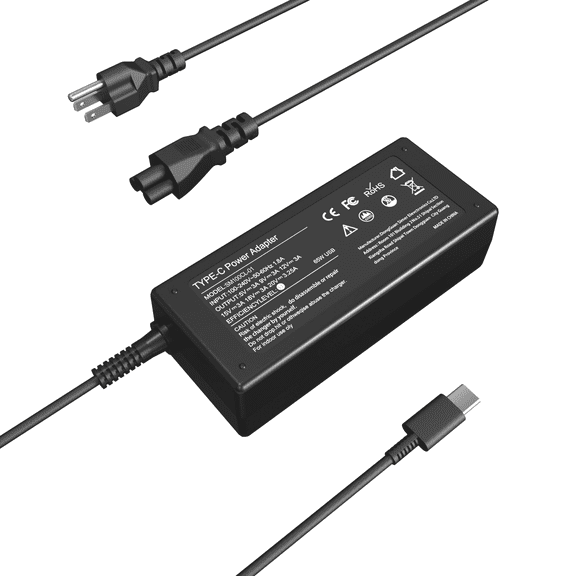

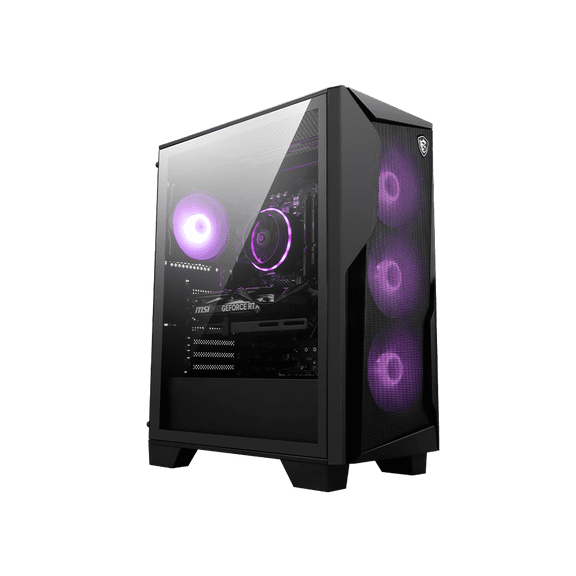
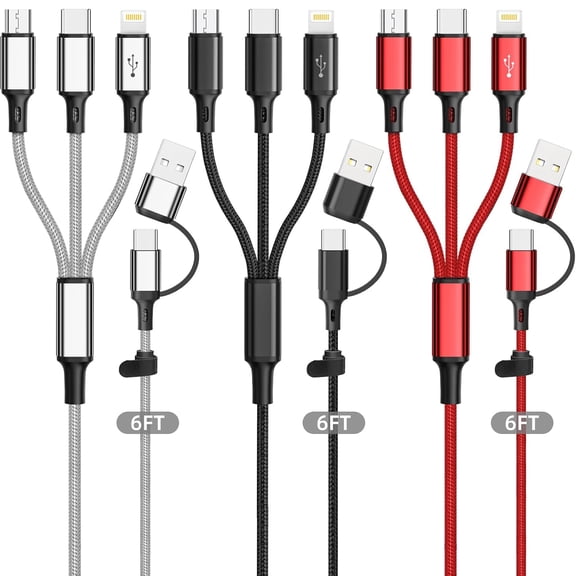


![MFIGIGK 20W USB-C Fast Charger [2 Pack 6.6FT Cable] – Dual-Port QC + PD 3.0 Power Delivery Charging Block Compatible with iPhone 17/17 Plus/17 Pro Max/16/16 Plus/16 Pro Max/15 Pro Max/iPad Pro](https://i5.walmartimages.com/seo/MFIGIGK-20W-USB-C-Fast-Charger-2-Pack-6-6FT-Cable-Dual-Port-QC-PD-3-0-Power-Delivery-Charging-Block-Compatible-iPhone-17-17-Plus-17-Pro-Max-16-16-Plu_bc04de64-46a0-4635-95e5-0add74703b88.0aaf184d34240418785915fb33620cb4.png?odnHeight=576&odnWidth=576&odnBg=FFFFFF)
![Blue, variant on MFIGIGK 20W USB-C Fast Charger [2 Pack 6.6FT Cable] – Dual-Port QC + PD 3.0 Power Delivery Charging Block Compatible with iPhone 17/17 Plus/17 Pro Max/16/16 Plus/16 Pro Max/15 Pro Max/iPad Pro](https://i5.walmartimages.com/asr/4158ded8-550d-4de3-9f52-25938ca3d044.2d112a280e0ec9c9e8b617a33fb29c8a.png?odnHeight=30&odnWidth=30&odnBg=FFFFFF)
![Orange, variant on MFIGIGK 20W USB-C Fast Charger [2 Pack 6.6FT Cable] – Dual-Port QC + PD 3.0 Power Delivery Charging Block Compatible with iPhone 17/17 Plus/17 Pro Max/16/16 Plus/16 Pro Max/15 Pro Max/iPad Pro](https://i5.walmartimages.com/asr/a9325bc2-d206-4835-8a3d-d50ec0f87a9a.c85e1aa091dd78c3a56b42119a1540da.png?odnHeight=30&odnWidth=30&odnBg=FFFFFF)
![Pink, variant on MFIGIGK 20W USB-C Fast Charger [2 Pack 6.6FT Cable] – Dual-Port QC + PD 3.0 Power Delivery Charging Block Compatible with iPhone 17/17 Plus/17 Pro Max/16/16 Plus/16 Pro Max/15 Pro Max/iPad Pro](https://i5.walmartimages.com/asr/14a109f2-90f8-489c-9252-5538b9bab44b.41608cc9dca4b60453dc598e2bf3246c.png?odnHeight=30&odnWidth=30&odnBg=FFFFFF)
![Purple, variant on MFIGIGK 20W USB-C Fast Charger [2 Pack 6.6FT Cable] – Dual-Port QC + PD 3.0 Power Delivery Charging Block Compatible with iPhone 17/17 Plus/17 Pro Max/16/16 Plus/16 Pro Max/15 Pro Max/iPad Pro](https://i5.walmartimages.com/asr/7abd9ba6-27a4-4685-92e5-9db3ddd6f2a4.b7ec6ce5167b4aac4fb95ee56c290049.png?odnHeight=30&odnWidth=30&odnBg=FFFFFF)









FAQ
About Computers Laptops Tablets Accessories Selection - Walmart.com
Discover a world of possibilities with our wide selection of computers, laptops, and tablets. Whether you're setting up a productive workspace, exploring creative projects, or staying entertained on the go, you'll find devices designed to match your everyday needs and ambitions. Shop with confidence knowing you're supported by Walmart's commitment to quality and convenience.
- Seamless productivity: Choose from monitors, laptops, and accessories that help you work, learn, or game more efficiently at home or in the office.
- Entertainment made easy: Enjoy immersive visuals and clear audio, perfect for streaming your favorite shows, browsing the web, or video chatting with friends and family.
- Flexible connectivity: Stay plugged in with options featuring fast Wi-Fi, ample ports, and compatible peripherals—ideal for multitasking and collaboration.
- User-friendly features: Explore devices with intuitive interfaces, enhanced performance, and thoughtful designs that make daily use smooth and enjoyable.
- Walmart service advantage: Take advantage of fast shipping, easy returns, and dedicated customer support to make your shopping experience as seamless as possible.
Upgrade your digital life with reliable technology—all in one place, only at Walmart.