

Delta ChildrenDisneyBBCOlive & OpieBlueyBig JoeLittle NestKtaxonMarshmallow FurnitureUnicornTropowOMNIBERGOlakidsFulsmileMinnie MouseResenkosHeritage ClubASINMAKCostwayBaby SharkCoComelonYrmaupsNaloneUNCAGED ERGONOMICSButterfly CrazeMarvelCanddidliikeNickelodeonGARVEEKFFKFFSesame StreetUnbrandedJack-PostPYOIERMIERESQabaGarveeHomeHaiNovaYardi YardVccoemTopcobeAmsleekeyKreyNabyygingICEELFNew Home EraCNMMPCodreamFlash FurnitureLinkRomatDASHN PRODUCTSLEHZROAJROFIELTYHAIMULICKEASEANFUNECORPModwayKelydaTopbuybaxluxeAihoImaginariumBarara KingLAZY BUDDYGenericBoupowerIsvgxszRobud2xhomeMoonbugBarbieFIRSCOOKEmily RoseShengchao TradeConvenience ConceptsSaltoro SherpiYLGJ&TIDYGVNATJafurnHomeMindfulNestivoPAW PatrolColaeynoeKaplan Early Learning CompanyPasargad HomeAmerteerCAPCAEKDECMAYElvaestherGAILDONHeritage KidsJMGJOYLnkooNOBRANDSunvasagooVornelZXFLOOVApeakaContooseDC ComicsDragonpad USAEyiseanGeetinflyIHEXKonexialLaukingdomLIZHOUMILMentariNeatifyesPeakoraPosh CreationsSkyrokuSpacoTakywepWicker Village///5 Star Super DealsACMEAdena MontessoriAFAAkaberAMOAngel SarAoileAria HomeAtaucjinAWQMBarbara BilottaBaxton StudioBean ProductsBeaumont LaneBed Bath & BeyondBenzaraBlippiBouncy BandsBroadfashionBUPPLEECake SofaCaribbean JoeChicdazeCoSoTowerCRESTA MODERND Art CollectionDeepRoarDenestdesign-skinDiamond SofaDomicareDonextDr. Seuss The GrinchEastvitaEmbraceEsquirlaExcellerationsFmxomdFOLDLIFEFrozenFurnibearGenpoGnweiGUNDGymChoiceHechoVinenHomeRootsHuisuilinssHuloretionsHXCWALHXCIMPRESSIONS VANITY COMPANYinteroknackiooHugIWMHJennifer Taylor HomeJONATHAN YKioJJpKKTREKOSSMAIKPIBESTKselythanKTENMELAMIROLausaint HomeLazsyLeadbonLeadhomLoberfveLumhomeM optimizedMAKE CHANGESMAROUTEMCQmteryoingNewboti FurnitureNSESSHomeNUM NOMSOLOVOufohomtlayOutopOUTWINDPeppa Pigpetgle



Toddler Seating Options for Comfort
Uses item details. Price when purchased online























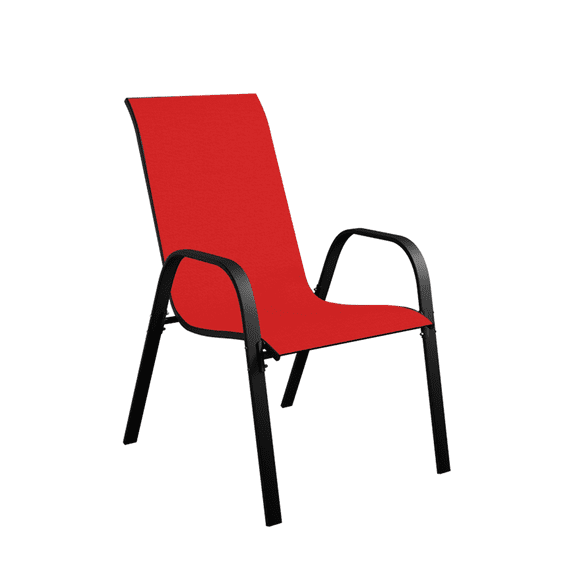
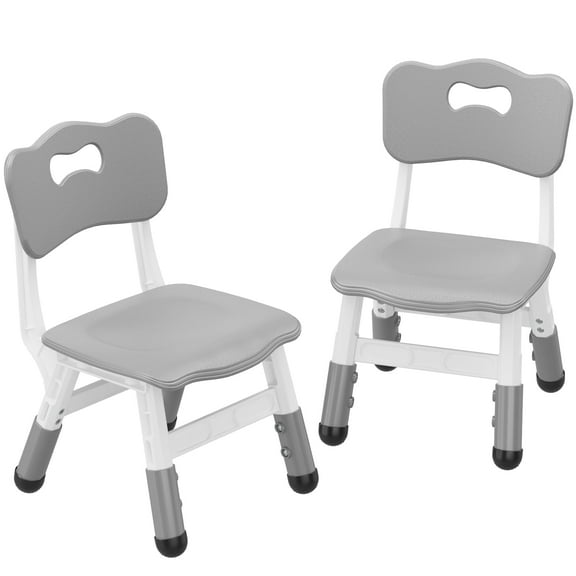


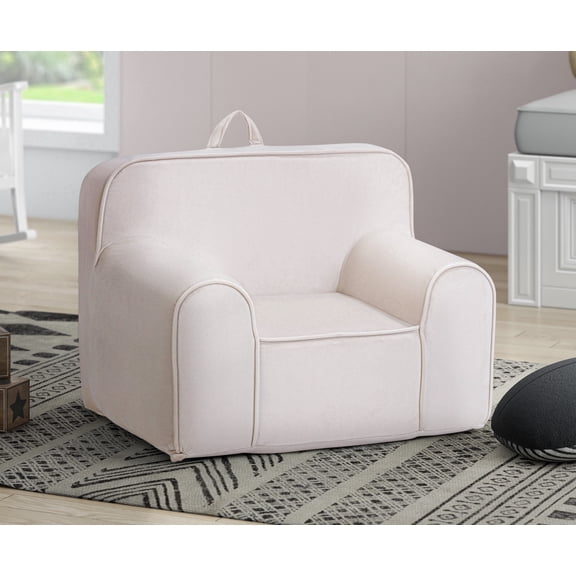


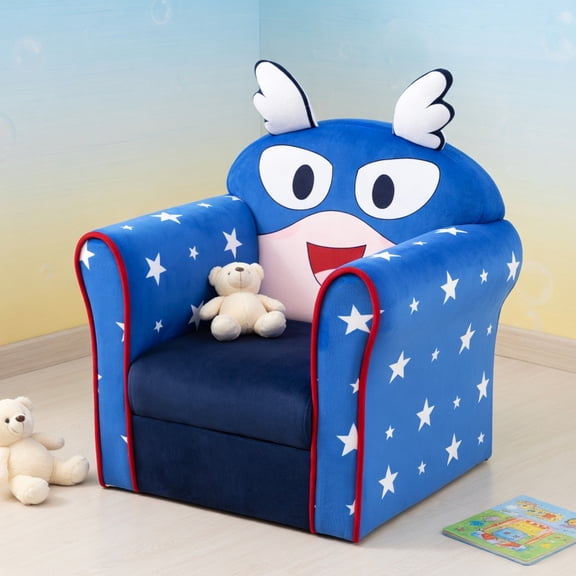










About Toddler Seating Options for Comfort - Walmart.com
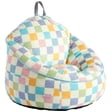
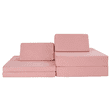
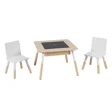
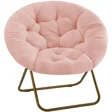
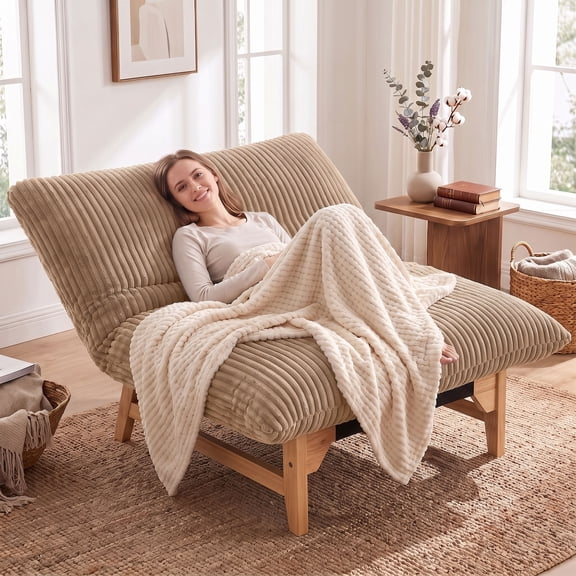
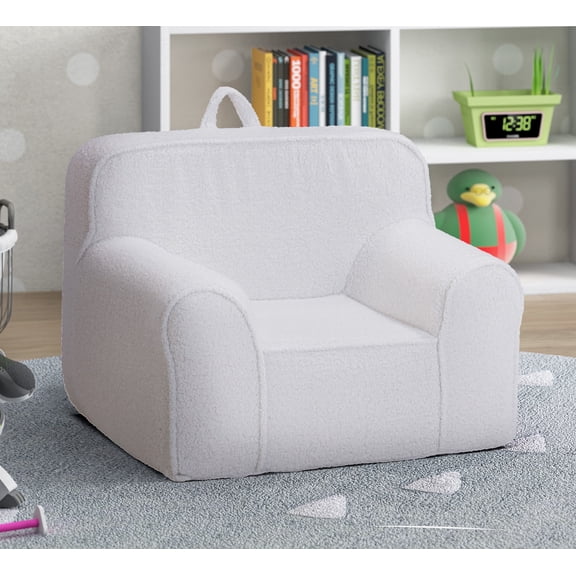
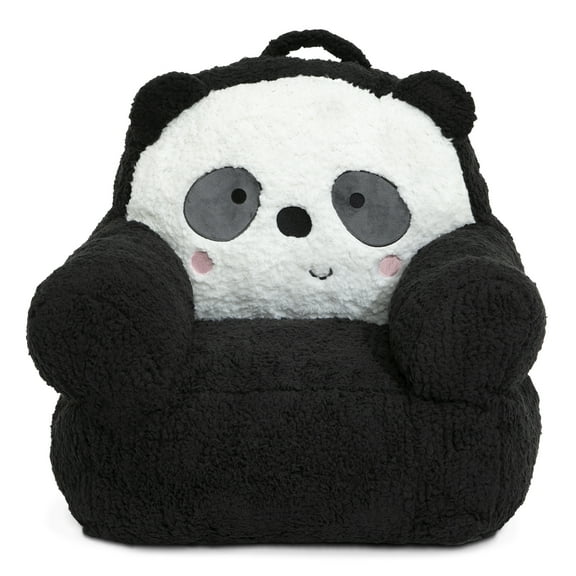
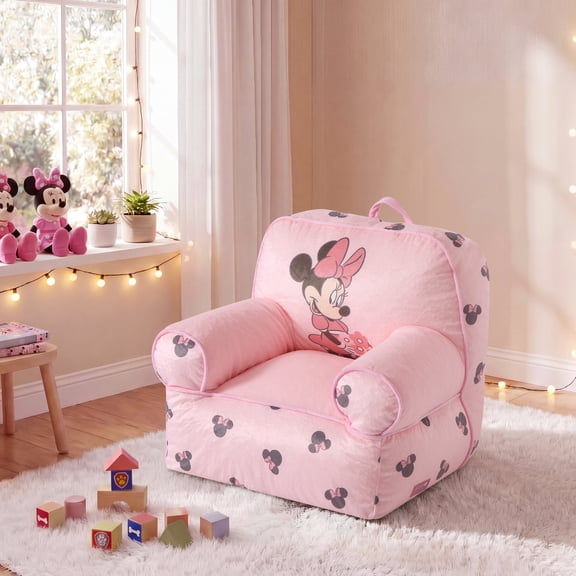
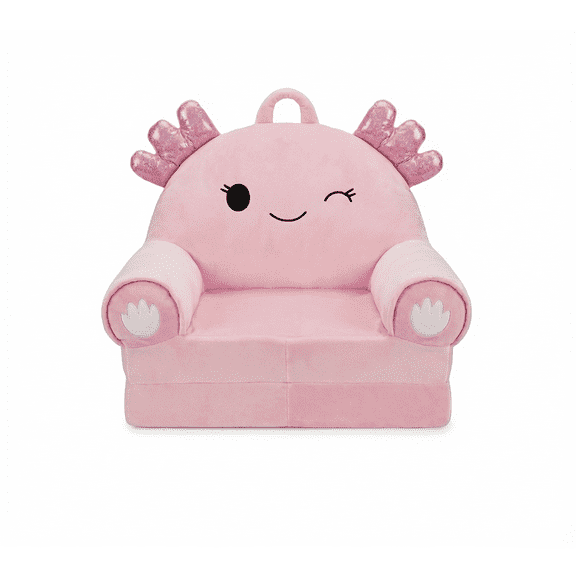
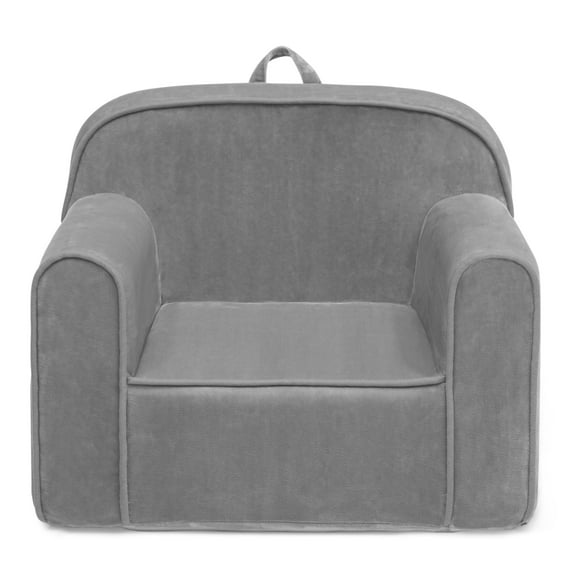
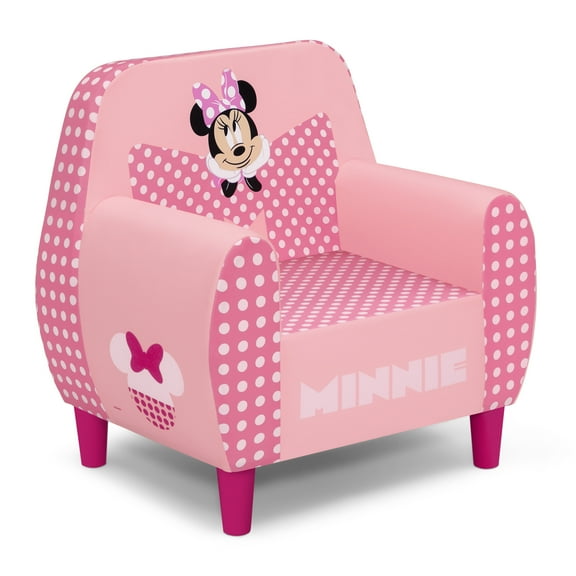
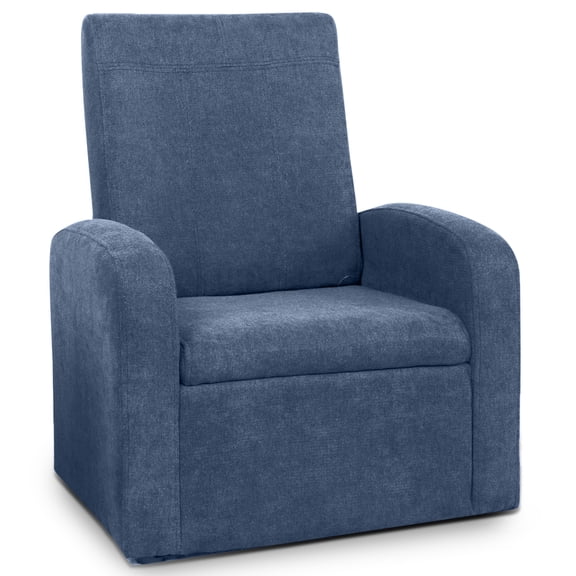
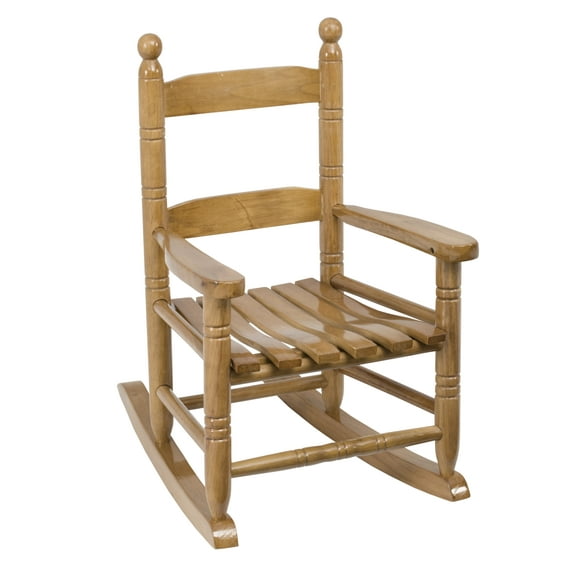
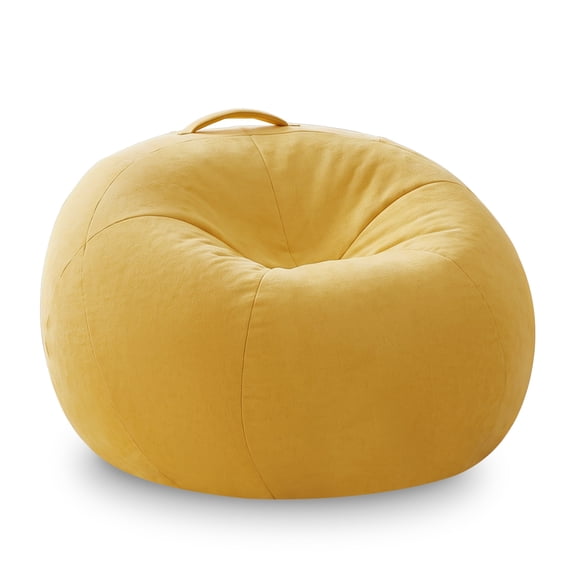
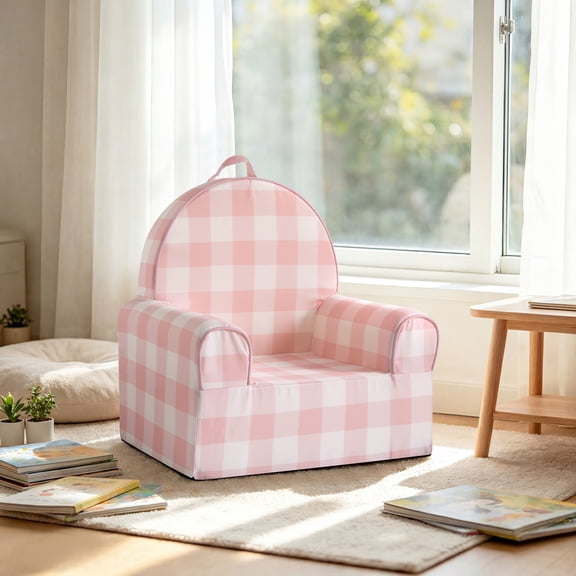
Discover a world of cozy comfort with our selection of toddler seating, designed to make your child's playtime, reading moments, or relaxation extra special. Whether you're creating a welcoming space in the living room or a playful nook in the bedroom, these soft chairs and loungers blend style and functionality for families seeking versatile seating solutions.
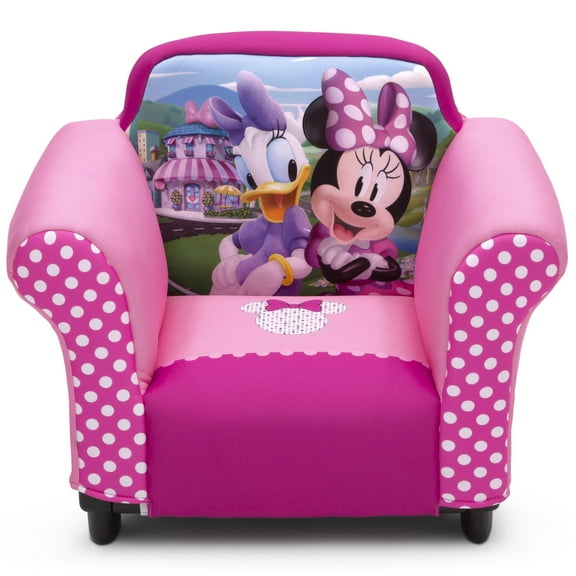
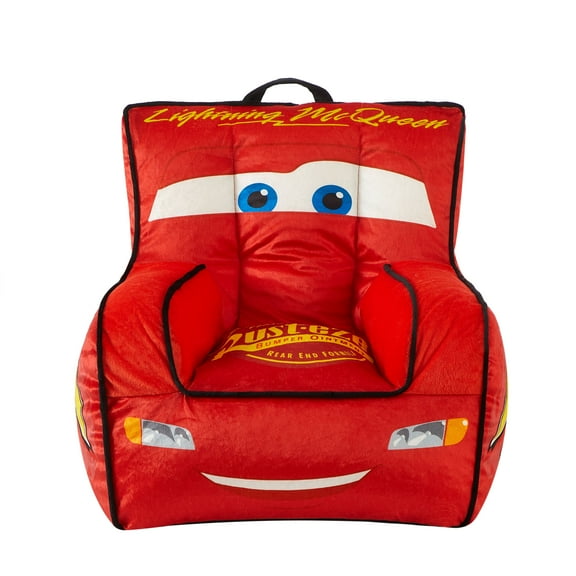
- Safe & Supportive Comfort: Crafted with plush materials and gentle contours, each seat offers a snug, child-friendly spot perfect for story time, creative play, or winding down after a busy day.
- Effortless Maintenance: Many models feature removable and washable covers, making it easy to keep your child's favorite chair clean and fresh for everyday use.
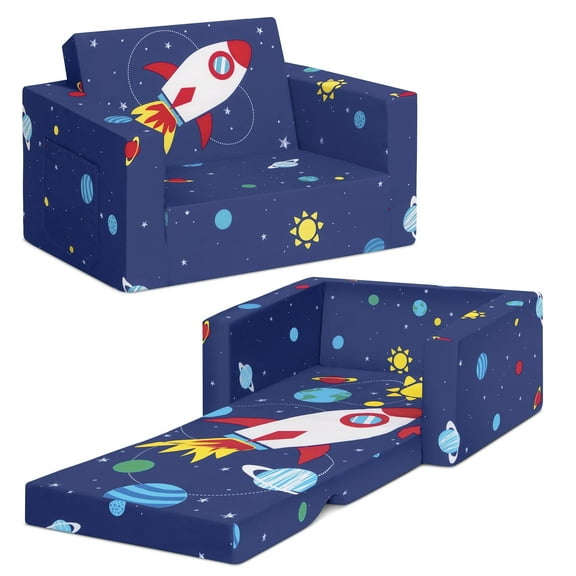
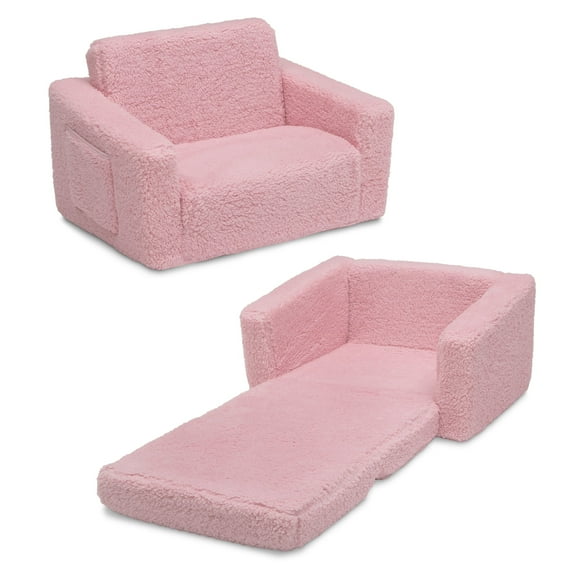
- Adaptable for Every Space: With a variety of sizes and shapes, from classic lounge chairs to convertible floor sofas, there's an option to fit bedrooms, playrooms, or shared family areas seamlessly.
- Encourages Independence: Kid-sized seating empowers little ones to have a special place of their own, fostering confidence and a sense of belonging within the home.
- Ready to Enjoy: Most chairs arrive ready to use, so you can instantly create a cozy corner without complicated setup.
Find the perfect toddler chair for your home and shop with confidence at Walmart, knowing you're choosing from quality options that help create warm and inviting spaces for your family to enjoy together.