

Door Weatherproofing in Weatherproofing

































About Door Weatherproofing in Weatherproofing - Walmart.com
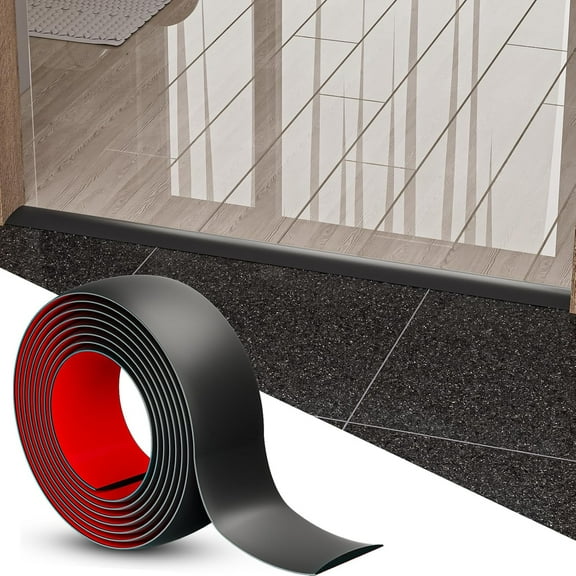
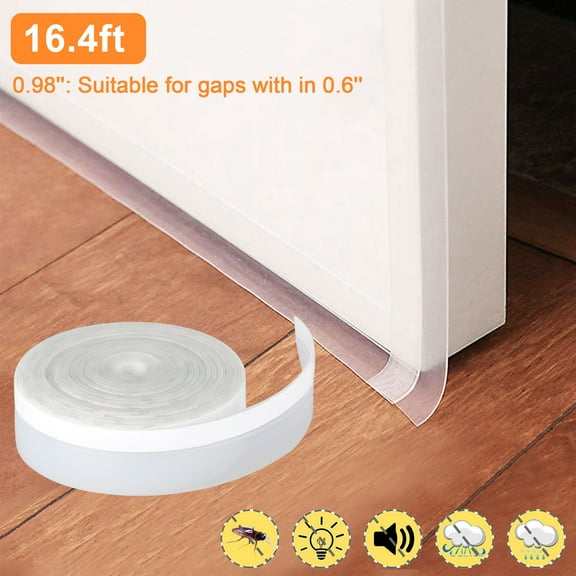
Door weatherproofing helps you block drafts, seal gaps, and make entry doors feel more comfortable through changing seasons. You can compare materials, placements, and installation styles to match the gap size and exposure around your door.
How to choose door weatherproofing
Start with the gap location, because you’ll need different solutions for the frame, threshold, or door bottom. You should also measure the gap height, since many shoppers compare spaces from 1/8 to 1/2 inch.
If your door gets heavy daily use, you’ll want a material that keeps its shape after repeated opening and closing. If your door sees lighter use, you may prefer a simpler seal that installs quickly.
Exposure matters too, because you’ll need a different setup for a front door than for an interior room. You can focus on draft exclusion, soundproofing, pest control, or waterproofing based on your space.
Choosing materials for door weather stripping
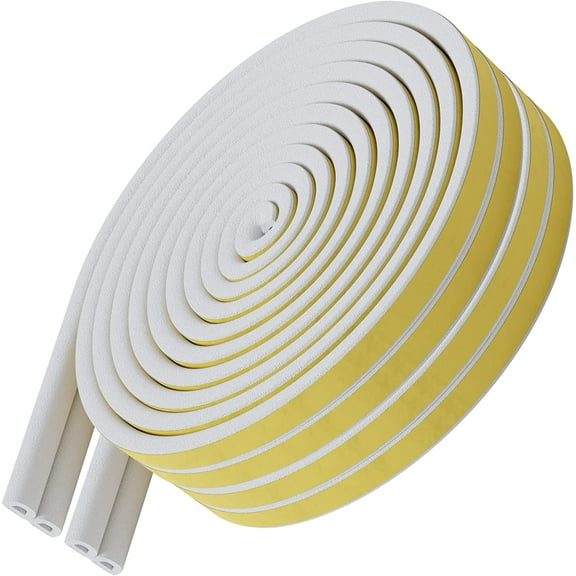
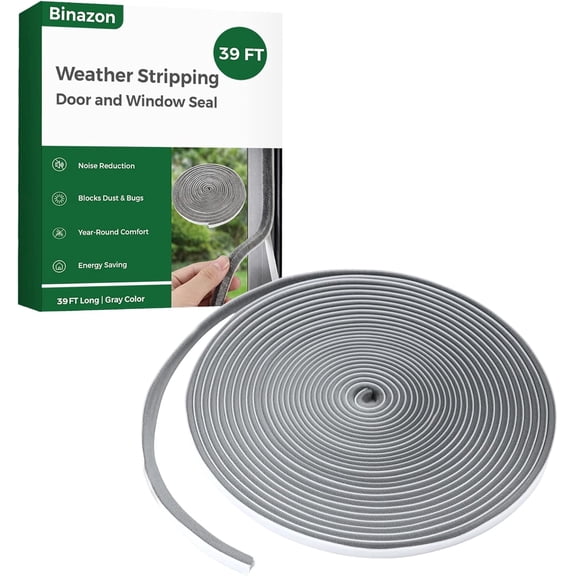
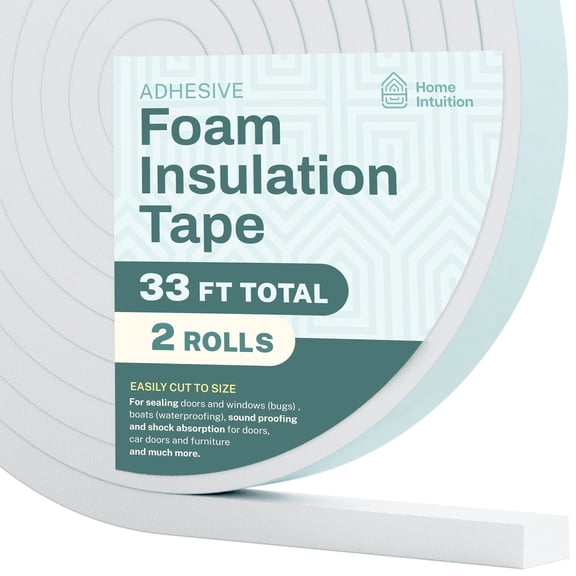
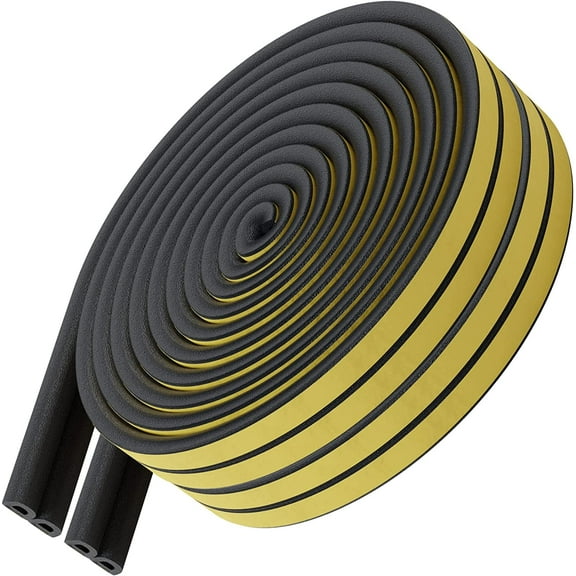
When you compare door weather stripping materials, you’ll notice each one suits a different door and traffic level. Silicone usually feels flexible in changing temperatures, while foam can help you fill small, uneven gaps.
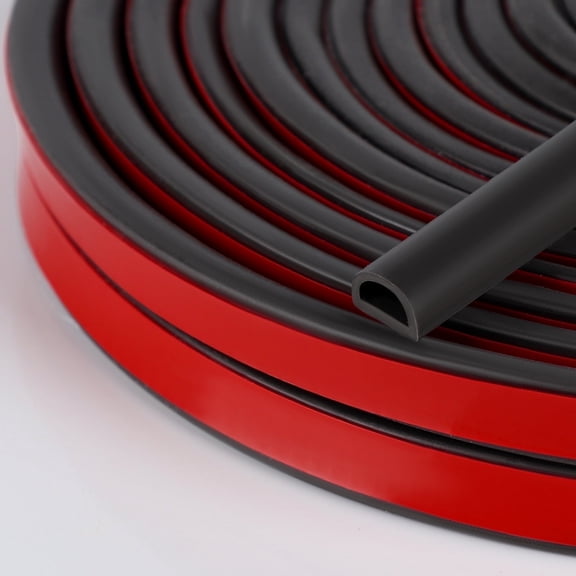
Rubber often works well when you want a sturdy seal on busy exterior doors and entry points. Felt can suit lighter-duty applications, while vinyl may appeal to you for straightforward replacement projects.
- You can use silicone when you want flexibility around changing temperatures and repeated door movement.
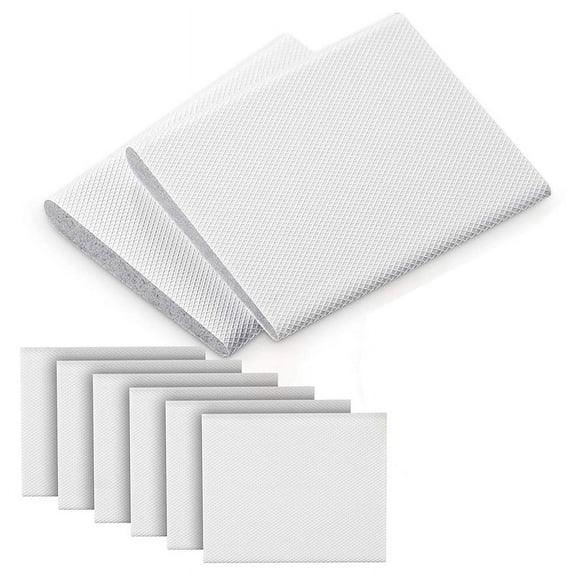
- You can choose foam when your door frame has minor irregular gaps that need a compressible fit.
- You can consider rubber when your exterior door gets frequent use and regular weather exposure.
- You can try felt on lower-traffic spots where you want a simple barrier along the frame.
- You can look at vinyl when you want a practical option for common replacement needs.
Material choice affects how the seal compresses, how it rebounds, and how often you may replace it. You’ll usually get the clearest match when you pair material with traffic, gap shape, and weather exposure.
What to look for in placement and installation
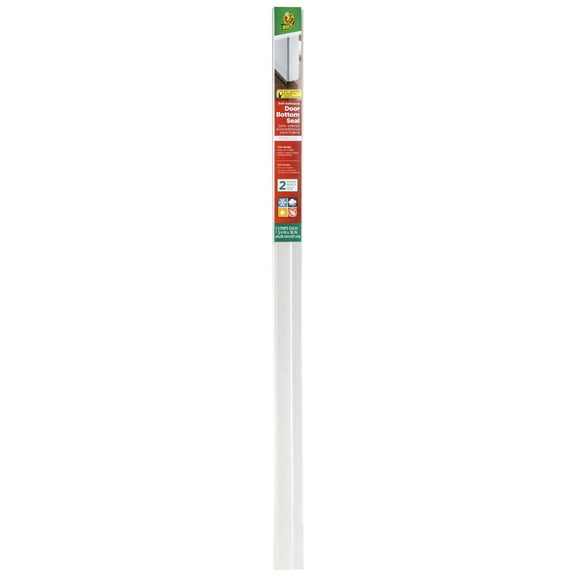
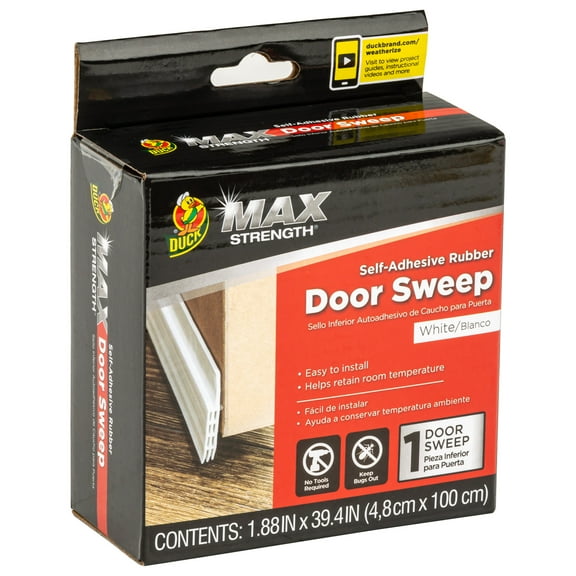
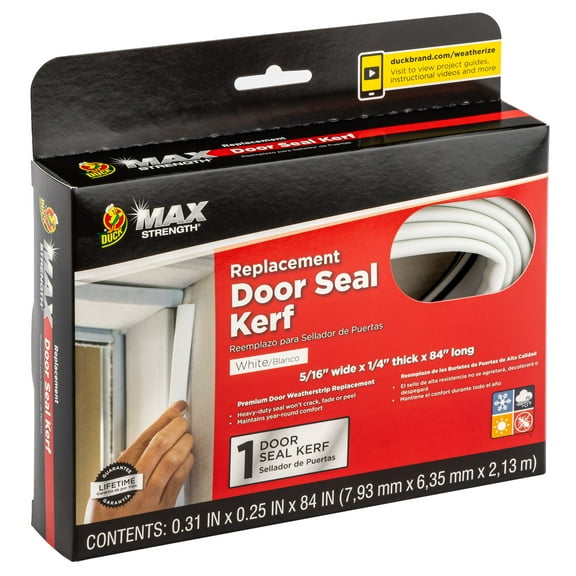
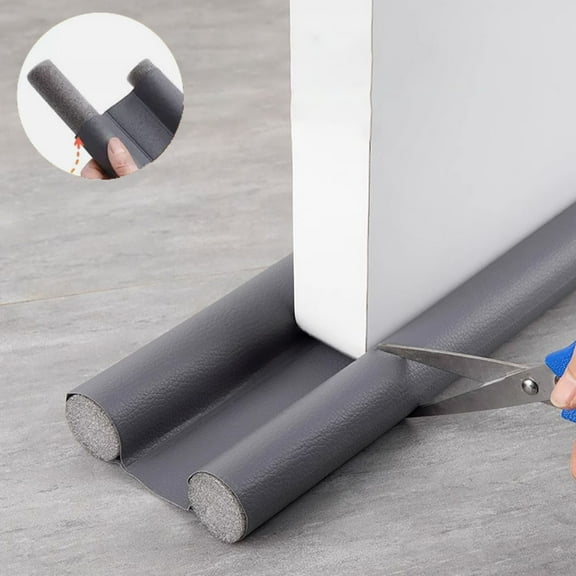
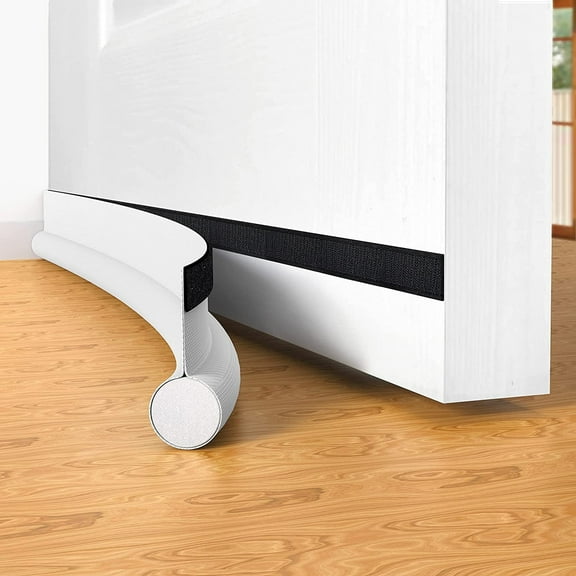
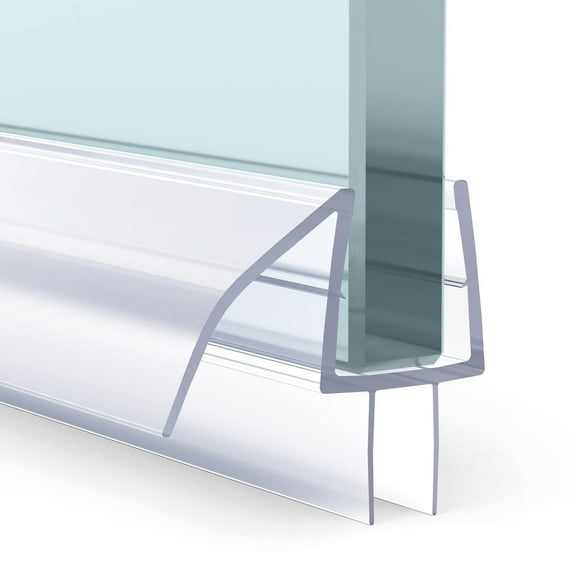
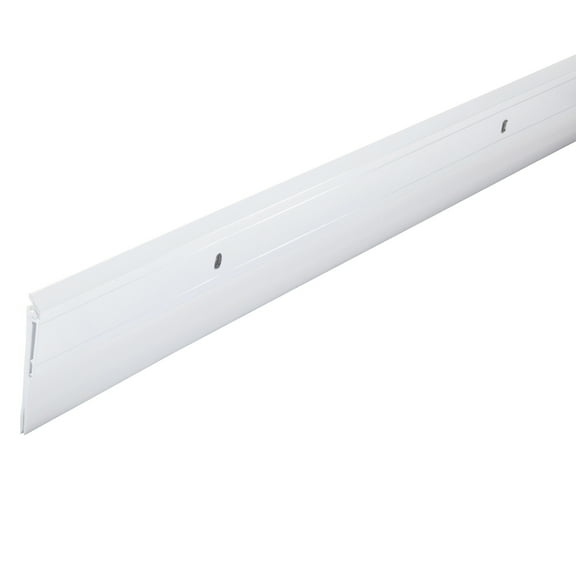
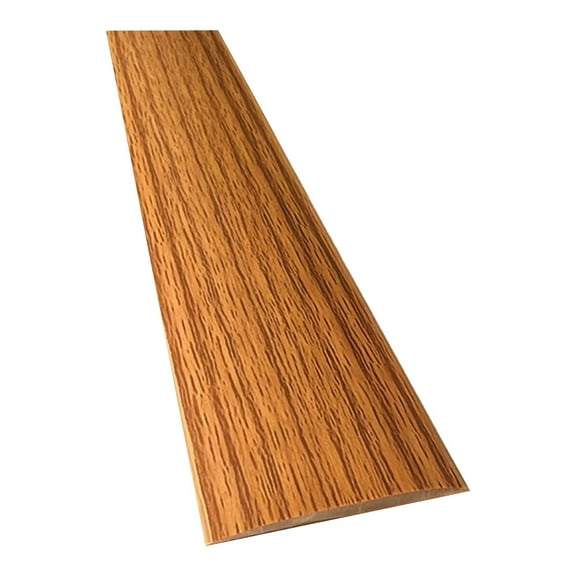
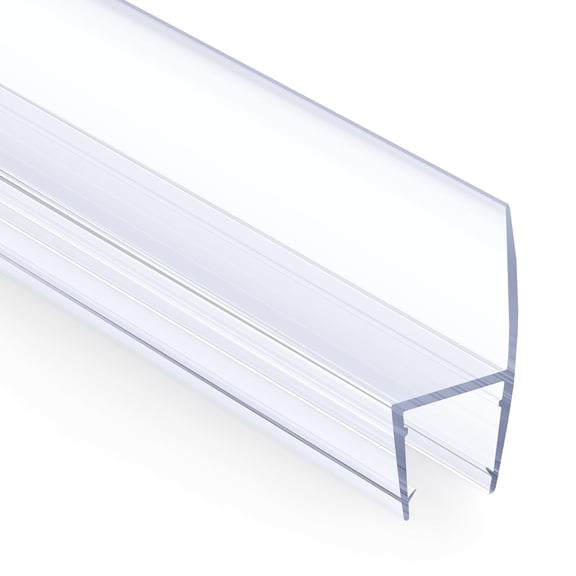
You’ll need different products depending on whether the gap sits at the door bottom, around the frame, or along the threshold. A door bottom seal helps you address the moving edge, while weather stripping for doors often lines the frame.
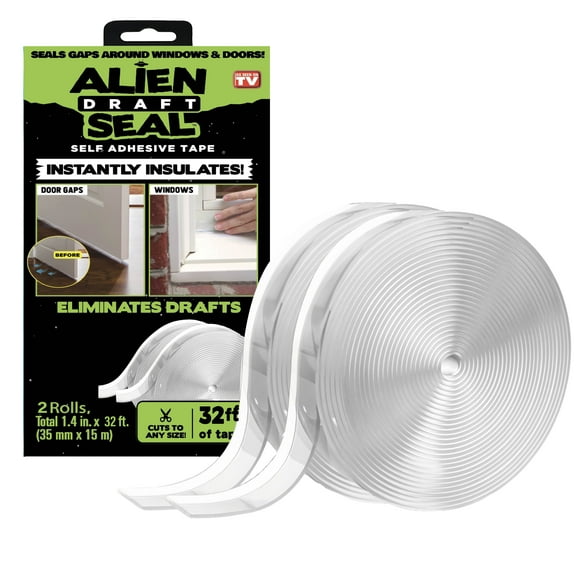
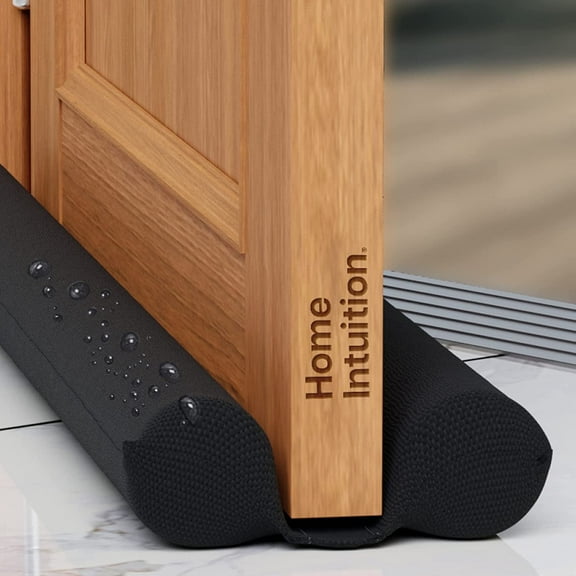
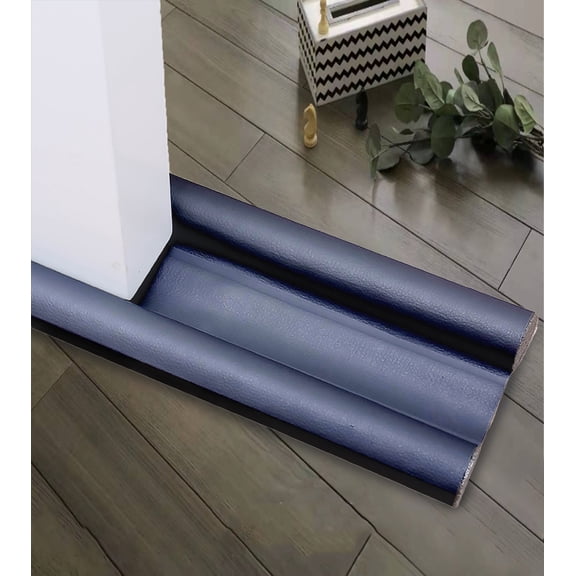
If air comes through the sweep area, you may need a door draft stopper or a door bottom seal. If the gap runs along the sides or top, you’ll likely compare self-stick strips, screw-on pieces, or wrap-around styles.
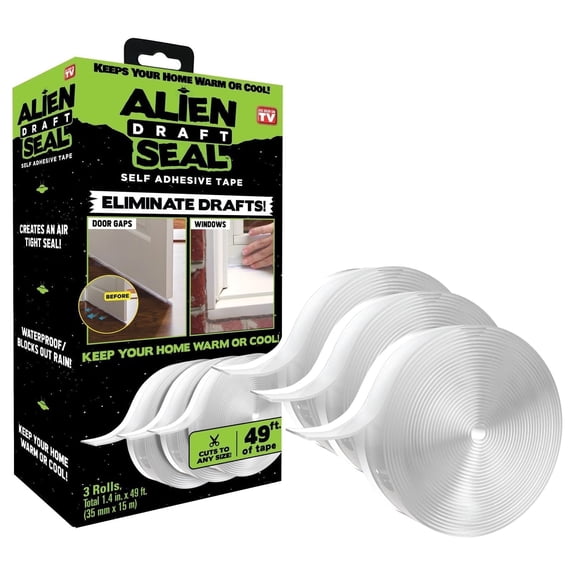
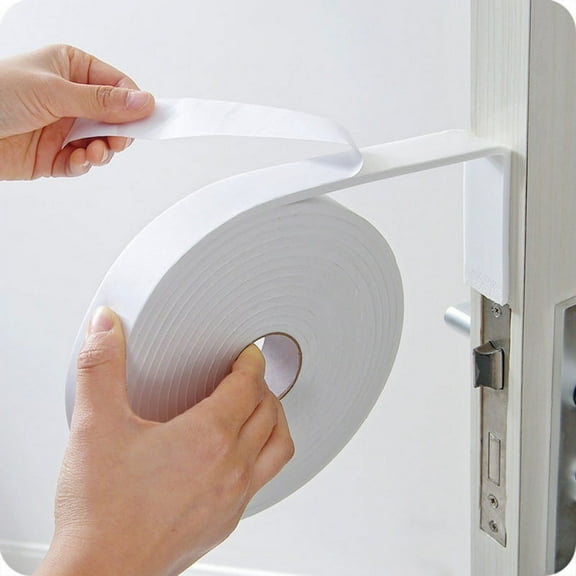
Adhesive self-stick options can work well when you want a faster DIY update with fewer tools. Screw-on options may suit you when you want a more fixed attachment on frequently used exterior doors.
Wrap-around designs can help you cover the edge of the door more completely at the bottom. Magnetic options may interest you when you want a close seal on compatible door setups.
For garages, garage door weather stripping addresses wider openings and larger perimeter gaps than a standard front door. You should check the door type and edge shape before choosing a replacement seal.
Matching door weatherproofing to real household needs
If your front entry faces rain or snow, you should focus on waterproofing and durable compression at the frame and threshold. You may want silicone door seal options or rubber styles that handle regular outdoor exposure.
When your older door has visible light under the bottom edge, you can compare sweeps, bottom seals, and draft stoppers. You’ll get a cleaner fit when you measure the width and the gap height before installation.
If you’re sealing a side door that opens many times each day, you should look for durable materials and secure mounting. You may prefer screw-on or wrap-around options that stay aligned through repeated use.
For an office, bedroom, or shared room, you may care more about soundproofing than weather exposure. You can use frame seals and bottom pieces to create a tighter perimeter around interior doors.
If pests or dust enter through perimeter gaps, you should look closely at the corners and threshold transition. You can combine frame weather stripping with a bottom seal for more complete coverage.
Garage setups often need broader sealing surfaces, especially where concrete and door panels meet unevenly. You’ll want garage door weather stripping that matches the door style and the opening width.
Why the right fit matters
The right door weatherproofing works when you match material, placement, and installation style to your door’s actual gaps. You’ll get a more dependable seal, smoother door movement, and a more comfortable space with fewer drafts.
Popular in Door Weatherproofing in Weatherproofing - Walmart.com
- Pemko Door Weatherizing
- Clearance in Door Weatherizing
- Top Rated Products in Door Weatherizing
- Tmi Door Weatherizing
- Rollback in Door Weatherizing
- Door Weatherizing
- Draft Snake Window
- Reduced Price in Door Weatherizing
- Door Draft Tape
- Pile Weather Stripping Sliding Doors
- Door Brush Strip Draught Excluder
- Front Door Insulation