Shop all your grocery essentials in one place!

Get groceries with pickup & delivery
Get your go-tos fast.Book a timeslot

Build your cart

View all

Delish & only at Walmart

Shop food

Latest from our brands

Snag these trending finds.

View all

Oatmeal, cereal & more

View all
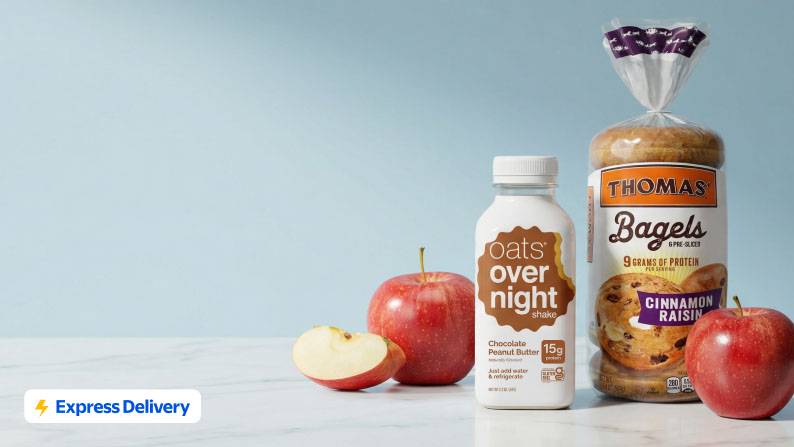
Apples, Oats Over Night chocolate peanut butter flavor, and Thomas’ cinnamon raisin bagels on a marble counter.

Enjoy in as fast as an hour*

Delivered: easy breakfast picks

Shop now

Cleaning supplies

Find sprays & wipes for every surface.

View all

Air freshener sprays

Eliminate odors & refresh every room.

View all

FAQ

What are good items to add for a healthy grocery list?
As a store associate, I see shoppers build balanced lists around simple, versatile categories. Try choosing items that help you assemble meals easily and reduce waste.

  • Produce: fresh or frozen fruits and vegetables for variety.
  • Whole grains: oats, brown rice, whole-wheat pasta.
  • Protein: eggs, beans, lentils, and lean proteins you prefer.
  • Pantry staples: canned tomatoes, broth, olive oil, spices.
  • Convenience: frozen vegetables and ready-to-use ingredients for quick meals.

Use online lists and pickup or delivery to save time and stick to your plan.

How does the 5-4-3-2-1 grocery rule work?

The 5-4-3-2-1 rule is a simple shopping heuristic some customers use to build variety while sticking to a plan. It’s flexible and meant to simplify choices, not dictate them.

  1. 5 = pick five produce items (mix fruits and veggies).
  2. 4 = choose four protein options (beans, eggs, poultry, fish, etc.).
  3. 3 = add three whole-grain or starch items.
  4. 2 = grab two dairy or dairy-alternative items.
  5. 1 = allow one treat or specialty item.

This approach can help with meal variety and grocery budgeting; adjust counts to match your household and dietary needs. You can save time by using online lists and weekly deals.

What's a normal grocery list for a family of four?

A typical weekly list for a family of four focuses on breakfasts, lunches, dinners, snacks, and staples. Rather than exact counts, plan around meals to keep shopping practical.

  • Breakfasts: eggs, whole grain cereal or oats, fruit.
  • Lunches: sandwich ingredients, salad fixings, canned beans or protein alternatives.
  • Dinners: two to three proteins, a couple of vegetables, a grain or pasta.
  • Snacks & staples: yogurt or shelf-stable options, bread, cooking oil, spices.

Make a simple meal plan, check your pantry first, and use pickup/delivery to reduce extra trips.

How can I stretch a $300 monthly grocery budget?

Stretching a monthly grocery budget is about planning, reducing waste, and prioritizing versatile ingredients. These tips can help you get more from your dollars.

  • Plan meals: build a weekly menu and shop only what you need.
  • Buy staples: rice, pasta, beans, and frozen veggies are often cost-effective and long-lasting.
  • Cook in batches: batch-cook and freeze portions to save time and money.
  • Compare unit prices: check per-ounce or per-unit costs to find better value.
  • Use digital deals: clip coupons and check weekly promotions in the store app.

Results vary by household size and local prices, so adjust these ideas to fit your needs.

What is the 3-3-3 rule for pantry restocking?

The "3-3-3" idea is a simple restock guideline some shoppers use to keep essentials on hand without overbuying. It’s a flexible approach you can adapt.

  • Option A: Keep three breakfast items, three easy dinners, and three snacks ready for the week.
  • Option B: Maintain three core items in each storage area—fridge, freezer, and pantry—so you always have meal-building blocks.
  • Benefits: reduces last-minute trips, helps with quick meal prep, and limits waste.

Try a variation that matches your routine, then use online reorders or pickup to make restocking painless.

Related Links