









Healthy Living| Healthier Habits Begin Today| Walmart.com
Support for every goal
Vitamin CVitamin DMelatoninSleep supportZincProtein shakesPremier proteinProtein barsProtein powderDiet foodsEnsureImmune supportAtkinsSpring Valley vitaminsMultivitaminsPrenatal vitaminsCollagenAntioxidant supplements Nutritional shakesProbioticsVitamin B12Fish oilMagnesiumHeart health supplementsPostpartum care

Spring into fitness


New & Trending Wellness


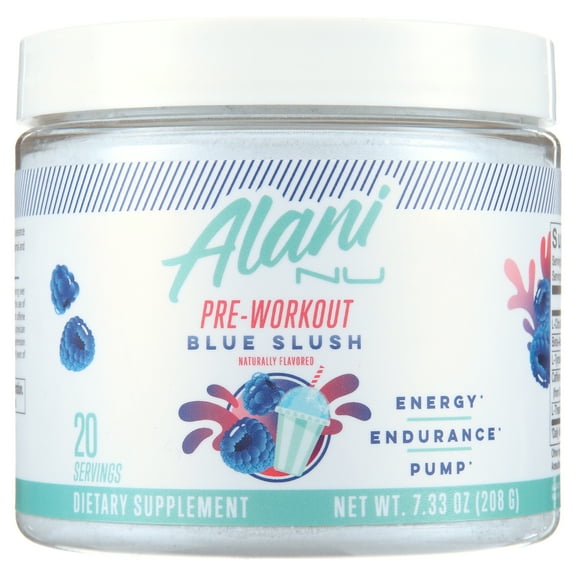
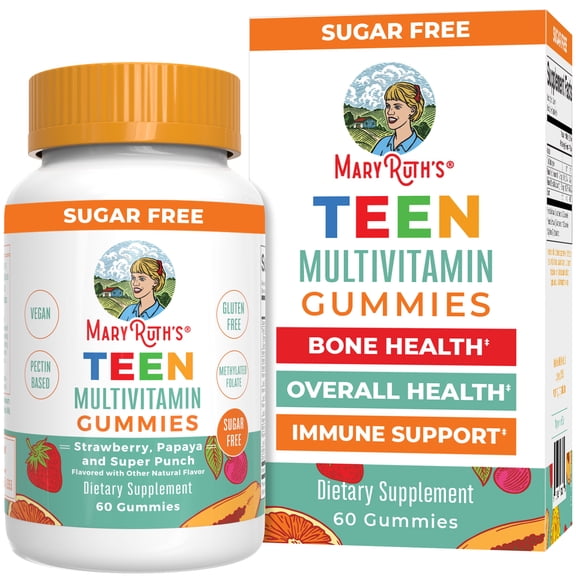
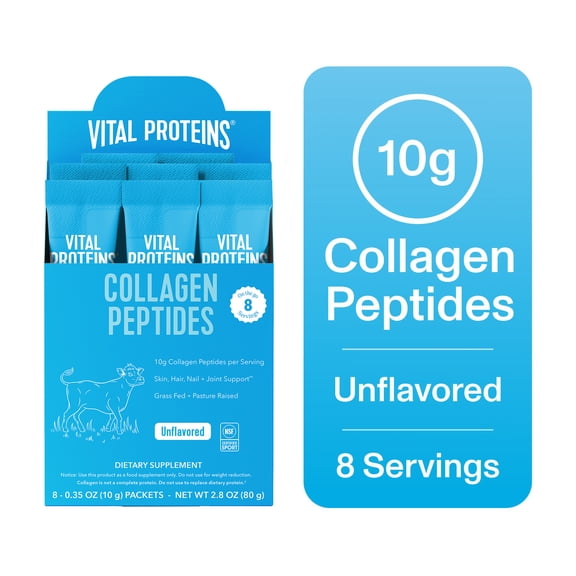


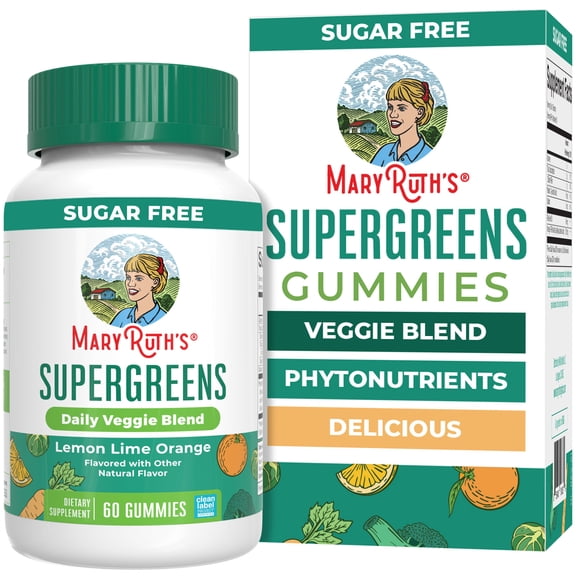
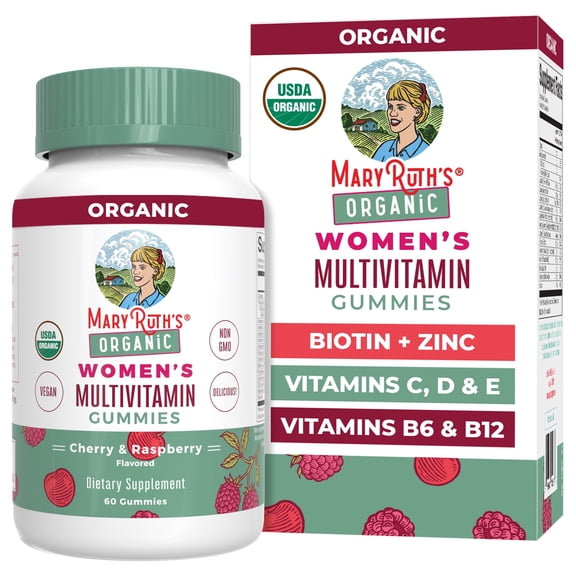

Stress Awareness Month
Vitamins & more for relaxation.
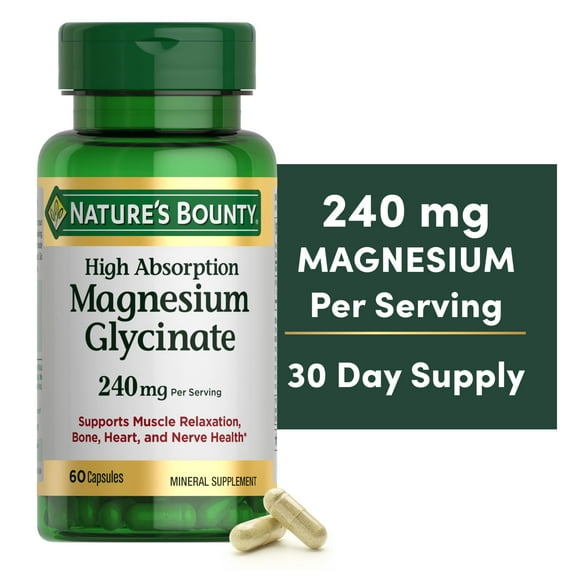
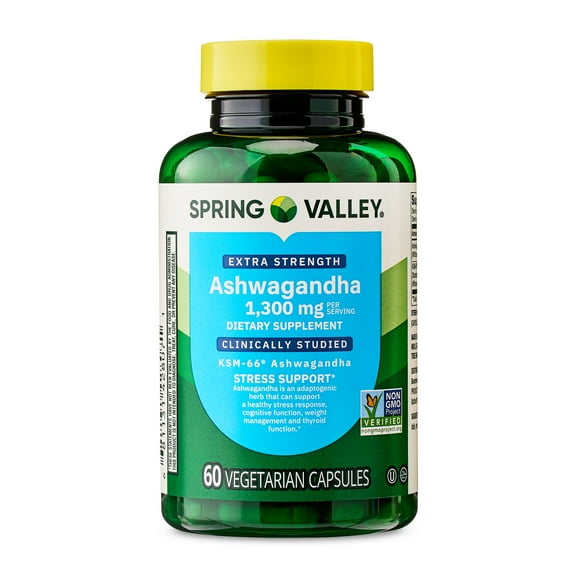
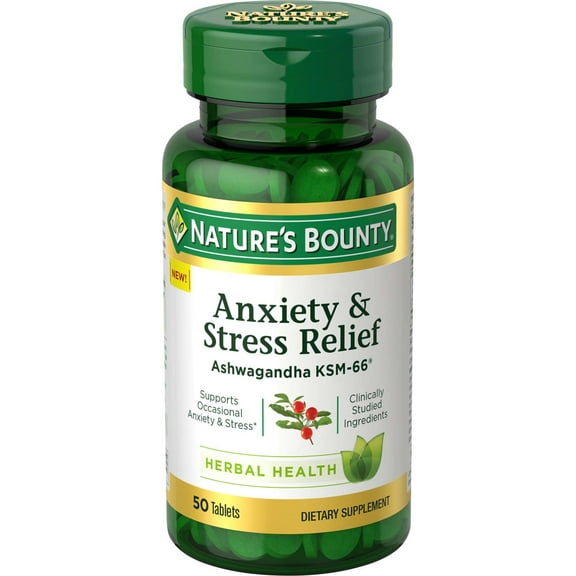
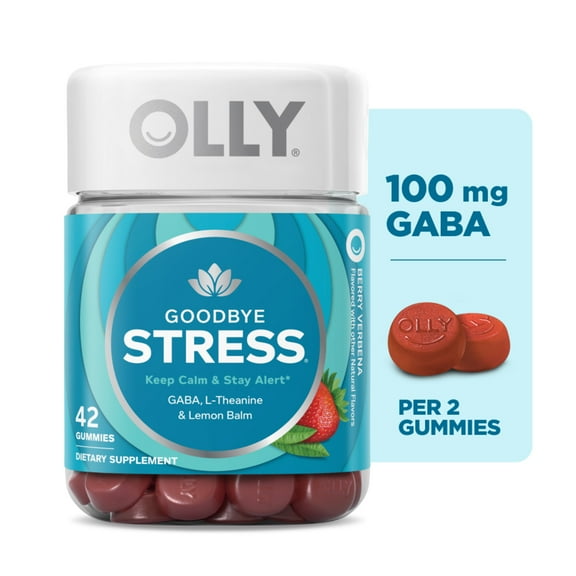
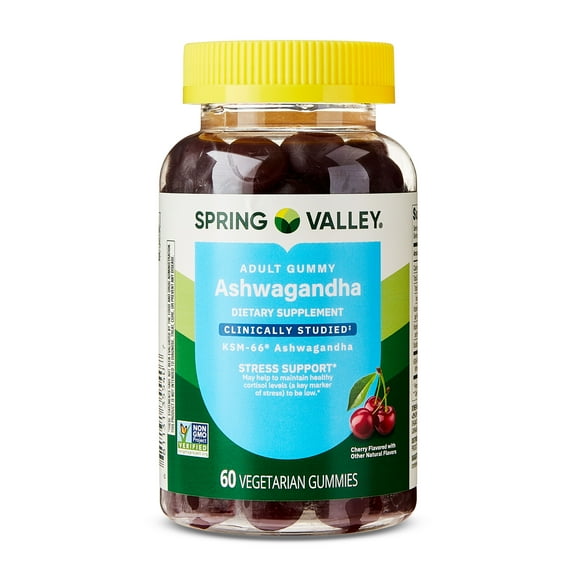
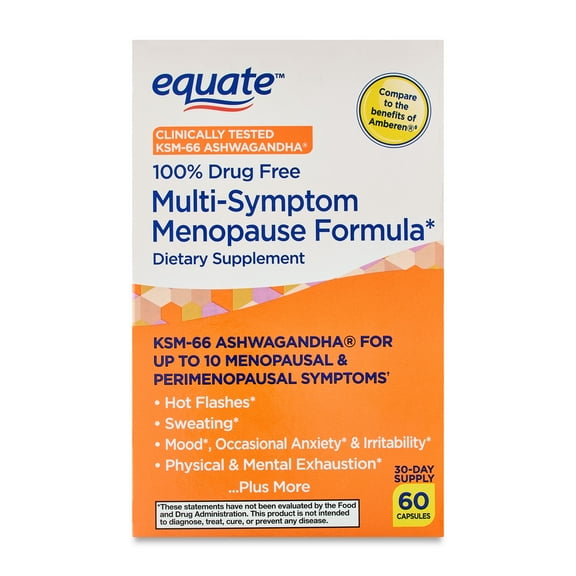
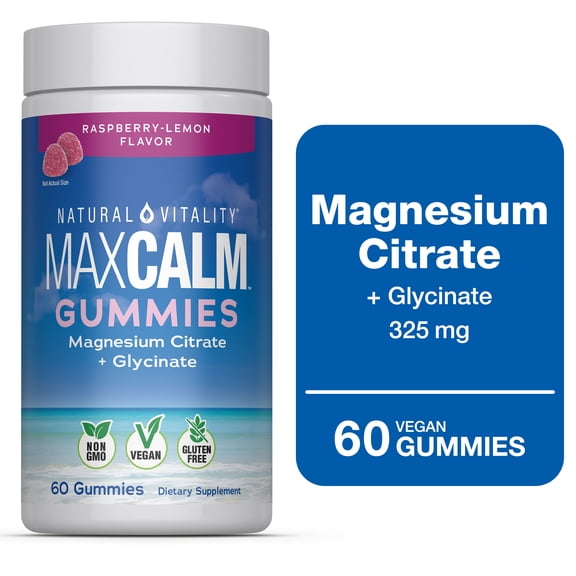
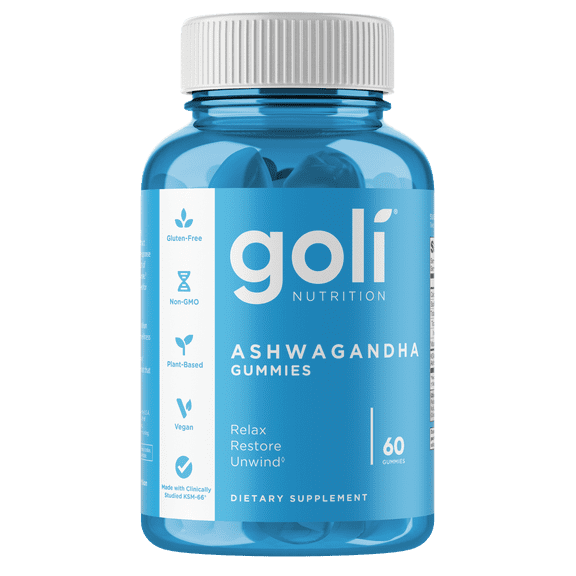

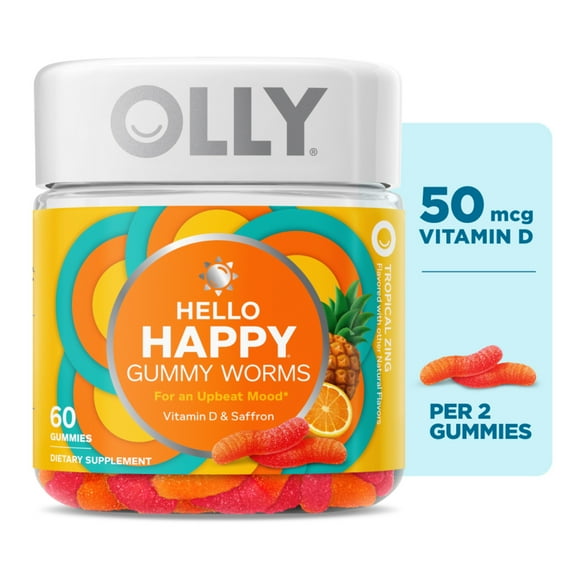
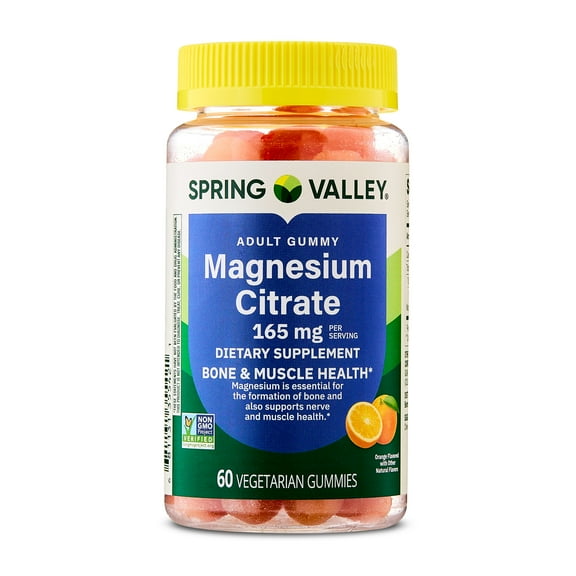
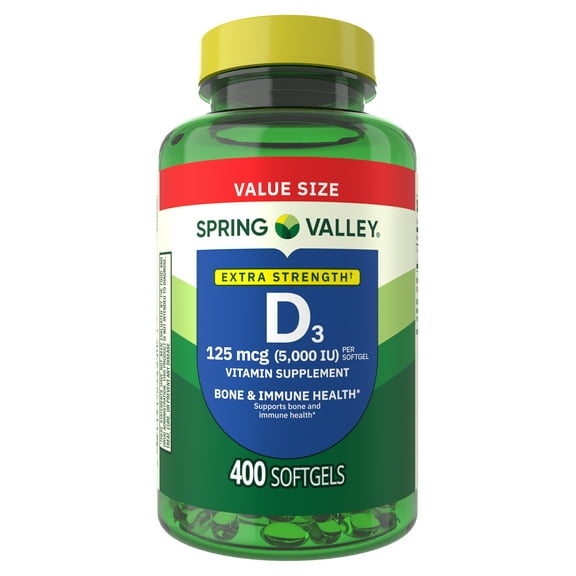
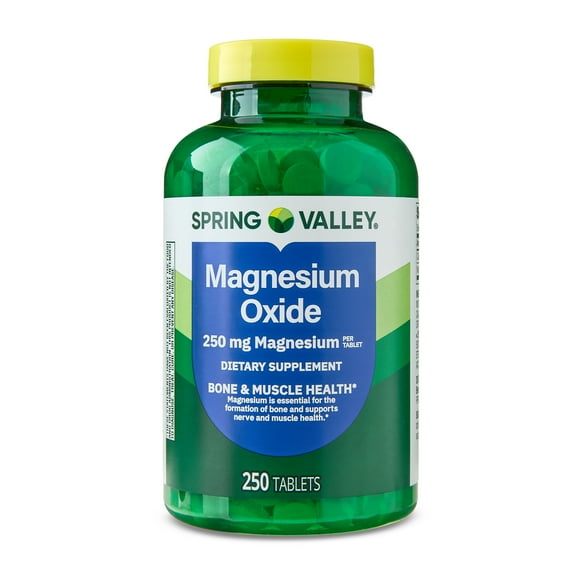
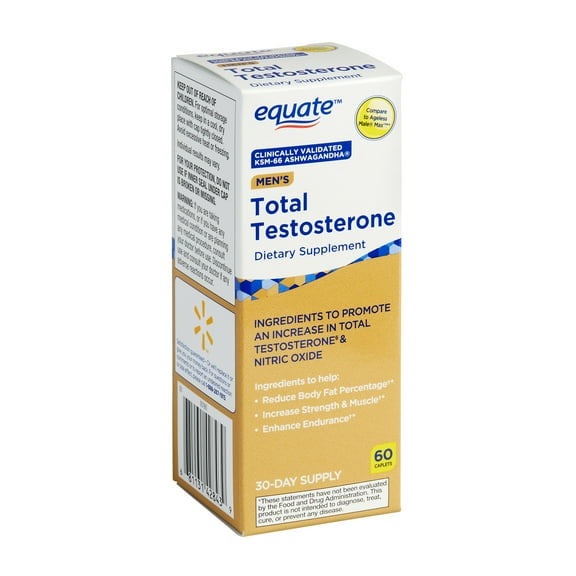
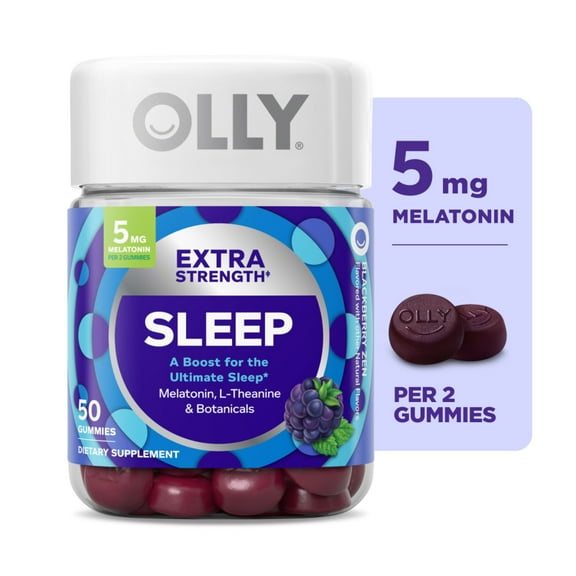

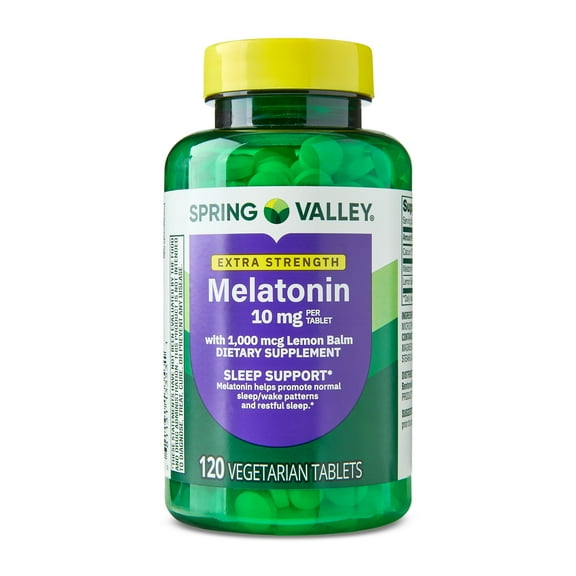



Multicultural faves
Brands you know & trust
Feel your best with wellness-boosting supplements.Shop now





FAQ
About Healthy Living| Healthier Habits Begin Today| Walmart.com
"
Healthy living products to kickstart healthier habits
Whether you’re already practicing healthy habits or just beginning a new plan to improve your health, choosing products to support your efforts is always worthwhile. Having a wide variety of healthy living products to browse through makes it easy to find the fitness and health supplies you need at a price that fits your budget. Healthy living products support your dietary habits, help you detoxify from the stresses of daily life, make it easy to prepare nutritional food and help you look great the whole time.
Vitamins and supplements
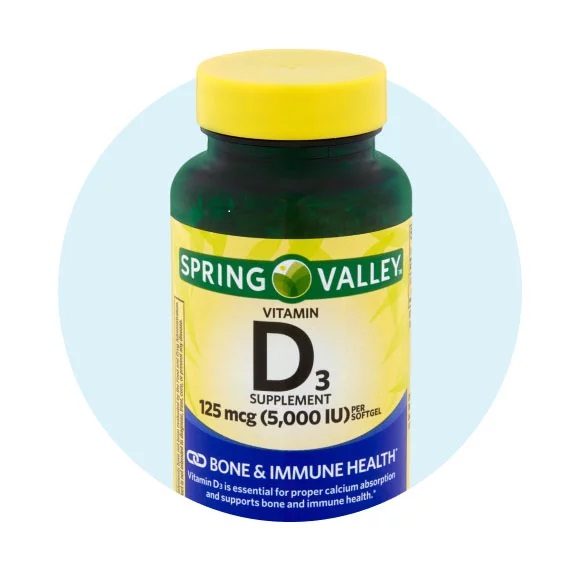
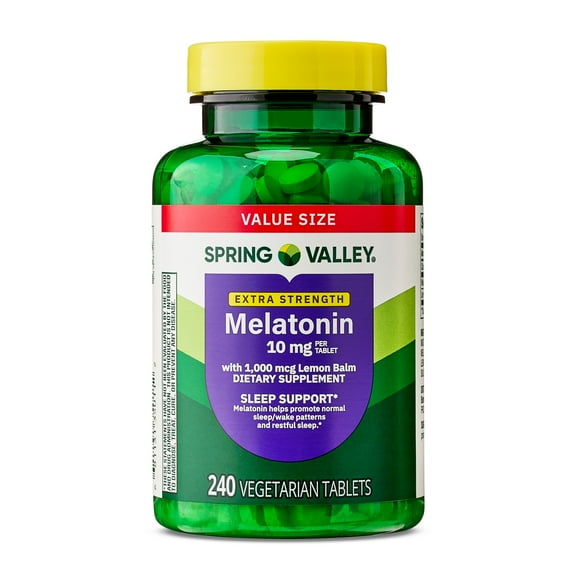
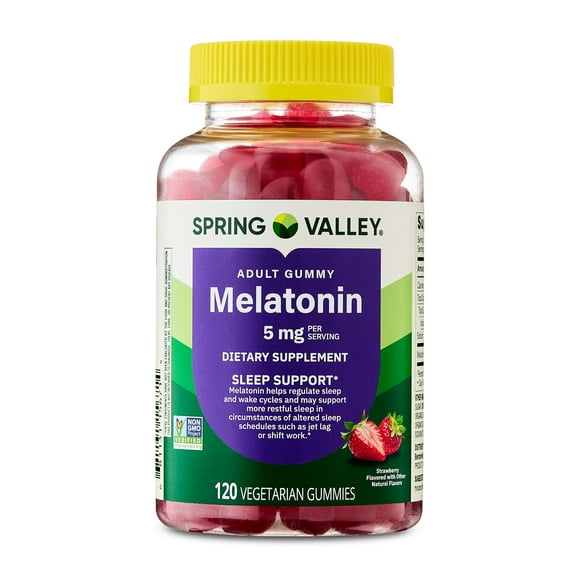
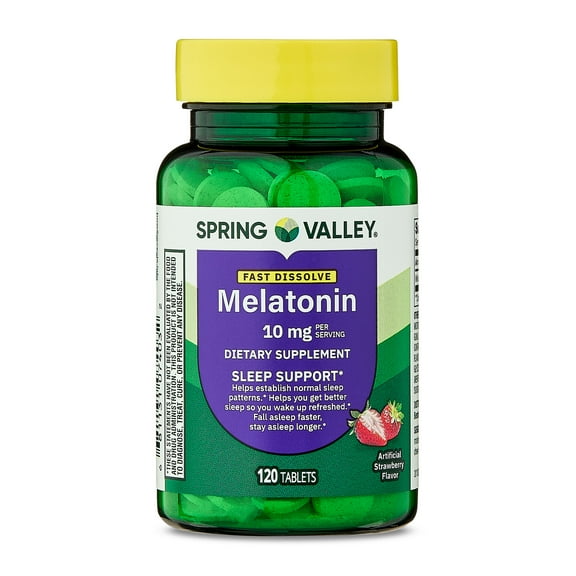
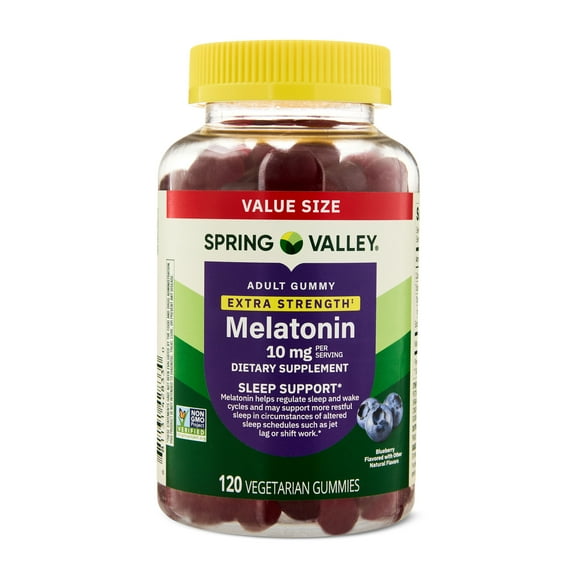
The selection of vitamins and nutritional supplements includes pills you can swallow and gummies that are made to taste like candy.
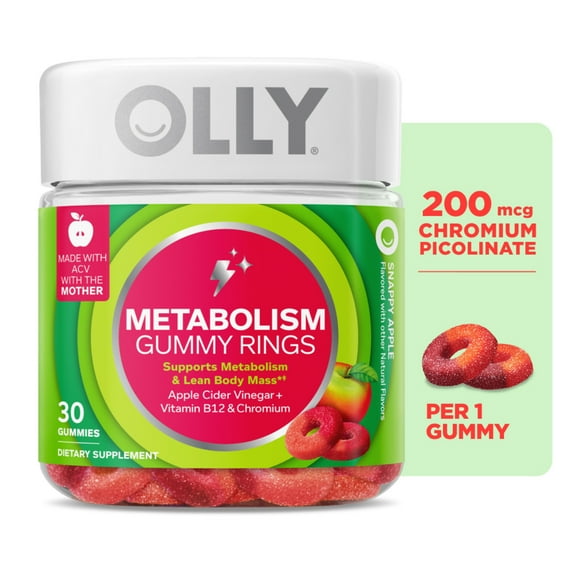
- There are branded weight loss supplements to help suppress your appetite and boost your metabolism.
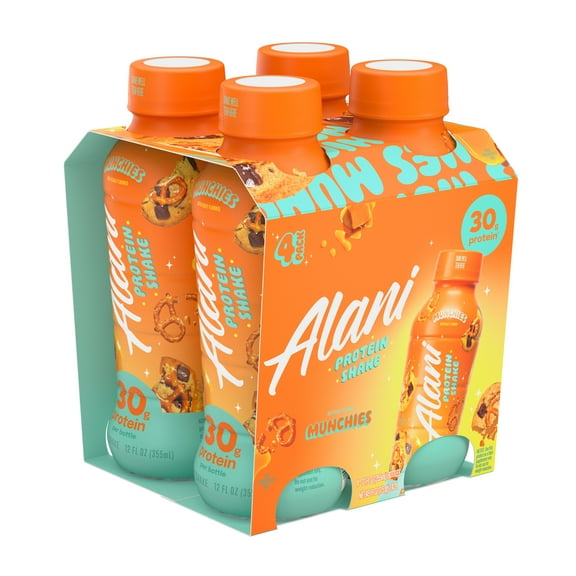
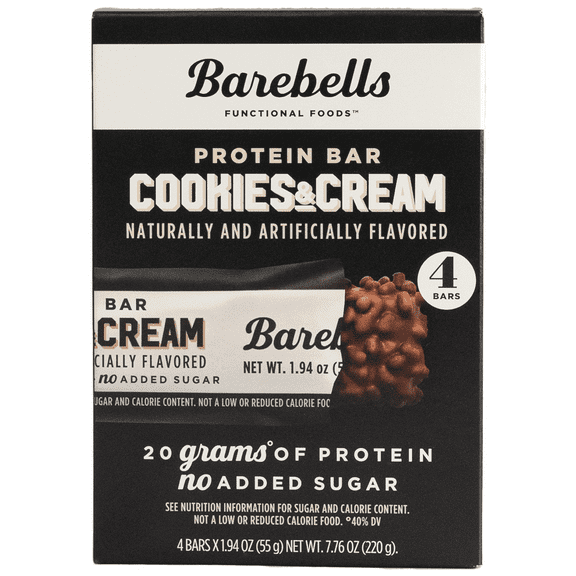
- If you need a nutritional boost to support your body during an intense training session, there are protein powders in a variety of flavors that can be mixed into shakes or used in some recipes.
- Energy-boosting workout supplements are also part of the vitamin and supplement category, and they’re designed to help you power through workouts at high energy levels.
Organic foods
Organic foods provide a way to keep your family’s food pure and healthy, and you can choose from prepared organic foods, such as cereals and fruit snacks, or organic ingredients to use when preparing meals from scratch. Look for the word ""organic"" on the label to find these wholesome ingredients. Other terms to look for include ""gluten-free"" and any other ingredient that may trigger an allergic reaction for you or someone in the family. Organic foods are also available for pets.
Cleanses and detoxes
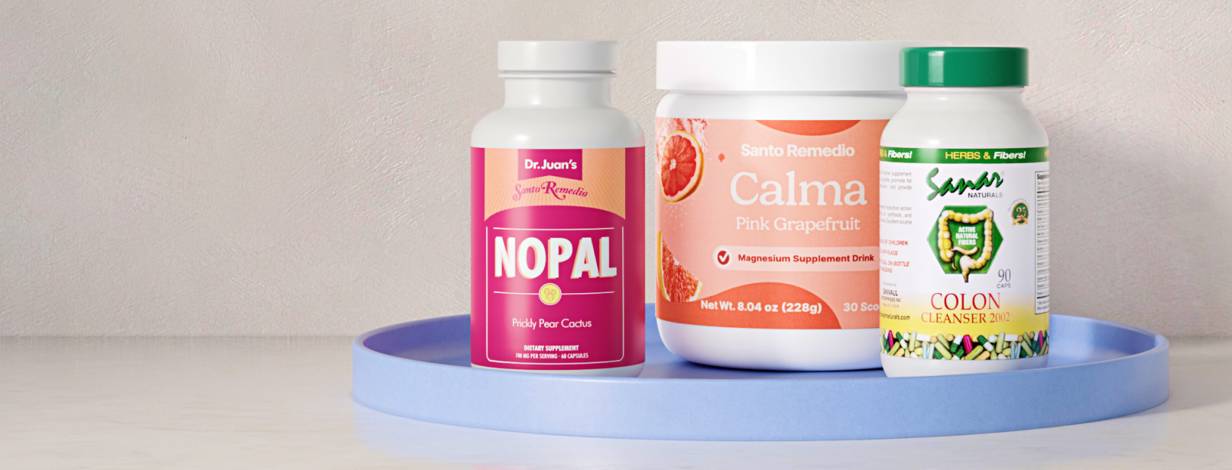
While you can’t see your internal health, products for internal cleansing can help your body release toxins that build up from stress, a poor diet and other environmental contaminants. Colon cleanse products and probiotics are said to enhance gut health. Look for these products in teas, juices, powders and pills. You can also find budget-friendly products to cleanse internal organs, such as your liver and kidneys. Shop for these products based on your health concerns and the form you prefer to take when using supplements.
Fitness technology
Fitness trackers bring technology into your exercise efforts and help you stay on track by providing information about key physical elements. Search for a tracker based on the brand if you’re looking for one that’s compatible with your smartphone, or browse through the product description to determine if the one you like will communicate with your PC. Some features to consider are whether you want it to have a sleep tracker to record your sleep patterns or an integrated music player so you can jam out to your favorite tunes while working out. You can also find this style of watch with GPS to track your workout routes.
Kitchen appliances
Preparing your own meals from scratch is a great way to be certain exactly what you’re putting into your body, and the assortment of kitchen appliances available can help you turn your favorite wholesome ingredients into tasty meals.
- Choose a countertop or handheld blender to mix up protein shakes or fresh fruit smoothies. Add ice and yogurt or almond milk to give blended drinks the texture of a milkshake with a fraction of the calories.
- Chop and grind ingredients to mix into your favorite recipes or top a salad. Process food to bite-sized slivers and chunks, or keep grinding it until it turns to a floury powder or creamy paste.
- Select a juicer to make your own natural juice or brew fresh tea in a kettle or iced tea maker using fresh herbs and flavors.
Fitness apparel
The whole family can get comfortable when lounging around the house or heading out to hit the gym in fitness apparel. Choose complete outfits or select separates to create your own sporty look. Options include summery shorts and tank tops as well as cool-weather sweats and outerwear. Athletic shoes and socks keep your feet comfortable during workouts. Look for shoes for specific sports or choose basic athletic shoes to cover a variety of athletic activities. Specialty sizes, such as men’s big and tall sizes or women’s plus size and maternity sizes, are available to accommodate your individual needs.
"