

Light Timers in Electrical









![Fospower [ETL Listed] Countdown Digital Timer Outlet, 7 Day Programmable Indoor Outlet Timer for Lamps , LED Light Timer Plug with Dual Socket, On Off Plug in Timer for Electrical Outlet 15A/1875W](https://i5.walmartimages.com/seo/FosPower-Timer-Outlet-ETL-Listed-125V-15A-LCD-Digital-Indoor-Outlet-Timer-7-Day-Programmable-Timer-2-AC-Plug-Capacity-Lights-Lamps-Fans-Electrical-Ou_26bfa5a0-6e24-42d7-8c49-6e0e0a14a09d.9470a97f340d55cc28a201bfbe306308.jpeg?odnHeight=576&odnWidth=576&odnBg=FFFFFF)



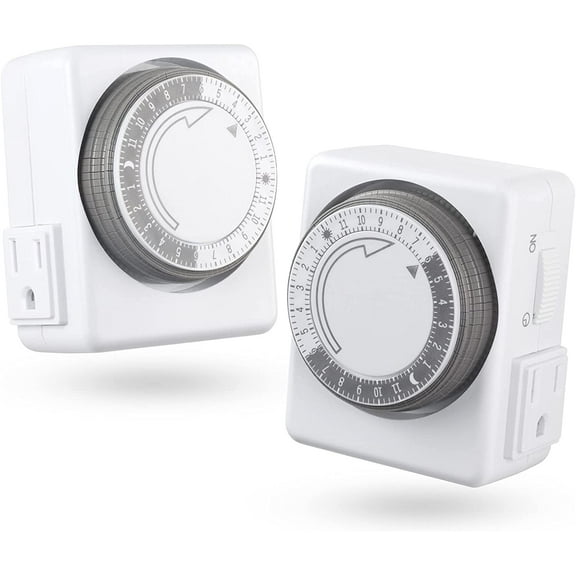


![Fosmon [ETL Listed] 2 Pack 24 Hour Digital Timer Outlet, Light Timer with on/off Button, Timer Switch for Lamps, Single Plug In Outlet Timer, Timers for Electrical Outlets Indoor 125V/15A](https://i5.walmartimages.com/seo/Fosmon-24-Hour-Programmable-Digital-Timer-Outlet-2-Pack-ON-Off-Program-LCD-Display-Mini-Indoor-Single-Plug-in-Outlet-Timer-125V-15A-Seasonal-Light-La_3ad4d567-3d08-4107-bfa3-72bbde45e15b.ba4adc0c09024c20098e5e3bfcec3966.jpeg?odnHeight=576&odnWidth=576&odnBg=FFFFFF)


About Light Timers in Electrical - Walmart.com
Car air filters help you keep airflow clean and consistent in your vehicle. You can compare cabin and engine options, fitment details, and filter materials in one place.
When you replace the right filter on time, you support smoother routine maintenance. You also make it easier to match your make, model, and year before installation.
Choosing car air filters by filter type
You’ll want to start with filter type because cabin air filters and engine air filters do different jobs. You can narrow your choice faster when you know where the filter installs and what air it handles.
Cabin air filters clean the air that moves through your vehicle’s interior vents. Engine air filters clean the air that moves into your engine during everyday driving.
If you drive in city traffic, you may focus on cabin air filter replacement for fresher interior airflow. If you drive dusty roads, you may prioritize engine filter changes for cleaner intake airflow.
- You can choose cabin air filters when your focus is interior vent airflow.
- You can choose engine air filters when your focus is engine intake airflow.
- You can compare replacement car filters by type before you check fitment details.
- You can use the filter category to narrow compatible options more quickly.
How to choose cabin air filters and engine air filters
You should check vehicle compatibility before you compare materials or pack sizes. You can use your vehicle’s make, model, and year to find air filters for cars that fit correctly.
Some replacement car filters list universal compatibility, while others fit specific vehicles only. You’ll want to confirm fitment details carefully so your installation process stays straightforward.
When you shop automotive air filters, you may also compare access points and replacement frequency. You can often plan car air filter replacement around routine service intervals and seasonal upkeep.
A common guideline is 12,000 to 15,000 miles for many vehicles and driving conditions. You should still check your owner’s manual because your schedule may vary by road dust and traffic patterns.
Comparing materials in automotive air filters
You can use filter material as a simple way to compare performance and upkeep. Paper, cotton gauze, synthetic, and activated carbon each support different maintenance goals.
Paper filters usually appeal to you when you want a familiar replacement format. Synthetic media may appeal to you when you want strong particle capture and dependable everyday use.
Cotton gauze options may interest you if you compare reusable styles and maintenance routines. You should check product details closely because care steps can vary by design.
An activated carbon cabin filter may suit you when odor reduction matters during daily commuting. You may also prefer activated carbon during spring and summer cabin air filter replacement cycles.
Deciding on pack size and replacement planning
You can also compare one-pack, two-pack, and multi-pack options based on your maintenance habits. A single filter may fit your immediate replacement plan, while extra filters can support future service timing.
If you maintain more than one vehicle, larger pack sizes may simplify your schedule. You can also keep the next compatible filter ready for your next planned interval.
Pack size matters most when you already know your fitment and replacement cycle. You’ll make a clearer choice when you match quantity to mileage habits and household vehicle count.
Using replacement car filters for real driving needs
You may want cabin air filters if you commute daily and use your climate controls often. You’ll notice this decision matters when interior vents run through changing weather and heavy traffic.
If you carry passengers often, you may focus on activated carbon options for interior freshness. You can also look for the exact fitment so installation aligns with your vehicle’s housing.
You may need engine air filters sooner if you drive on gravel roads or in dusty areas. You can compare filter media and fitment details to support regular under-hood maintenance.
For seasonal upkeep, you can pair car air filter replacement with motor oil, spark plugs, or windshield wipers. You’ll keep your maintenance checklist more organized when related service items line up together.
If you’re comparing multiple vehicles in your household, you should start with make, model, and year. You can then separate cabin and engine needs instead of guessing across similar parts.
When you choose car air filters with the right type, fitment, material, and pack size, you simplify routine maintenance. You’ll end up with a filter that matches your vehicle and your driving habits more closely.