

Outlet Timers in Outlets



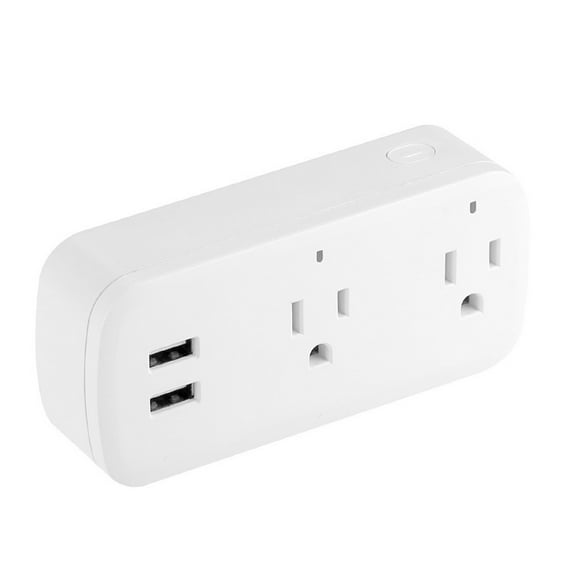
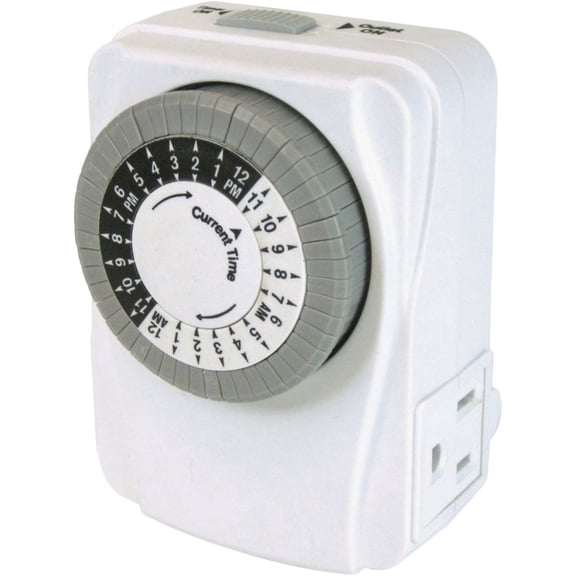
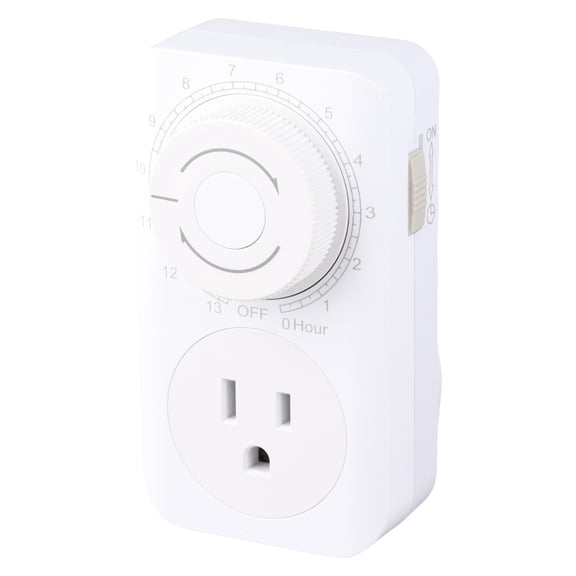
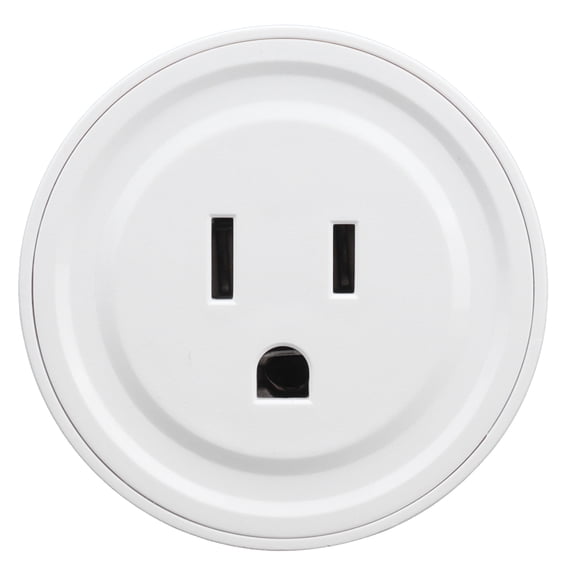
About Outlet Timers in Outlets - Walmart.com
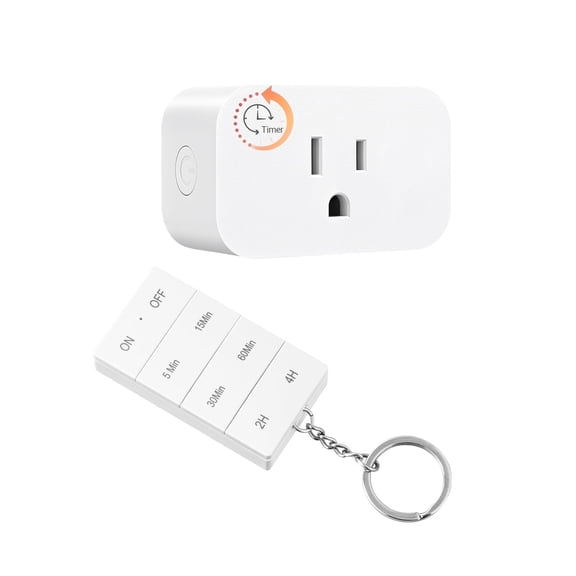
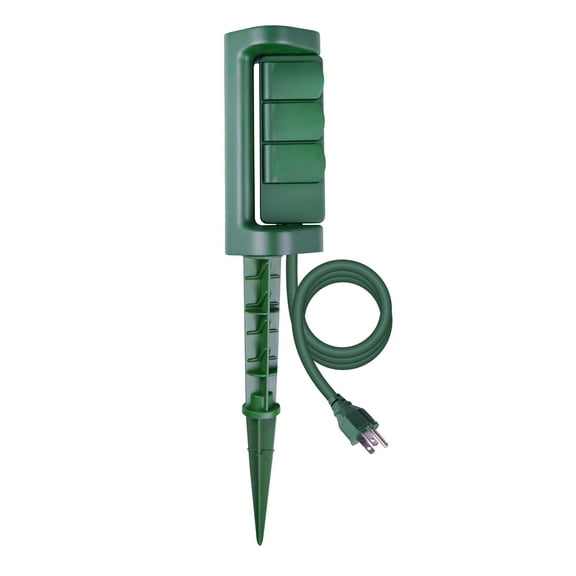
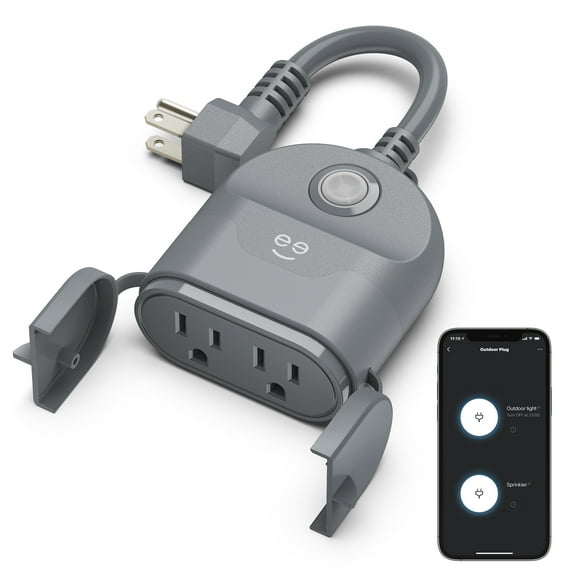
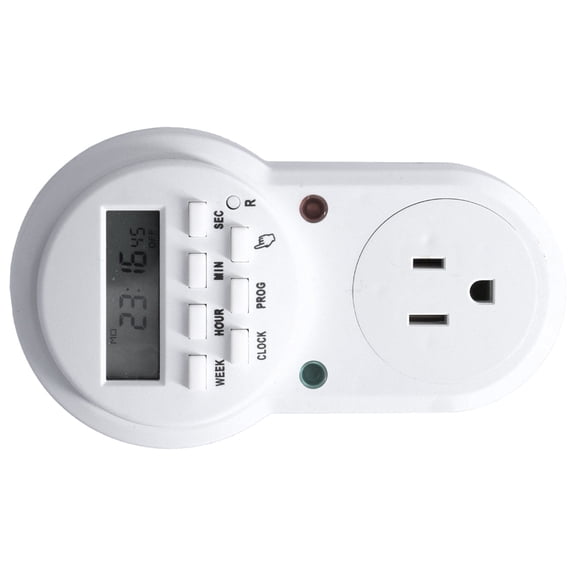
Outlet timers help you automate lamps, seasonal displays, and household devices without changing your wall wiring. You can compare timer types, location ratings, and programming styles that fit your routine.
When you shop this category, you can focus on decisions that matter at the plug. You can match indoor or outdoor use, outlet count, and control style with your setup.
How to choose outlet timers
You should start with where you plan to place your timer. You’ll want indoor outlet timers for dry rooms and outdoor-ready options for porches, yards, and covered exterior outlets.
If you’re comparing indoor and outdoor use, check the weather rating first. You should look for outdoor housings, grounded plugs, and placement details that match exposed or covered locations.
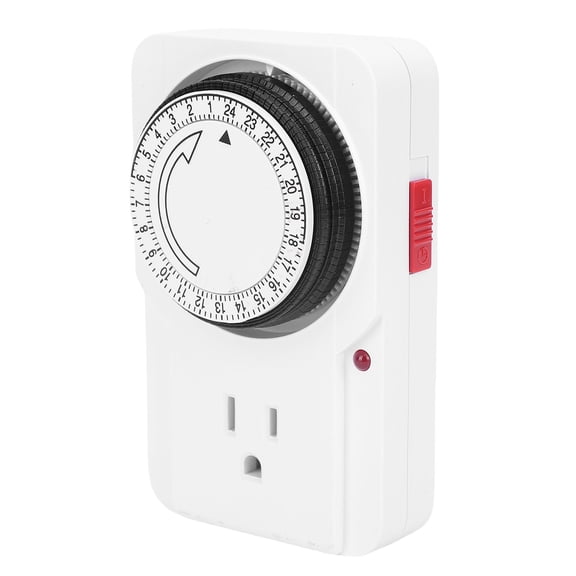
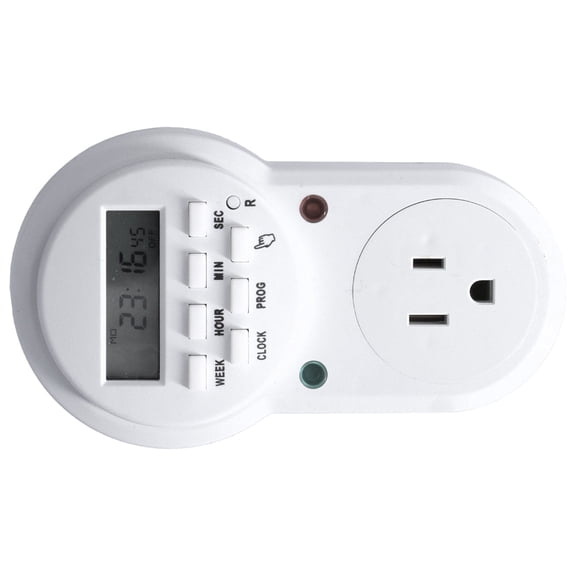
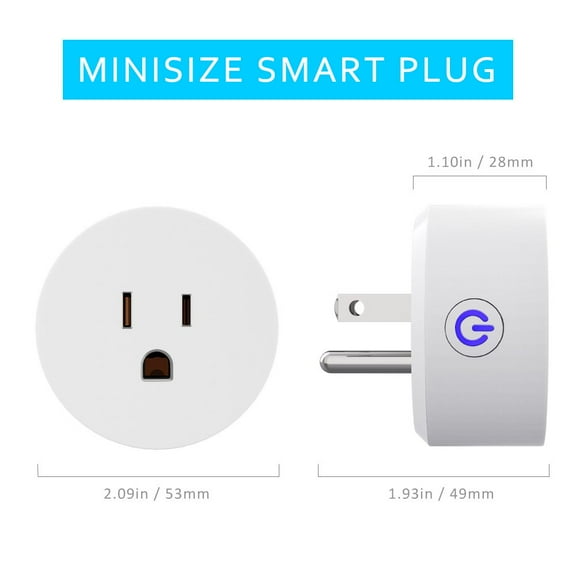
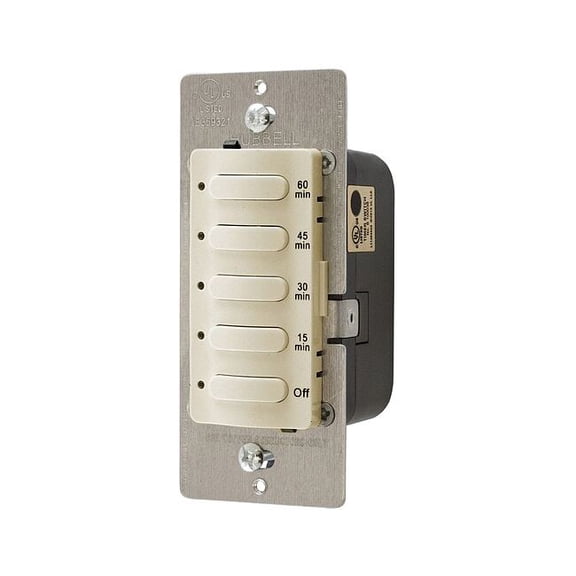
You can also compare timer type before you narrow your options. You’ll usually see mechanical outlet timers, digital plug in timers, and smart WiFi designs for different scheduling habits.
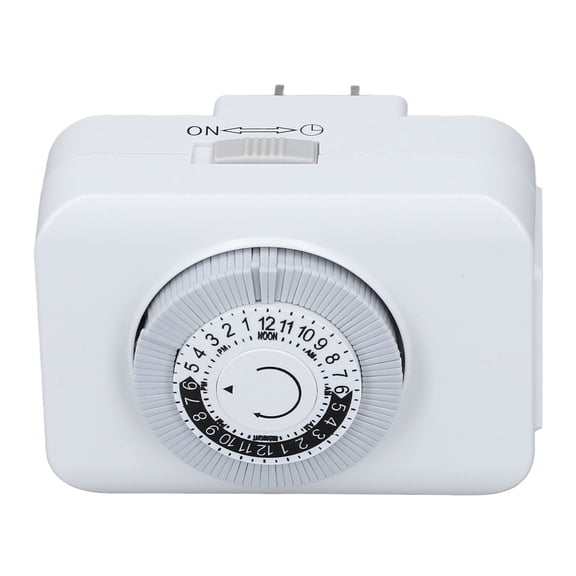
- You can use mechanical outlet timers for simple daily repeats with dial-based setup.
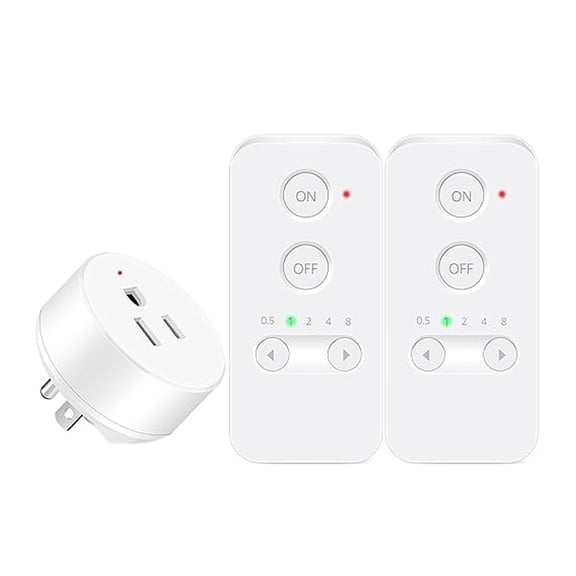
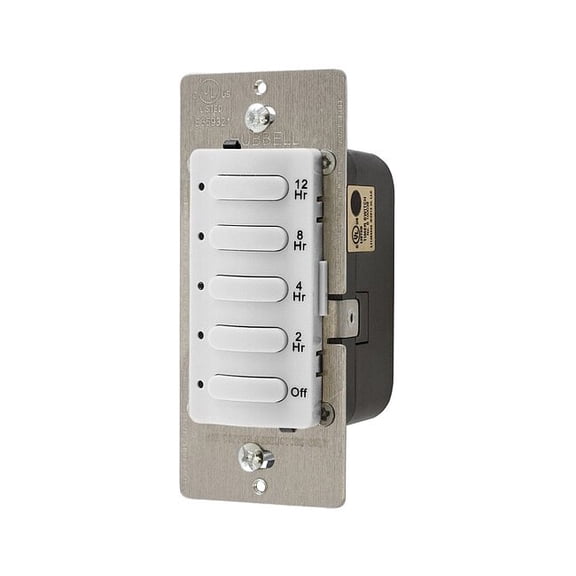
- You can choose digital plug in timers when you want exact start and stop times.
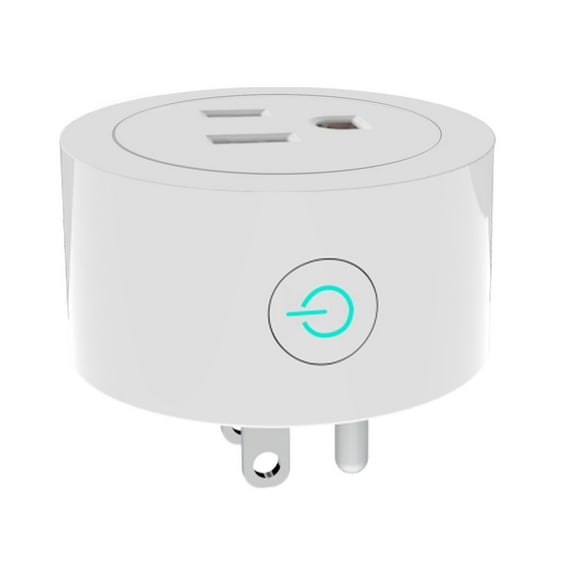
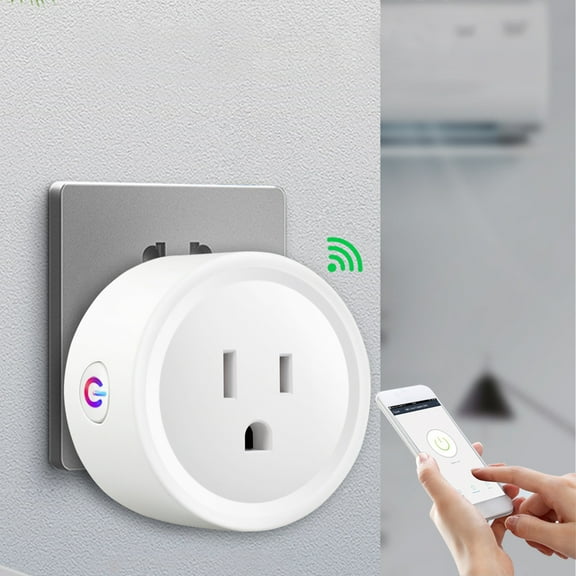
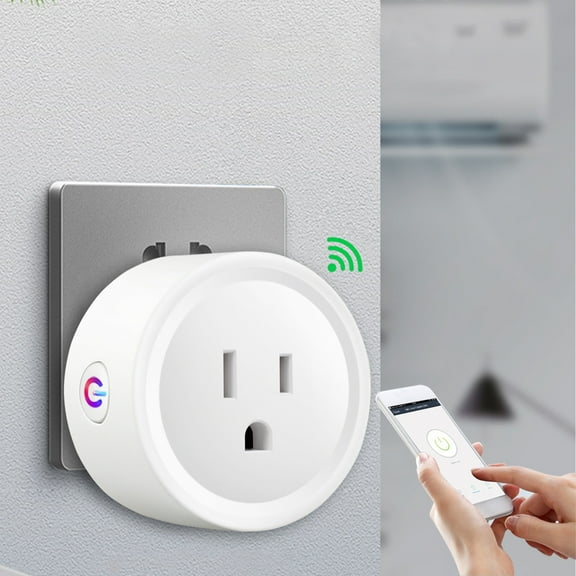
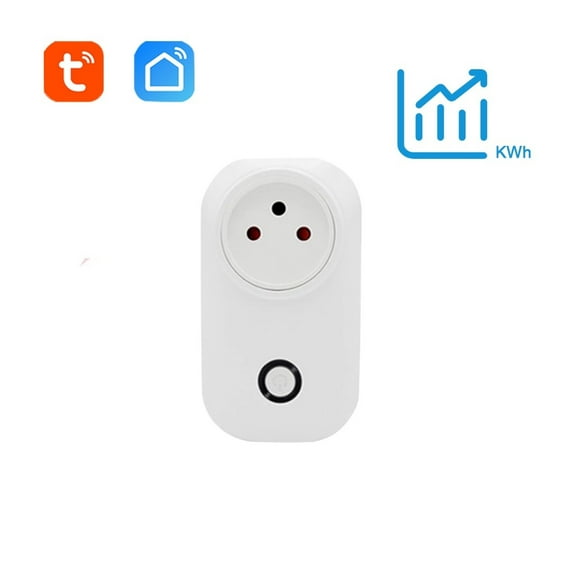
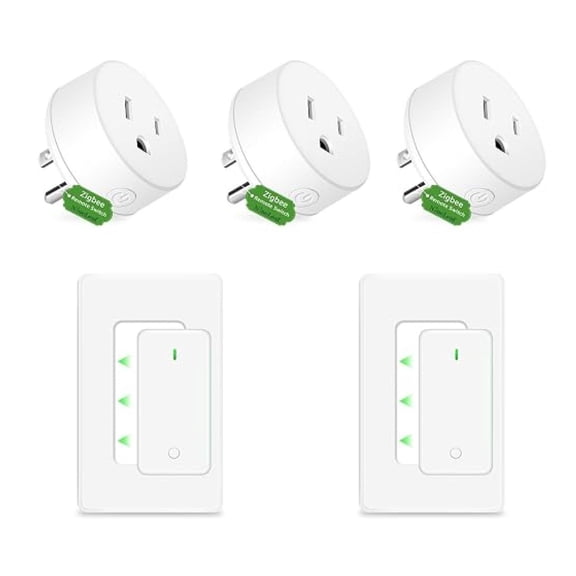
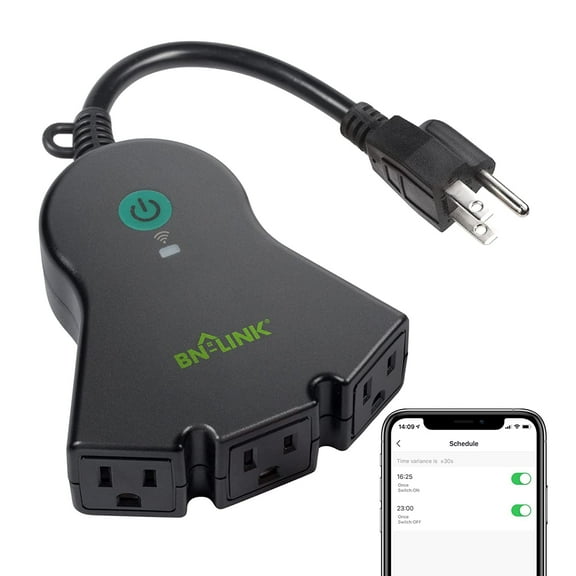
- You can pick smart WiFi styles if you want app-based control and flexible automation.
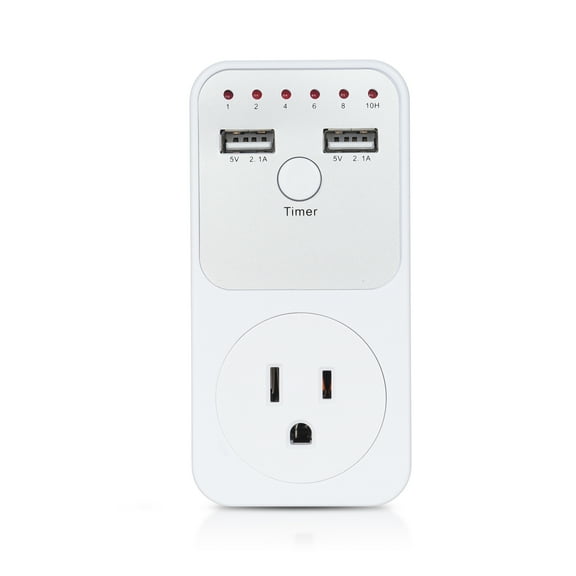
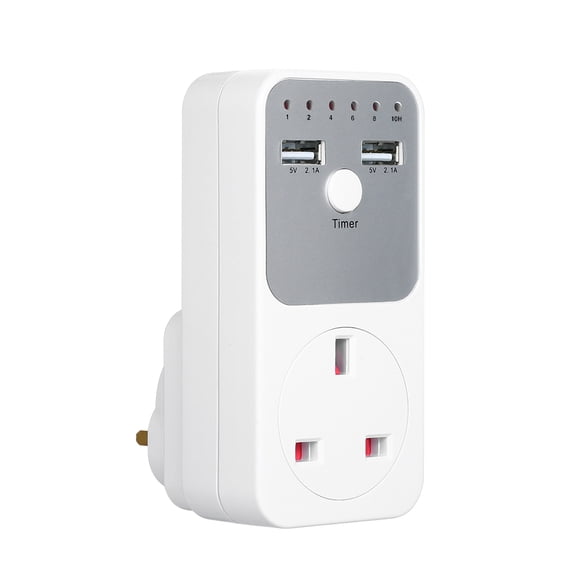
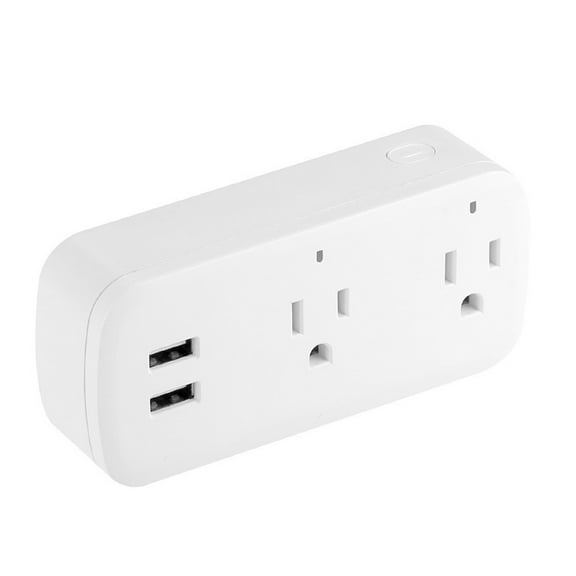
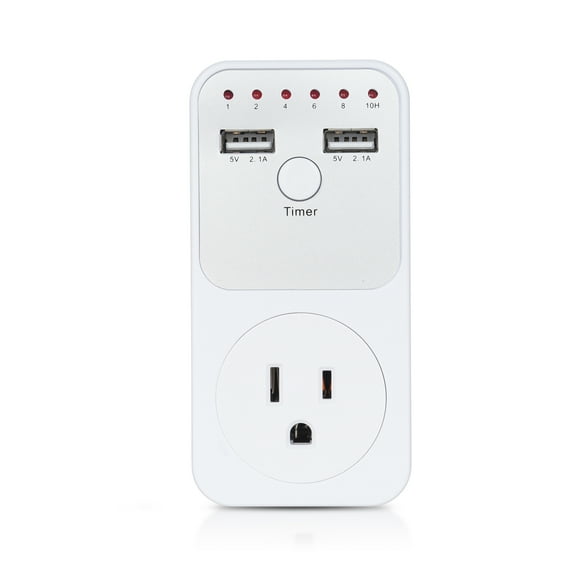
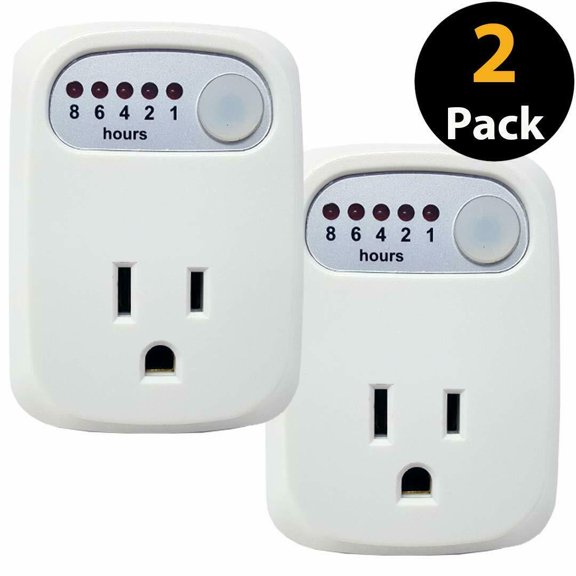
- You can select single-outlet, dual-outlet, or multi-outlet formats based on how many devices you plan to connect.
You may also want a manual override switch for quick changes. You can turn devices on or off without clearing your programmed settings.
Choosing indoor outlet timers and outdoor light timers
You’ll want the location rating to match your setup before you consider any other feature. You can use indoor outlet timers for lamps, fans, and small appliances in dry spaces.
For patios, pathways, and seasonal décor, you should move to outdoor light timers. You can look for weather-ready covers, grounded connections, and placement guidance for exterior outlets.
If your setup includes holiday strands or landscape lights, check the plug style and housing shape. You can avoid fit issues when your timer works with covered outdoor receptacles.
You should also compare programming cycles based on how often your routine changes. You can keep things simple with 24-hour repeats or choose 7-day scheduling for weekday and weekend differences.
Some outlet timers include a photocell light sensor for dusk-based activation. You can use that style when you want lights to respond to changing daylight conditions.
Comparing digital plug in timers and mechanical outlet timers
You can often choose between quick setup and detailed control. Mechanical outlet timers usually use pins or tabs, while digital plug in timers use buttons and display screens.
If you want the same schedule every day, you may prefer a mechanical design. You can set a repeating cycle once and leave it running for lamps or aquarium lights.
If your routine changes through the week, a programmable outlet timer gives you added flexibility. You can set different schedules for workdays, weekends, or evening-only use.
You should also check how easy the controls feel before you decide. You can benefit from clear displays, labeled buttons, and a manual override that keeps your schedule stored.
When you compare outlet count, think about everything you want to automate at once. You can choose a single-outlet timer for one lamp or a dual-outlet model for paired decorations.
Multi-outlet styles can simplify larger setups around media centers or holiday displays. You can run several connected items from one timer instead of managing separate plug in timer switch units.
Checking power capacity and everyday use cases
You should always compare power capacity with the device you plan to connect. You can look for standard duty models for lamps and small electronics, or heavy duty 15A options for demanding jobs.
If you’re powering high-wattage outdoor strings or large seasonal displays, capacity matters even more. You can check wattage and amperage limits to match your timer with the intended load.
You may want a simple 24-hour timer for a bedside lamp or entry light. You can create a lived-in look at night without touching the switch every evening.
For weekly routines, you can use a 7-day timer in home offices or shared spaces. You can schedule lights and devices around school nights, weekends, or rotating work hours.
If you’re planning an outdoor christmas light timer setup, look for outdoor placement support first. You can pair weather-ready construction with repeat scheduling for dependable evening lighting.
You can also connect outlet timers with related home setups for seamless control. You may compare them with smart home devices, outdoor lighting accessories, and surge protectors for compatible planning.
With the right timer type, rating, and capacity, you can automate power with minimal guesswork. You’ll get consistent lighting schedules and simple day-to-day control from the outlet itself.