

Insulation in Weatherproofing




















About Insulation in Weatherproofing - Walmart.com
Insulation helps you control indoor comfort, manage drafts, and plan weatherproofing projects with clearer material choices. You can compare R-value needs, facing types, and install areas here, so your project matches your space.
How to choose insulation for your project
When you shop insulation, you should start with R-value, because it tells you how much thermal resistance you’re getting. You can use higher ratings in colder spaces, larger cavities, and areas that need stronger temperature control.
Your climate, room type, and wall depth all shape the right pick. You should also measure coverage carefully, because rolls, batts, boards, and cans install in very different ways.
Material choice changes how your project handles open studs, flat attic floors, or narrow gaps around framing. You can often narrow your options faster by matching the product form to the space first.
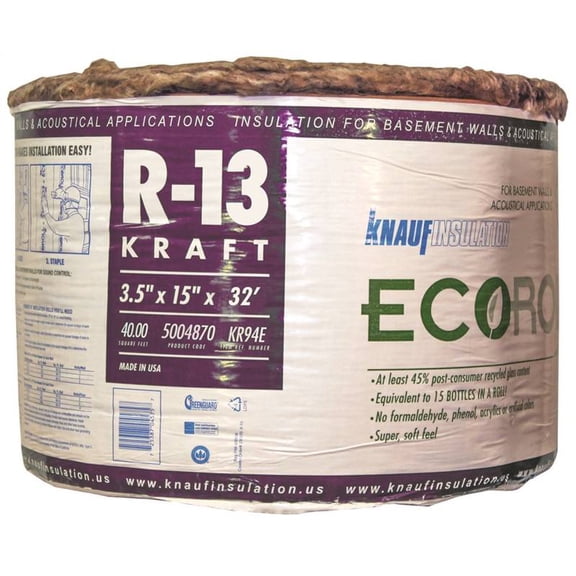
- You can use fiberglass insulation for wide coverage in attics, walls, and floors.
- You can choose foam board insulation when your project needs rigid panels with clean, cut-to-fit edges.
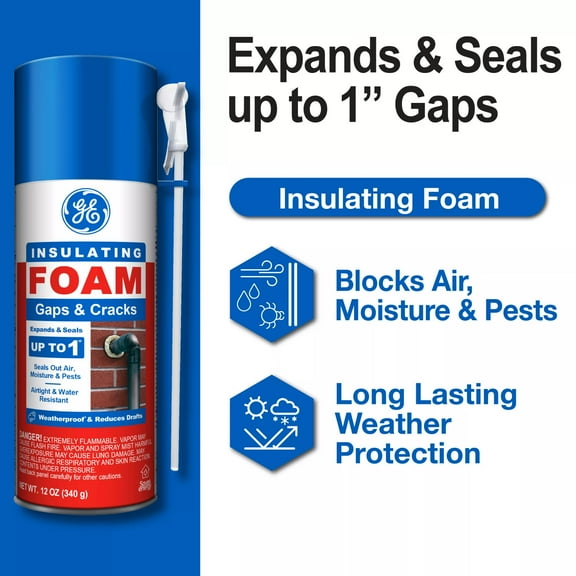
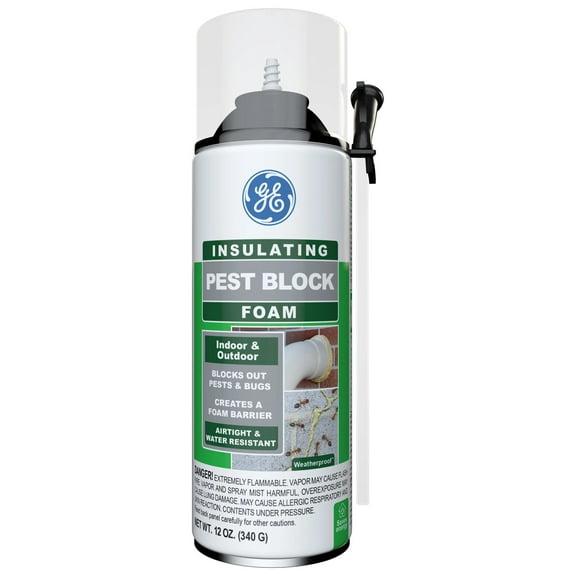
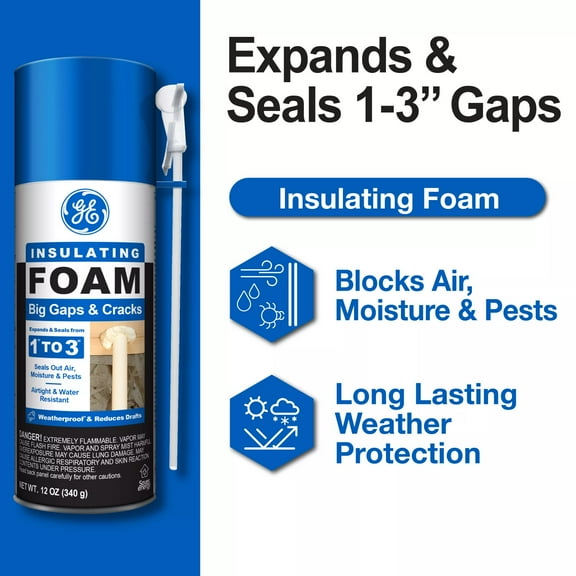
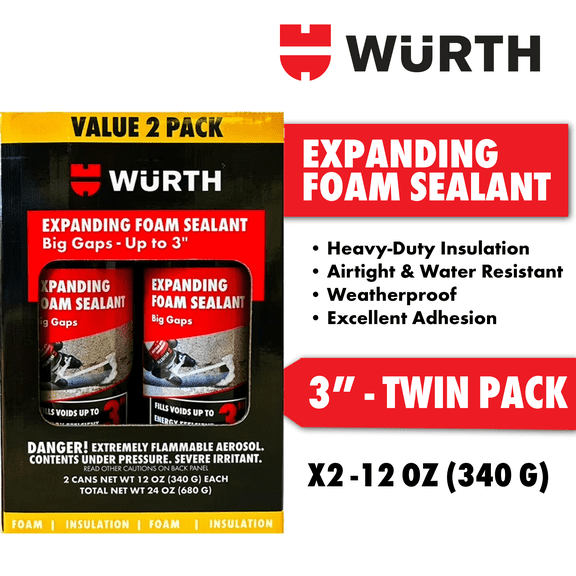
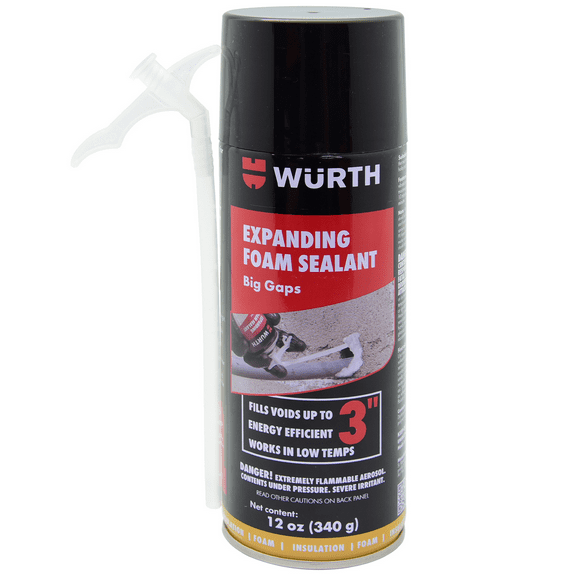
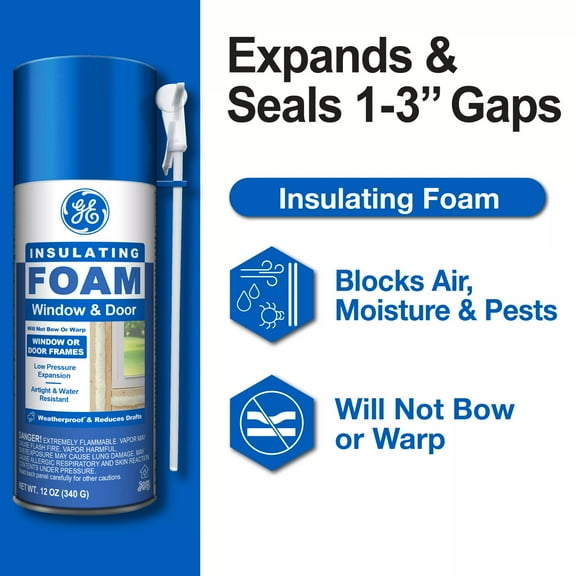
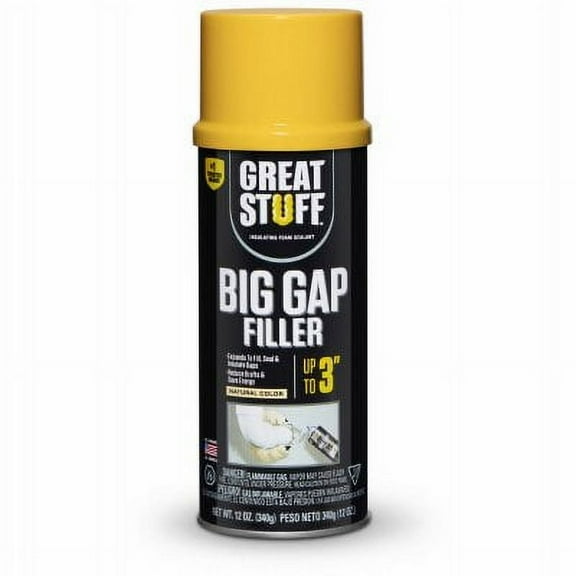
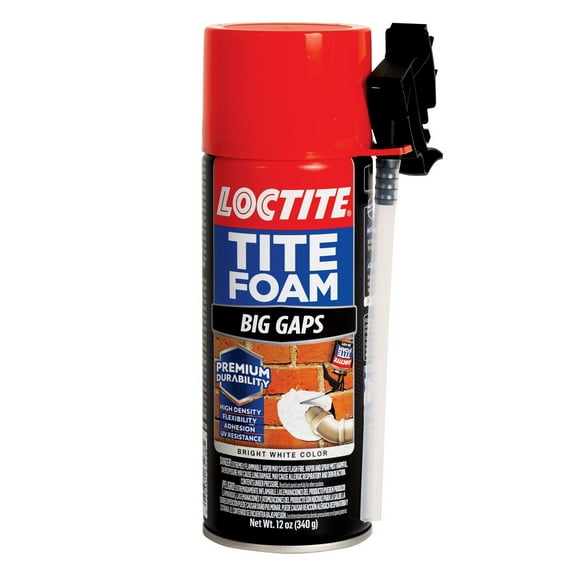
- You can reach for spray foam insulation when your space has cracks, seams, or irregular openings.
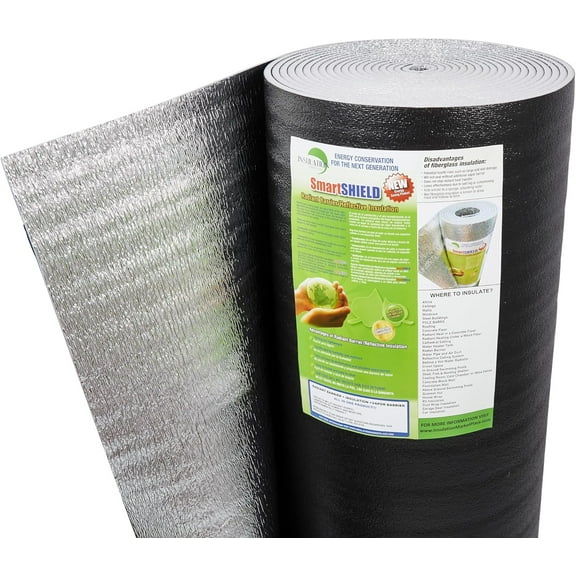
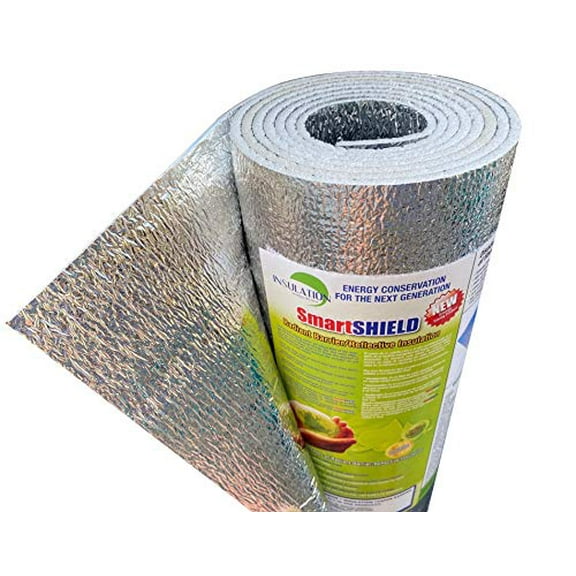
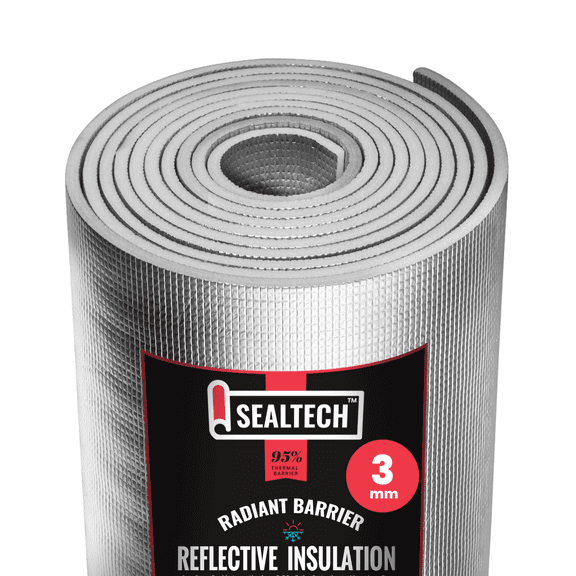
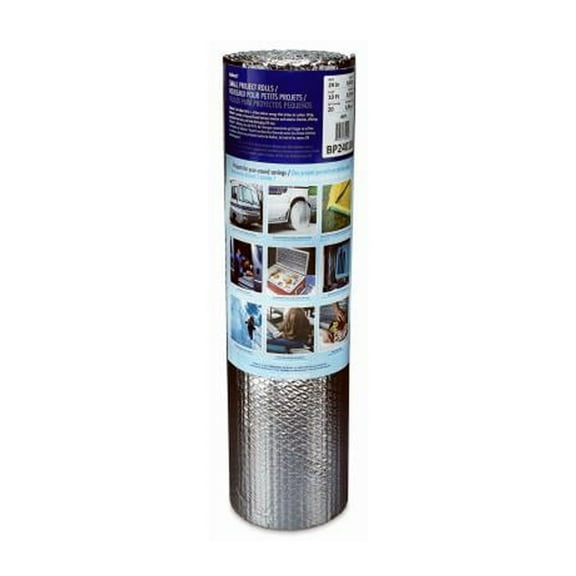
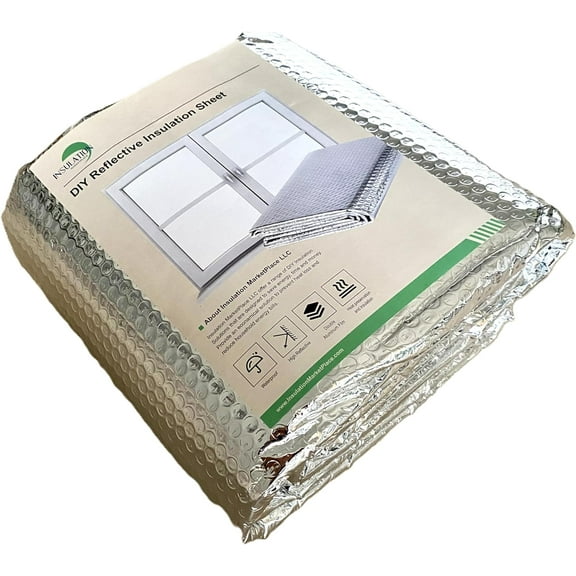
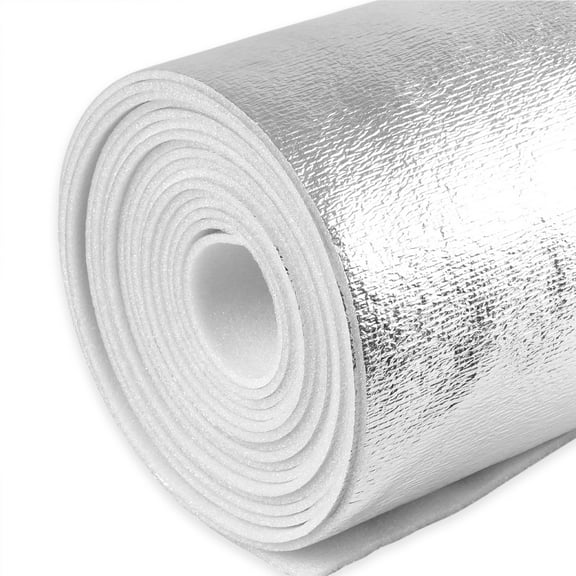
- You can compare faced, unfaced, and foil-faced options based on moisture control and reflective layers.
Choosing material type and form factor
If you’re comparing fiberglass, foam, cellulose, and rockwool, you should think about fit, density, and where you’re installing it. You’ll usually see fiberglass in roll insulation and batts for broad coverage across studs and joists.
Foam products often come as rigid boards or spray foam, so you can match flat surfaces or hard-to-reach gaps. Cellulose and rockwool can also suit specific wall or attic projects when you want different textures or densities.
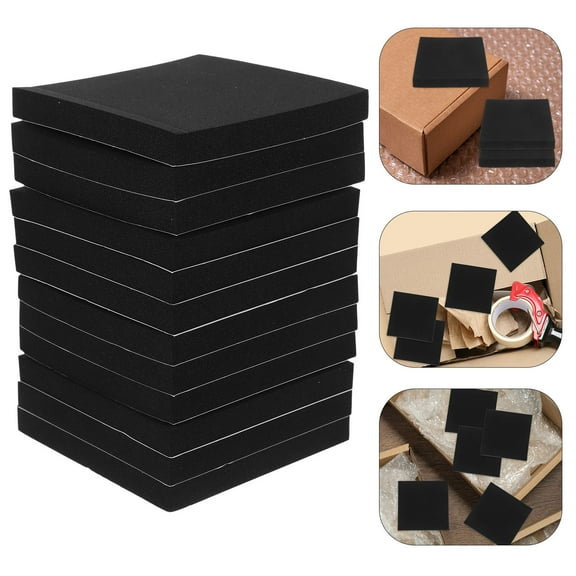
Rigid boards work well when you need straight cuts for basement walls, garage panels, or other flat sections. Spray cans help you seal narrow joints, pipe openings, rim joists, and small penetrations with more control.
Batts fit many framed wall bays, while insulation rolls can cover long attic runs with fewer seams. You should check width, thickness, and total square footage before you choose a package size.
Understanding faced options, radiant barrier, and R-value
You should compare faced and unfaced insulation based on where the material will sit in your assembly. Faced options include a vapor barrier layer, so you can use them where moisture direction matters.
Unfaced options work well when you’re layering material or filling interior spaces that don’t need that extra backing. You should check local project requirements, room placement, and wall build before you decide.
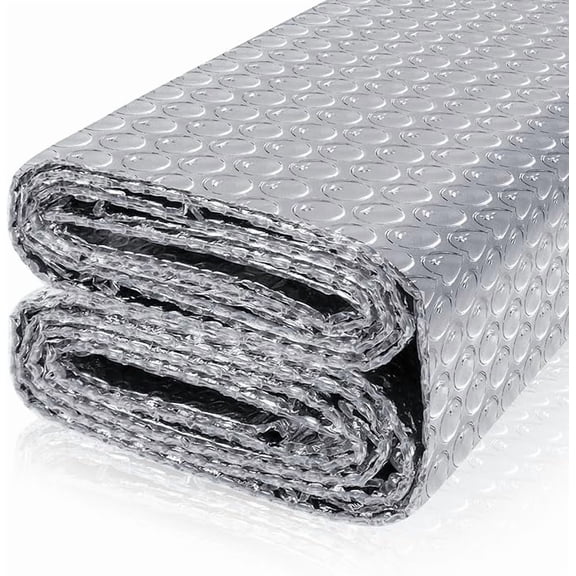
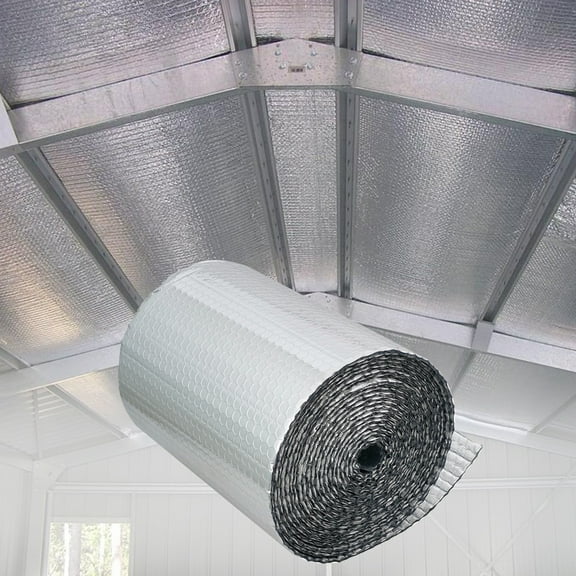
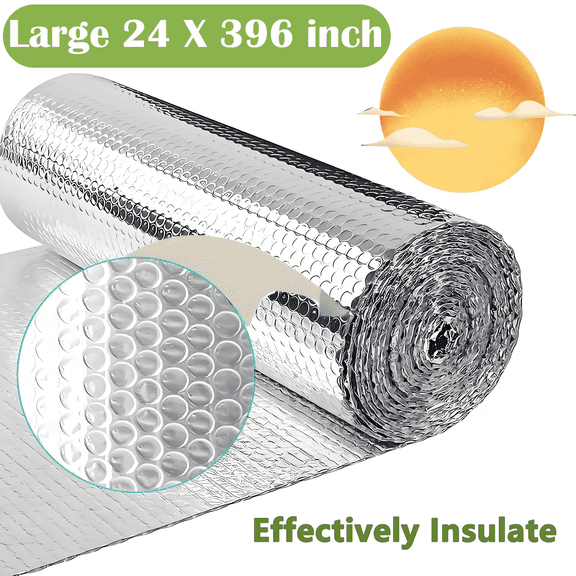
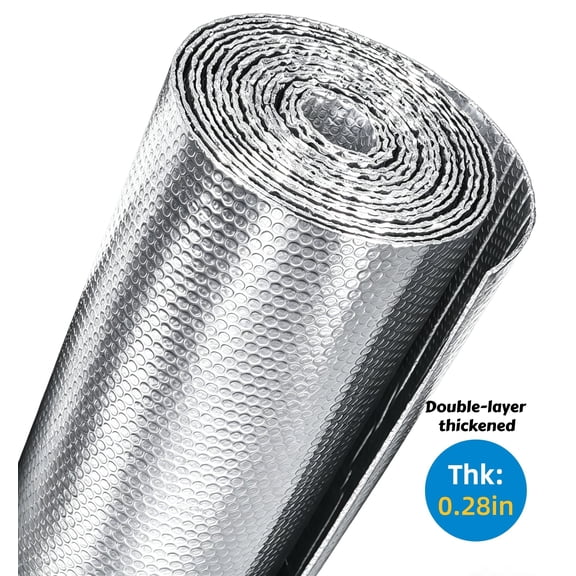
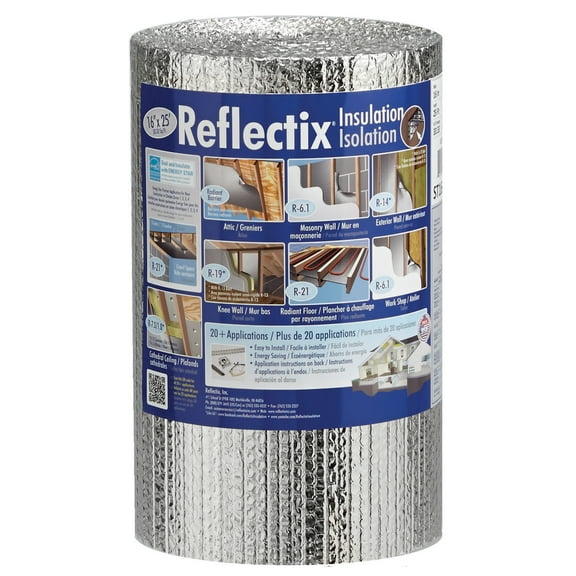
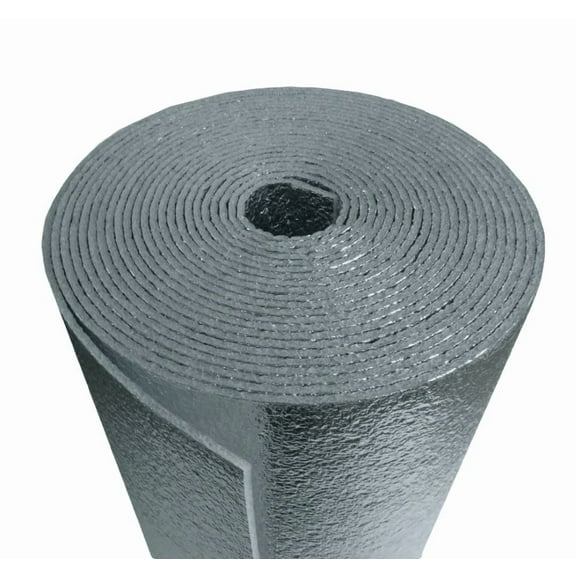
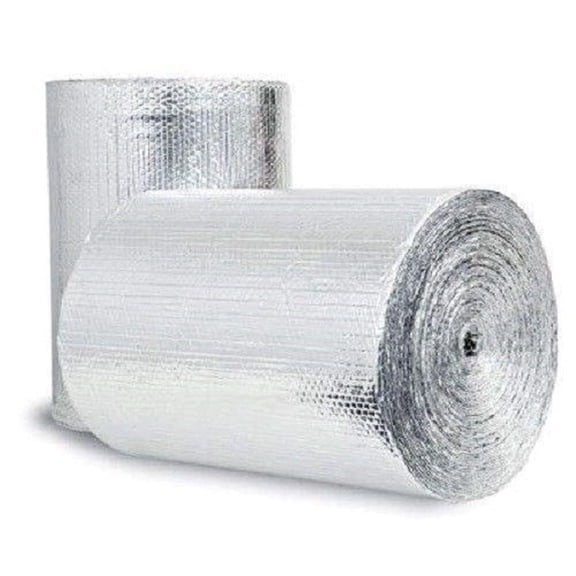
If you’re considering foil-faced products, you may also be looking for a radiant barrier effect in specific spaces. You can use those reflective surfaces in areas where heat reflection matters, such as garages or roof-adjacent zones.
R-value ratings matter because they help you match insulation to attics, walls, crawl spaces, and floors. You should compare cavity depth and project goals, so your insulation fits physically and performs as intended.
Matching insulation to attic, walls, crawl space, and garage door areas
For attic insulation, you’ll often compare rolls or batts for open floor coverage and easy measuring between joists. You should look at thickness and total coverage first, especially when your attic has long runs.
Wall projects often call for batts, rigid boards, or spray foam, depending on whether your studs are open or enclosed. You can use boards on flatter surfaces, while foams help around outlets, edges, and framing breaks.
In crawl space projects, you should measure clearances and surface shape before choosing your material. You may prefer rigid pieces for straight sections or faced products where the assembly calls for a backing layer.
If you’re tackling a garage door insulation kit project, you should focus on panel size, board fit, and easy trimming. You can also compare weatherproofing insulation options when you want a more complete seasonal setup.
What to look for during installation
You should gather the right tools before you start, because clean cuts and accurate measurements help your project go more smoothly. Your checklist may include a tape measure, straightedge, utility knife, gloves, eye protection, and a mask.
When you cut batts or foam board, you should measure each cavity and trim for a snug fit. You can get a cleaner result when your material sits evenly without large gaps at the edges.
Spray applications need careful aiming and controlled coverage, especially around corners, seams, and penetrations. You should review package directions, because expansion style and coverage can vary by formula.
For larger weatherproofing projects, you can pair your insulation plan with weatherstripping, caulk and sealants, or drywall materials. You can create a more complete finish when you address adjoining surfaces and gaps together.
With the right insulation type, R-value, and facing option, you can build a project plan that fits your space clearly. You can finish with materials that match your attic, wall, crawl space, or garage setup more precisely.