

Door Weatherstripping and Weather Stripping Solutions




























About Door Weatherstripping and Weather Stripping Solutions - Walmart.com
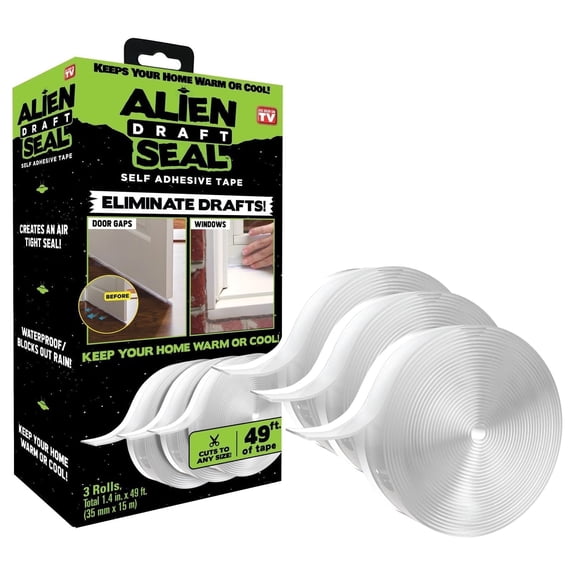
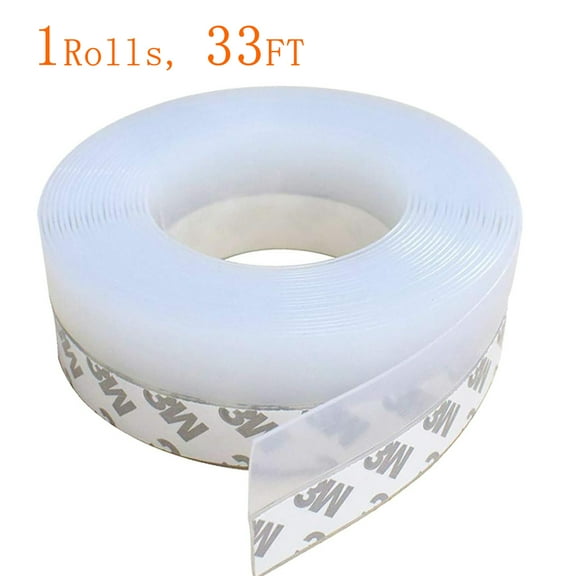
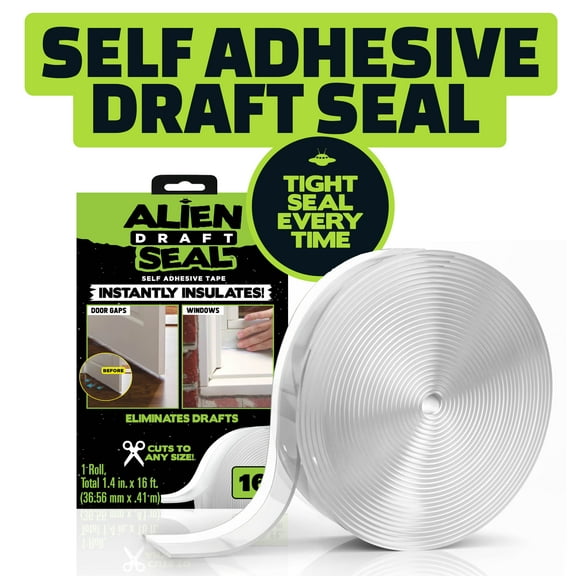
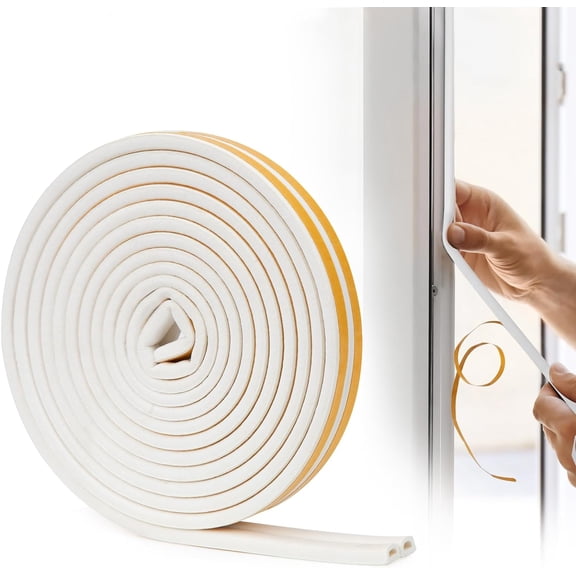
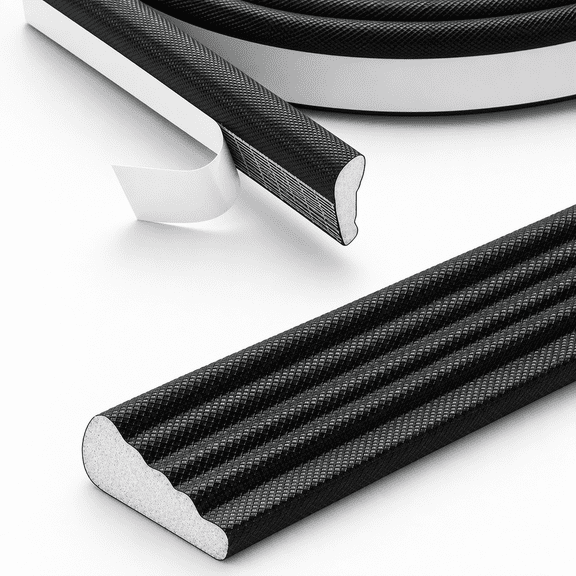
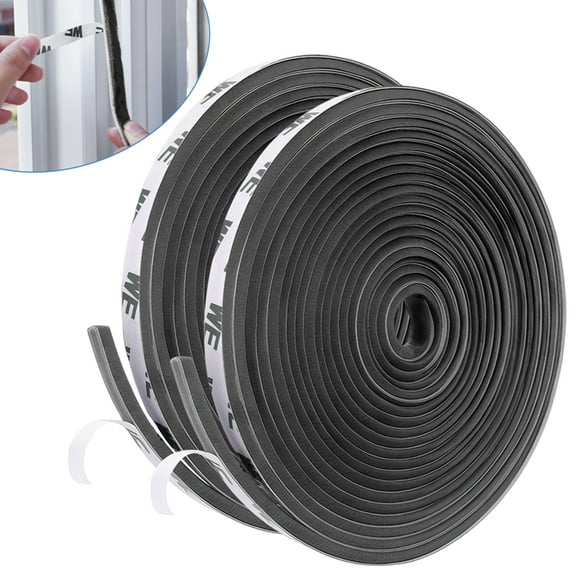
Door weather stripping helps block drafts, dust, and moisture at the gaps around your entryways. At Walmart, you’ll find options for door frames, door bottoms, and tricky corners. Choose the right profile and material, and your door closes quieter and steadier. This category includes adhesive foam, rubber, silicone, and V-strip styles for common door sizes.
Benefits of door weather stripping
When a door has visible light around the edges, air moves freely through those gaps. Door weather stripping fills those spaces, so your rooms feel more consistent. It also helps reduce rattles when the door shuts during windy weather.
Many homes need different sealing points, not just one strip. You might seal the jambs, then add door bottom weather stripping for the threshold gap. With the right combination, you can reduce dust tracks and pollen entry from busy hallways. You’ll also notice fewer outdoor smells near the door area.
- Helps reduce drafts around the latch side, hinge side, and top of the frame.
- Improves comfort by limiting hot or cold air movement through door gaps.
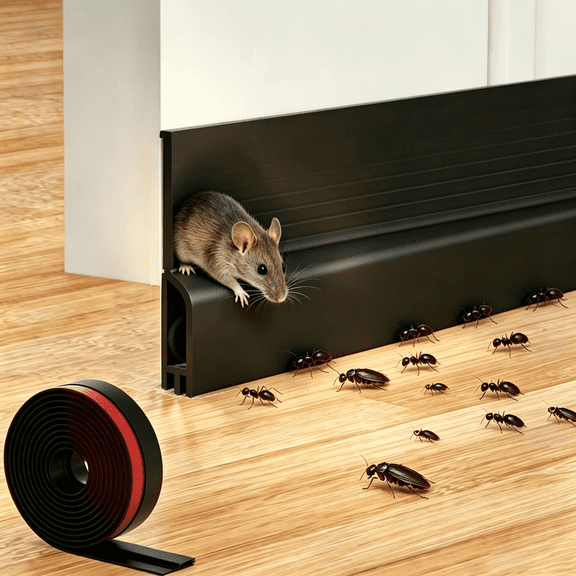
- Helps keep insects and windblown debris from slipping under the door.
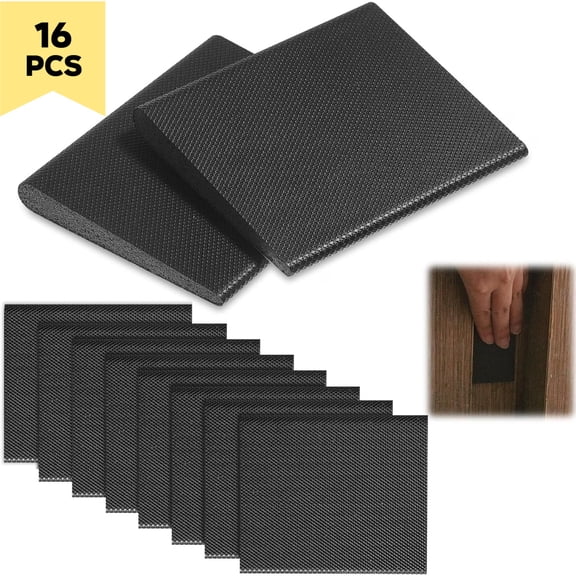
- Reduces door rattle by adding gentle compression where the door meets the stop.
- Helps protect floors by limiting rain splash and grit near the threshold.
For older doors, a fresh door seal strip can restore the snug feel without replacing the slab. For busy entries, durable materials can hold their shape after repeated openings. You can also target just one trouble spot, like a whistling corner.
Features to compare before you buy
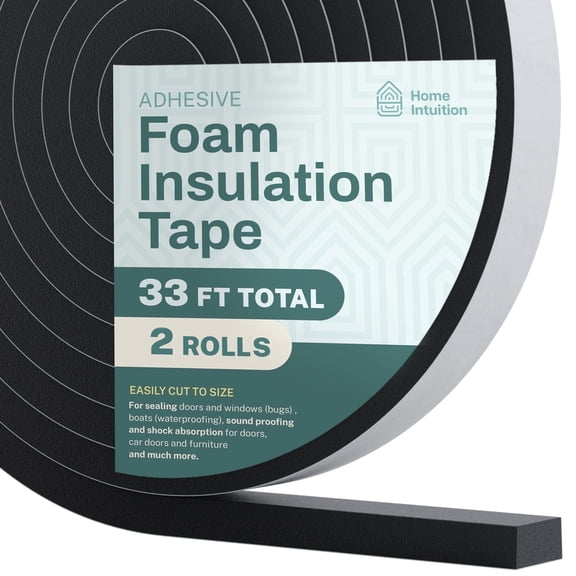
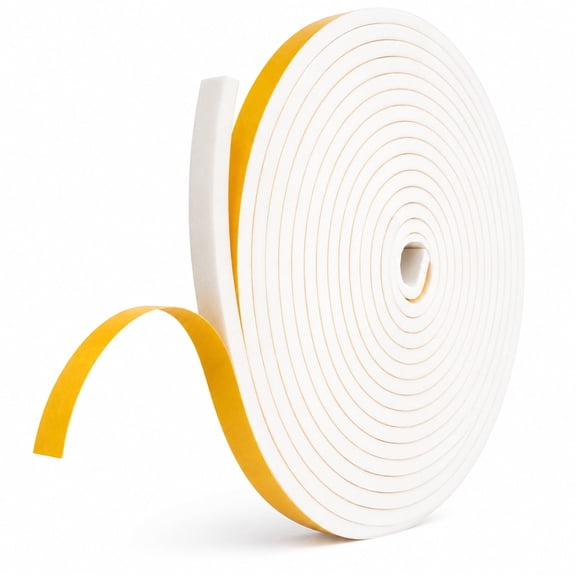
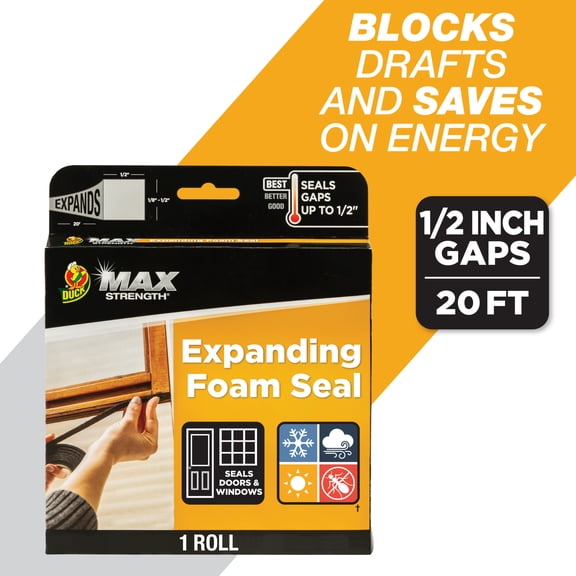
Material choice changes how the seal feels and how long it lasts. Foam compresses easily and works for small, uneven gaps on interior doors. Rubber and silicone handle frequent use and temperature swings at exterior entries.
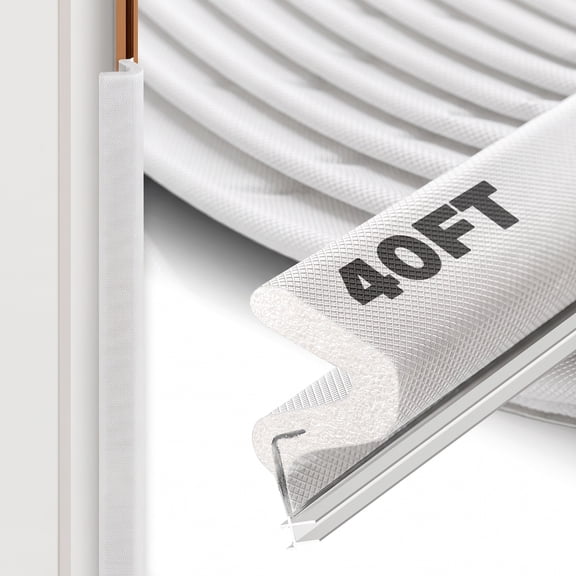
Profile shape matters as much as material. V-strip styles flex to meet the door edge, so they work well on the sides and top. Bulb seals fill wider gaps, and they can cushion a heavy door close. Felt strips can help with light-duty draft control and sound reduction indoors.
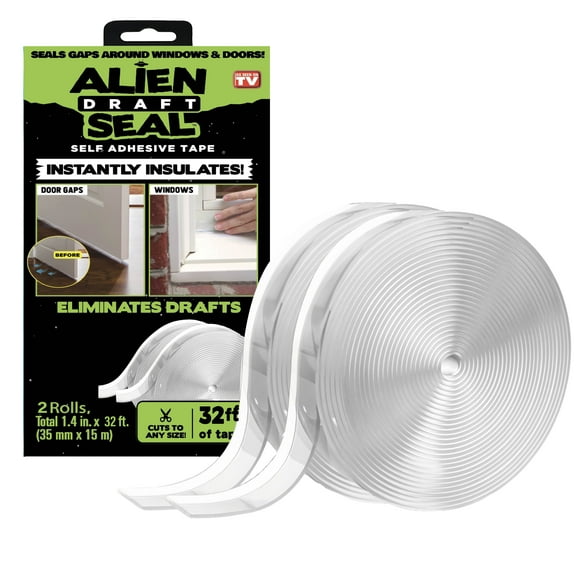
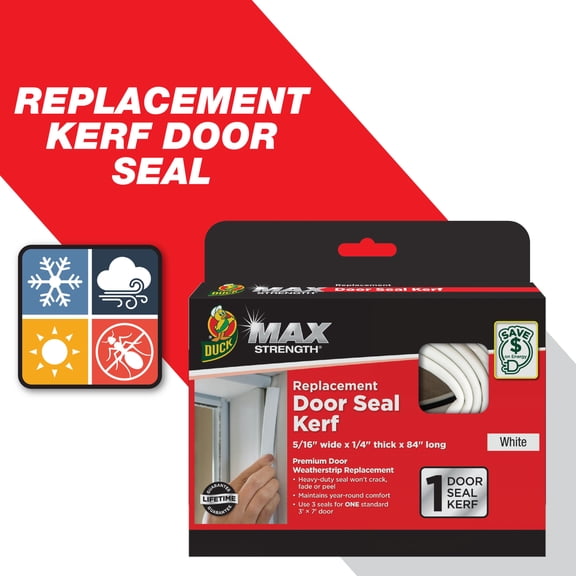
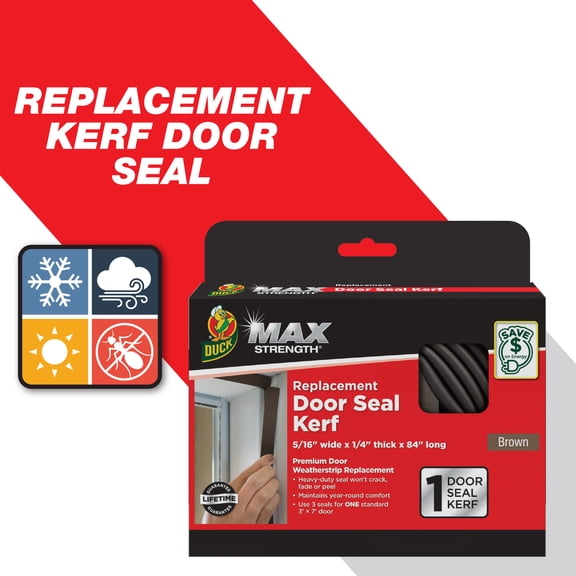
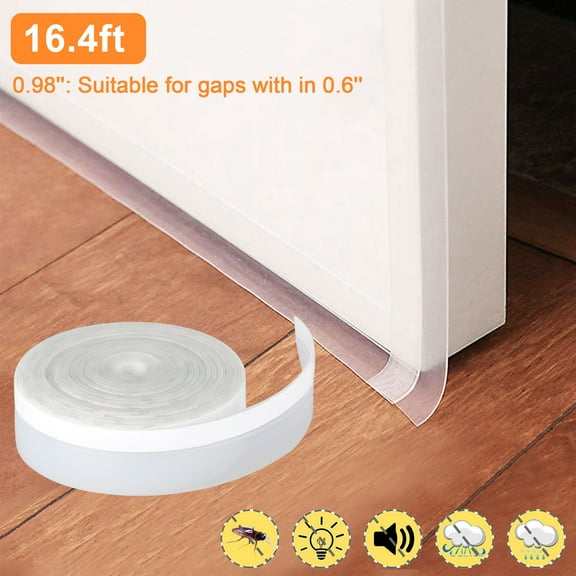
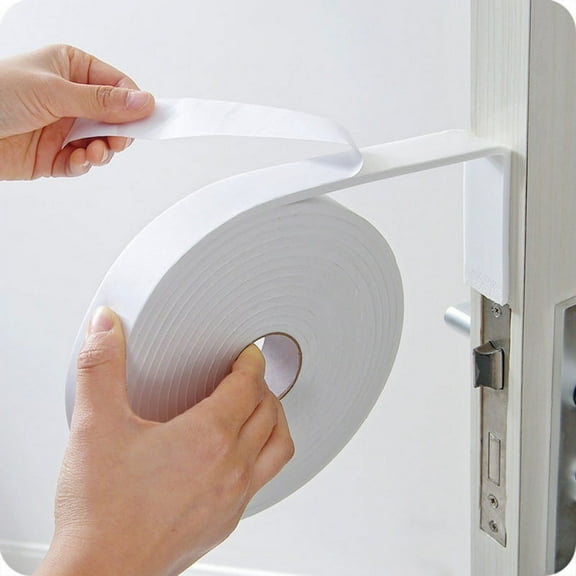
Backings and mounting styles affect installation time. Many door seal strips use peel-and-stick adhesive for quick placement on clean surfaces. Others use nails, screws, or kerf-in mounts that slide into a groove. Kerf styles can sit flush and look tidy on many prehung frames.
Measure the gap before you pick a door strip. Use a tape measure and check multiple points along each edge. Match the product’s gap range, so it compresses without forcing the door. If the door sticks, a thinner profile usually fixes it.
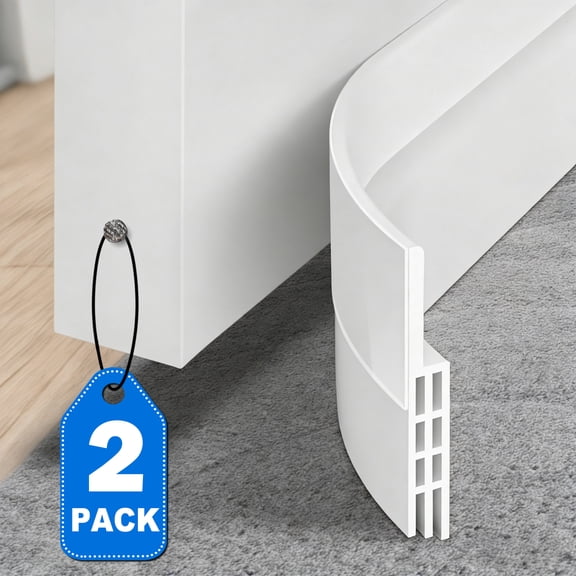
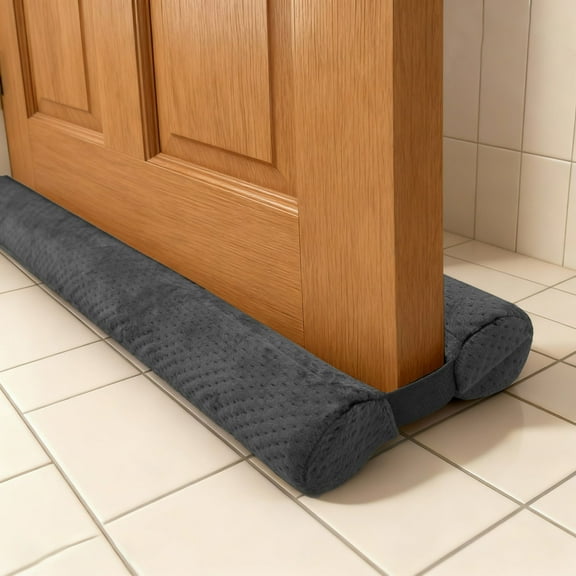
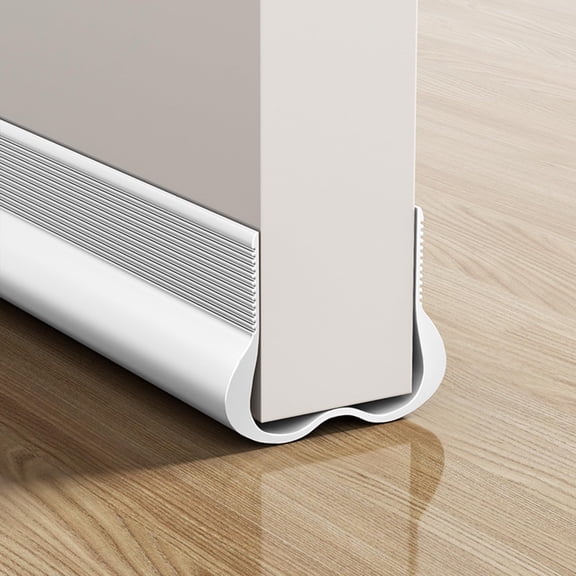
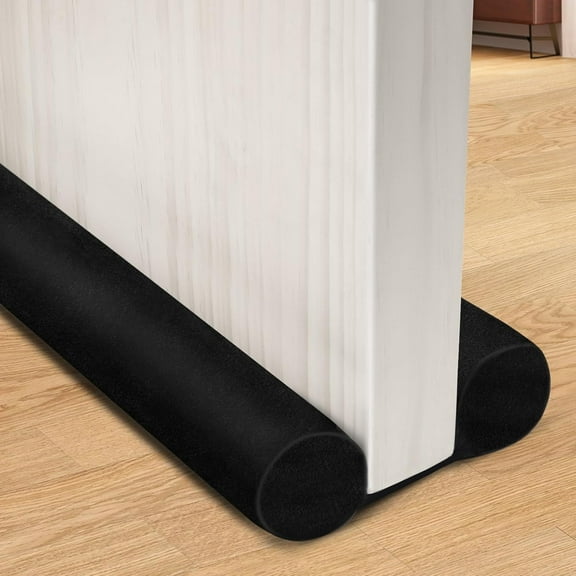
For door bottom weather stripping, compare sweep types and bottoms. Some sweeps use a flexible blade that rides over thresholds. Others use a double-fin design that seals uneven floors. U-shaped door bottoms can grip the door edge, depending on thickness.
Use cases for door seal strip and frame seals
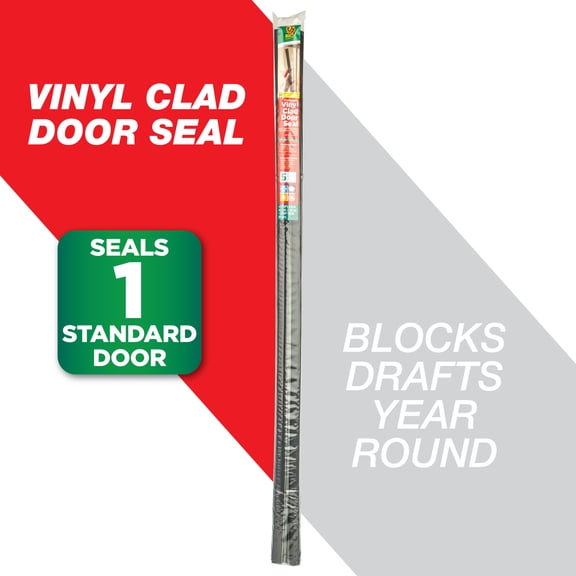
Front doors often need sealing on three sides plus the bottom edge. A weather strip door frame kit can refresh the jamb seal where the latch pulls tight. Pair it with a sweep to address the common daylight line at the threshold.
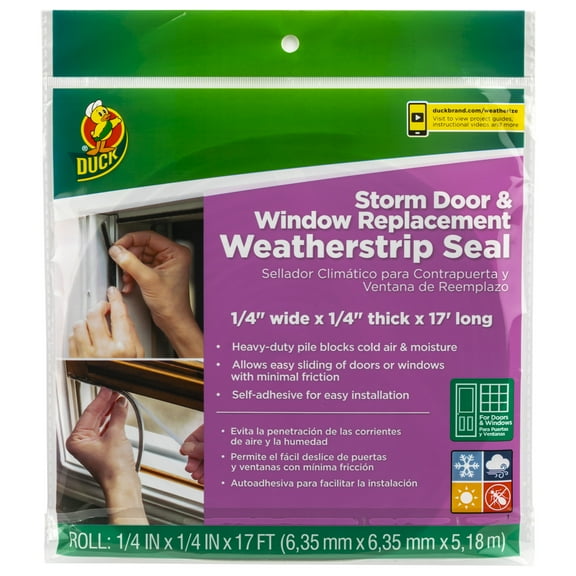
Patio doors face wind pressure and frequent sliding, so fit is critical. Thin, low-friction seals can help the panel move without binding. For a hinged patio door, check the top corner for whistling during gusts. A small V-strip can help there.
Garage entry doors often see temperature shifts and dust from the garage side. Insulation strips for doors can reduce air movement into the home space. A durable bottom seal can also limit grit that scratches nearby flooring.
Apartment and condo doors can leak hallway odors and noise through perimeter gaps. A door weather stripping set around the stop can soften sound transmission. A door bottom strip can reduce light from the corridor at night. Choose a finish color that blends with your trim.
Basement doors and utility rooms may have uneven concrete thresholds. A taller sweep or a double-fin bottom can ride over minor dips. If moisture is a concern, choose a material that won’t absorb water. Make sure the door still clears the floor smoothly.
Frequently asked questions about weather stripping door projects
If you see light around the door, start with the perimeter seal first. Then address the bottom gap with door bottom weather stripping. Test closure by sliding a paper strip around the edges. Resistance should feel steady, not stuck.
For adhesive products, prep makes the bond last longer. Clean the frame, let it dry, and apply firm pressure along the full length. Avoid stretching foam, since it can shrink back later. Trim ends cleanly, so corners meet without gaps.
When your door won’t latch after new seals, the profile is usually too thick. Swap to a thinner door seal strip or reposition it slightly on the stop. If the threshold is high, select a sweep designed for tight clearances. Small adjustments can restore smooth closing.
Conclusion
The right door weather stripping setup seals the frame, cushions the close, and blocks under-door gaps. With accurate measurements and the right profile, your entry feels steadier in every season. You’ll notice fewer drafts and less dust collecting near the threshold.