

Fiberglass Insulation in Insulation





















About Fiberglass Insulation in Insulation - Walmart.com
You can choose fiberglass insulation more confidently when you compare R-values, formats, and facing types for your project. You’ll also find options for attics, crawl spaces, ceilings, and exterior walls at Walmart.
If you’re upgrading fiberglass home insulation, you’ll want guidance that matches standard stud spacing and common room layouts. You can use this buying guide to compare batts, rolls, and loose-fill before you purchase.
How to choose fiberglass insulation by R-value
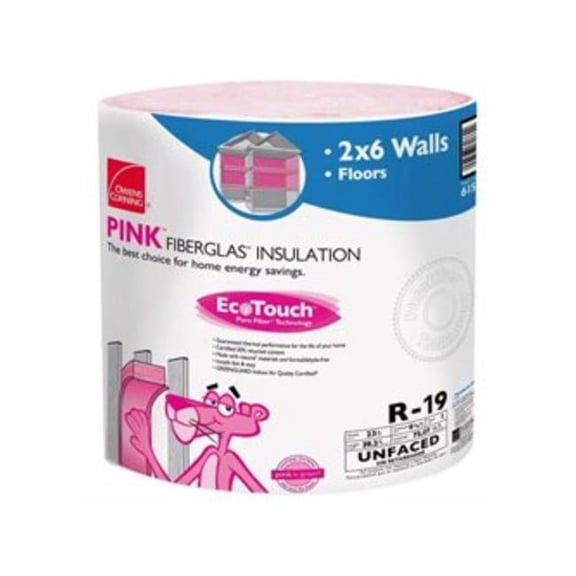
You should start with R-value because it tells you how much thermal insulation your project needs. You’ll usually compare R-13, R-15, R-19, R-30, and R-38 based on climate zone and installation area.
If you’re insulating exterior walls, you may look for R-13 or R-15 for many framed wall cavities. If you’re working on attics or ceilings, you’ll often compare higher ratings like R-30 or R-38.
You should check your local building requirements before you choose a rating for a new project. You’ll make a clearer decision when your insulation thickness matches the framing depth in your space.
Choosing format: rolls, batts, or loose-fill
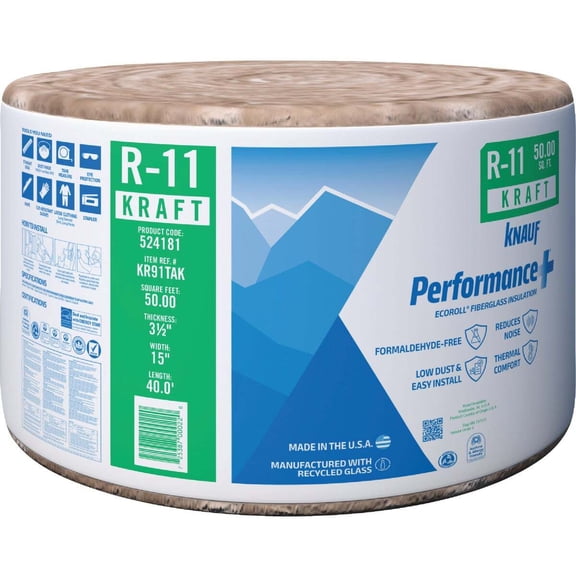
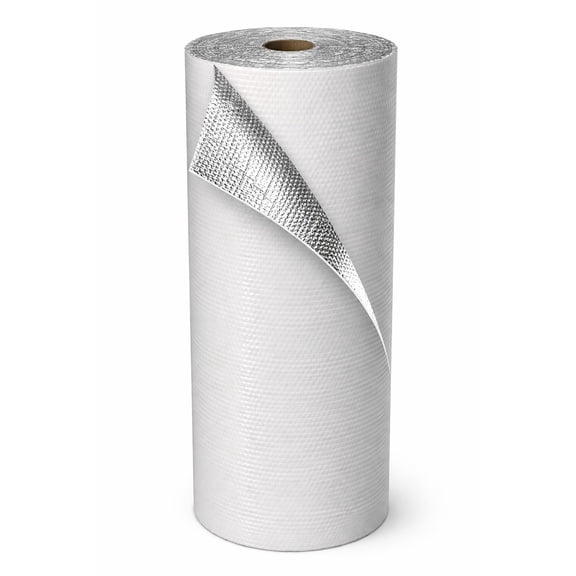
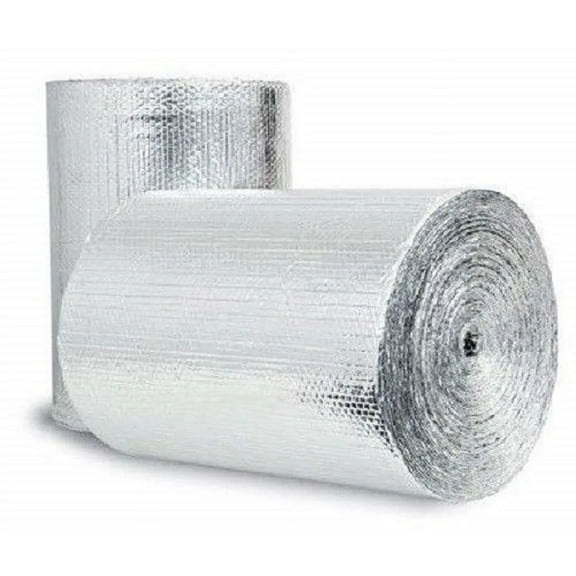
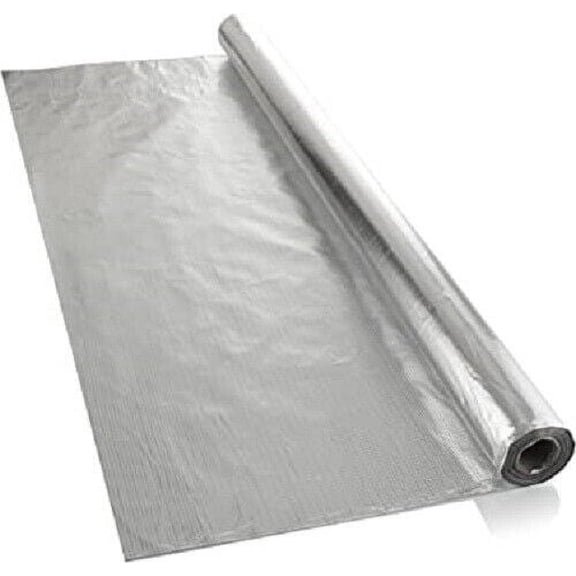
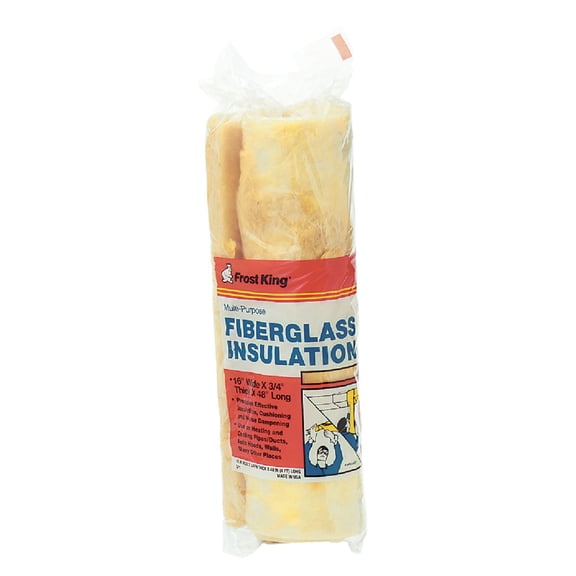
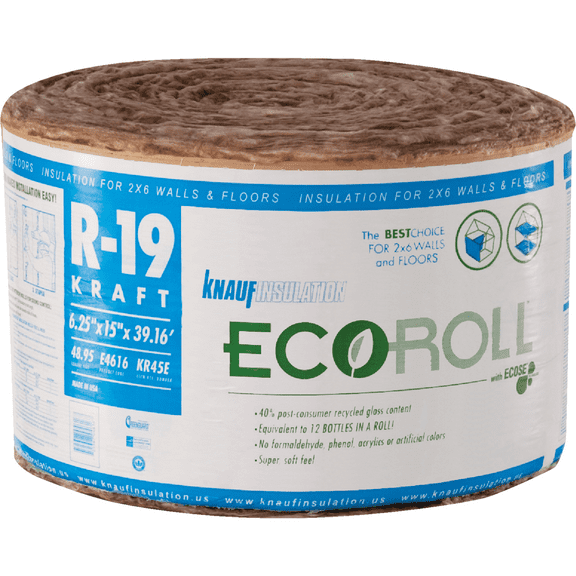
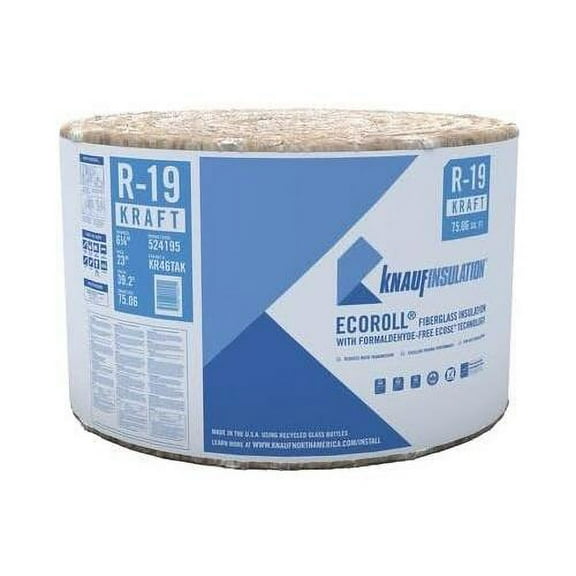
You can narrow your options quickly by choosing the format that fits your work area. You’ll often use fiberglass roll insulation for long, open runs, while batts fit smaller framed sections.
If you’re filling standard wall bays, you should compare batt widths made for 15-inch or 24-inch framing centers. You’ll get a neater fit when the width matches your joists or studs.
You may choose loose-fill when you need coverage around obstacles or across irregular attic spaces. You’ll find it useful when pipes, wiring, or tight corners make pre-cut pieces less practical.
- You can use rolls for broad attic spans and longer ceiling runs.
- You can use batts when your wall cavities follow standard stud spacing.
- You can use loose-fill when your attic has irregular shapes or hard-to-reach gaps.
- You should measure cavity depth and width before you compare package details.
Faced vs. unfaced fiberglass insulation
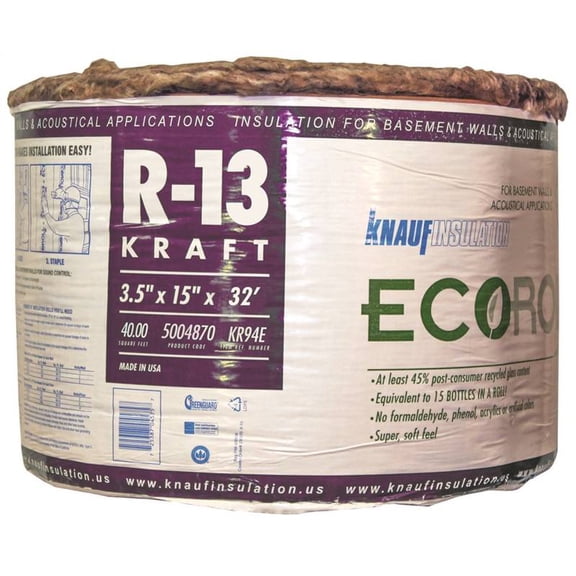
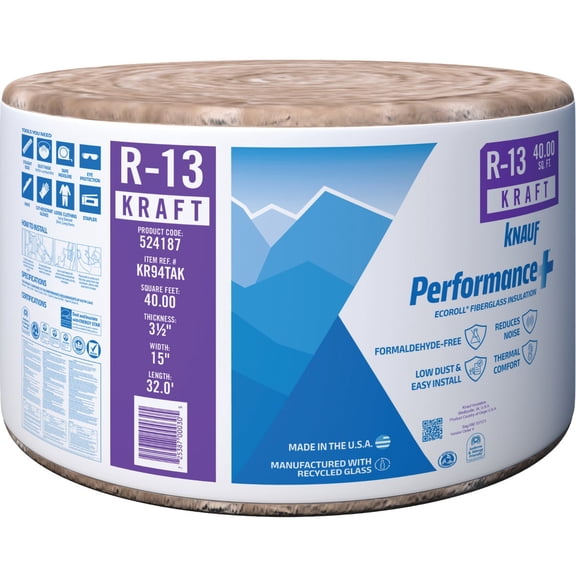
You should compare faced and unfaced options based on where the material will sit in your assembly. You’ll often choose kraft-faced insulation when you need a built-in paper facing on one side.
If you’re insulating exterior walls, you may look for faced material where a facing is appropriate for the space. If you’re layering insulation in an attic, you may prefer unfaced material for added flexibility.
You should confirm the intended placement before you buy because wall, ceiling, and crawl space setups can differ. You’ll avoid guesswork when you match the facing type to the project location.
Comparing fiberglass and other insulation materials
You may notice fiberglass, mineral wool, and foam when you compare insulation materials for a project. You’ll usually choose fiberglass when you want familiar batt, roll, and loose-fill formats.
If you’re comparing materials, you should think about cavity fit, format availability, and how the material installs. You’ll want a product shape that matches your framing and your planned work area.
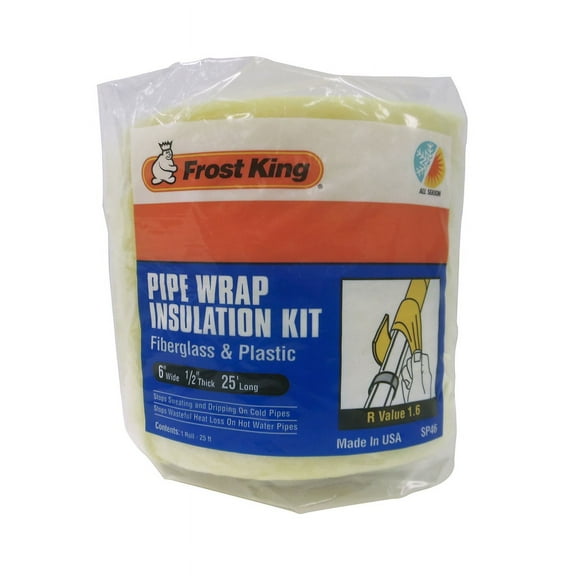
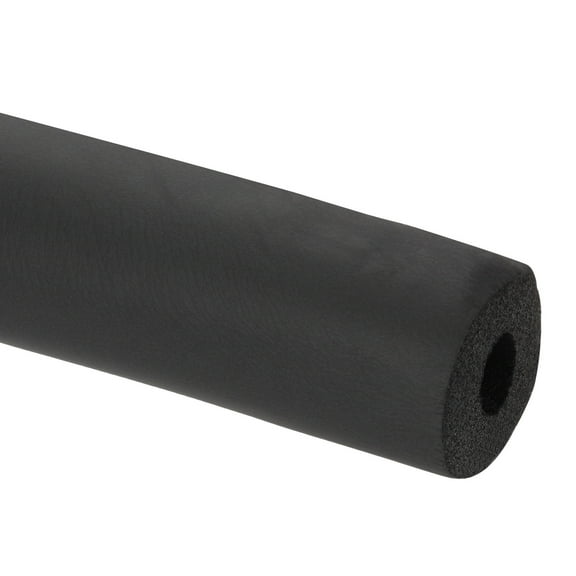
You may also search for 6 inch foam pipe insulation during broader upgrade projects around utility areas. You should keep that separate from wall and attic insulation choices because the applications differ.
What to look for in sizing and installation tools
You should measure the joist or stud spacing before you choose fiberglass insulation for your project. You’ll often compare 15-inch and 24-inch widths for standard framing layouts.
If you’re planning a DIY install, you should also gather tools that help you cut and secure material cleanly. You’ll commonly look for utility knives, staple guns, dust masks, and safety goggles.
You can make your project smoother when you prepare your workspace and verify each cavity measurement first. You’ll reduce trimming and repositioning when your insulation size matches the framed opening.
Matching fiberglass insulation to common project areas
You can use fiberglass insulation in attics, crawl spaces, exterior walls, and ceilings when the product matches the location. You’ll want to compare R-value, width, and facing type for each area.
If you’re insulating an attic, you may choose rolls for wide coverage or loose-fill for irregular spaces. If you’re insulating walls, you may prefer batts sized for standard stud bays.
You should think about clearance around wiring, vents, and framing before you choose a format. You’ll get a more organized installation plan when you map each section in advance.
Where shoppers often look and what to compare
You may search fiberglass insulation nearby or insulation near me when you need quick project planning. You can compare availability online at Walmart before you head to pickup or delivery options.
If you’re wondering where shoppers commonly purchase fiberglass insulation, you’ll usually compare home improvement retailers and online assortments. You can simplify that process by focusing on R-value, format, facing, and application area first.
You’ll make a stronger choice when you compare thermal insulation needs with the framing and room type in your home. You can finish with fewer surprises when your insulation matches the project from the start.