






All Game Time Food in Shop All Game Time Food




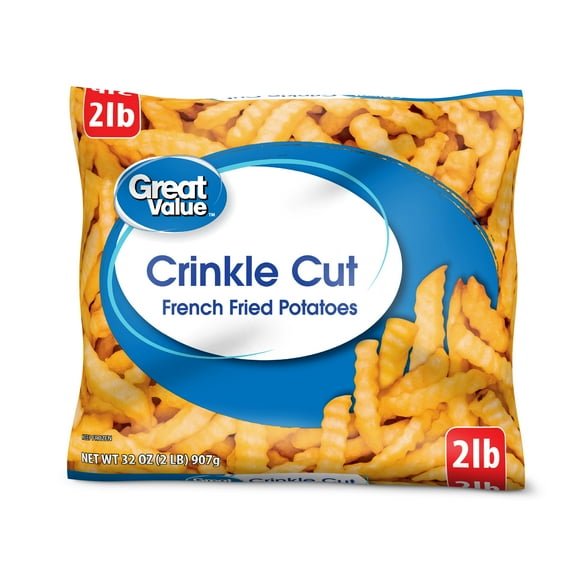
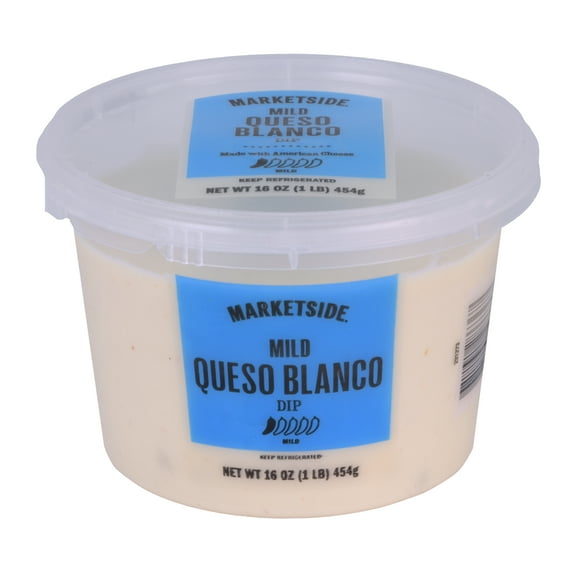
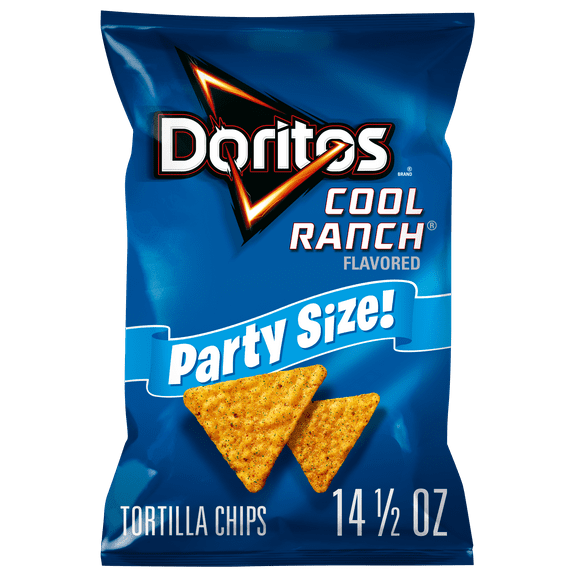
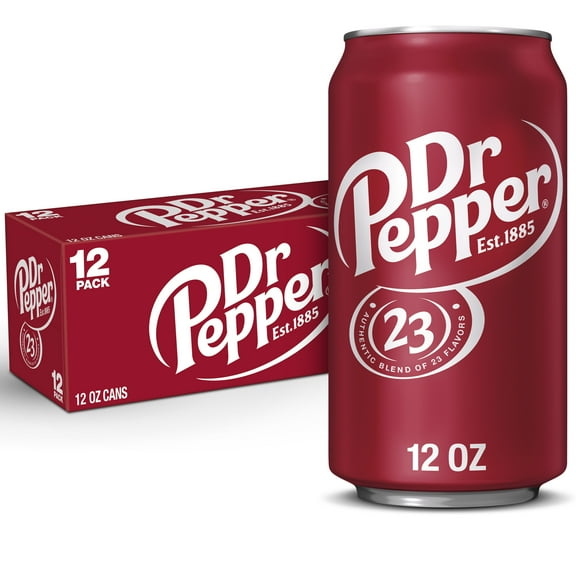
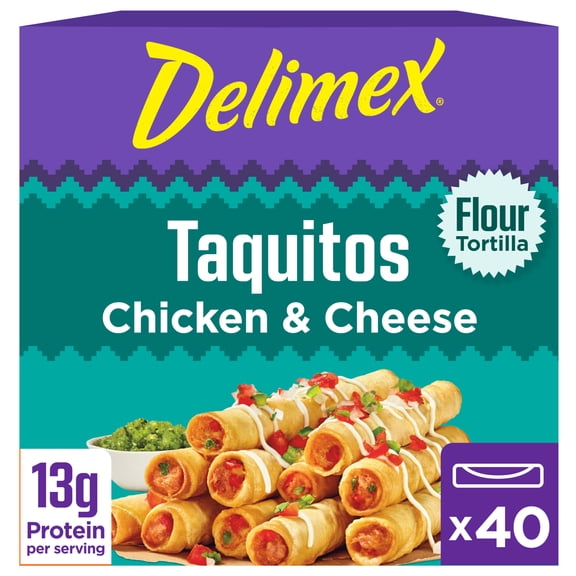

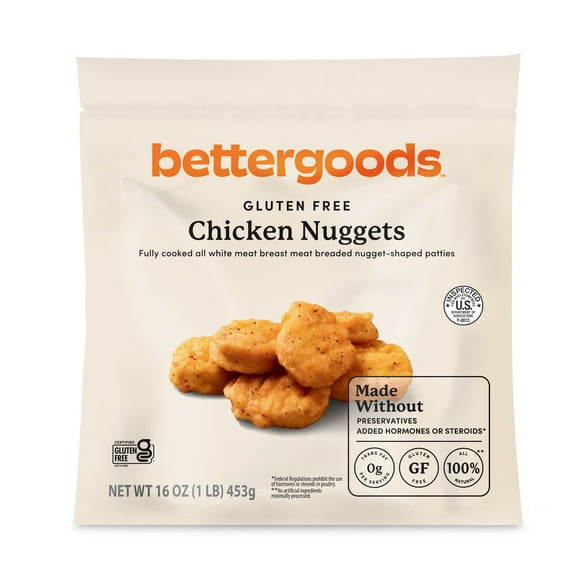
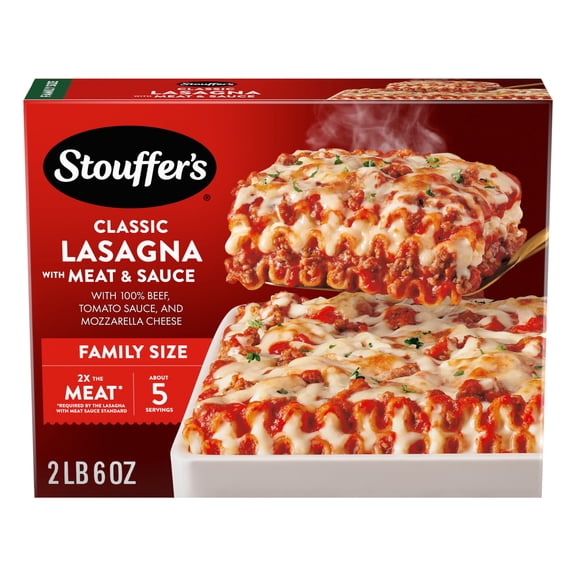


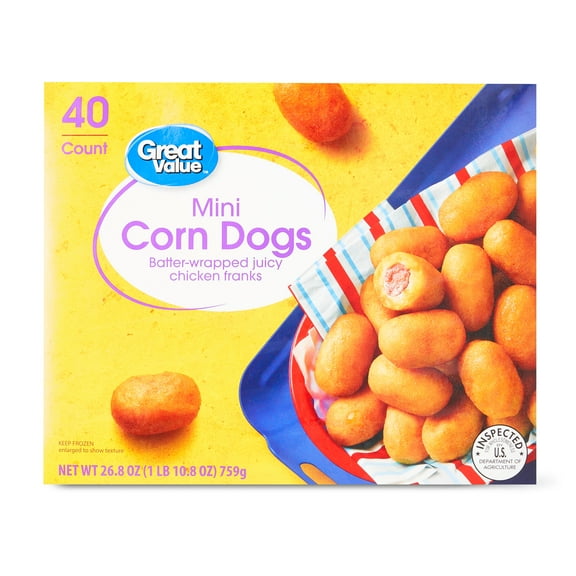







About All Game Time Food in Shop All Game Time Food - Walmart.com
Game time food helps you feed a crowd with less prep and more variety for tailgates, watch parties, and halftime snacking. You can mix appetizers, snacks, main dishes, and desserts to keep every guest interested from kickoff through the final play.
When you plan for sports gatherings, you usually need foods that travel well, heat quickly, and serve easily. You can build a spread that feels complete by combining dips, finger foods, warm entrees, and sweet finishes.
How to choose game time food for your crowd
You should start with the food category that matches your setup and serving style. You may want appetizers for easy grazing, snacks for quick refills, main dishes for heartier appetites, and desserts for a simple finish.
If you’re hosting at home, you can balance crunchy, warm, and sweet choices across the table. If you’re tailgating, you may prefer handheld foods that stay easy to pass around outdoors.
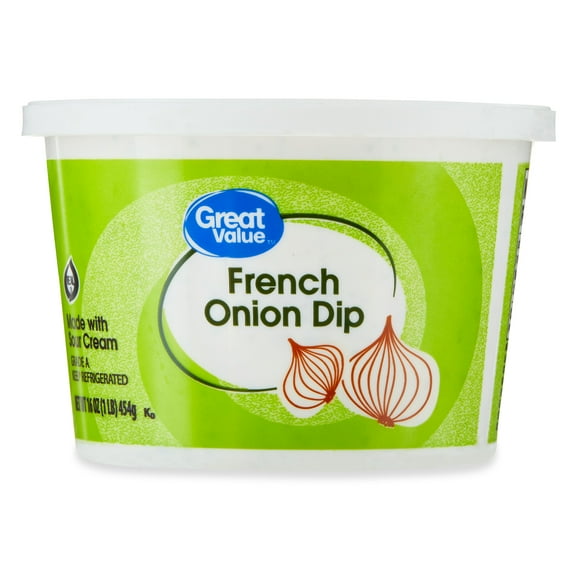
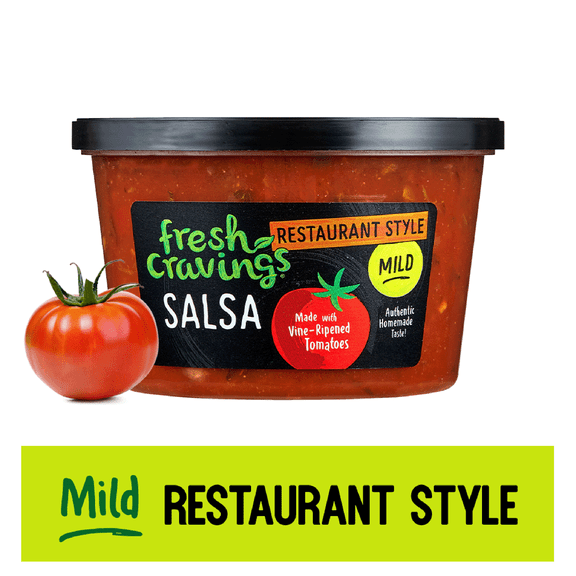
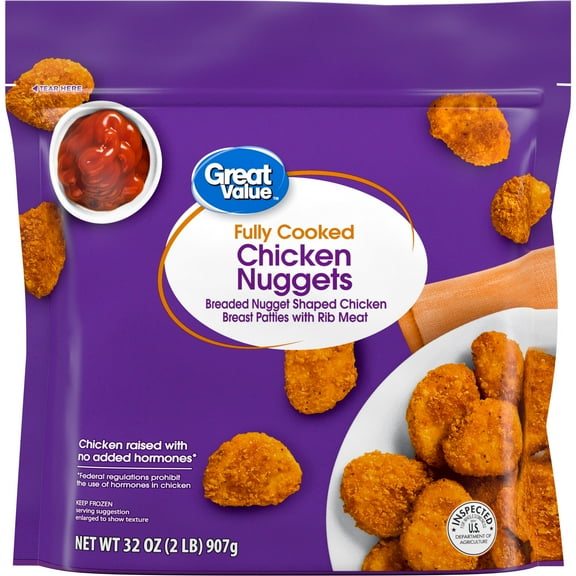
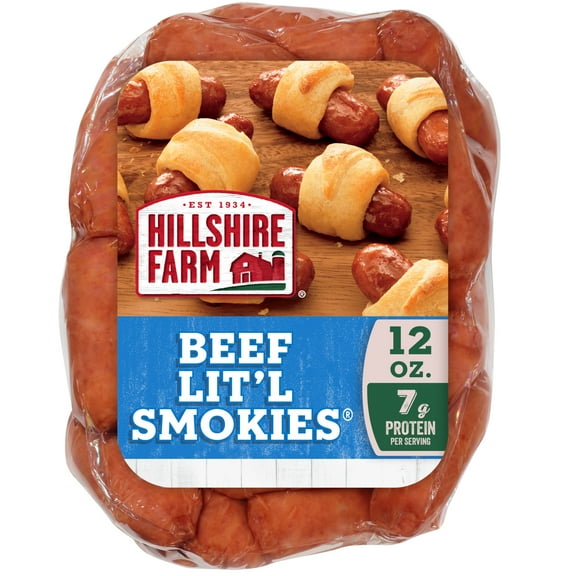
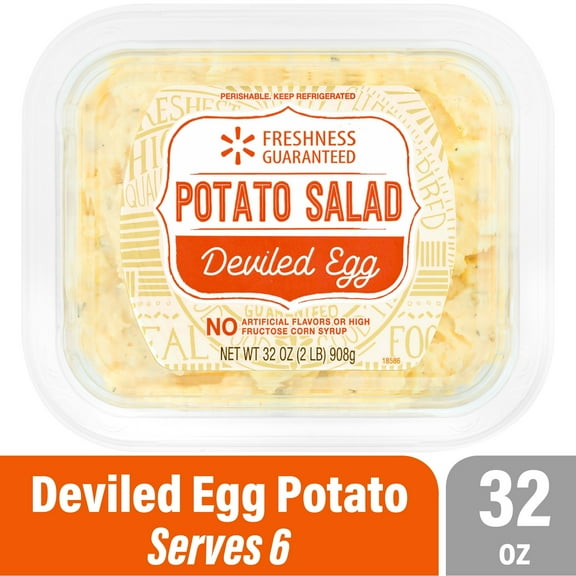
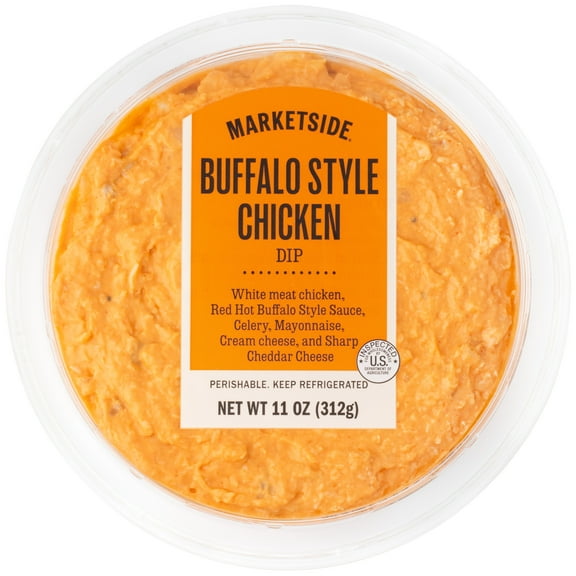
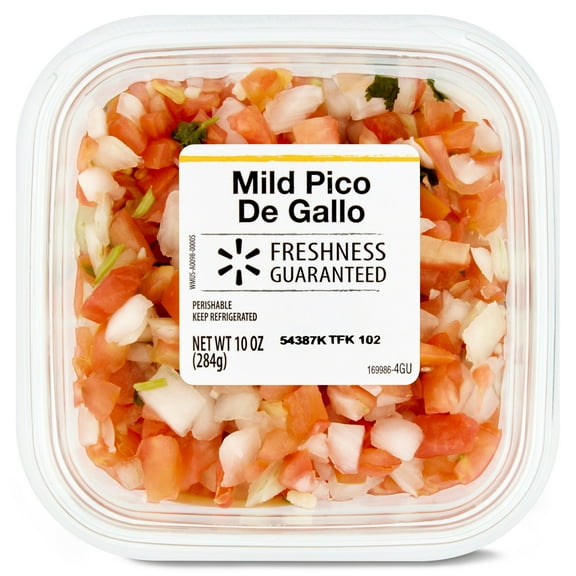
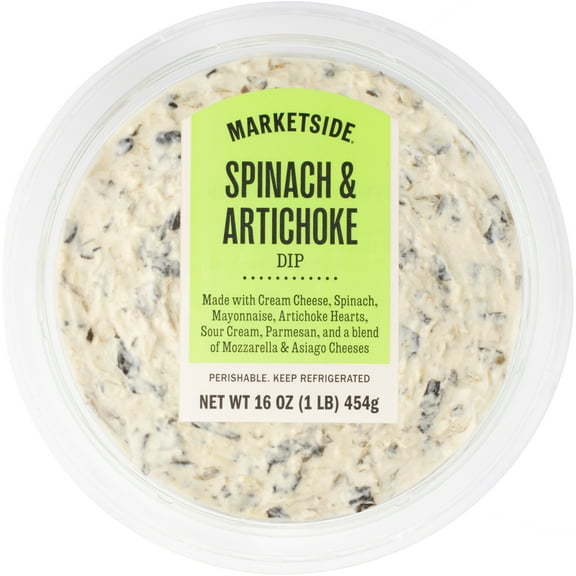
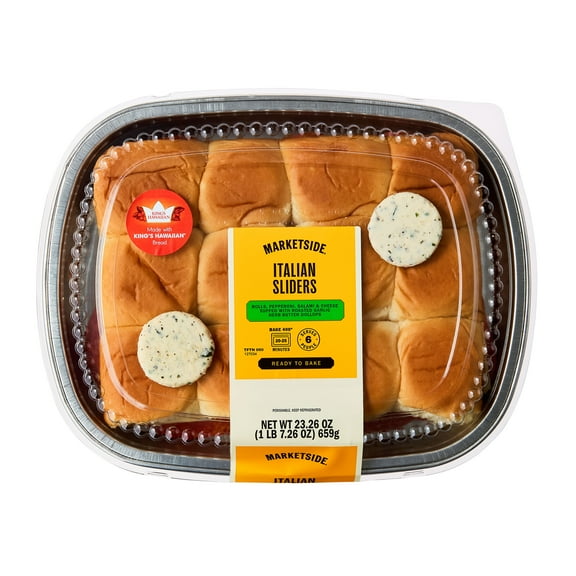
- You can use appetizers like wings, sliders, or dips to keep guests snacking between plays.
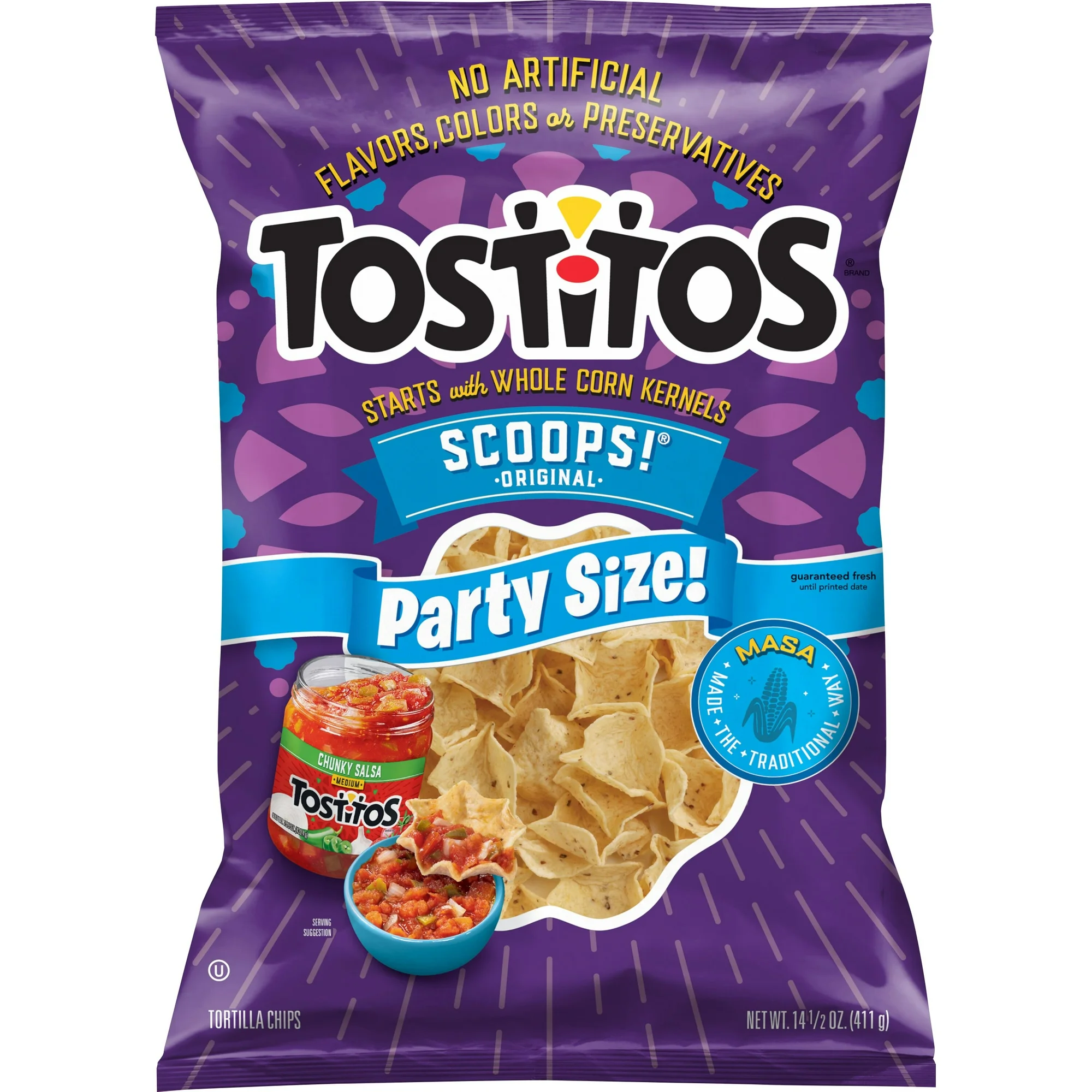
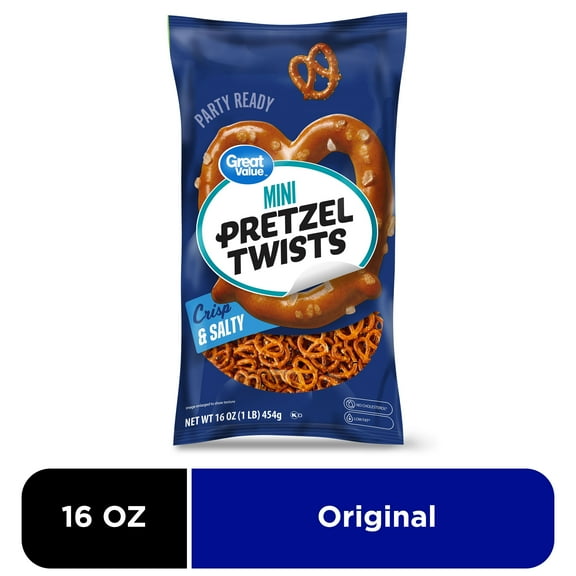
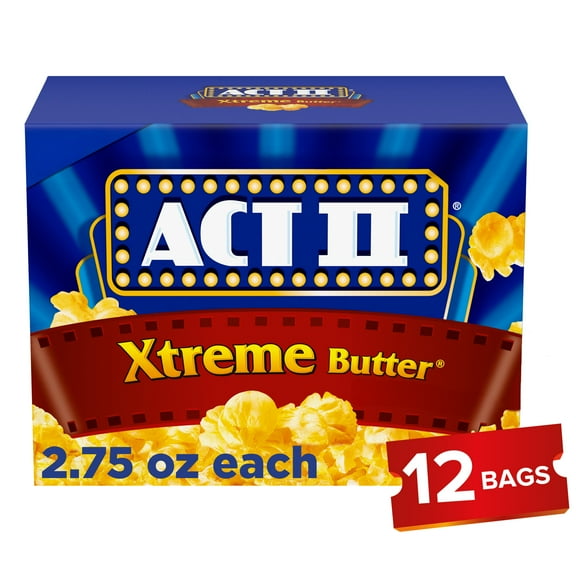
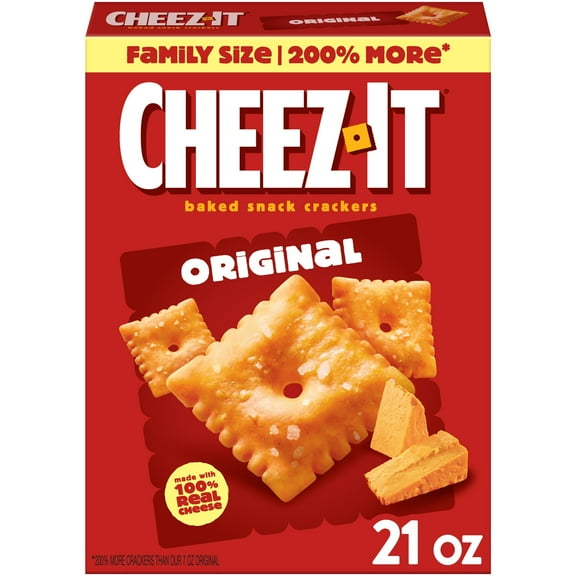
- You can add chips, crackers, popcorn, or nuts when you want easy grab-and-go options.
- You can choose main dishes when your group expects a fuller meal before or during the game.
- You can finish with cookies, brownies, or bite-size desserts for a sweet final course.
You’ll also want variety in texture and flavor, not just category. You can combine savory, spicy, sweet, and tangy foods so your spread feels more complete.
Choosing preparation type and serving size
You should compare preparation type before you fill your cart. You may prefer ready-to-eat foods for instant setup, heat and serve foods for warm bites, or fresh items for more hands-on prep.
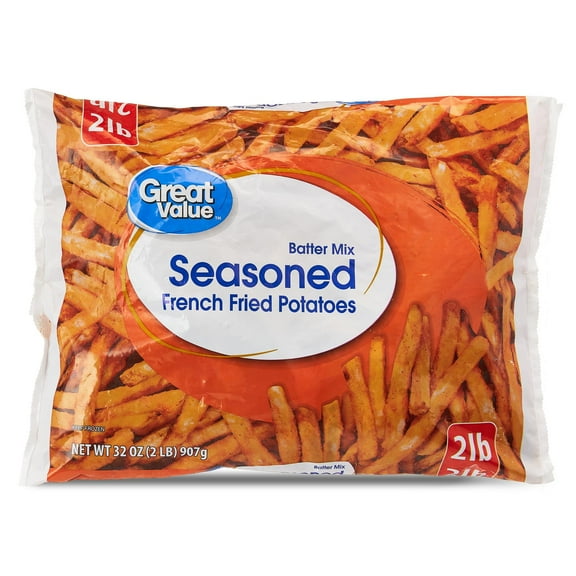
If you’re short on time, ready-to-eat options help you set out food fast during pregame. If you want hot snacks, heat and serve picks give you melted, crispy, or baked textures with less effort.
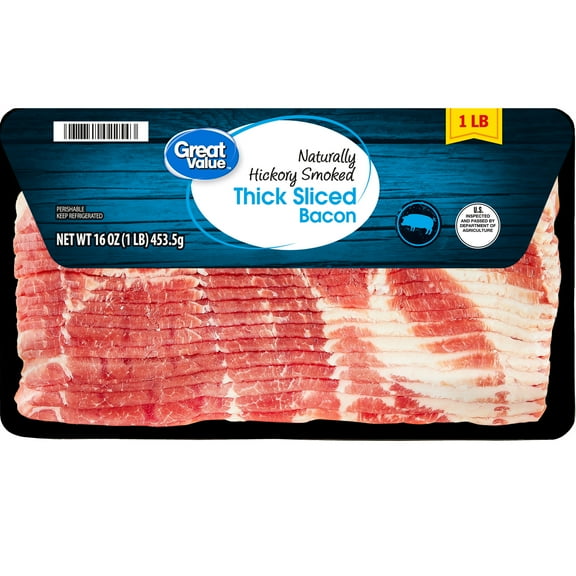
You can use fresh or raw ingredients when you want to assemble trays, sandwich platters, or taco bars yourself. You’ll get more control over portions, toppings, and timing when guests arrive in waves.
Serving size matters just as much as prep style when you plan game time food. You should check whether you need individual portions, family size packs, or party platter and bulk formats.
Individual portions help you keep things simple for smaller gatherings or mixed preferences. Family size packs work well when you’re feeding four to six people and want fewer open containers.
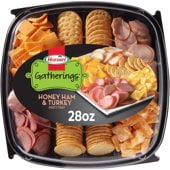
Party platter and bulk options make sense when you expect 10 to 12 guests or steady snacking all afternoon. You can reduce refill trips when you choose larger trays, bigger bags, and shareable packs.
What to look for in dietary preferences and flavor profiles
You should review dietary preferences early, especially when your guest list includes different eating styles. You can compare standard, vegetarian, keto, and gluten-free options before you decide on your full menu.
If you’re serving mixed groups, you should label dishes and check package details for ingredients and allergen information. You can make the table easier to navigate when you separate gluten-free and vegetarian choices.
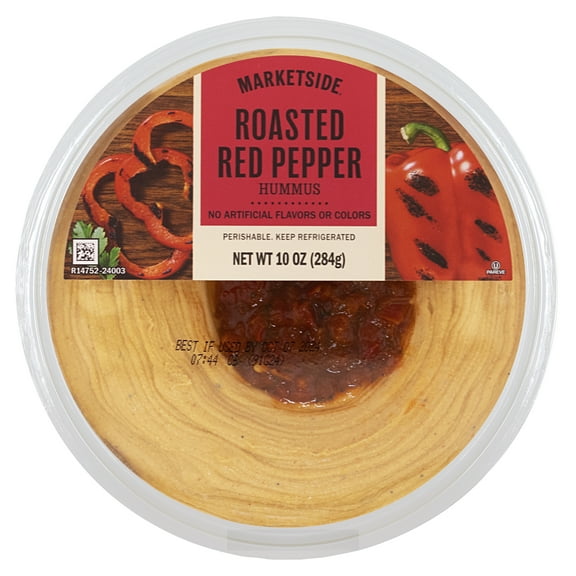
Keto options may fit guests who want lower-carb picks during the game. Vegetarian choices can round out the spread when you want dips, flatbreads, veggie trays, or meat-free appetizers.
Flavor profile is another key decision because your table should offer more than one taste direction. You can pair savory snacks with spicy wings, sweet desserts, and tangy dips for a balanced lineup.
Savory foods usually anchor the table and keep guests coming back between plays. Spicy foods add energy, while sweet and tangy choices help break up heavier bites.
Matching game day food to home gating and tailgating
You should match your menu to where you’re serving and how long the event lasts. You may want different foods for a living room spread, a backyard gathering, or a parking lot tailgate.
For home gating, you can use oven-ready appetizers, chilled dips, and larger main dishes with easy access to plates and warmers. You’ll have more flexibility with foods that need baking, reheating, or last-minute assembly.
For tailgating, you should consider portability and holding temperature before choosing each item. You can prioritize wrapped sandwiches, sturdy chips, snack mixes, and foods that stay appealing in coolers or insulated carriers.
If you expect guests to arrive before kickoff, you can start with ready-to-eat snacks and a party platter. If your group stays through the full game, you can add heat and serve foods for a second wave.
You can also build a practical flow by placing crunchy snacks first, warm foods second, and desserts last. Your setup feels easier to manage when guests can spot quick bites without crowding one area.
When you’re feeding kids and adults together, you can mix familiar finger foods with bolder flavors. You’ll cover more preferences when you combine mild sliders, spicy dips, tangy wings, and sweet treats.
Simple planning tips for a smoother spread
You should count guests, compare package sizes, and plan a mix of cold and warm foods before game day. You can avoid last-minute gaps when you check prep time, serving format, and storage needs.
Look for combinations that work across the whole event, not just kickoff. You’ll keep the table stocked longer when you pair quick snacks, hearty mains, and easy desserts in the right serving sizes.
With the right game time food mix, you can serve a crowd with less stress and more variety. You’ll feel ready for tailgating or home gating when every choice fits your prep time, guest count, and flavor plan.