




Create Your Charcuterie Board

Explore The Charcuterie Shop
A 1-stop shop for meats, cheeses & more.

Charcuterie flavor pairings

Build a board
It’s easy & delicious!

Choose your cheese
Soft, aged, firm & other options.
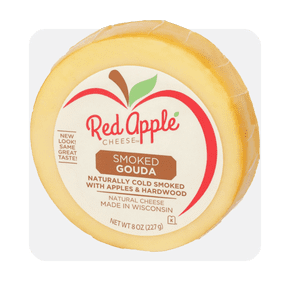
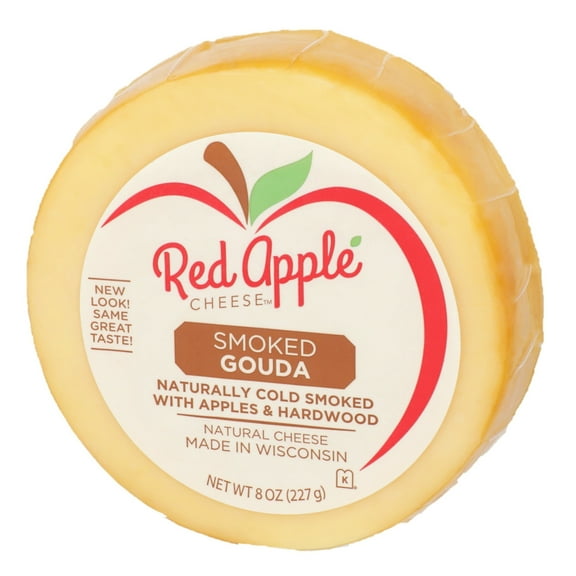
Red Apple Cheese Apple Smoked Natural Gouda, 8 oz Round $4.87 60.9 ¢/oz
 $487current price $4.8760.9 ¢/oz
Red Apple Cheese Apple Smoked Natural Gouda, 8 oz Round
10934.6 out of 5 Stars. 1093 reviews4.6 out of 5 starsSave with
 Delivery as soon as 35 minsPickup as soon as 6pmSNAP EBT eligible
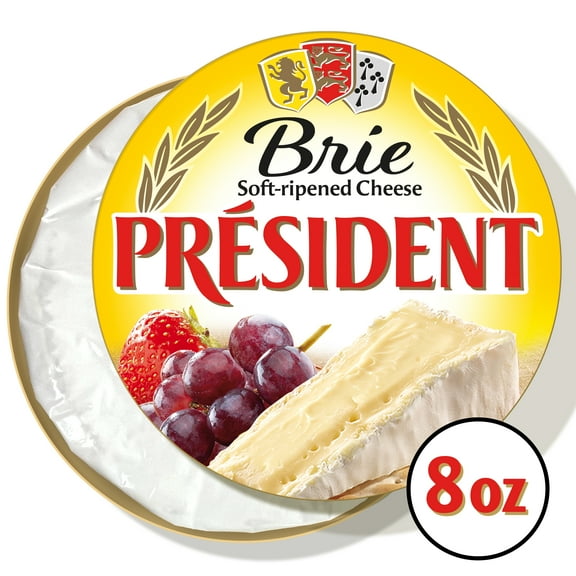
President Brie Soft-Ripened Cheese, 8 Oz $5.87 73.4 ¢/oz
 $587current price $5.8773.4 ¢/oz
President Brie Soft-Ripened Cheese, 8 Oz
29724.6 out of 5 Stars. 2972 reviews4.6 out of 5 starsSave withDelivery as soon as 35 minsPickup as soon as 6pmSNAP EBT eligibleMarketside Parmigiano Reggiano Cheese Wedge, 6 oz, Aged 24 Months, Imported from Italy, Parmesan Cheese Wedge $7.96 $1.33/oz
 $796current price $7.96$1.33/oz
Marketside Parmigiano Reggiano Cheese Wedge, 6 oz, Aged 24 Months, Imported from Italy, Parmesan Cheese Wedge
8834.7 out of 5 Stars. 883 reviews4.7 out of 5 starsSave withDelivery as soon as 35 minsPickup as soon as 6pmSNAP EBT eligibleMarketside Blue Cheese Crumble Cup, 5 oz (Refrigerated) $3.87 77.4 ¢/oz
 $387current price $3.8777.4 ¢/oz
Marketside Blue Cheese Crumble Cup, 5 oz (Refrigerated)
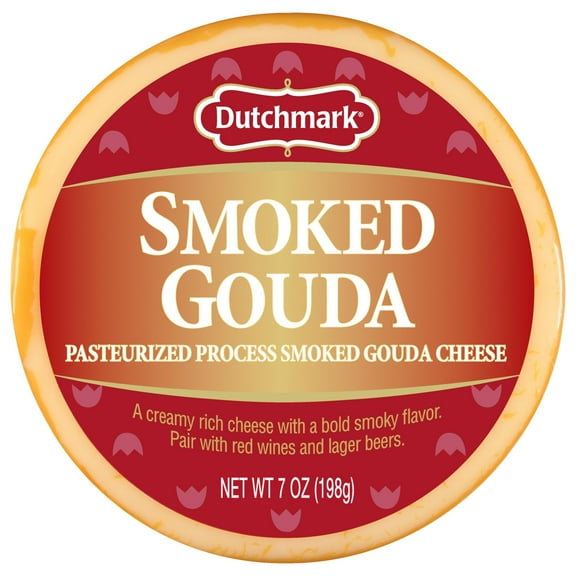
14014.6 out of 5 Stars. 1401 reviews4.6 out of 5 starsSave withDelivery as soon as 35 minsPickup as soon as 6pmSNAP EBT eligibleDutchmark Smoked Gouda Cheese 7 oz $3.94 56.3 ¢/oz
 $394current price $3.9456.3 ¢/oz
Dutchmark Smoked Gouda Cheese 7 oz
24464.6 out of 5 Stars. 2446 reviews4.6 out of 5 starsSave withDelivery as soon as 35 minsPickup as soon as 6pmSNAP EBT eligibleBest seller, Boursin® Garlic & Fine Herbs Spreadable Cheese 5.3 oz Refrigerated $5.72
Best seller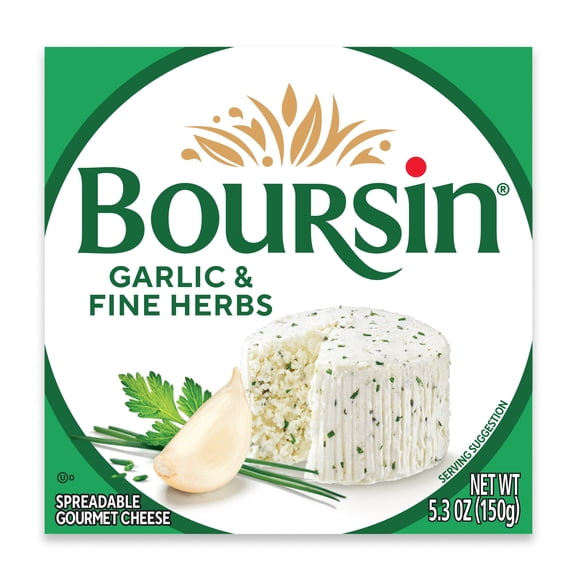 4 optionsAvailable in additional 4 options$572current price $5.72
Boursin® Garlic & Fine Herbs Spreadable Cheese 5.3 oz Refrigerated
Save withDelivery as soon as 35 minsPickup as soon as 6pmSNAP EBT eligibleSartori Farmhouse Cheddar Cheese Block Specialty Cheese, 7 oz Refrigerated Plastic Packet $4.17 59.6 ¢/oz
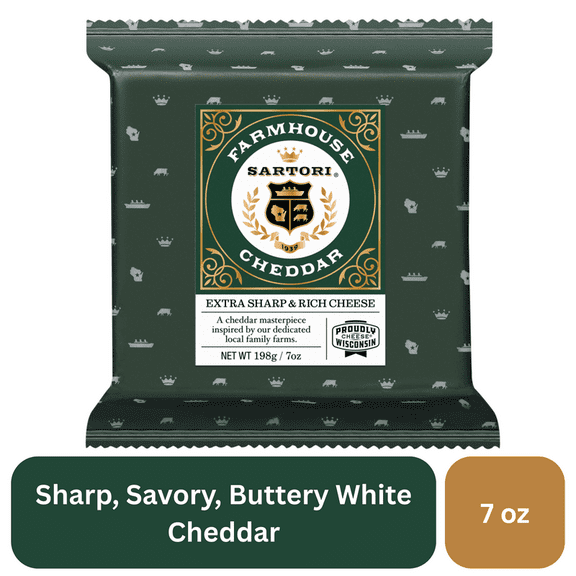 $417current price $4.1759.6 ¢/oz
Sartori Farmhouse Cheddar Cheese Block Specialty Cheese, 7 oz Refrigerated Plastic Packet
4654.6 out of 5 Stars. 465 reviews4.6 out of 5 starsSave withDelivery as soon as 35 minsPickup as soon as 6pmSNAP EBT eligibleBelGioioso Fresh Mozzarella Cheese Pearls Mini Snacking Cheese, 8 oz Refrigerated Plastic Packet $4.94 61.8 ¢/oz
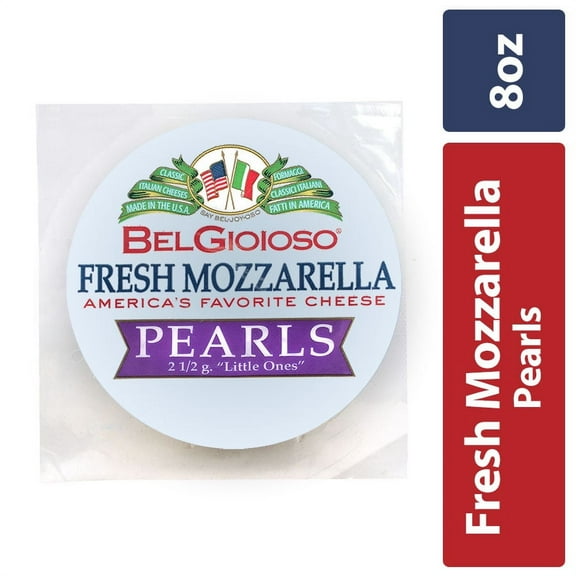 $494current price $4.9461.8 ¢/oz
BelGioioso Fresh Mozzarella Cheese Pearls Mini Snacking Cheese, 8 oz Refrigerated Plastic Packet
38254.7 out of 5 Stars. 3825 reviews4.7 out of 5 starsSave withDelivery as soon as 35 minsPickup as soon as 6pmSNAP EBT eligibleMarketside Mature English White Cheddar Cheese Chunk 7 oz $4.97 71.0 ¢/oz
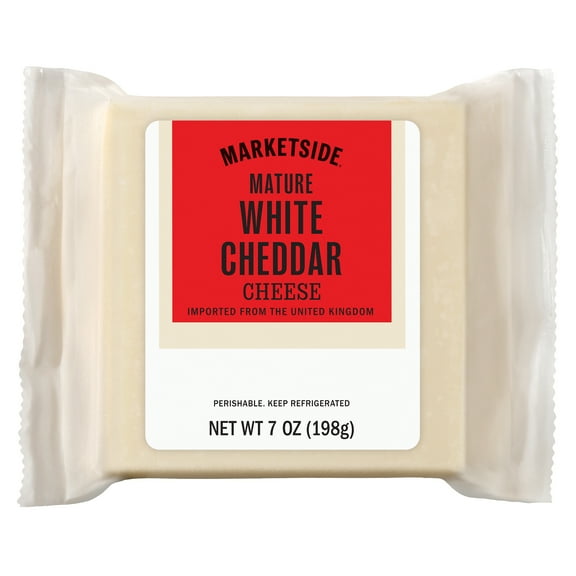 $497current price $4.9771.0 ¢/oz
Marketside Mature English White Cheddar Cheese Chunk 7 oz
2014.6 out of 5 Stars. 201 reviews4.6 out of 5 starsSave withDelivery as soon as 35 minsPickup as soon as 6pmSNAP EBT eligibleSartori MontAmore Cheddar Cheese, Specialty Cheese, 7 oz, Refrigerated Plastic Packet, Aged, Savory & Sweet, Food Form: Block $4.17 59.6 ¢/oz
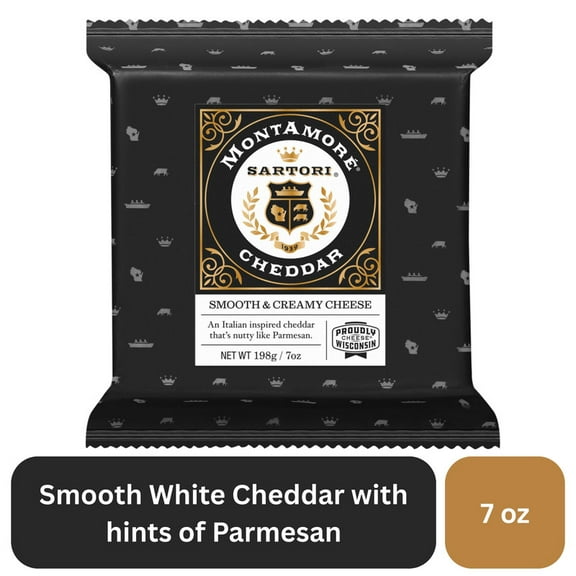 $417current price $4.1759.6 ¢/oz
Sartori MontAmore Cheddar Cheese, Specialty Cheese, 7 oz, Refrigerated Plastic Packet, Aged, Savory & Sweet, Food Form: Block
4974.8 out of 5 Stars. 497 reviews4.8 out of 5 starsSave withDelivery as soon as 35 minsPickup as soon as 6pmSNAP EBT eligibleBest seller, BelGioioso Parmesan Cheese Wedge Specialty Hard Cheese, 8 oz Refrigerated Plastic Packet $5.84 73.0 ¢/oz
Best seller $584current price $5.8473.0 ¢/oz
BelGioioso Parmesan Cheese Wedge Specialty Hard Cheese, 8 oz Refrigerated Plastic Packet
102194.7 out of 5 Stars. 10219 reviews4.7 out of 5 starsSave withDelivery as soon as 35 minsPickup as soon as 6pmSNAP EBT eligibleYancey's Fancy Smoked Gouda Cheese with Bacon, 7.6oz, Refrigerated/Chilled, Plastic $4.96 65.3 ¢/oz
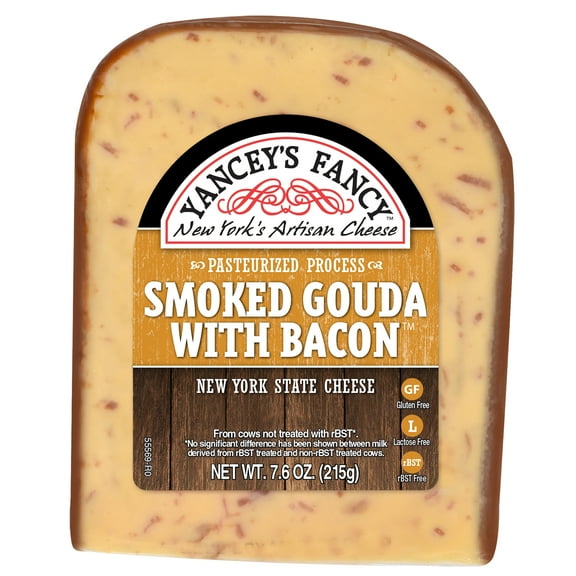 $496current price $4.9665.3 ¢/oz
Yancey's Fancy Smoked Gouda Cheese with Bacon, 7.6oz, Refrigerated/Chilled, Plastic
3404.7 out of 5 Stars. 340 reviews4.7 out of 5 starsSave withDelivery as soon as 35 minsPickup as soon as 6pmSNAP EBT eligibleRoth Chèvre Blueberry Vanilla Fresh Goat Cheese Log 4 oz $3.97 99.3 ¢/oz
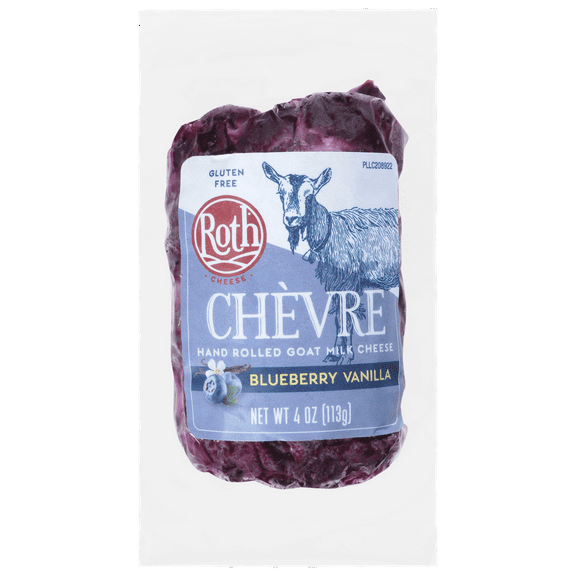 $397current price $3.9799.3 ¢/oz
Roth Chèvre Blueberry Vanilla Fresh Goat Cheese Log 4 oz
6384.6 out of 5 Stars. 638 reviews4.6 out of 5 starsSave withDelivery as soon as 35 minsPickup as soon as 6pmSNAP EBT eligibleBelGioioso Freshly Grated Parmesan Cheese, Refrigerated 5 oz Plastic Cup $4.47 89.4 ¢/oz
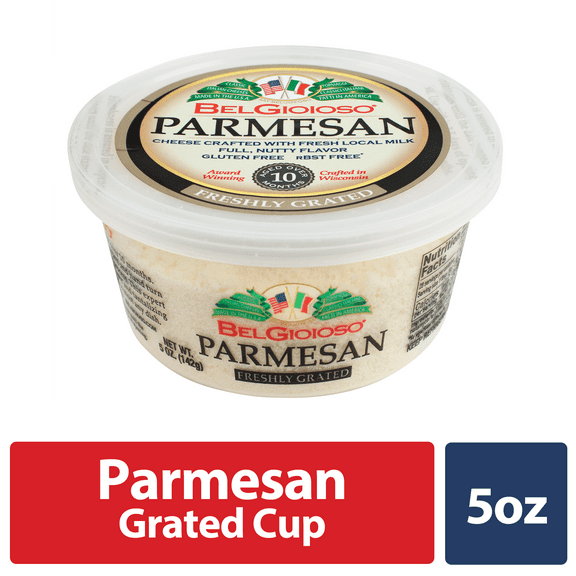 $447current price $4.4789.4 ¢/oz
BelGioioso Freshly Grated Parmesan Cheese, Refrigerated 5 oz Plastic Cup
22514.6 out of 5 Stars. 2251 reviews4.6 out of 5 starsSave withDelivery as soon as 35 minsPickup as soon as 6pmSNAP EBT eligibleBella Rosa Crafter's Choice Cheddar, Gouda, Havarti, & German Swiss Cheese Slice Variety Pack, 1 lb Tray $9.97 62.3 ¢/oz
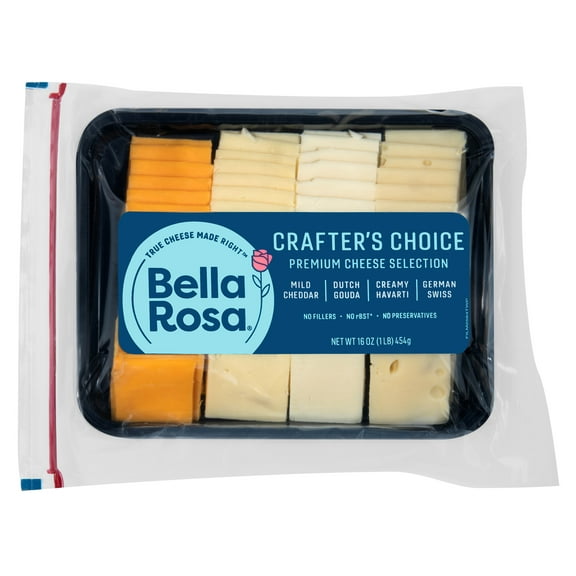 $997current price $9.9762.3 ¢/oz
Bella Rosa Crafter's Choice Cheddar, Gouda, Havarti, & German Swiss Cheese Slice Variety Pack, 1 lb Tray
8934.6 out of 5 Stars. 893 reviews4.6 out of 5 starsSave withDelivery as soon as 35 minsPickup as soon as 6pmSNAP EBT eligibleMarketside Triple Creme Brie Cheese Wedge, 4 oz (Refrigerated) $3.24 81.0 ¢/oz
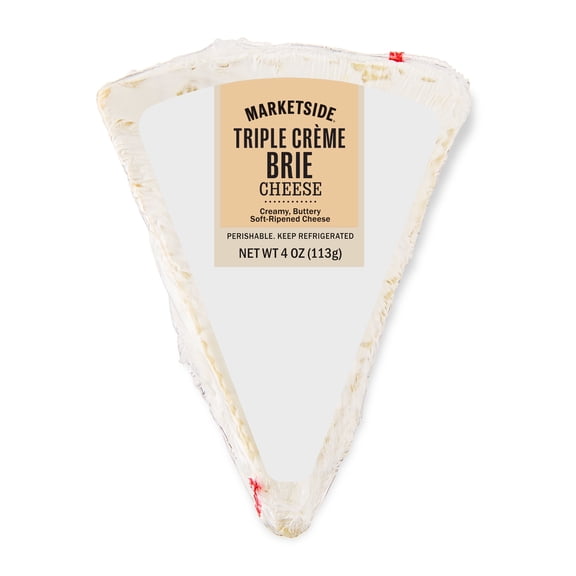 $324current price $3.2481.0 ¢/oz
Marketside Triple Creme Brie Cheese Wedge, 4 oz (Refrigerated)
5824.3 out of 5 Stars. 582 reviews4.3 out of 5 starsSave withDelivery as soon as 35 minsPickup as soon as 6pmSNAP EBT eligibleBest seller, The Laughing Cow Garlic and Herb Spreadable Cheese Wedge, 5.4 oz Box. Refrigerated $3.97
Best seller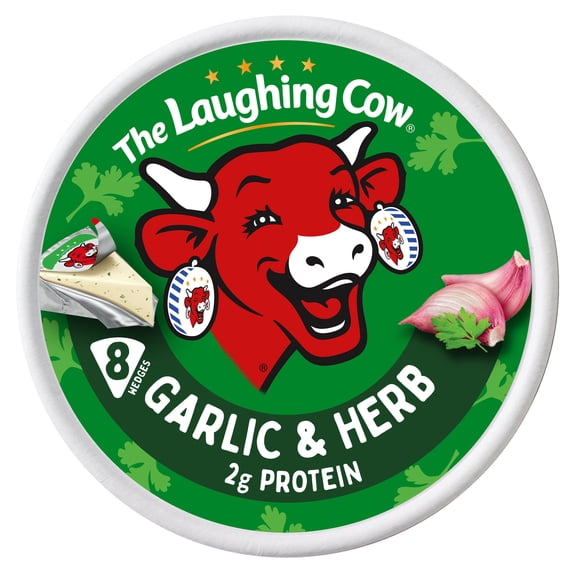 7 optionsAvailable in additional 7 options$397current price $3.97
The Laughing Cow Garlic and Herb Spreadable Cheese Wedge, 5.4 oz Box. Refrigerated
Save withDelivery as soon as 35 minsPickup as soon as 6pmSNAP EBT eligible
Add some meats
Salami, prosciutto, pepperoni & more.
Marketside Salami Meat Trio, 9 oz $9.47 $1.05/oz
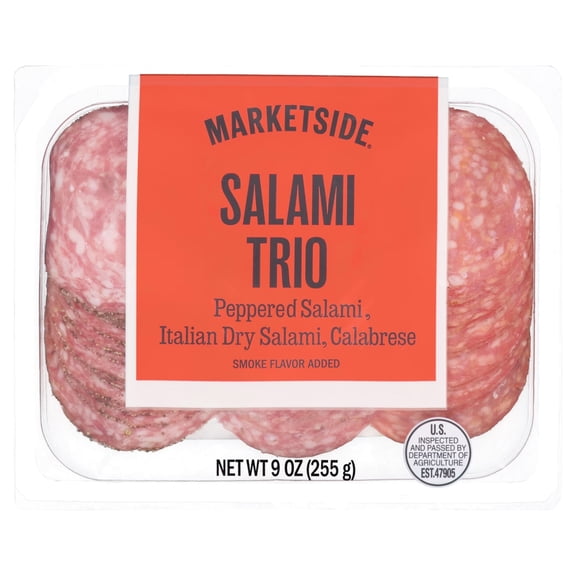 $947current price $9.47$1.05/oz
Marketside Salami Meat Trio, 9 oz
364.5 out of 5 Stars. 36 reviews4.5 out of 5 starsSave withDelivery as soon as 35 minsPickup as soon as 6pmSNAP EBT eligibleMarketside Cubed Hard Salami, 6 oz Cup (Refrigerated) $4.46 74.3 ¢/oz
 $446current price $4.4674.3 ¢/oz
Marketside Cubed Hard Salami, 6 oz Cup (Refrigerated)
11204.4 out of 5 Stars. 1120 reviews4.4 out of 5 starsSave withDelivery as soon as 35 minsPickup as soon as 6pmSNAP EBT eligibleMarketside Italian Meat Trio, 9 oz $9.47 $1.05/oz
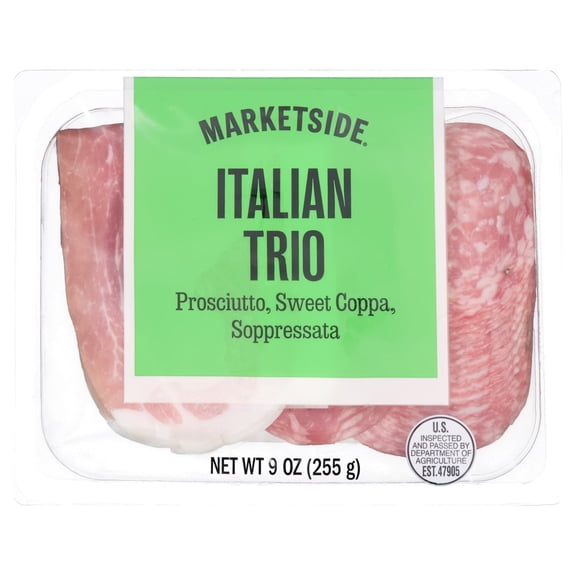 $947current price $9.47$1.05/oz
Marketside Italian Meat Trio, 9 oz
964.6 out of 5 Stars. 96 reviews4.6 out of 5 starsSave withDelivery as soon as 35 minsPickup as soon as 6pmSNAP EBT eligibleMarketside Cubed Pepperoni, 6 oz, Plastic Cup and Lid, Refrigerated $4.46 74.3 ¢/oz
 $446current price $4.4674.3 ¢/oz
Marketside Cubed Pepperoni, 6 oz, Plastic Cup and Lid, Refrigerated
9104.6 out of 5 Stars. 910 reviews4.6 out of 5 starsSave withDelivery as soon as 35 minsPickup as soon as 6pmSNAP EBT eligibleMarketside Peppered Salami Cracker Cut, 4.5 oz, 7g Protein per Serving, Plastic Cup (Refrigerated) $5.47 $1.22/oz
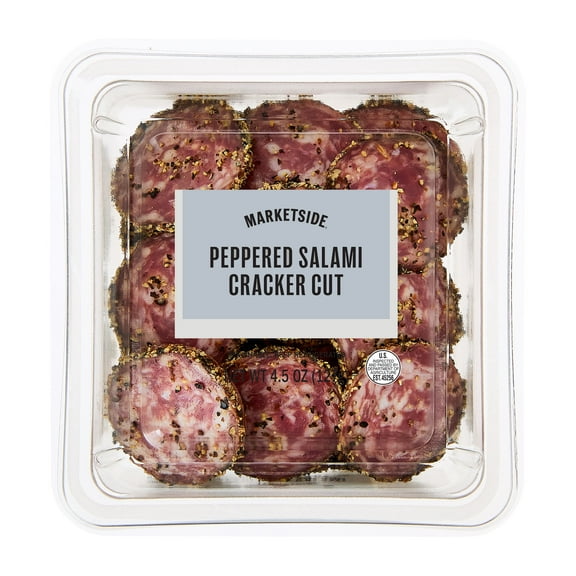 $547current price $5.47$1.22/oz
Marketside Peppered Salami Cracker Cut, 4.5 oz, 7g Protein per Serving, Plastic Cup (Refrigerated)
4934.3 out of 5 Stars. 493 reviews4.3 out of 5 starsSave withDelivery as soon as 35 minsPickup as soon as 6pmSNAP EBT eligibleDel Duca, Uncured Pork Variety Pack, Spicy Deli Charcuterie Meat, 6 oz Plastic Tray, Serving Size 1 oz, Minimum of 6 Grams or Protein per Serving $7.94 $20.90/lb
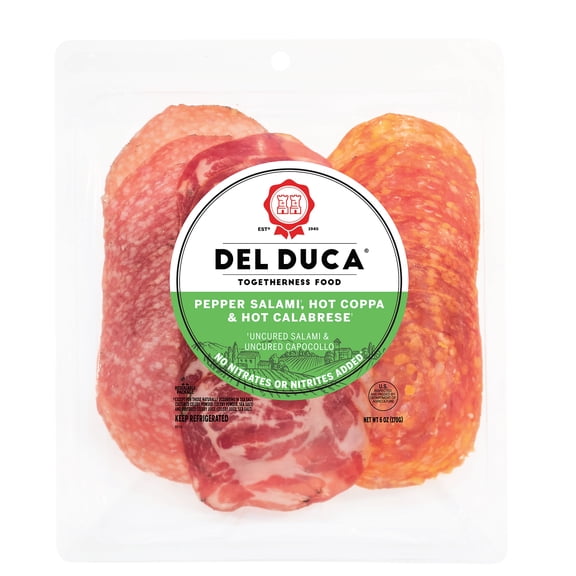 $794current price $7.94$20.90/lb
Del Duca, Uncured Pork Variety Pack, Spicy Deli Charcuterie Meat, 6 oz Plastic Tray, Serving Size 1 oz, Minimum of 6 Grams or Protein per Serving
8024.5 out of 5 Stars. 802 reviews4.5 out of 5 starsSave withDelivery as soon as 35 minsPickup as soon as 6pmSNAP EBT eligibleCOLUMBUS, Salami Trio, Refrigerated Sliced Charcuterie Meat, 6 grams of Protein Per 1 oz Serving, 12 oz Plastic Tray $10.94 $14.59/lb
 $1094current price $10.94$14.59/lb
COLUMBUS, Salami Trio, Refrigerated Sliced Charcuterie Meat, 6 grams of Protein Per 1 oz Serving, 12 oz Plastic Tray
19094.5 out of 5 Stars. 1909 reviews4.5 out of 5 starsSave withDelivery as soon as 35 minsPickup as soon as 6pmSNAP EBT eligibleCOLUMBUS Sliced Pork Prosciutto, Sliced Charcuterie Meat, Serving size 28 g, 3 oz Plastic Tray Package $5.74 $30.21/lb
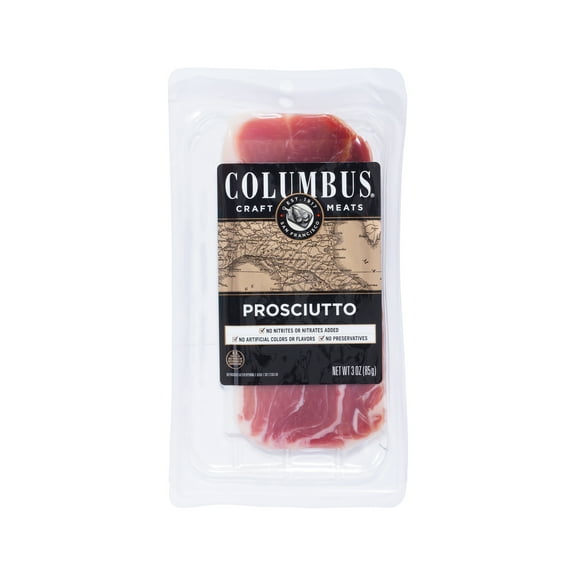 $574current price $5.74$30.21/lb
COLUMBUS Sliced Pork Prosciutto, Sliced Charcuterie Meat, Serving size 28 g, 3 oz Plastic Tray Package
4104.4 out of 5 Stars. 410 reviews4.4 out of 5 starsSave withDelivery as soon as 35 minsPickup as soon as 6pmSNAP EBT eligibleBest seller, Prima Della Pepperoni, Pre-Sliced $4.24 $8.47/lb
Best seller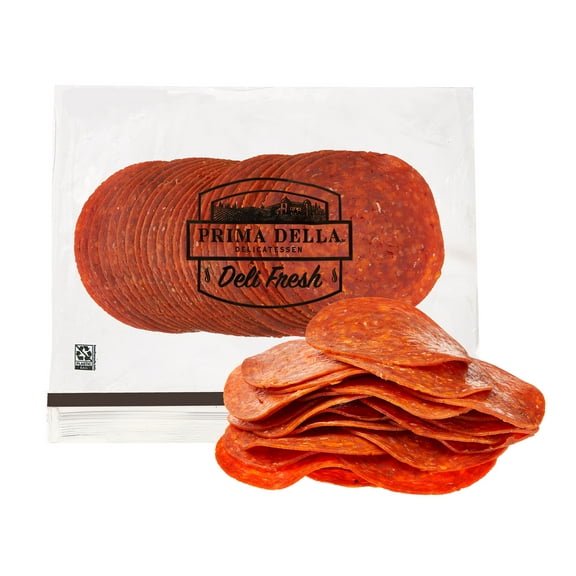 $424current price $4.24avg price$8.47/lb
Prima Della Pepperoni, Pre-Sliced
98214.6 out of 5 Stars. 9821 reviews4.6 out of 5 starsSave withDelivery as soon as 35 minsPickup as soon as 6pmSNAP EBT eligibleBest seller, Prima Della Hard Salami, Pre-Sliced $4.24 $8.47/lb
Best seller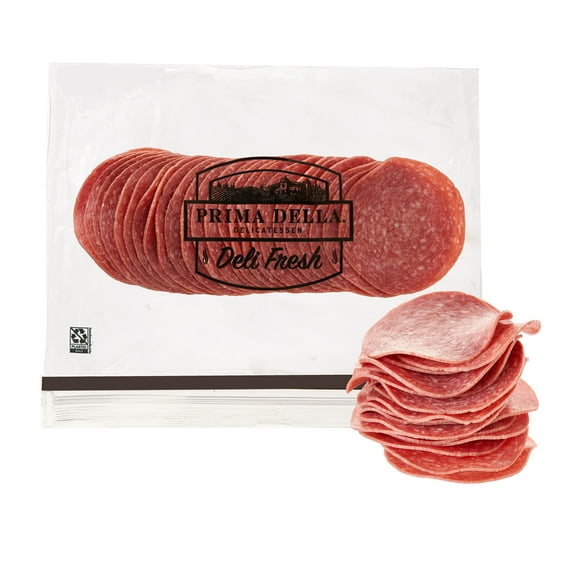 $424current price $4.24avg price$8.47/lb
Prima Della Hard Salami, Pre-Sliced
161544.6 out of 5 Stars. 16154 reviews4.6 out of 5 starsSave withDelivery as soon as 35 minsPickup as soon as 6pmSNAP EBT eligibleBest seller, Great Value Original Pepperoni Slices, 6 oz $2.88 $7.58/lb
Best seller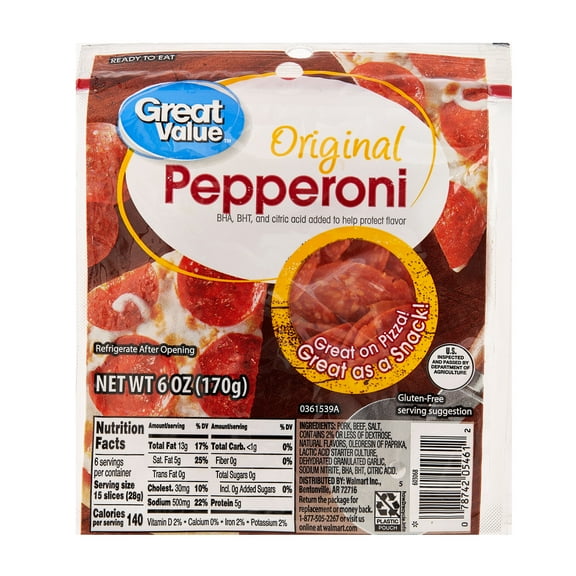 $288current price $2.88$7.58/lb
Great Value Original Pepperoni Slices, 6 oz
259944.7 out of 5 Stars. 25994 reviews4.7 out of 5 starsSave withDelivery as soon as 35 minsPickup as soon as 6pmSNAP EBT eligibleMargherita Sliced Hard Salami, 16 oz pack, Vacuum-Sealed $8.47 $8.47/lb
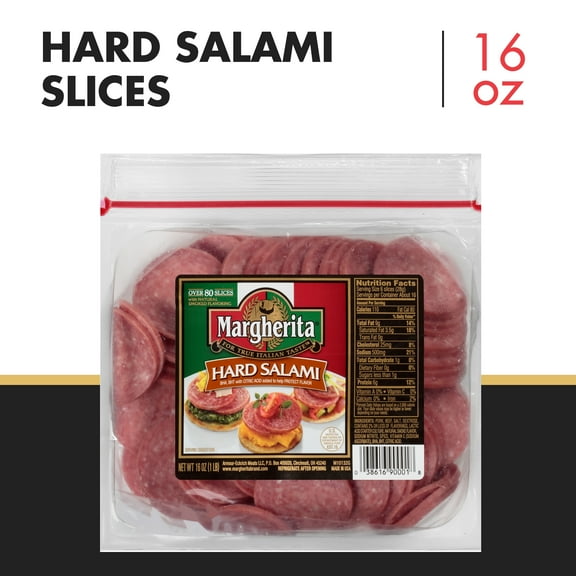 $847current price $8.47$8.47/lb
Margherita Sliced Hard Salami, 16 oz pack, Vacuum-Sealed
26974.6 out of 5 Stars. 2697 reviews4.6 out of 5 starsSave withDelivery as soon as 35 minsPickup as soon as 6pmSNAP EBT eligibleDel Duca, Dry Cured Prosciutto, Sliced Pork Deli Charcuterie Meat, 6 oz Plastic Tray, Serving Size 1 oz, 9 Grams of Protein per Serving $7.94 $20.90/lb
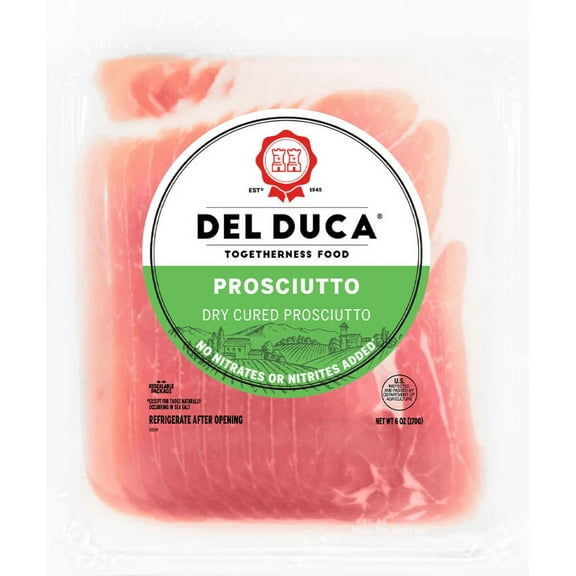 $794current price $7.94$20.90/lb
Del Duca, Dry Cured Prosciutto, Sliced Pork Deli Charcuterie Meat, 6 oz Plastic Tray, Serving Size 1 oz, 9 Grams of Protein per Serving
26704.5 out of 5 Stars. 2670 reviews4.5 out of 5 starsSave withDelivery as soon as 35 minsPickup as soon as 6pmSNAP EBT eligibleHillshire Reserve Applewood Smoked Ham, All Natural Lunch Meat, 7 oz Packet $5.96 85.1 ¢/oz
 $596current price $5.9685.1 ¢/oz
Hillshire Reserve Applewood Smoked Ham, All Natural Lunch Meat, 7 oz Packet
6824.4 out of 5 Stars. 682 reviews4.4 out of 5 starsSave withDelivery as soon as 35 minsPickup as soon as 6pmSNAP EBT eligibleSmithfield Prime Fresh Hard Salami, 14oz $6.68 $7.59/lb
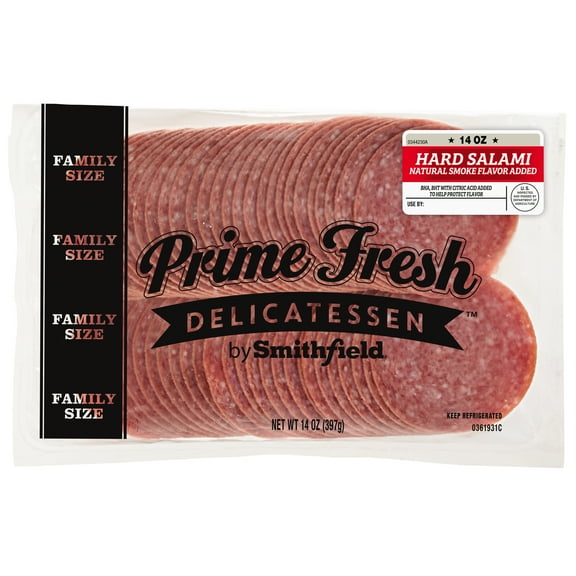 $668current price $6.68$7.59/lb
Smithfield Prime Fresh Hard Salami, 14oz
60084.6 out of 5 Stars. 6008 reviews4.6 out of 5 starsSave withDelivery as soon as 35 minsPickup as soon as 6pmSNAP EBT eligibleHillshire Reserve Applewood Smoked Turkey Breast, All Natural Lunch Meat, 7 oz Packet $5.96 85.1 ¢/oz
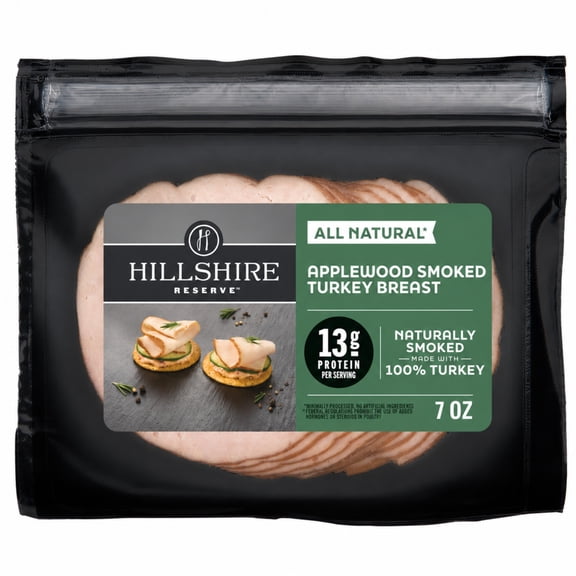 $596current price $5.9685.1 ¢/oz
Hillshire Reserve Applewood Smoked Turkey Breast, All Natural Lunch Meat, 7 oz Packet
6704.4 out of 5 Stars. 670 reviews4.4 out of 5 starsSave withDelivery as soon as 35 minsPickup as soon as 6pmSNAP EBT eligibleMargherita Pepperoni Slices 16 oz Pre-Sliced Deli Meat in Resealable Package $8.47 $8.47/lb
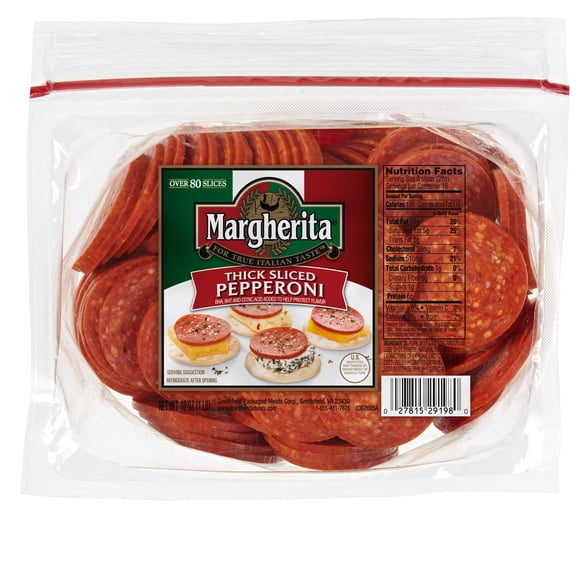 $847current price $8.47$8.47/lb
Margherita Pepperoni Slices 16 oz Pre-Sliced Deli Meat in Resealable Package
26154.7 out of 5 Stars. 2615 reviews4.7 out of 5 starsSave withDelivery as soon as 35 minsPickup as soon as 6pmSNAP EBT eligibleCOLUMBUS Charcuterie Tasting Board, Refrigerated, 12.5 oz Plastic Tray $14.97 $1.20/oz
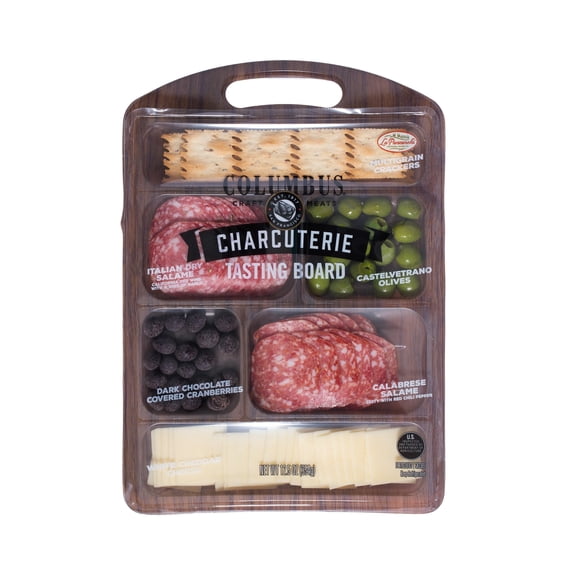 $1497current price $14.97$1.20/oz
COLUMBUS Charcuterie Tasting Board, Refrigerated, 12.5 oz Plastic Tray
32634.4 out of 5 Stars. 3263 reviews4.4 out of 5 starsSave withDelivery as soon as 35 minsPickup as soon as 6pmSNAP EBT eligibleMarketside Spicy Meat Trio, 9 oz $9.47 $1.05/oz
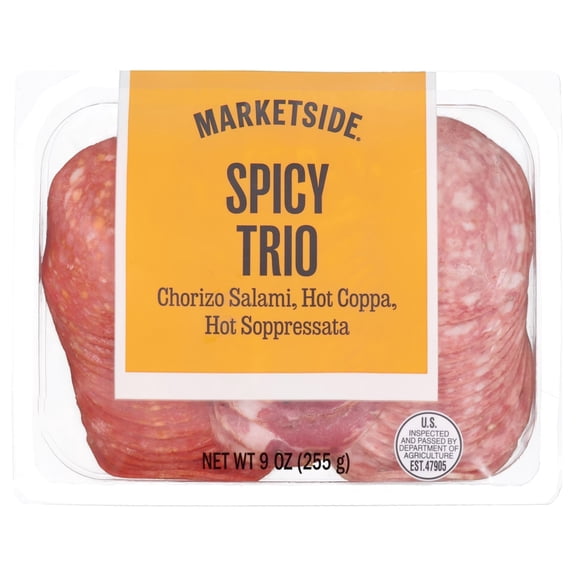 $947current price $9.47$1.05/oz
Marketside Spicy Meat Trio, 9 oz
124.3 out of 5 Stars. 12 reviews4.3 out of 5 starsSave withDelivery as soon as 35 minsPickup as soon as 6pmSNAP EBT eligibleJohnsonville Original Smoked Summer Sausage, 12 oz, Refrigerated $5.92
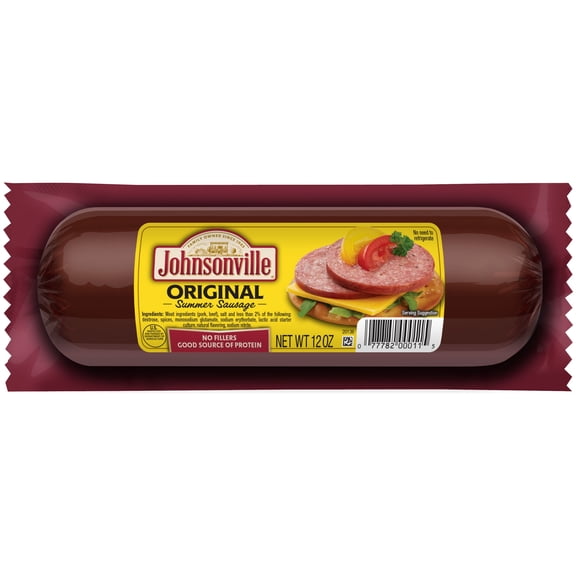 7 optionsAvailable in additional 7 options$592current price $5.92
Johnsonville Original Smoked Summer Sausage, 12 oz, Refrigerated
Save withDelivery as soon as 35 minsPickup as soon as 6pmSNAP EBT eligible
Build a tapas spread
Pair meats, cheeses, and small bites with bold flavors.
Marketside Cornichons, 7 fl oz $2.97 42.4 ¢/oz
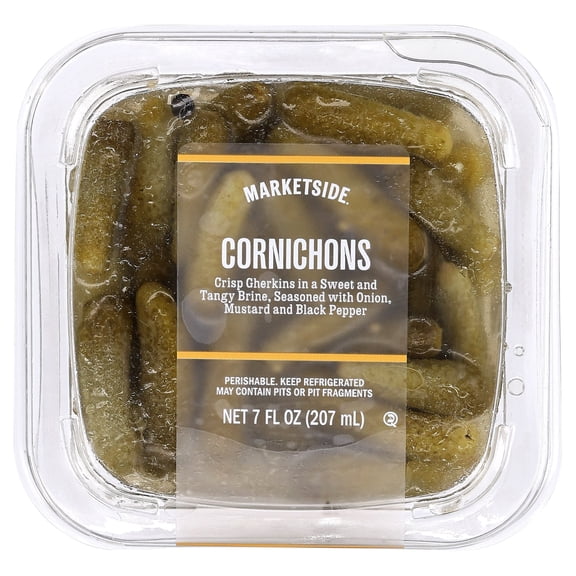 $297current price $2.9742.4 ¢/oz
Marketside Cornichons, 7 fl oz
Save withDelivery as soon as 35 minsPickup as soon as 6pmSNAP EBT eligibleMarketside Soppressata and Triple Pepper Colby Jack Cheese Rollitos, 8 oz, 14 Count $7.92 99.0 ¢/oz
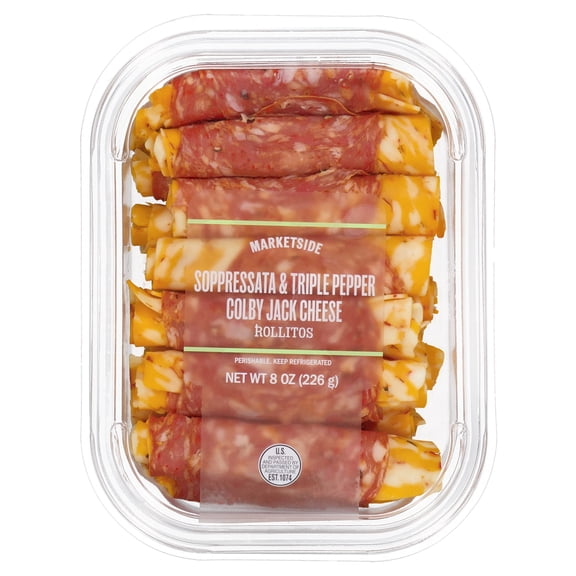 $792current price $7.9299.0 ¢/oz
Marketside Soppressata and Triple Pepper Colby Jack Cheese Rollitos, 8 oz, 14 Count
Save withDelivery as soon as 35 minsPickup as soon as 6pmSNAP EBT eligibleMarketside Chorizo, Smoked Gouda, Cornichon, Kalamata Olive Skewers, 4.2 oz, 6 Count $5.97 $1.41/oz
 $597current price $5.97$1.41/oz
Marketside Chorizo, Smoked Gouda, Cornichon, Kalamata Olive Skewers, 4.2 oz, 6 Count
Save withDelivery as soon as 35 minsPickup as soon as 6pmSNAP EBT eligibleMarketside Pitted Castelvetrano Olives, 4 oz $3.97 99.3 ¢/oz
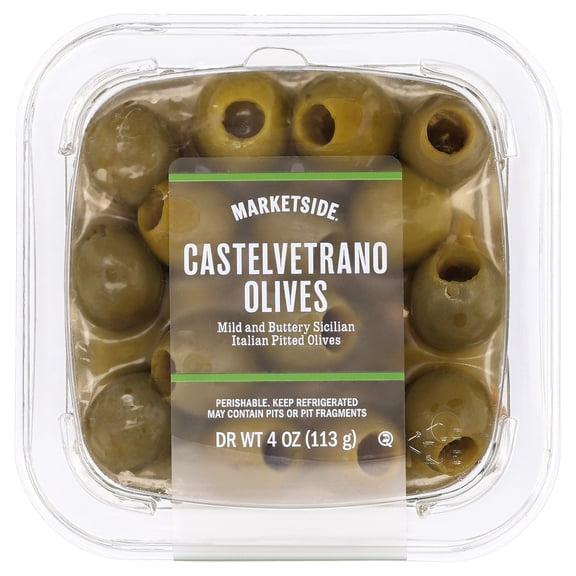 $397current price $3.9799.3 ¢/oz
Marketside Pitted Castelvetrano Olives, 4 oz
Save withDelivery as soon as 35 minsPickup as soon as 6pmSNAP EBT eligibleMarketside Prosciutto and Bruschetta Jack Cheese Rollitos, 8 oz, 14 Count $7.92 $15.84/lb
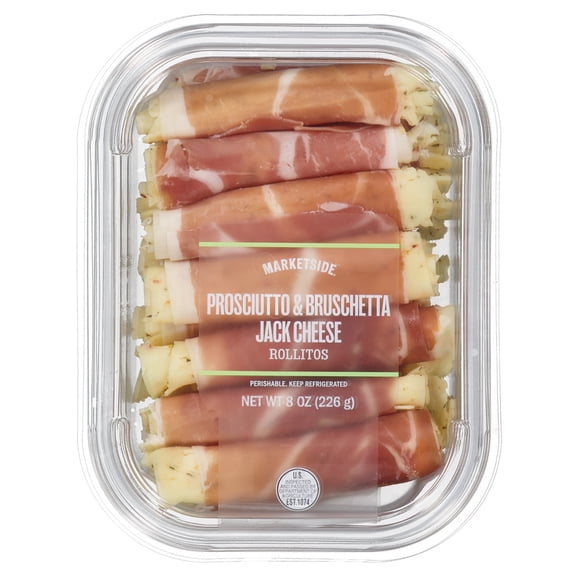 $792current price $7.92$15.84/lb
Marketside Prosciutto and Bruschetta Jack Cheese Rollitos, 8 oz, 14 Count
Save withDelivery as soon as 35 minsPickup as soon as 6pmSNAP EBT eligibleMarketside Olive Cocktail Mix, 7 oz $3.97 56.7 ¢/oz
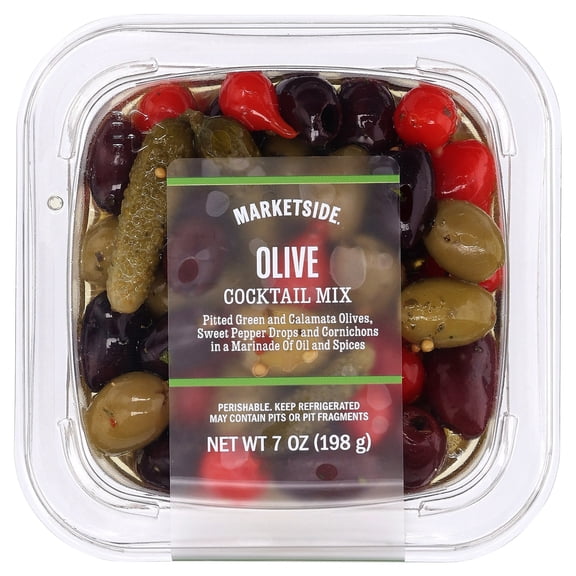 $397current price $3.9756.7 ¢/oz
Marketside Olive Cocktail Mix, 7 oz
Save withDelivery as soon as 35 minsPickup as soon as 6pmSNAP EBT eligibleMarketside Italian Style Hot Antipasto Mix, 12 oz $5.97 49.8 ¢/oz
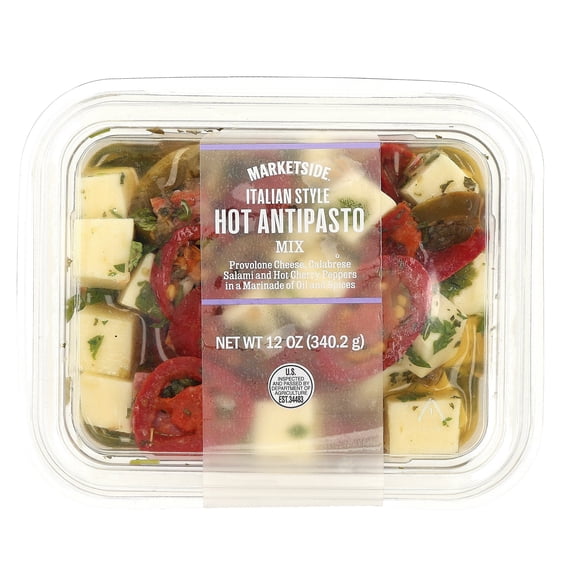 $597current price $5.9749.8 ¢/oz
Marketside Italian Style Hot Antipasto Mix, 12 oz
Save withDelivery as soon as 35 minsPickup as soon as 6pmSNAP EBT eligibleMarketside Milano Salami and Provolone Cheese Rollitos, 8 oz $7.92 99.0 ¢/oz
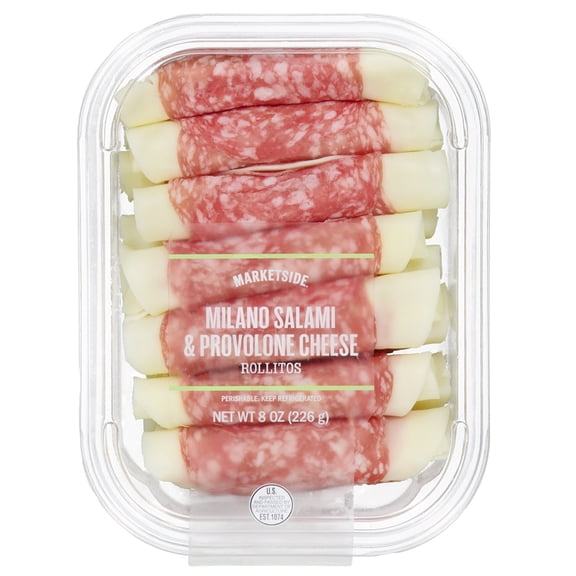 $792current price $7.9299.0 ¢/oz
Marketside Milano Salami and Provolone Cheese Rollitos, 8 oz
Save withDelivery as soon as 35 minsPickup as soon as 6pmSNAP EBT eligibleMarketside Red and Yellow Pepper Drops, 7 oz $4.94 70.6 ¢/oz
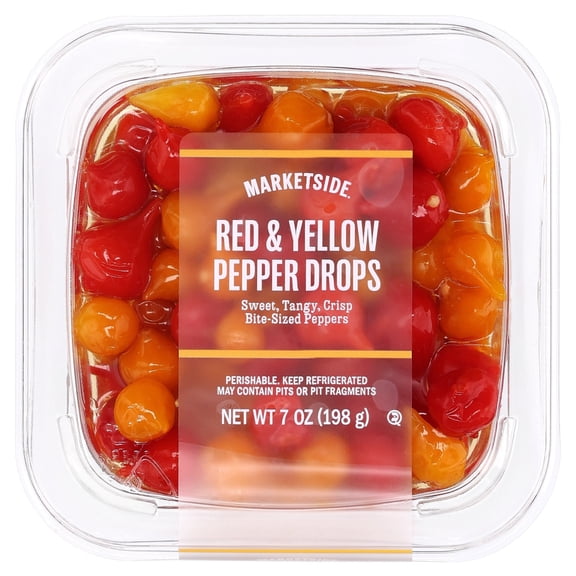 $494current price $4.9470.6 ¢/oz
Marketside Red and Yellow Pepper Drops, 7 oz
Save withDelivery as soon as 35 minsPickup as soon as 6pmSNAP EBT eligibleMarketside Serrano Ham and Smoked Gouda Pasteurized Processed Cheese Rollitos, 8 oz, 14 Count $7.92 99.0 ¢/oz
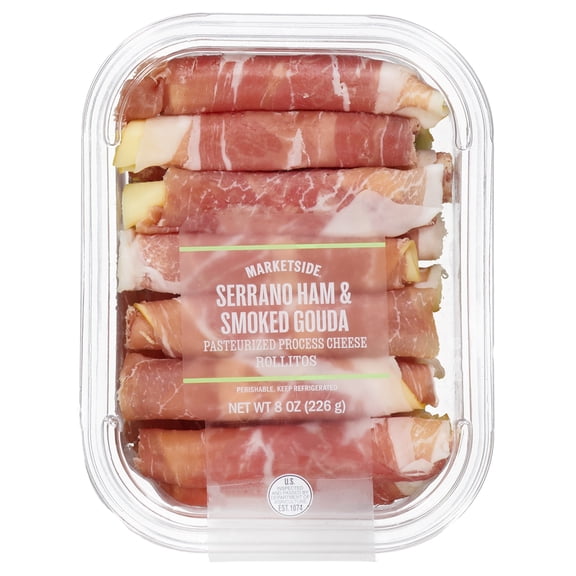 $792current price $7.9299.0 ¢/oz
Marketside Serrano Ham and Smoked Gouda Pasteurized Processed Cheese Rollitos, 8 oz, 14 Count
Save withDelivery as soon as 35 minsPickup as soon as 6pmSNAP EBT eligibleMarketside Stuffed Cherry Peppers with Cheese Filling, 8 oz $4.94 61.8 ¢/oz
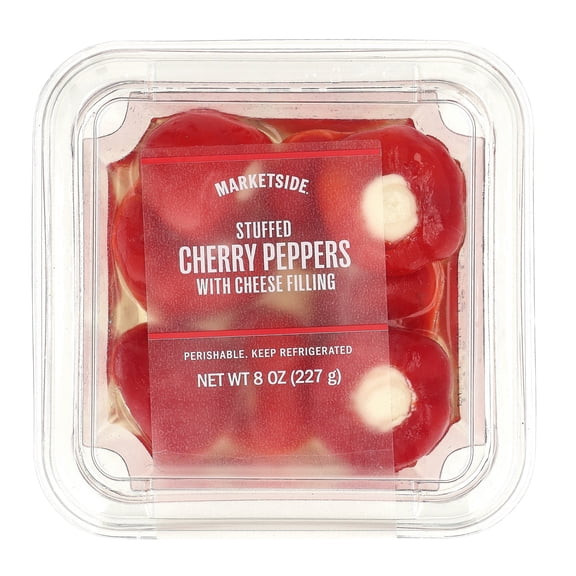 $494current price $4.9461.8 ¢/oz
Marketside Stuffed Cherry Peppers with Cheese Filling, 8 oz
Save withDelivery as soon as 35 minsPickup as soon as 6pmSNAP EBT eligibleMarketside Tabbouleh Salad, 7 oz $3.97 56.7 ¢/oz
 $397current price $3.9756.7 ¢/oz
Marketside Tabbouleh Salad, 7 oz
Save withDelivery as soon as 35 minsPickup as soon as 6pmSNAP EBT eligibleMarketside Italian Style Antipasto, 7 oz $3.97 56.7 ¢/oz
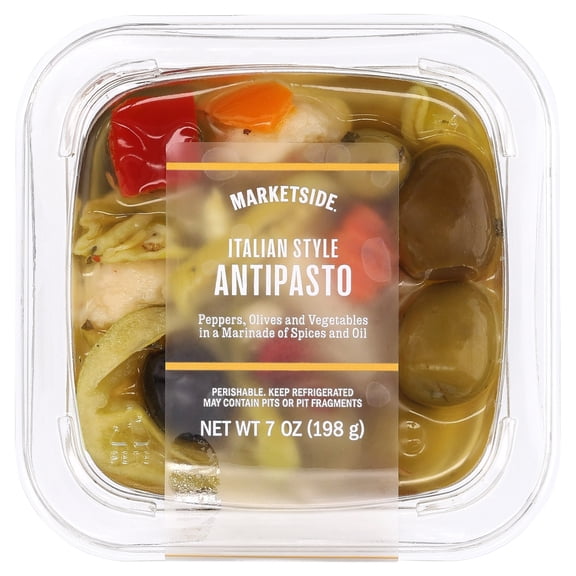 $397current price $3.9756.7 ¢/oz
Marketside Italian Style Antipasto, 7 oz
Save withDelivery as soon as 35 minsPickup as soon as 6pmSNAP EBT eligibleMarketside Greek Feta Olive Mix, 7 oz $3.97 56.7 ¢/oz
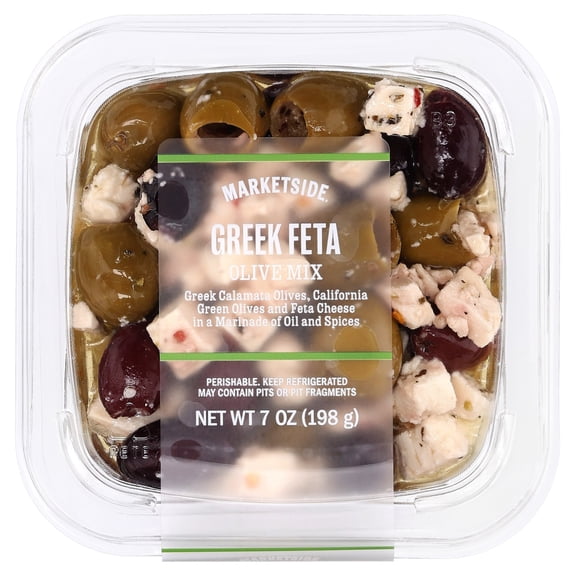 $397current price $3.9756.7 ¢/oz
Marketside Greek Feta Olive Mix, 7 oz
Save withDelivery as soon as 35 minsPickup as soon as 6pmSNAP EBT eligibleMarketside Cowboy Caviar Salad, 7 oz $3.97 56.7 ¢/oz
 $397current price $3.9756.7 ¢/oz
Marketside Cowboy Caviar Salad, 7 oz
Save withDelivery as soon as 35 minsPickup as soon as 6pmSNAP EBT eligibleMarketside Provolone Olive Mix, 7 oz $3.97 56.7 ¢/oz
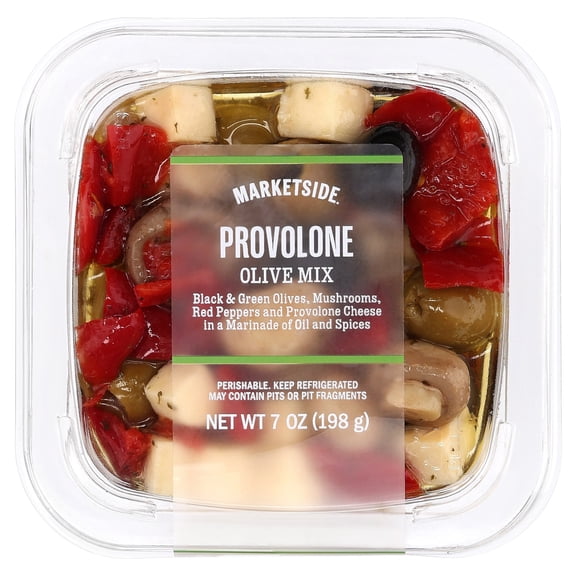 $397current price $3.9756.7 ¢/oz
Marketside Provolone Olive Mix, 7 oz
Save withDelivery as soon as 35 minsPickup as soon as 6pmSNAP EBT eligibleMarketside Olive Jubilee, 7 oz $3.97 56.7 ¢/oz
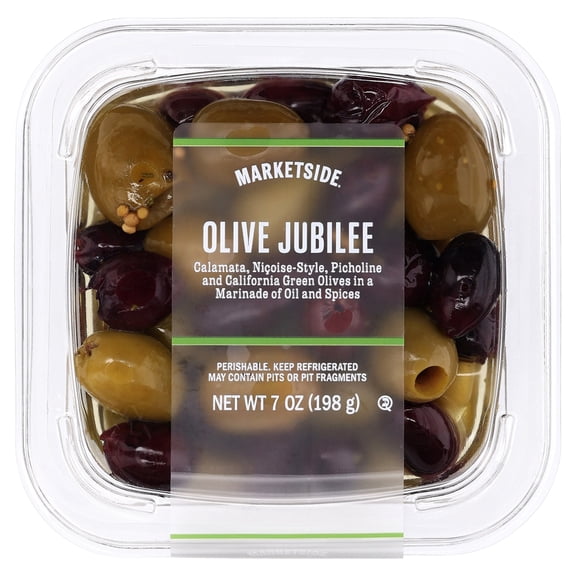 $397current price $3.9756.7 ¢/oz
Marketside Olive Jubilee, 7 oz
Save withDelivery as soon as 35 minsPickup as soon as 6pmSNAP EBT eligibleMarketside Stuffed Honey Peppers with Cheese Filling, 8 oz $4.94 61.8 ¢/oz
 $494current price $4.9461.8 ¢/oz
Marketside Stuffed Honey Peppers with Cheese Filling, 8 oz
Save withDelivery as soon as 35 minsPickup as soon as 6pmSNAP EBT eligible
Find fun fixings
From breads & olives to fruits & spreads.
Best seller, Marketside Premium Heatable Spinach Artichoke Dip, 16 oz Tub, 1 Count (Refrigerated) $6.26 39.1 ¢/oz
Best seller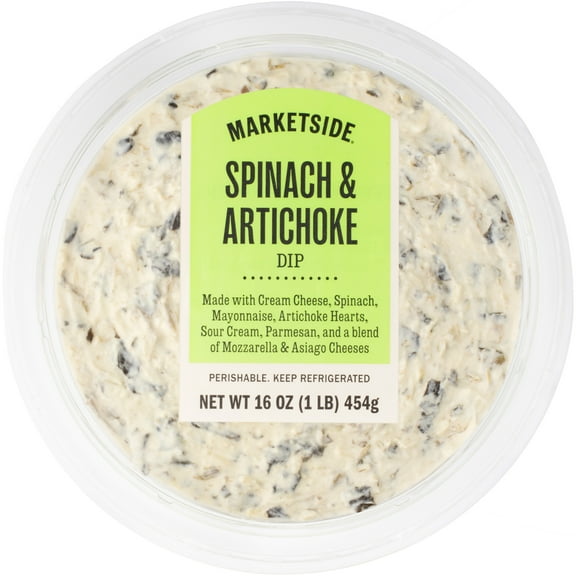 $626current price $6.2639.1 ¢/oz
Marketside Premium Heatable Spinach Artichoke Dip, 16 oz Tub, 1 Count (Refrigerated)
91834.5 out of 5 Stars. 9183 reviews4.5 out of 5 starsSave withDelivery as soon as 35 minsPickup as soon as 6pmSNAP EBT eligibleStacy’s No Artificial Colors or Flavors Sea Salt Pita Thins Bag, 6.75. oz $8.88
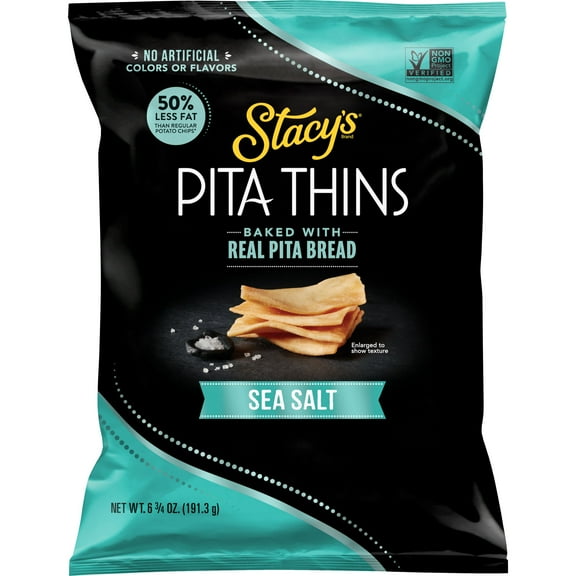 6 optionsAvailable in additional 6 options$888current price $8.88Options from $8.88 – $36.00
Stacy’s No Artificial Colors or Flavors Sea Salt Pita Thins Bag, 6.75. oz
Save withShipping arrives tomorrowStonewall Kitchen, non GMO, Strawberry Jam, 12.5 oz. Jar $7.12
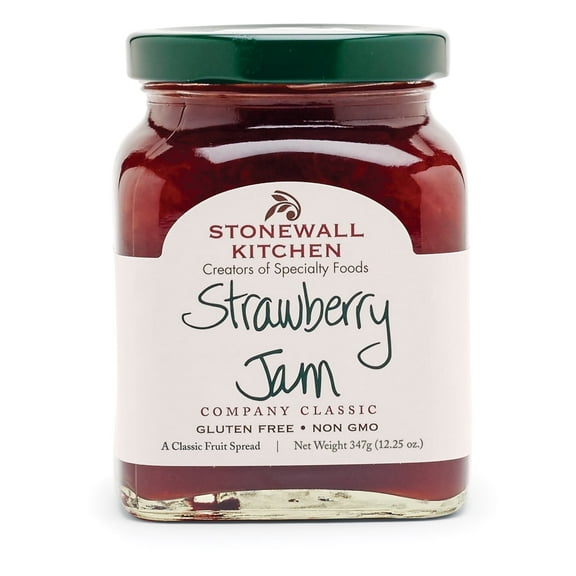 2 optionsAvailable in additional 2 options$712current price $7.12Options from $7.12 – $76.90
Stonewall Kitchen, non GMO, Strawberry Jam, 12.5 oz. Jar
Save withDelivery as soon as 35 minsShipping arrives todayPickup as soon as 5pmSNAP EBT eligibleBest seller, Bonne Maman Strawberry Preserves 13 oz $6.48
Best seller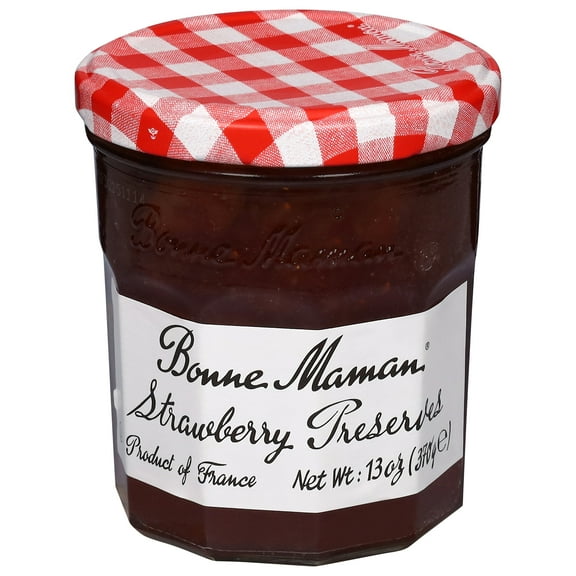 2 optionsAvailable in additional 2 options$648current price $6.48
Bonne Maman Strawberry Preserves 13 oz
Save withDelivery as soon as 35 minsShipping arrives todayPickup as soon as 5pmSNAP EBT eligibleBest seller, Marketside French Baguette, Bake at Home, Shelf-Stable, 10 oz Bag $1.97 19.7 ¢/oz
Best seller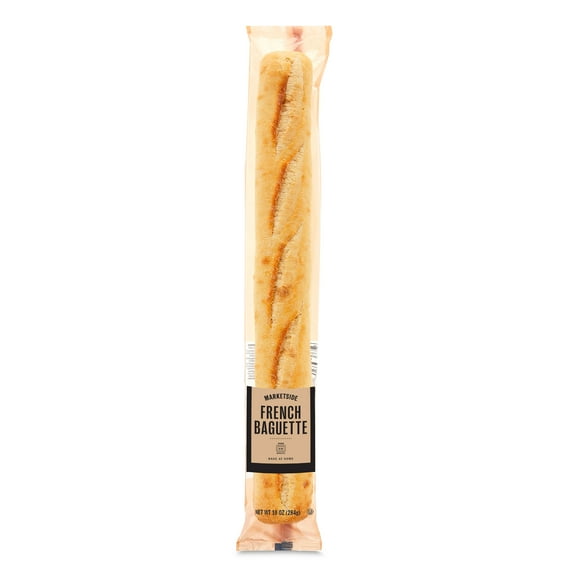 $197current price $1.9719.7 ¢/oz
Marketside French Baguette, Bake at Home, Shelf-Stable, 10 oz Bag
34494.2 out of 5 Stars. 3449 reviews4.2 out of 5 starsSave withDelivery as soon as 35 minsPickup as soon as 6pmSNAP EBT eligibleBest seller, Grillo's Pickles Classic Dill Pickle Spears, 32 fl oz, Jar $6.88 21.5 ¢/fl oz
Best seller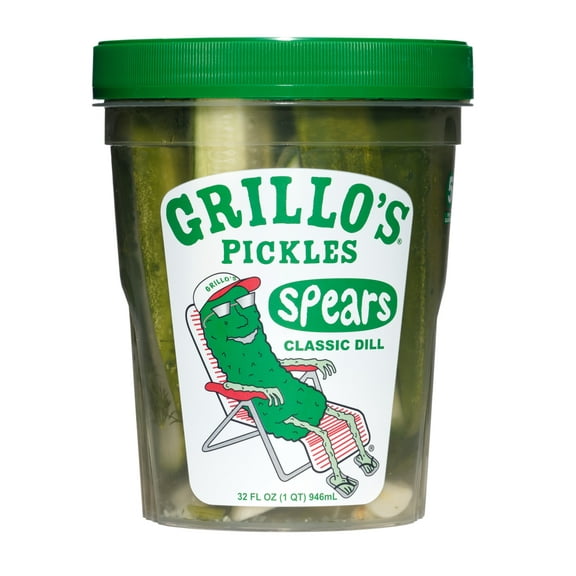 $688current price $6.8821.5 ¢/fl oz
Grillo's Pickles Classic Dill Pickle Spears, 32 fl oz, Jar
125444.7 out of 5 Stars. 12544 reviews4.7 out of 5 starsSave withDelivery as soon as 35 minsPickup as soon as 6pmSNAP EBT eligibleBest seller, bettergoods Whole Medjool Dates Dried Fruit, 8 oz $4.67 58.4 ¢/oz
Best seller $467current price $4.6758.4 ¢/oz
bettergoods Whole Medjool Dates Dried Fruit, 8 oz
19274.4 out of 5 Stars. 1927 reviews4.4 out of 5 starsSave withDelivery as soon as 35 minsShipping arrives todayPickup as soon as 5pmSNAP EBT eligibleGrey Poupon Country Dijon Coarse Ground Mustard, 8 oz. Jar $4.32
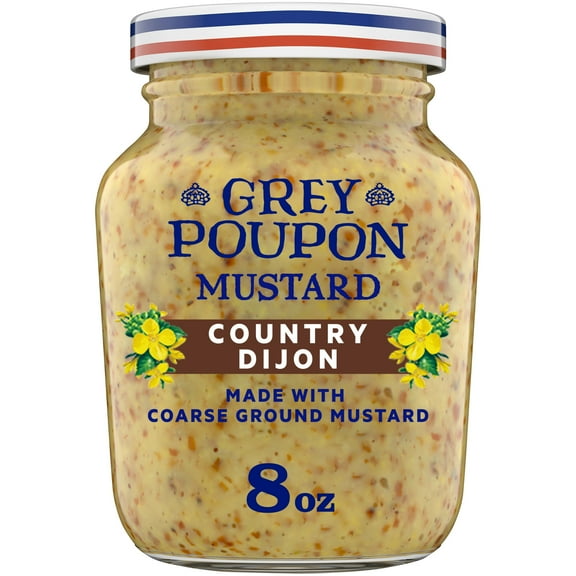 2 optionsAvailable in additional 2 options$432current price $4.32Options from $4.32 – $22.03
Grey Poupon Country Dijon Coarse Ground Mustard, 8 oz. Jar
Save withDelivery as soon as 35 minsShipping arrives todayPickup as soon as 5pmSNAP EBT eligibleRollback, Town House Pita Sea Salt Oven Baked Crackers, Salty Snacks, 9.5 oz $3.57 Was $3.97
Rollback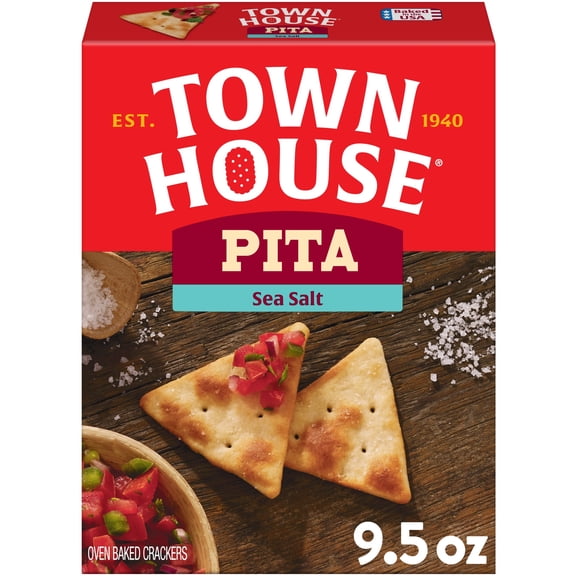 5 optionsAvailable in additional 5 optionsNow$357current price Now $3.57, Was $3.97$3.97Options from $3.57 – $40.70
Town House Pita Sea Salt Oven Baked Crackers, Salty Snacks, 9.5 oz
Save withDelivery as soon as 35 minsShipping arrives todayPickup as soon as 5pmSNAP EBT eligibleGreat Value Lightly Salted, Shelled Pistachios, 12 oz Bag $11.47
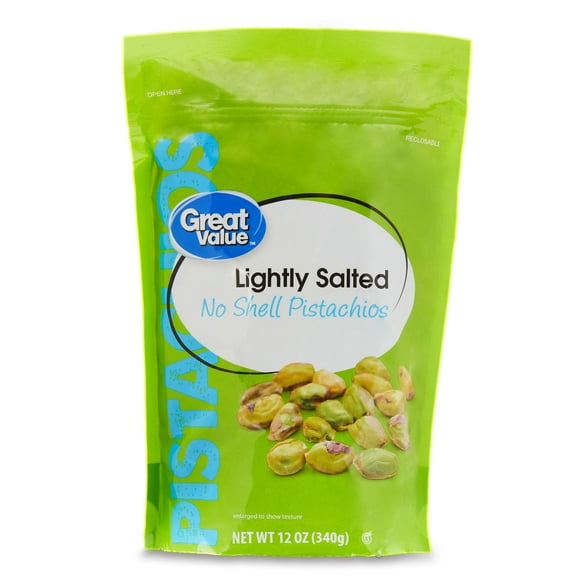 2 optionsAvailable in additional 2 options$1147current price $11.47
Great Value Lightly Salted, Shelled Pistachios, 12 oz Bag
Save withDelivery as soon as 35 minsShipping arrives todayPickup as soon as 5pmSNAP EBT eligibleBest seller, Mike's Hot Honey Gluten-Free Paleo Honey with a Kick 12 oz $9.97
Best seller 2 optionsAvailable in additional 2 options$997current price $9.97Options from $9.97 – $53.84
Mike's Hot Honey Gluten-Free Paleo Honey with a Kick 12 oz
Save withDelivery as soon as 35 minsShipping arrives todayPickup as soon as 5pmSNAP EBT eligibleBest seller, Toasteds Variety Pack Crackers, Party Snacks, 12 oz $5.57
Best seller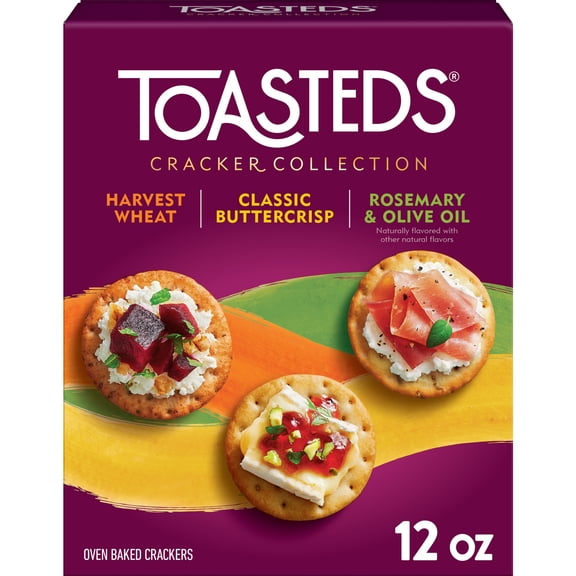 2 optionsAvailable in additional 2 options$557current price $5.57
Toasteds Variety Pack Crackers, Party Snacks, 12 oz
Save withDelivery as soon as 35 minsShipping arrives todayPickup as soon as 5pmSNAP EBT eligibleBest seller, Great Value Cajun Trail Mix, 27 oz $6.67
Best seller 2 optionsAvailable in additional 2 options$667current price $6.67Options from $6.67 – $24.01
Great Value Cajun Trail Mix, 27 oz
Save withDelivery as soon as 35 minsShipping arrives todayPickup as soon as 5pmSNAP EBT eligibleStacy’s No Artificial Colors or Flavors Sea Salt Bagel Chips Bag, 7 oz $11.99
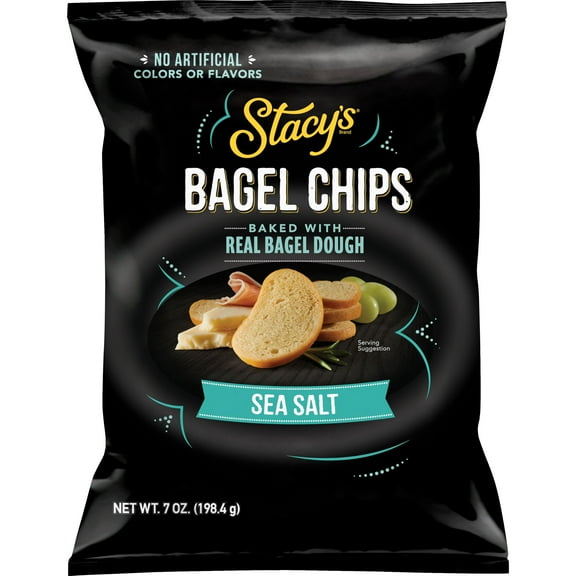 12 optionsAvailable in additional 12 options$1199current price $11.99Options from $11.99 – $64.00
Stacy’s No Artificial Colors or Flavors Sea Salt Bagel Chips Bag, 7 oz
Save withShipping arrives Thu, Oct 15Best seller, Snack Factory Original Pretzel Crisps, Non-GMO, 7.2 oz Resealable Bag $3.48 48.3 ¢/oz
Best seller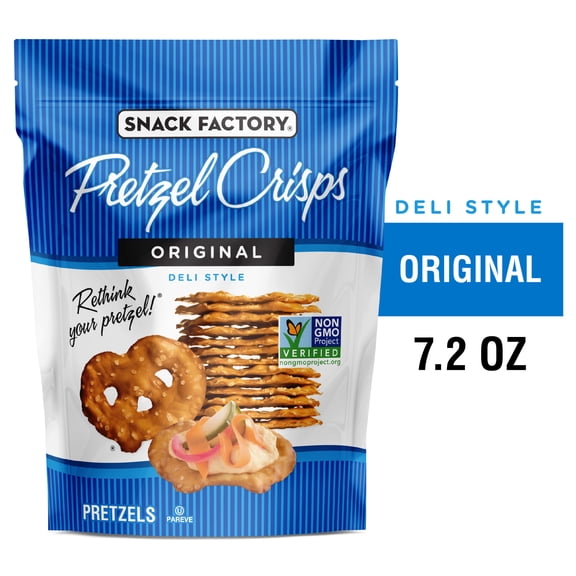 $348current price $3.4848.3 ¢/oz
Snack Factory Original Pretzel Crisps, Non-GMO, 7.2 oz Resealable Bag
9394.6 out of 5 Stars. 939 reviews4.6 out of 5 starsSave withDelivery as soon as 35 minsPickup as soon as 6pmSNAP EBT eligiblebettergoods California Sourdough Sea Salt and Olive Oil Flatbread Crackers, 7 oz $3.62
 2 optionsAvailable in additional 2 options$362current price $3.62Options from $3.62 – $14.48
bettergoods California Sourdough Sea Salt and Olive Oil Flatbread Crackers, 7 oz
Save withDelivery as soon as 35 minsPickup as soon as 5pmSNAP EBT eligible
Pair with a bev or 2
Wine, juice, soda & beyond.
Welch's Non-Alcoholic Sparkling Rosé Grape Juice Cocktail, 25.4 fl oz Bottle $3.98
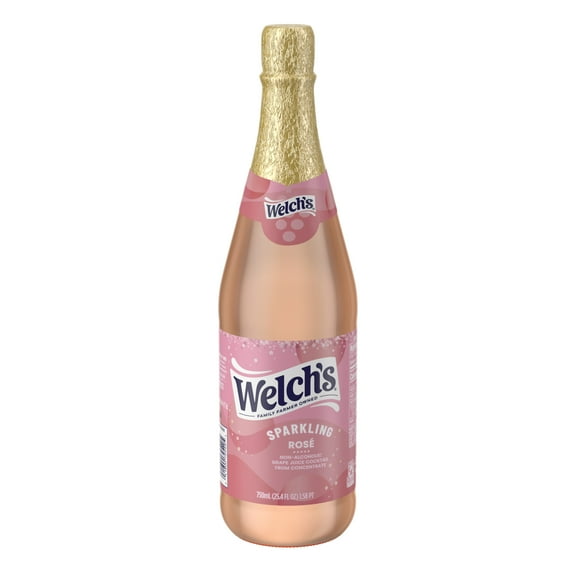 4 optionsAvailable in additional 4 options$398current price $3.98Options from $3.98 – $42.98
Welch's Non-Alcoholic Sparkling Rosé Grape Juice Cocktail, 25.4 fl oz Bottle
Save withDelivery as soon as 35 minsPickup as soon as 5pmSNAP EBT eligibleBest seller, La Marca Prosecco Sparkling White Wine 750mL Bottle, 11% ABV with Citrus and Honey Notes $18.99 74.8 ¢/fl oz
Best seller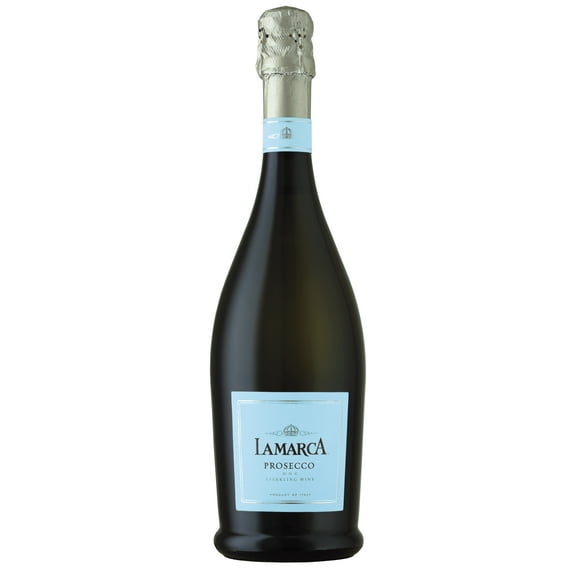 $1899current price $18.9974.8 ¢/fl oz
La Marca Prosecco Sparkling White Wine 750mL Bottle, 11% ABV with Citrus and Honey Notes
16104.7 out of 5 Stars. 1610 reviews4.7 out of 5 starsSave withDelivery as soon as 35 minsPickup as soon as 6pmBest seller, Sparkling Ice® Naturally Flavored Sparkling Water, Classic Lemonade 17 fl oz – No Sugar, Antioxidants & Vitamins, Refreshing Beverage $1.27 7.5 ¢/fl oz
Best seller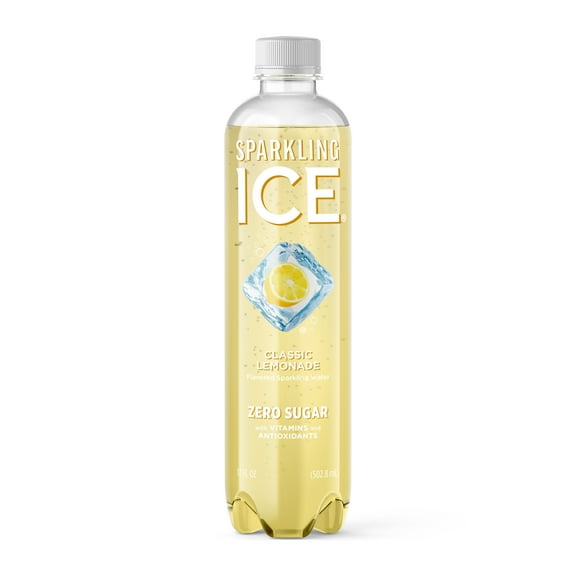 $127current price $1.277.5 ¢/fl oz
Sparkling Ice® Naturally Flavored Sparkling Water, Classic Lemonade 17 fl oz – No Sugar, Antioxidants & Vitamins, Refreshing Beverage
17674.6 out of 5 Stars. 1767 reviews4.6 out of 5 starsSave withDelivery as soon as 35 minsPickup as soon as 5pmSNAP EBT eligibleBest seller, Andre Champagne Brut Sparkling White Wine, California, 750ml Glass Bottle, 10.5% ABV $8.99 35.4 ¢/fl oz
Best seller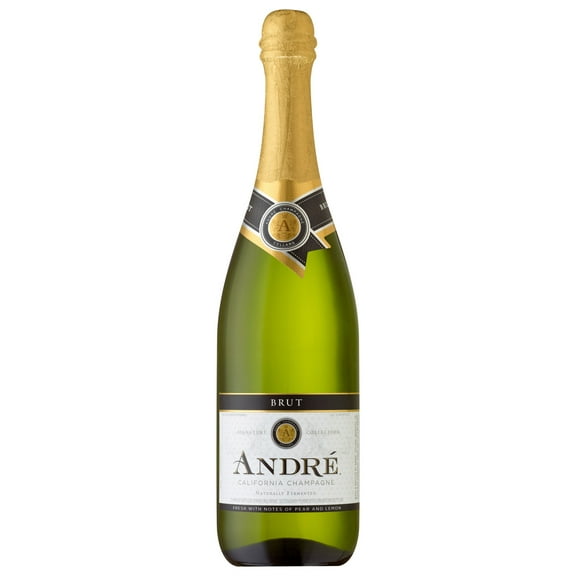 $899current price $8.9935.4 ¢/fl oz
Andre Champagne Brut Sparkling White Wine, California, 750ml Glass Bottle, 10.5% ABV
10054.6 out of 5 Stars. 1005 reviews4.6 out of 5 starsSave withDelivery as soon as 35 minsPickup as soon as 6pmBest seller, Waterloo Sparkling Water, Lemon Italian Ice, 12 fl oz, 8 Pack Cans $4.58 4.8 ¢/fl oz
Best seller $458current price $4.584.8 ¢/fl oz
Waterloo Sparkling Water, Lemon Italian Ice, 12 fl oz, 8 Pack Cans
13444.4 out of 5 Stars. 1344 reviews4.4 out of 5 starsSave withDelivery as soon as 35 minsShipping arrives todayPickup as soon as 5pmSNAP EBT eligibleBest seller, Barefoot Pink Moscato Rose Wine, California, 1.5L Glass Bottle $12.98 25.6 ¢/fl oz
Best seller $1298current price $12.9825.6 ¢/fl oz
Barefoot Pink Moscato Rose Wine, California, 1.5L Glass Bottle
6764.7 out of 5 Stars. 676 reviews4.7 out of 5 starsSave withDelivery as soon as 35 minsPickup as soon as 6pmMartinelli's Sparkling Apple Cider, 25.4 fl oz Glass Bottle $3.98
 3 optionsAvailable in additional 3 options$398current price $3.98Options from $3.98 – $15.92
Martinelli's Sparkling Apple Cider, 25.4 fl oz Glass Bottle
Save withDelivery as soon as 35 minsPickup as soon as 5pmSNAP EBT eligibleBest seller, Kim Crawford Sauvignon Blanc, Marlborough, New Zealand, White Wine, 750ml Bottle, 12.5% ABV $17.00 66.9 ¢/fl oz
Best seller $1700current price $17.0066.9 ¢/fl oz
Kim Crawford Sauvignon Blanc, Marlborough, New Zealand, White Wine, 750ml Bottle, 12.5% ABV
15264.7 out of 5 Stars. 1526 reviews4.7 out of 5 starsSave withDelivery as soon as 35 minsPickup as soon as 6pmMusselman's Fresh Pressed 100% Apple Cider, 128 Fl. Oz. $7.78 6.1 ¢/fl oz
 $778current price $7.786.1 ¢/fl oz
Musselman's Fresh Pressed 100% Apple Cider, 128 Fl. Oz.
21204.5 out of 5 Stars. 2120 reviews4.5 out of 5 starsSave withDelivery as soon as 35 minsShipping arrives todayPickup as soon as 5pmSNAP EBT eligibleBest seller, Meiomi Pinot Noir, Red Wine, 750 mL $19.99 78.7 ¢/fl oz
Best seller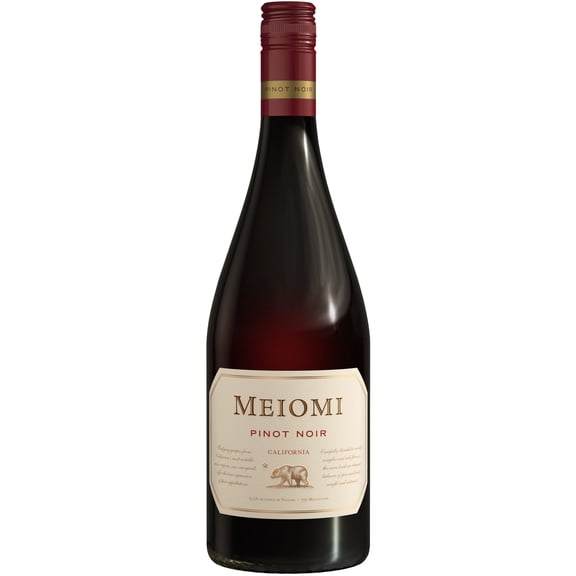 $1999current price $19.9978.7 ¢/fl oz
Meiomi Pinot Noir, Red Wine, 750 mL
17464.8 out of 5 Stars. 1746 reviews4.8 out of 5 starsSave withDelivery as soon as 35 minsPickup as soon as 6pmBest seller, Canada Dry Caffeine Free Ginger Ale Soda Pop, 2 L, Bottle $3.12 4.6 ¢/fl oz
Best seller $312current price $3.124.6 ¢/fl oz
Canada Dry Caffeine Free Ginger Ale Soda Pop, 2 L, Bottle
80124.7 out of 5 Stars. 8012 reviews4.7 out of 5 starsSave withDelivery as soon as 35 minsShipping arrives todayPickup as soon as 5pmSNAP EBT eligibleGT's Synergy Trilogy Raw Kombucha 16 fl oz $3.66
 3 optionsAvailable in additional 3 options$366current price $3.66Options from $3.66 – $7.32
GT's Synergy Trilogy Raw Kombucha 16 fl oz
Save withDelivery as soon as 35 minsPickup as soon as 6pmSNAP EBT eligibleWelch's Non-Alcoholic Sparkling Juice Cocktail, White Grape, 25.4 fl oz Bottle $3.98
 2 optionsAvailable in additional 2 options$398current price $3.98Options from $3.98 – $7.96
Welch's Non-Alcoholic Sparkling Juice Cocktail, White Grape, 25.4 fl oz Bottle
Save withDelivery as soon as 35 minsShipping arrives Thu, Oct 15Pickup as soon as 5pmSNAP EBT eligibleBest seller, Fever-Tree Premium Ginger Beer, 4 Pack, 200 ML Glass Bottles, 0% ABV $6.12 22.5 ¢/fl oz
Best seller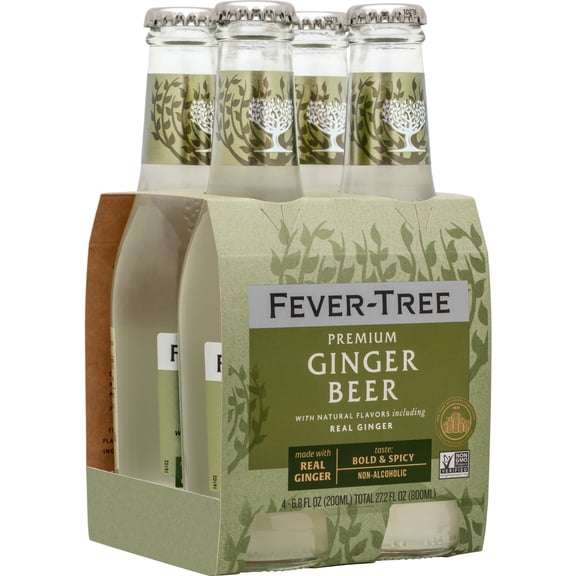 $612current price $6.1222.5 ¢/fl oz
Fever-Tree Premium Ginger Beer, 4 Pack, 200 ML Glass Bottles, 0% ABV
7424.6 out of 5 Stars. 742 reviews4.6 out of 5 starsSave withDelivery as soon as 35 minsShipping arrives todayPickup as soon as 5pmSNAP EBT eligibleChateau Ste. Michelle Riesling Washington White Wine, 750 ml Bottle, 12.0% ABV $9.98 39.3 ¢/fl oz
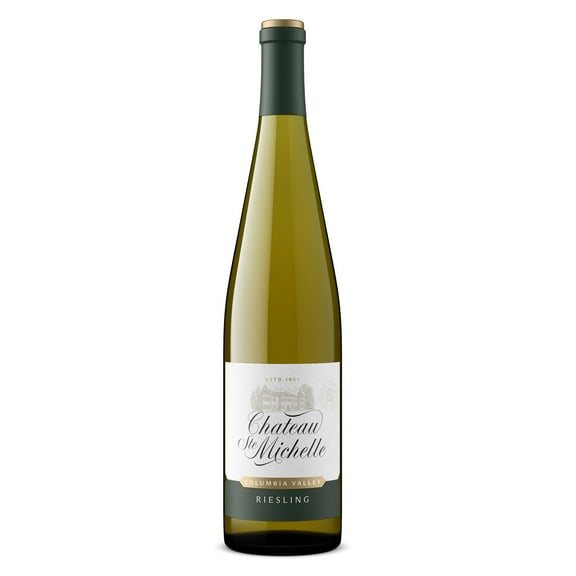 $998current price $9.9839.3 ¢/fl oz
Chateau Ste. Michelle Riesling Washington White Wine, 750 ml Bottle, 12.0% ABV
3364.7 out of 5 Stars. 336 reviews4.7 out of 5 starsSave withDelivery as soon as 35 minsPickup as soon as 6pmBest seller, Gold Peak Unsweetened Black Iced Tea Bottle, 76 fl oz $3.53 4.6 ¢/fl oz
Best seller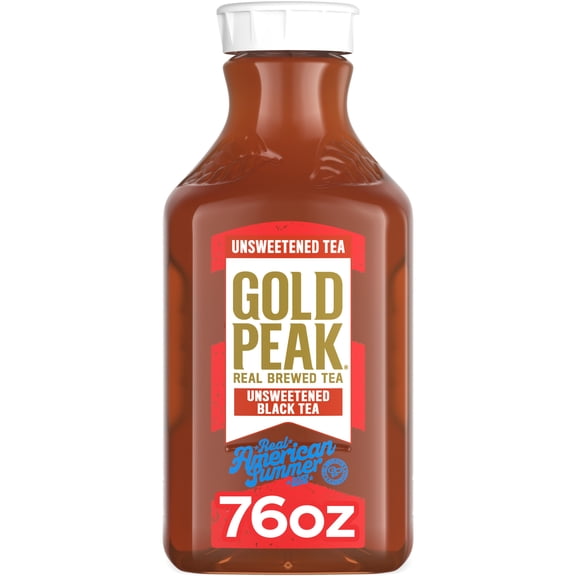 $353current price $3.534.6 ¢/fl oz
Gold Peak Unsweetened Black Iced Tea Bottle, 76 fl oz
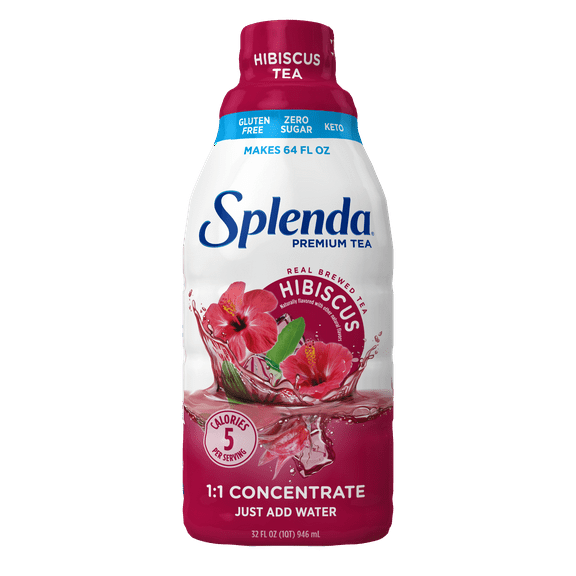
24374.7 out of 5 Stars. 2437 reviews4.7 out of 5 starsSave withDelivery as soon as 35 minsPickup as soon as 6pmSNAP EBT eligibleSplenda Hibiscus Tea Concentrate - 32oz $4.98
 3 optionsAvailable in additional 3 options$498current price $4.98More options from $4.94
Splenda Hibiscus Tea Concentrate - 32oz
4924.4 out of 5 Stars. 492 reviews4.4 out of 5 starsSave withShipping arrives Thu, Oct 15SNAP EBT eligibleBest seller, Clear American Mandarin Orange Sparkling Water, 12 fl oz, 12 Count $5.32
Best seller 6 optionsAvailable in additional 6 options$532current price $5.32
Clear American Mandarin Orange Sparkling Water, 12 fl oz, 12 Count
Save withDelivery as soon as 35 minsPickup as soon as 5pmSNAP EBT eligible
Serve it up
Boards, knives, ramekins & more.
Best seller, Thyme & Table Acacia Wood Cutting Board, 12 in x 18 in, with Anti-Slip Grips $18.88
Best seller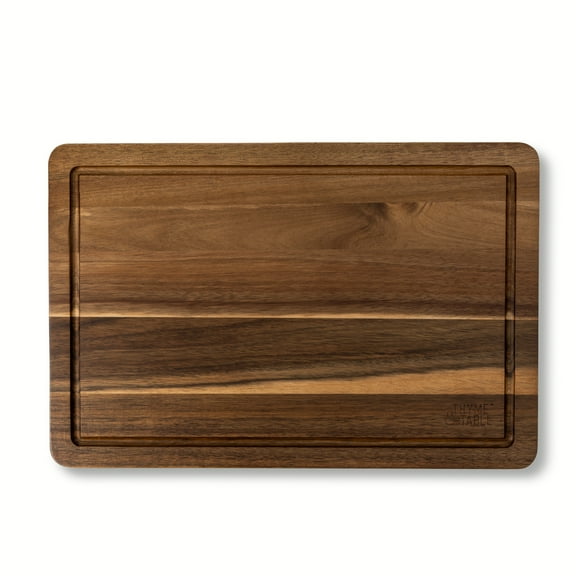 $1888current price $18.88
Thyme & Table Acacia Wood Cutting Board, 12 in x 18 in, with Anti-Slip Grips
4834.5 out of 5 Stars. 483 reviews4.5 out of 5 starsSave withDelivery as soon as 35 minsShipping arrives todayPickup as soon as 5pmBest seller, Better Homes & Gardens Natural Marble and Acacia Wood 8" x 20" Rectangle Charcuterie Board with Handle $19.96
Best seller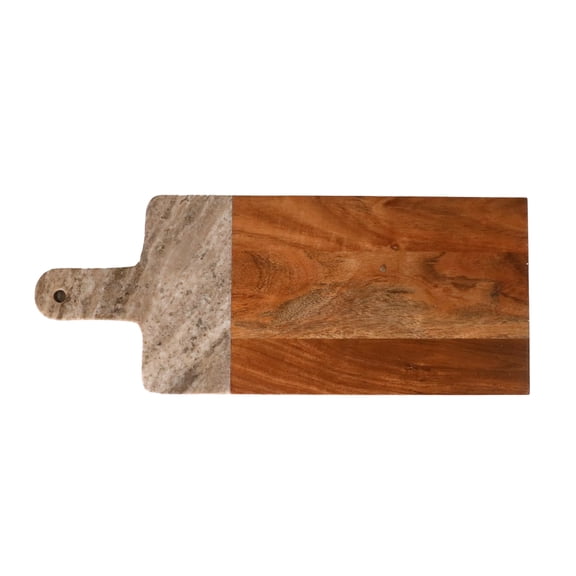 2 optionsAvailable in additional 2 options$1996current price $19.96More options from $12.97
Better Homes & Gardens Natural Marble and Acacia Wood 8" x 20" Rectangle Charcuterie Board with Handle
Save withDelivery as soon as 35 minsShipping arrives todayPickup as soon as 5pmBest seller, Better Homes & Gardens Acacia Wood Charcuterie Board Set with Cheese Tools, 22 in x 11.22 in x 1.96 in $25.48
Best seller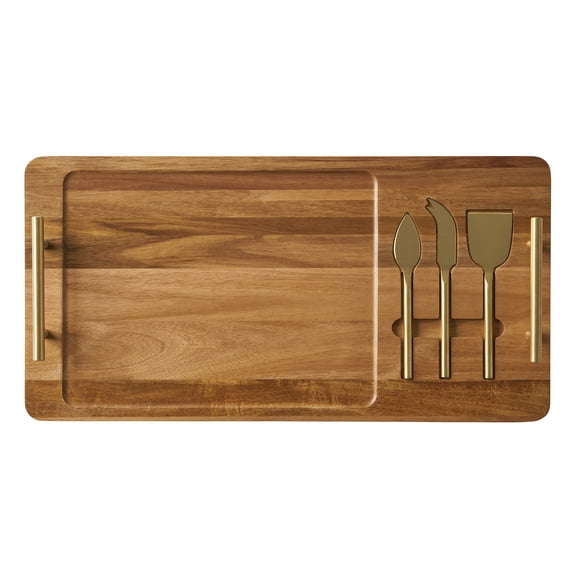 $2548current price $25.48
Better Homes & Gardens Acacia Wood Charcuterie Board Set with Cheese Tools, 22 in x 11.22 in x 1.96 in
1604.5 out of 5 Stars. 160 reviews4.5 out of 5 starsSave withDelivery as soon as 35 minsShipping arrives todayPickup as soon as 5pmBest seller, Beautiful Reversible Acacia 11" x 16" Wood Cutting & Serving Board by Drew Barrymore $19.97
Best seller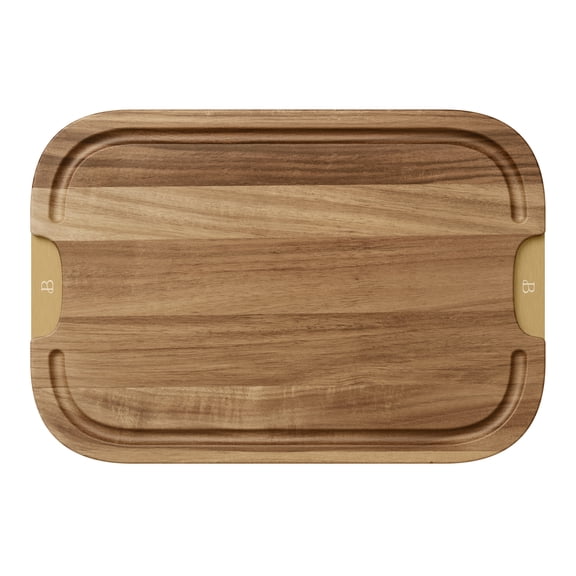 $1997current price $19.97
Beautiful Reversible Acacia 11" x 16" Wood Cutting & Serving Board by Drew Barrymore
424.7 out of 5 Stars. 42 reviews4.7 out of 5 starsSave withShipping arrives todayBest seller, Thyme & Table Acacia End Grain Butcher Block Cutting Board, 12 in x 18 in $29.97
Best seller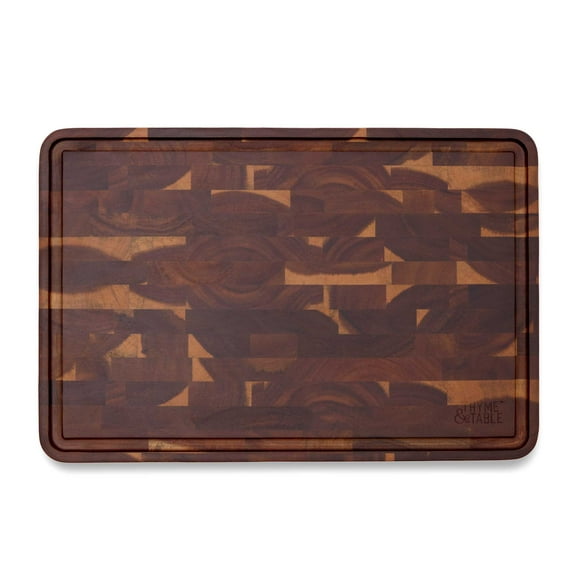 $2997current price $29.97
Thyme & Table Acacia End Grain Butcher Block Cutting Board, 12 in x 18 in
1094.4 out of 5 Stars. 109 reviews4.4 out of 5 starsSave withDelivery as soon as 35 minsShipping arrives todayPickup as soon as 5pmParis Hilton 4-Piece Charcuterie and Cheese Board Set with Serving Tools, Pink $21.97
 $2197current price $21.97
Paris Hilton 4-Piece Charcuterie and Cheese Board Set with Serving Tools, Pink
254.8 out of 5 Stars. 25 reviews4.8 out of 5 starsSave withShipping arrives tomorrowOn the Surface Long Wood Board, Customizable Brown Wooden Board with Handle $7.57
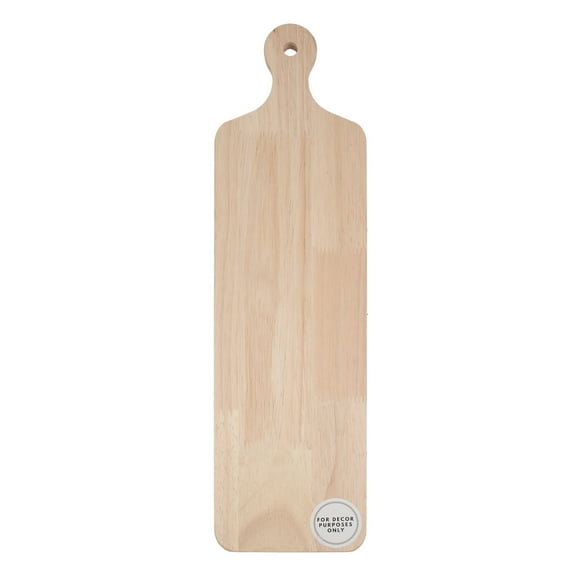 2 optionsAvailable in additional 2 options$757current price $7.57Options from $7.57 – $15.14
On the Surface Long Wood Board, Customizable Brown Wooden Board with Handle
1324.1 out of 5 Stars. 132 reviews4.1 out of 5 starsSave withDelivery as soon as 35 minsShipping arrives todayPickup as soon as 5pmPlaid Wood Surfaces Pine Charcuterie Board, 18" x 7" $12.54
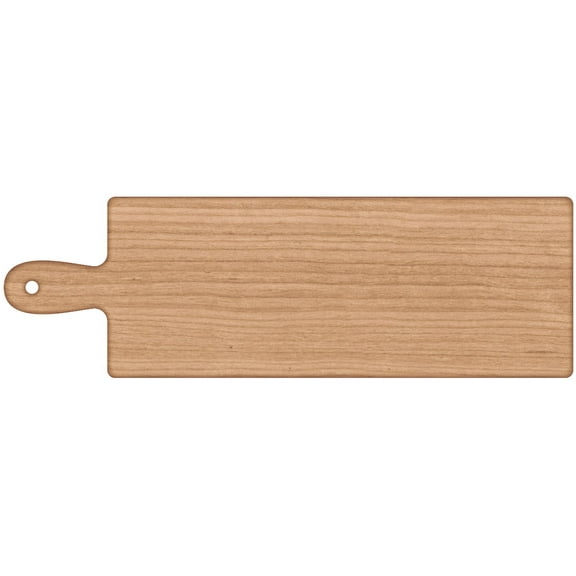 2 optionsAvailable in additional 2 options$1254current price $12.54Options from $12.54 – $37.62
Plaid Wood Surfaces Pine Charcuterie Board, 18" x 7"
474.6 out of 5 Stars. 47 reviews4.6 out of 5 starsSave withShipping arrives todayBest seller, Mainstays Bamboo Cutting Board Set, 3 Piece, Large/Medium/Small $15.64
Best seller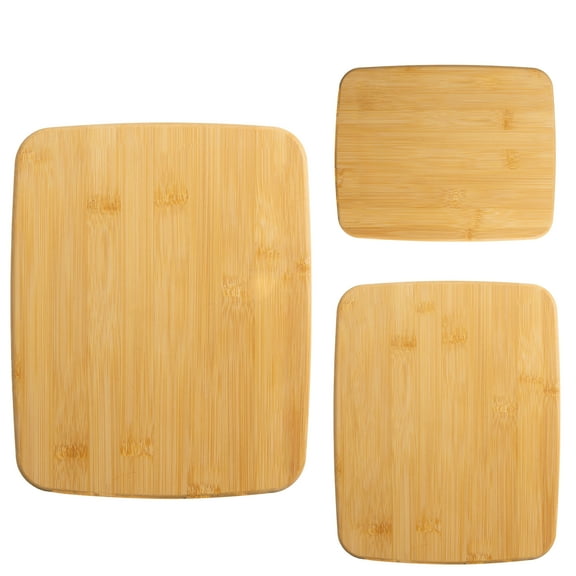 $1564current price $15.64
Mainstays Bamboo Cutting Board Set, 3 Piece, Large/Medium/Small
3254.4 out of 5 Stars. 325 reviews4.4 out of 5 starsSave withDelivery as soon as 35 minsShipping arrives todayPickup as soon as 5pmBest seller, Mainstays Bamboo Cutting Board, 8.5 in x 11 in, with Juice Groove and Non-Slip Feet $5.97
Best seller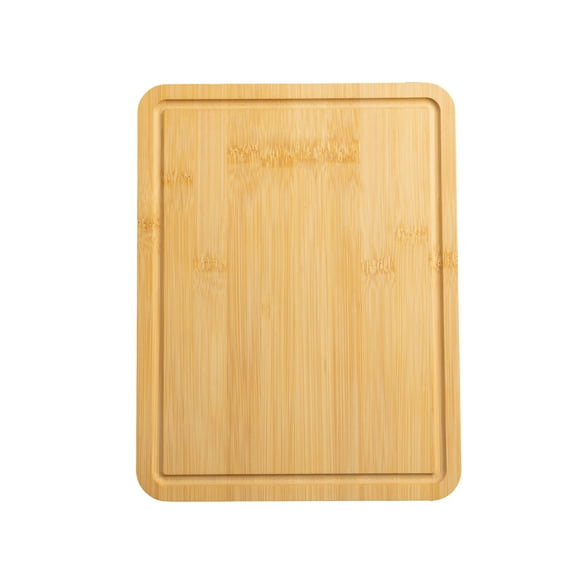 4 optionsAvailable in additional 4 options$597current price $5.97Options from $5.97 – $17.44
Mainstays Bamboo Cutting Board, 8.5 in x 11 in, with Juice Groove and Non-Slip Feet
Save withDelivery as soon as 35 minsShipping arrives todayPickup as soon as 5pmBest seller, Thyme & Table 2-Piece Acacia Cutting Board Set $29.97
Best seller $2997current price $29.97
Thyme & Table 2-Piece Acacia Cutting Board Set
3874.3 out of 5 Stars. 387 reviews4.3 out of 5 starsSave withDelivery as soon as 35 minsShipping arrives todayPickup as soon as 5pmBest seller, Better Homes & Gardens Acacia Wood Rectangular Serving Tray with Gold Color Handles, 22.5 in x 13 in x 1 in $19.96
Best seller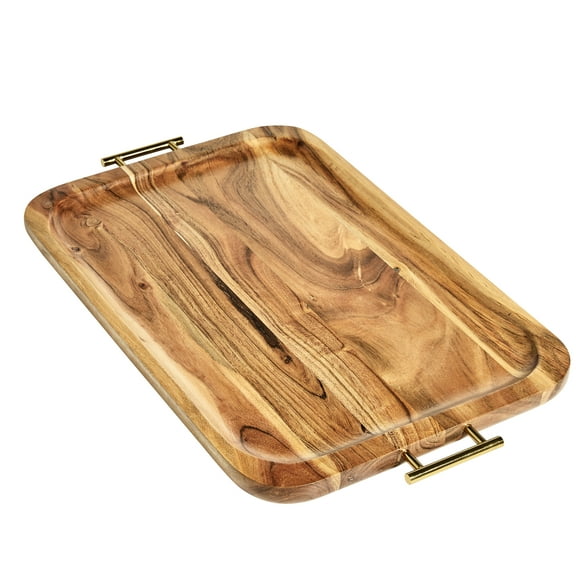 3 optionsAvailable in additional 3 options$1996current price $19.96More options from $13.97
Better Homes & Gardens Acacia Wood Rectangular Serving Tray with Gold Color Handles, 22.5 in x 13 in x 1 in
Save withDelivery as soon as 35 minsShipping arrives todayPickup as soon as 5pmThyme & Table Cutting Board, Rubberwood, 14 in x 20 in, Extra Large, Anti-Slip Grips $19.97
 $1997current price $19.97More options from $16.88
Thyme & Table Cutting Board, Rubberwood, 14 in x 20 in, Extra Large, Anti-Slip Grips
Save withDelivery as soon as 35 minsShipping arrives todayPickup as soon as 5pmBest seller, Thyme & Table 2-Piece 14 in x 11 in Polypropylene and Bamboo Cutting Board Set, White $17.46
Best seller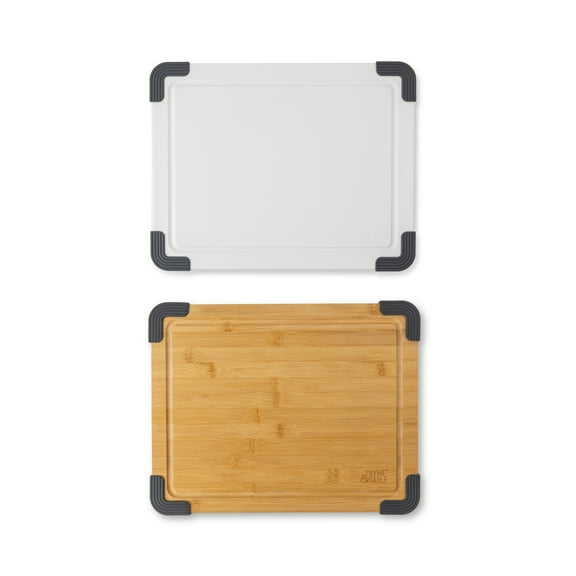 $1746current price $17.46
Thyme & Table 2-Piece 14 in x 11 in Polypropylene and Bamboo Cutting Board Set, White
534.6 out of 5 Stars. 53 reviews4.6 out of 5 starsSave withDelivery as soon as 35 minsShipping arrives todayPickup as soon as 5pmBest seller, Thyme & Table 12 in x 18 in Rubberwood Cutting Board with L-Shaped Anti-Slip Feet $16.88
Best seller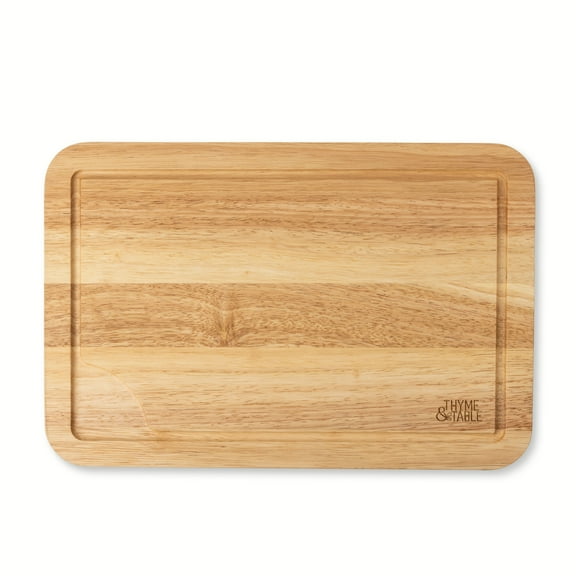 $1688current price $16.88Options from $16.88 – $19.97
Thyme & Table 12 in x 18 in Rubberwood Cutting Board with L-Shaped Anti-Slip Feet
Save withDelivery as soon as 35 minsShipping arrives todayPickup as soon as 5pmBest seller, (4 pack) Better Homes & Gardens Acacia Wood Rectangular Serving Tray with Gold Color Handles, 22.5 in x 13 in x 1 in $79.84
Best seller $7984current price $79.84More options from $19.96
(4 pack) Better Homes & Gardens Acacia Wood Rectangular Serving Tray with Gold Color Handles, 22.5 in x 13 in x 1 in
11634.6 out of 5 Stars. 1163 reviews4.6 out of 5 starsSave withDelivery as soon as 35 minsShipping arrives todayPickup as soon as 6pmBest seller, Thyme & Table Bar Board Cutting Board with 3.5 in Paring Knife, 2-Piece Set $4.97
Best seller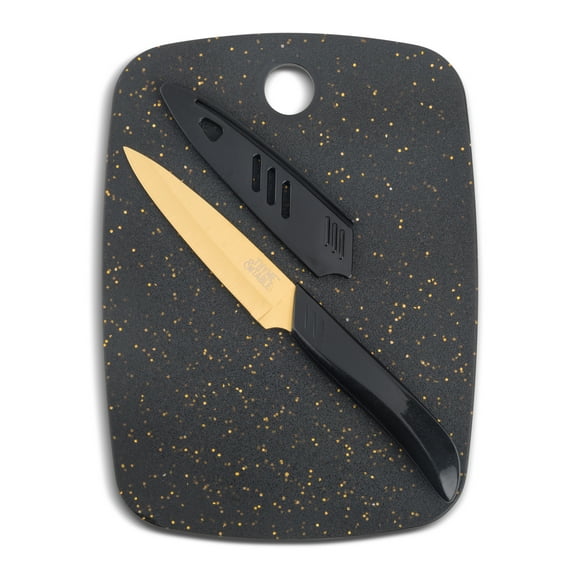 $497current price $4.97
Thyme & Table Bar Board Cutting Board with 3.5 in Paring Knife, 2-Piece Set
17584.5 out of 5 Stars. 1758 reviews4.5 out of 5 starsSave withDelivery as soon as 35 minsShipping arrives todayPickup as soon as 5pmBest seller, Better Homes & Gardens Gold Cast Metal Decorative Tray, 17 in x 8 in $17.18
Best seller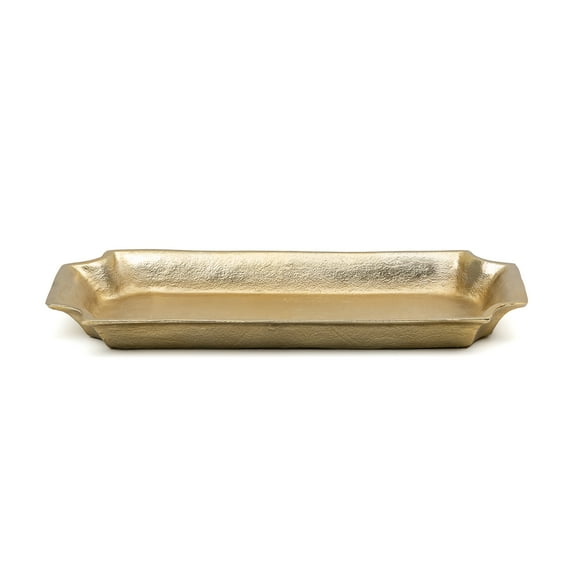 $1718current price $17.18
Better Homes & Gardens Gold Cast Metal Decorative Tray, 17 in x 8 in
1534.6 out of 5 Stars. 153 reviews4.6 out of 5 starsSave withShipping arrives todayBest seller, Better Homes & Gardens 3-Piece Ceramic Chip and Dip Bowl Set with Acacia Tray, Natural Wood Color, 13.5 in x 6.5 in x 2.99 in $18.93
Best seller 2 optionsAvailable in additional 2 options$1893current price $18.93Options from $18.93 – $75.72
Better Homes & Gardens 3-Piece Ceramic Chip and Dip Bowl Set with Acacia Tray, Natural Wood Color, 13.5 in x 6.5 in x 2.99 in
2124.7 out of 5 Stars. 212 reviews4.7 out of 5 starsSave withDelivery as soon as 35 minsShipping arrives todayPickup as soon as 5pmBest seller, 12.8 x 13 IN Glass 3-Tier Dessert Stand, by Way To Celebrate $24.43
Best seller $2443current price $24.43
12.8 x 13 IN Glass 3-Tier Dessert Stand, by Way To Celebrate
883.8 out of 5 Stars. 88 reviews3.8 out of 5 starsSave withShipping arrives today
Charcuterie in a snap

So many sweets!
Chocolate, fruit, pastries & more.
Rollback, GHIRARDELLI PREMIUM DARK Raspberry Dark Chocolate Bar, 3.5 oz Bar $4.97 Was $5.78 $1.42/oz
Rollback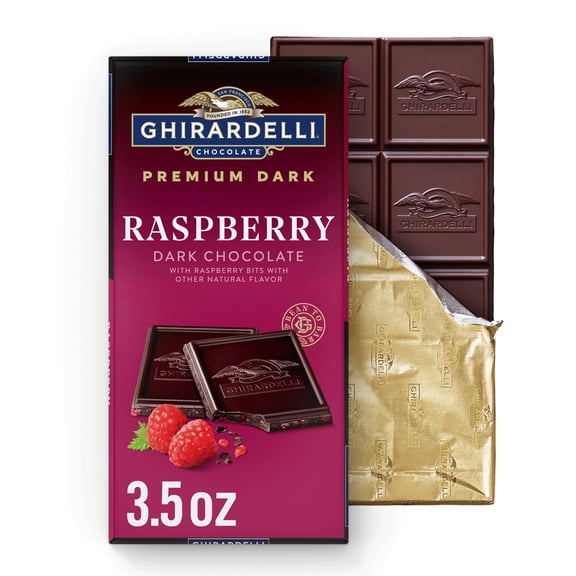 Now$497current price Now $4.97, Was $5.78$5.78$1.42/oz
GHIRARDELLI PREMIUM DARK Raspberry Dark Chocolate Bar, 3.5 oz Bar
10034.6 out of 5 Stars. 1003 reviews4.6 out of 5 starsSave withDelivery as soon as 35 minsPickup as soon as 5pmSNAP EBT eligiblebettergoods Assorted Macarons, 5.4 oz, 12 Count $6.43 $1.19/oz
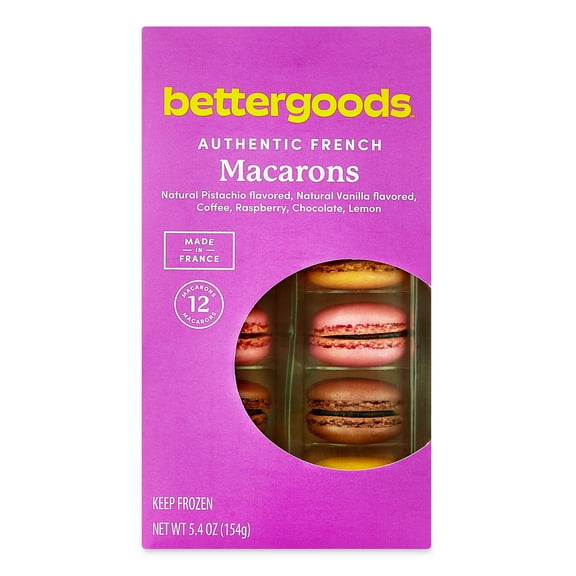 $643current price $6.43$1.19/oz
bettergoods Assorted Macarons, 5.4 oz, 12 Count
25374.6 out of 5 Stars. 2537 reviews4.6 out of 5 starsSave withDelivery as soon as 35 minsPickup as soon as 6pmSNAP EBT eligibleRollback, Marketside Mini Chocolate Baked Croissants, 6.35 oz, 6 Count $4.47 Was $5.24 71.0 ¢/oz
Rollback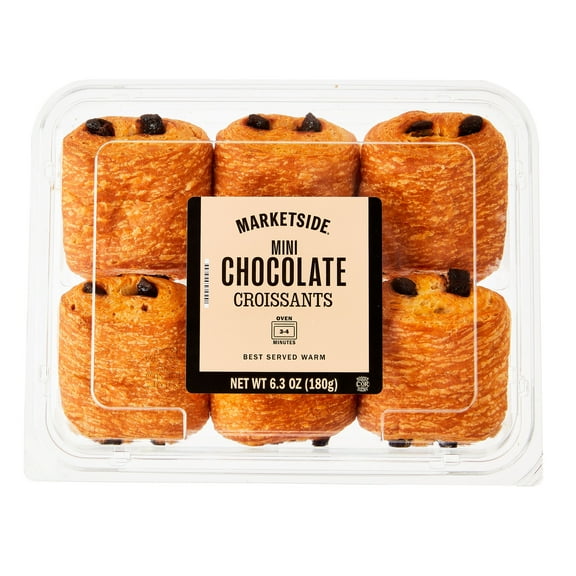 Now$447current price Now $4.47, Was $5.24$5.2471.0 ¢/oz
Marketside Mini Chocolate Baked Croissants, 6.35 oz, 6 Count
26034.3 out of 5 Stars. 2603 reviews4.3 out of 5 starsSave withDelivery as soon as 35 minsPickup as soon as 6pmSNAP EBT eligibleBest seller, Yoggies Mixed Berry Probiotic 10CT $6.63
Best seller $663current price $6.63
Yoggies Mixed Berry Probiotic 10CT
Save withShipping arrives todaySNAP EBT eligibleMarketside Thin & Crispy Baked Chocolate Chip Cookies, 6 oz, 8 Count $5.47 91.2 ¢/oz
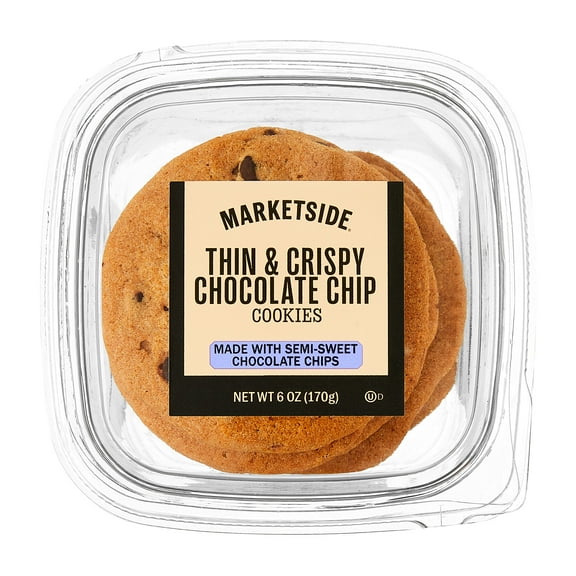 $547current price $5.4791.2 ¢/oz
Marketside Thin & Crispy Baked Chocolate Chip Cookies, 6 oz, 8 Count
1794.3 out of 5 Stars. 179 reviews4.3 out of 5 starsSave withDelivery as soon as 35 minsPickup as soon as 6pmSNAP EBT eligibleBest seller, Zachary Real Milk Chocolate Covered Pretzels Snack, 14 oz. Tub $4.97 35.5 ¢/oz
Best seller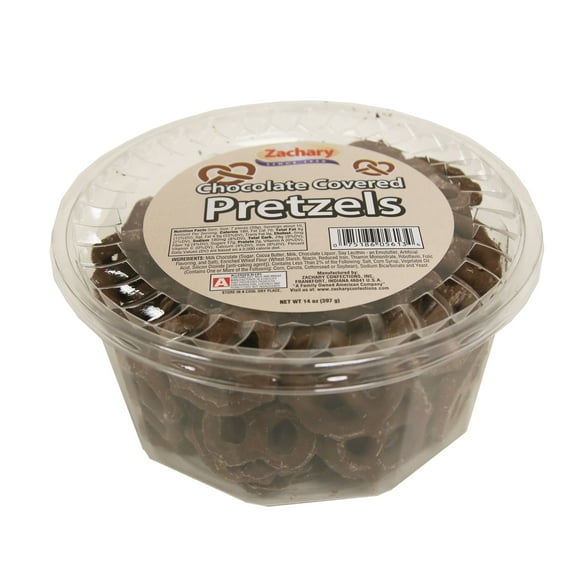 $497current price $4.9735.5 ¢/oz
Zachary Real Milk Chocolate Covered Pretzels Snack, 14 oz. Tub
14354.6 out of 5 Stars. 1435 reviews4.6 out of 5 starsSave withDelivery as soon as 35 minsPickup as soon as 5pmSNAP EBT eligibleSalad Pizazz! Strawberry Cranberry Honey Nut Fruit & Nut Topping, 3.75 oz Bag $2.97 79.2 ¢/oz
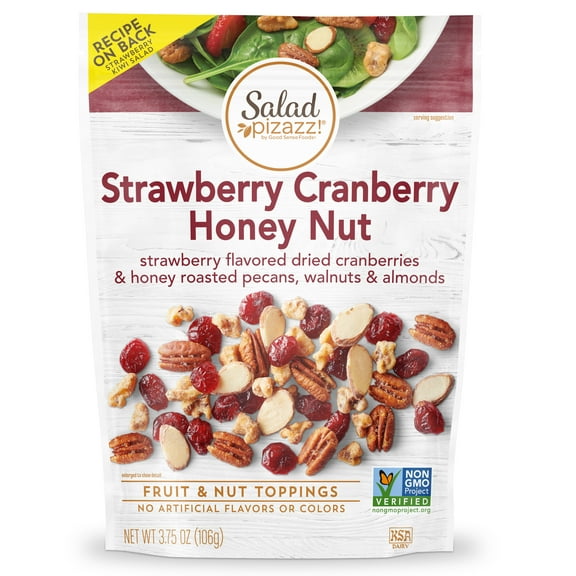 $297current price $2.9779.2 ¢/oz
Salad Pizazz! Strawberry Cranberry Honey Nut Fruit & Nut Topping, 3.75 oz Bag
7594.7 out of 5 Stars. 759 reviews4.7 out of 5 starsSave withDelivery as soon as 35 minsPickup as soon as 6pmSNAP EBT eligibleBest seller, bettergoods Dark Chocolate Almonds, 12 oz $9.48
Best seller $948current price $9.48Options from $9.48 – $28.44
bettergoods Dark Chocolate Almonds, 12 oz
Save withDelivery as soon as 35 minsShipping arrives todayPickup as soon as 5pmSNAP EBT eligibleFresh Blueberries, 1 Pint Container $4.87 44.3 ¢/oz
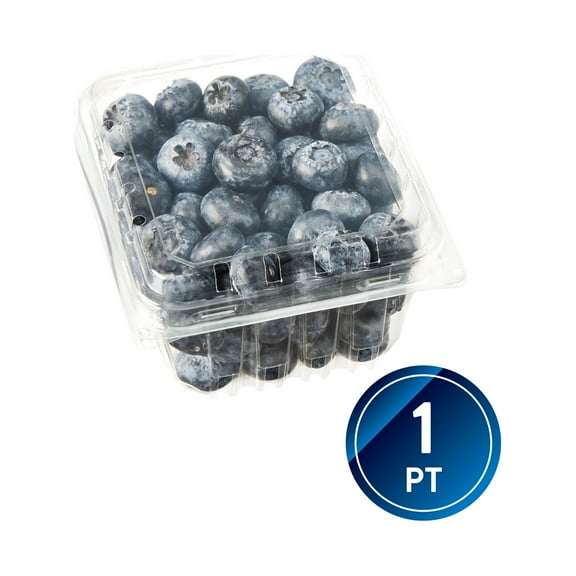 $487current price $4.8744.3 ¢/oz
Fresh Blueberries, 1 Pint Container
729234.4 out of 5 Stars. 72923 reviews4.4 out of 5 starsSave withDelivery as soon as 35 minsPickup as soon as 6pmSNAP EBT eligiblebettergoods Yogurt Flavored Freeze Dried Blueberries, 9 oz $7.92 88.0 ¢/oz
 $792current price $7.9288.0 ¢/oz
bettergoods Yogurt Flavored Freeze Dried Blueberries, 9 oz
6404.5 out of 5 Stars. 640 reviews4.5 out of 5 starsSave withDelivery as soon as 35 minsShipping arrives todayPickup as soon as 5pmSNAP EBT eligiblebettergoods Organic Sun-Dried Apricots, 8 oz $8.52 $1.07/oz
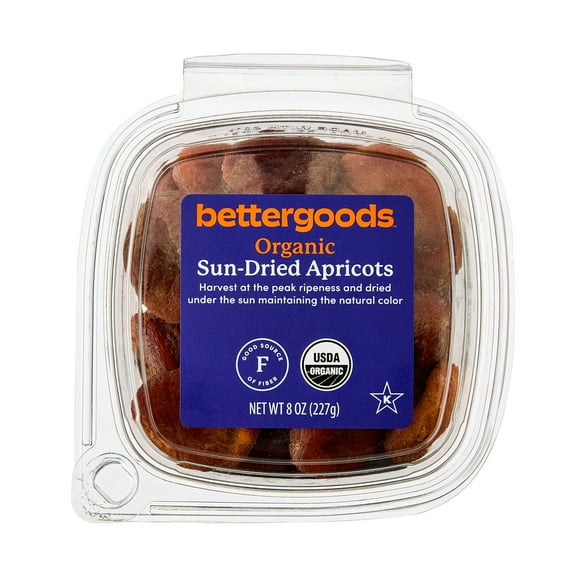 $852current price $8.52$1.07/oz
bettergoods Organic Sun-Dried Apricots, 8 oz
1733.8 out of 5 Stars. 173 reviews3.8 out of 5 starsSave withShipping arrives tomorrowSNAP EBT eligibleMarketside Pineapple Chunks, 10 oz, Pre-Cut (Fresh) $3.87 38.7 ¢/oz
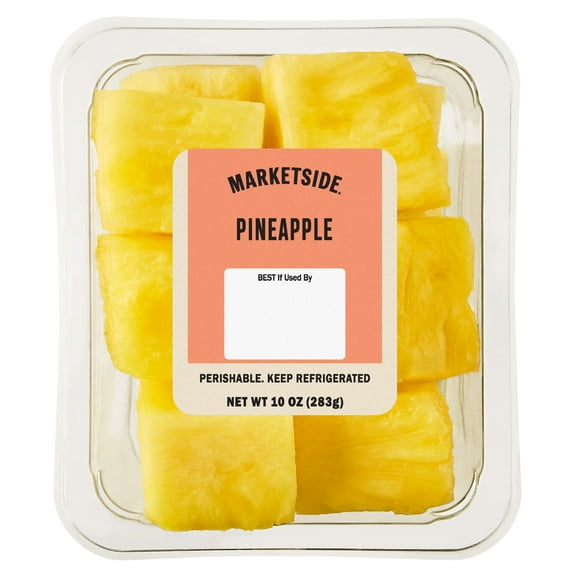 $387current price $3.8738.7 ¢/oz
Marketside Pineapple Chunks, 10 oz, Pre-Cut (Fresh)
84544.1 out of 5 Stars. 8454 reviews4.1 out of 5 starsSave withDelivery as soon as 35 minsPickup as soon as 6pmSNAP EBT eligibleBest seller, Great Value Dark Chocolate Bar, 3.52 oz $1.86 52.8 ¢/oz
Best seller $186current price $1.8652.8 ¢/oz
Great Value Dark Chocolate Bar, 3.52 oz
34584.6 out of 5 Stars. 3458 reviews4.6 out of 5 starsSave withDelivery as soon as 35 minsPickup as soon as 5pmSNAP EBT eligiblebettergoods Milk Chocolate Salted Caramel Flavored Cashews, 11 oz $9.48
 $948current price $9.48Options from $9.48 – $28.44
bettergoods Milk Chocolate Salted Caramel Flavored Cashews, 11 oz
Save withDelivery as soon as 35 minsShipping arrives todayPickup as soon as 5pmSNAP EBT eligible

FAQ
Can I use a cutting board as a serving platter?
Yes — many people use cutting boards for serving. They make relaxed, rustic platters for cheeses, jams, olives, nuts and precut fruit. To keep things tidy and safe, consider these tips:
- Line the board with parchment or small bowls for wet items like olives or jam.
- Use separate boards or clean between raw and ready-to-eat items to reduce cross-contamination risks.
- Choose a board size that fits your table and number of guests.
Walmart carries a range of serving boards and liners if you want dedicated platters and easy cleanup options.
Which cutting board material works best for charcuterie?
Different materials have different benefits, so pick based on how you serve and clean. Consider:
- Wood: Warm look, gentle on cheese and won't dull utensils; needs hand washing and occasional oiling.
- Marble or stone: Stays cool, which can help with cheeses, but is heavier and can chip.
- Plastic or composite: Lightweight and often dishwasher-safe, making cleanup easier after sticky spreads.
Think about aesthetics, cleanup preferences, and how often you’ll use the board. Walmart offers a variety across these materials so you can compare in one place.
How do I keep a board from sliding on the table?
Stopping a board from moving is simple and makes arranging food easier. Try these options:
- Place a damp paper towel or cloth under the board to create surface friction.
- Use a thin non-slip mat or silicone pads designed to grip tabletops and boards.
- Choose boards with built-in rubber feet or a slightly weighted base for stability.
These steps can help reduce slipping, but results may vary by table surface and board material. You can find non-slip pads and mats at Walmart if you want a dedicated solution.
What size board should I buy for a charcuterie spread?
Pick a size based on how many people you typically serve and where you'll set it. A few quick guidelines:
- For 2–4 people, a small board (roughly 12–16 inches of usable surface) works well.
- For gatherings of 6–10, choose a medium to large board to allow variety and spacing.
- If you plan multiple boards—cheese-only, snack-only—smaller boards let you create stations instead of one crowding platter.
Measure your serving surface and consider storage and transport. Walmart’s selection includes sizes for casual snacks through party spreads.
What should I include on a beginner charcuterie board?
Start simple and balanced with contrasting flavors and textures. A helpful starter mix:
- One to three cheeses: a soft, a semi-firm, and a stronger-flavored option.
- Accompaniments: jams or preserves, a bowl of olives or pickles, and a handful of nuts.
- Fresh elements: precut fruit or sliced vegetables for color and freshness.
- Crunch: crackers or sliced baguette (arrange around the board).
Use small bowls for spreads to keep things tidy and label common allergens if guests have restrictions. Walmart offers pre-cut fruit, jams, nuts, and party-ready items to help you assemble quickly.
About Create Your Charcuterie Board - Walmart.com
You can build your own charcuterie board with smart planning, balanced ingredients, and serving pieces that fit your guest list. You’ll find it easier to create a polished spread when you match board size, materials, and food variety from the start.
If you’re planning a casual night or a holiday table, you can keep choices clear with a simple framework. You’ll want to compare board capacity, food groups, prep timing, and arrangement style before you start assembling.
Choosing a board to build your own charcuterie board
You’ll first want to match your board size to your guest count. You can use a small board for two to four people, a medium board for six to eight, and a large board for 10 or more.
When you compare board materials, you’ll notice each one creates a different presentation. You may choose wood or bamboo for warmth, slate for labeled sections, or marble for a cool, polished look.
You should also check whether your board has a food-safe finish. If you choose raw wood, you’ll want to confirm proper oiling needs and care steps for repeated serving.
- You can use wood when you want a classic, rustic presentation.
- You may choose bamboo when you want a lightweight board that stores easily.
- You can pick slate when you want clear sections for meats, cheeses, and extras.
- You may use marble when you want a smooth surface that helps chilled items stay appealing longer.
Grocery store charcuterie board essentials
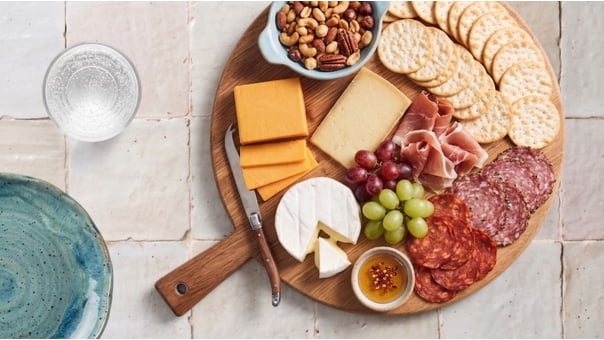
You can build a grocery store charcuterie board with four core groups: cured meats, specialty cheeses, crackers and breads, plus spreads and nuts. You’ll create better balance when each group brings a different texture and flavor.
For a simple ratio, you can start with two to three cheeses, one to two meats, and two crunchy carriers. You should add one spread, one nut, and a few sweet accents so your board feels complete.
You may want soft, firm, and aged cheese styles for contrast. You can pair salty cured meats with mild crackers, seeded crisps, or sliced baguette for easy layering.
To keep portions practical, you can plan in plain terms instead of exact catering math. You’ll usually want enough bites so each guest gets a few slices of meat, cheese, and crackers.
How to compare ingredients and portions
You should choose variety with intention instead of filling every space with similar items. You’ll get a stronger board when creamy cheeses, savory meats, crisp crackers, and spoonable spreads each have a role.
For six people, you can usually use a medium board and a moderate mix of components. You may start with several cheese wedges, a pack or two of cured meats, one or two cracker types, and small bowls for nuts or spreads.
If you’re serving a larger group, you’ll want repeated shapes and colors across the board. You can place crackers in rows, fold meat into ribbons, and cut cheese into cubes or slices for quicker serving.
You should also think about how guests actually snack. You’ll make the board easier to enjoy when each section can be picked up without moving other items around.
What to look for in prep and make-ahead planning
You can prep many parts ahead when you separate cutting, storage, and final placement. You’ll keep assembly simpler by slicing firm cheeses, portioning nuts, and arranging dry goods before guests arrive.
For make-ahead timing, you should store meats, cheeses, and spreads separately until closer to serving. You can place crackers later so they stay crisp and keep their texture.
You’ll also want small bowls for olives, jam, honey, or mustard to keep the board neat. You can use compartment spacing to prevent wet items from touching breads or crackers too early.
If you’re short on time, you can create a cutlery board setup with serving knives, spreaders, and picks nearby. You’ll make the board feel organized when each cheese or spread has its own tool.
Matching board choices to your occasion
You can shape your board around the kind of gathering you’re hosting. You’ll likely want different combinations for a holiday table, a casual gathering, a party platter, or a value-friendly weeknight spread.
For holiday hosting, you can use a larger board with color contrast and fuller sections. You may add dried fruit, rosemary sprigs, or stacked crackers to create a more festive layout.
For a casual gathering, you can keep the mix relaxed and easy to refill. You’ll often want familiar cheeses, sliced meats, sturdy crackers, and one crowd-friendly spread.
If you’re building a party platter, you should think about flow and refills first. You can use duplicate crackers and repeated meat rows so guests can serve themselves from multiple sides.
For a value-friendly setup, you can focus on smart variety instead of extra specialty items. You’ll still create a full look by mixing one standout cheese with everyday favorites, breads, nuts, and spreads.
Arranging your charcuterie board step by step
You can start by placing bowls and large cheese pieces first. You’ll create anchors that help you fill open spaces with meats, crackers, and smaller accents.
Next, you can fold or fan cured meats so they add height and shape. You should place crackers and breads around the edges where guests can grab them easily.
Then, you can fill gaps with nuts, spreads, and sweet extras for contrast. You’ll get a more polished result when you repeat colors and textures across the board instead of clustering one area.
When you build your own charcuterie board with the right size, material, and ingredient balance, you’ll make serving simpler from the first guest onward. You can create a grocery store charcuterie board that looks thoughtful, feels easy to share, and supports a smoother gathering.