

Shop Kitchen Sinks by Type in Kitchen Sinks






















About Shop Kitchen Sinks by Type in Kitchen Sinks - Walmart.com
You can compare kitchen sinks by type when you need a clean fit, easy prep flow, and the right match for your cabinet opening. You can find practical choices here, including undermount, drop-in, farmhouse, and apron-front styles for different countertops and cooking routines.
When you choose this category, you can focus on installation details that change how your kitchen sink basin looks and works every day. You can also compare materials, bowl layouts, and size options without guessing which combination fits your space.
Choosing kitchen sinks by installation type
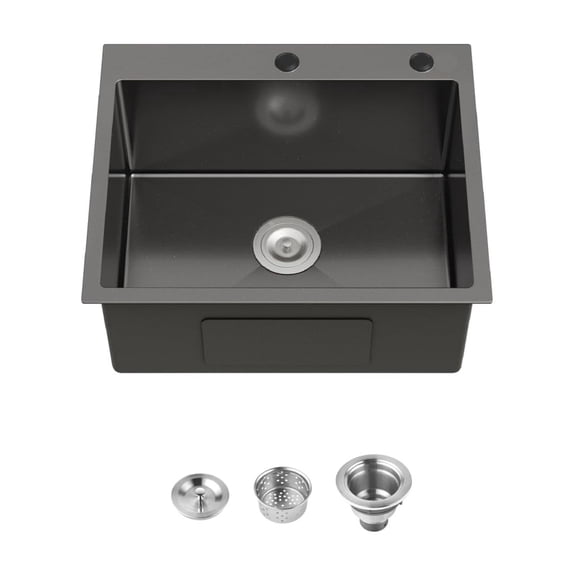
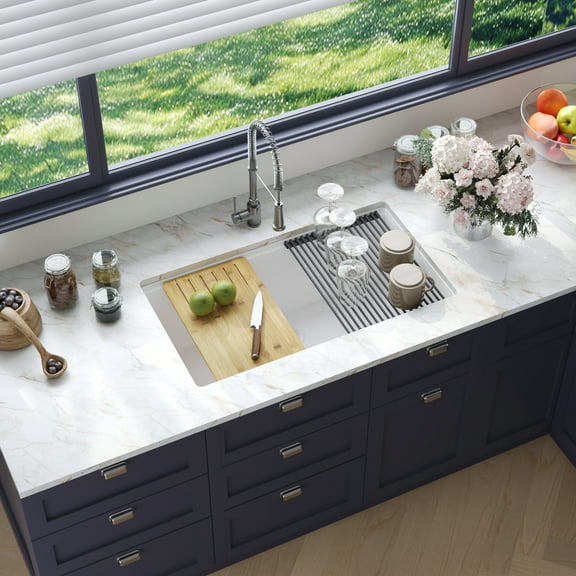
You should start with installation type because it affects countertop compatibility, cleaning habits, and the finished look around your sink edge. You can use undermount designs with solid surface counters, while drop-in styles work with laminate and many replacement projects.
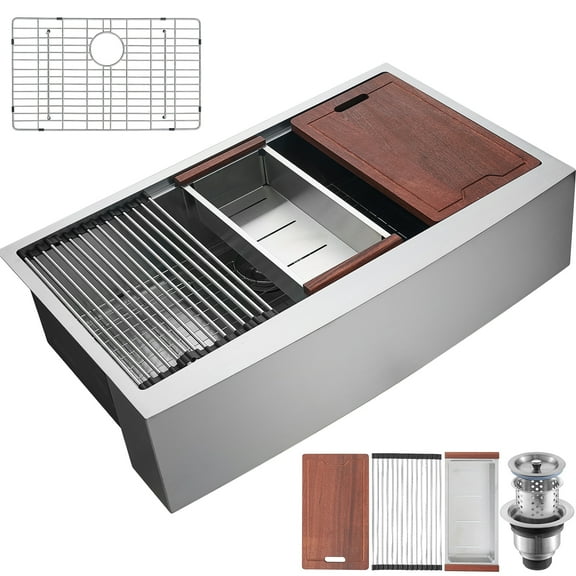
If you want a front-facing style, you can consider farmhouse and apron-front options that extend past the cabinet line. You may like that these designs give you a deep work area and a distinctive focal point near your prep zone.
You can narrow your options quickly when you compare how each type supports your layout and routine. You may notice that the right installation style changes splash cleanup, counter wiping, and access to large cookware.
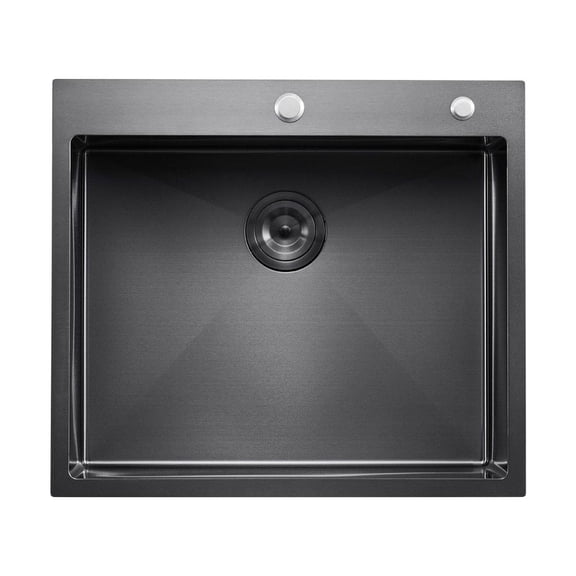
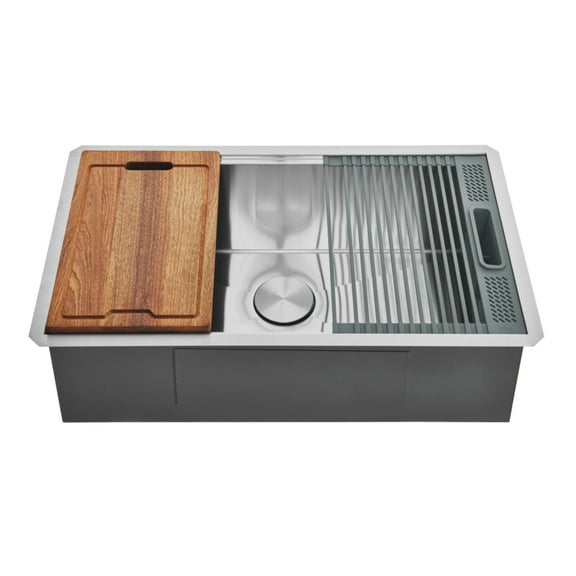
- You can choose undermount sinks for a smooth counter-to-basin transition.
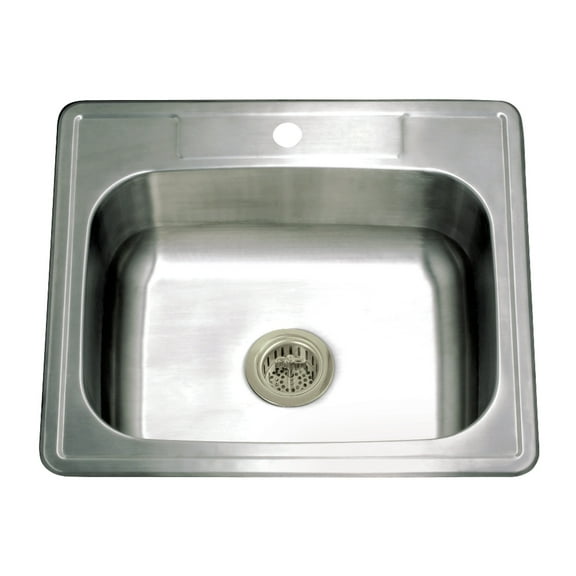
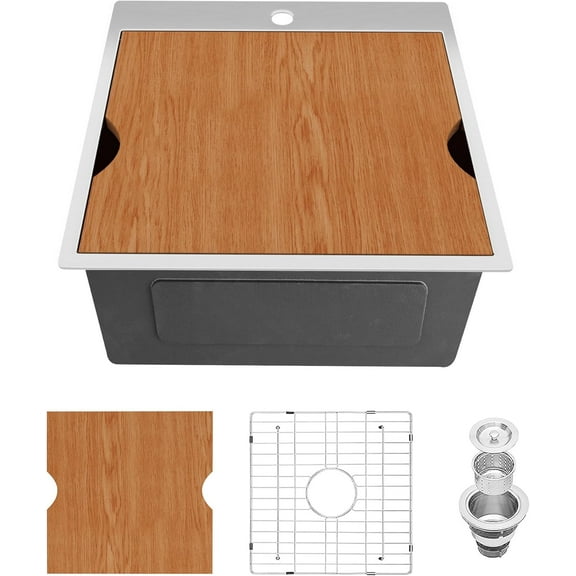
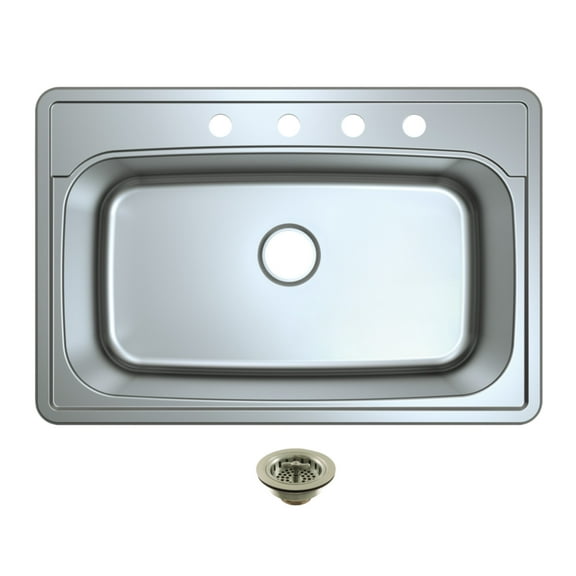
- You can choose drop-in sinks when your project needs flexible installation.
- You can choose farmhouse or apron-front styles for a bold front profile.
- You can match the sink type to your countertop material before installation planning.
What to look for in material and bowl configuration
You should compare material next because daily cleaning, sound, and surface appearance all depend on what your sink is made from. You can look for stainless steel, granite composite, fireclay, or cast iron based on the finish and upkeep you prefer.
If you compare stainless steel options, you should check gauge because lower numbers usually mean thicker steel. You may prefer 16-gauge for a sturdier feel, while 18-gauge can suit many everyday kitchens.
When you review granite composite, fireclay, and cast iron, you should compare finish style and maintenance expectations. You can use that comparison to match your sink to your cabinets, hardware, and daily cleanup habits.
You should also compare bowl configuration because it changes how you wash, rinse, and stack cookware. You can pick a single bowl for roasting pans, a double bowl for multitasking, or a low-divide layout for mixed tasks.
- You can compare 16-gauge and 18-gauge stainless steel for feel and structure.
- You can choose single bowl layouts when you wash larger pots and pans.
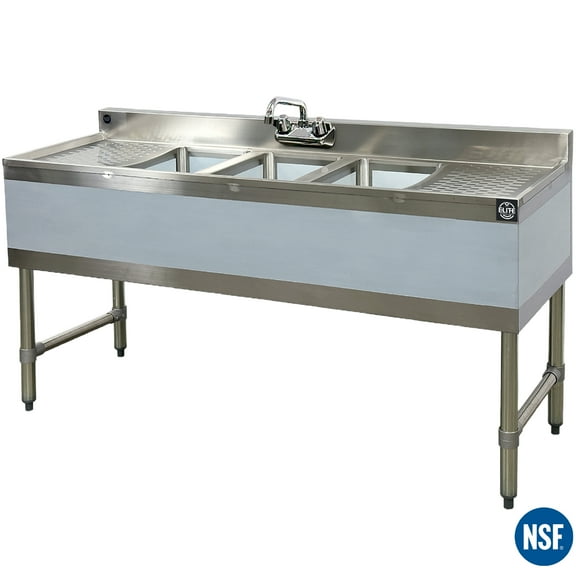
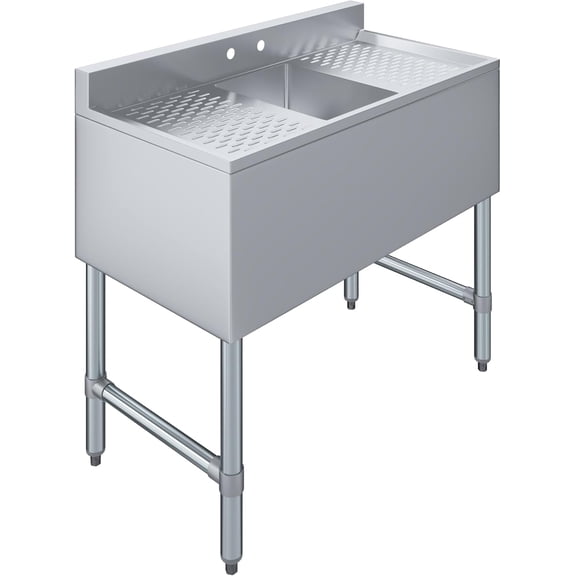
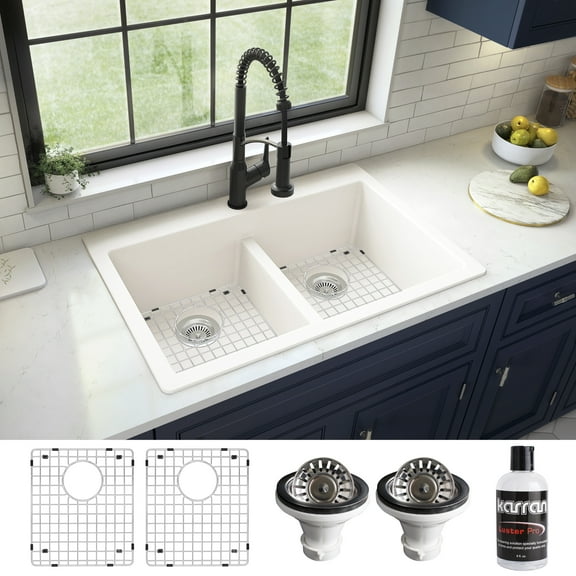
- You can choose double bowl layouts when you want separate prep and rinse zones.
- You can consider low-divide options when you want flexibility in one kitchen sink basin.
Choosing the right size, including a small kitchen sink
You should measure your cabinet base width before you choose sink size because fit starts below the countertop. You can compare the minimum cabinet width with the sink width to avoid choosing a model that does not align with your base cabinet.
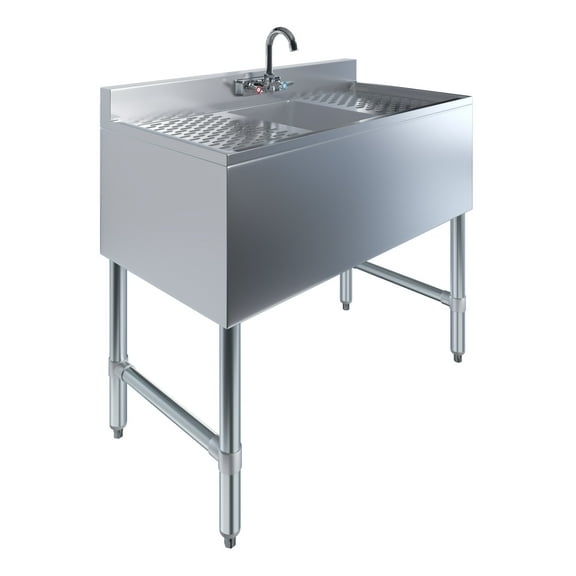
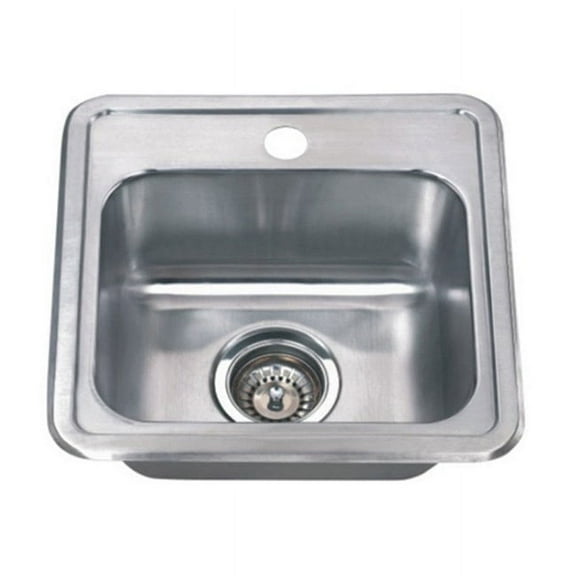
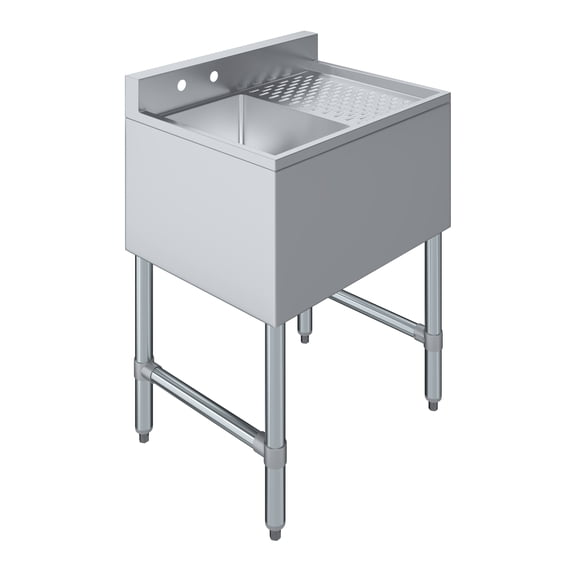
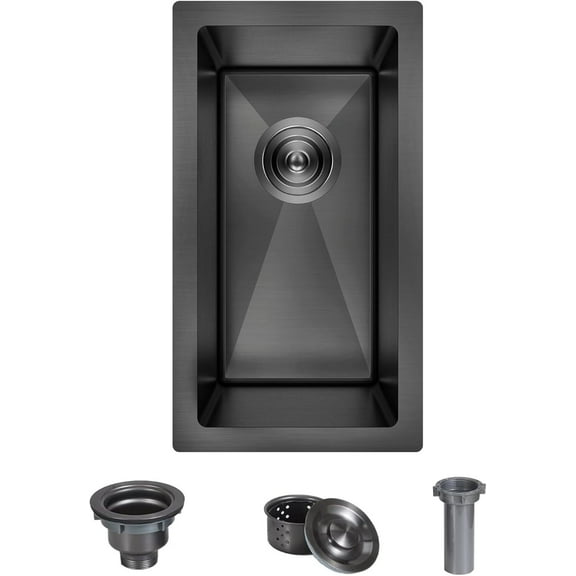
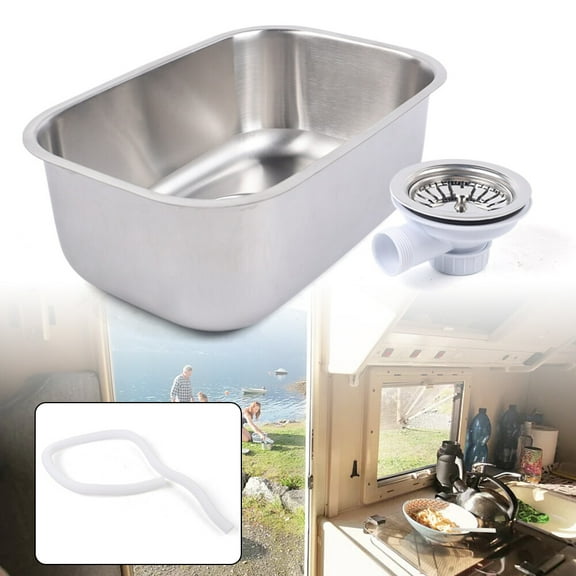
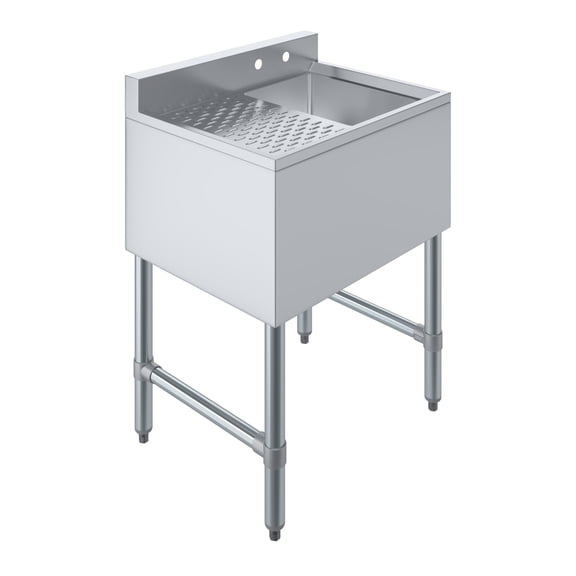
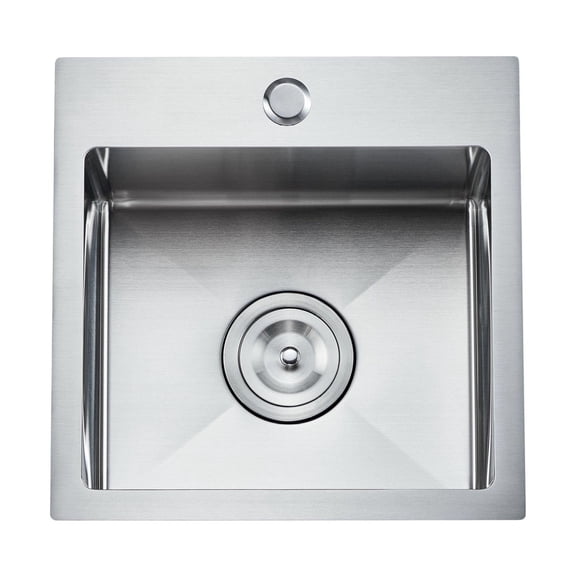
If your layout is tight, you may want a small kitchen sink that keeps prep space open on the counter. You can use compact sizes in apartments, bar areas, laundry-adjacent kitchens, or smaller secondary workstations.
When you have a common cabinet opening, you can compare standard 33-inch options for balanced bowl space and countertop coverage. If you need more room for sheet pans or stockpots, you can look at large 36-inch styles.
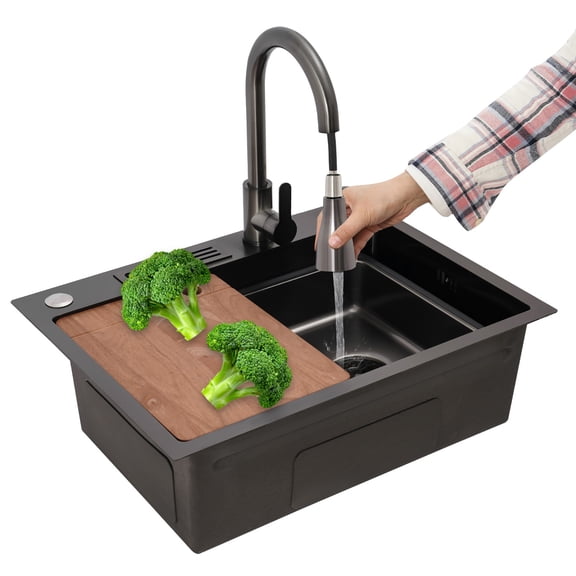
You should think about faucet reach, disposal space, and nearby accessories while you compare sink size. You can create a smooth setup when your sink width works with strainers, cutting boards, and under-sink components.
How kitchen wash basin choices fit real kitchen projects
You can use a kitchen wash basin as a practical planning choice when you're replacing an old sink or building a new kitchen. You should match the sink style to your counter material, cabinet size, and the way you prep meals.
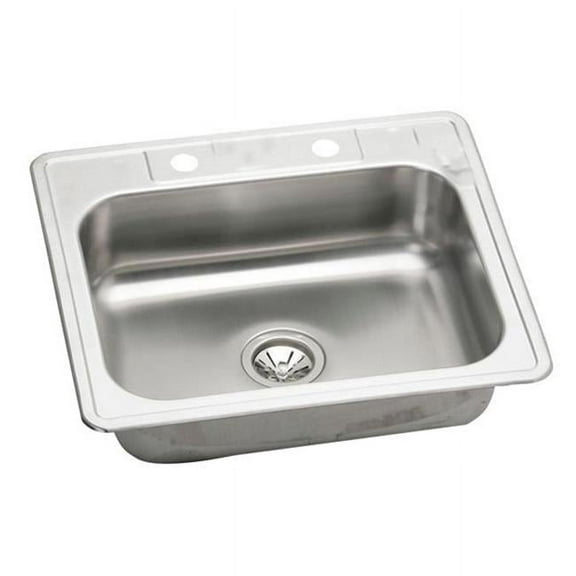
If you're updating laminate counters, you can consider a drop-in style because it fits many replacement projects with minimal counter modification. If you're installing quartz or stone, you can compare undermount designs for a clean edge around crumbs and water.
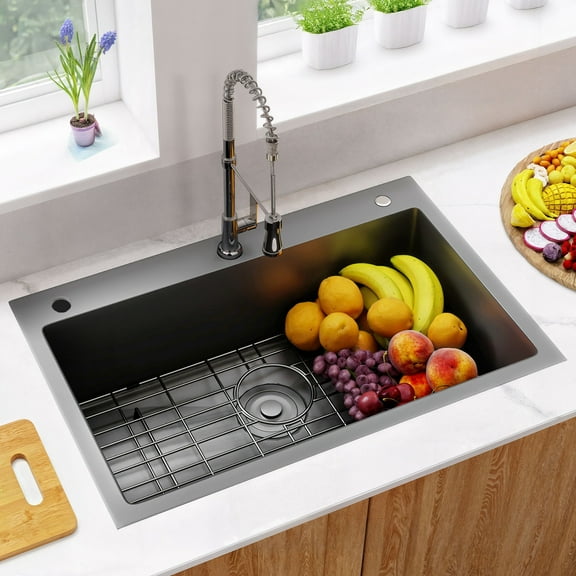
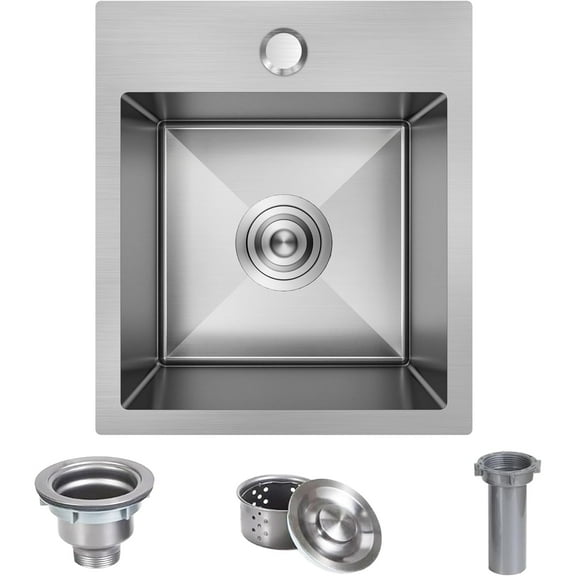
When you cook with oversized pans, you may want a single bowl layout in stainless steel for open washing space. When you prep and rinse at the same time, you can use a double bowl layout to separate those tasks.
If your kitchen leans traditional, you can compare fireclay or cast iron looks for a classic focal point. If your kitchen feels modern, you may prefer stainless steel or granite composite for a streamlined finish.
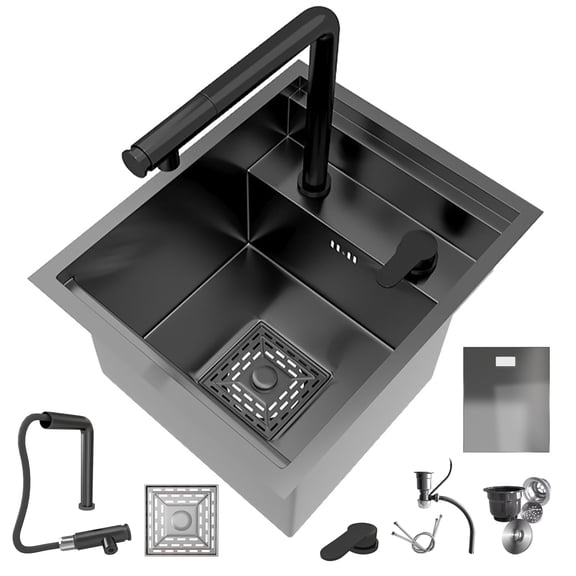
You can also use this page to compare sinks online when you need a second prep station or a compact remodel solution. You may find that a small kitchen sink or a narrow kitchen sink basin works well in condos, offices, or entertainment spaces.
Before you decide, you should check cabinet width, installation type, material, and bowl layout together. You can make a confident choice when every detail supports your kitchen workflow and countertop plan.
You can choose kitchen sinks with confidence when you understand how type, material, bowl design, and size work together. This helps you get a kitchen setup that fits your cabinet, supports daily cleanup, and handles cookware with minimal compromise.