

Kitchen Sinks in Kitchen Fixtures and Materials

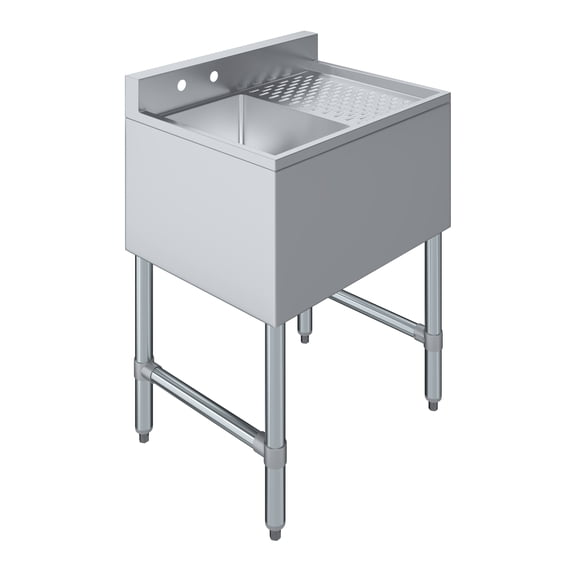


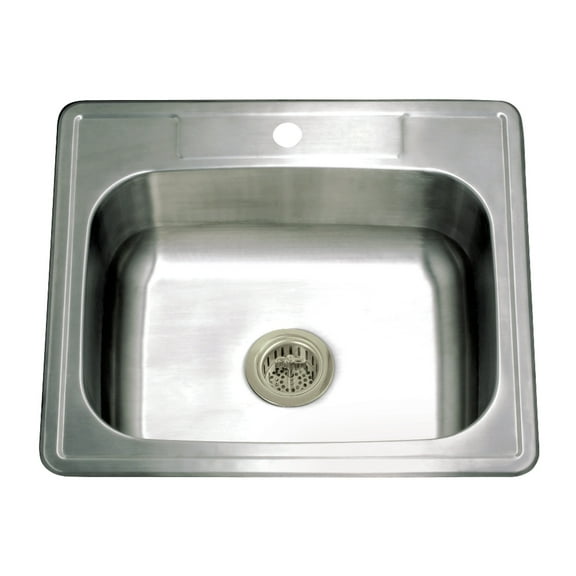


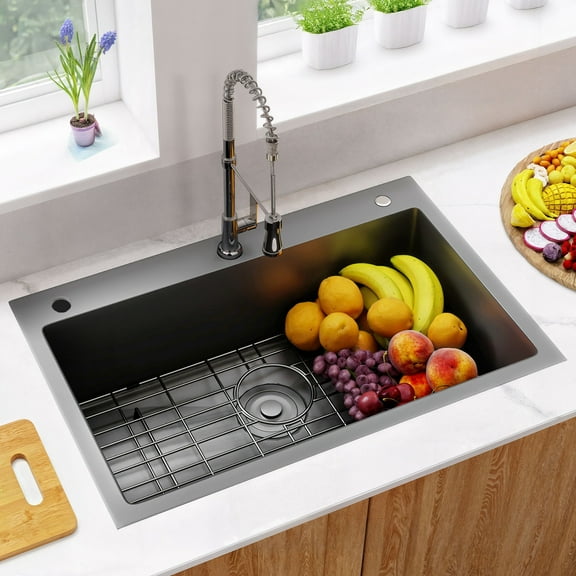
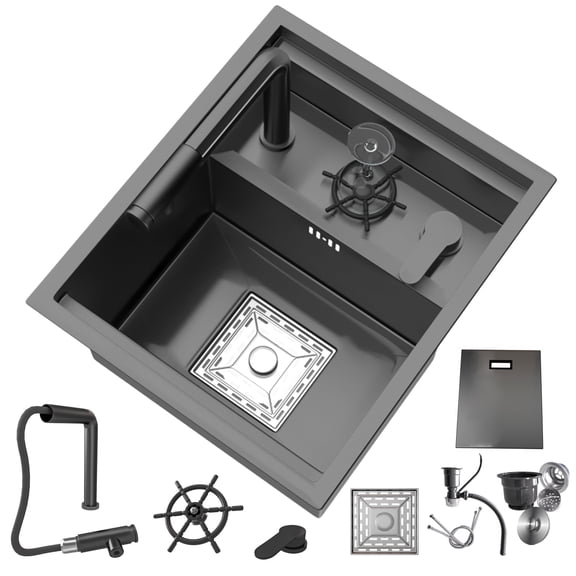
















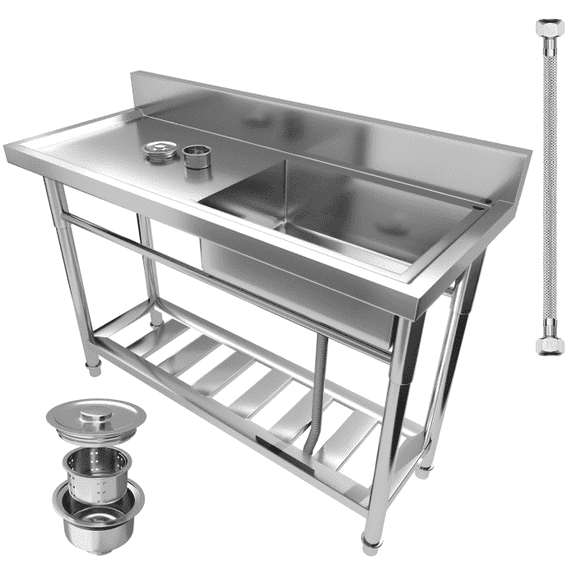
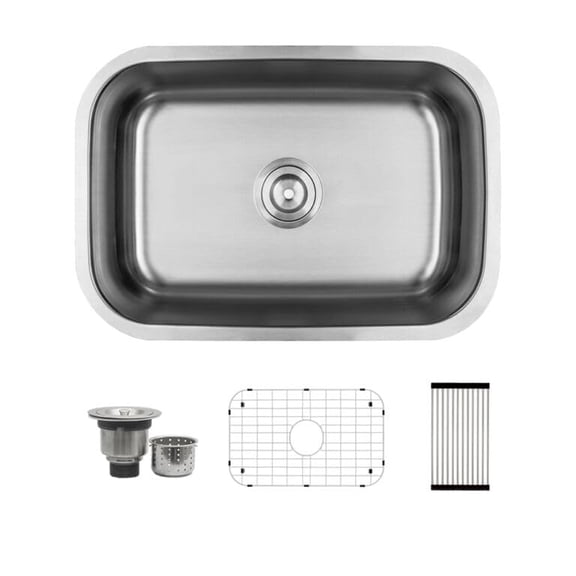
About Kitchen Sinks in Kitchen Fixtures and Materials - Walmart.com
Kitchen sinks help you shape a kitchen that fits your cabinet size, cleanup routine, and daily cooking habits. You can compare installation type, material, bowl layout, and finish with practical confidence.
How to choose kitchen sinks for your space
Before you compare styles, you should measure your base cabinet width and your countertop cutout. You’ll want those dimensions because minimum base cabinet width determines which sink sizes can fit.
If you’re replacing an existing sink, you should check whether your current opening supports a drop-in or undermount setup. You can also compare bowl depth if you wash sheet pans, stock pots, or baking racks often.
As you narrow your options, you should focus on a few practical decisions first. You’ll usually get an appropriate match by comparing installation, material, bowl configuration, and finish.
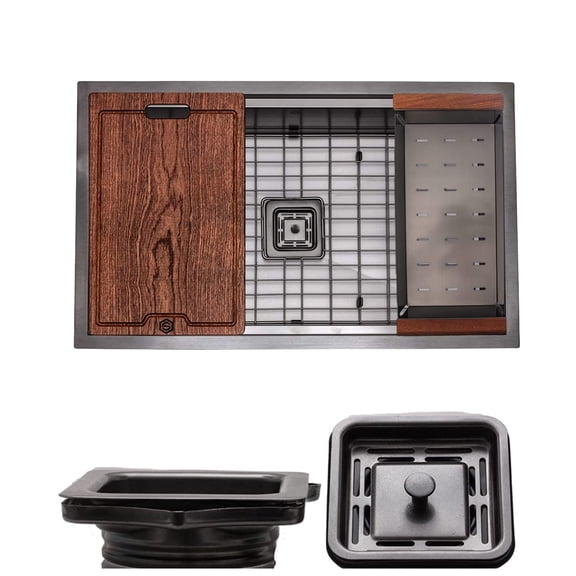
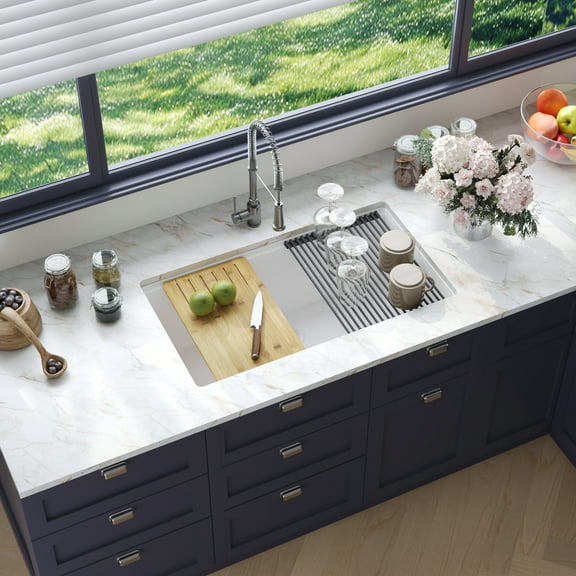
- You can choose undermount styles for a smooth counter-to-sink edge.
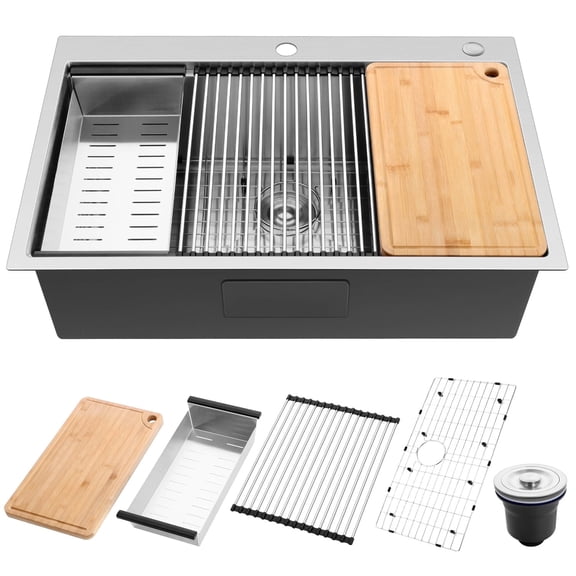
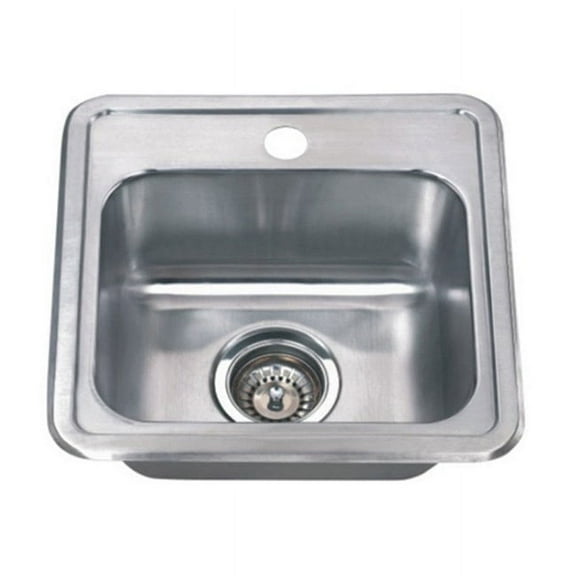
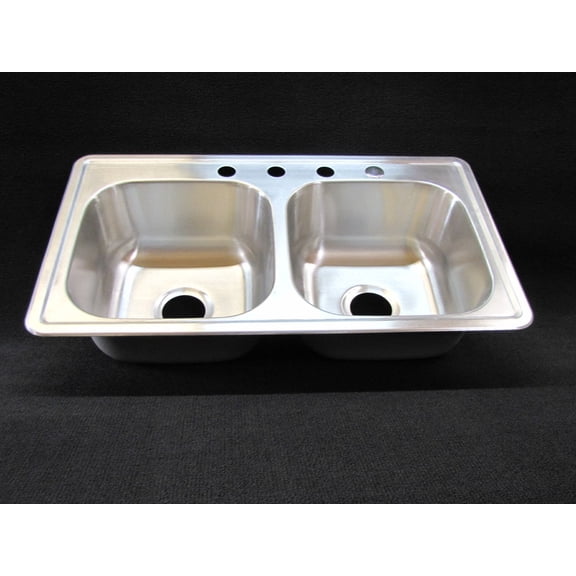
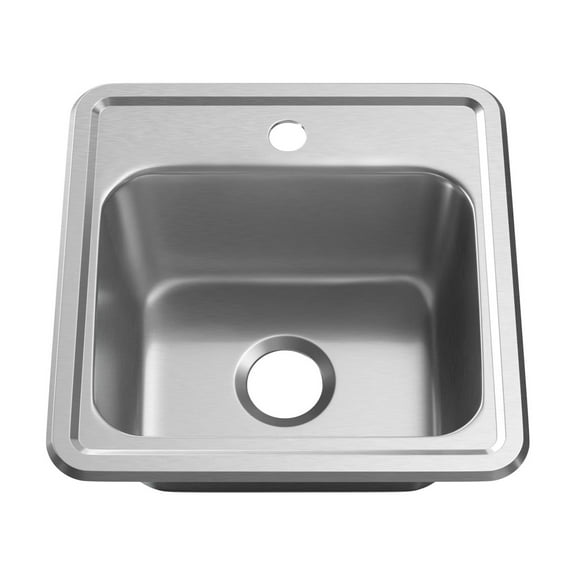
- You can choose drop in kitchen sinks for a rimmed installation with flexible replacement potential.
- You can compare stainless steel, fireclay, granite composite, and cast iron by upkeep and kitchen style.
- You can pick single or double bowls based on prep habits and pan size.
- You can match brushed stainless, matte black, white, or gray finishes to your faucet and counters.
Choosing between undermount kitchen sinks and drop-in styles
If you want easy crumb cleanup, you may prefer undermount kitchen sinks with a seamless counter edge. You can wipe directly into the basin without catching debris on a raised rim.
If you’re replacing an older sink, you may lean toward drop-in styles for a familiar cutout approach. You can compare these when you want a straightforward installation path.
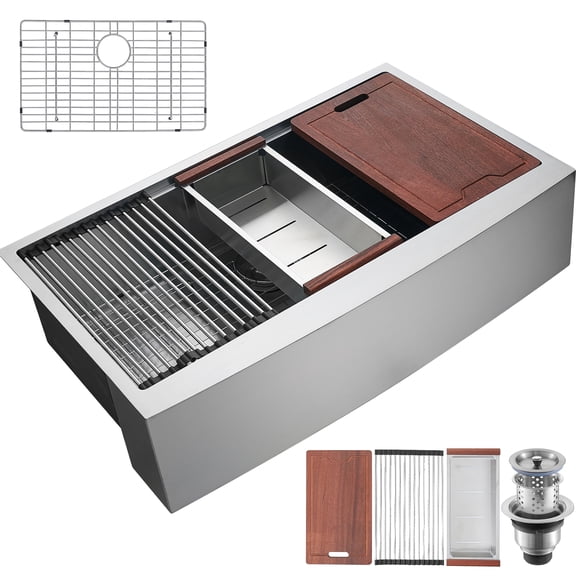
You may also consider apron-front or farmhouse kitchen sinks when you want a forward-facing design statement. You’ll notice those styles can change cabinet planning and front clearance needs.
When you want more flexibility, you can look at dual-mount designs. You’ll get the option to compare mounting methods based on your countertop material and remodel plan.
Comparing stainless steel kitchen sinks and other materials
When you compare materials, you should think about daily cleanup, cookware contact, and the look of your kitchen. You’ll find that each material creates a different balance of texture, finish, and maintenance.
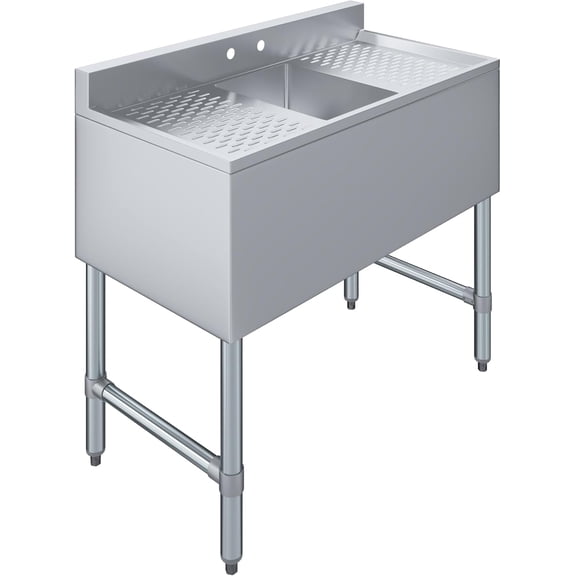
Stainless steel kitchen sinks often appeal when you want a streamlined look and easy coordination with appliances. You can compare gauge, finish, and sound-dampening details for a quieter, sturdier feel.
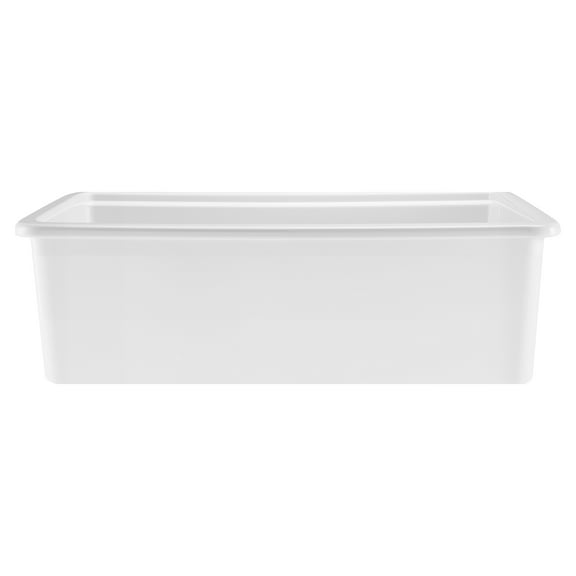
If you want a classic bright surface, you may consider fireclay or cast iron options. You’ll usually compare these when you want a substantial appearance and a smooth interior finish.
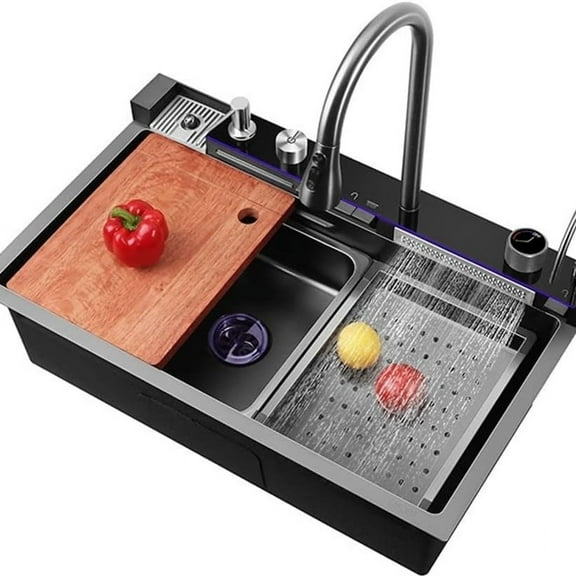
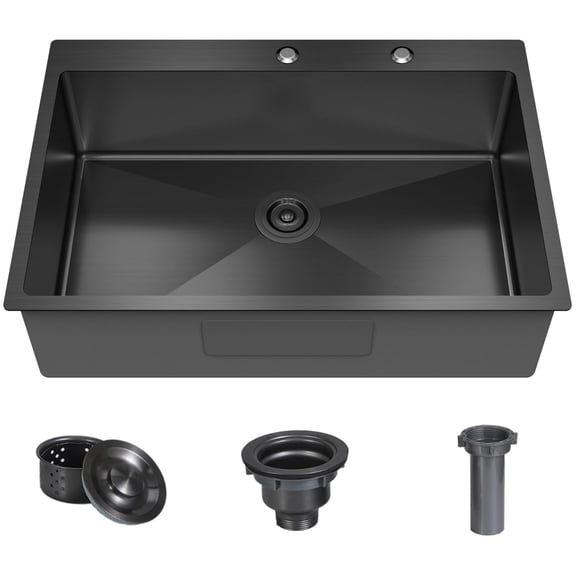
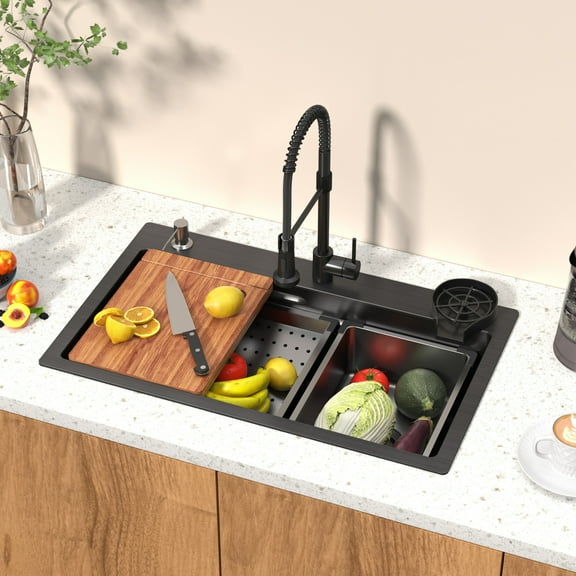
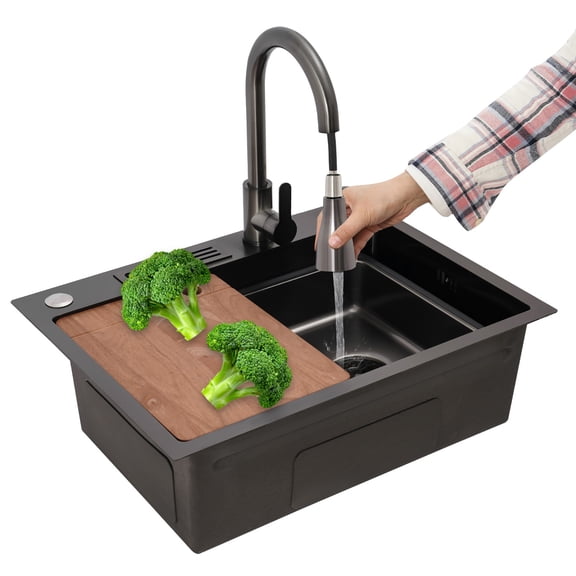
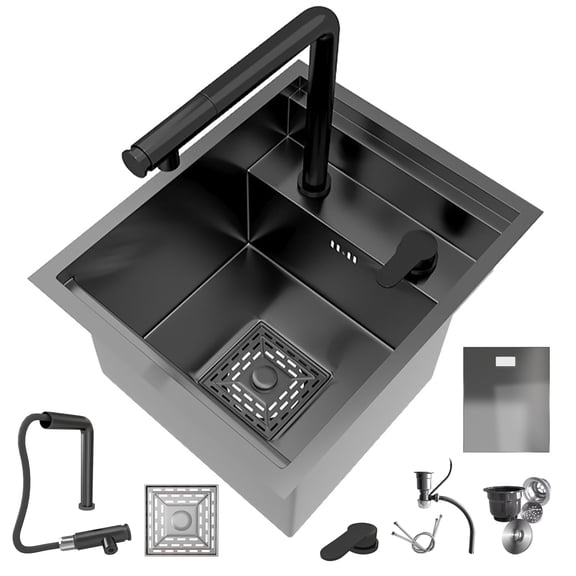
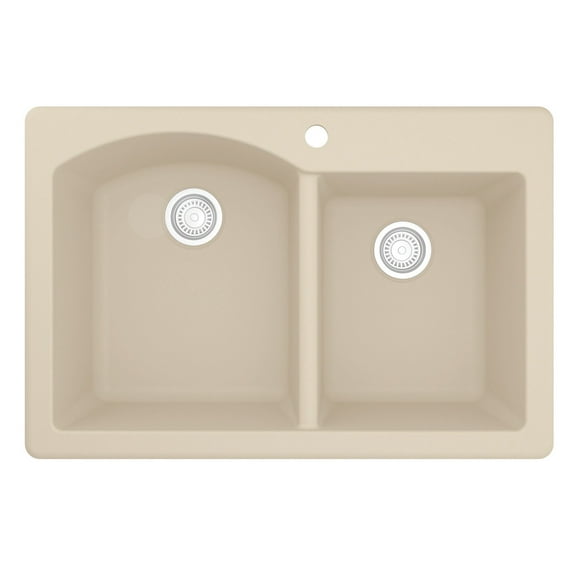
Granite composite kitchen sinks can suit kitchens where you want a matte texture and contemporary color choices. You can also compare black kitchen sinks, gray sinks, and white sinks by contrast with your counters.
As you review finishes, you should check how brushed stainless hides everyday marks compared with polished surfaces. You can also compare matte black for contrast or white for a lighter visual effect.
Picking single bowl kitchen sinks or double bowl layouts
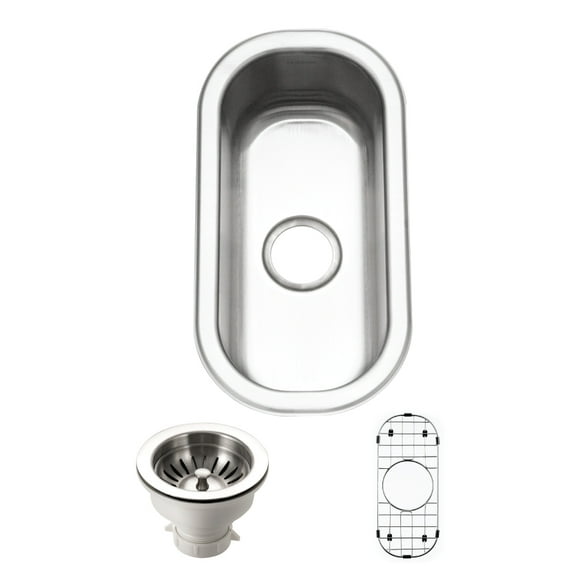
If you wash oversized cookware often, you may prefer single bowl kitchen sinks with a deeper open basin. You’ll get more uninterrupted room for roasting pans, cutting boards, and large mixing bowls.
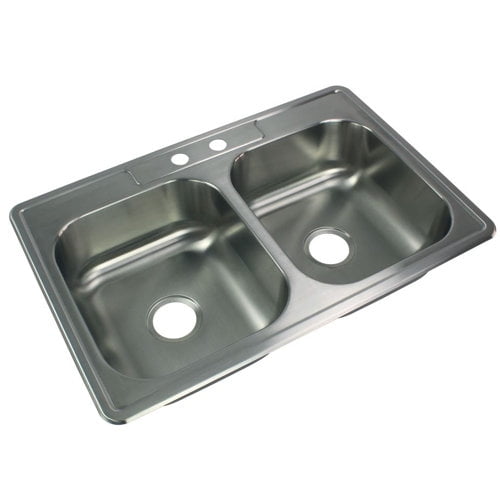
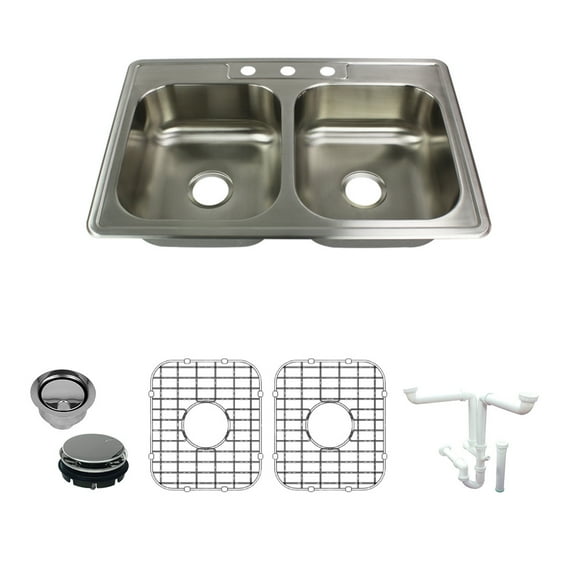
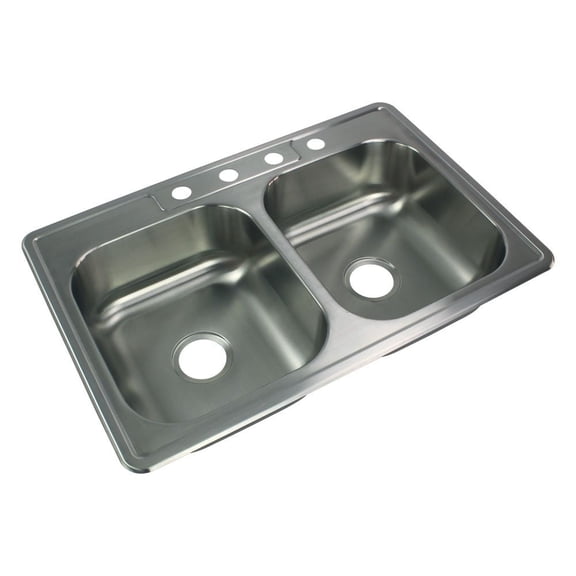
If you split prep and cleanup tasks, you may prefer double bowl kitchen sinks for multitasking. You can rinse produce on one side while keeping dishes or utensils on the other.
Bowl depth matters too, so you should compare how deep basins fit your daily routine. You’ll want enough depth for large items without making the sink feel awkward for frequent quick rinses.
When you share the kitchen or cook often, you may appreciate a double-bowl layout during busy meals. If you batch-cook on weekends, you may lean toward a single large basin instead.
What to look for in cabinet fit, use cases, and coordination
You should always check the listed minimum base cabinet width before you choose a sink size. You’ll avoid fit issues by comparing sink dimensions with your cabinet opening and countertop plan.
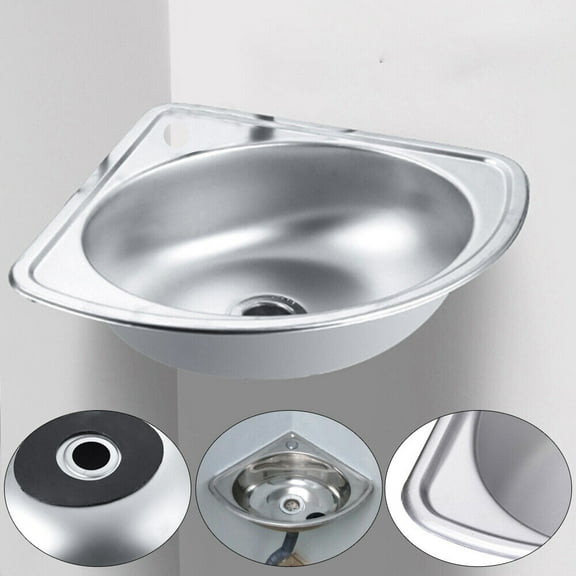
If you’re updating a compact kitchen, you may choose a smaller bowl configuration that preserves workspace. You can also compare corner placement, faucet reach, and accessory compatibility for a cleaner fit.
For busy family kitchens, you may want durable materials and finishes that coordinate with frequent use. You’ll often compare brushed stainless, matte black, and granite-look surfaces for an intentional style match.
If you’re planning a full refresh, you may want your sink to coordinate with kitchen faucets and garbage disposals. You can use those adjacent categories to complete installation planning before your project starts.
By choosing kitchen sinks that align with your cabinet size, material preference, and bowl layout, you can create an easier workspace to use daily. You’ll gain a sink setup that supports prep, cleanup, and a more organized kitchen flow.