

Kitchen Fixtures and Materials for Renovation





































About Kitchen Fixtures and Materials for Renovation - Walmart.com
Kitchen fixtures help you update how your kitchen looks, fits, and functions during remodels, replacements, and everyday refreshes. You can compare fixture types, finishes, materials, and installation details to choose pieces that match your layout and routine.
Choosing the right kitchen fixtures
When you shop kitchen fixtures and materials, you’ll want to start with the fixture type that supports your daily tasks. You can narrow your options by focusing on faucets, sinks, garbage disposals, and water dispensers.
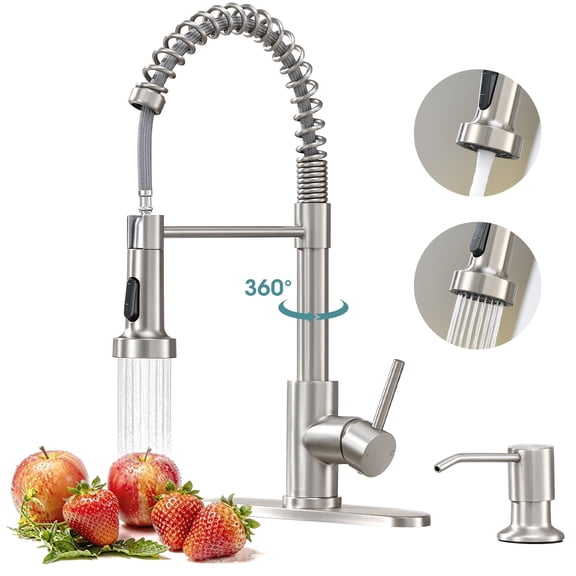
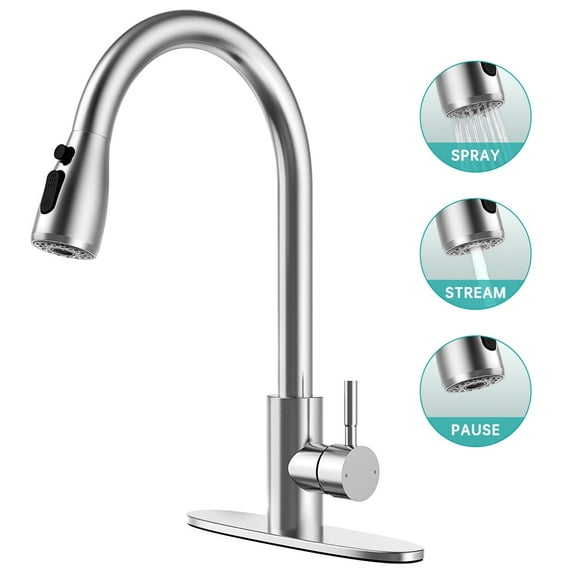
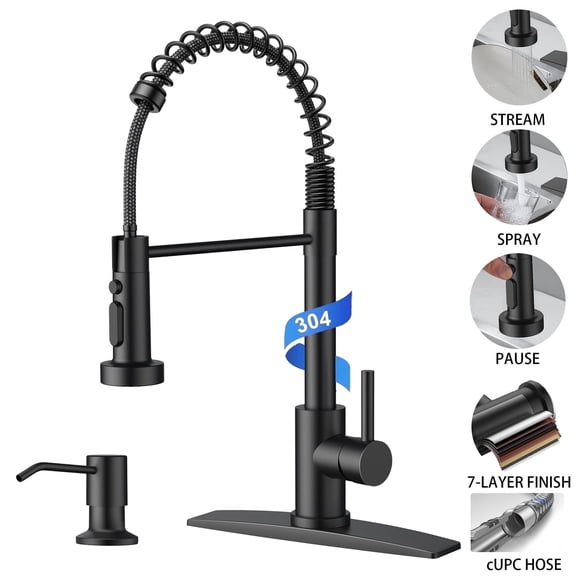
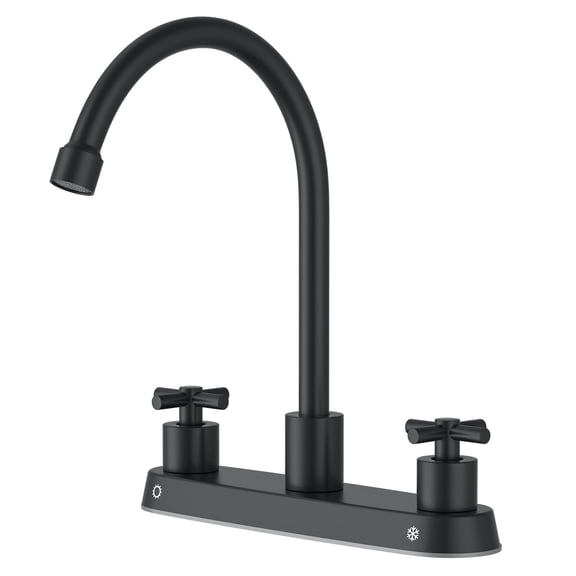
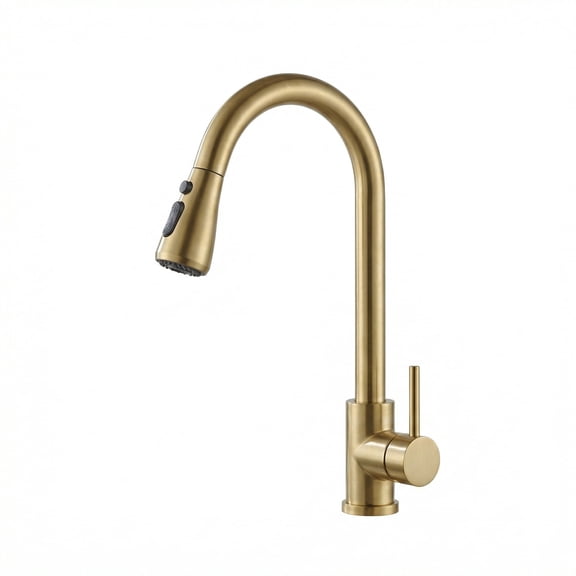
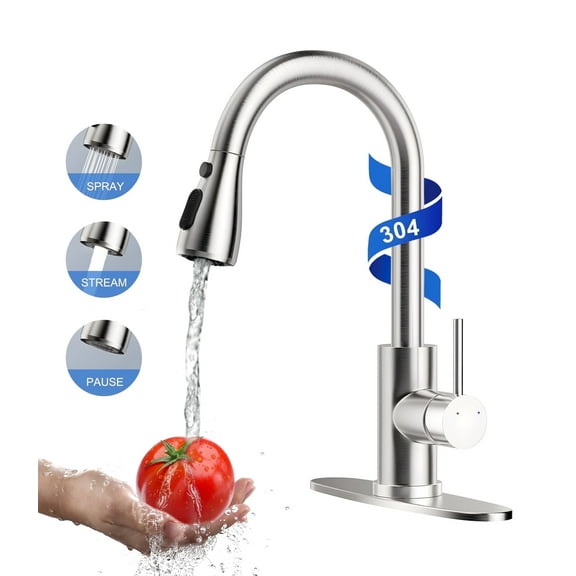
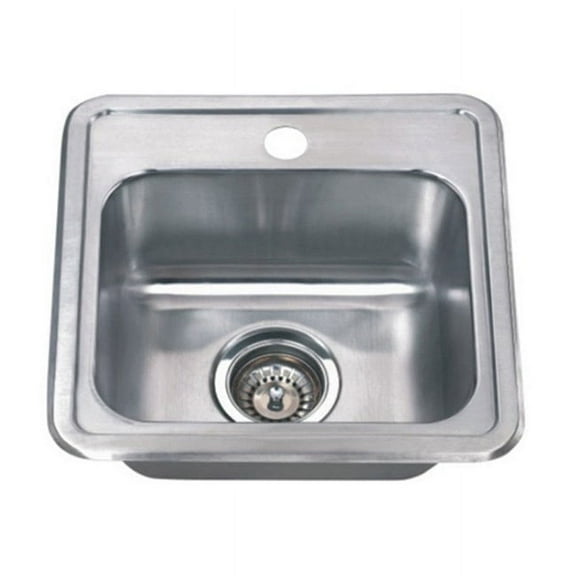
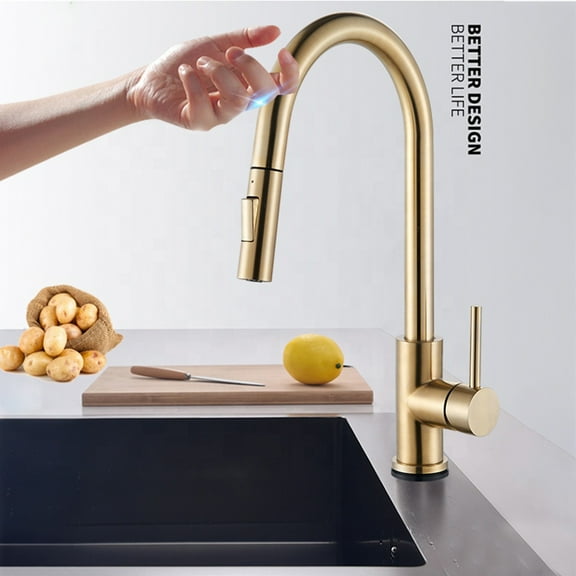
Faucets help you manage rinsing, filling, and cleanup, so you should check spout height and hole count first. Sinks shape your prep space, so you’ll want to compare basin depth, drain placement, and overall width.
Garbage disposals support cleanup after meal prep, and you should confirm they fit your sink setup. Water dispensers give you a dedicated filling point, so you can plan around counter space and installation access.
- You can choose faucets for washing tasks, filling pots, and matching existing mounting holes.
- You can compare sinks by basin depth, drain position, and how they fit your cabinet base.
- You can check disposals and dispensers for compatibility with your current plumbing layout.
How to compare finish and material options
Finish and material choices affect how your kitchen fixtures look over time and how much upkeep you prefer. You should compare stainless steel, chrome, matte black, and brushed bronze with your cabinets, hardware, and lighting.
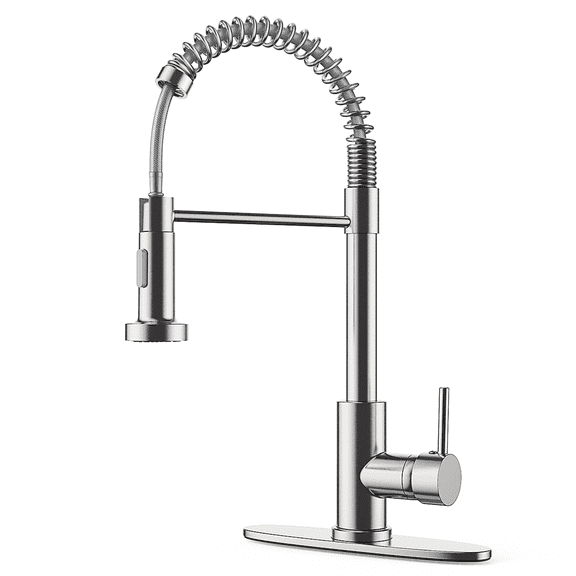
Stainless steel gives you a clean, versatile look that pairs easily with many appliances and sink styles. Chrome reflects more light, so you can brighten compact kitchens and coordinate with polished hardware.
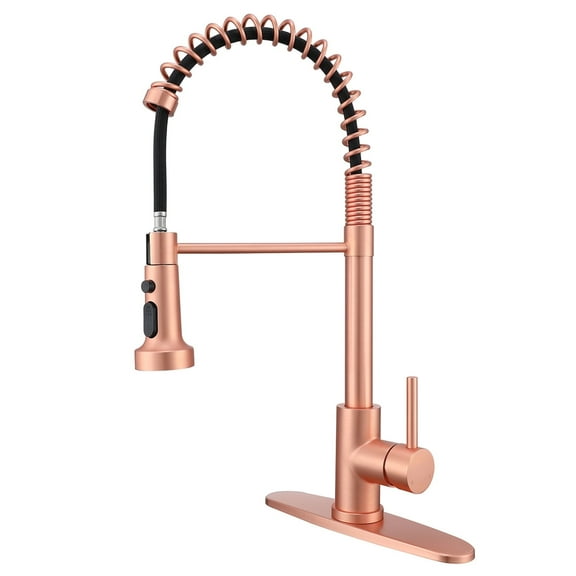
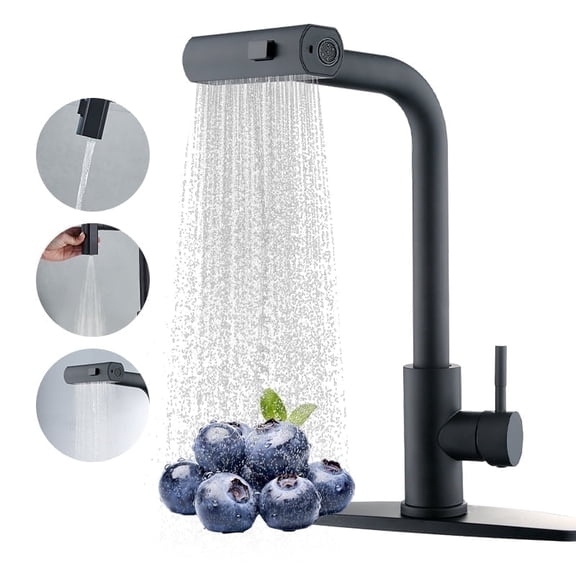
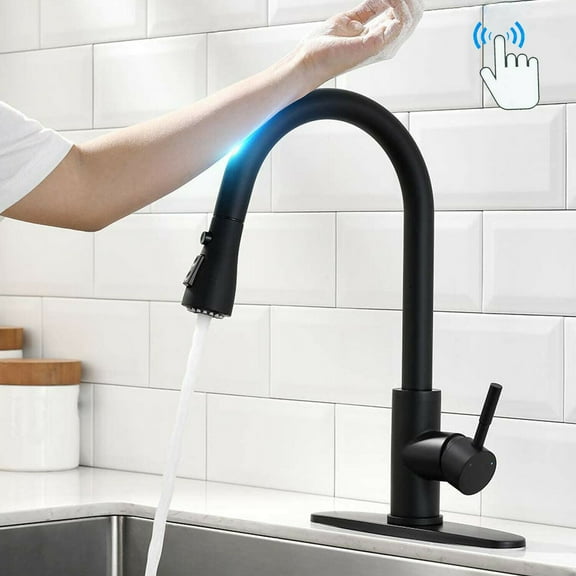
Matte black gives you a bold contrast, and you may notice water spots less easily on many surfaces. Brushed bronze adds warmth, so you can connect fixtures with wood tones and softer color palettes.
Material matters just as much, because you’ll live with the surface every day. Stainless steel works well for many sinks, while cast iron, fireclay, and brass each bring different weight, feel, and finish behavior.
Fireclay gives you a smooth apron-front look that suits classic and transitional kitchens. Cast iron brings a substantial feel, while brass often appears in faucet bodies where you want dependable everyday operation.
Kitchen fixture replacement and installation details
Kitchen fixture replacement goes more smoothly when you measure first and compare installation types before you choose. You should check drop-in, undermount, wall-mounted, and single-hole designs against your existing openings and plumbing.
Drop-in sinks use a visible rim, so you can often match them to existing countertop cutouts. Undermount sinks create a cleaner counter edge, but you should confirm your counter material and support setup.
Single-hole faucets simplify the deck area, and you’ll want to verify your sink or counter has the right opening. Wall-mounted options free up counter space, though you should confirm plumbing placement behind the wall.
You should also measure mounting hole count, because that detail decides whether a faucet fits without extra changes. You’ll want to check basin depth and drain placement, since those measurements affect disposal fit and under-sink clearance.
Flow rate matters when you compare faucet performance, so you should look for gallons per minute, or GPM, on product details. That number helps you understand water delivery during rinsing, filling, and everyday cleanup.
How to match kitchen fixtures to your space
You can use kitchen fixtures and materials to support a full renovation or a simple replacement project. If you’re updating a busy family kitchen, you may want a deep stainless steel sink with a single-hole faucet.
If you’re refreshing a modern space, you might pair matte black fixtures with an undermount sink and streamlined hardware. If you’re working with warm finishes, brushed bronze can help you connect fixtures with wood cabinets and neutral counters.
You may prefer a fireclay sink when you want a farmhouse-inspired focal point with a roomy basin. You might choose chrome or stainless steel when you want a flexible look that works across changing decor styles.
For a straightforward swap, you should compare your current fixture dimensions with the replacement model before ordering. That step helps you keep your project focused on fit, finish, and installation needs.
If you’re planning a disposal update, you should check drain alignment and sink compatibility at the same time. If you’re adding a water dispenser, you’ll want to confirm available counter space and access below the sink.
What to look for before you choose
You’ll make a more confident choice when you compare measurements, finish coordination, material feel, and installation requirements together. You should treat kitchen fixtures as connected parts of your sink area, not as isolated upgrades.
By checking fit, flow rate, basin depth, and mounting style first, you can choose kitchen fixtures that support smoother prep and cleanup. You’ll end with a kitchen setup that looks coordinated and works the way your space demands.