

Paint Primers in Paint










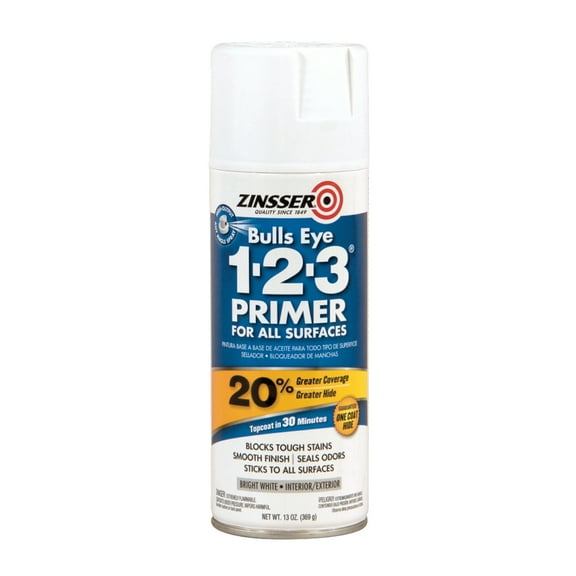


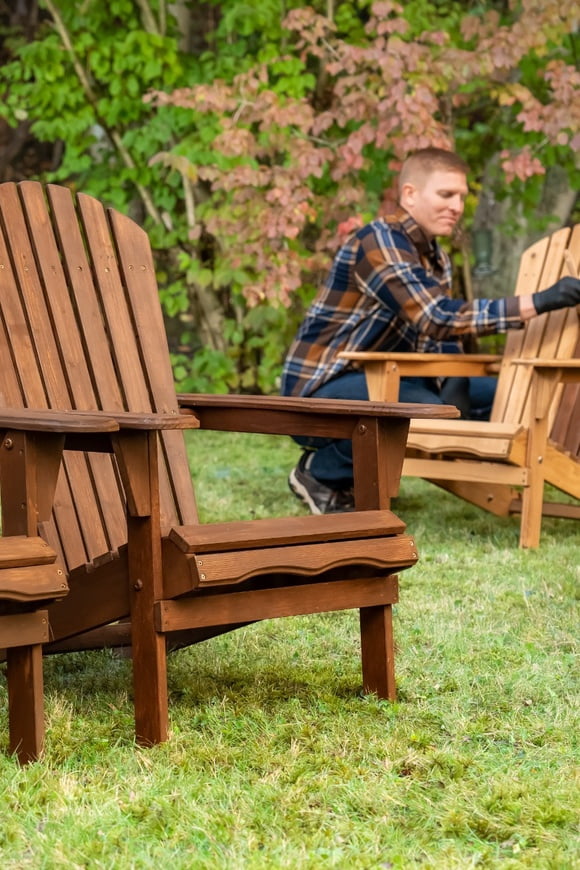

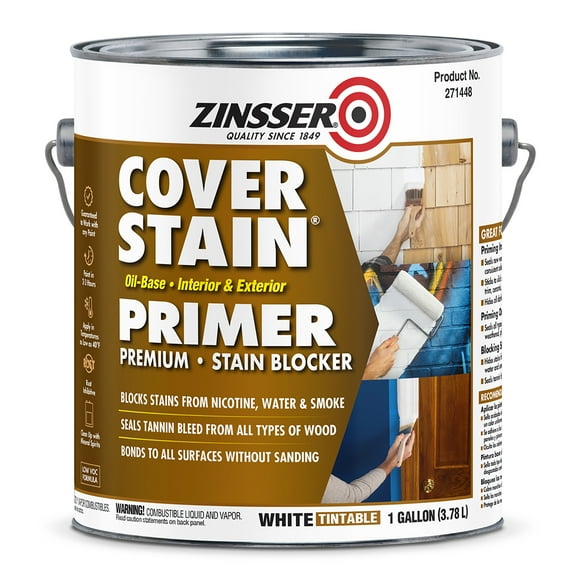


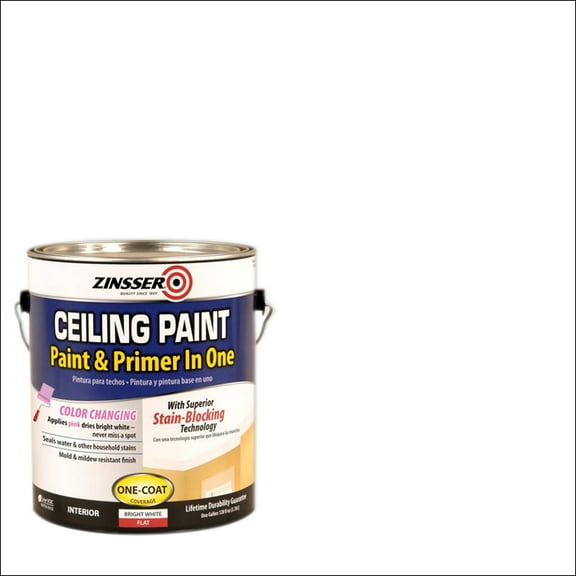









About Paint Primers in Paint - Walmart.com
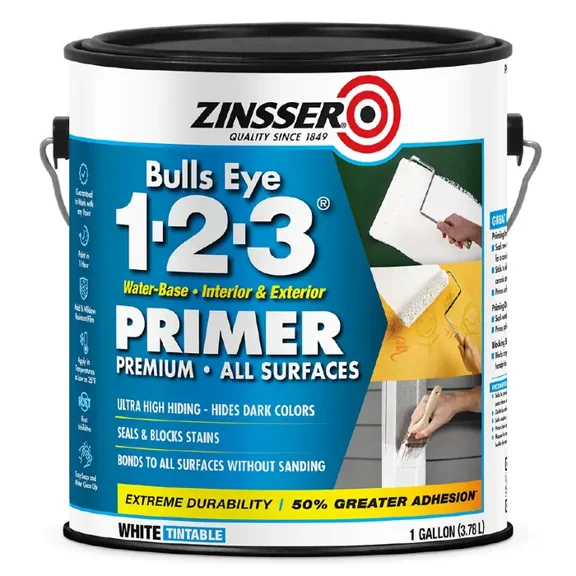
Paint primers help you prep walls, wood, metal, and masonry for smoother color coverage and more even results. You'll notice the right primer can improve adhesion, hide surface variation, and support a cleaner finish.
If you're comparing base types, surfaces, and specialty functions, you need guidance that matches your project. You can use this primer guide to narrow choices for interior rooms, exterior trim, drywall patches, and stain-prone surfaces.
Choosing paint primers by base material
When you compare paint primers, the base material shapes how the primer applies and what it covers. You should check whether you need latex paint primer, oil based primer, or shellac-based options.
If you want easier cleanup and broad compatibility, you may prefer latex paint primer for many interior projects. You'll often use it on drywall, previously painted walls, and surfaces where quick recoating matters.
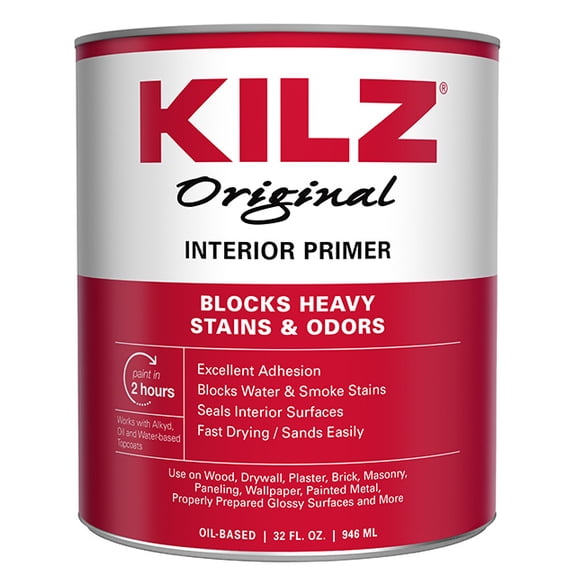
If you need stronger sealing on wood tannins or older finishes, you may consider an oil based primer. You'll often choose it when your surface needs a tougher bond before the topcoat goes on.
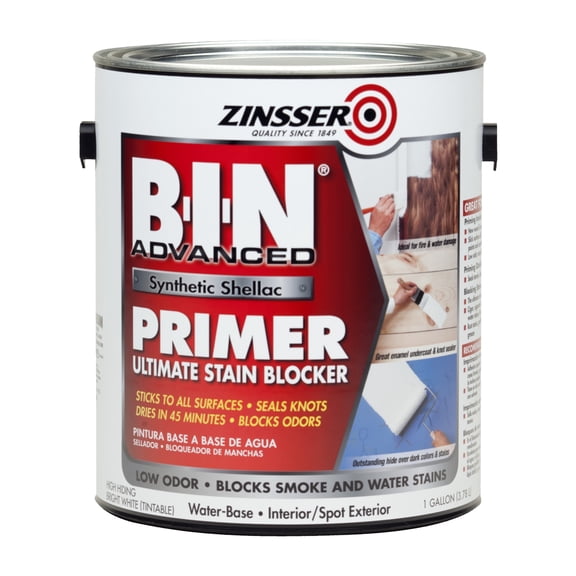
If you're covering heavy discoloration or lingering odors, you may look at shellac-based formulas. You'll usually pick that route when standard primers won't block strong bleed-through.
How to match paint primers to your surface
Your surface is the first decision to make because primer chemistry changes by material. You should measure what you're painting before you compare drywall primer, wood primer paint, metal-ready formulas, and multi surface primer.
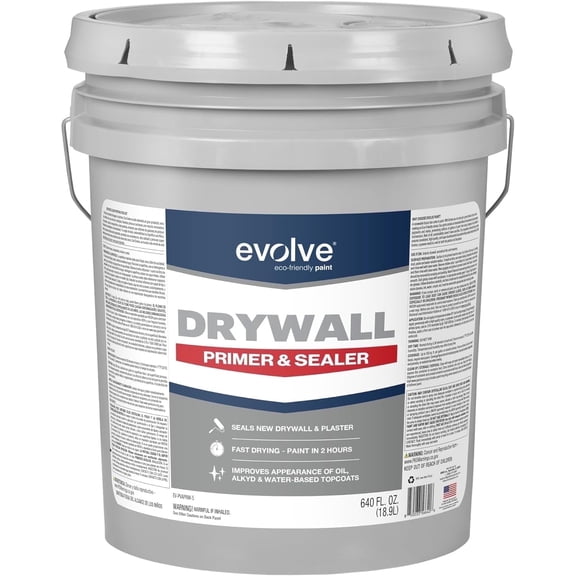
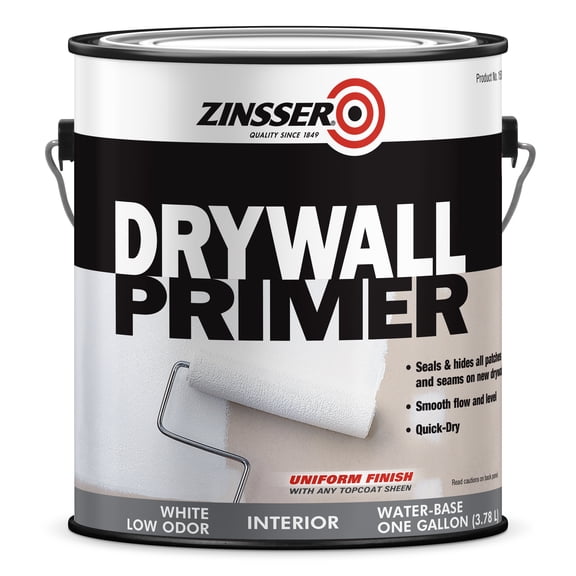
- You can use drywall primer to seal new drywall and help your topcoat look more uniform.
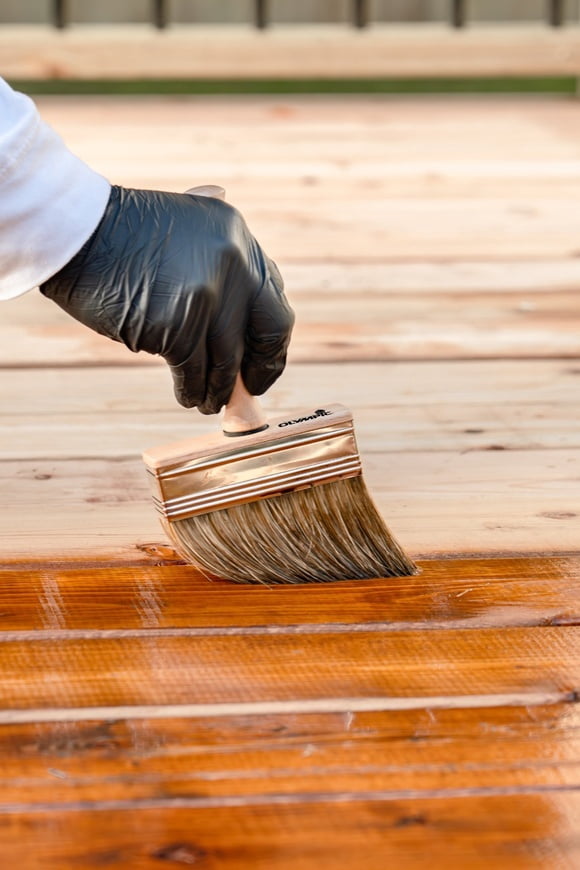
- You may choose wood primer paint when you need help with grain, porosity, or knots.
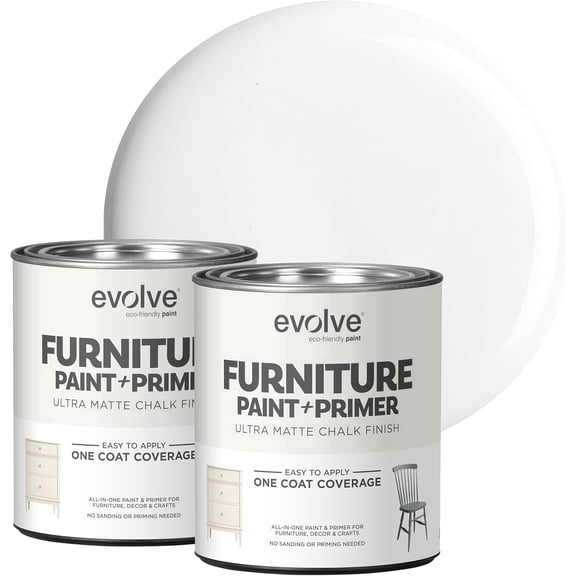
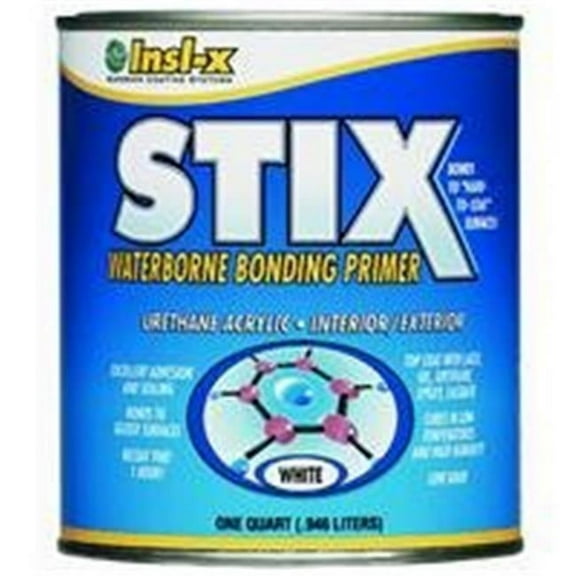
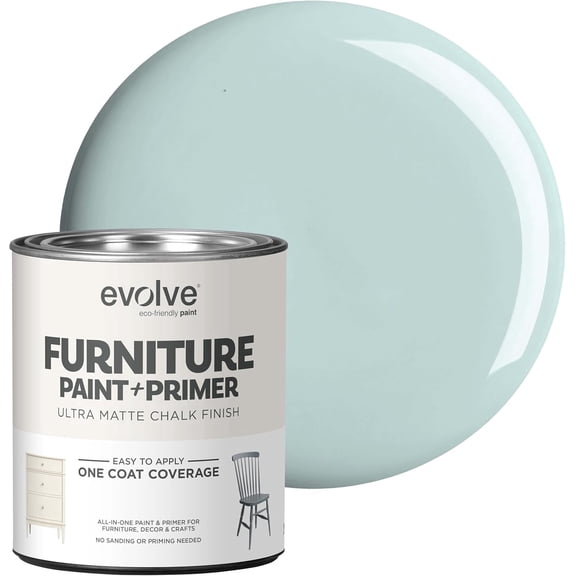
- You can pick multi surface primer when your project includes mixed materials like trim, doors, and patched areas.
- You should check metal compatibility if you're coating railings, doors, or utility surfaces.
If you're priming fresh drywall, you should look for a formula that seals porous paper and joint compound. You'll get a more even sheen when your finish paint isn't soaking in at different rates.
For bare wood, you should consider how much grain and tannin you need to manage. You'll often want stronger sealing on trim, cabinets, and stain-prone boards.
On masonry, you should compare primers designed for porous, mineral-based surfaces. You'll help your finish coat sit more evenly across block, brick, or concrete areas.
Choosing interior paint primer or exterior paint primer
Your project location matters because interior and exterior conditions are very different. You should compare interior paint primer, exterior paint primer, and dual-use formulas before you commit.
If you're painting inside, you may focus on smooth coverage, easy recoating, and compatibility with wall paints. You'll often use interior paint primer for bedrooms, hallways, ceilings, and renovated rooms.
If you're painting outside, you should look for an exterior paint primer that suits weather exposure and surface movement. You'll want a primer that supports paint adhesion on siding, doors, trim, and outdoor structures.
If your project moves from indoor spaces to covered outdoor areas, you may compare dual-use options. You'll simplify planning when one primer works across several connected surfaces.
When you need stain blocking primer and other specialty functions
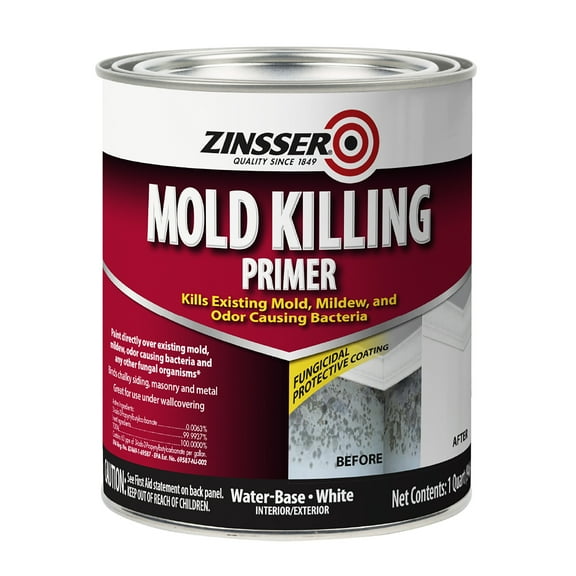
Some projects need more than basic surface prep, especially when marks keep showing through paint. You should compare stain blocking primer, odor-blocking options, mold resistant formulas, and high-hide primers.
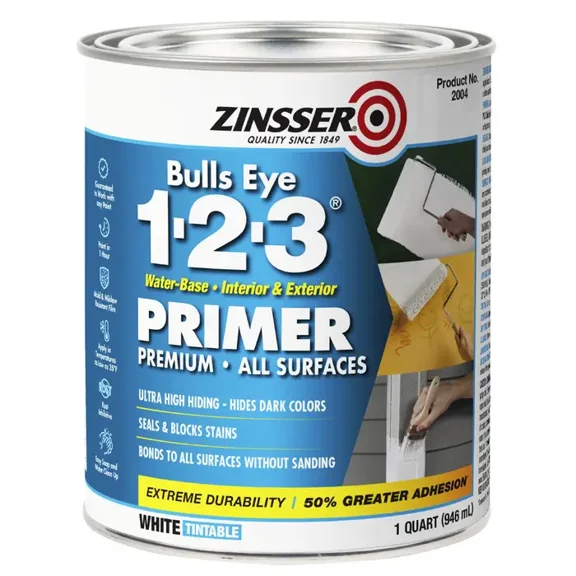
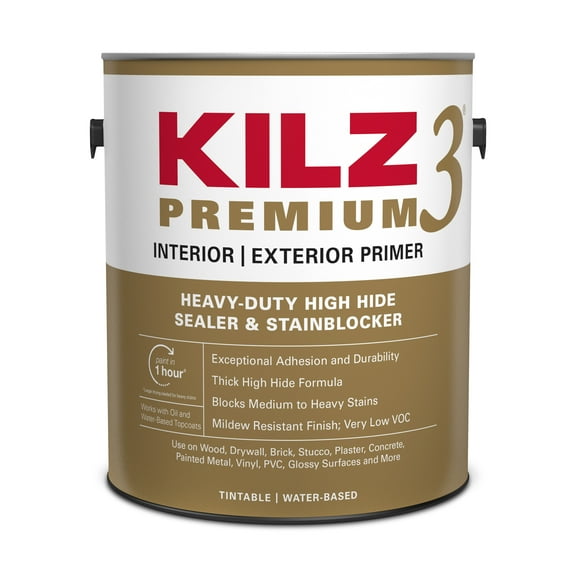
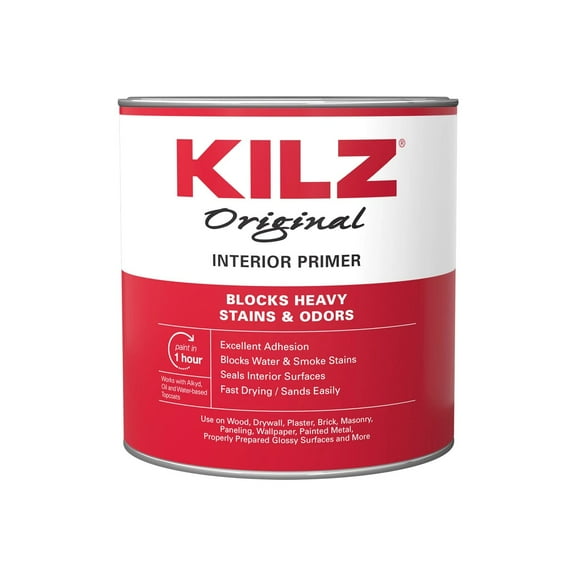
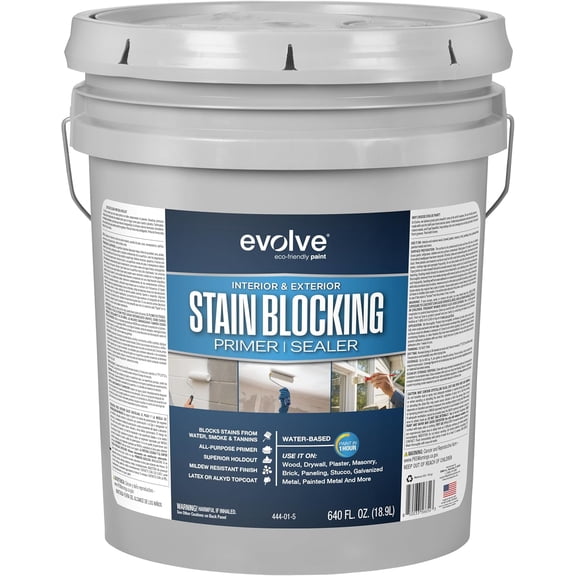
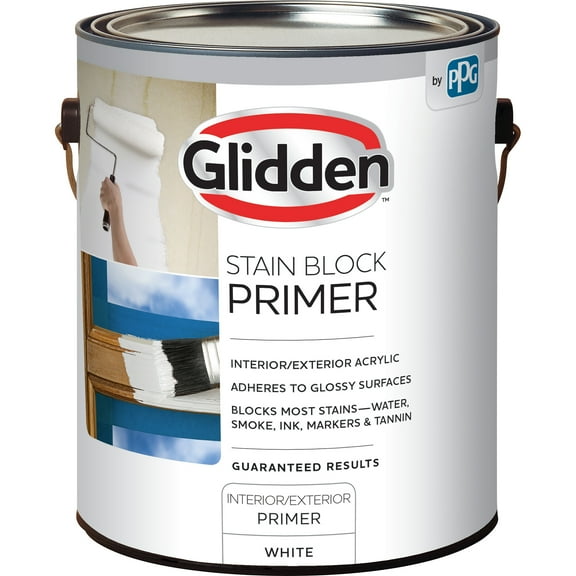
If you're repainting over water marks, smoke discoloration, or older stains, you may need stain blocking primer. You'll reduce bleed-through that can reappear after your finish coat dries.
If your room has persistent odors, you should check whether the formula lists odor-blocking performance. You'll want that extra function in older spaces, rental turnovers, or renovation projects.
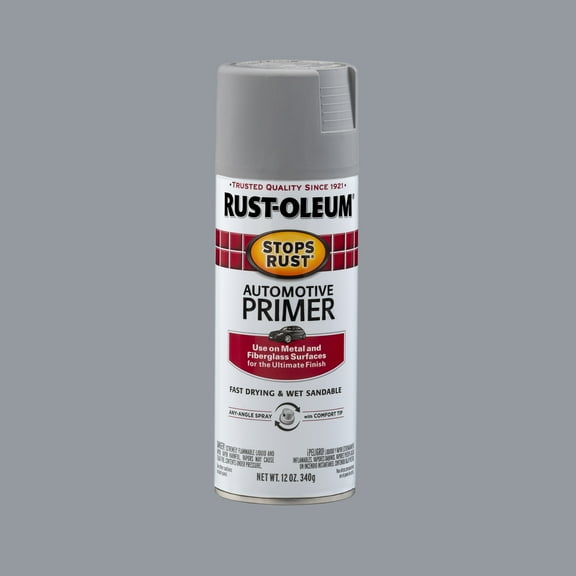
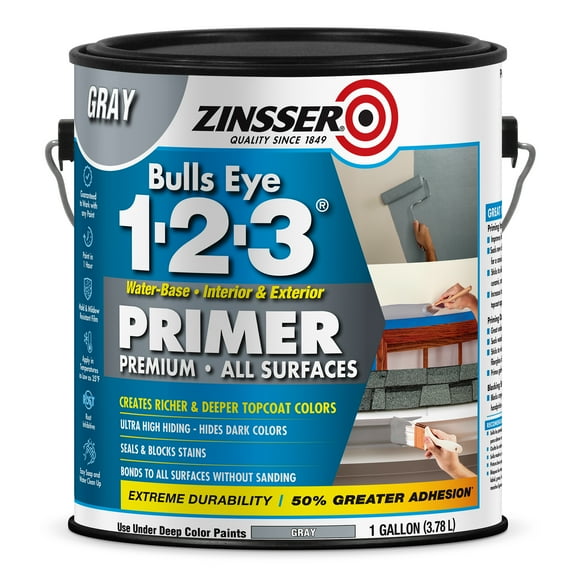
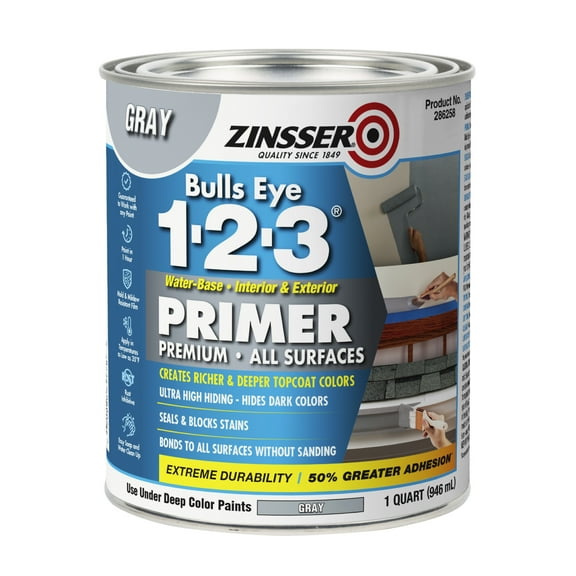
If your surface has strong color changes or patchy areas, you may compare high-hide and gray primer paint options. You'll often use them when you need a steadier base before darker or richer paint colors.
What to check before you choose a primer
You should confirm topcoat compatibility before you buy because paint type affects primer choice. You'll want to match your primer with latex or oil finish plans, especially on older painted surfaces.
If you're using latex paint, you can often pair it with several primer types when the label allows it. You should double-check whether your project includes glossy coatings, bare wood, or mixed repairs.
If you're planning an oil finish, you should verify that your primer supports it. You'll avoid adhesion issues by checking label guidance for oil-over-latex situations.
You should also compare dry time, recoat window, coverage area, and tint options before starting. You'll plan your project more smoothly when your primer fits your surface, schedule, and finish color.
With paint primers, you can build a cleaner foundation for color, coverage, and adhesion across many project types. You'll feel more confident choosing the right base, surface match, and specialty function for a finish that looks even.