








Interior Paint -Walmart.com


























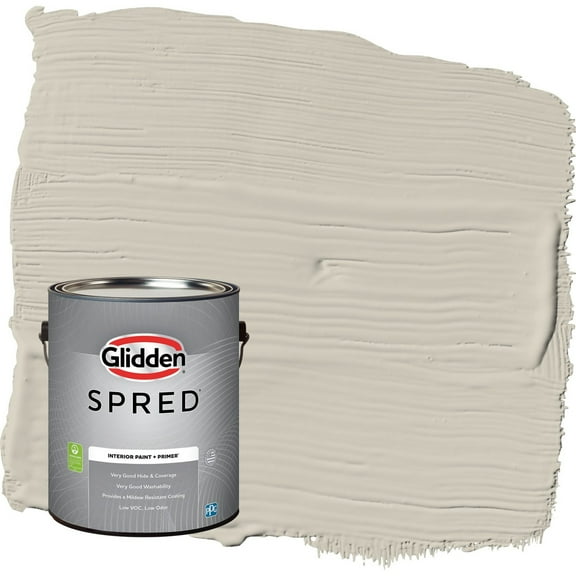
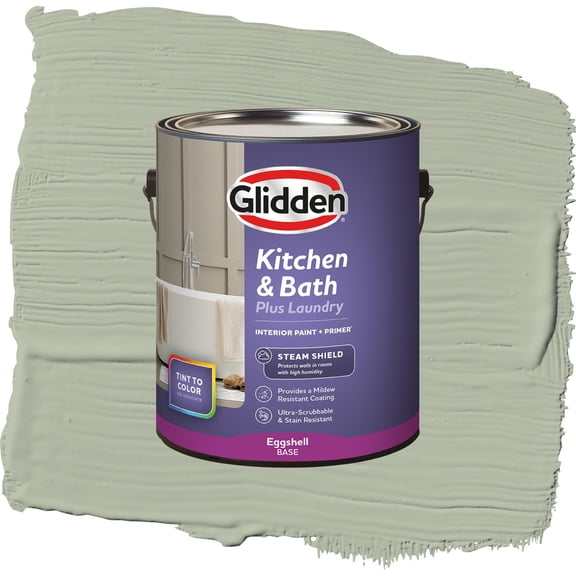


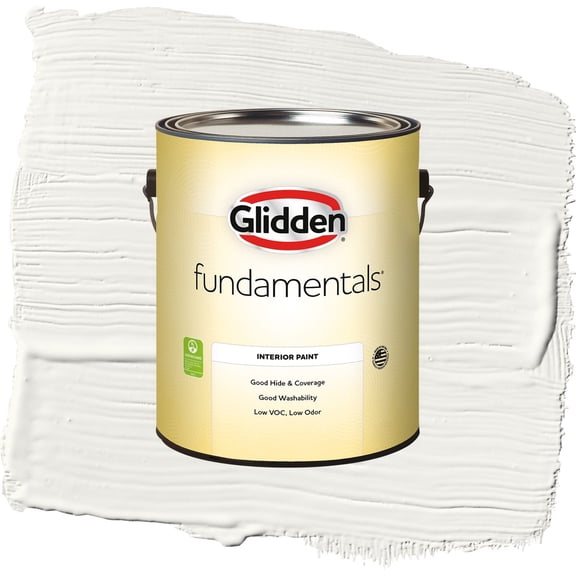
About Interior Paint -Walmart.com
Interior paint helps you refresh your rooms with the finish, coverage, and clean look your space needs. You can compare sheen, base type, and room fit more easily when you shop by project goals.
If you're repainting a bedroom, updating a kitchen, or finishing a whole home, you need clear decision points. You can use this guide to compare interior wall paint options that match traffic, moisture, and cleanup needs.
How to choose interior paint by finish
You should start with paint finish because sheen changes both appearance and upkeep. You’ll notice flat finishes soften wall flaws, while shinier finishes wipe clean more easily.
When you compare flat, eggshell, satin, semi-gloss, and high-gloss, you’re balancing durability with shine. You may prefer matte interior paint in low-traffic spaces where you want a softer, less reflective look.
For busy rooms, you’ll often want a finish that handles repeat cleaning without looking too shiny. You can choose satin for family spaces, or semi gloss interior paint for trim, kitchens, and bathrooms.
- You can use flat or matte finishes when you want walls to show fewer surface imperfections.
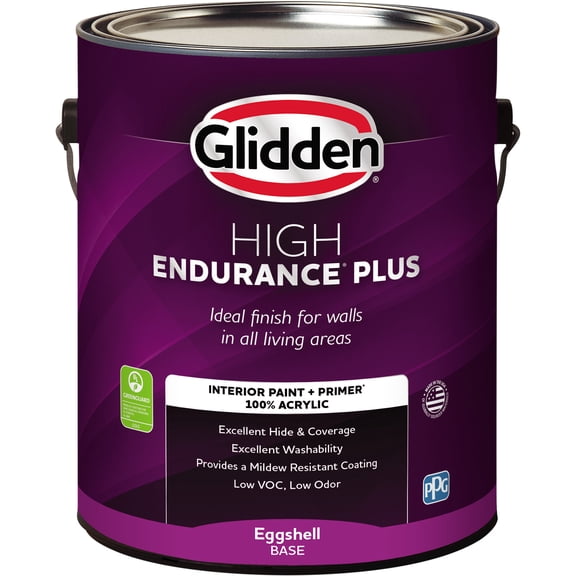
- You may choose eggshell or satin when you want a gentle sheen with easier wipe-down cleanup.
- You can pick semi-gloss for doors, trim, kitchens, and baths where splashes are more common.
- You may reserve high-gloss for accents when you want a brighter, polished look.
Choosing between latex interior paint and acrylic options
You should compare base type next because it affects application, drying time, and everyday maintenance. You’ll commonly see water-based latex interior paint for walls because it spreads smoothly and dries faster.
If you want dependable adhesion and color retention, you may also compare acrylic interior paint options. You can use those formulas for many interior projects when you want a durable painted surface.
Some projects may call for oil-based alkyd formulas, especially when you’re focusing on certain trim or cabinet applications. You should check the product label so your choice fits the surface and finish you want.
You’ll also see paint and primer in one on many cans across this category. You can choose that format when you want fewer steps, while separate primer may help on stained, patched, or color-changing walls.
What to look for in interior wall paint features
You should compare special features based on how you live in each room. You may want washable finishes in hallways, low VOC interior paint in enclosed spaces, or zero VOC options for fresh updates.
If your room gets frequent use, you’ll likely care about wipeability and even color coverage. You can look for labels that mention washable surfaces, paint and primer in one, and room-specific use.
For kitchens and baths, you should focus on finishes and formulas designed for frequent cleaning and humidity exposure. You can narrow choices faster when you compare kitchen and bath interior paint by sheen and washability.
Color matters, but you should also check container size and estimated coverage before you decide. You can compare gallons, quarts, and stated square-foot coverage so your project stays on track.
How to calculate your interior paint needs
You can estimate interior paint quantity by measuring wall width and height, then multiplying for square footage. You should subtract large doors and windows if you want a closer estimate.
Most shoppers compare that total with the coverage range on the can before choosing quarts or gallons. You may need extra paint when you’re covering dark colors, fresh drywall, or textured walls.
If you’re painting one accent wall, you can often start with a smaller container. When you’re repainting several rooms, you should compare total square footage across all walls for a steadier plan.
You’ll also want to think about coats before you buy. You may need one coat for a similar color, while bigger color changes often need added coverage.
Matching interior paint to each room
You should match your paint choice to the way each room gets used every day. You can often use flat or eggshell in bedrooms and living rooms where you want a calm, softer finish.
In family rooms, playrooms, and hallways, you may prefer satin because it balances appearance with easier cleanup. You can use that middle sheen when you want walls that handle more touchpoints.
For kitchens, bathrooms, doors, and trim, you’ll usually compare satin and semi-gloss first. You should look for a finish that stands up to splashes, repeat wiping, and everyday activity.
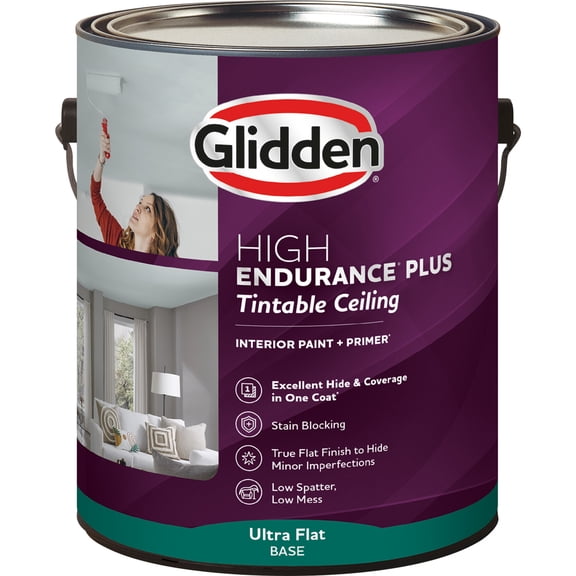
If you’re updating ceilings, you may choose lower-sheen options for a more muted look overhead. You can create a more coordinated result when your walls, trim, and accents each use the right sheen.
Interior paint buying guidance for a smoother project
You can make a cleaner choice when you compare finish, base type, room suitability, and coverage together. You should also keep brushes, rollers and trays, painter’s tape, and primer in mind before you begin.
With the right interior paint, you’ll get color that fits your room, a finish that matches your routine, and coverage that supports a smoother repaint. You can move from color choice to final coat with fewer surprises.