

Wood Stains, Coatings & Finishes in Paint





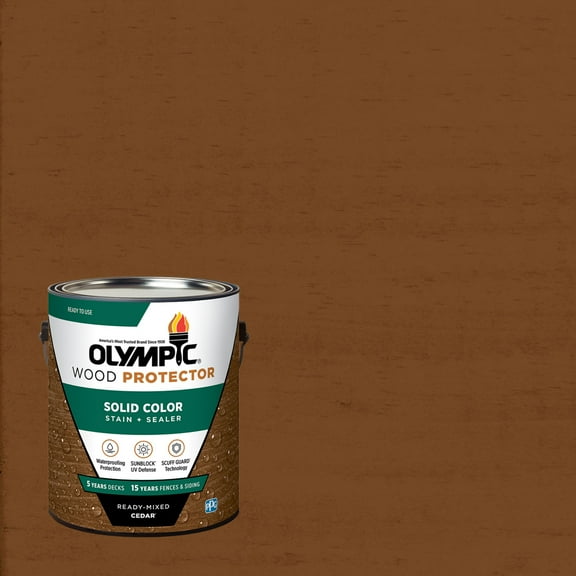


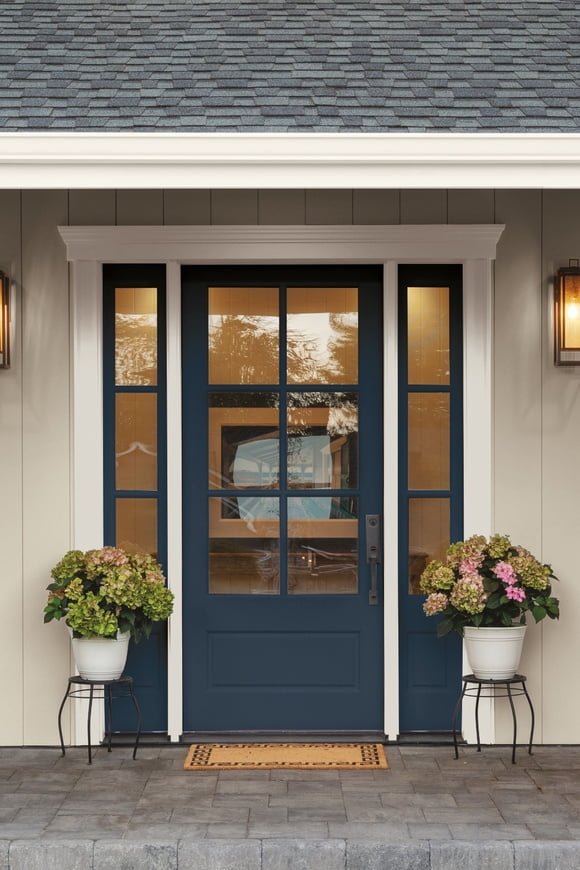


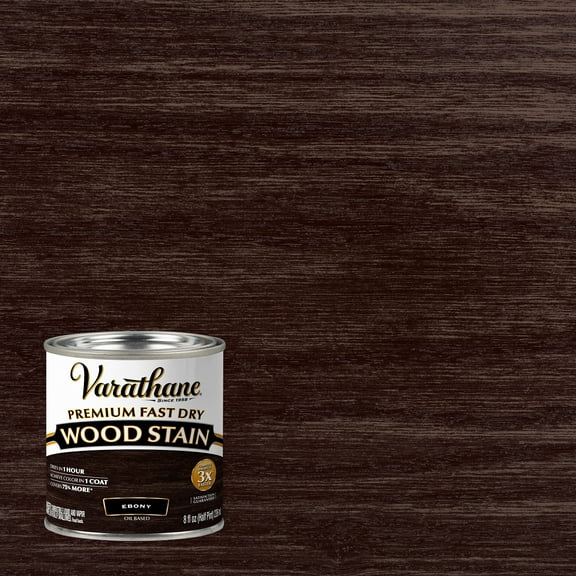
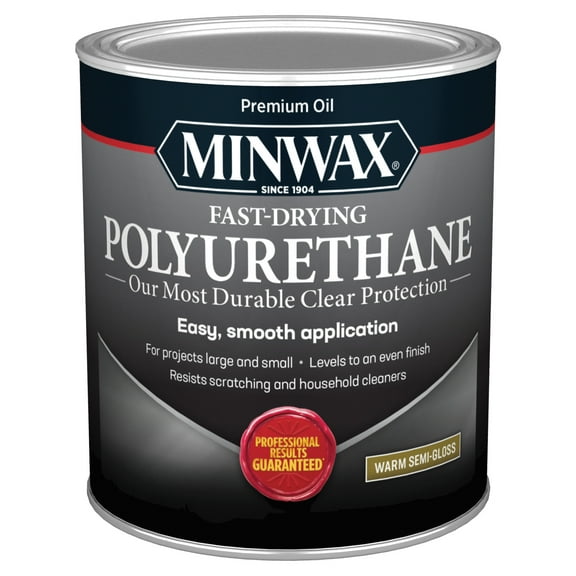

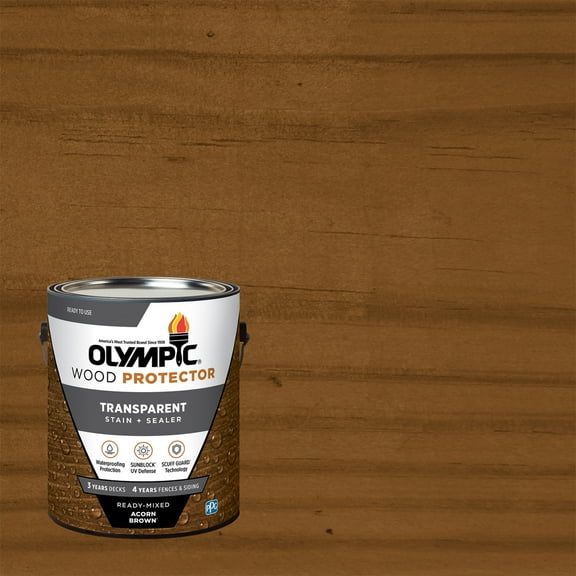


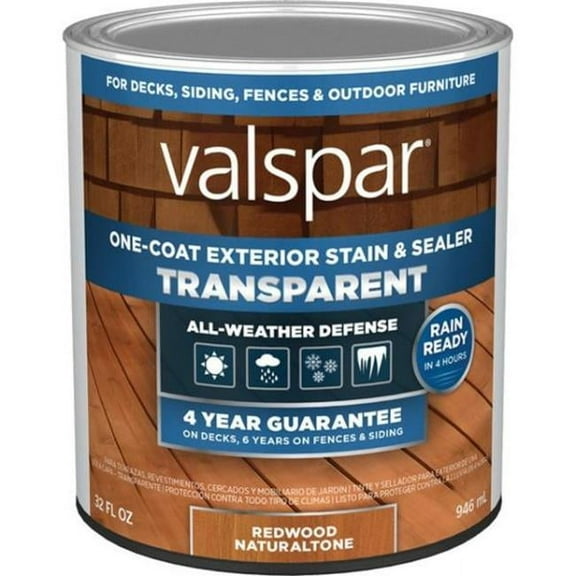
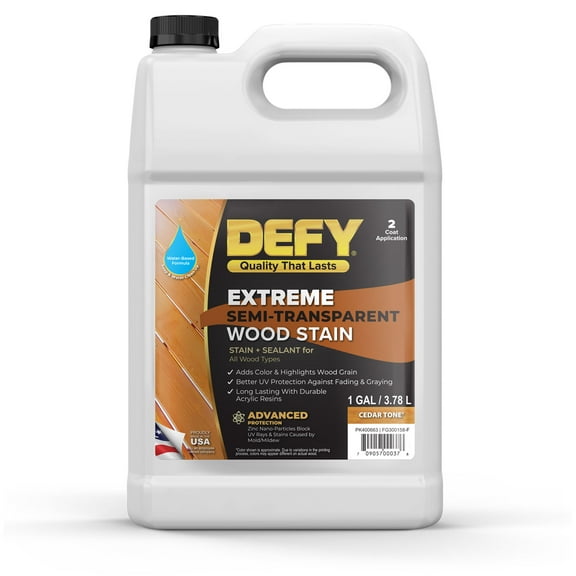
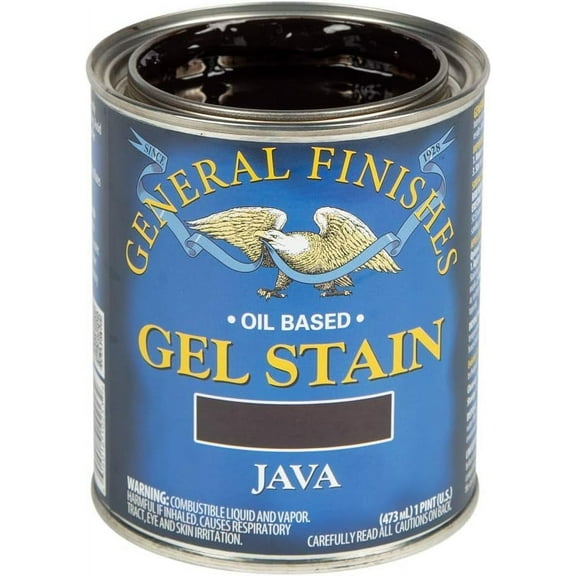













About Wood Stains, Coatings & Finishes in Paint - Walmart.com
With wood stains and finishes, you can match your wood project to the right color, opacity, and protection level. You can compare interior and exterior options, then narrow by base material, sheen, and product type.
If you're refreshing a deck, sealing a fence, or finishing trim, you need guidance that fits the surface. You'll find stain, sealer, polyurethane, and varnish options that align with your project goals.
How to choose wood stains and finishes
When you compare wood stains and finishes, you should start with application type. You'll want one path for indoor surfaces and another for weather-exposed wood outdoors.
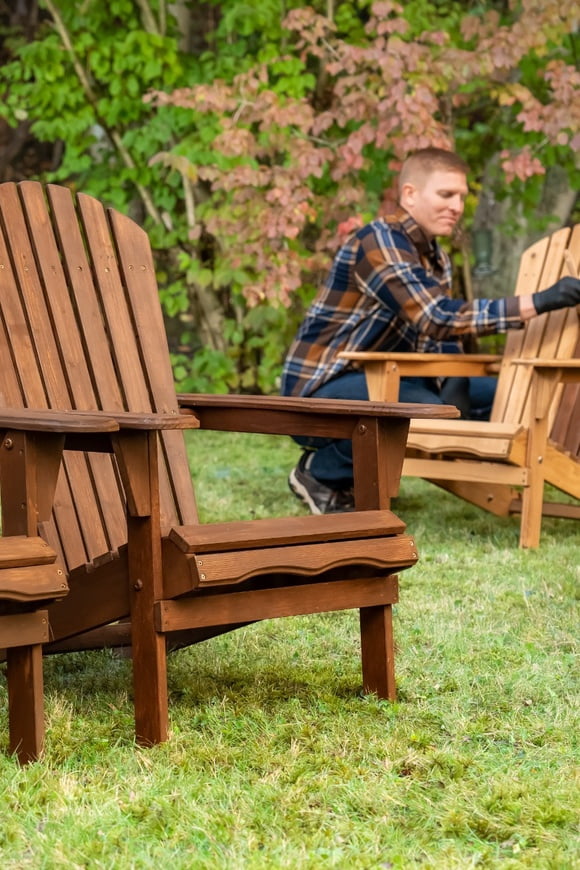
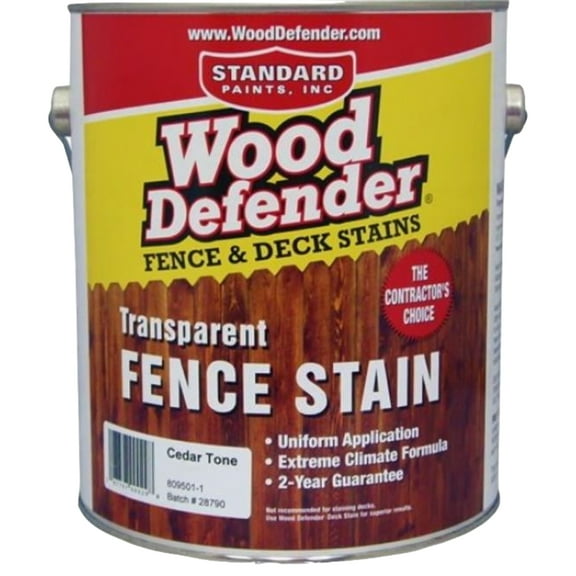
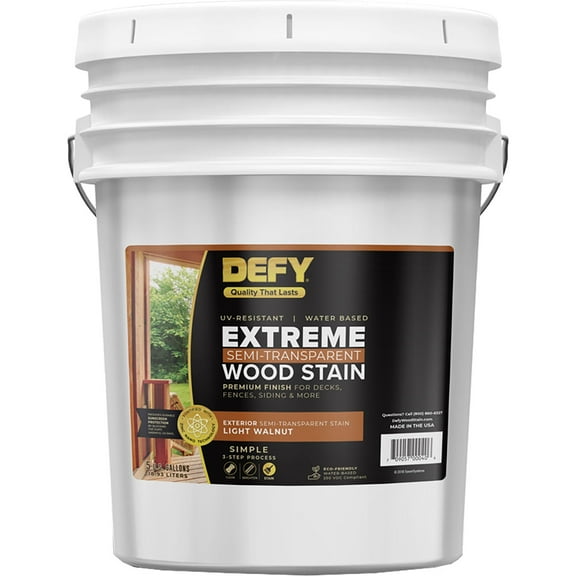
For outdoor boards, you should look for an exterior wood stain made for decks, fences, siding, or outdoor furniture. You'll find formulas designed for weather exposure, sun, and repeated foot traffic.
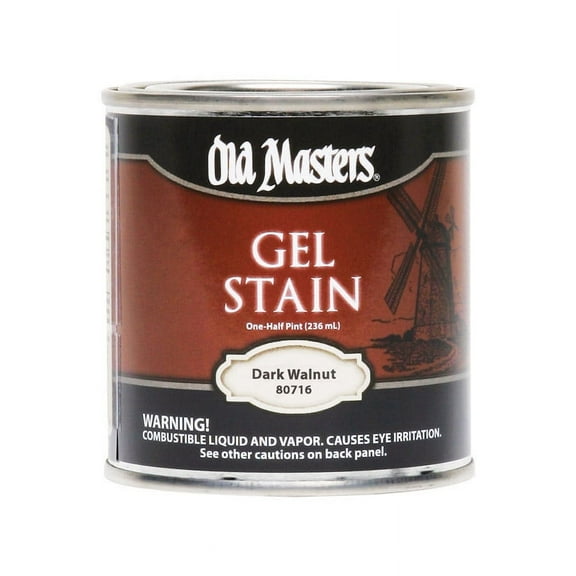
Inside your home, an interior wood stain helps you color cabinets, trim, shelves, and furniture with control. You'll also find topcoats that help your surface look polished and feel smooth.
- You can choose clear, semi-transparent, translucent, or solid coverage based on how much wood grain you want visible.
- You can compare water-based, oil-based, and acrylic formulas by cleanup method, drying time, and your project pace.
- You can select matte, satin, gloss, or semi-gloss finishes to match the look you want in each room.
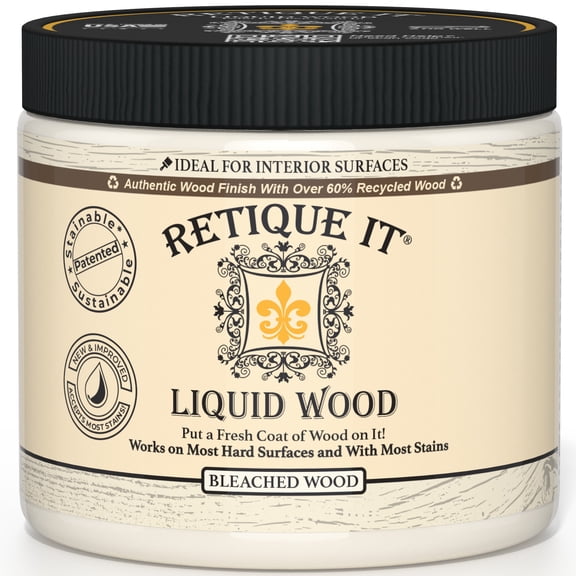
- You can pair stain with a wood sealer and finish when your project needs color plus a sealed surface.
Choosing interior wood stain or exterior wood stain
You should separate indoor and outdoor projects before you compare colors. You'll avoid mismatched formulas and focus on coatings built for the setting and wood surface.
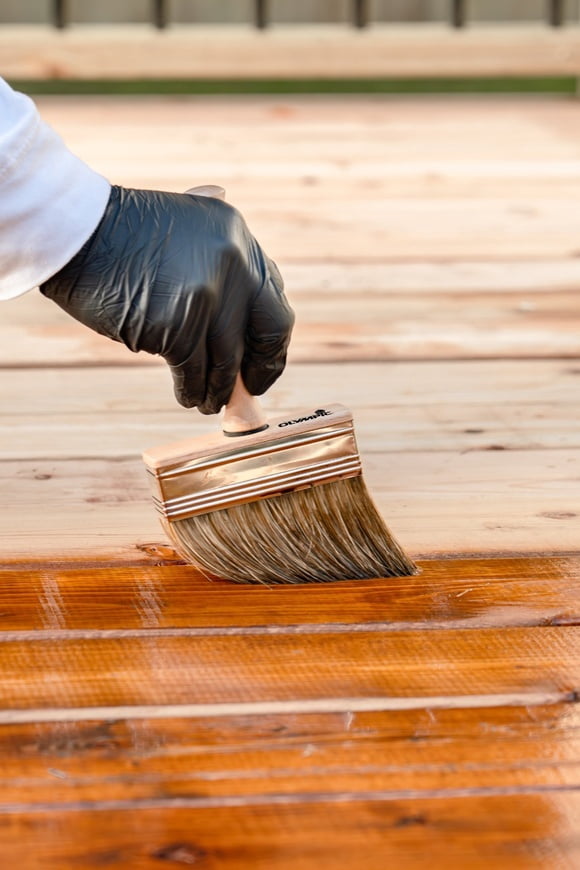
For decks and steps, you may want an exterior wood stain that handles repeated foot traffic. You'll often compare deck-specific coverage, drying time, and the appearance you want across wide boards.
For fences and siding, you may prefer a formula that highlights grain or adds dense color coverage. You'll notice that solid options look paint-like, while semi-transparent choices let more character show through.
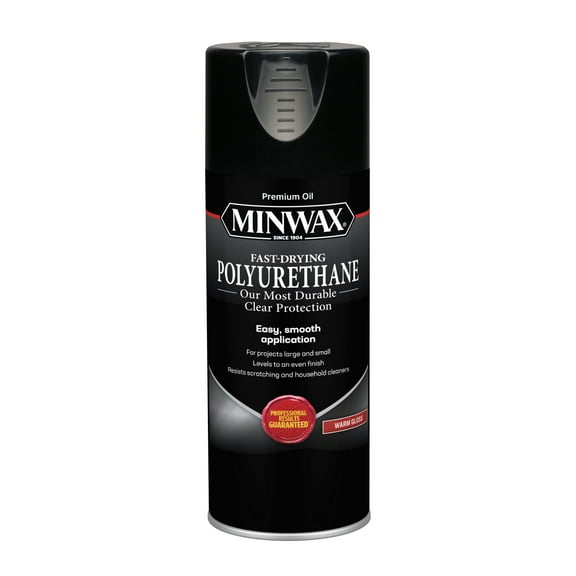
For dining tables, bookcases, and trim, you may lean toward an interior wood stain with a matching topcoat. You'll often finish these projects with polyurethane or varnish for a smooth final surface.
Comparing opacity and clear wood finish options
You should use opacity as your guide when you want visible grain or fuller color coverage. You'll make quick decisions when you know how each look changes the wood underneath.
A clear wood finish works when you want the natural tone and grain to stay visible. You can add sheen and a finished appearance without covering the wood's existing character.
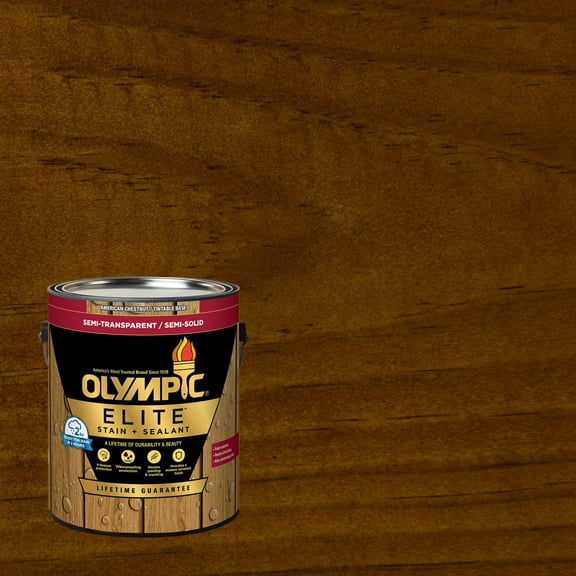
Semi-transparent and translucent choices let you add color while keeping more of the grain pattern visible. You'll often see these used on decks, fences, and outdoor wood where texture matters.
Solid stain gives you broad coverage in this category and creates a more uniform appearance. You'll likely choose it when your boards vary in color or when you want a paint-like look.
Once you've chosen opacity, you should compare finish type next. You'll see matte for a softer look, satin for a gentle glow, gloss for shine, and semi-gloss for balance.
What to look for in water-based, oil-based, and acrylic formulas
You should compare base material because it affects application, cleanup, and drying time. You'll also notice that your project timeline can feel different depending on the formula you choose.
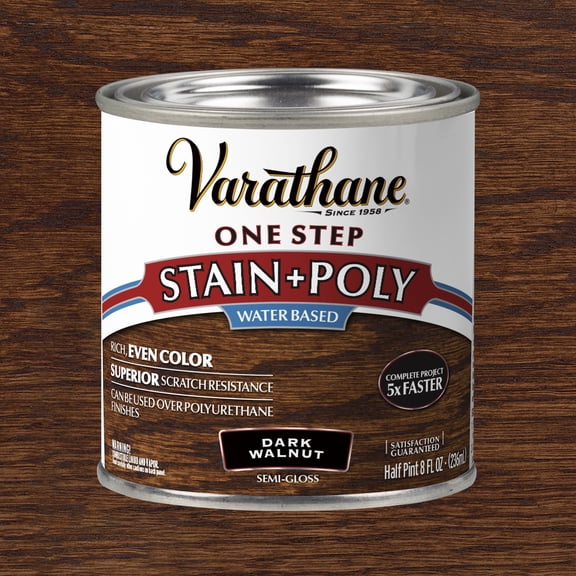
Water-based stain works well when you want easy soap-and-water cleanup and quick recoating windows. You'll often prefer it for indoor projects, touch-ups, or weekend plans with tighter timing.
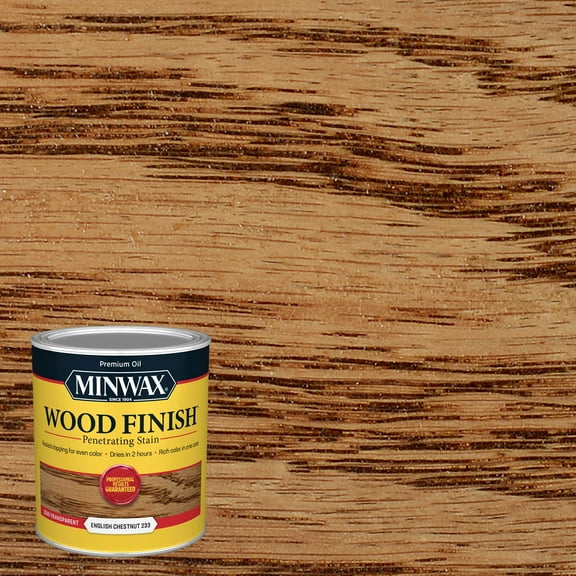
Oil-based wood stain can give you extended working time on larger surfaces and rich color penetration on some woods. You'll usually need mineral spirits for cleanup, so preparation matters before you start.
Acrylic formulas can help you balance color, surface coverage, and outdoor use across decks, fences, and siding. You'll want to check the label for the specific surface and finish system you plan to use.
If your project includes heavy-use boards, you should compare stain with sealer, polyurethane, or varnish options. You'll build a finish system that matches traffic, moisture exposure, and the sheen you want.
Matching product types to decks, furniture, trim, and fences
You should match product type to the wood surface instead of choosing by color alone. You can get consistent results when stain, sealer, and topcoat fit the job from the start.
For deck boards, you may want a stain or sealer that handles broad surfaces and regular traffic. You'll often compare semi-transparent and solid looks depending on board age and grain visibility.
For fences, you may prefer a stain that spreads evenly across vertical wood and complements outdoor surroundings. You'll choose clear, semi-transparent, or solid coverage based on how much natural texture you want to show.
For indoor furniture, you may start with color and then add polyurethane or varnish for the final finish. You'll often use satin or semi-gloss when you want a polished look without an overly shiny surface.
For trim, doors, and cabinets, you should compare interior wood stain shades with your room's flooring and lighting. You can get a coordinated result when your sheen and color depth work together.
With the right category filters, you can narrow by application type, opacity, base material, finish type, and product type. You'll choose with more clarity when each detail lines up with your wood surface and the finish you want.