

Ceiling Tiles in Building Materials











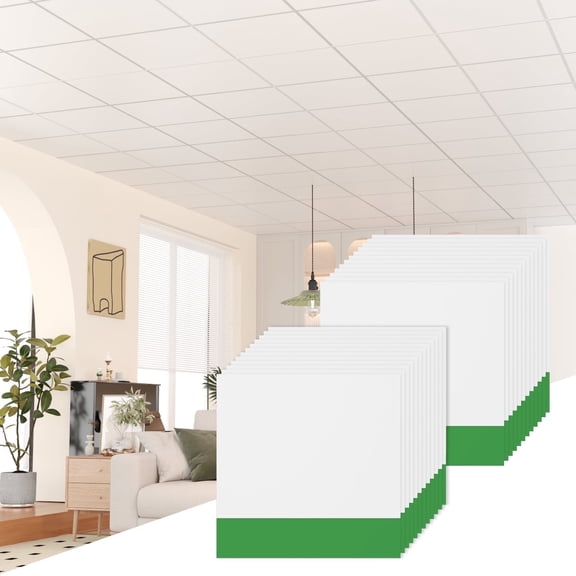
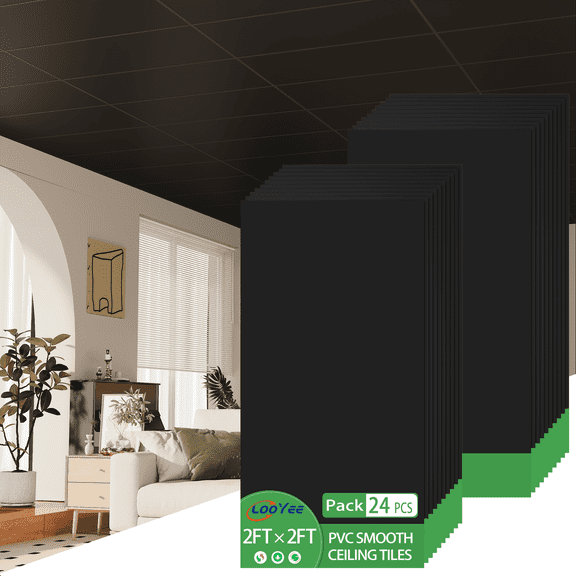




















About Ceiling Tiles in Building Materials - Walmart.com
Ceiling tiles help you update finished basements, offices, and utility spaces with cleaner lines and easier access above the ceiling. You can compare drop-in panels, glue-up styles, and decorative looks that fit both home projects and commercial spaces.
How to choose ceiling tiles for your installation
You should start with installation type, because your ceiling structure decides what will fit. You can use drop ceiling tiles with a suspended ceiling grid, while glue-up and nail-up options attach to a surface below.
When you compare suspension grid sizing, you should measure panel length and width before you order. You should also check T-bar width, because the tile edge must sit correctly inside your grid.
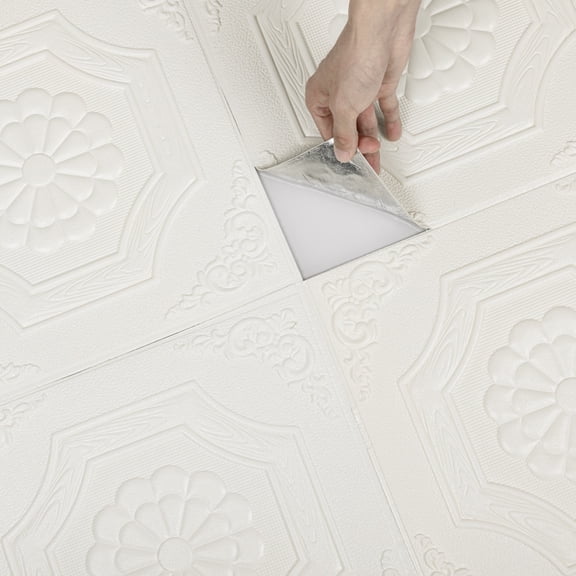
If you want overhead access for wiring or pipes, you may prefer drop-in panels. If you want a finished look on a flat surface, you may prefer glue-up or nail-up ceiling panels.
Choosing material, sound control, and room performance
You can narrow your options fast by comparing material and room conditions together. You may look at mineral fiber, PVC or plastic, polystyrene, metal, and wood based on moisture, finish, and upkeep.
- You can use mineral fiber when your priority is sound absorption in offices, classrooms, or media rooms.
- You may choose PVC or plastic ceiling tiles when your space needs easier cleanup and moisture resistance.
- You can consider polystyrene when you want lightweight panels that simplify handling during installation.
- You might select metal or wood when your project needs a more architectural or decorative ceiling tiles look.
For acoustic needs, you should compare NRC and CAC ratings in plain terms. NRC tells you how much sound a tile absorbs, while CAC tells you how much sound stays contained between rooms.
If you want a quieter room with less echo, you may look for acoustic ceiling tiles with stronger NRC performance. If you want added speech privacy, you should check whether the CAC rating better fits your layout.
Room conditions matter too, especially in basements, laundry areas, or bathrooms. You should compare sag resistance, waterproof construction, and mold and mildew resistant surfaces when humidity is part of your project.
Fire ratings can also guide your decision when your project has code requirements. You should check whether Class A fire rating details appear in the listing, because that spec helps you compare approved-use environments.
Comparing drop ceiling tiles, acoustic ceiling tiles, and decorative styles
You can use style and performance together to narrow a large assortment quickly. You may compare smooth, textured, coffered, patterned, and tin-look surfaces based on the room finish you want.
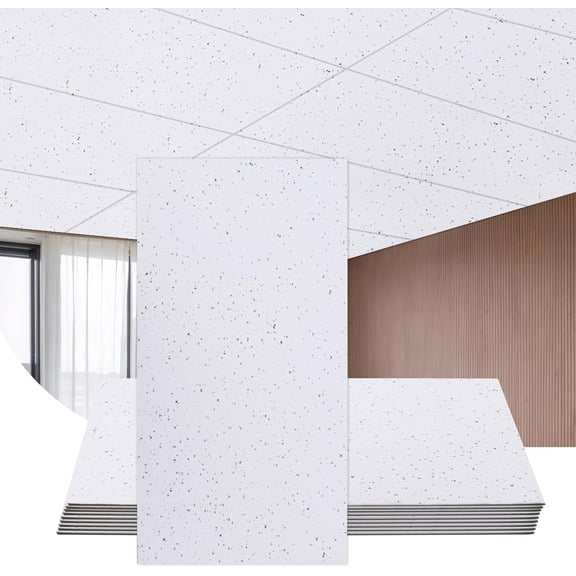
Smooth panels can help your room look clean and modern with fewer visual distractions. Textured designs can help you soften a plain overhead surface while hiding minor irregularities in the space.
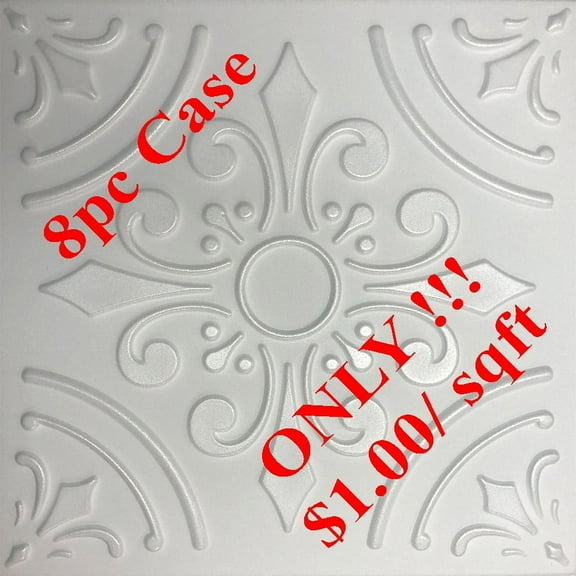
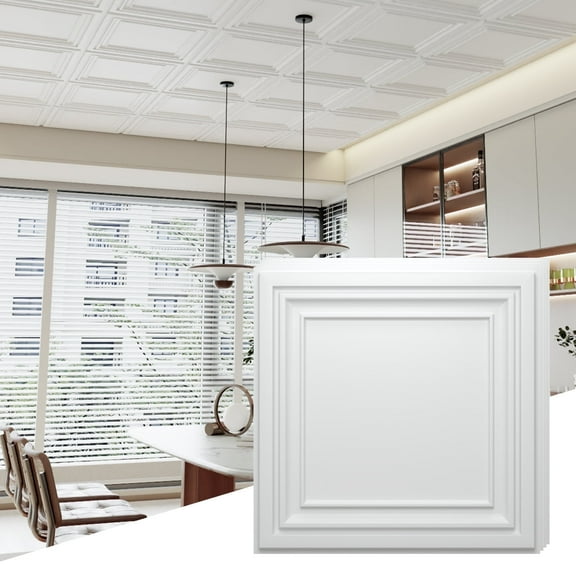
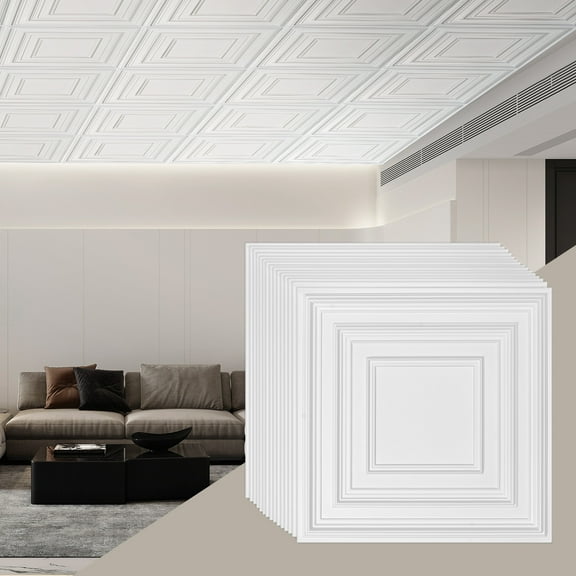
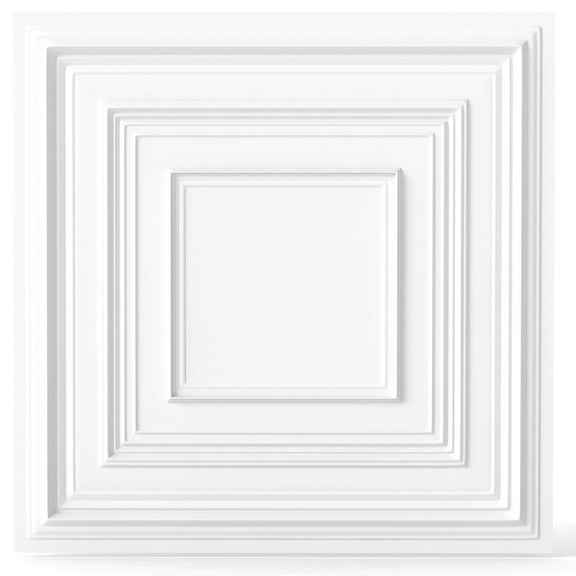
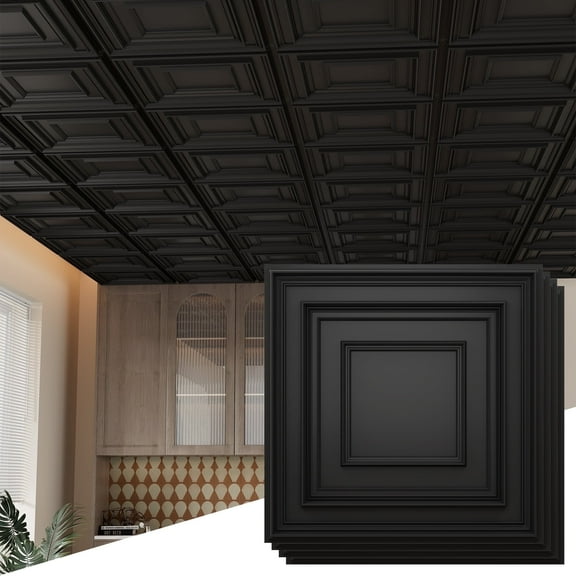
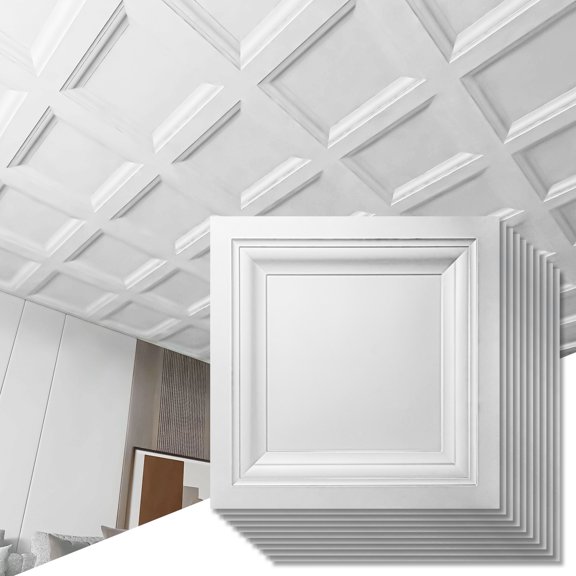
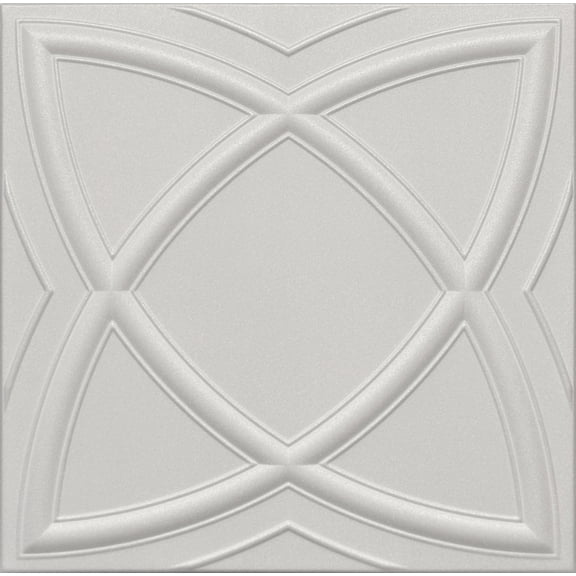
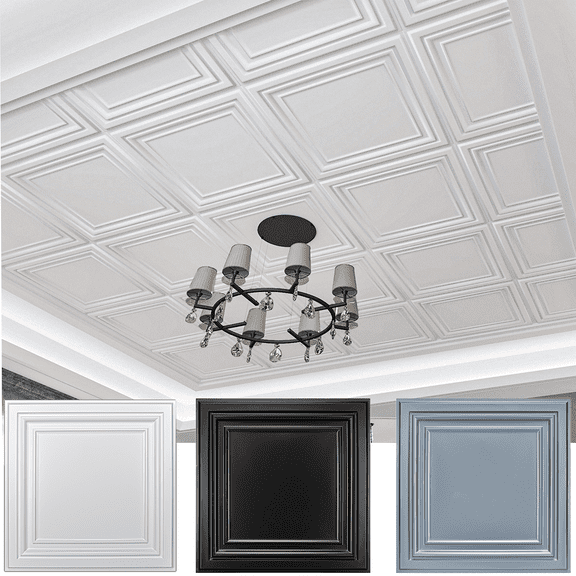
If you want a classic architectural effect, you may consider coffered or patterned ceiling tiles. If you want a vintage-inspired finish, you might compare decorative ceiling tiles with tin-look detailing.
You should also think about light reflection and maintenance before you choose a finish. Lighter ceiling panels can help your room feel brighter, while washable surfaces can simplify cleanup in active areas.
What to look for in ceiling tile features and compatibility
You can make a smarter choice when you match product specs to the room's function. You should compare panel size, edge detail, thickness, and compatibility notes before you commit to a design.
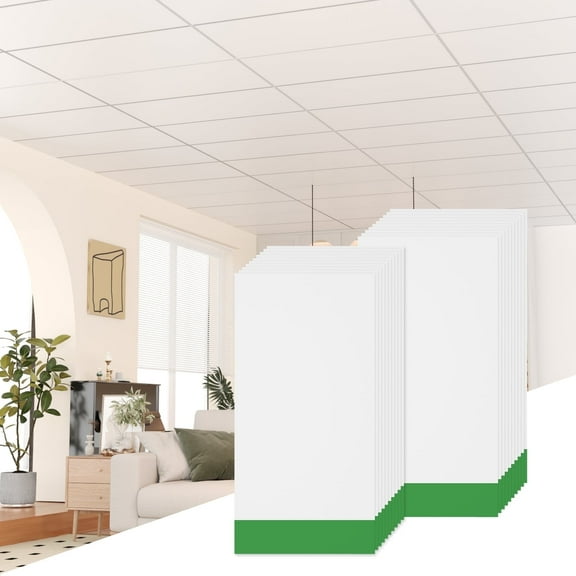
Panel size affects layout planning, especially when you replace existing sections in a suspended ceiling grid. You should measure the opening and confirm whether your current system uses common two by two or two by four panels.
Edge profile matters because it changes how the tile sits in the grid and how much of the T-bar shows. You should look for listed compatibility details if your project uses a narrow or standard-width grid.
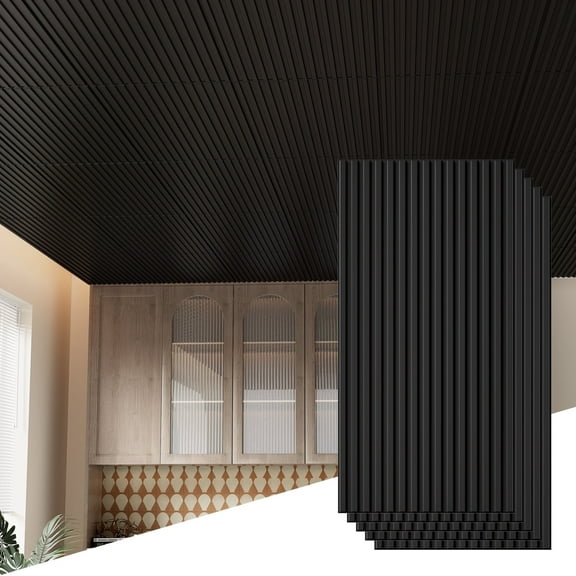
Material thickness can influence handling, appearance, and the feel of the finished surface. You may prefer lightweight plastic ceiling tiles for easier placement, or denser mineral fiber panels for sound-focused spaces.
Performance features can also help you sort options without guessing. You should compare waterproof, sag resistant, and fire-retardant descriptions based on the needs of your room and installation method.
Using ceiling tiles in home and commercial spaces
You can use ceiling tiles in finished basements, home offices, workshops, and rental updates. You may also use them in classrooms, retail areas, and office suites where access above the ceiling matters.
For a basement remodel, you might want drop-in panels that let you reach plumbing, ductwork, or wiring later. You can pair that setup with moisture-focused materials when the room deals with changing humidity.
In a conference room or study area, you may focus on acoustic ceiling tiles that reduce echo. You should compare NRC and CAC together when you want a room that feels calmer and more private.
For a kitchen, break room, or utility area, you may prefer plastic ceiling tiles or other easy-clean surfaces. You can also look for smooth or patterned finishes that match the room without making upkeep harder.
If your project updates a storefront or reception area, you may lean toward decorative ceiling tiles with coffered or tin-look detail. You can create a more finished appearance while still comparing compatibility and maintenance needs.
When you choose by installation type, material, rating, and style, you can narrow the category with more confidence. You end up with ceiling tiles that fit your grid, your room conditions, and your finished look.