

Drop Ceiling Tiles in Ceiling Tiles
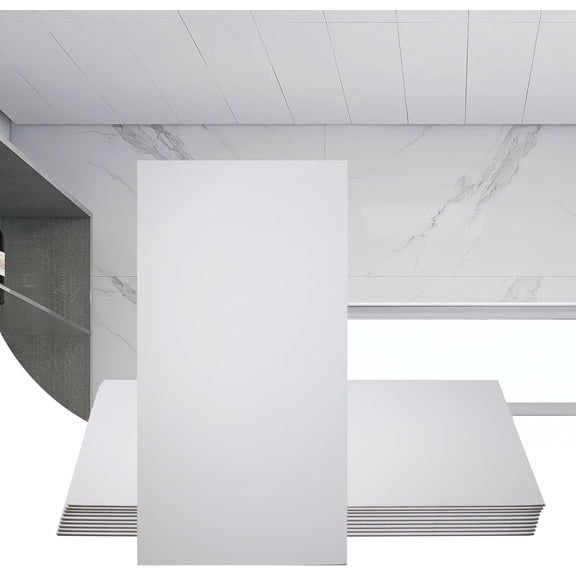

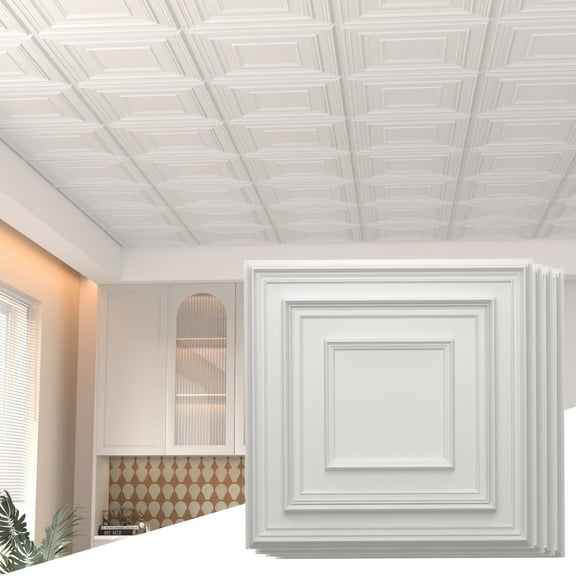
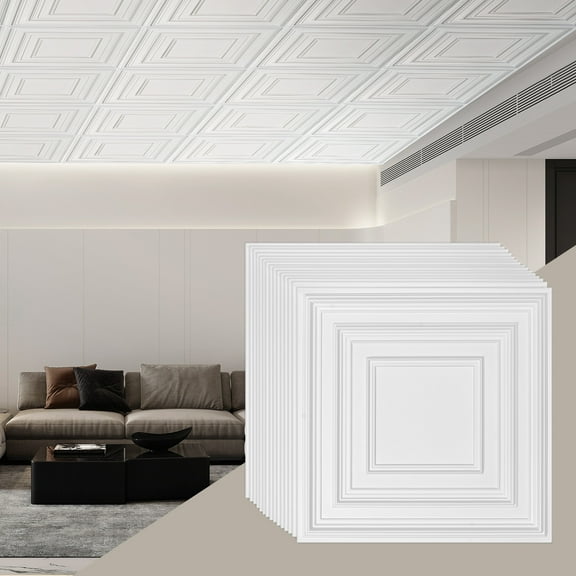
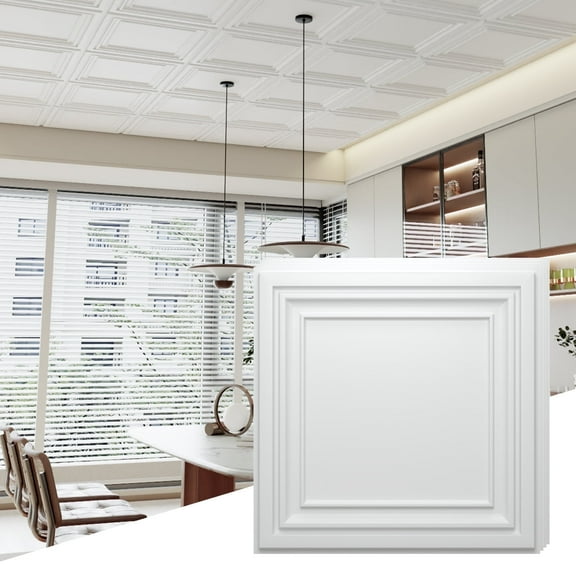





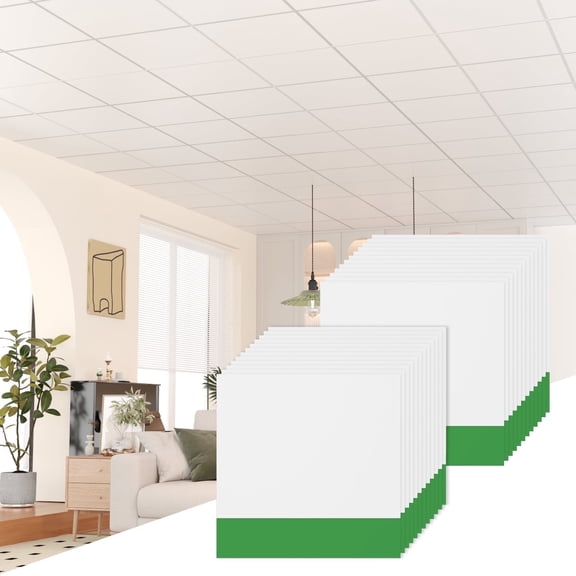

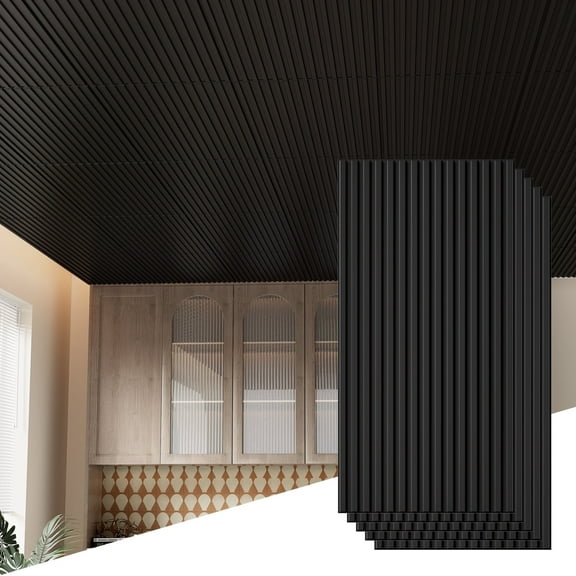











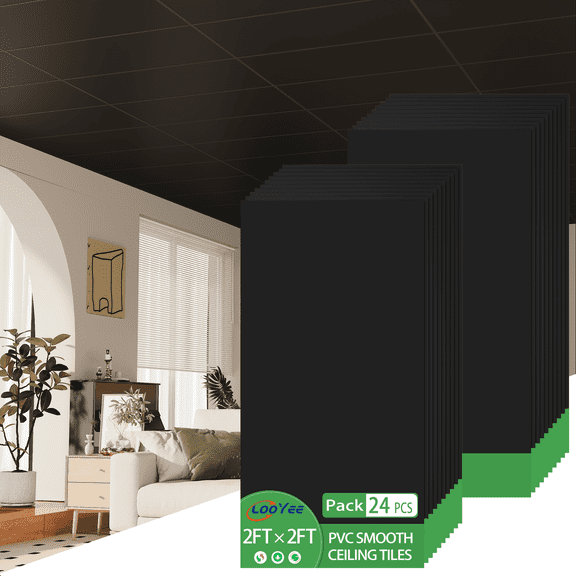


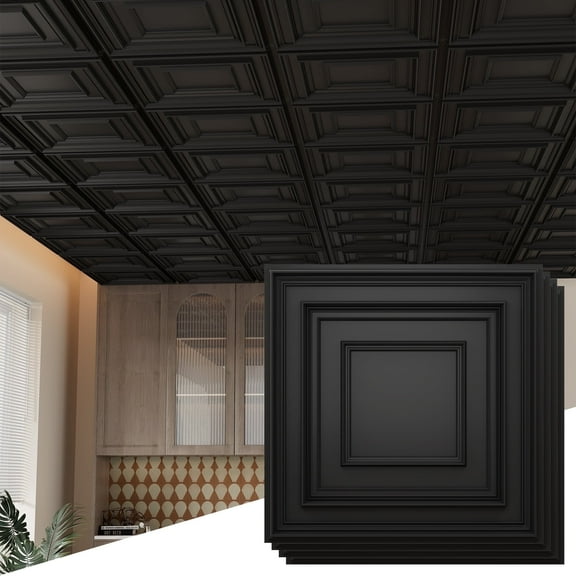















About Drop Ceiling Tiles in Ceiling Tiles - Walmart.com
Drop ceiling tiles help you finish a ceiling with a clean, finished look while giving you access above the grid for updates and repairs. You can compare sizes, materials, and surface styles to match your room, your grid, and your installation goals.
If you're updating a basement, office, or utility room, you can use this guide to narrow your options fast. You'll find practical differences between 2x2 panels, 2x4 panels, acoustic surfaces, and moisture-aware materials.
Choosing the right drop ceiling tiles for your space
When you choose drop ceiling tiles, you'll want to start with grid compatibility before you compare finishes. You should check whether your ceiling uses a 15/16-inch standard grid or a 9/16-inch slim grid.
That measurement matters because your panels need to sit correctly inside the suspension system. You can avoid fit issues by matching the tile edge and panel size to your existing framework.
Next, you can compare 2x2 and 2x4 sizes based on the room's layout and look. You'll often use 2x2 panels where you want a more detailed pattern and more frequent grid lines.
With 2x4 panels, you can cover larger spans with fewer pieces and a more open visual rhythm. If you're considering small ceiling tiles, you may prefer compact panels for tighter layouts or decorative effects.
- You can match 2x2 or 2x4 panels to your existing grid for a smoother installation plan.
- You can choose surfaces that support sound control, moisture-aware use, or a specific room style.
- You can keep overhead access for wiring, ducts, and pipes without opening finished drywall.
- You can compare residential and commercial needs by checking ratings, material, and maintenance requirements.
How to compare drop ceiling tile materials and styles
You can narrow materials quickly by thinking about moisture, upkeep, and the room's purpose. PVC, plastic, mineral fiber, and metal panels each support different priorities.
If you're finishing a basement or looking at drop ceiling tiles for bathroom projects, you may prefer PVC or plastic options. You'll often find these choices easier to wipe clean and better suited to humid spaces.
Mineral fiber panels can make sense when you want a classic suspended-ceiling look with sound absorption. You should compare NRC ratings when you want to reduce echo and soften everyday room noise.
NRC measures how much sound a tile absorbs within the room around you. CAC measures how much sound a ceiling setup helps limit between rooms above and below you.
If you're updating an office, classroom, or shared workspace, you may want to compare both ratings together. You'll get a clearer picture of whether a panel suits conversation-heavy areas or spaces needing separation.
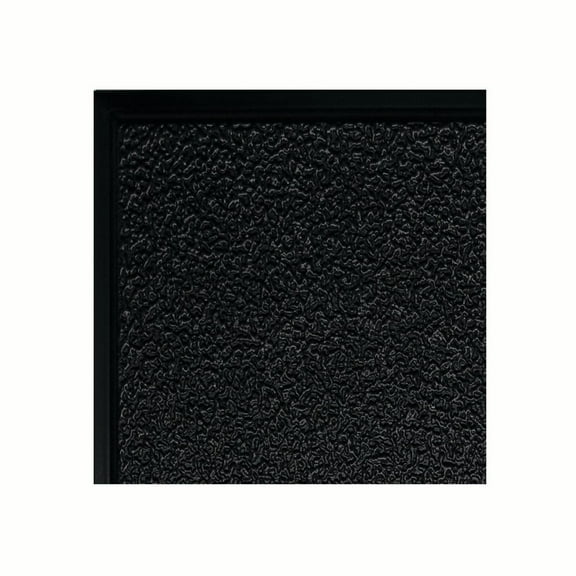
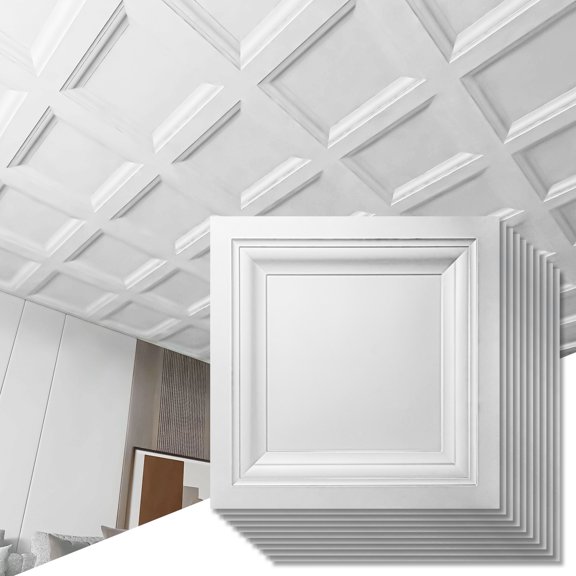
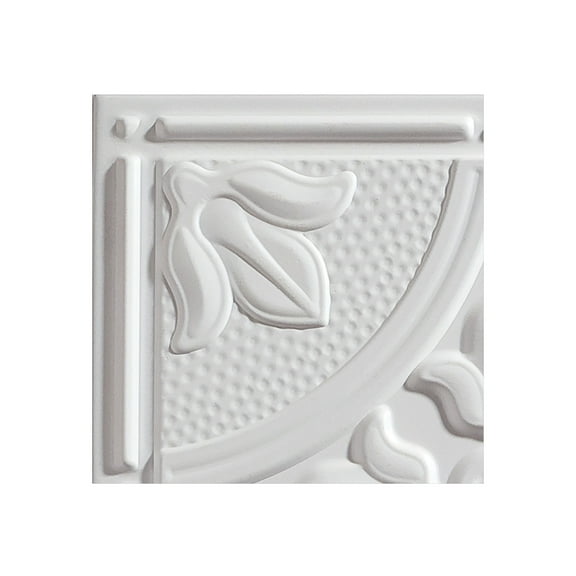
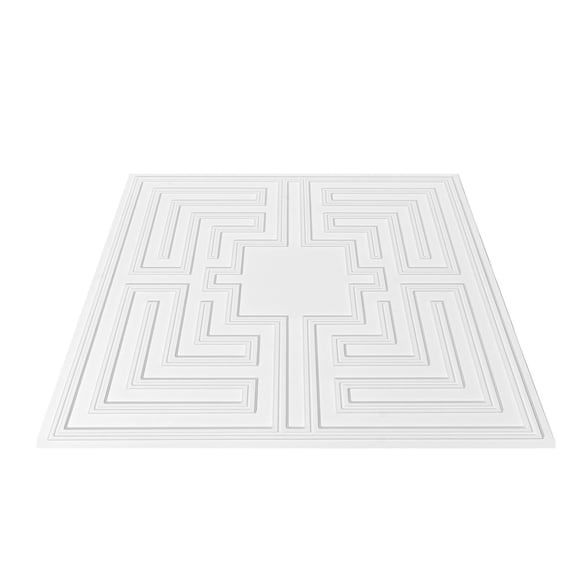
Metal panels can give you a crisp, architectural finish and a more defined visual style. You may also consider smooth, textured, acoustic, or coffered surfaces based on the look you want.
Smooth panels help you create a simple appearance that fits many modern rooms. Textured and coffered drop ceiling pieces can help you disguise minor marks and add visual depth.
If you see fall ceiling tiles in your searches, you can treat that as another way shoppers describe suspended ceiling panels. You'll want to focus on the same decisions: fit, material, and room use.
What to look for in ratings and installation details
You should check technical details when your room has specific performance needs. Those details can include grid edge type, moisture resistance, acoustic ratings, and Class A fire-rated construction.
Class A fire-rated panels may matter when you need to align with commercial project requirements or building plans. You should confirm the listed rating on each product page before you choose a panel.
You can also compare tile thickness and panel weight when you want a certain feel during installation. Heavier or thicker options may change how a ceiling looks, handles sound, or sits in the grid.
Edge profiles matter too, because you need the panel to rest correctly on the suspension flange. You should look for compatibility notes if your project uses a slim grid instead of a standard one.
If you plan to replace only a few drop ceiling pieces, you should match color, texture, and size carefully. You'll get a more consistent ceiling surface when replacement panels align with the existing field.
Matching size, material, and style to real rooms
For a basement ceiling, you may want panels that help you maintain overhead access around pipes and wiring. You might also prefer mineral fiber or acoustic styles when you want a quieter media or hobby room.
In a bathroom, you should focus on moisture-aware materials and surfaces that clean up easily. PVC and plastic options can make practical sense when humidity is part of your daily routine.
For commercial spaces, you may need to compare CAC, NRC, and Class A fire-rated listings before installation begins. You'll want those details when you're balancing speech privacy, room noise, and project specs.
In a residential setting, you may care more about appearance and easy replacement than formal performance targets. You can use smooth or textured panels to coordinate with laundry rooms, workshops, or finished lower levels.
If your room feels narrow or busy, small ceiling tiles or 2x2 layouts can create a more structured pattern overhead. If your room is broad and open, 2x4 panels can keep the ceiling plane looking simpler.
You can also mix practical goals with style preferences by comparing acoustic and decorative faces together. That approach helps you choose a ceiling that works well while still fitting the room's finish plan.
When you compare drop ceiling tiles by grid fit, material, rating, and style, you can make a more confident choice for your project. You'll end up with a ceiling that fits your space, supports your installation needs, and keeps future access simple.