


































About Building Materials for Home Improvement Projects - Walmart.com
You can compare building materials by project fit, load needs, and delivery options, so your jobsite or home project starts with minimal surprises. You’ll find category depth for framing, drywall, insulation, concrete, siding, roofing, and flooring needs in one place.
How to choose building materials for your project
Start with your project type, because your framing job needs different building supplies than your siding repair or flooring update. You should also check whether your material must support weight, cover a wall, or handle outdoor exposure.
For home building materials, material type shapes how your project looks, installs, and holds up over time. You may compare wood for framing, metal for strength, composite for low-maintenance surfaces, concrete for slabs, and drywall for interior walls.
Your supply scale matters just as much as material choice. You might need individual repair kits for small fixes, DIY home improvement quantities for weekend work, or bulk building supplies for larger contractor schedules.
Key differences between construction materials
Wood often makes sense when you need studs, sheathing, or trim that you can measure, cut, and fasten on site. You’ll want to check grade, dimensions, and intended use before you match boards to your plans.
Metal can fit projects where your strength, span, or weather exposure calls for a strong structural option. You should compare gauge, finish, and compatibility with your fasteners and framing layout.
Composite materials can work well when your project needs a finished look with low routine upkeep. You may notice these options show up often in siding, decking-adjacent uses, and selected exterior applications.
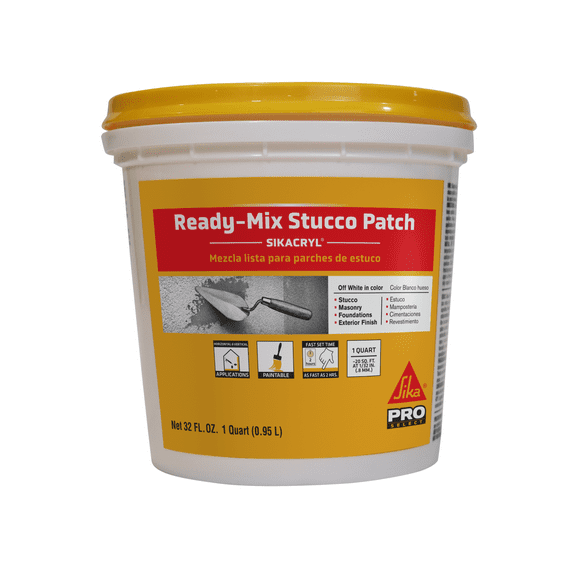
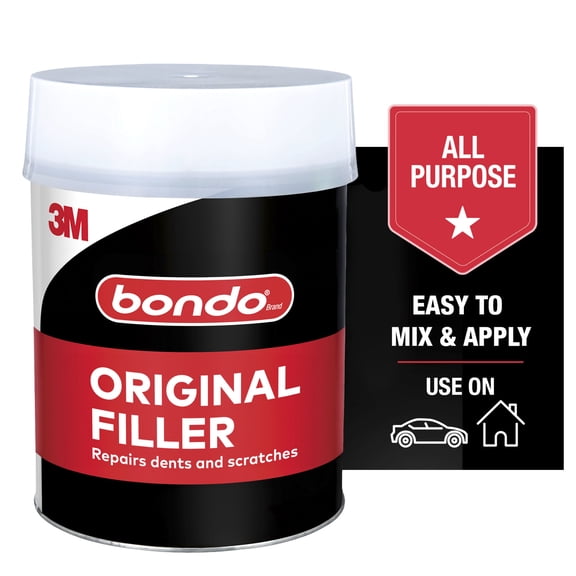
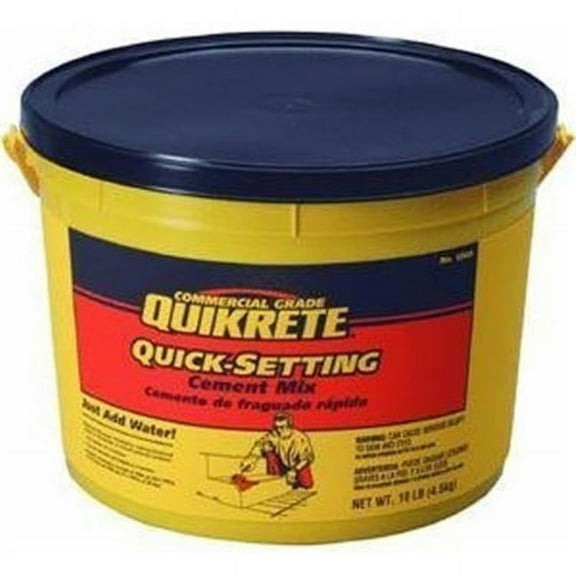
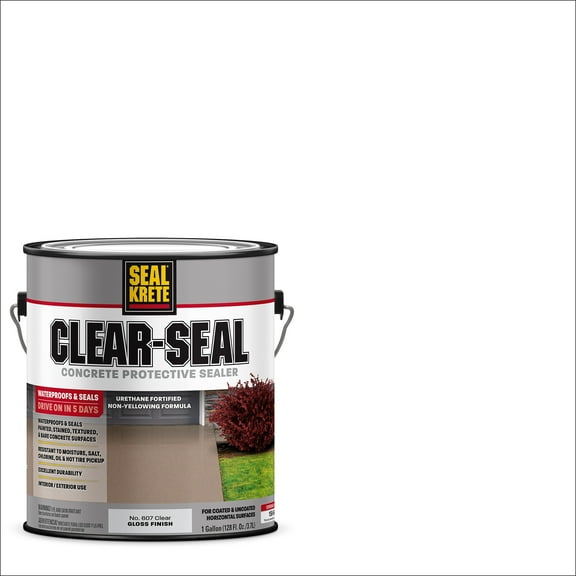
Concrete products help when your job requires a stable base, patch, or formed surface. You’ll want to compare mix type, coverage, cure time guidance, and the depth your project requires.
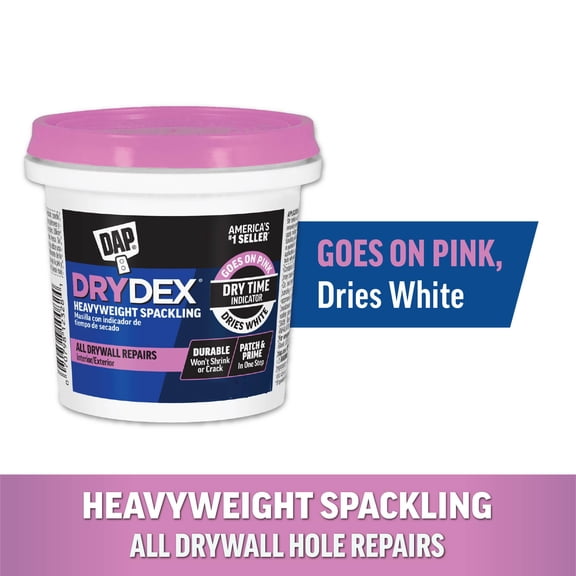
Drywall supports interior finishing where your rooms need smooth wall and ceiling surfaces. You should measure panel size, thickness, and room conditions before you choose standard or moisture-focused panels.
- You can match wood, metal, composite, concrete, and drywall to specific project stages.
- You can compare residential grade, structural grade, commercial grade, and weather-resistant options.
- You can plan for small repairs, room updates, or bulk contractor supplies with clear quantity targets.
- You can review pickup and freight-friendly options for heavy or oversized orders.
What to look for in home building materials
Project compatibility should come first when you compare construction materials. You need to check load-bearing capacity and structural codes when your project includes framing, headers, studs, or other structural parts.
Durability grade helps you narrow choices without guessing. You may choose structural grade for support-focused builds or residential grade for common home projects. You can also select commercial grade for demanding spaces or weather-resistant materials for outdoor exposure.
Your environment also affects performance over time. You should compare moisture resistance for basements, bathrooms, and exterior walls, and you should check weather exposure for roofing and siding tasks.
Coverage details help you estimate materials with fewer interruptions. You can calculate square footage for drywall, insulation, flooring, and siding, then compare package counts, panel sizes, or mix yields.
Thickness, dimensions, and finish options also shape your final result. You’ll want to measure carefully so your sheets, boards, or panels align with your framing layout and room size.
Delivery logistics matter when your order includes heavy bags, long boards, or pallet quantities. You can compare in-store pickup for manageable loads or freight delivery when your project needs larger quantities on site.
Choosing building materials by project type and scale
For framing projects, you’ll usually focus on structural grade lumber, connectors, and compatible sheathing. You should confirm code needs, span requirements, and board dimensions before you finalize your list.
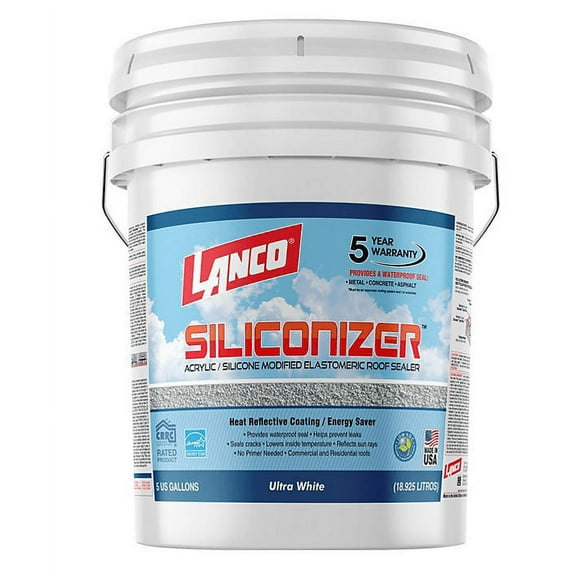
For roofing work, you may compare underlayment, panels, shingles, and weather-resistant accessories based on slope and exposure. You’ll want materials that match your roof design and installation method.
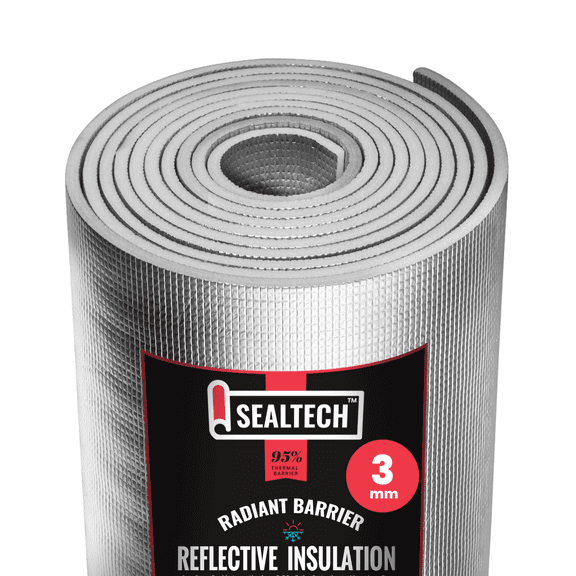
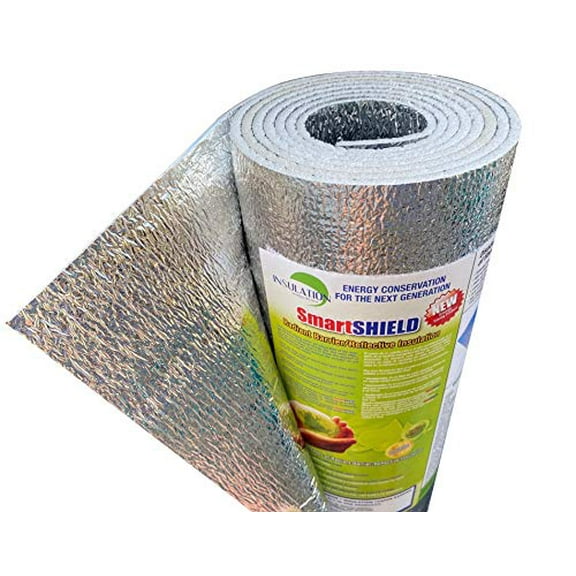
For insulation jobs, you should measure wall, attic, or crawl space coverage before you select your quantity. You can compare rolls, batts, boards, and other formats based on where your material needs to fit.
For siding and flooring updates, appearance and durability often work together as decision points. You may compare composite, wood, or concrete-based options depending on wear, moisture exposure, and installation surface.
If you’re handling a small repair, you can often work from exact measurements and targeted replacement pieces. If you’re managing a larger build, you’ll likely need contractor supplies that support repeat tasks across multiple areas.
When your timeline depends on steady material flow, quantity planning becomes part of the job. You can estimate waste, round up for cuts, and keep your crew moving with minimal last-minute shortages.
Delivery, quantity planning, and contractor supplies
Heavy and oversized items need a realistic transport plan before your project begins. You should check item dimensions, bundle counts, and unloading access so your materials arrive where you need them.
Bulk orders can simplify larger jobs when your crew needs consistent materials across several phases. You can group concrete, drywall, insulation, and framing items around your schedule and site access.
Smaller orders can still benefit from the same planning approach. You should total coverage, compare package sizes, and leave room for cuts, corners, and replacement pieces.
With the right building materials, you can move from planning to installation with clear specifications and a steady supply. Having the correct items on hand ensures your materials fit your project from the first measurement.