














Sheet Protectors in Binders & Accessories




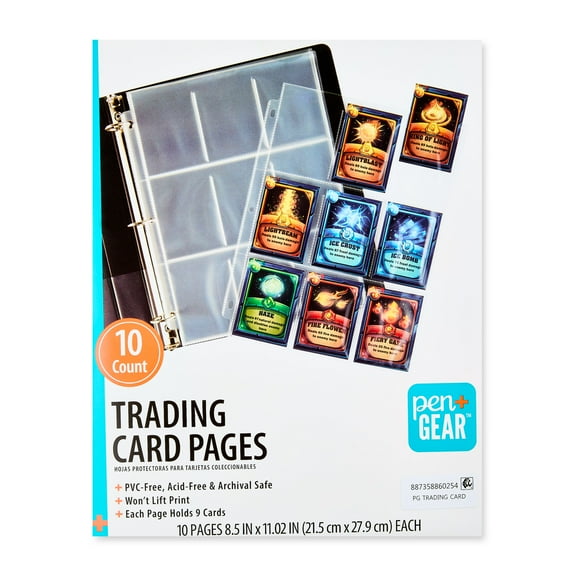


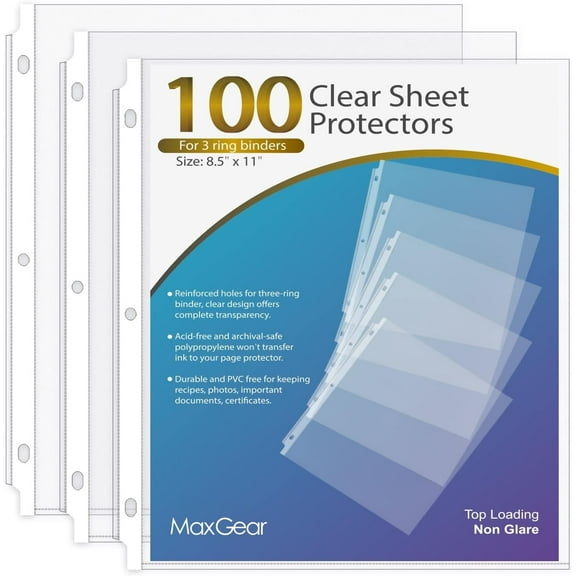


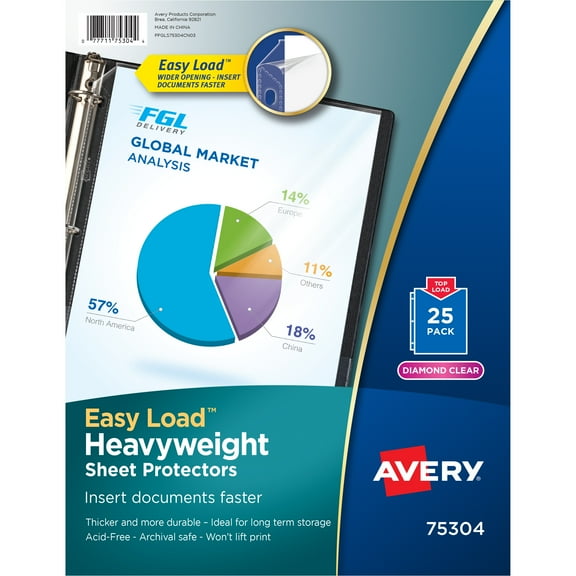




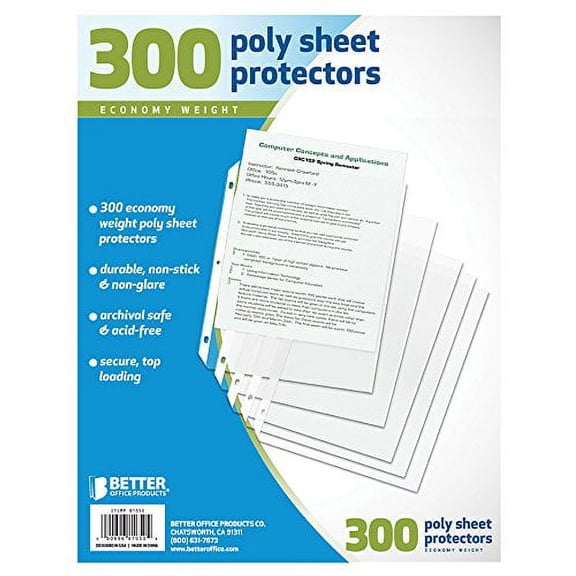
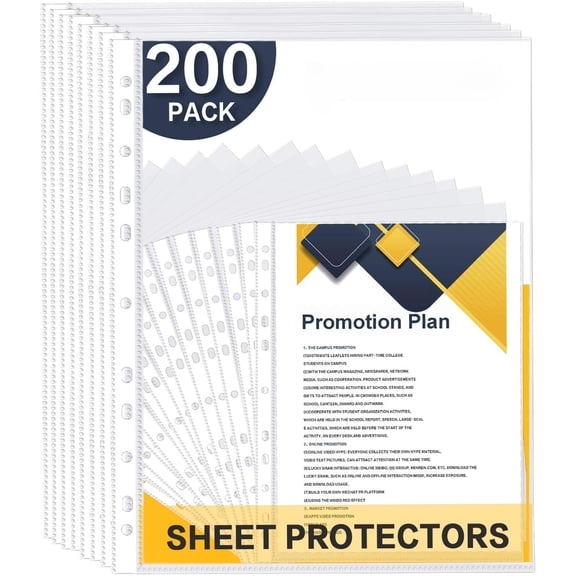


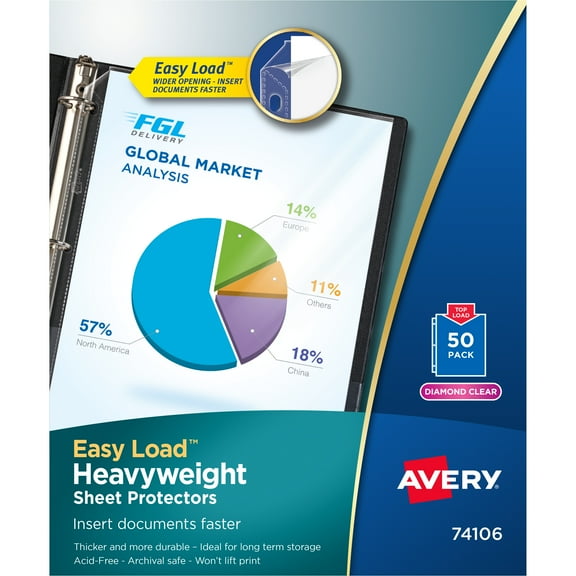

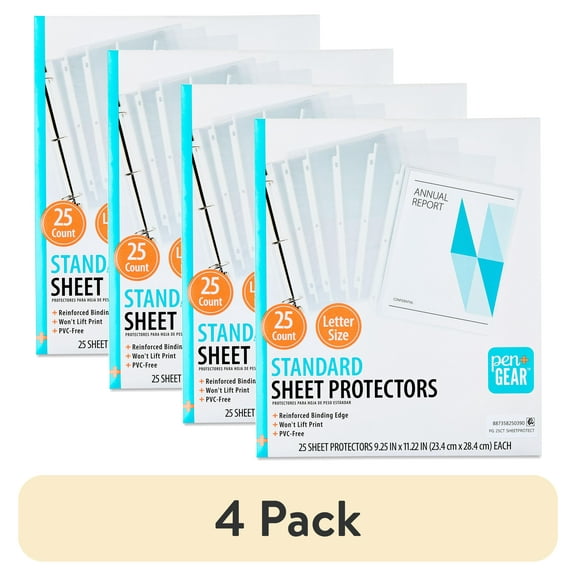




About Sheet Protectors in Binders & Accessories - Walmart.com
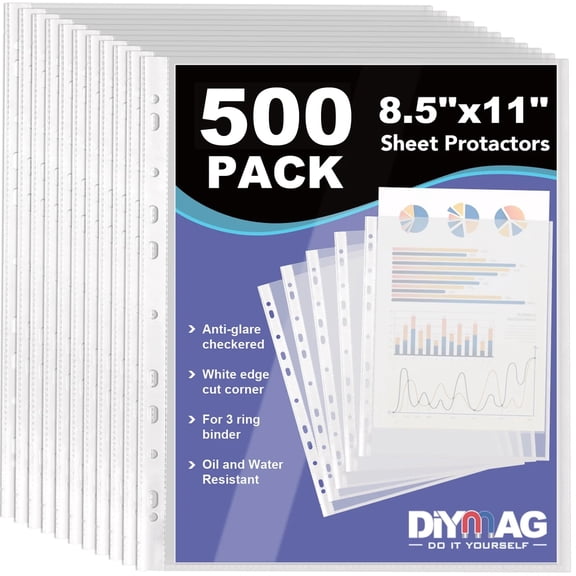
Sheet protectors help you keep handouts, records, and reference pages neat while you compare finishes, thicknesses, and binder fit. You can choose options for daily classroom use, polished presentations, or long-term document storage.
How to choose sheet protectors
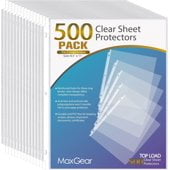
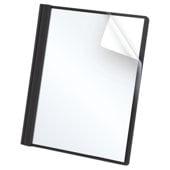
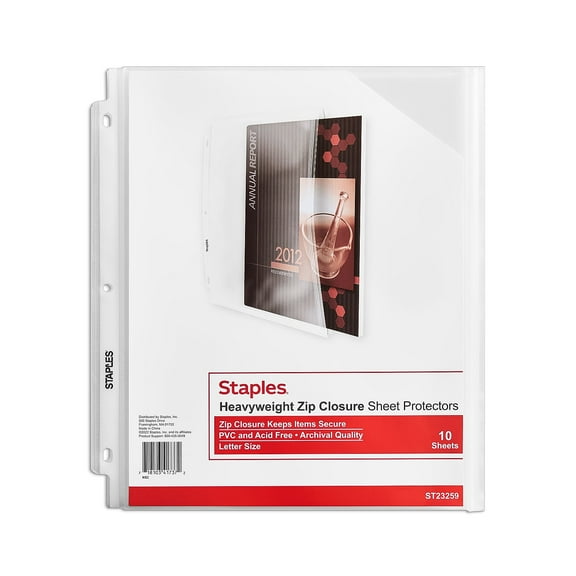
When you compare sheet protectors, you should start with the material finish that matches how you read and present pages. You may prefer clear sheet protectors when you want sharp visibility for photos, charts, and colorful inserts.
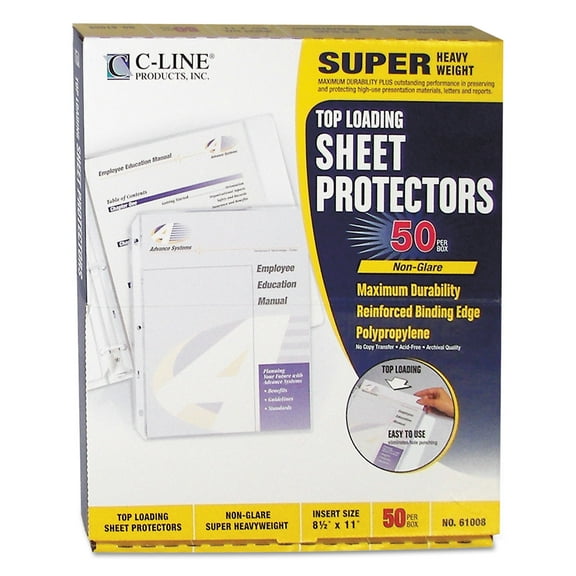
If you work under bright office lights, you may want a non-glare finish that helps you view text with less reflection. You can also consider semi-clear options when you want a balance between visibility and reduced shine.
Your next decision is thickness and weight, because frequent page turning can wear out lighter sleeves faster. You should compare standard, heavy duty sheet protectors, and extra heavy duty options by how often you'll handle each binder.
- You can use clear finishes when your pages need crisp visibility for images, labels, and color-coded notes.
- You can choose non-glare styles when your pages need easy reading in meetings, classrooms, and bright rooms.
- You can pick heavier weights when your binders get frequent use and need stronger ring areas.
- You can match letter, legal, or A4 sizes to the paper you already file and organize.
- You can check top loading or side loading styles based on how often you add or remove pages.
Choosing clear sheet protectors and other finishes
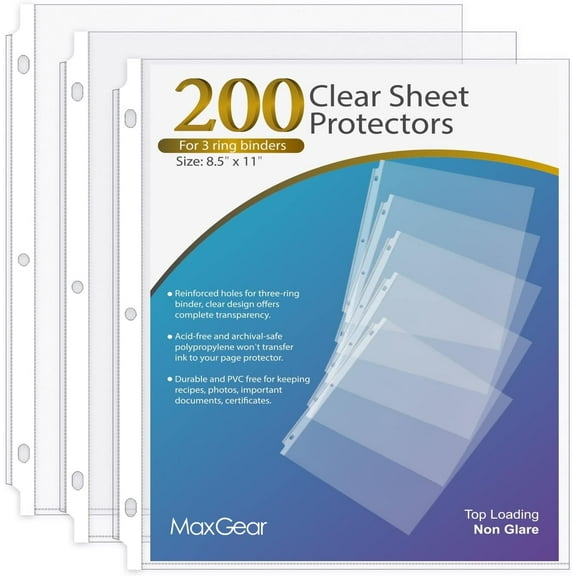
Your finish choice affects how your pages look in a binder, on a desk, or during a presentation. You should look for clear sheet protectors when image detail, bold graphics, or cover pages matter most.
If your pages sit under overhead lights, you may find non-glare surfaces easier to read during meetings or study sessions. You can use semi-clear finishes when you want softer reflection without hiding document details.
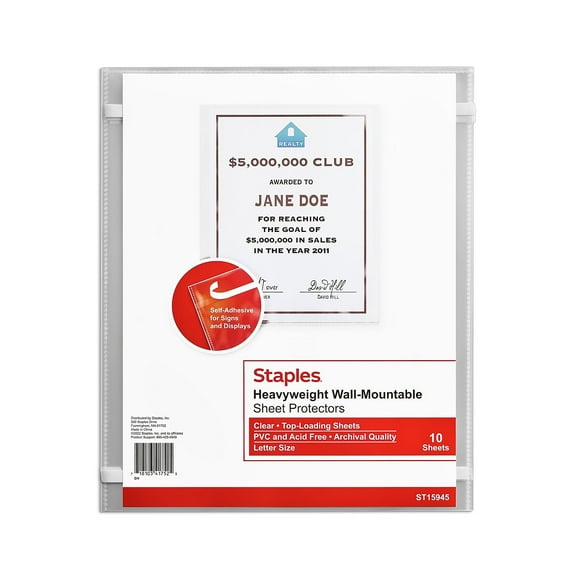
Your material choice also matters when you store records, photos, or printed pages for longer periods. You should check whether acid-free or archival-safe details match your filing needs for keepsake documents and important paperwork.
Heavy duty sheet protectors vs. standard weights
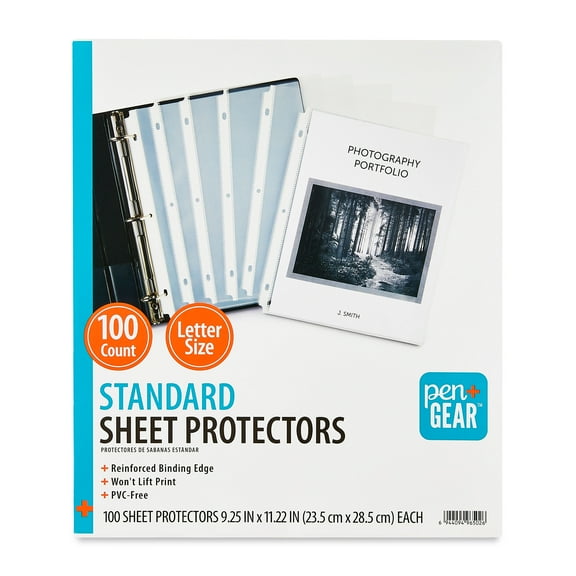
Your binder routine should guide the weight you choose, especially when pages get flipped often. You can use standard sleeves for light reference use, short projects, or occasional classroom packets.
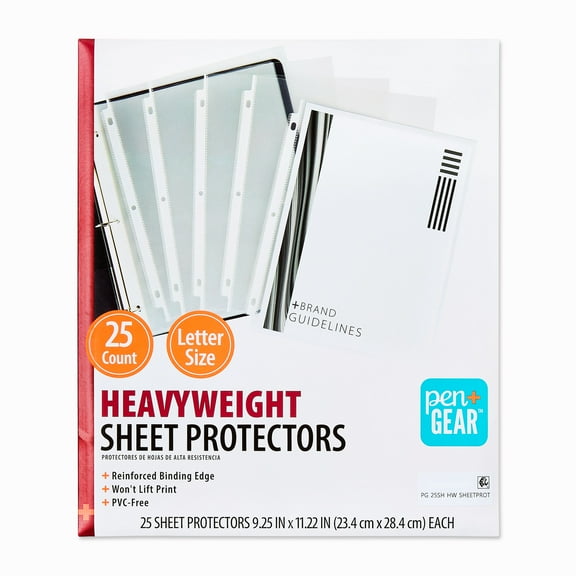
If your pages travel between desks, classes, or meeting rooms, heavy duty sheet protectors can offer stronger support around punched edges. You may also prefer extra heavy duty options when manuals, checklists, or procedures stay in constant rotation.
You should compare weight with page capacity, because some plastic page protectors hold a single sheet while others fit thicker inserts. You can keep packet pages flatter when you match sleeve strength to the paper stack inside.
Checking size, ring fit, and loading style
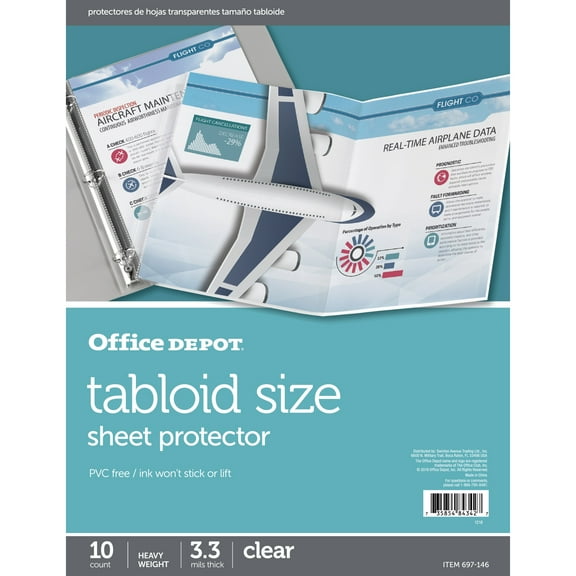
Your documents should fit the sleeve and the binder at the same time, so size matters early. You can choose letter size for common school and office papers, legal size for longer forms, or A4 for international documents.
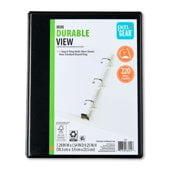
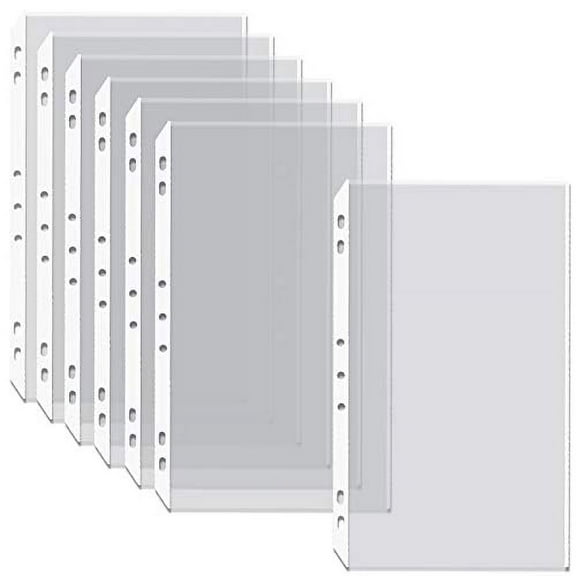
You should also confirm ring compatibility before you organize a full binder. You may need 3-ring binder pockets for standard binders, while 11-hole or multi-hole binder sleeves can suit planners and specialty organizers.
Your loading style changes how you insert pages and how often you remove them. You can pick top loading for simple filing, or choose side loading when you want pages to stay aligned during frequent binder movement.
Using plastic page protectors in everyday settings
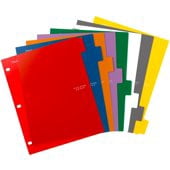
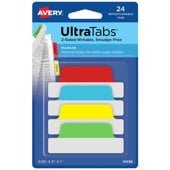
Your school binders can stay more organized when syllabi, reading lists, and worksheets each have their own sleeve. You can separate subject sections with sheet dividers and keep key pages visible at the front.
In your office, plastic sleeves for binders can hold training sheets, process guides, price lists, and sign-in forms. You can build cleaner presentation books when each page stays smooth and easy to replace.
Your home files can also benefit when recipes, tax records, warranties, or kids' artwork need tidy storage. You may want binder sleeves for family records that stay handled often but still need a polished look.
For archival projects, you should check acid-free details before storing photos, certificates, or historical papers. You can pair the right sleeves with binders and general office supplies to create a filing system that stays easy to maintain.
Your choice becomes simpler when you match finish, thickness, size, ring pattern, and loading style to the way you file documents. You can keep pages cleaner, easier to read, and ready for everyday organization.