














Binder Cost & Binders for School and Office | Walmart
















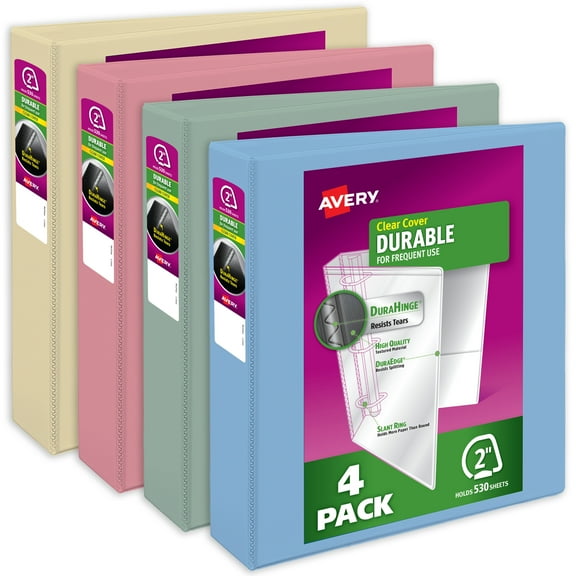
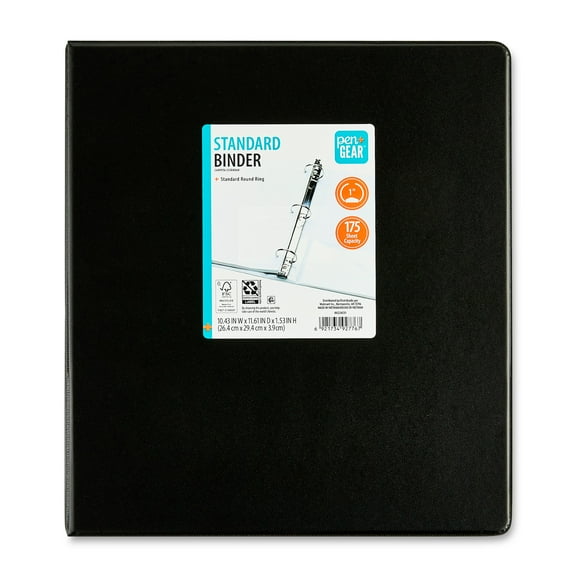


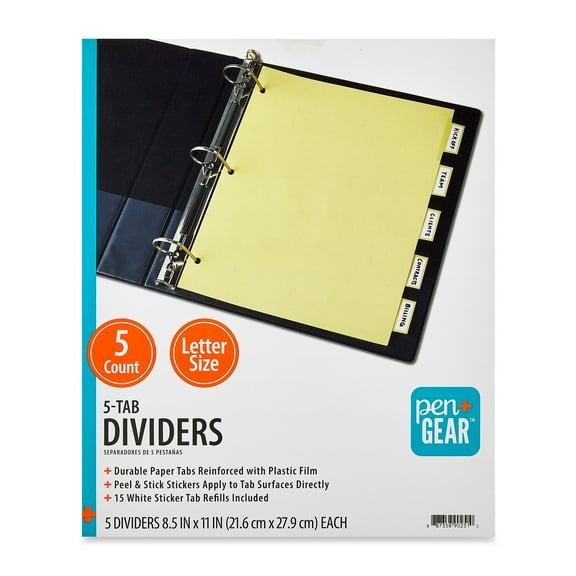
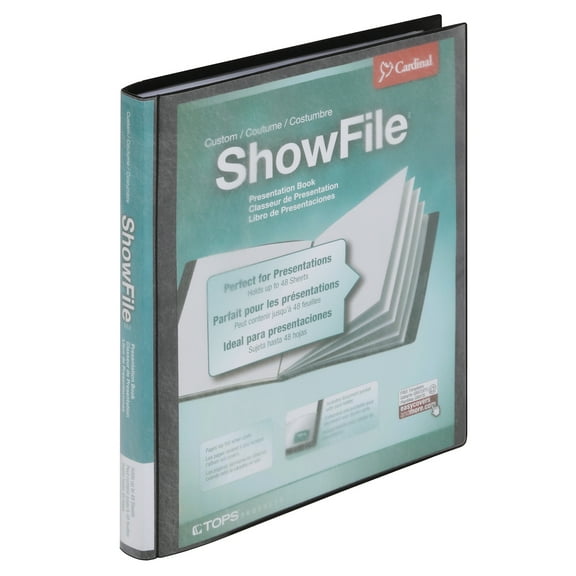














About Binder Cost & Binders for School and Office | Walmart - Walmart.com
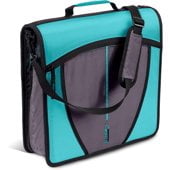
With binders and accessories, you can keep class notes, office records, and project pages sorted in one place. You can compare ring size, ring type, durability, and inserts, so your setup fits daily paper volume and filing habits.
How to choose binders and accessories by size
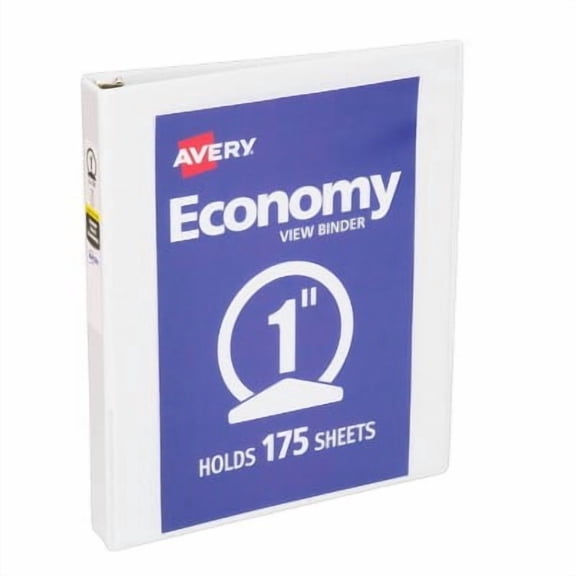
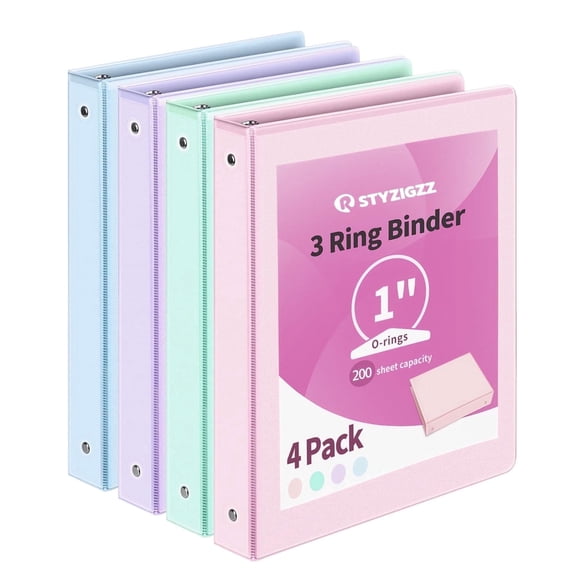
When you compare 3 ring binders, you should start with ring size because capacity changes quickly. You can use 1 inch for lighter stacks, while larger rings hold thicker sets of handouts.
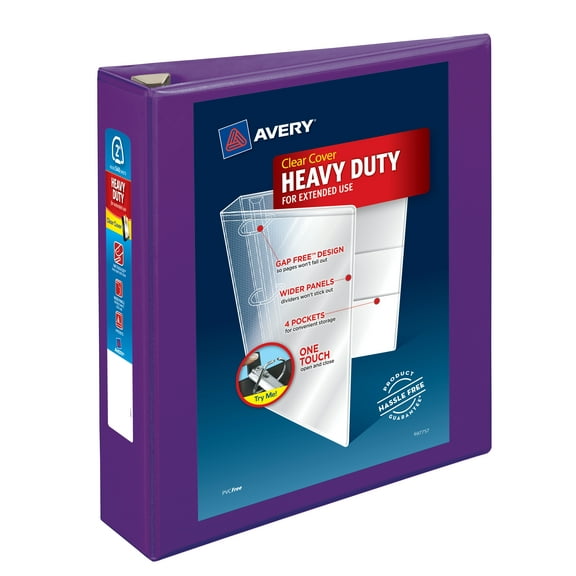
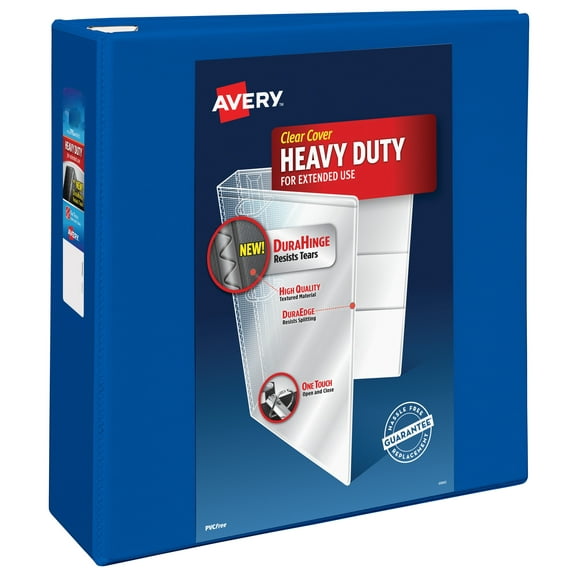
If you carry notes between classes, you may prefer 1.5 inch or 2 inch options for balanced storage. If you archive long projects, you may need 3 inch sizes for bigger sheet counts.
You should also check how full your pages feel once you add tabs and plastic sleeves for binders. You’ll often need extra room because dividers and sheet protectors increase thickness inside the rings.
- You can choose smaller ring sizes for daily class notes and shorter packets.
- You can choose mid-range sizes when your binder needs room for tabs, calendars, and pockets.
- You can choose larger capacities when your paperwork stays in one spot for reference.
- You can match your binder size to your shelf space, backpack room, and filing routine.
Choosing ring type and binder layout
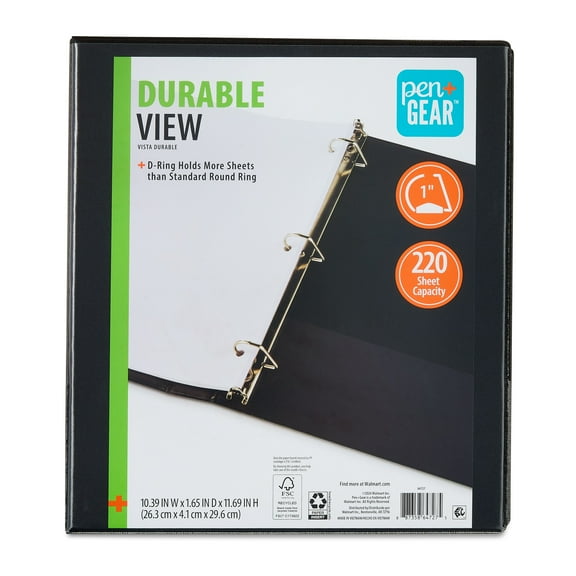
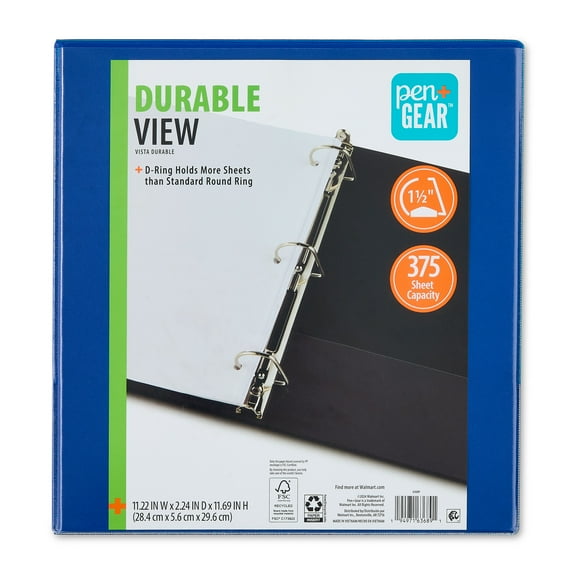
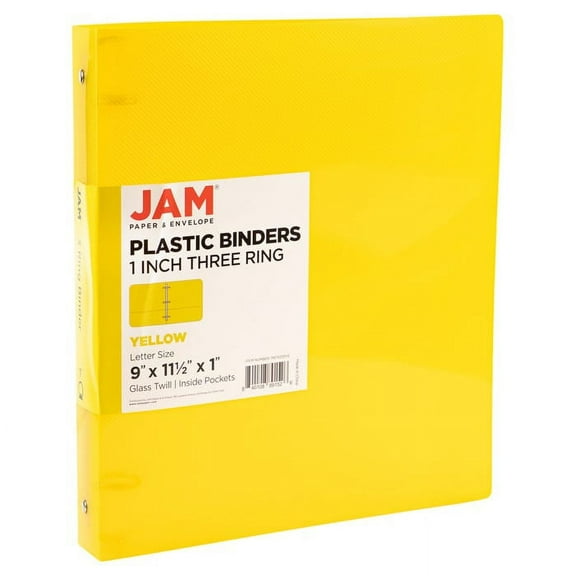
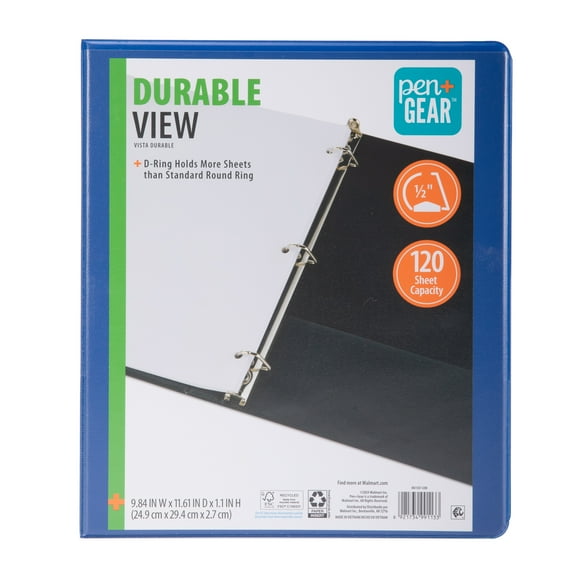
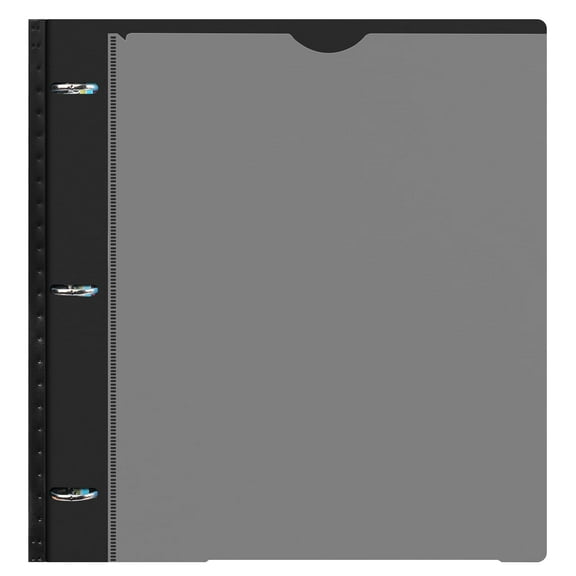
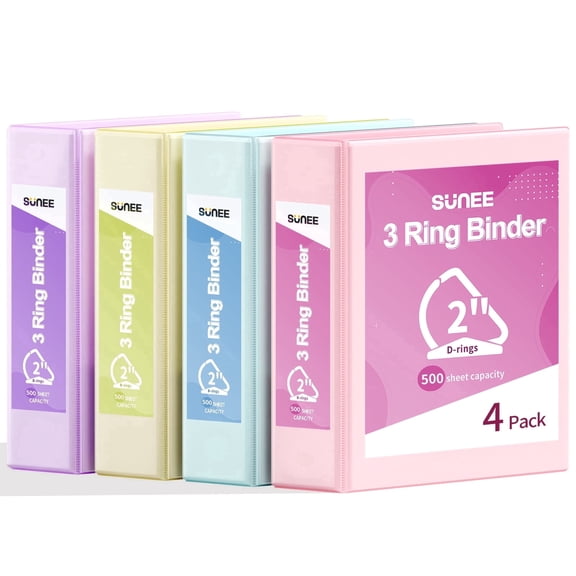
You should compare D-Ring, round ring, and slant ring styles before you decide on capacity. You’ll notice that ring shape affects page turning, stack alignment, and usable interior space.
If you want pages to sit flatter, you may like D-Ring styles for cleaner stacking. If you want a familiar classroom format, you may choose round ring designs for simple everyday use.
You can also look at slant ring options when you want a shape between common formats. You should check whether your inserts match standard three-hole spacing for easy loading.
When you add binder dividers, sheet protectors, or binder pockets, you should confirm standard 3-ring compatibility. You’ll get smoother page turns when hole spacing and outer dimensions match your binder format.
Choosing durability for school, office, and presentation use
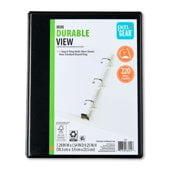
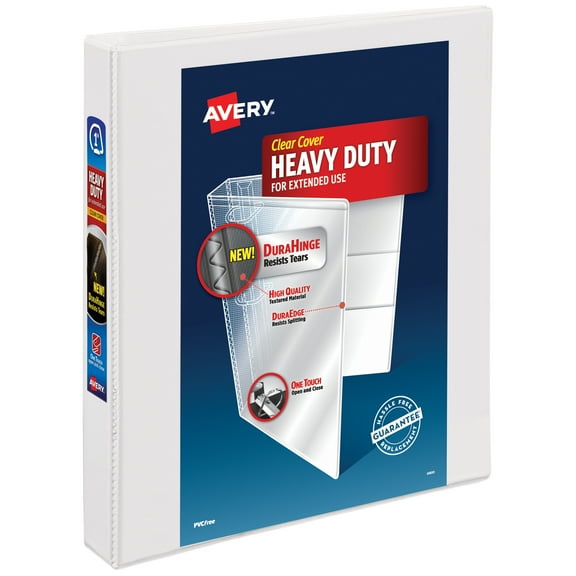
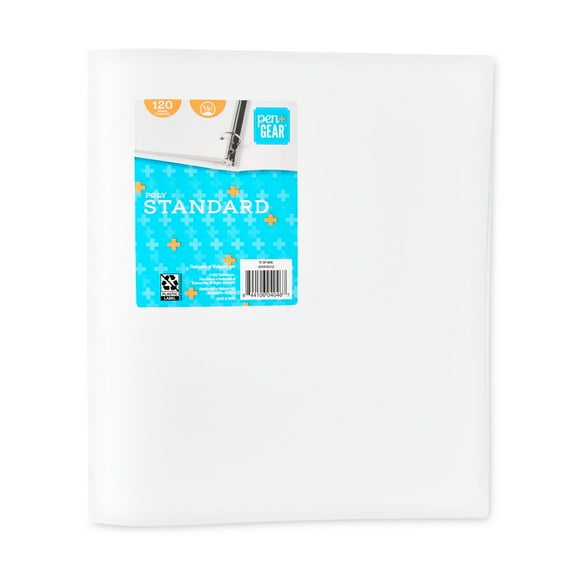
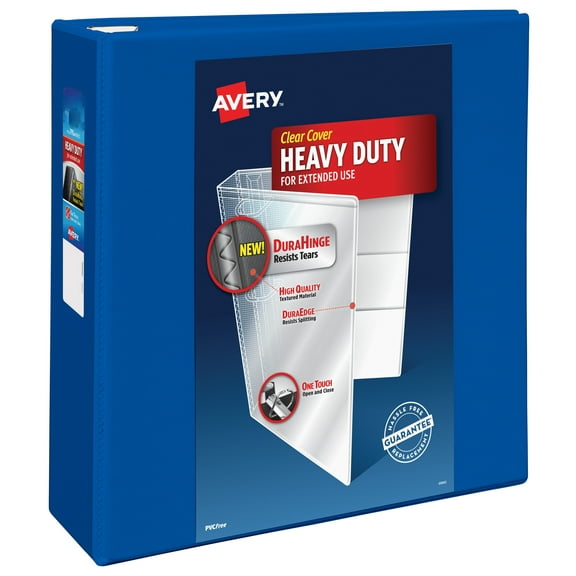
You should pick durability based on how often your binder moves from desk to bag. You may want standard styles for light rotation, while heavy duty binders suit repeated handling.
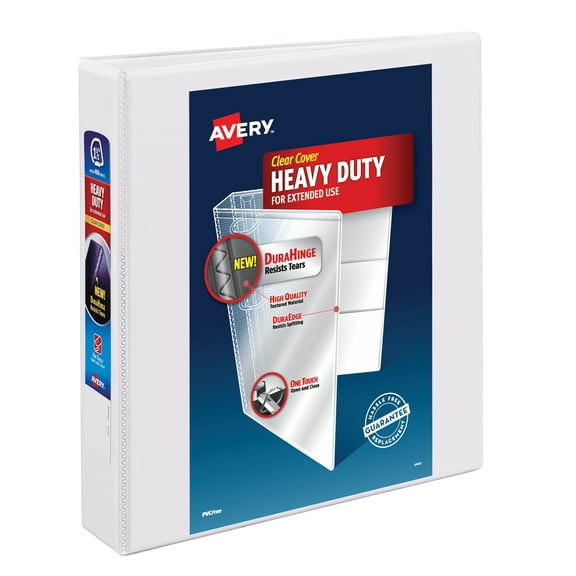
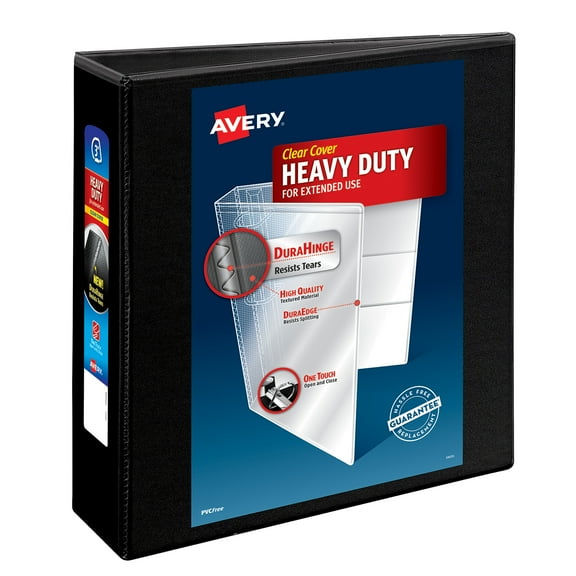
If your pages travel through hallways, meetings, or shared workstations, you should consider reinforced covers and sturdier edges. You’ll usually notice these builds hold shape longer during frequent opening and closing.
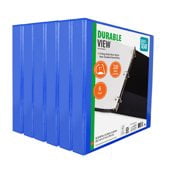
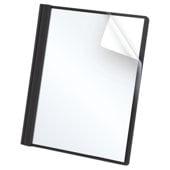
You can choose presentation formats when your binder needs a cleaner front view for reports. You may prefer that style when title inserts and polished organization matter more than rough daily carry.
Material matters too, so you should compare vinyl, plastic, and paperboard constructions. You’ll often find vinyl and plastic easier to wipe clean, while paperboard can feel lighter for short-term projects.
Choosing accessories that keep pages organized
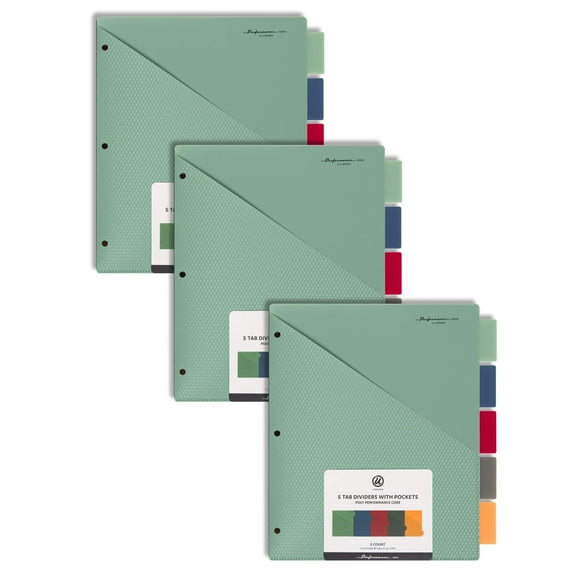
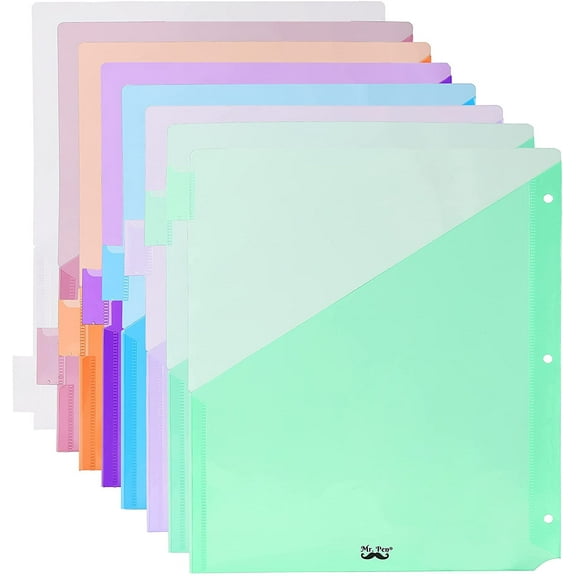
You can build a more useful filing system when you pair binders and accessories thoughtfully. You should compare dividers, sheet protectors, and pockets by how you sort, view, and store pages.
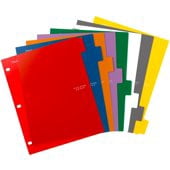
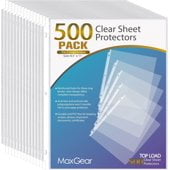
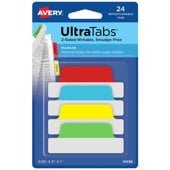
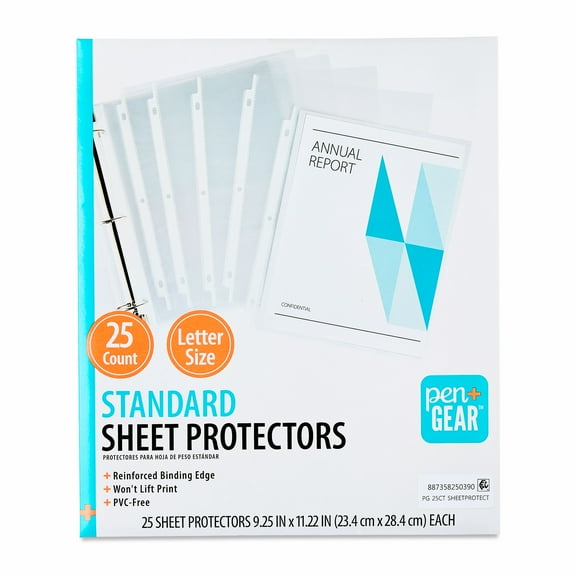
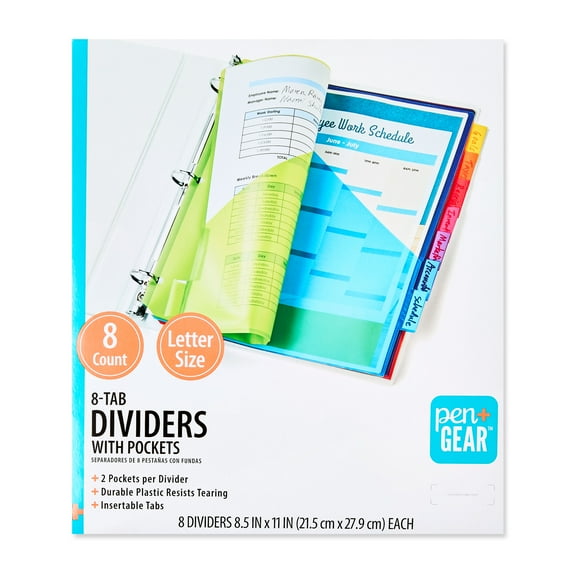
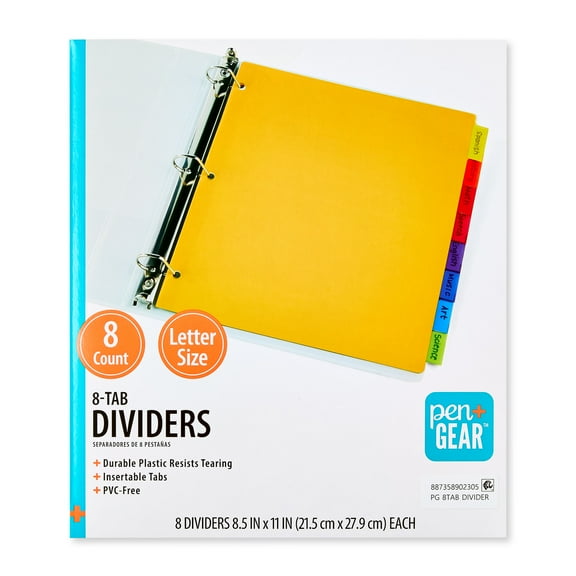
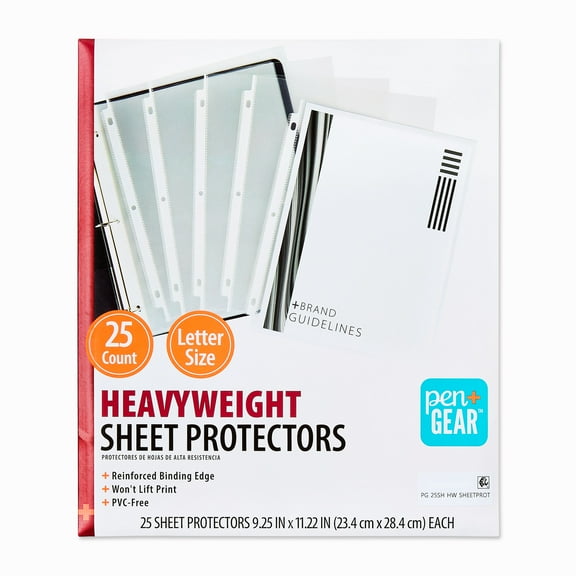
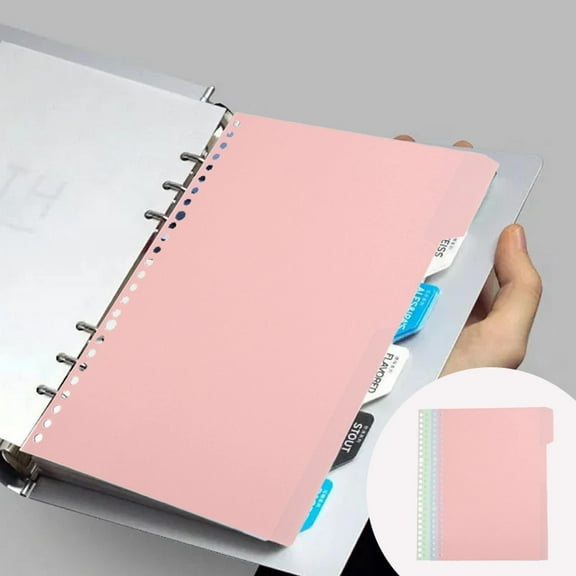
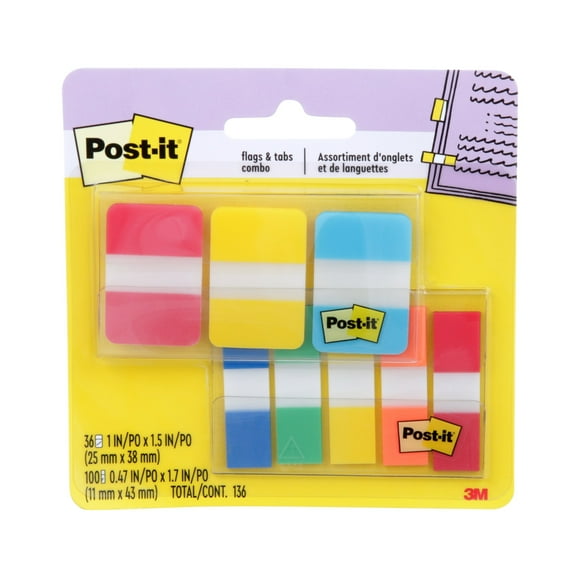
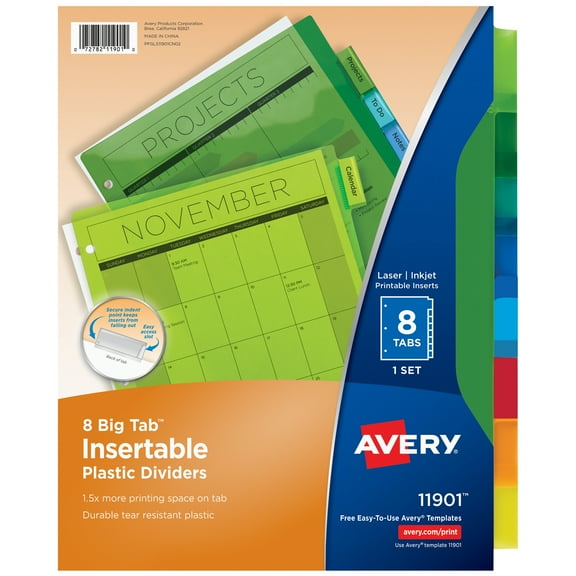
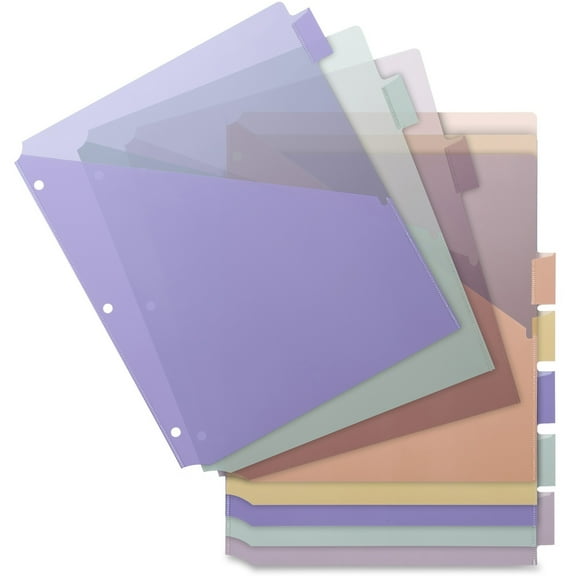
If you separate subjects or departments, you may want binder dividers with labeled tabs. If you handle sign-out sheets or reference pages, you may want sheet protectors for quick visibility.
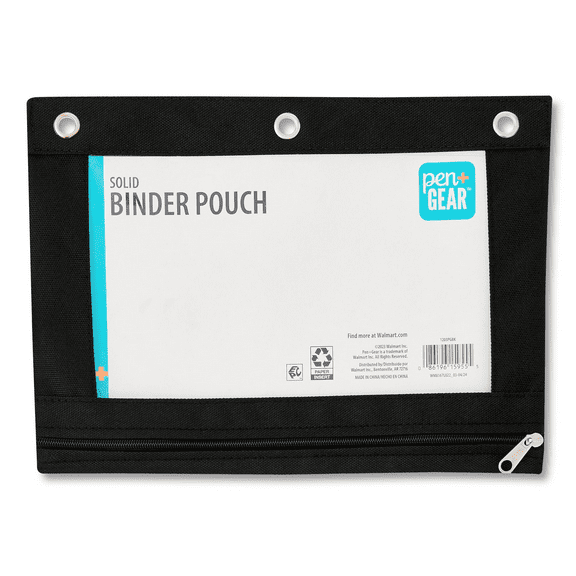
You can use binder pockets for loose handouts, receipts, or forms that don’t belong on rings. You should check pocket placement and hole spacing, so everything fits standard 3 ring binders.
Plastic sleeves for binders can help you keep title pages, schedules, and frequently viewed sheets visible. You’ll appreciate that format when you need to flip quickly without reshuffling your stack.
Matching binders and accessories to real routines
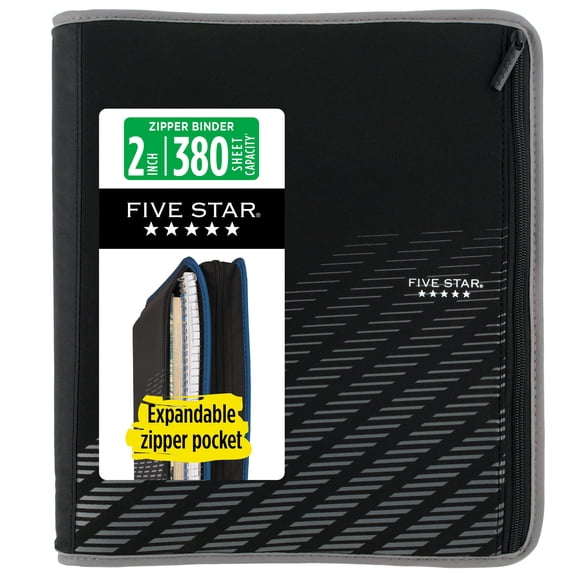
For school binders, you may combine a 1.5 inch or 2 inch binder with dividers and a front pocket. You can sort each subject clearly and keep loose homework in one spot.
For back to school binders, you may want standard durability and paper organizers that support changing class schedules. You should leave extra room for added handouts, planners, and plastic sleeves for binders.
If you manage office forms, you may prefer D-Ring styles with sheet protectors for cleaner page turning. You can separate training packets, policies, and reference sheets with tabbed sections.
For presentations or client packets, you may choose a polished cover with carefully arranged inserts and binder pockets. You’ll create a neater layout when every section loads into the same standard ring format.
When you archive recipes, household records, or hobby printables, you should focus on capacity and easy labeling. You can keep pages readable, protected, and easier to retrieve when sections stay clearly divided.
You can shop with more confidence when you understand ring size, ring shape, durability, and accessory fit. You’ll create a binder setup that keeps papers organized, accessible, and easier to manage every day.