

Zinsser in Home Improvement Shop by Brand





















About Zinsser in Home Improvement Shop by Brand - Walmart.com
Zinsser helps you prep surfaces with primers, sealers, and specialty coatings built for demanding paint projects. You can compare base types, application areas, and surface needs to choose the right fit faster.
If you're repainting glossy trim, sealing stained drywall, or refreshing exterior wood, you need clear guidance before you start. You can use this guide to understand what separates zinsser primer options and related coatings.
Choosing the right zinsser primer
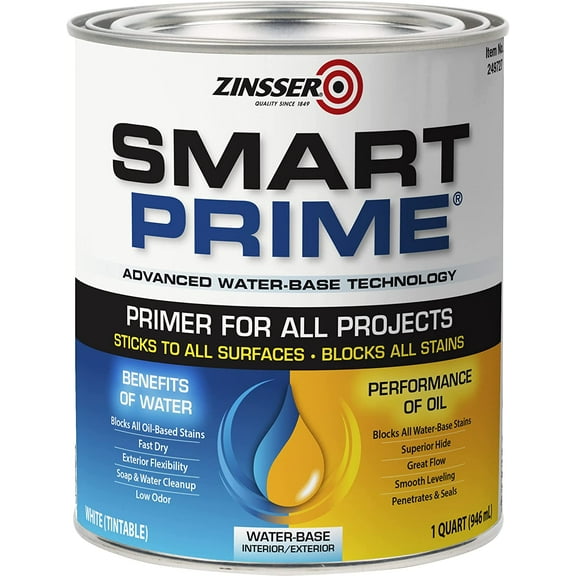
When you compare primer base types, you should start with the surface and the finish you want next. You can usually choose water-based, oil-based, or shellac-based formulas for different prep goals.
If you want easier cleanup and broad household use, you may prefer water-based options for drywall, plaster, and many painted surfaces. If you need stronger stain blocking, you may compare oil-based or shellac-based choices more closely.
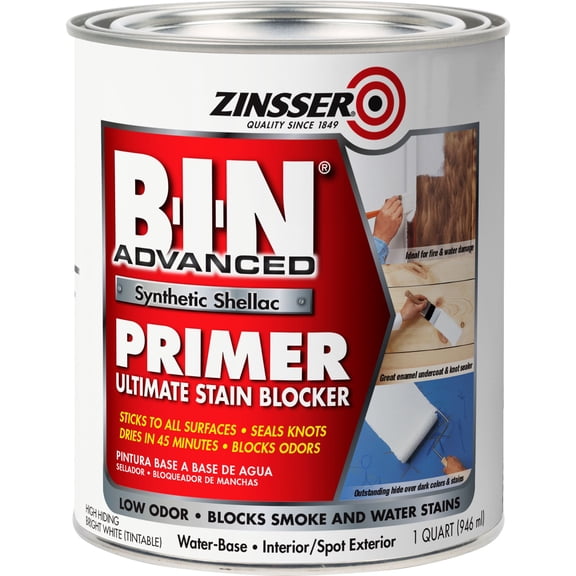
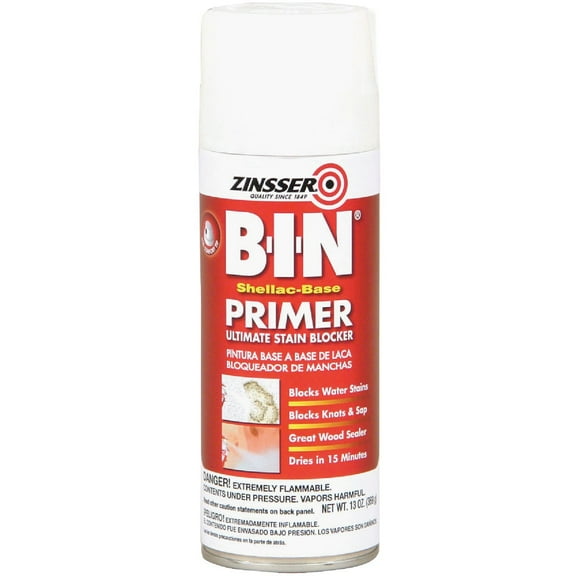
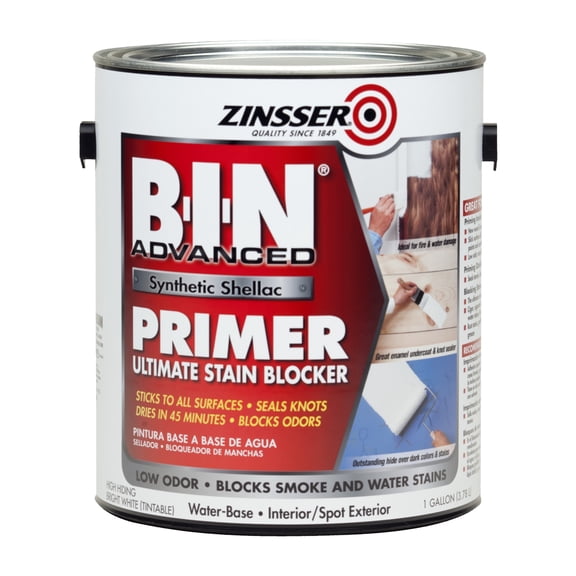
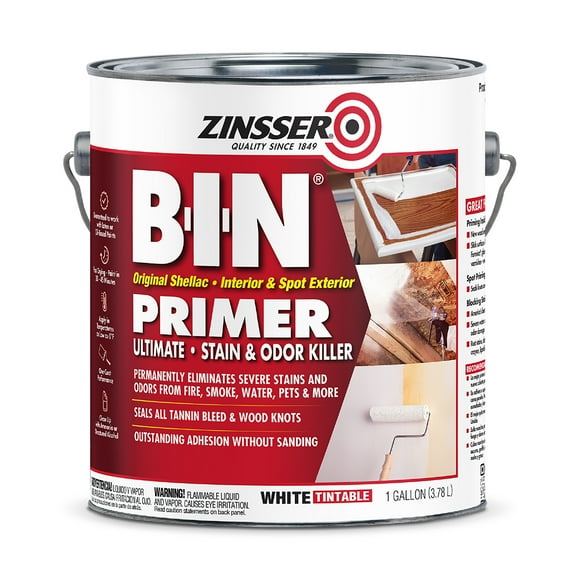
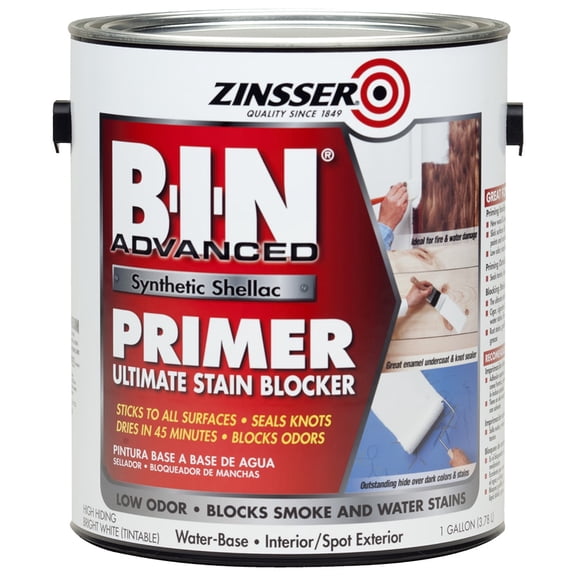
Shellac-based formulas often matter when you need to seal intense stains or lingering odors before painting. You can look to zinsser bin primer when your project calls for fast dry time and tight sealing.
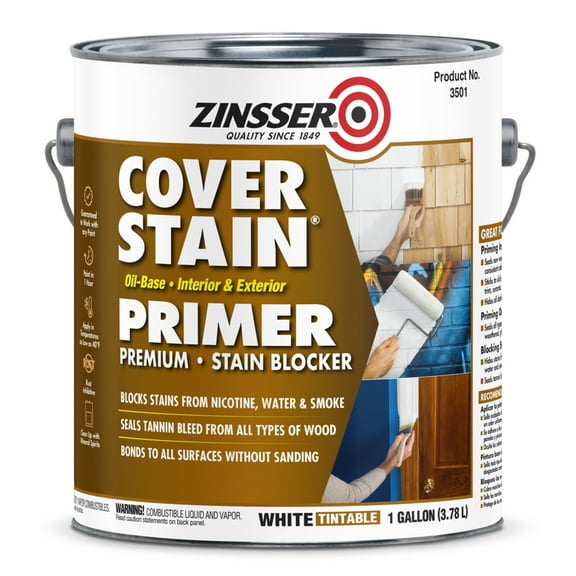
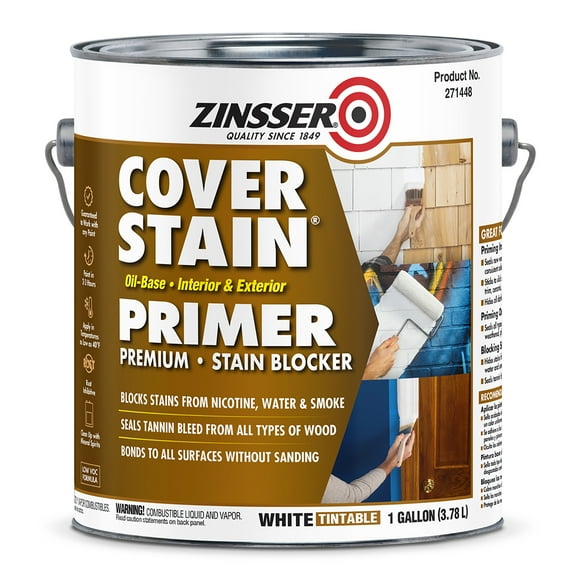
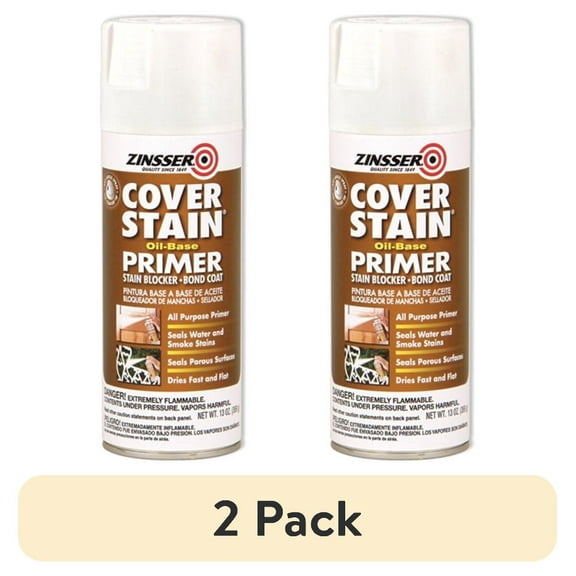
Oil-based choices often help when you want strong sealing on woodwork, trim, and surfaces with stubborn marks. You can compare them with zinsser cover stain when you need interior or exterior flexibility.
- You can use water-based primer when you want simple cleanup and dependable adhesion on many common surfaces.
- You can choose oil-based primer when your project needs strong stain blocking and broad interior or exterior use.
- You can consider shellac-based primer when you need fast sealing for odors, knots, ink, or heavy bleed-through.
- You can check the label for topcoat compatibility so your paint bonds cleanly over the prepared surface.
How to compare surface compatibility and adhesion
Before you paint, you should check whether your surface is drywall, wood, plaster, masonry, or a glossy finish. You can narrow your choice quickly because each surface handles prep and bonding differently.
If you're painting over glossy cabinets, doors, or trim, you may want a high-adhesion formula that grips slick surfaces. You can often reduce extra prep when the primer is designed to bond without heavy sanding.
For new drywall or patched walls, you should look for even coverage and a smooth base under your topcoat. You can help your paint color look more uniform when the primer creates a consistent starting surface.
On masonry, exterior siding, or weather-exposed trim, you should compare whether a formula is labeled for exterior or universal use. You can avoid guesswork by matching the product to the location first.
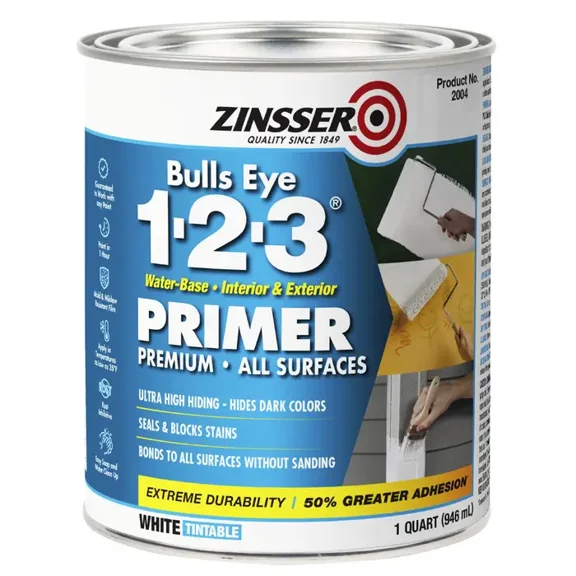
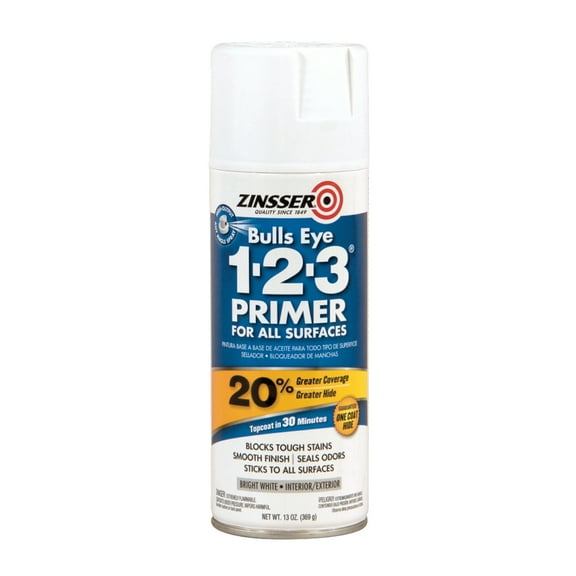
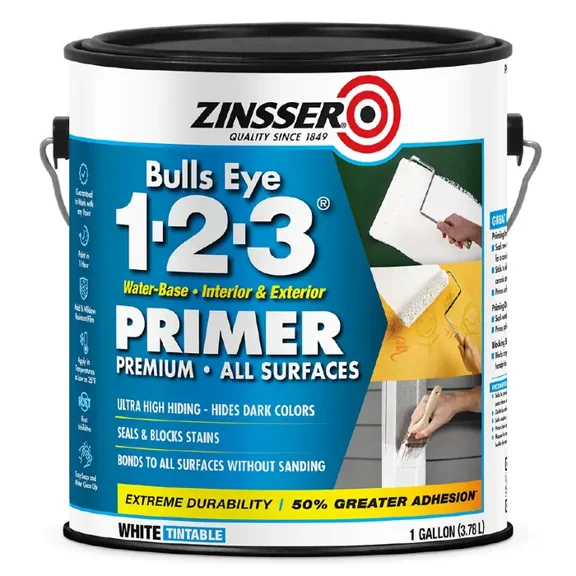
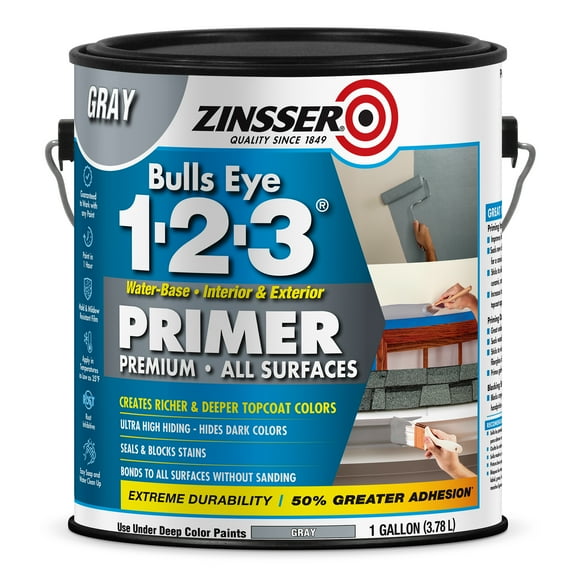
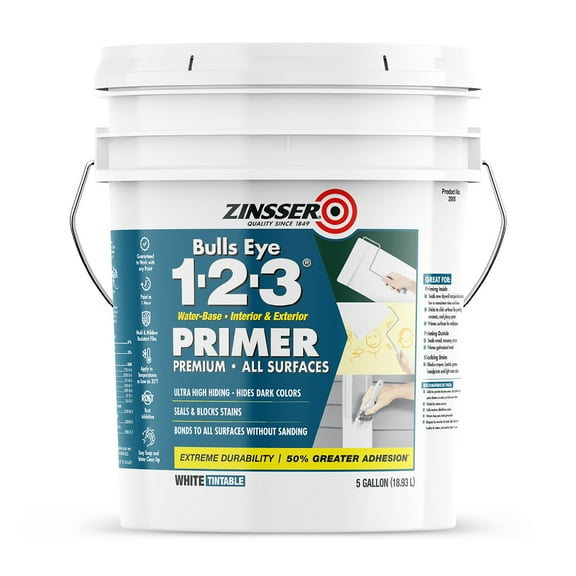
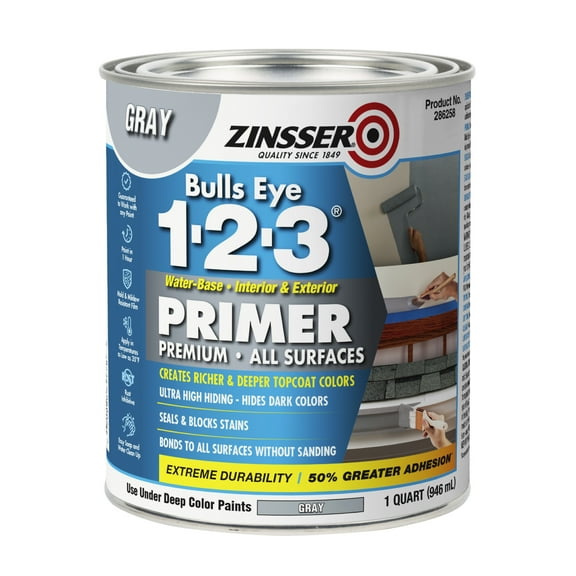
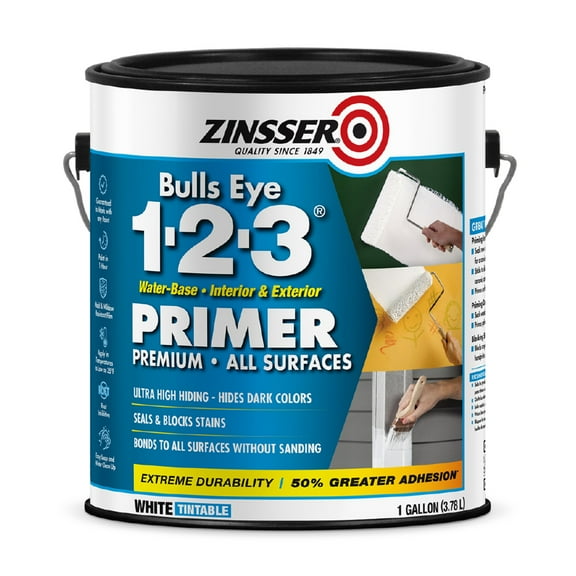
If you're considering zinsser bulls eye 123, you may notice shoppers often use it for broad surface compatibility. You can keep projects moving when one primer works across drywall, wood, plaster, and glossy areas.
Choosing interior, exterior, and universal coatings
You should decide where the project lives before you focus on color or finish. You can prevent rework when you match the primer or sealer to interior, exterior, or universal application areas.
Interior projects often center on room refreshes, trim updates, cabinets, and repaired wall sections. You can prioritize smooth coverage, stain blocking, and topcoat readiness for these spaces.
Exterior work usually asks more from your prep coat because surfaces face sun, moisture, and seasonal swings. You can compare labels carefully when you need durable adhesion on siding, doors, railings, or outdoor wood.
Universal options can help if your to-do list spans more than one room or material. You can simplify planning when one product supports several surfaces and more than one project area.
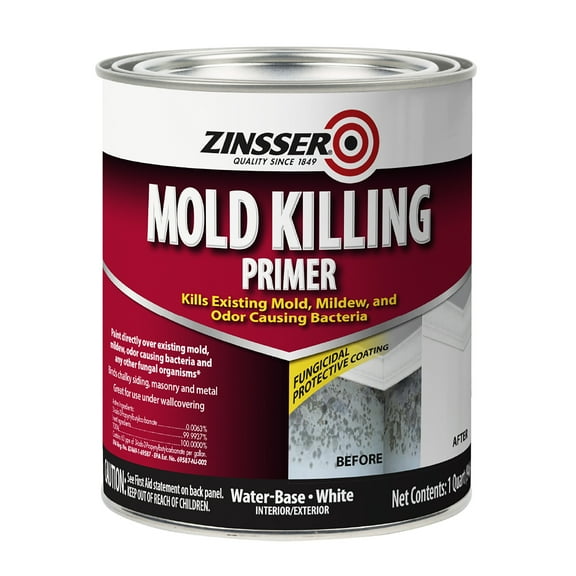
If you're also reviewing specialty products like zinsser mold killer or wallpaper remover, you should match them to the exact prep step. You can keep the job organized by using each coating for its intended stage.
What to look for in stain blocking and odor sealing
You should identify what needs covering before you choose a formula. You can get closer to a clean finish when you match the primer to water marks, smoke residue, tannin bleed, ink, or wood knots.
Stain blocking matters when discoloration could show through your paint after the wall or trim dries. You can compare stronger sealing formulas when ordinary prep coats may not cover old marks fully.
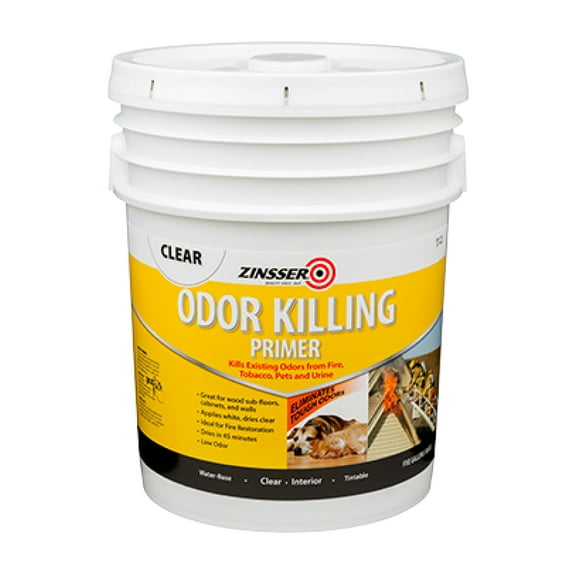
Odor sealing becomes important when you're updating enclosed rooms, older trim, or previously finished surfaces. You can look for formulas designed to lock in the surface below before your topcoat goes on.
If you're comparing zinsser bulls eye 123, zinsser cover stain, and shellac-based options, you should think about the source of the problem first. You can then choose according to stain severity, surface type, and cleanup preference.
You should also check your topcoat paint type before you begin. You can make application smoother when your primer and paint are labeled to work together on the same surface.
How you can match Zinsser options to real projects
If you're repainting kitchen cabinets, you may want strong adhesion on slick surfaces and a smooth base coat. You can compare universal primers that help painted or glossy finishes accept a new topcoat.
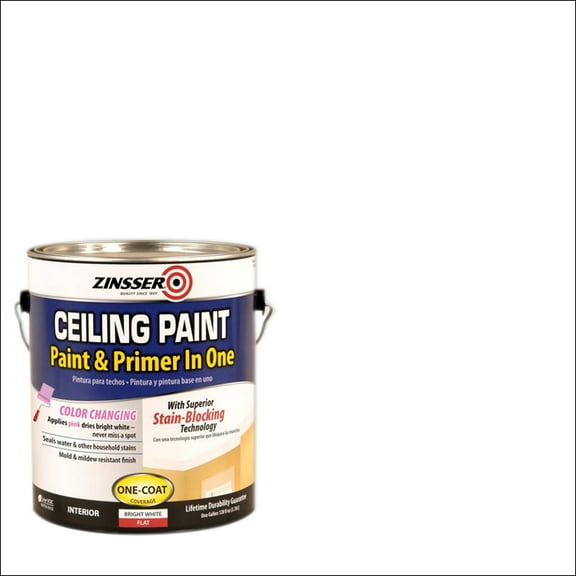
When you're covering stained ceilings or marked trim, you may need extra stain blocking before color goes up. You can review shellac-based or oil-based options if bleed-through is the main concern.
For exterior shutters, doors, or wood trim, you should confirm that the formula supports outdoor exposure. You can keep the finish more consistent when the primer matches both the material and the location.
If you're removing old wallcovering first, you may pair surface prep with zinsser wallpaper remover before priming. You can create a cleaner paint-ready wall when you handle each prep step in order.
You can feel more confident choosing Zinsser when you compare base type, surface compatibility, and blocking strength before painting. Your finished coat is more likely to look even, adhere cleanly, and stay consistent from the first brushstroke.