

Zinsser Primers in Zinsser
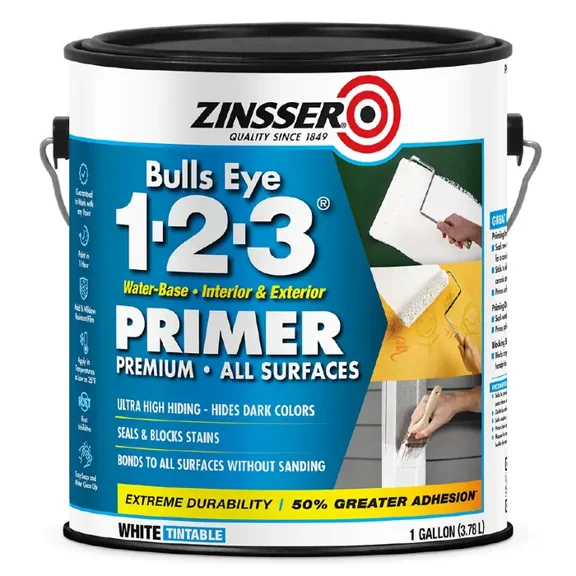

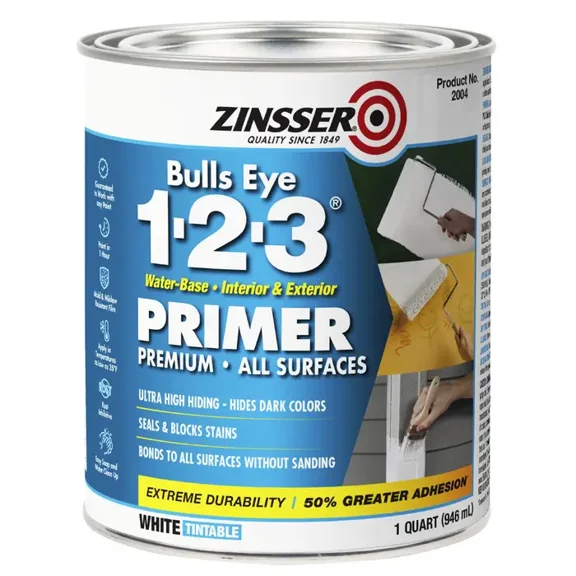
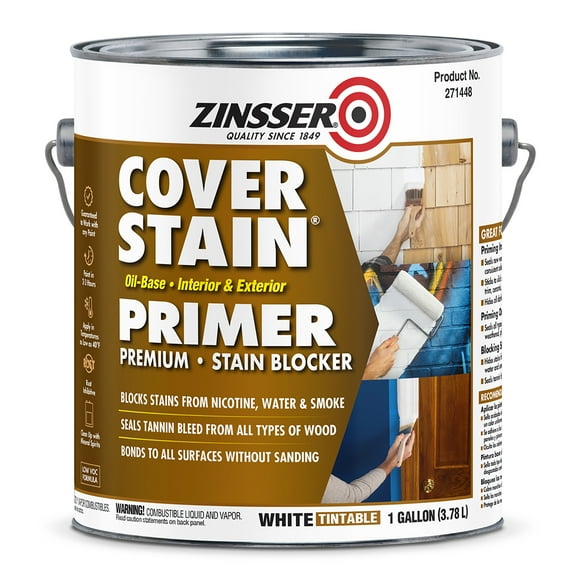

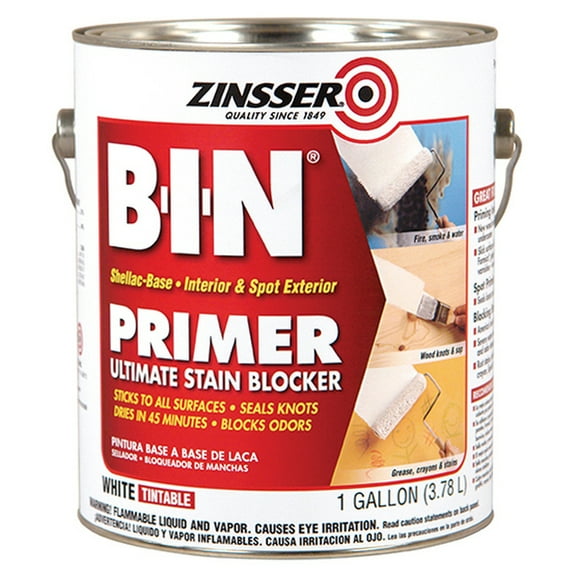

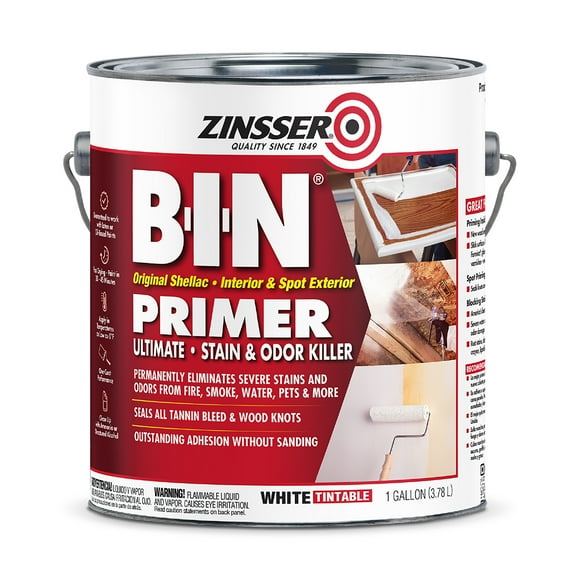

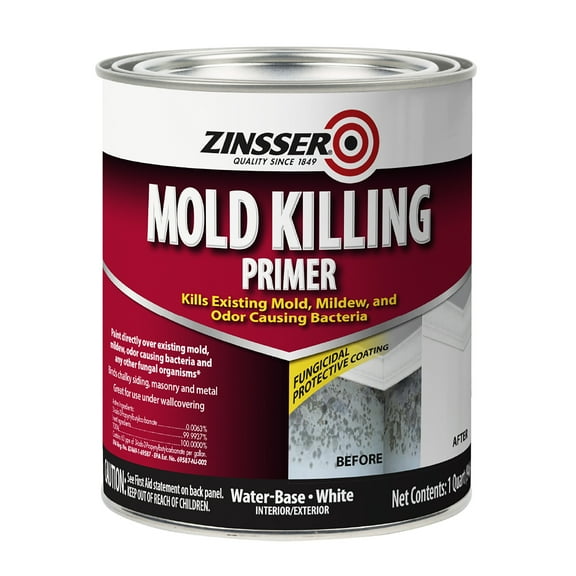
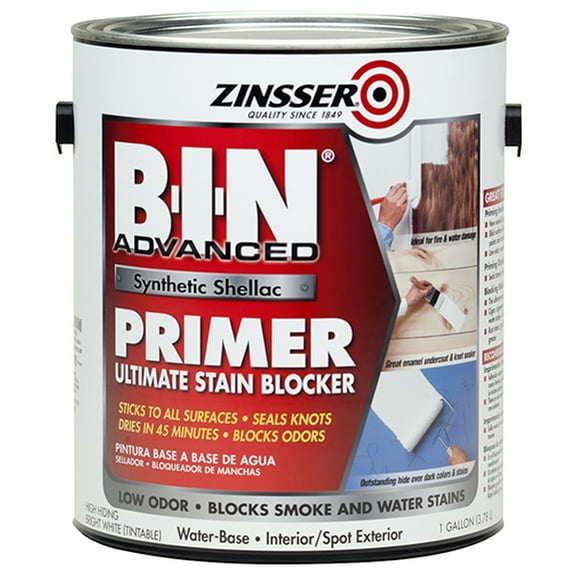


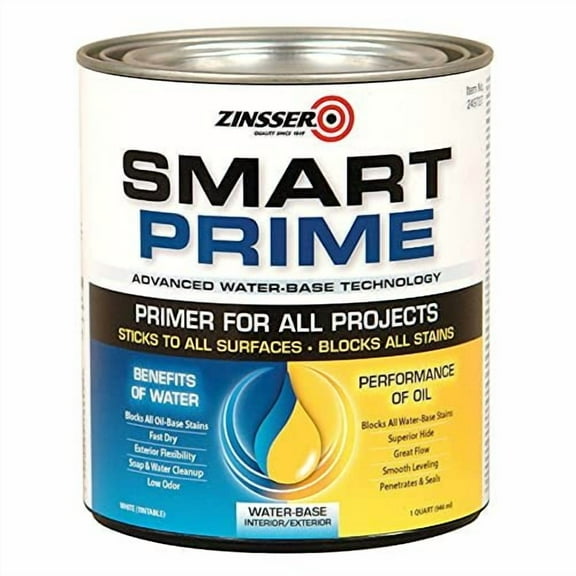








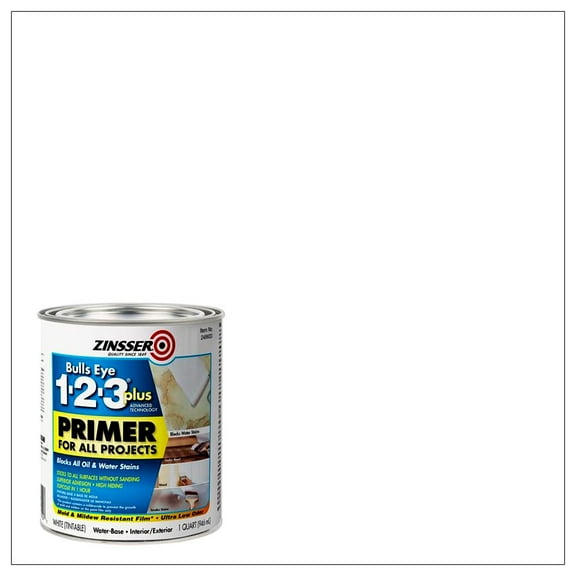


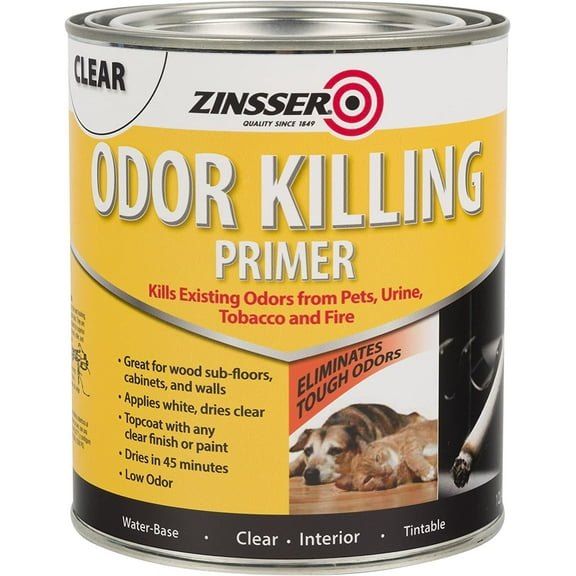

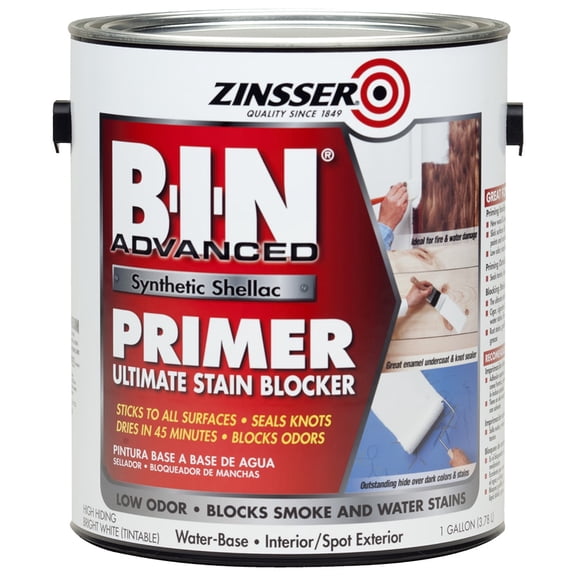
About Zinsser Primers in Zinsser - Walmart.com
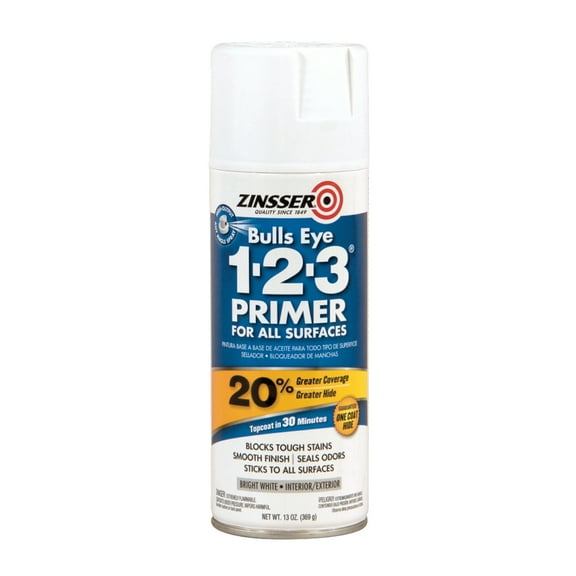
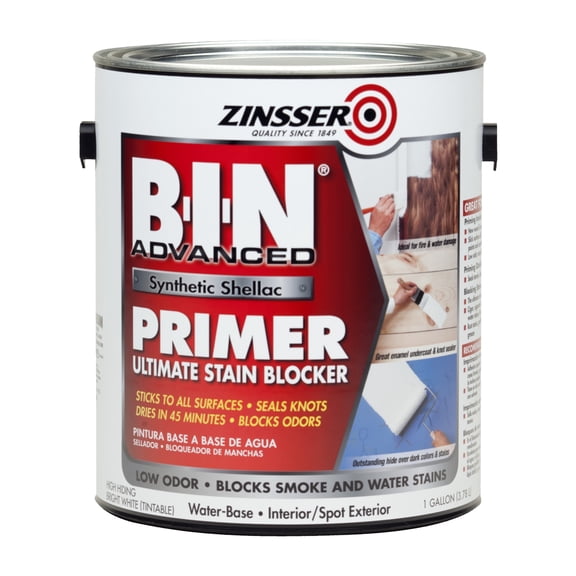
Zinsser primer options help you prep wood, drywall, metal, and masonry with clear choices for base type, sealing power, and color compatibility. You can compare water-based, oil-based, and shellac-based formulas to match indoor touch-ups, full room repaints, and exterior refreshes.
If you're updating trim, covering patched walls, or repainting glossy cabinets, you need the right primer before color goes on. You can use this guide to understand which formula fits your surface, your cleanup preference, and your project pace.
Choosing the right zinsser primer
When you compare a zinsser primer, you should start with what you're painting and how quickly you want to move. You can often choose water-based formulas for easier cleanup, while heavier sealing needs may point you elsewhere.
For indoor walls and general prep, you may prefer a primer that rolls on smoothly and dries fast between coats. If your project includes knots, older stains, or strong household odors, you may want a stronger sealing formula.
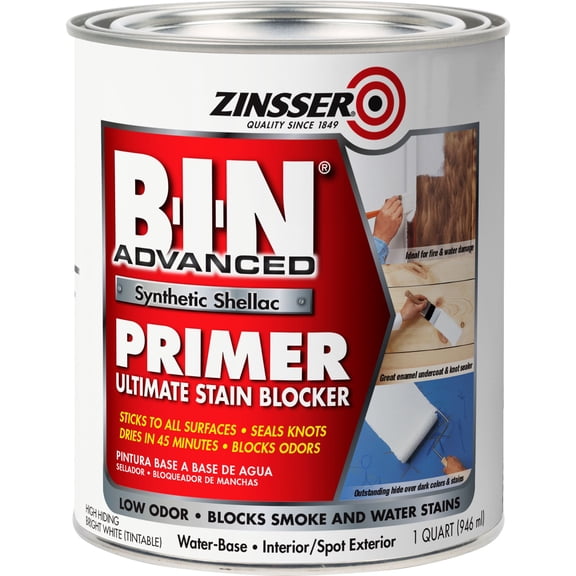
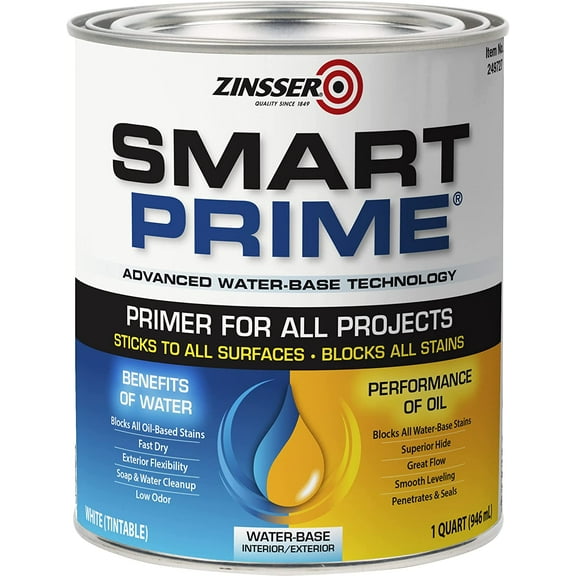
- You can use water-based primer for wood when you want easier soap-and-water cleanup.
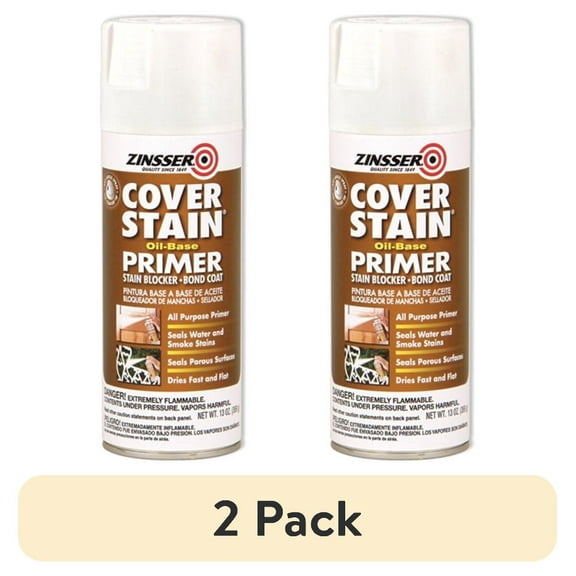
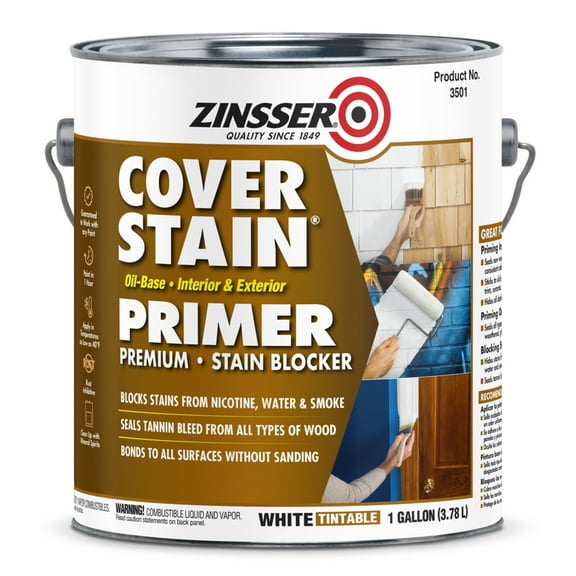
- You can choose oil-based options when you need heavier stain-blocking on demanding surfaces.
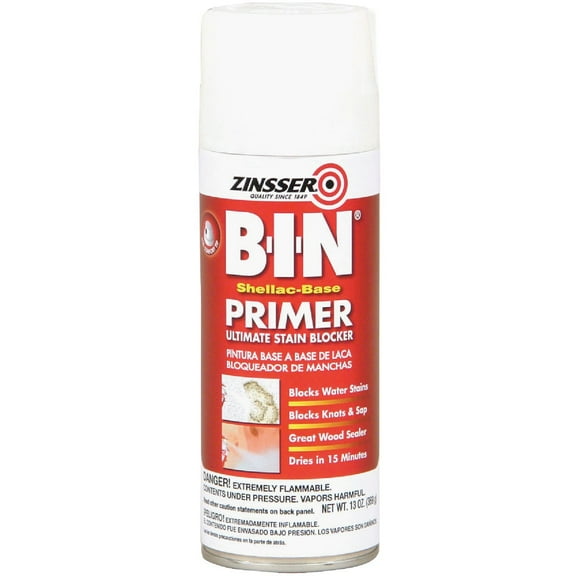
- You can reach for shellac-based formulas when you want fast dry time and strong sealing performance.
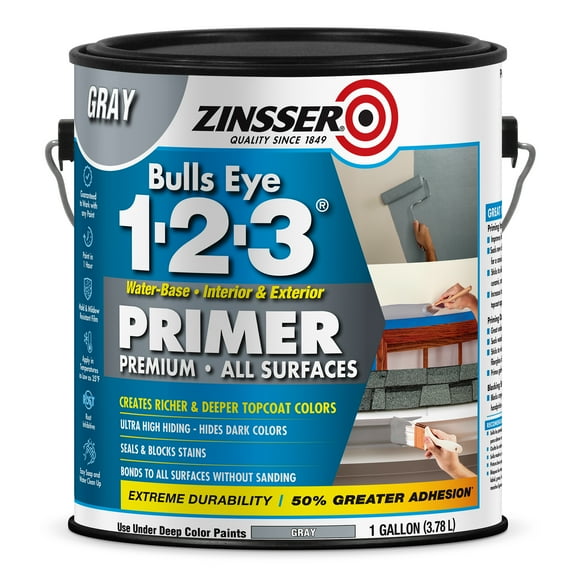
- You can pick white, gray, or tintable options to support your final paint color.
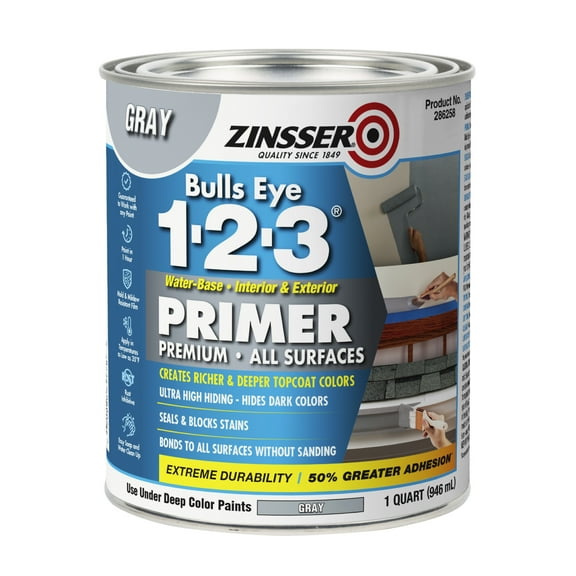
If you're painting over dark colors, you may find gray or tintable primer helps your finish color look more consistent. When you're planning lighter shades, white primer can help you start with a bright base.
Choosing the right water based primer for wood and drywall
If you're comparing a water based primer for wood, you should look at the surface texture and the finish you want. You can use water-based formulas on trim, doors, and bare wood when you want easier cleanup.
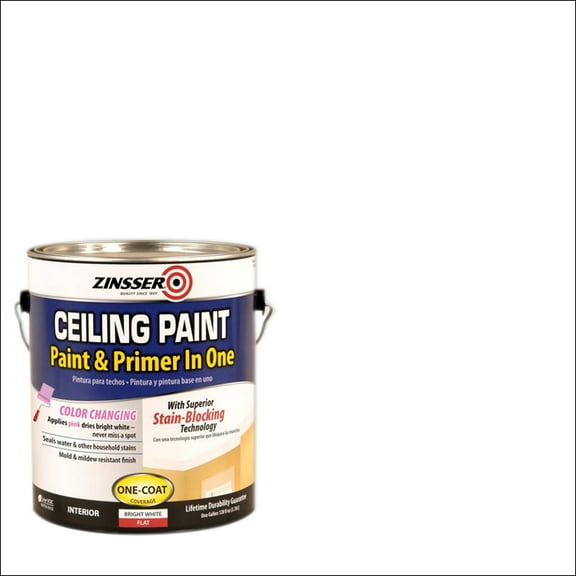
On drywall, you may want a primer that helps new patches blend with the surrounding wall before paint. You can also use it to create a more even starting surface on repaired seams and skim-coated areas.
When you're painting wood trim indoors, a water-based option can fit projects with quicker turnaround between prep and paint. If you're refreshing shelves, paneling, or baseboards, you may appreciate easier cleanup after brushing and rolling.
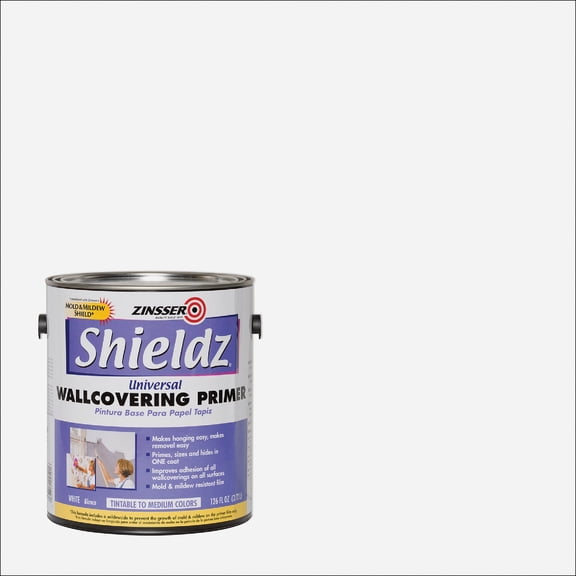
For glossy surfaces, you should check whether the label highlights high adhesion, since slick finishes need stronger grip. You can use that decision point when you're repainting cabinets, doors, or previously coated trim.
Comparing base type, function, and surface compatibility
If you're deciding between water-based, oil-based, and shellac-based formulas, you should match the base type to your project demands. You can think of water-based as simpler cleanup, oil-based as heavier-duty coverage, and shellac-based as fast sealing.
Surface compatibility matters because wood, drywall, metal, and masonry each accept primer differently. You should compare the product label with your surface before you start, especially if you're moving from interior walls to exterior masonry.
For metal, you may want a primer that supports adhesion before your finish coat goes on. On masonry, you should look for sealing support that helps you prep porous surfaces for a more even topcoat.
If your project includes stains, odor concerns, or mixed surfaces, a zinsser primer sealer can simplify your prep steps. You can use one formula to address sealing needs before you move to your finish color.
Functionality also shapes your choice, especially when you're balancing stain-blocking, odor-blocking, high-adhesion, and sealer needs. You should compare those terms as practical benefits for your exact room, surface, and repaint plan.
Zinsser primer sealer for color and project use
If you're choosing between white, gray, and tintable options, you should consider the paint color going over the top. You can use white under light shades, while gray can support deeper tones and help color look more even.
When you're matching zinsser paint colours or coordinating with custom paint choices, tintable primer can give you more flexibility. You should check whether your finish coat needs a lighter or darker base before you begin.
For indoor projects, you may focus on dry time, cleanup, and odor control in busy living spaces. For outdoor projects, you should look at the surface first, since siding, trim, and masonry each need the right prep.
If you're repainting a bedroom wall, patched drywall often benefits from a primer that creates a uniform base. When you're refinishing trim or doors, paint primer zinsser options can help you prep wood before color goes on.
On basement masonry, you may want sealing support before applying your finish coat. If you're coating railings or other metal pieces, you should choose a formula labeled for that surface.
You'll get more consistent paint results when your primer matches your base type, surface, functionality, and color plan. That means you can move into your finish coat with smoother coverage and fewer surprises.