

Electrical Testers for Home Improvement











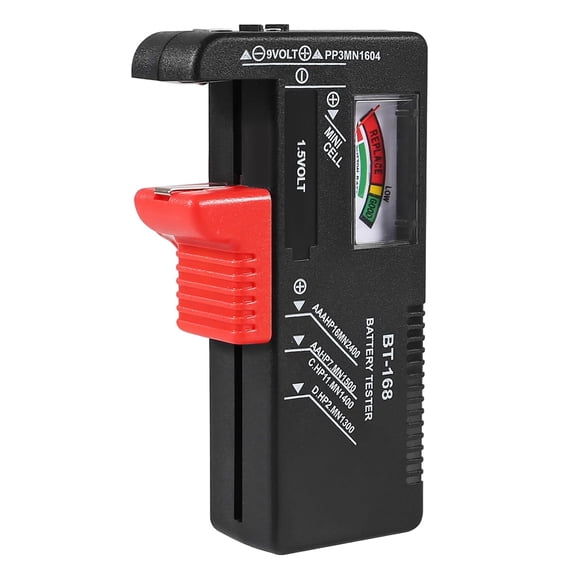
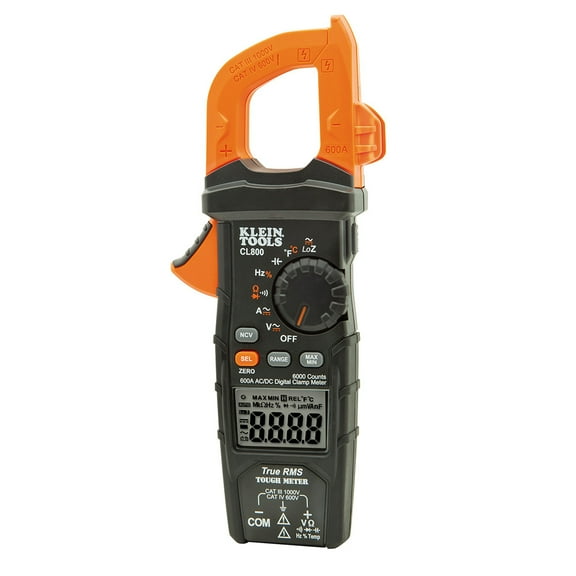
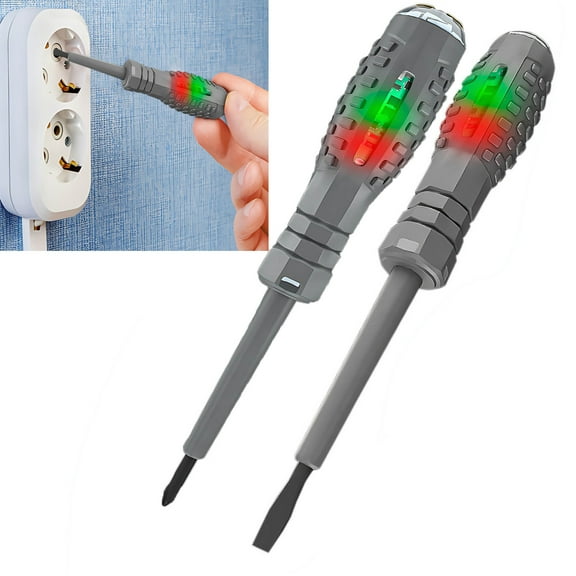


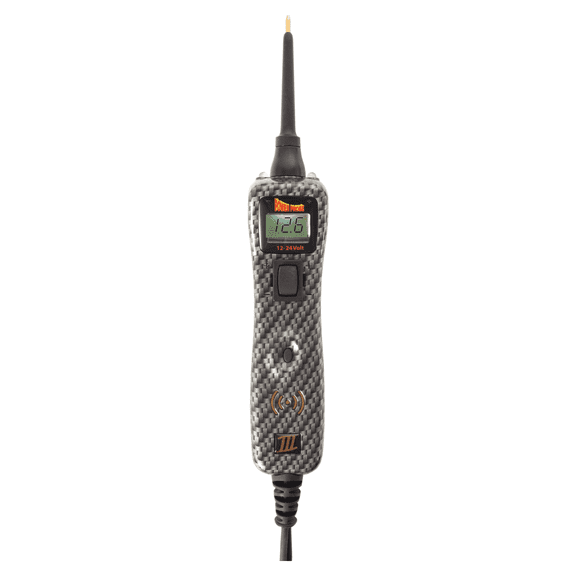



![Victron SmartShunt 500A/50MV IP65 Bluetooth Battery Monitor [SHU065150050]](https://i5.walmartimages.com/seo/Victron-SmartShunt-500A-50MV-IP65-Bluetooth-Battery-Monitor-SHU065150050_e83fa2b9-f70e-41f2-8439-8f282ef5f14b.165513c99ec2701853408eae0e5ee456.jpeg?odnHeight=576&odnWidth=576&odnBg=FFFFFF)


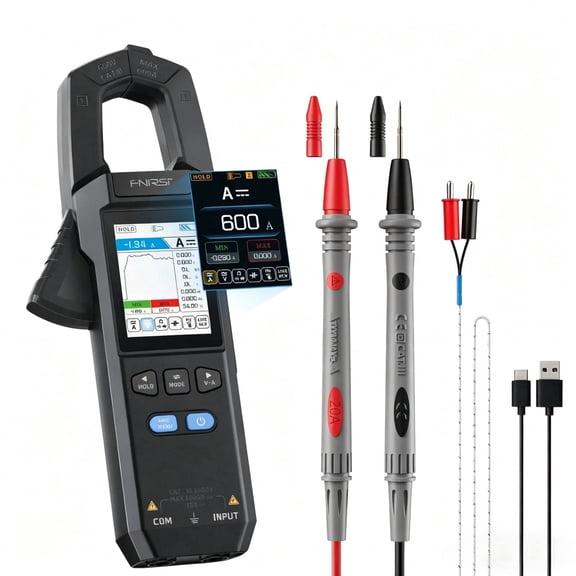

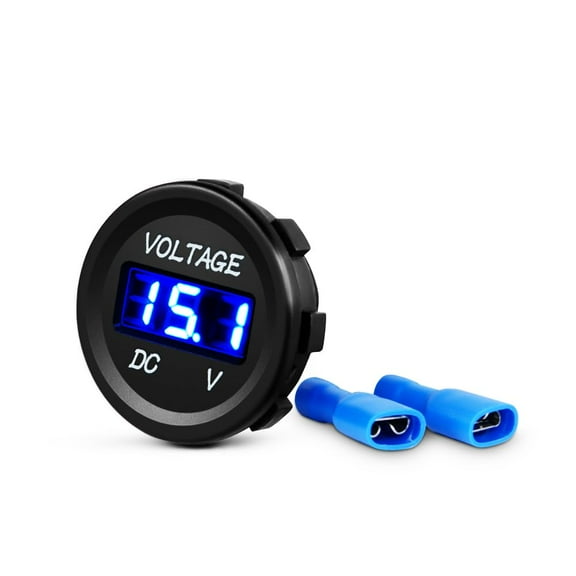


About Electrical Testers for Home Improvement - Walmart.com
Electrical testers help you check power, verify outlets, and compare readings before you start wiring tasks. You can choose simple detectors or detailed meters, depending on your project and the information you need.
Choosing electrical testers for your project
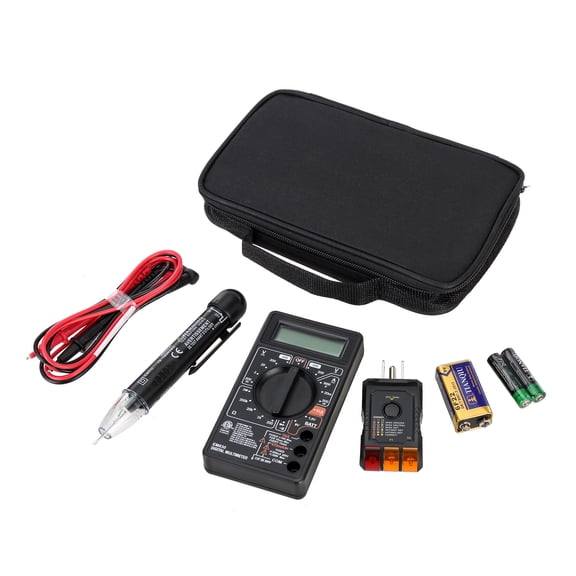
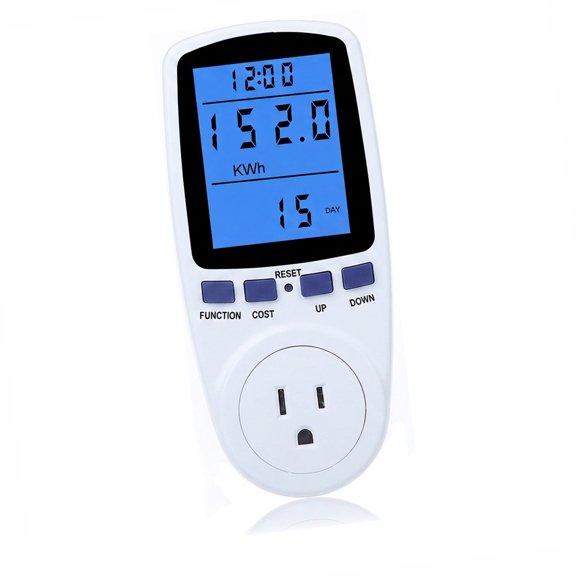
When you compare tester types, you can match the tool to the job instead of guessing. You’ll usually want voltage testers or outlet testers for quick household checks.
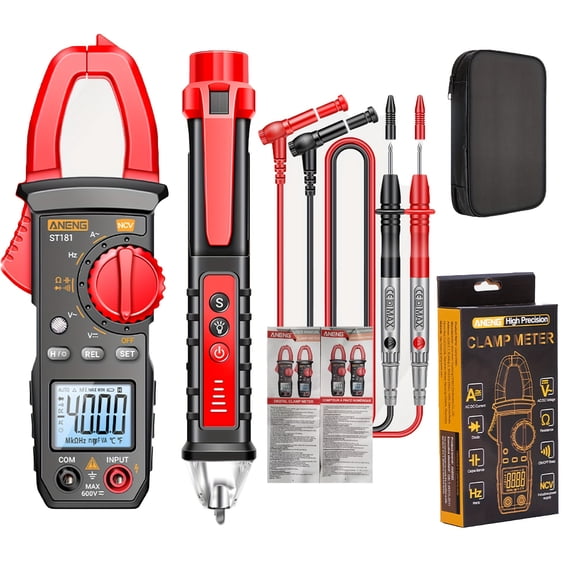
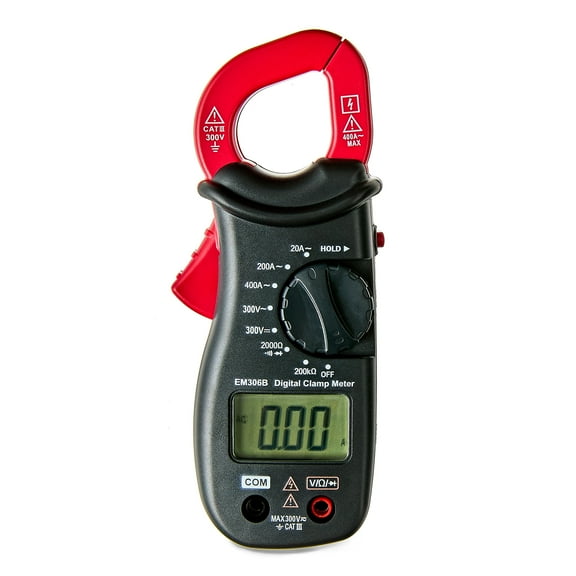
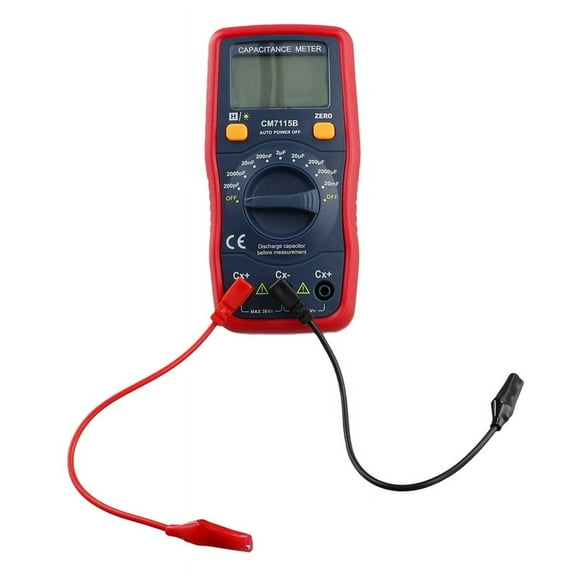
If you need exact numbers, you should consider digital multimeters for voltage, resistance, and continuity readings. If you want quick pass-or-fail feedback, you may prefer circuit testers or circuit analyzers.
As your projects expand, you can start with basic tools and add capability over time. You’ll notice each tester type supports a different level of detail and speed.
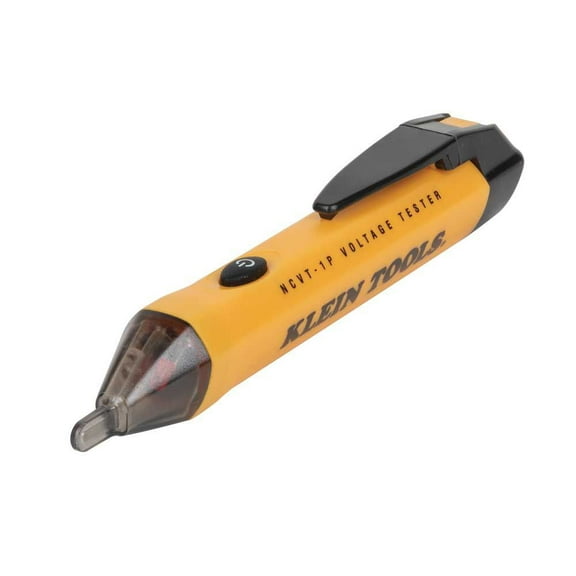
- You can use voltage testers for quick live-power checks without detailed measurements.
- You can use outlet testers to verify common wiring patterns in standard household receptacles.
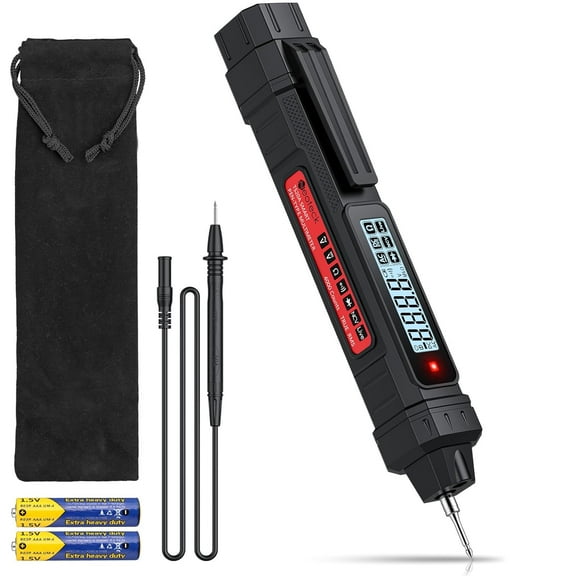
- You can use digital multimeters when you need exact readings for voltage, resistance, or continuity.
- You can use circuit testers and analyzers when you want simple indicators for common electrical checks.
Comparing voltage testers and digital multimeters
When you choose between voltage testers and digital multimeters, you should think about the answer you need. You may only need to know whether power is present, or you may need a precise reading.
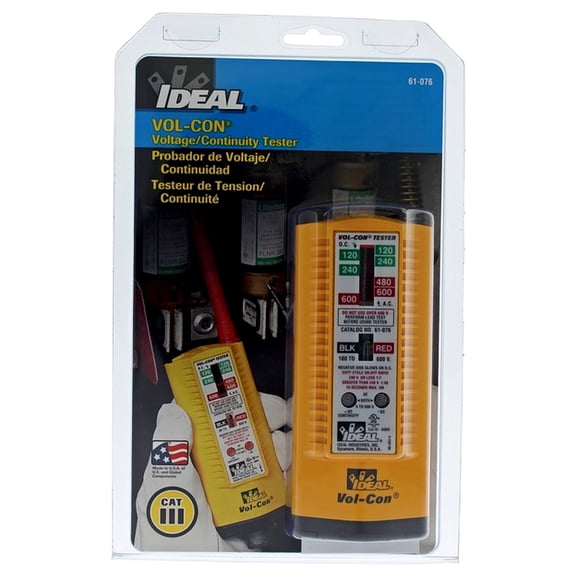
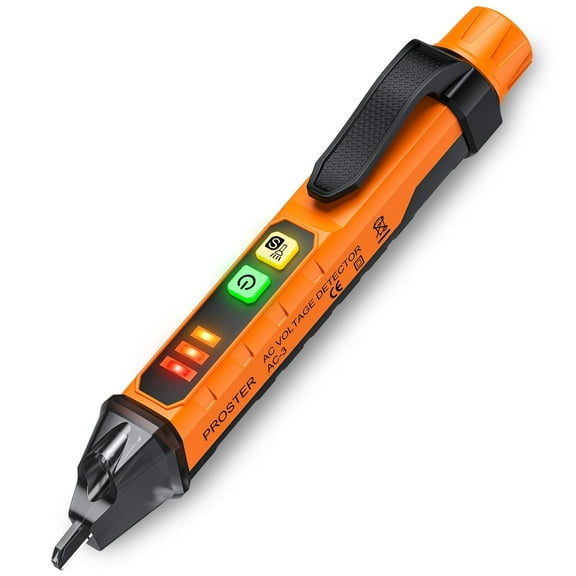
A voltage detector gives you quick confirmation with minimal setup, which helps during basic home projects. A digital multimeter gives you numeric results, which helps when you’re checking several electrical values.
You can also compare display type before you decide. You may like a digital LCD for clear numbers, while LED indicator designs give you simple visual signals.
If you prefer a classic format, you may still consider analog models for needle-based readings. You should check whether a straightforward display or a detailed screen fits your workflow.
Choosing voltage range and safety rating
Before you pick electrical testers, you should compare the voltage range your projects involve. You may need low voltage coverage, standard 110V to 220V capability, or higher ranges up to 1000V.
If you mostly handle household tasks, you’ll often focus on standard residential voltage ranges. If you work across varied equipment, you may want broader coverage for added flexibility.
You should also compare CAT ratings because they help you match the tester to the environment. You’ll commonly see CAT II, CAT III, and CAT IV listed on electrical testers.
CAT II usually fits plug-in loads and common appliance checks, so you can use it for lighter tasks. CAT III usually suits distribution circuits and panel-related work, giving you coverage for demanding environments.
If you’re comparing models, you should check whether the listed rating matches your intended use. You can make a clear decision when you review both voltage range and CAT rating together.
What to look for in outlet testers and circuit testers
When you shop outlet testers, you should look for layouts that are easy to read at a glance. You can identify common outlet patterns quickly when the indicator lights are simple and clear.
For circuit testers, you may want compact shapes that fit tool bags, drawers, or jobsite pouches. You can move through repeated checks efficiently when the tester is small and straightforward.
You should also think about how much feedback you want from the tool. You may prefer an LED indicator for quick status checks or a digital LCD for exact numerical information.
If you compare household and trade tasks, you’ll see why the format matters. You can keep simple jobs moving with basic indicators, while detailed troubleshooting often calls for digital multimeters.
Electrical testers for common projects
For basic home DIY, you can start with non-contact voltage testers or outlet testers for quick answers. You’ll get a simple way to check outlets, switches, cords, and common household circuits.
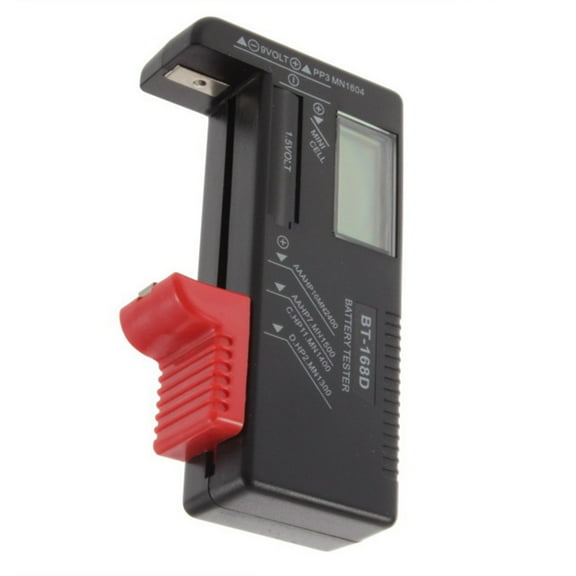
If you’re assembling a home tool kit, you may add a digital multimeter for wider use. You can check batteries, verify exact voltage, and compare continuity when you want detailed information.
For renovation work, you should compare tester type, voltage range, and CAT rating before you choose. You can match compact voltage testers to quick checks and reserve digital multimeters for deeper troubleshooting.
If you handle mixed environments, you may want a tester lineup that covers several situations. You can keep a voltage detector for fast checks and a multimeter for precise readings on the same project.
When you review electrical testers this way, you can choose with confidence and avoid guesswork. You’ll end up with tools that fit your wiring tasks, display preferences, and required measurement range.