

Electronic Testers for Home Electrical Projects




















About Electronic Testers for Home Electrical Projects - Walmart.com
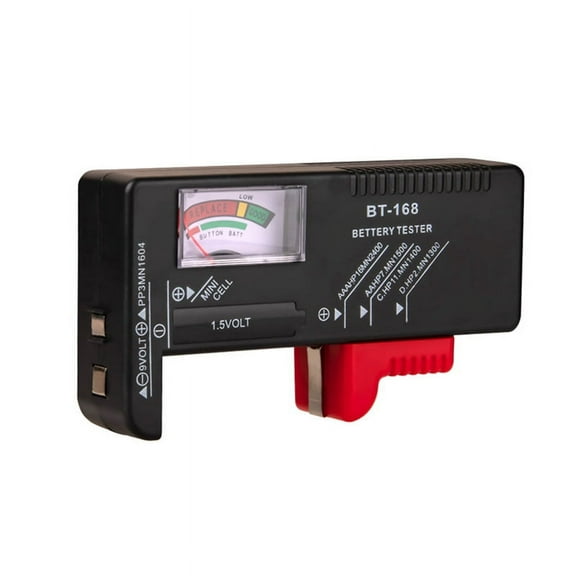
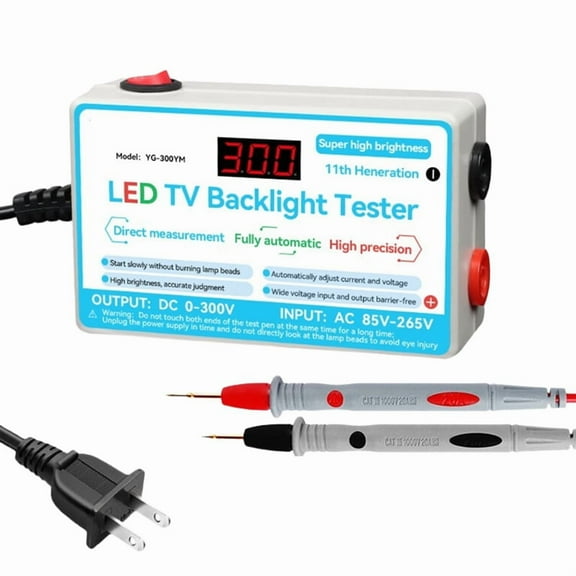
Test electronic tools help you check outlets, trace wires, and confirm voltage before installation work starts. This category includes handheld options for DIY tasks and trade use. You’ll find compact pen testers, clamp meters, multimeters, and circuit finders built for electrical troubleshooting. Clear displays, audible alerts, and CAT ratings make comparisons easier when accuracy matters. If youu're replacing switches, adding fixtures, or diagnosing a dead outlet, the right tester keeps your project moving with fewer guesses.
Why test electronic tools matter
An electric tester gives you fast confirmation during wiring jobs. That means less trial and error when circuits, outlets, or breakers need attention.
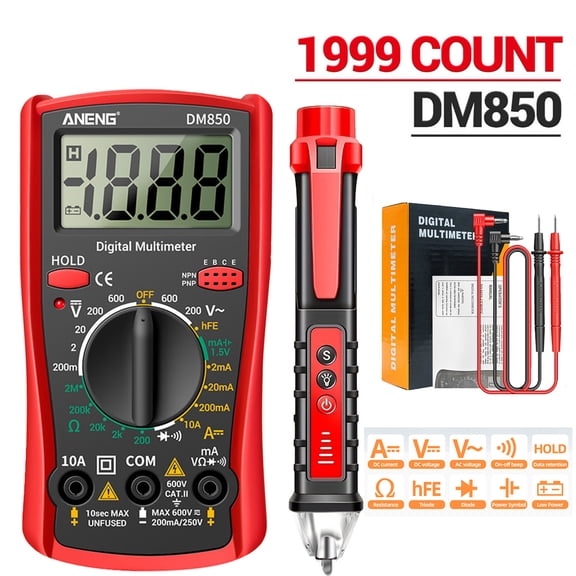
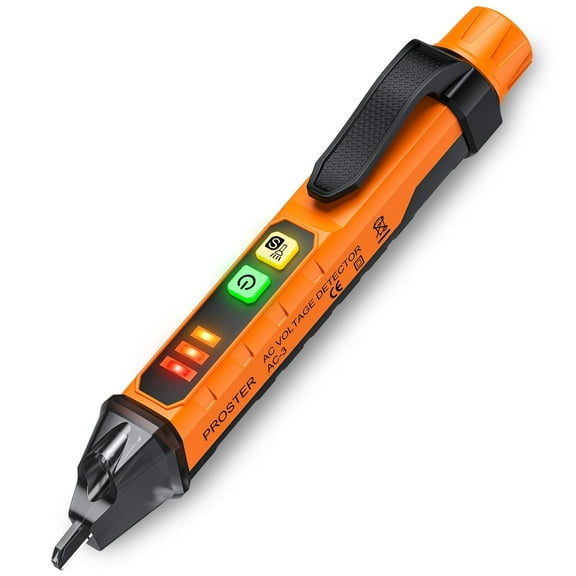
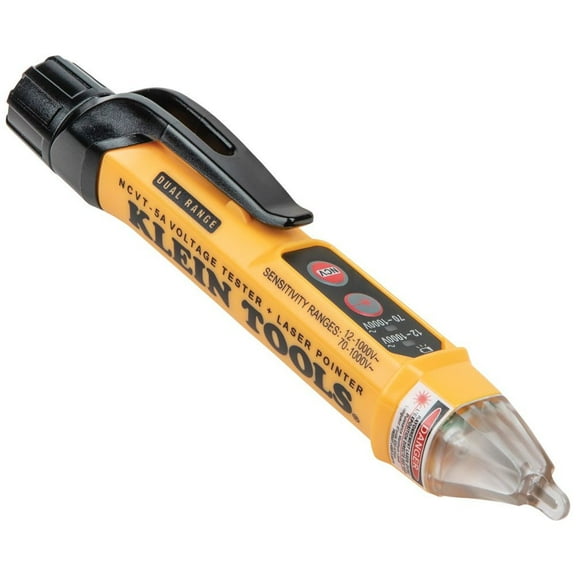
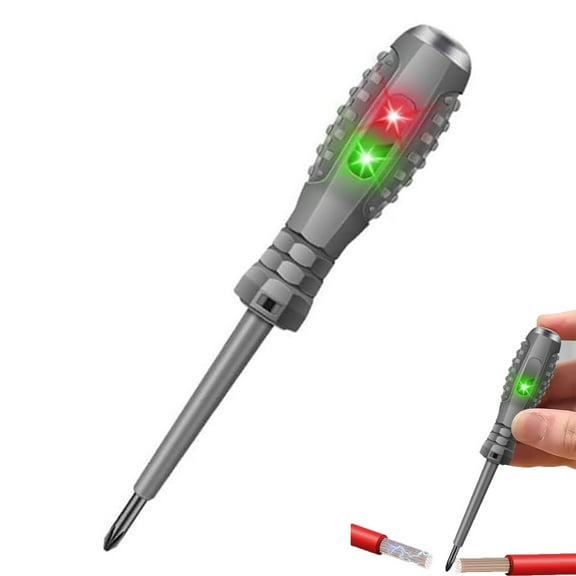
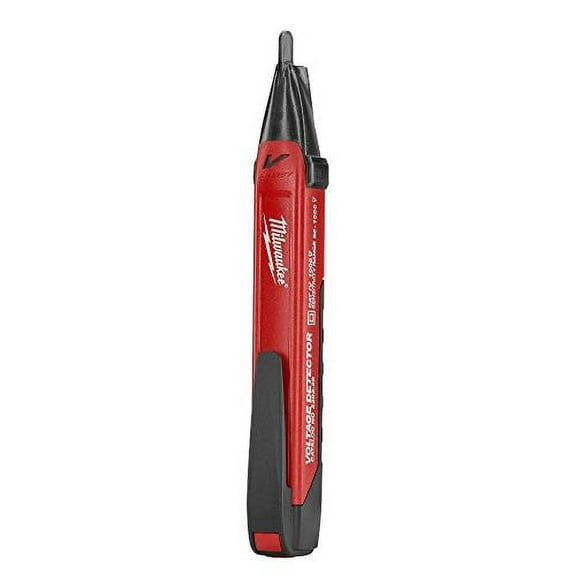
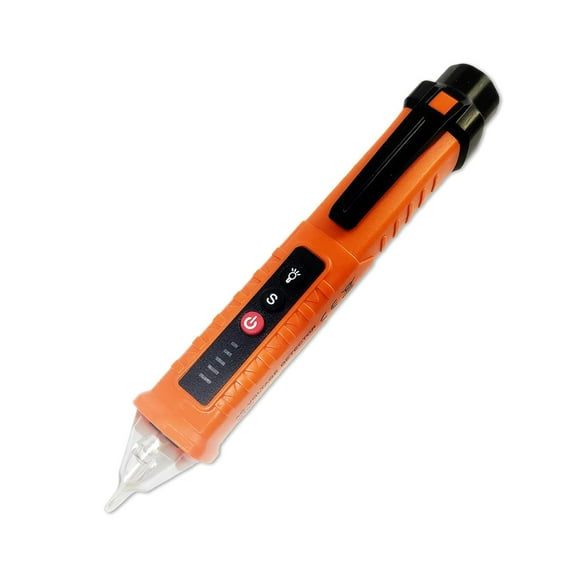
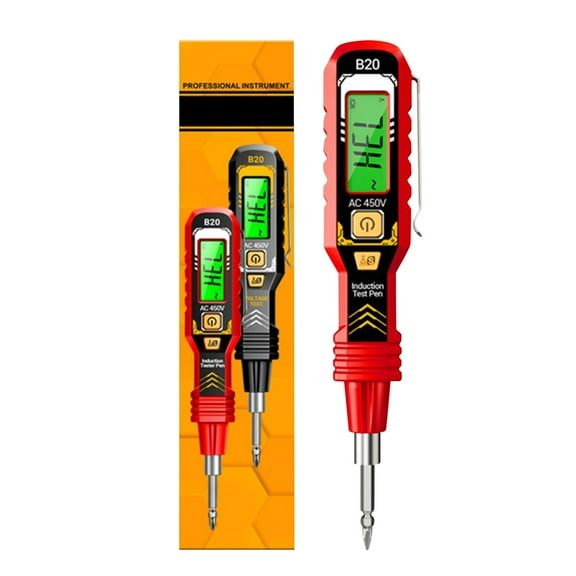
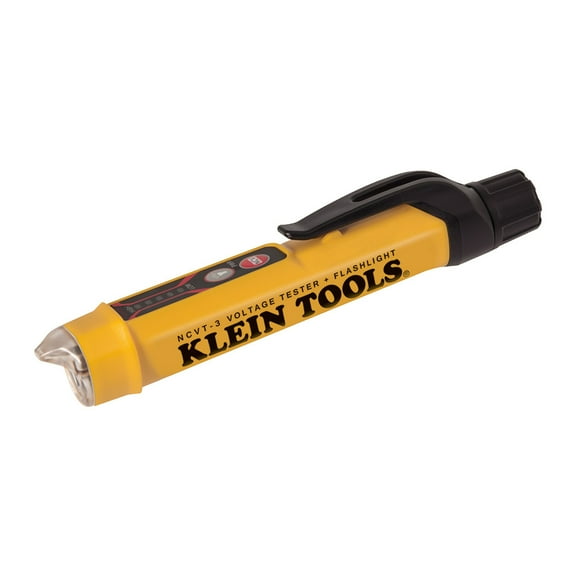
Different tester styles match different tasks. A non-contact voltage tester checks live wires quickly, while a multimeter measures voltage, resistance, and continuity.
For panel work, outlet checks, and cable tracing, category-specific tools make a real difference. Circuit finders help identify breakers, and clamp meters read current without disconnecting conductors.
- Check receptacles, switches, and light fixtures with clear voltage readings.
- Trace circuits and identify breakers during remodels and service calls.
- Verify wire continuity before connecting devices or replacing parts.
- Choose compact testers for tool bags or larger meters for bench work.
Many shoppers want simple operation first. Features like backlit screens, color-coded leads, and one-button modes support quick setup on common household projects.
How to choose an electric tester
Start with the kind of work you do most. Basic voltage pens suit quick checks, while a full electrical tester covers wider measurement needs.
CAT ratings matter for the environment where you test. CAT III and CAT IV options are designed for higher-energy locations like panels and service entries.
Display style affects readability. Digital screens show exact numbers, while indicator lights and beeps give instant status during fast inspections.
Lead quality also shapes daily use. Shrouded probes, durable insulation, and flexible cords support repeated testing around outlets, junction boxes, and breaker panels.
A power tester may include continuity and polarity functions for more detailed checks. Some models add auto-ranging, hold buttons, or integrated flashlight features.
If you handle appliance cords, extension runs, or unknown conductors, a wire tester helps confirm connections. That’s especially useful during rewiring and fixture replacement.
Professionals often look for rugged housings and protective holsters. DIY shoppers may prefer compact tools with straightforward icons and fewer measurement settings.
Common projects and testing tasks
During outlet replacement, an electricity tester helps confirm power status before you remove the faceplate. It also helps verify the new device is connected correctly.
When a room loses power, a current tester or clamp meter can help narrow the issue. You can compare readings across circuits and isolate the affected line.
Lighting updates often call for a quick electric checker. It helps confirm switched legs, fixture leads, and ceiling box connections during installation.
For renovations, circuit tracers simplify panel mapping. They help match unknown breakers to outlets, switches, and branch circuits across finished rooms.
Automotive and low-voltage tasks may call for compact multimeters with resistance and continuity modes. Household users often choose them for thermostat wires and doorbell circuits.
Some shoppers need testers for workshops and garages. In those spaces, clamp meters and multimeters help check motors, power tools, and extension cord output.
Others want a grab-and-go option for everyday electrical checks. Pen-style testers fit easily in pockets and work well for quick inspections before repairs.
What experienced buyers look for
Experienced buyers compare measurement range, response speed, and display clarity first. They also check whether the tester matches residential, commercial, or mixed-use work.
Build details matter over time. Rubber overmolds, sturdy battery doors, and reliable probe storage support frequent transport between rooms and job sites.
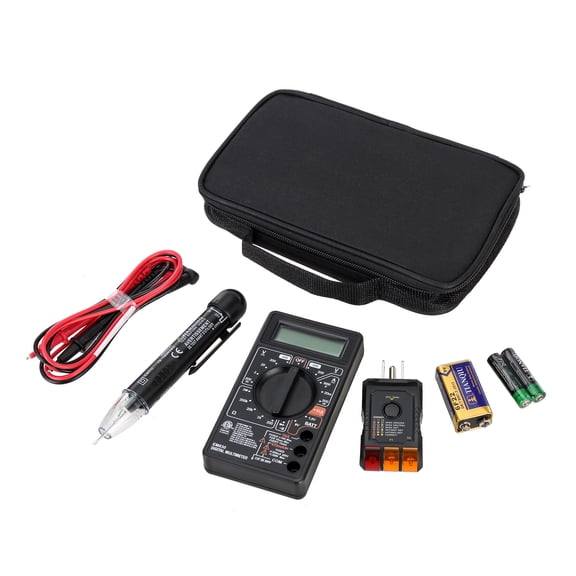
Accessory kits can add flexibility. Cases, alligator clips, temperature probes, and extra leads expand how a meter works across different testing situations.
Brand lineup matters too. Some shoppers prefer a simple voltage pen, while others want a meter family that shares leads, clamps, and accessories.
Choosing the right test electronic option means matching the tool to the circuit, setting, and project pace. That leads to cleaner diagnostics and more confident installation work.