

Ropes in Chains, Ropes and Tiedowns

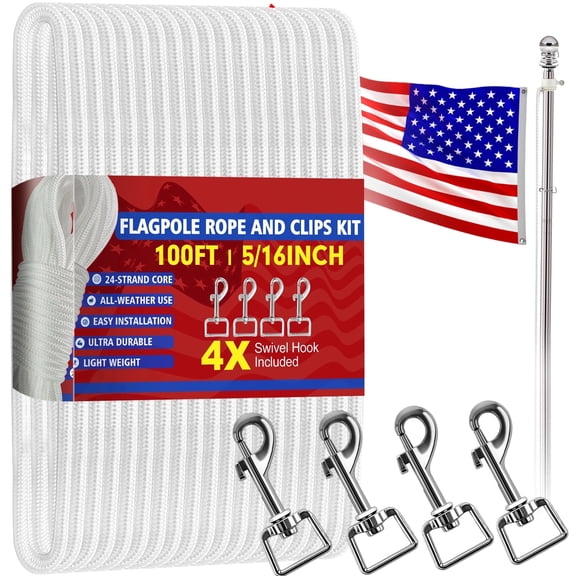

















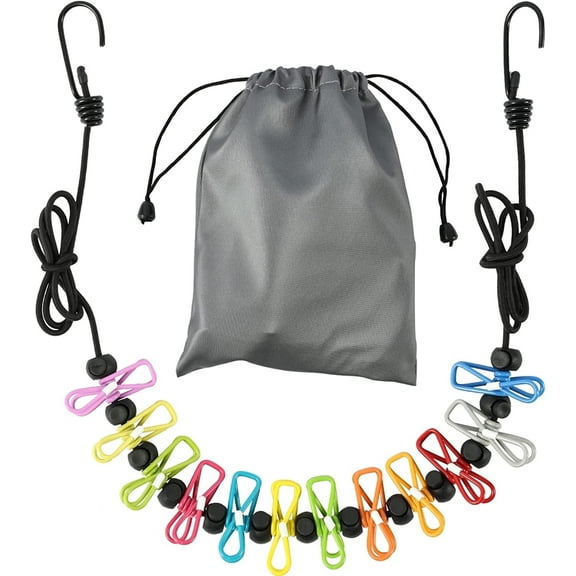


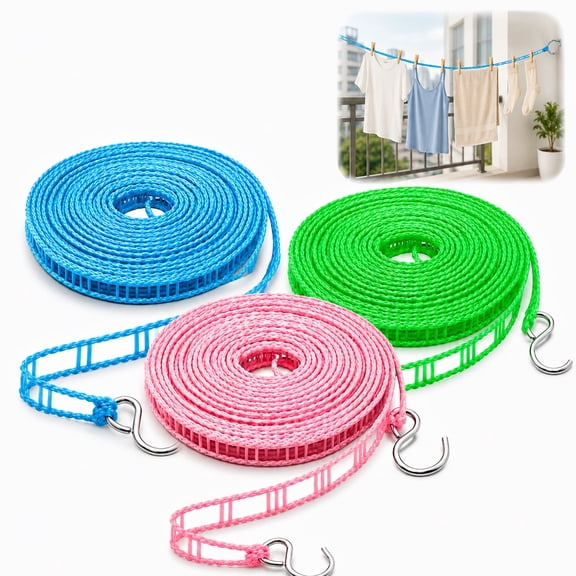









About Ropes in Chains, Ropes and Tiedowns - Walmart.com
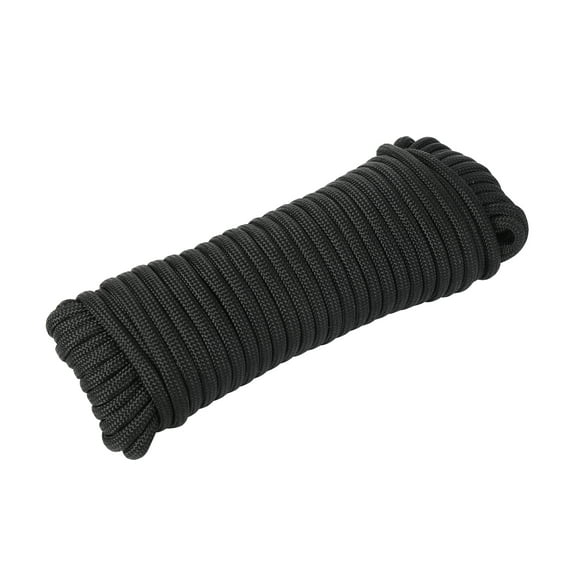
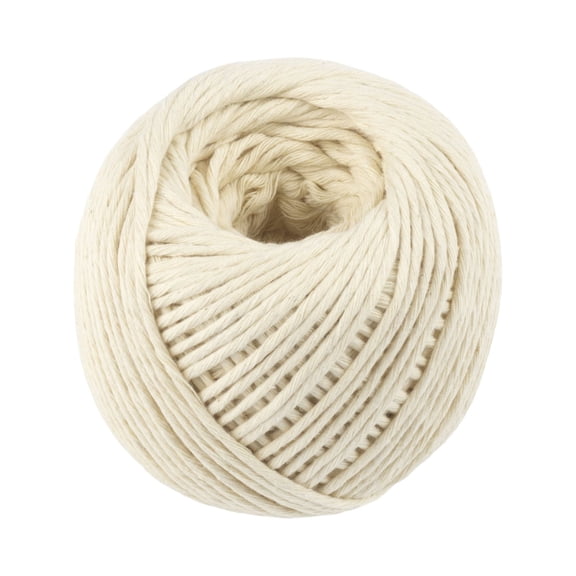
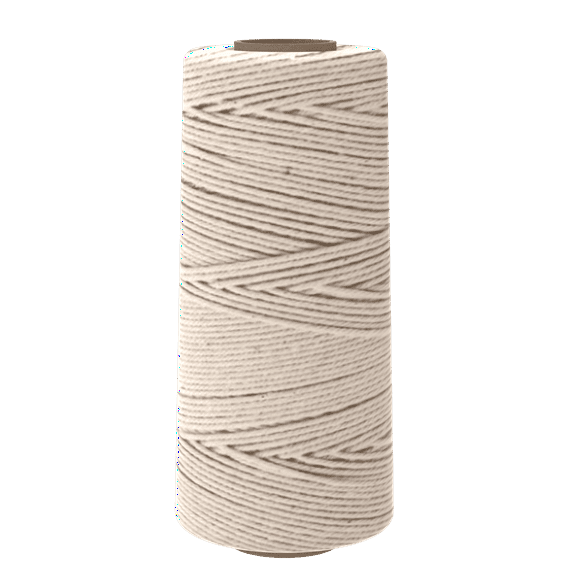
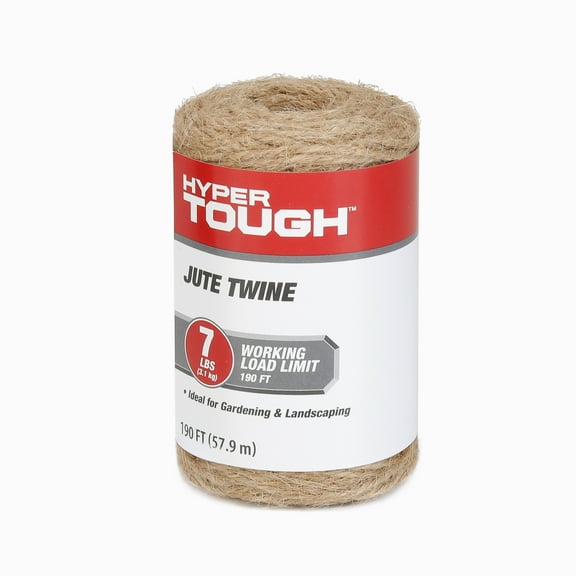
Ropes help you handle hauling, securing, towing, and outdoor tasks with the right mix of strength, grip, and durability. When you compare material, construction, diameter, and use case, you can choose a rope that fits your project more precisely.
If you need utility support around your home, boat, trailer, or campsite, you’ll want decision details that go beyond length alone. You can narrow your options faster when you understand water absorption, UV exposure, working load limits, and how braided or twisted styles feel in your hands.
How to choose ropes by material
Material is your first decision because it affects how your rope performs in sun, water, and repeated pulling. If your project stays outdoors, you should compare UV resistance, moisture handling, and how much stretch you want.
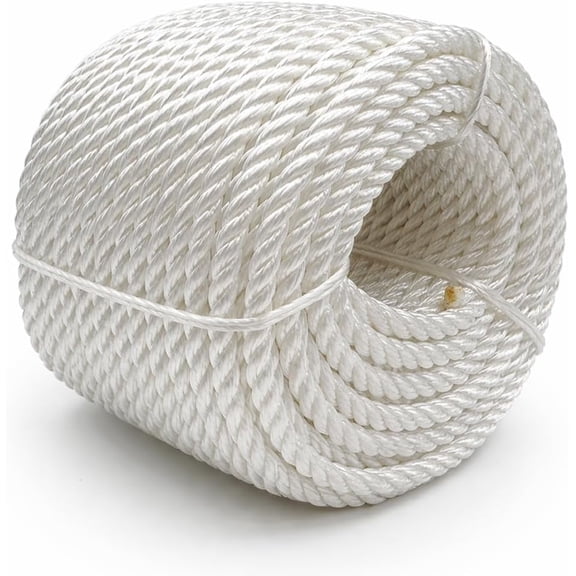
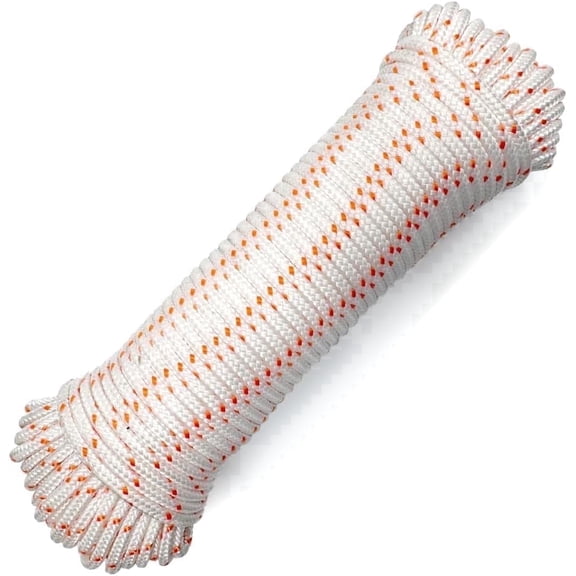
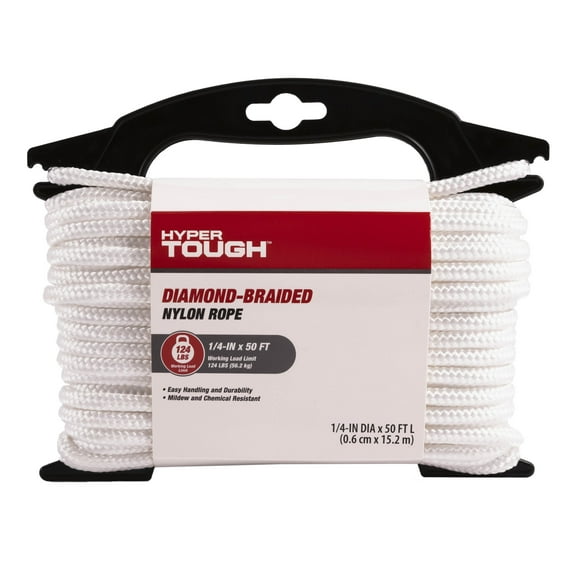
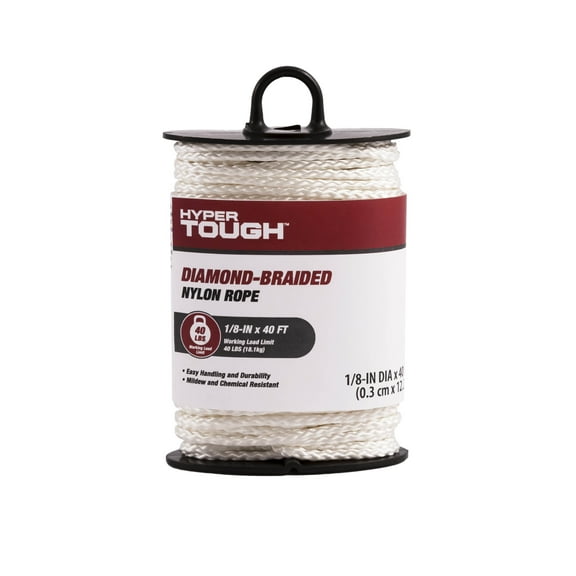
You may choose nylon rope when you want stretch and strong shock absorption for tasks with changing tension. You’ll notice nylon can absorb water, so you should check whether wet conditions matter for your setup.
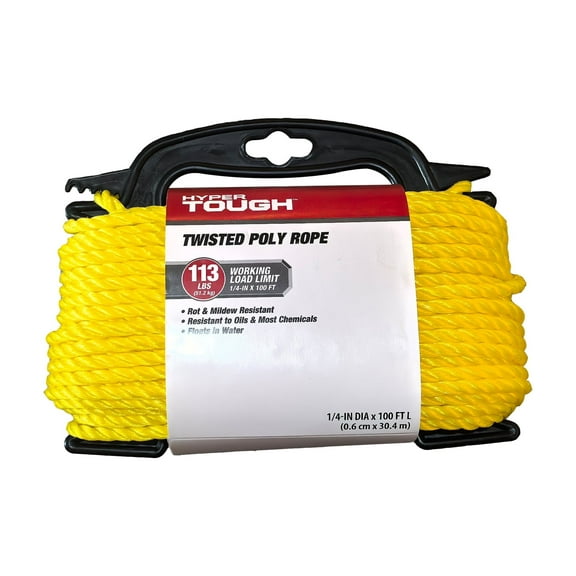
If you need lighter handling around water, you can compare polypropylene rope for marine and utility jobs. You may prefer polypropylene when your rope needs to float and dry quickly after splashes.
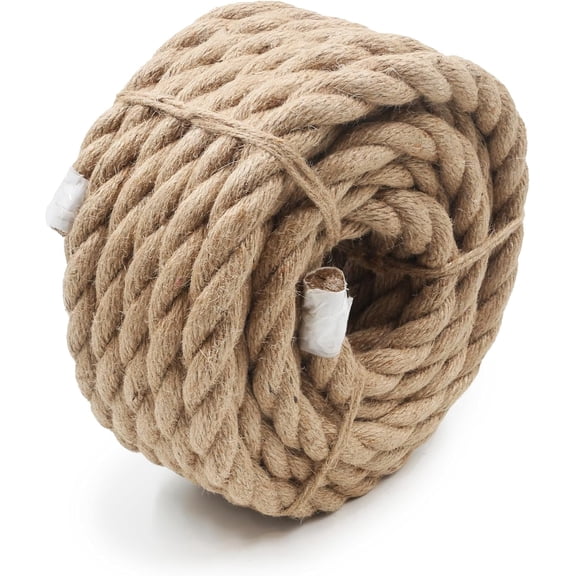
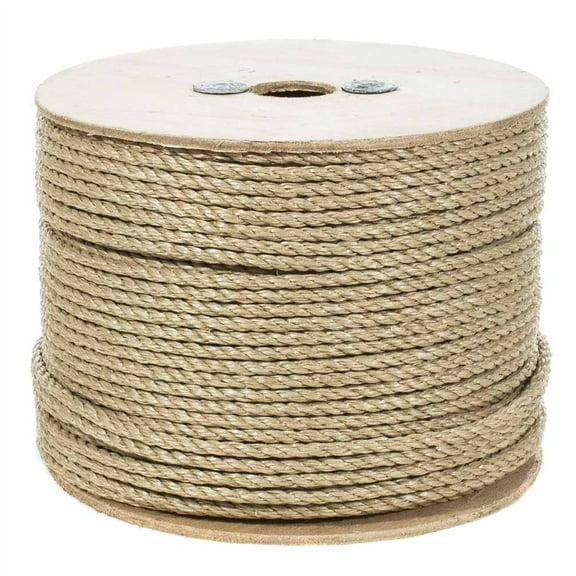
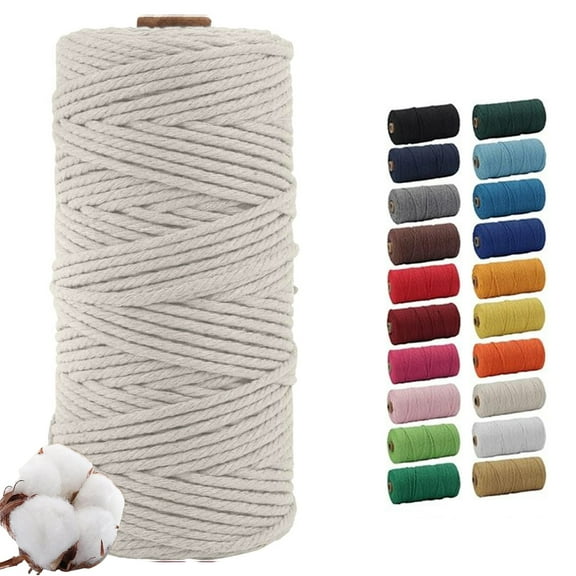
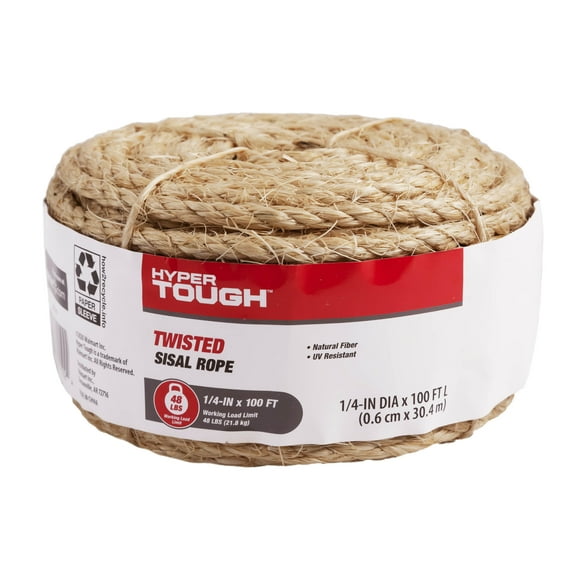
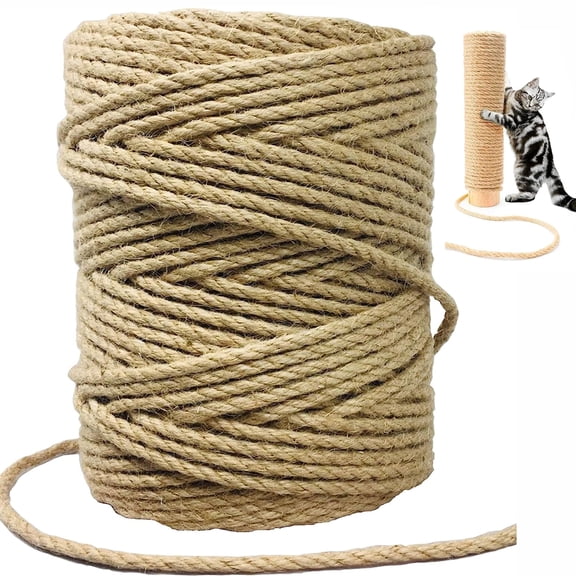
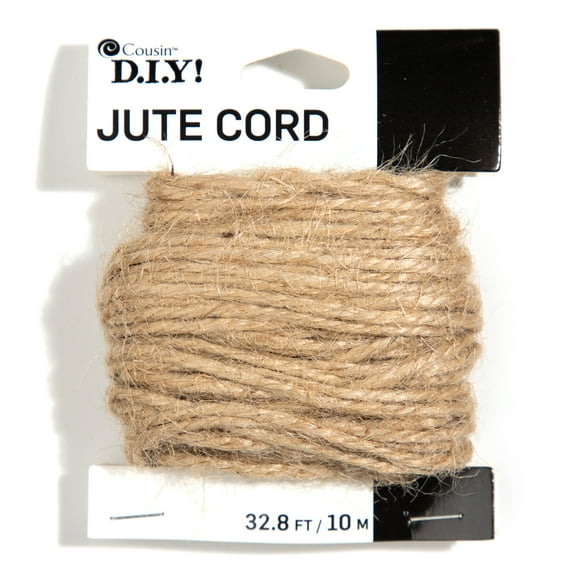
Polyester can suit outdoor setups when you want steadier performance with less stretch during repeated use. Natural options like manila and sisal can fit decorative, gardening, or light utility tasks where a traditional fiber look matters.
- You can use nylon for stretch, pulling force changes, and repeated tension.
- You can choose polypropylene for floating performance and lighter water-facing tasks.
- You can consider polyester when you want lower stretch and outdoor durability.
- You can pick manila or sisal for natural fiber texture and lighter-duty projects.
Choosing braided rope, twisted rope, and other constructions
Construction changes how your rope handles, knots, and wears over time. When you compare braided rope with twisted rope, you’re really comparing feel, flexibility, and how easily you can manage the line.
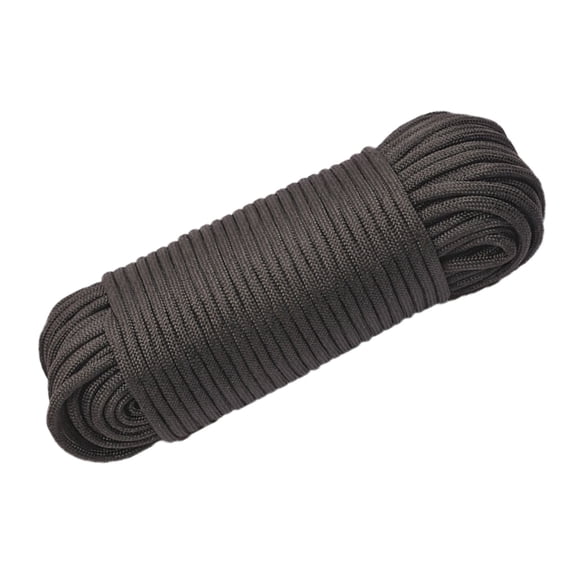
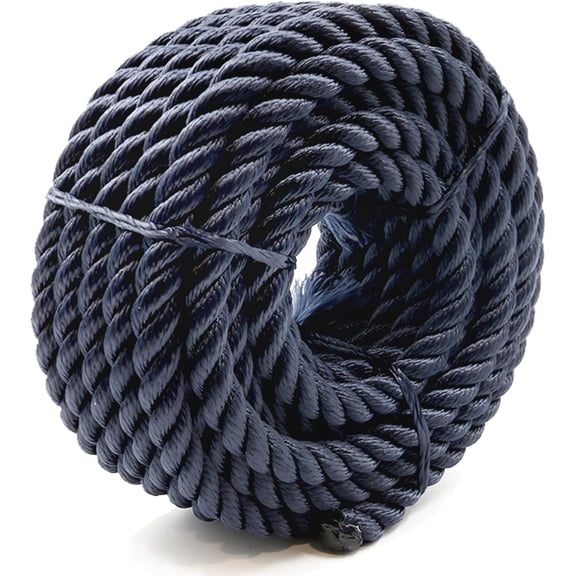
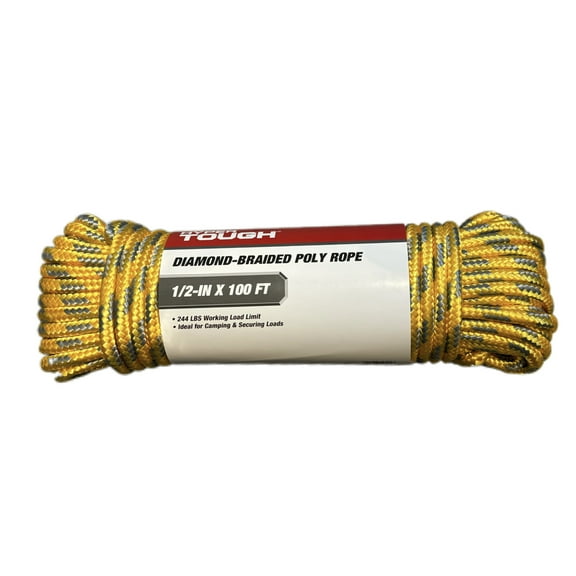
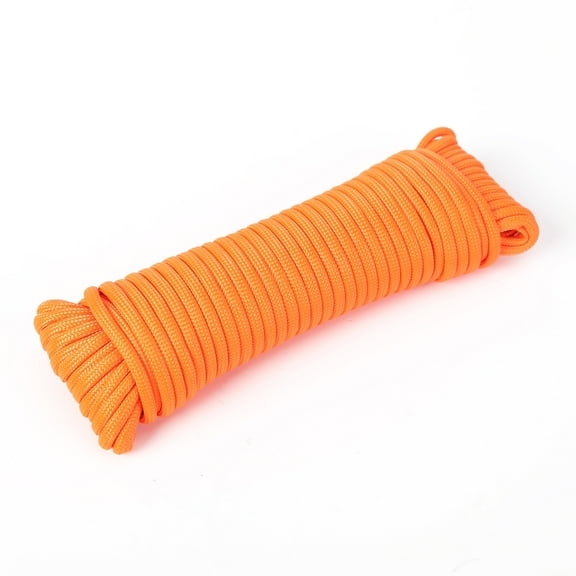
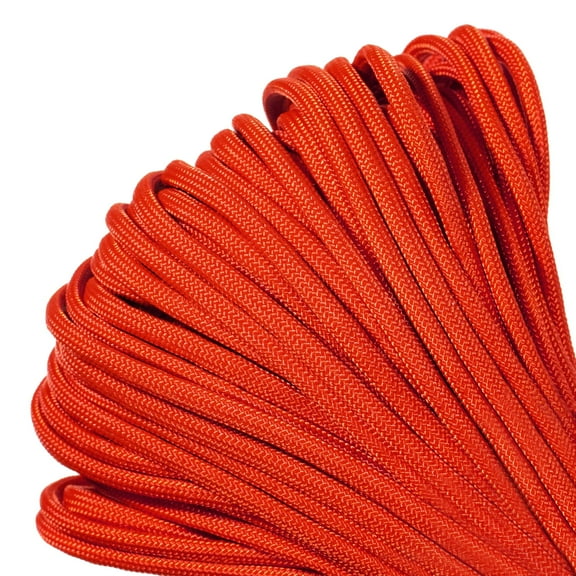
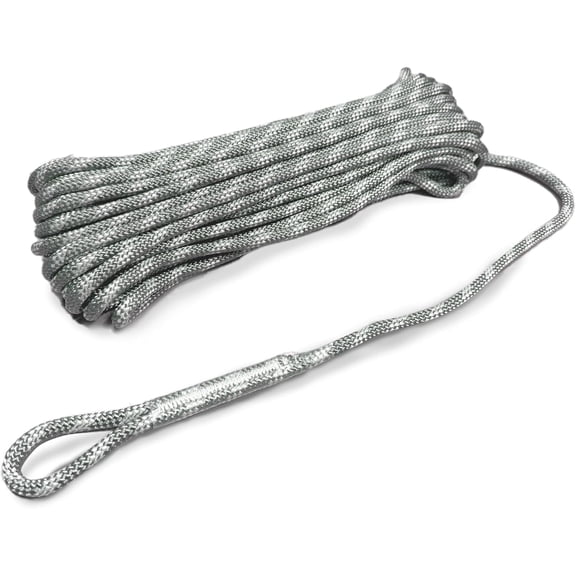
You may like braided rope when you want a smoother surface that moves well through pulleys or hardware. You’ll often find braided styles easier to handle when you want less snagging and a neater coil.
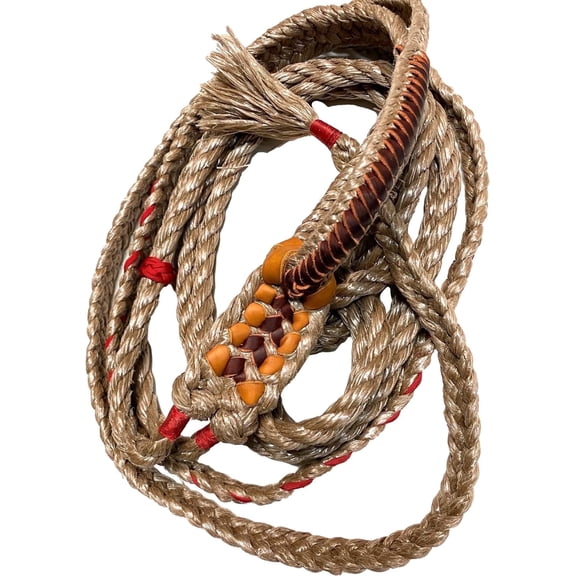
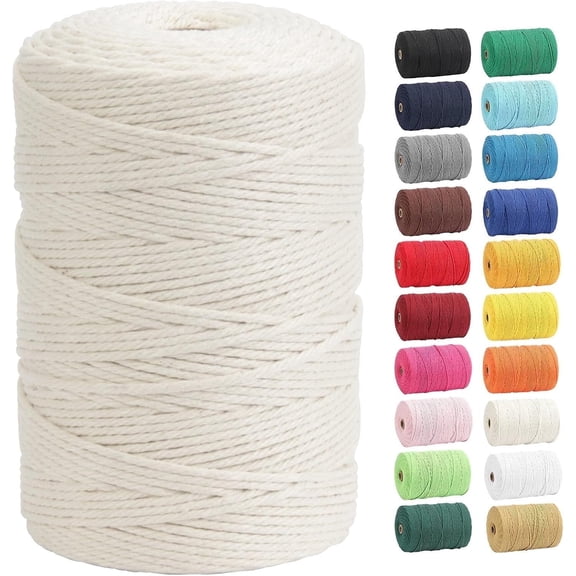
Twisted rope can make sense when you want a familiar grip and easier splicing for general utility work. If you tie and untie often, you may appreciate the straightforward structure of twisted strands.
You can also compare double-braid and hollow-braid styles for more specific setups. Double-braid can give you a firm, polished feel, while hollow-braid can help when you need simpler splicing options.
Understanding diameter, length, and heavy duty rope needs
Diameter affects how your rope feels in your hand and how it works with hooks, cleats, and anchor points. When you compare 1/4 inch, 3/8 inch, 1/2 inch, and 5/8 inch sizes, you should match the rope to your hardware first.
You may want a smaller diameter for lighter tie-downs, compact storage, or projects with narrow hardware openings. You can move up in thickness when you want a fuller grip or need more substantial handling.
Length matters just as much because extra line can improve reach, wrapping, and knotting flexibility. If you’re securing cargo, setting camp lines, or rigging around a dock, you should measure your path before choosing.
When you’re comparing heavy duty rope options, you should look beyond thickness alone. You’ll want to check working load limit, tensile strength, and the safety factor so your selection matches the task.
Working load limit tells you the load range for normal use, while tensile strength reflects the point of full break force. You should use the working load limit as your practical guide for planned projects.
Matching ropes to marine, climbing, camping, towing, and utility tasks
Your use case should shape every choice because different environments demand different performance traits. If you’re shopping for marine rope, you may prioritize floating ability, moisture handling, and smooth movement around cleats.
For camping, you may want a utility rope that packs easily, knots cleanly, and handles changing weather. If you’re setting tarps, tying gear, or marking lines, you’ll likely value manageable weight and flexible length options.
Towing projects usually call for careful load planning and close attention to hardware compatibility. You should confirm the rope’s working load limit and diameter before pairing it with hooks, tie points, or trailer equipment.
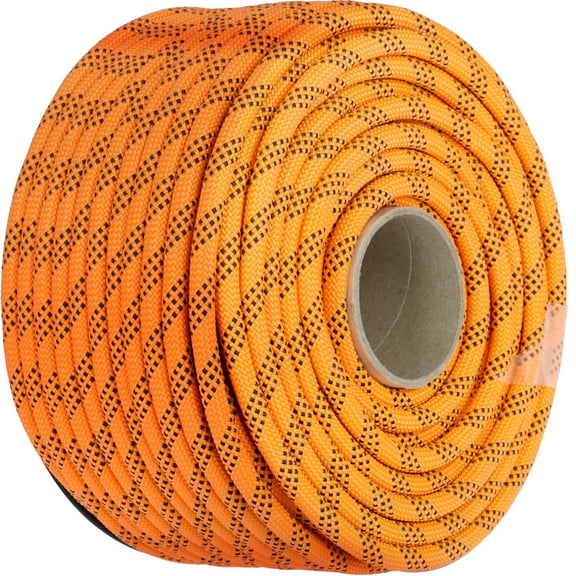
If climbing rope is part of your search, you should focus on products built for that specific activity and intended setup. You’ll want to compare construction, diameter, and stated use carefully rather than assuming any general rope will fit.
Around your home or jobsite, you may keep utility rope on hand for bundling, securing, staging, or temporary tie-offs. You can simplify repeat tasks when you choose a material and construction that match your usual conditions.
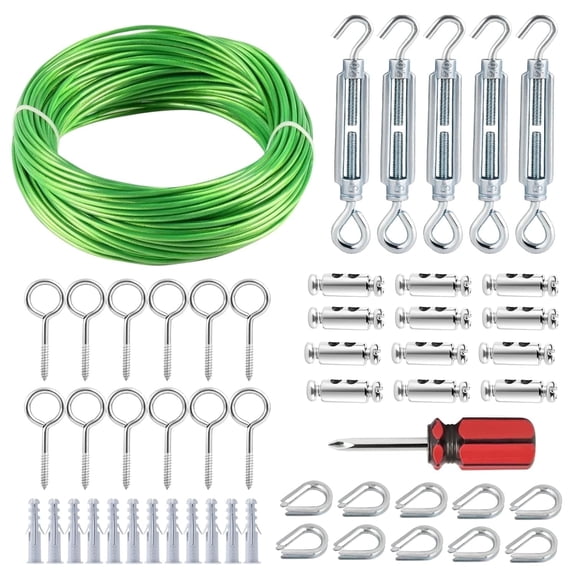
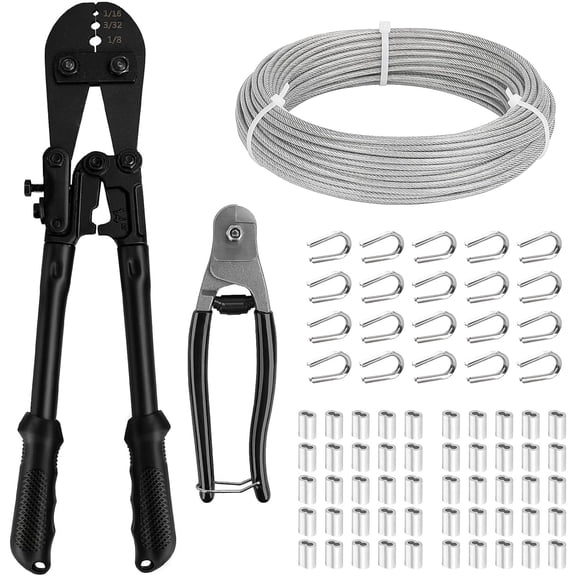
You may also pair your rope choice with related hardware, tiedowns, chains, or accessories for a more complete setup. When your rope fits your environment and attachment points, you get steadier handling and fewer compromises during the job.
What to look for before you choose ropes
You should compare material, construction, diameter, and load guidance together instead of picking by length alone. That approach helps you choose ropes that feel right in your hands and perform as expected in real conditions.
When your rope matches your hardware, environment, and task, you get smoother handling and more dependable everyday utility. You can finish projects with less guesswork and a clearer fit for towing, camping, marine, and general tie-down jobs.