

Chains, Ropes and Tiedowns in Hardware



















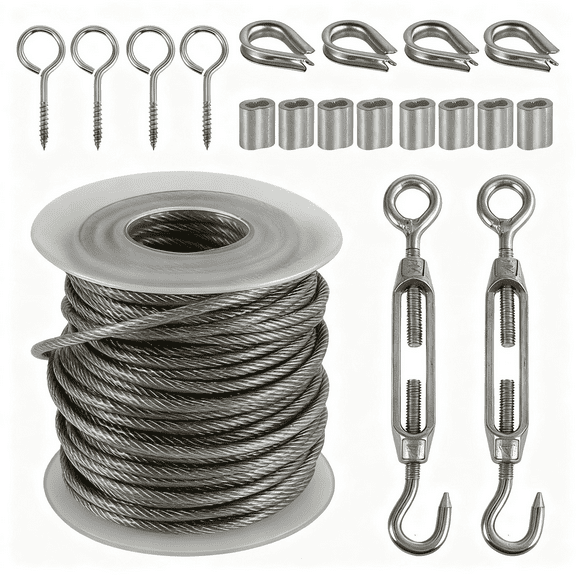
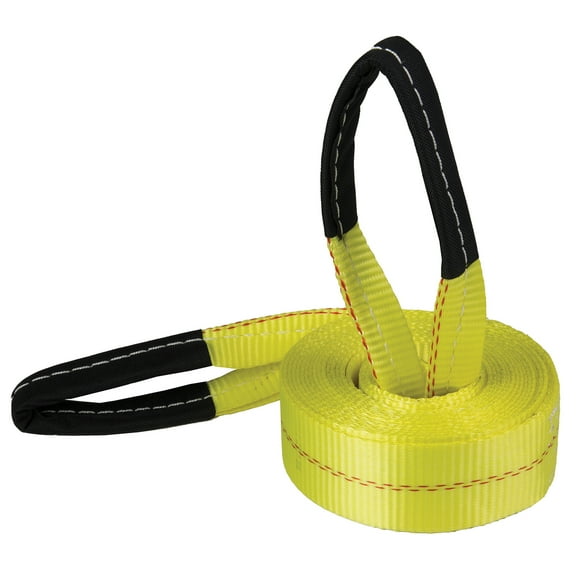
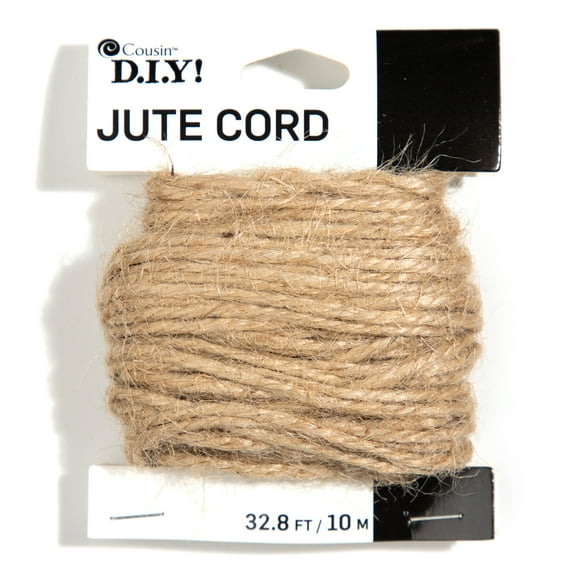
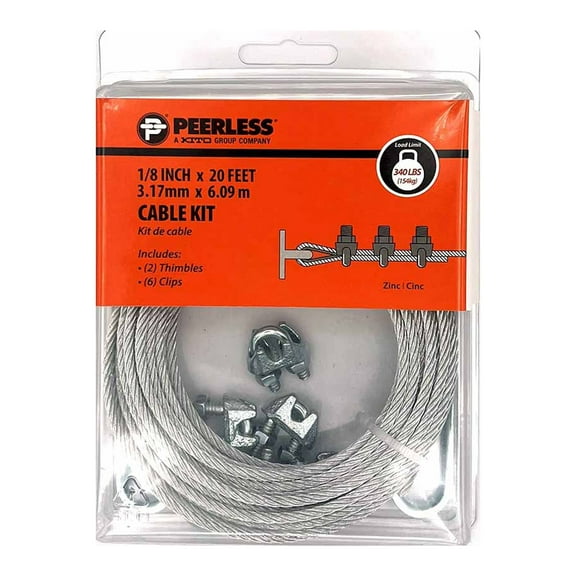



About Chains, Ropes and Tiedowns in Hardware - Walmart.com
Chains help you match material, link style, and load rating to your project with less guesswork. You can compare finishes, trade sizes, and hardware fit before you choose the right length.
Choosing chains for your project
When you shop chains, you should start with the working load limit for your task. You can use that rating to compare strength needs before you choose length or finish.
If you need a technical check, you can compare load rating with break strength details on product pages. You should use those numbers to understand how a chain fits your planned job.
You'll also want to check whether your project needs indoor utility use or outdoor exposure. Your environment affects which finish helps your chain keep its look and function.
If your setup includes hooks, pulleys, or fasteners, you should measure opening sizes first. Your hardware fit matters because trade size and link shape affect compatibility.
How to compare metal chains by material
Material is one of the biggest decisions you make when comparing metal chains. You can use stainless steel, galvanized steel, zinc plated, or brass options for different spaces.
If your chain stays outdoors, you may prefer galvanized steel for weather exposure and utility tasks. You'll often choose stainless steel when your project needs a clean finish and rust-resistant performance.
For indoor hanging or general hardware use, you might compare zinc plated styles for a bright look. You can also choose brass when your decorative project needs a warm finish.
- You can compare galvanized steel for outdoor gates, barriers, and general utility jobs.
- You may choose stainless steel when your chain needs rust-resistant performance and a polished appearance.
- You can use zinc plated options for indoor storage, hanging, and workshop organization.
- You might select brass styles when your project needs a decorative accent with chain function.
How to compare hardware chains by type
Chain type changes how your hardware chains move, hang, and connect with other parts. You should compare proof coil, double loop, jack chain, and sash chain before you decide.
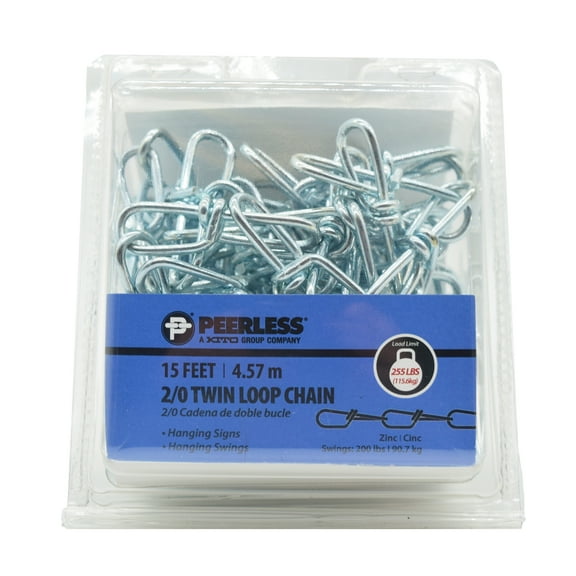
Proof coil styles often suit general utility needs, where you want a classic linked shape. Double loop styles can work well when your setup benefits from a lighter hanging chain.
You commonly use jack chain for signs, fixtures, or light hanging tasks. You may choose sash chain for pulley-based projects that need smooth movement through a narrow path.
You should match the link style to your hardware, pulleys, and connectors before buying. Your project can be easier to complete when the chain shape fits the parts you already use.
Understanding steel chains, sizing, and duty level
Duty level helps you narrow down steel chains for light, medium, or heavy tasks. You should compare the load rating carefully, because appearance alone won't tell you enough.
Light duty options can suit decor, signs, and simple hanging applications around your home. Medium duty choices may fit workshop organization, barrier use, or equipment support with the right rating.
You often consider heavy duty chains when your project involves larger loads or tougher utility demands. You should always compare working load limit details to the task you plan to complete.
Sizing also matters because your chain must fit hooks, eye bolts, pulleys, and anchors. You can compare common trade sizes like 1/8 inch, 1/4 inch, 3/8 inch, and 1/2 inch.
A smaller size may work when your project needs flexibility and lighter hardware compatibility. A larger size may suit projects where you need thicker links and higher load capacity.
What to look for in heavy duty chains
When you compare heavy duty chains, you should check working load limit, link thickness, and finish. Your choice should reflect the load, environment, and hardware connection points.
You may also want to compare pre-cut lengths with bulk chain by the foot. Your project can be more precise when you buy only the length you need.
If you need chain for gates, towing accessories, farm setups, or equipment areas, measure first. You can avoid fit issues by checking trade size against hooks, clevises, and anchor points.
Using chains in everyday projects
You can use chains for hanging planters, supporting lights, organizing tools, or marking off access areas. Your needs may be simple, but the right material and size still matter.
For outdoor projects, you might choose finishes that hold up well in rain and sun. Your chain can stay functional longer when its material matches the setting.
If you need chain for workshop storage, you may focus on length, finish, and connector fit. You can create a cleaner setup when your chain works smoothly with hooks and brackets.
For pulley systems or sash applications, you should check chain type and trade size carefully. Your system can operate more smoothly when the links move correctly through the hardware path.
You can also compare chains for barriers, trailers, gates, and utility support around your property. Your project gets easier when you choose the right combination of finish, size, and load rating.
Choosing chains with confidence
When you compare chains by material, type, duty level, and size, you can narrow your options quickly. Your project can feel more straightforward when the chain fits your hardware and intended load.
You can move ahead with more confidence when you check finish, trade size, and working load limit together. Your final choice helps support a cleaner fit and smoother installation.
Popular in Chains, Ropes and Tiedowns in Hardware - Walmart.com
- Hampton Chains, Ropes & Tiedowns
- Keeper Chains, Ropes & Tiedowns
- Campbell Chain Chains, Ropes & Tiedowns
- Westinghouse Chains, Ropes & Tiedowns
- Keeper By Hampton Chains, Ropes & Tiedowns
- Samson Rope Chains, Ropes & Tiedowns
- Lehigh Chains, Ropes & Tiedowns
- Rope Cable Hardware
- Rope And Cable Hardware
- Kinedyne Chains, Ropes & Tiedowns
- National Chains, Ropes & Tiedowns
- Ronstan Chains, Ropes & Tiedowns