

Plug Adapters for Home and Travel























About Plug Adapters for Home and Travel - Walmart.com
Plug adapters help you match outlet shapes for travel and home use. You can compare plug type, voltage notes, and ports before you choose.
How to choose plug adapters
When you compare plug adapters, you should start with where you'll use them. You can narrow options faster when you check adapter type, grounding, and charging ports.
Travel plug adapters solve a different need than electrical outlet adapters for desks, kitchens, or workshops. You should decide whether you need a compact travel piece or a wall plug adapter.
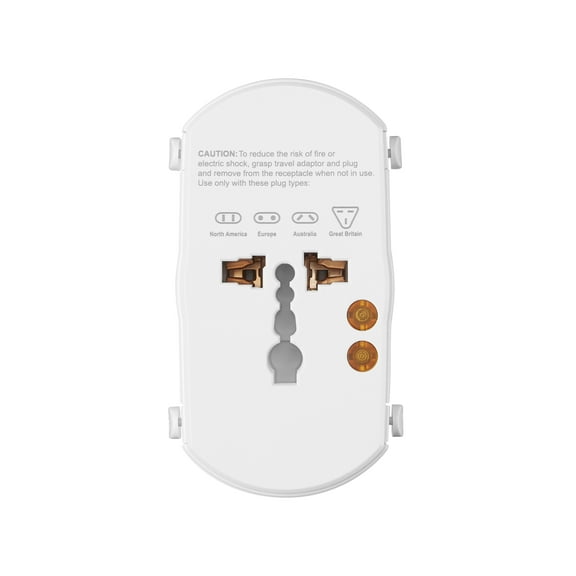
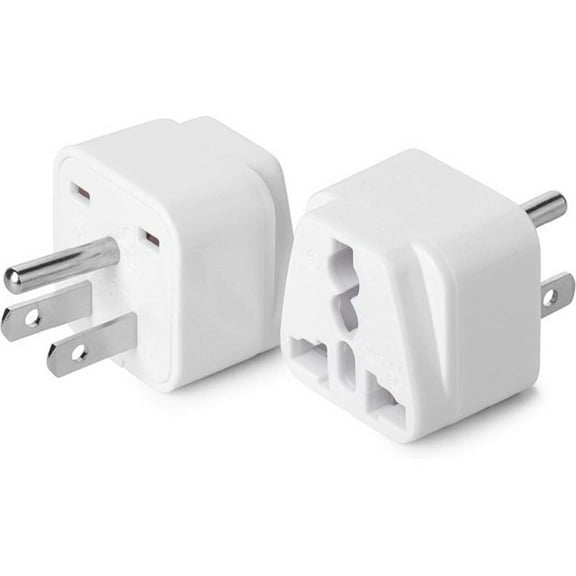
You can avoid mismatches when you match plug letters to your destination or room setup. Your choice gets clearer when you compare Type A, Type C, Type G, and universal formats.
Before you decide, you should also count how many devices you'll power at once. You can compare single pack, 2-pack, and multi-pack options for different rooms or bags.
Key benefits of plug adapters
You can keep phones, laptops, lamps, and chargers connected when plug shapes don't match your outlets. Your adapter acts as the link between one plug standard and another.
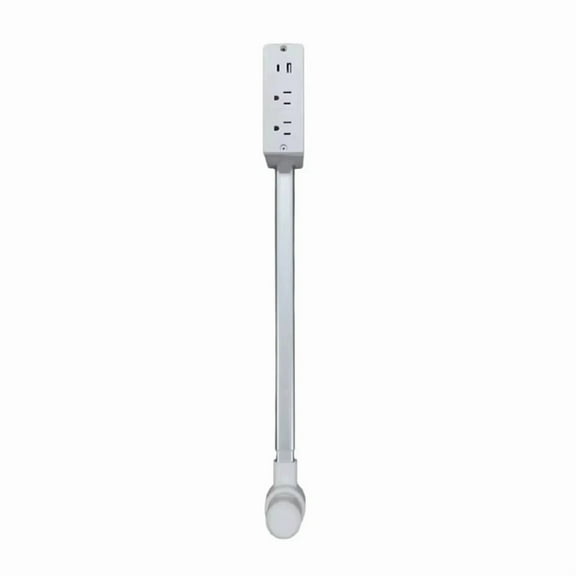
At home, you can make one outlet more useful with multi plug outlet adapter options. Your setup feels easier to manage when ports match your daily devices.
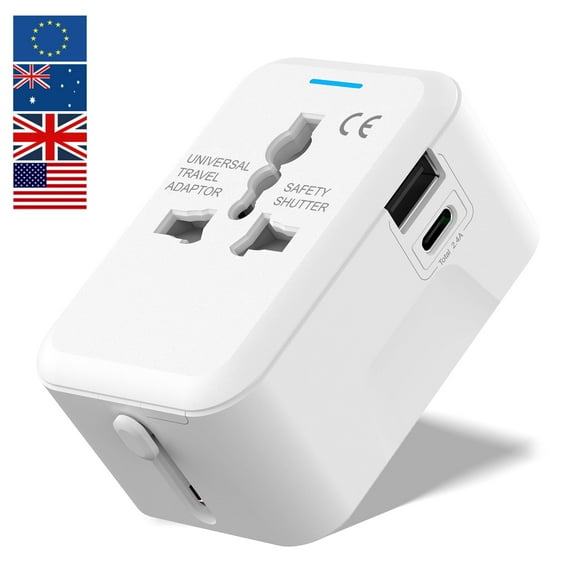
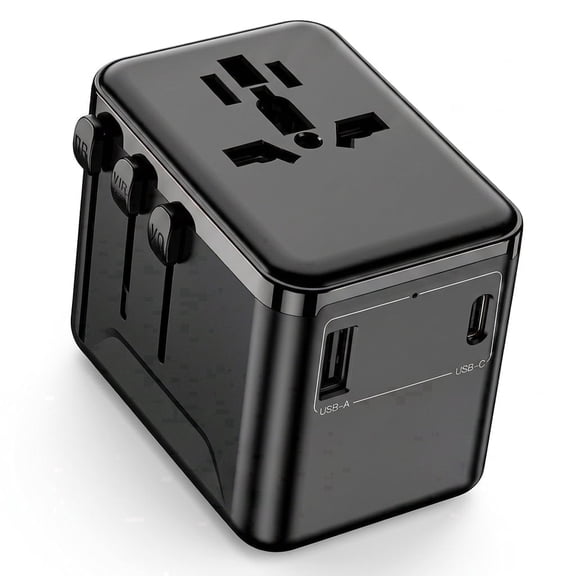
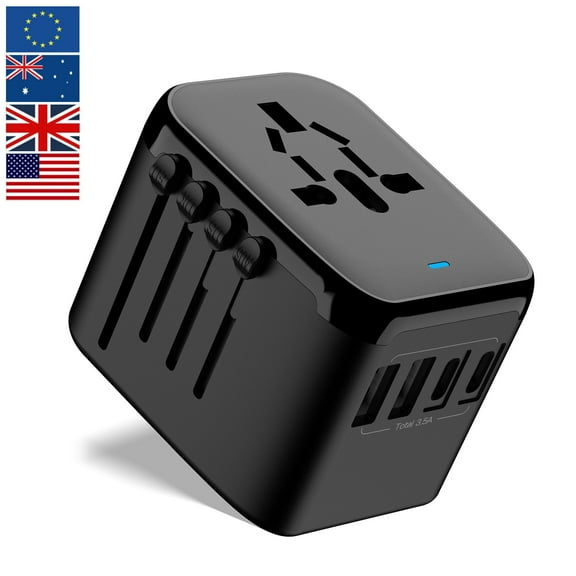
While traveling, you can pack fewer charging extras when one adapter includes AC and USB access. Your bag stays simpler when one piece handles several charging needs.
- You can match country-specific outlet shapes like Type C for much of Europe.
- You can choose Type G support when your trip includes the United Kingdom.
- You can pick AC-only designs when your charger bricks already fit your needs.
- You can choose AC plus USB ports when your phone and tablet share one outlet.
- You can look for a grounded outlet adapter when your device uses three prongs.
- You can compare single packs and multi-packs when you need coverage in several spaces.
Choosing adapter type, voltage, and ports
You should begin with adapter type because plug letters determine real compatibility. Your destination may call for Type A, Type C, Type G, or a universal option.
Voltage compatibility is the next decision, and you should review it closely. You should remember that many power plug adapters change plug shape only.
If your device is dual voltage, you can often use a physical adapter alone. If your device is single voltage, you should check whether you also need a 110V to 220V converter.
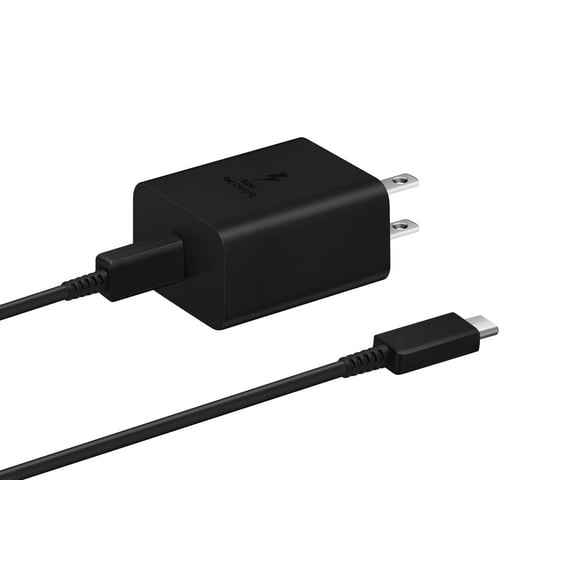
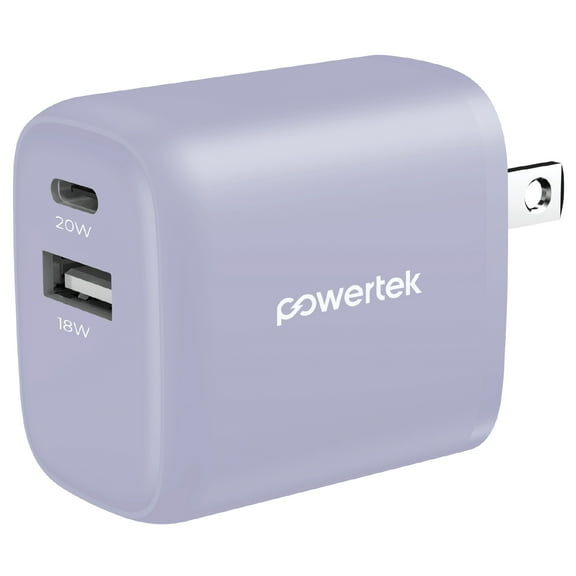
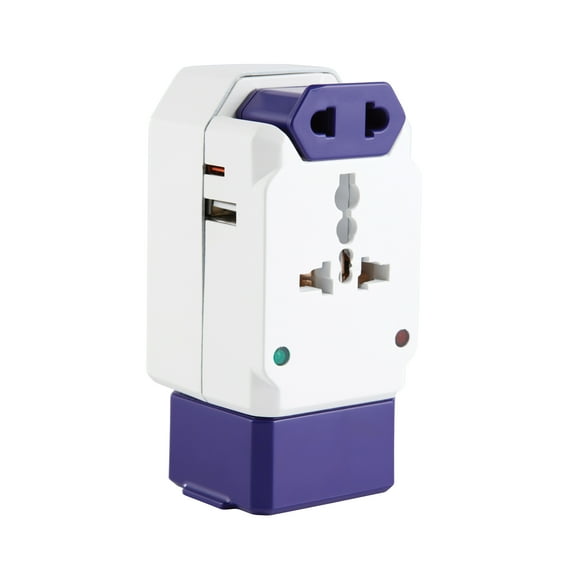
Port configuration shapes your experience when you travel with several devices. You can compare AC outlets only, AC plus USB ports, or USB-C fast charging layouts.
AC-only designs work well when your chargers already cover your needs. USB options help you carry fewer charging bricks in your backpack or suitcase.
You should also check grounding and polarization before you choose. Your grounded outlet adapter fits three-prong needs, while polarized designs fit plugs with one wider blade.
Surge protection can matter when you want added control in shared outlets or hotel rooms. You should compare that feature with plug type and port count, not by itself.
Matching travel plug adapters to real use cases
For international trips, you should match the outlet type to your destination before you leave. Your international travel adapter should fit the plug letter and your device's voltage needs.
If you're heading to much of Europe, you may need Type C support for common outlets. If you're visiting the United Kingdom, you usually need Type G support.
For airport stops and hotel stays, you can choose travel plug adapters with USB or USB-C ports. Your phone, watch, and earbuds can charge from one compact adapter.
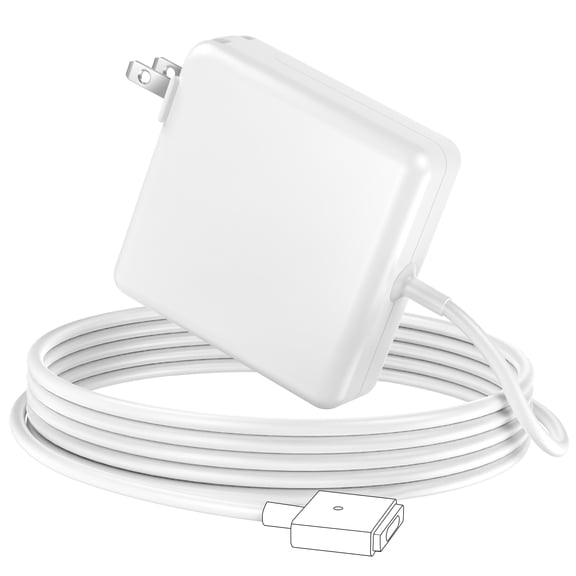
In a home office, you may want electrical outlet adapters that fit behind desks or furniture. Your cords can sit flatter when the adapter shape matches a tight space.
For shared spaces, you can compare wall plug adapters with multiple outlet paths. Your family can power small electronics with less unplugging during the day.
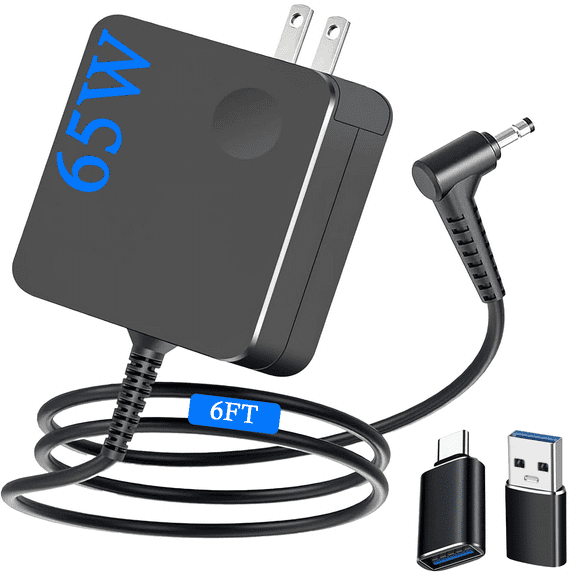
If you use a laptop charger with three prongs, you should check grounded compatibility first. Your adapter should match both the outlet shape and the plug style.
When you pack for a family trip, multi-pack choices can simplify your setup. Your group can keep one adapter in each suitcase, room, or carry-on.
You can also compare related power essentials for a smoother setup. Your routine may work better when you also consider extension cords, surge protectors, and travel accessories.
What to look for before you decide
You should read product details closely and compare plug type, voltage notes, and port count. Your confidence grows when those details match your destination and devices.
With the right plug adapters, you can keep power access simple across countries and rooms. Your choice delivers a smoother setup when compatibility, grounding, and ports align.